Cruise Power Strips: What Is Allowed by Cruise Line?
A power strip sold as cruise approved is not automatically allowed on your ship. Royal Caribbean and Disney prohibit ordinary power strips and multi-plug devices, while Carnival permits certain non-surge electrical accessories subject to safety review.
I would check the line’s actual rule, use a permitted device charger for everyday electronics, and arrange medical power needs separately before sailing.
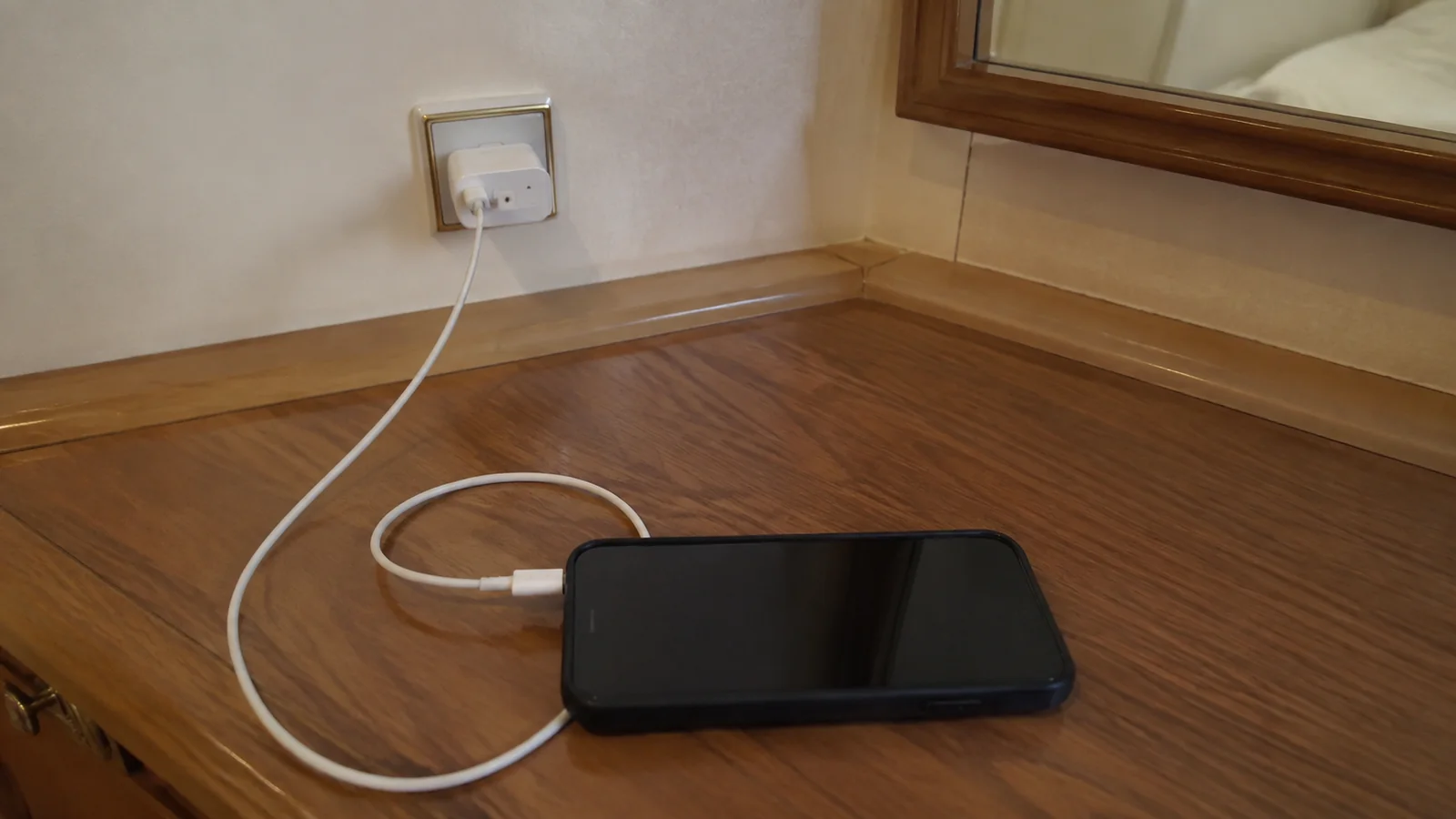
The three rules I would check first
| Cruise line | Ordinary power strips and extension devices | My practical choice |
|---|---|---|
| Royal Caribbean | Power strips, extension cords, and multi-plug outlets are prohibited, with specified exceptions for device and USB chargers. | Use a compliant charger that meets the current policy and has the required conformity markings. |
| Carnival | Its guidance permits power strips, multi-outlet adapters, and extension cords without surge protection, subject to removal if unsafe. | Take only a suitable device you need, in good condition, after checking the current wording. |
| Disney | Extension cords, power strips, multi-plugs, and surge protectors are listed as prohibited. | Leave the ordinary strip home and verify the charger you intend to use. |
The distinction is bigger than whether a strip has surge protection. Removing that feature does not make an otherwise prohibited multi-outlet device acceptable on every line.
Royal Caribbean: a non-surge strip is still a strip
Royal Caribbean’s current prohibited-items policy lists extension cords, power strips, and multi-plug outlets among restricted electrical equipment. It gives an exception for device and USB chargers marked with recognized U.S. or European conformity certification.
I would read that exception carefully before buying a charger. A product with extra household AC receptacles should not be treated as a USB charger simply because it also includes USB ports.
Keep the manufacturer’s markings and specifications available. A retailer’s claim that thousands of cruisers have used it is less useful than knowing what the device actually is.
The policy also reserves review to the ship’s security team. I would choose a straightforward charging device rather than a complicated combination adapter whose features are difficult to explain.
Carnival: permitted does not mean every device is suitable
Carnival’s prohibited-items and exemptions guidance identifies power strips, multi-outlet adapters, and extension cords without surge protection as permitted electrical accessories, with a safety-review qualification. Items deemed unsafe can be removed.
That means a blanket claim that Carnival bans every extension cord would be inaccurate. It also does not mean an old household surge protector is a good choice.
I would inspect the exact product’s specifications, cord, plug, and condition. Leave anything damaged, loosely fitting, or unclear about surge protection at home.
A compact permitted charger may still be simpler than a strip if you only need to charge phones. Use the allowance to solve a real need rather than turn every available outlet into several more.

Disney: do not copy a hotel packing list
Disney’s prohibited and restricted items list includes extension cords, power strips, multi-plugs, and surge protectors. A device you used at a Disney hotel is not automatically suitable for a Disney cruise.
I would leave an ordinary multi-outlet power bar out of the bag. For a USB charging device, check the current guidance or ask about the exact model rather than buying something based on a cruise-approved label.
Do not assume a flat plug, short cord, or lack of a switch creates an exception. Those design features do not change the cruise line’s category rules by themselves.
If the power requirement is medical, contact the appropriate Disney team before sailing. That is a different planning task from trying to add convenience outlets for the whole family’s phones.
What the different electrical terms mean
A power strip usually provides several household-style AC receptacles from one wall connection. A multi-plug adapter may do the same without a long cord.
An extension cord moves the connection farther from the outlet. It may provide one receptacle or several, and the cruise line can regulate it separately from a charger.
A USB charger converts power for devices connected through USB ports. Some products combine USB charging with extra AC outlets, which is why looking only at the word USB can be misleading.
Surge protection is another feature, not a synonym for every power strip. I would read the manufacturer’s specification rather than guess from the product’s shape or color.
You do not need to become an electrical engineer to pack correctly. Identify what the device does, compare it with the line’s categories, and ask when the wording does not clearly cover it.
Check the cabin outlets before buying accessories
Look for current information about the actual ship and cabin category. Outlet location and USB availability can differ between older ships, newer ships, and renovated rooms.
I would pay attention to whether power is near the bed, desk, or vanity. The number of outlets matters less when the one you need is in the right place.
A cabin photo can help, but an older picture may miss a refit or a different room layout. Ask the line about essential requirements rather than rely solely on a video of a similar cabin.
My practical cruise cabin tips favor keeping the room simple. Before adding a gadget, decide whether a different charging routine solves the same problem.
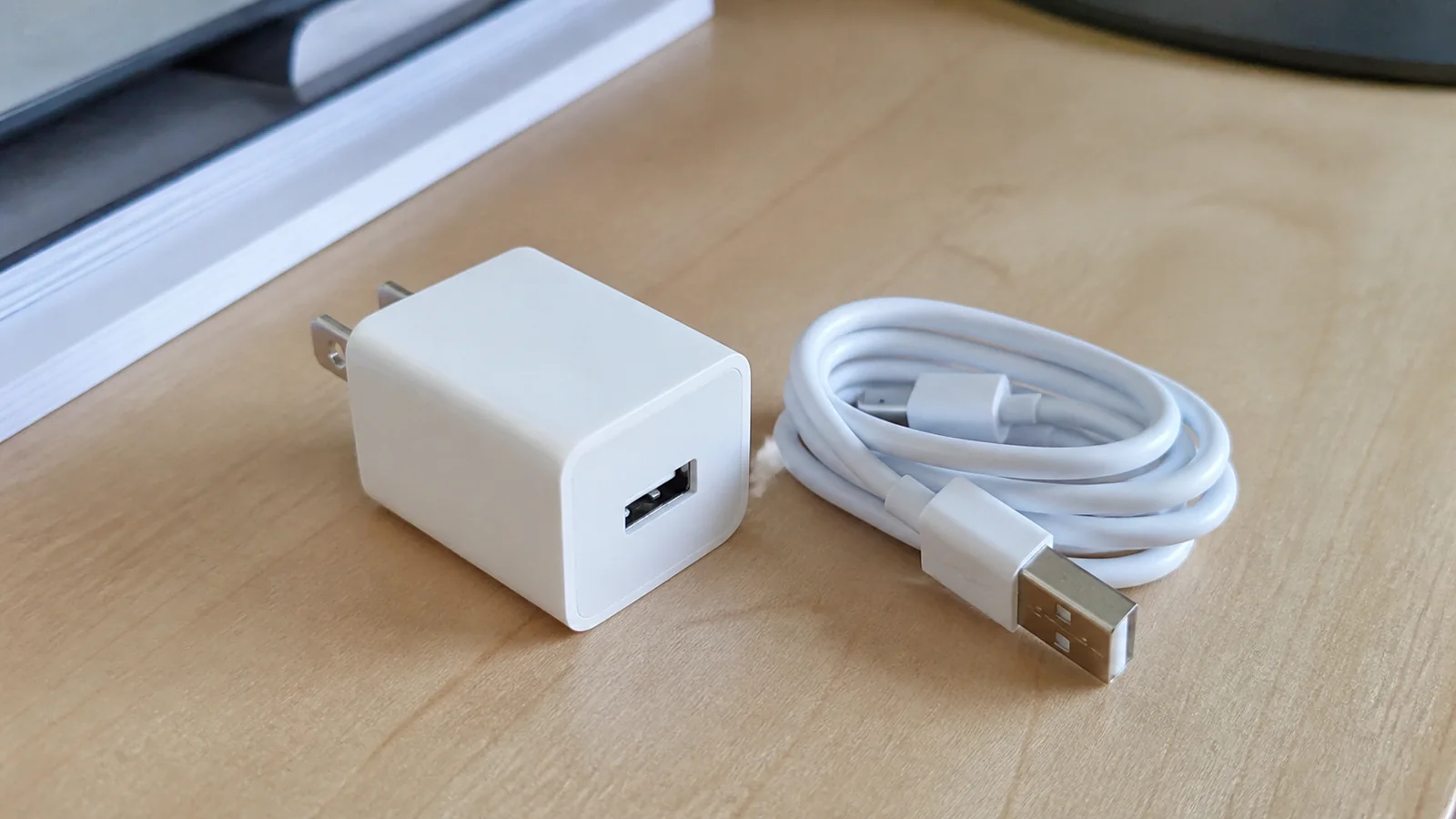
Plug shape and voltage are different questions
A plug adapter changes the physical connection; it does not necessarily convert voltage. Check the input rating printed on each device’s charger and compare it with the outlet you intend to use.
If the charger does not support the available supply, do not assume a simple adapter fixes that. Ask the manufacturer or choose an appropriate permitted solution.
I would avoid making a general promise that every cabin has the same U.S. and European outlets. Verify your ship, especially if you rely on a particular medical or work device.
A travel adapter also remains subject to the cruise line’s restrictions on multi-plug or combined electrical devices. Compatibility with the outlet and permission to bring the item are separate checks.
A CPAP needs a confirmed power arrangement
Contact the line’s accessibility or special-needs team before travel and explain the device and any bedside power requirement. Ask whether the ship supplies an approved extension arrangement or wants you to bring a particular permitted cord.
Do not assume one line’s process applies to another. Some arrangements involve limited onboard equipment, advance notice, or inspection of a passenger-supplied item.
Royal Caribbean’s Guest Special Needs Form is one official route for requesting assistance. Use the corresponding process for the line you booked and retain the response.
I would also confirm any required water or other supplies for the device. Follow the device manufacturer’s instructions rather than substitute an ordinary onboard beverage because it is convenient.
Keep medical equipment with you during boarding and verify the room arrangement before bedtime. If the solution is missing, contact the crew promptly instead of improvising a cord route across the room.
Charge fewer things at the same time
List the devices that truly need power together. Two phones, a watch, and a camera battery may be manageable without extra AC receptacles.
I would charge the camera while getting ready for dinner and rotate the smaller devices when the main phone is finished. That can reduce the size of the charging setup you need to carry.
Bring the correct cables for each device and check they still work before leaving home. An extra adapter does not help when the cable is damaged or has the wrong connector.
My forgotten cruise items checklist is useful for these small essentials. I would prioritize working cables over another accessory bought for an unlikely situation.
Follow the manufacturer’s and ship’s instructions about charging location and supervision. Keep devices away from bedding, water, and anything that obstructs ventilation.
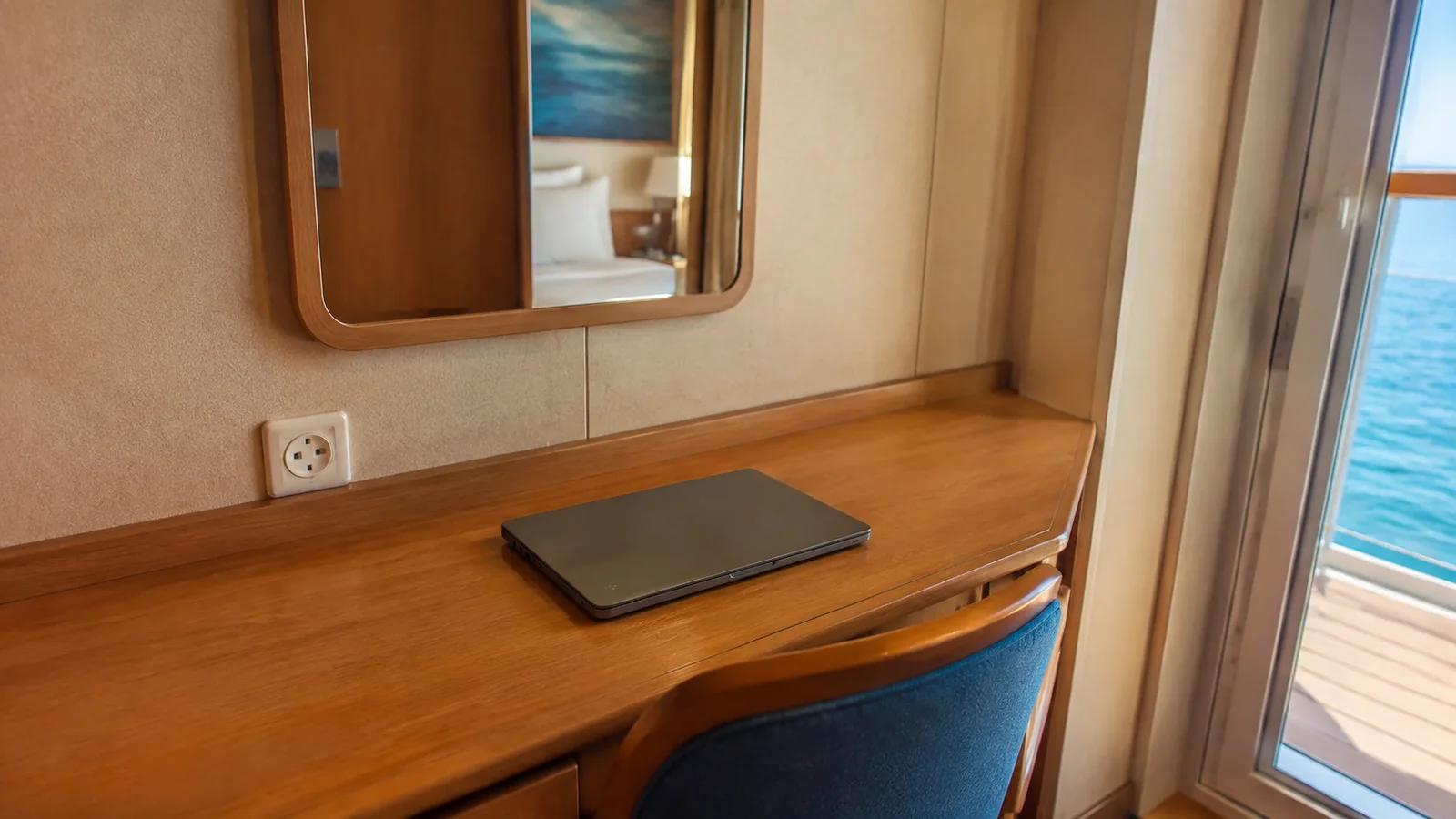
Avoid a tangle across the cabin floor
Even a permitted cord can become inconvenient if it crosses the route to the bathroom. I would ask the crew about a safe arrangement when power must reach a bedside device.
Do not run cables across doorways or interfere with closing doors. Keep the room’s exit route clear, especially when an extra bed is unfolded.
Avoid linking multiple extension devices together to reach farther or add more outlets. A simple approved arrangement is easier to use and inspect.
My cruise packing guide can help reduce duplicate electronics before they become a room-management problem. Leaving an unnecessary device at home often solves more than adding another plug.
If security questions the item
Show the device and its specifications, along with any written approval that applies. Keep the explanation focused on what it does and why you need it.
If staff decide it is not permitted, ask about the line’s handling and return process. Do not assume every retained item is automatically available for pickup at the end of the cruise.
I would not hide an electrical accessory in checked luggage to avoid the discussion. Checked bags are screened too, and the result can be a delayed suitcase as well as a rejected device.
For an essential medical arrangement, ask the crew to help implement the approved alternative. The priority is making the equipment usable, not winning an argument about a particular household cord.
Questions I would ask before buying
- Does this device add AC receptacles, provide USB charging, or both?
- Does it include surge protection?
- What markings and input specifications does the manufacturer provide?
- Does my cruise line allow this exact category?
- Do I need an extension for medical equipment or only more convenience outlets?
- Can the cabin’s existing outlets and a charging schedule meet the need?
Is a strip without surge protection allowed everywhere?
No. Some lines prohibit the strip or multi-plug category itself, regardless of surge protection.
Is a USB charger always allowed?
Do not make that assumption. Check the line’s current exceptions, the device’s features, and any required conformity markings.
What about Norwegian, Princess, or another line?
Use that line’s current policy and ask about the actual device if necessary. I would not transfer Carnival’s permission or Royal Caribbean’s restrictions to a different provider.

The setup I would choose
I would use the cabin’s existing outlets with a compact permitted charger and only the cables I need. For a medical device, I would arrange reliable power before sailing and confirm the setup as soon as the cabin is available.