King’s Wharf Bermuda Cruise Port Guide for a Perfect Day
King’s Wharf gives cruise passengers a wonderfully easy Bermuda landing, with stone forts, ferries, shops, and waterfront views just beyond the gangway. The only real puzzle is deciding whether to stay in the Royal Naval Dockyard, ride to a pink-sand beach, or use an overnight call to explore farther without turning the day into a race.
Where is King’s Wharf in Bermuda?
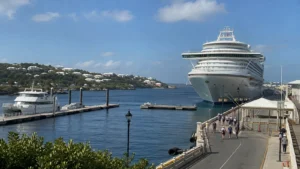
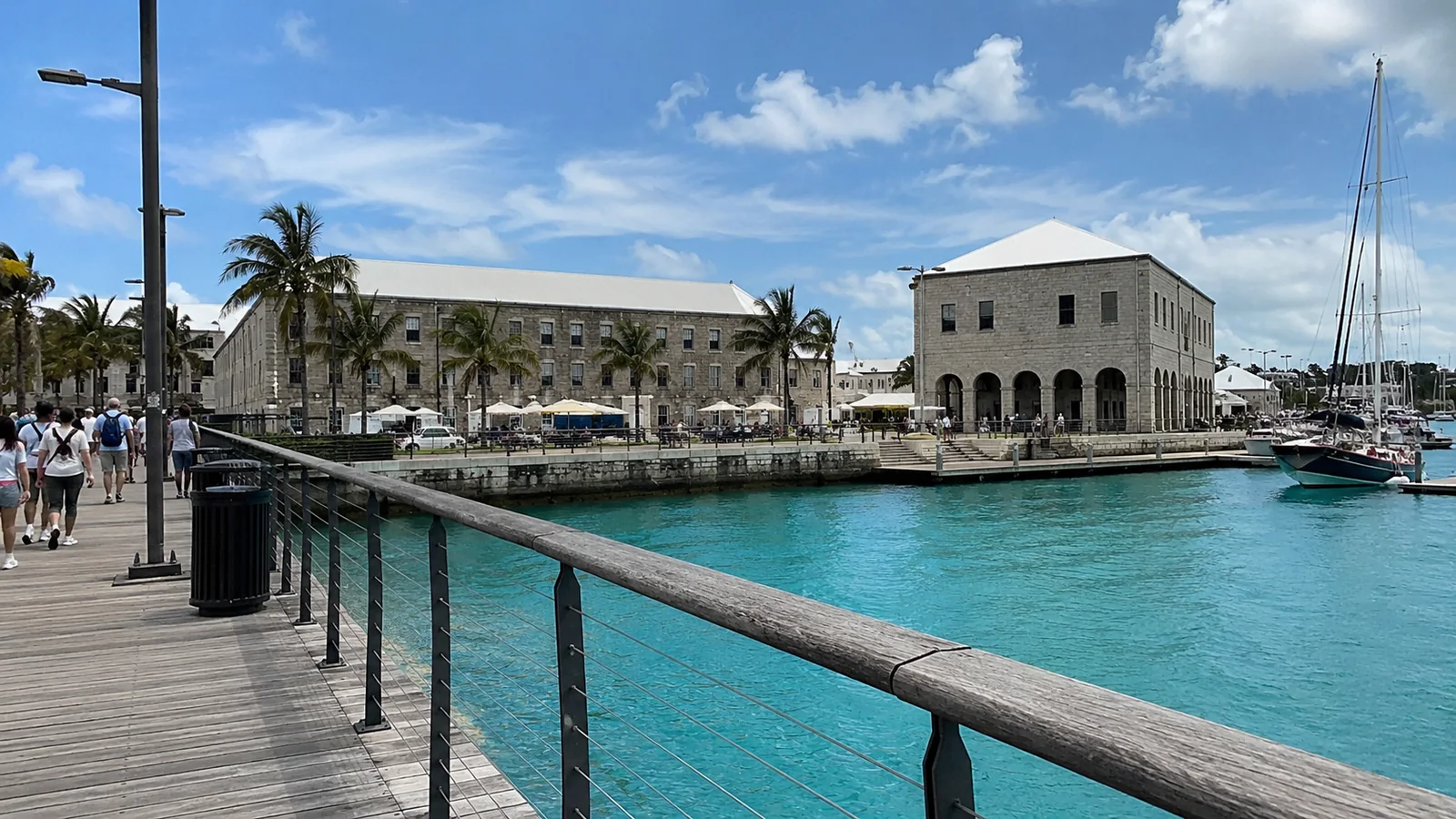
King’s Wharf is a cruise berth inside the Royal Naval Dockyard at Bermuda’s western end. The Dockyard sits in Sandys Parish on Ireland Island, well west of Hamilton and even farther from St. George’s.
Large ships may use King’s Wharf or neighboring Heritage Wharf. Both open into the same historic Dockyard complex, but your cruise documents and daily program should identify the actual berth.
The names create unnecessary confusion online. “King’s Wharf,” “Royal Naval Dockyard,” and “Bermuda cruise port” can describe overlapping places, but King’s Wharf is the berth while Dockyard is the broader destination around it.
This guide concentrates on a day from King’s Wharf. Our broader Bermuda cruise ports guide explains how Dockyard compares with the smaller facilities in Hamilton and St. George’s.
What happens when you leave the ship?
King’s Wharf is a docked port, so passengers normally walk down a gangway rather than take a tender. Weather, maintenance, and port operations can still alter any call, which makes onboard announcements the final authority.
The pier can feel long when two large vessels are in Dockyard and everyone disembarks at once. Add time for elevators, security, the gangway, and the walk through the port before timing a ferry or tour.
Once outside the controlled pier area, signs lead toward taxis, tour departures, buses, ferries, rentals, and Dockyard attractions. Pause long enough to identify the route back to your ship, because King’s Wharf and Heritage Wharf can look remarkably similar at the end of a sunny day.
Photograph the ship name, berth, all-aboard time, and port-agent details from the daily program. Keep the ship’s time setting on your phone or watch if crew instructions differ from local time.
Royal Naval Dockyard is a destination, not just a terminal
Dockyard served as a British naval stronghold for more than 150 years and is now Bermuda’s main large-ship cruise hub. The tourism authority’s official Royal Naval Dockyard overview explains how historic naval buildings have become museums, shops, studios, restaurants, and visitor spaces.
This makes King’s Wharf unusually forgiving. You can have a satisfying port day without committing to a long road transfer, and returning to the ship is straightforward if weather or energy changes the plan.
Historic stonework, uneven paving, heat, and spread-out buildings can make the complex feel larger than it appears. Comfortable shoes are worth far more here than an ambitious outfit.
Best things to do within the Dockyard
Explore the National Museum of Bermuda
The National Museum occupies the fortified Keep at Dockyard and covers Bermuda’s maritime, military, social, and cultural history. It is the strongest nearby choice for travelers who want context rather than a quick souvenir loop.
Allow at least a couple of hours if you enjoy exhibits, historic architecture, and views from the grounds. Admission, opening days, last entry, and temporary closures should be confirmed through the museum’s official visit page before you set off.
The museum states that Commissioner’s House is wheelchair accessible by a ground-floor entrance and elevator. Other historic surfaces and exhibits can present different conditions, so contact the museum about the exact route and assistance you need.
Walk the historic complex
A self-paced Dockyard walk can combine fort walls, old naval buildings, waterfront viewpoints, the Clocktower area, and local shops. It works especially well on arrival or departure day when a farther trip feels too rushed.
Do not assume every heritage building is open to enter. Some are active businesses, event spaces, or restricted structures, so follow signs and use designated pedestrian routes.
Browse local art and crafts
Dockyard has galleries, artisan spaces, and shops mixed among more familiar cruise-port retail. Ask where an item was made if buying locally produced work matters to you.
Opening hours can shrink outside the busiest cruise season or change when no ship is in port. An overnight call does not guarantee that every store stays open late.
Book a boat trip from the West End
Snorkel boats, sailing trips, glass-bottom excursions, and other water activities often depart from Dockyard-area facilities. A nearby departure cuts road risk, but operators still need a realistic return time for weather and marine conditions.
Verify what the trip includes, the exact meeting point, swimming expectations, cancellation terms, and whether transportation returns inside the cruise complex. Independent tours do not usually hold the ship.

Beaches from King’s Wharf
Snorkel Park for the shortest trip
Snorkel Park is the closest conventional beach option inside the Dockyard area. It is useful when time is short, although admission, events, rentals, operating hours, and swimming conditions need a same-day check.
Its appeal is convenience rather than a remote Bermuda landscape. If you want the classic broad curve of pale pink sand, plan transportation to the South Shore.
Horseshoe Bay for the iconic beach day
Horseshoe Bay is in Southampton Parish and is not walkable from the cruise berth. Taxis, beach shuttles, organized tours, and public Route 7 can connect Dockyard with the South Shore.
Route 7 is the scenic public-bus choice because it serves the South Shore corridor. The beach stop still requires a walk down and later back up the access road, which matters in heat or with limited mobility.
At busy times, the return line for buses, shuttles, and taxis can grow quickly. Arrange your departure before the beach empties all at once, and keep a cash or payment backup for transportation.
Ocean conditions change, and a beautiful beach is not automatically a calm one. Watch posted flags, follow lifeguard directions when lifeguards are present, and keep children within direct supervision.
Somerset Long Bay for a quieter West End option
Somerset Long Bay is closer to Dockyard than the major South Shore beaches and pairs sand with a park and nature reserve. It tends to suit a gentle walk, picnic, or quieter stop more than a full-service resort day.
Facilities and sea conditions are more limited than at Bermuda’s marquee beach. Bring what you need and never count on a seasonal concession being open.
Taking the ferry from King’s Wharf
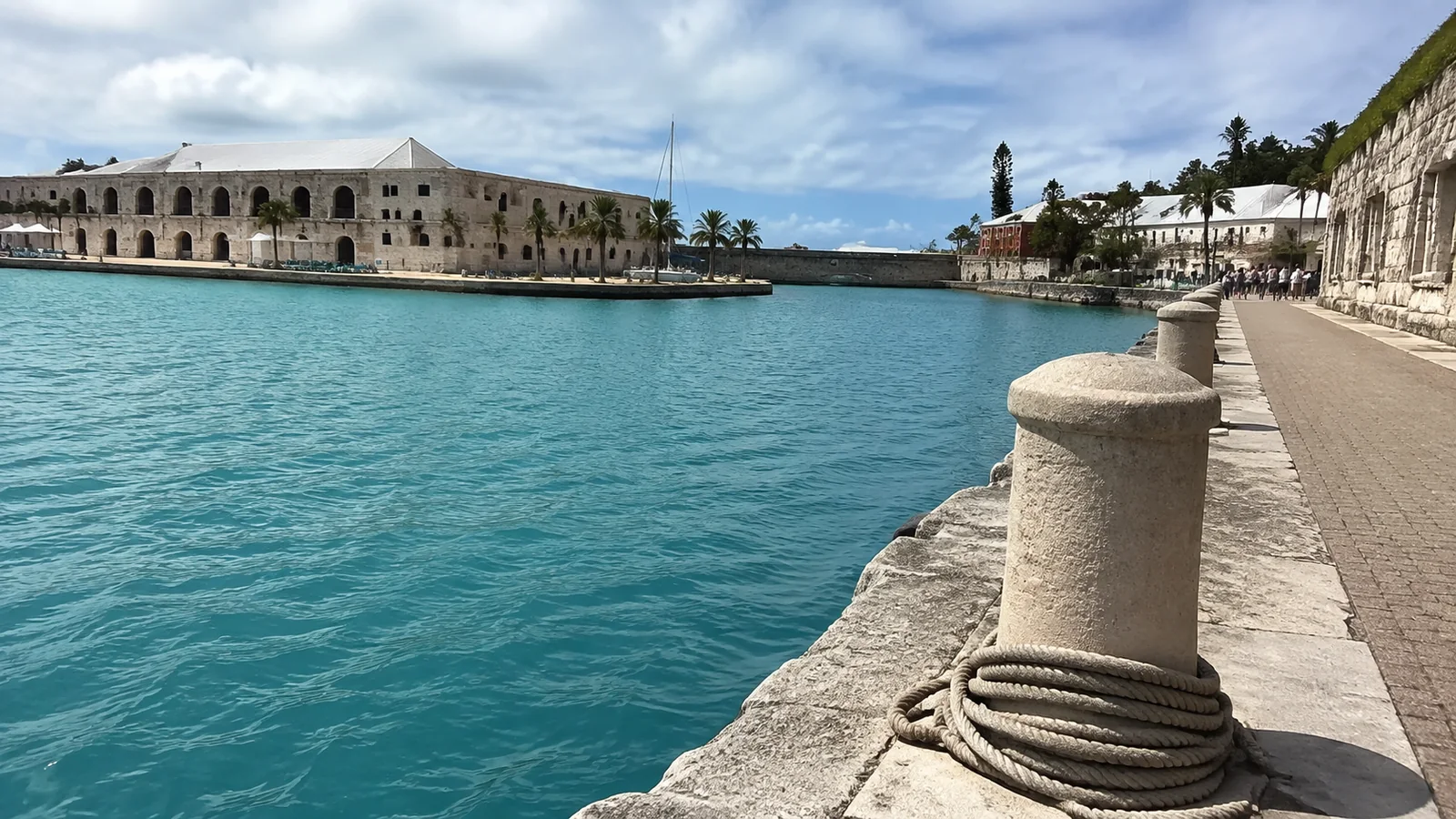
The Dockyard ferry terminal is within the complex and is one of King’s Wharf’s biggest advantages. The Blue Route links Dockyard and Hamilton, while a seasonal Orange Route may link Dockyard and St. George’s.
Use the current Bermuda Marine and Ports schedule, not a timetable saved from an old blog post. The department publishes seasonal schedules and alerts because departures, routes, and capacity can change.
The 2026 summer schedule describes Hamilton, Dockyard, and St. George’s terminals as accessible to people with disabilities and tells passengers to ask crew for assistance. That does not guarantee every sailing, vessel, gangway angle, or onward street route will suit every device.
Arrive before the posted departure, particularly when multiple ships are berthed. A full ferry can leave you waiting for the next one, which is mildly annoying in the morning and potentially serious near all-aboard.
Ferry to Hamilton
The Blue Route is usually the cleanest way to reach central Hamilton because it crosses the harbor instead of following the island’s roads. Shops, restaurants, and city streets begin close to the Hamilton terminal.
Check the last useful return before leaving Dockyard. Aim for an earlier ferry than the mathematical final option, especially on departure day.
Ferry to St. George’s
A direct seasonal ferry can make historic St. George’s practical from Dockyard, but it is a much more schedule-dependent outing. The service does not operate with the same pattern year-round, and weather or operational changes can remove a sailing.
Build the day around the return first, then choose activities that fit between those sailings. If the direct ferry is unavailable, reaching St. George’s becomes a longer combination and is rarely a casual last-minute choice.
Using Bermuda’s public buses
Routes 7 and 8 connect the Dockyard area with Hamilton. Route 7 follows the South Shore and serves the corridor for popular beaches, while Route 8 uses Middle Road and is generally the more direct public-bus path between Dockyard and the city.
The Government of Bermuda posts current official bus schedules by route and day. Weekday, Saturday, Sunday, and holiday service can differ, so inspect the correct column rather than memorizing a frequency.
Public buses are economical but make local stops and can fill near the cruise terminal. They are wonderful when your schedule is flexible and less appealing when a final return leaves no room for a missed bus.
Ask the driver to identify the correct stop, then watch the route on an offline map. Bermuda’s stop poles use a direction system, but knowing whether a bus is heading toward or away from Hamilton remains more useful than relying on color alone.
Taxis, tours, and rental vehicles
Taxis offer the easiest door-to-door option for beaches, island drives, and travelers who want less walking. Confirm whether the trip is metered, hourly, or a fixed tour arrangement before departing.
For a private sightseeing tour, agree on duration, major stops, waiting time, payment, and return deadline in advance. A good plan leaves one or two priorities flexible rather than trying to photograph the entire island through a car window.
Bermuda does not offer ordinary full-size rental cars to visitors in the familiar airport-counter sense. Licensed rental minicars and scooters exist, but left-side driving, narrow roads, roundabouts, limited parking, and unfamiliar traffic make them a poor spontaneous choice for some passengers.
If renting, verify license requirements, insurance, charging or fuel, helmet rules, weather restrictions, and the exact drop-off process. Do not learn a scooter under cruise-day time pressure.
Accessibility at King’s Wharf
The ship docks, but gangway slope can change with the tide and vessel setup. Ask the cruise line about mobility assistance before disembarking and avoid assuming the same arrangement will be in place when you return.
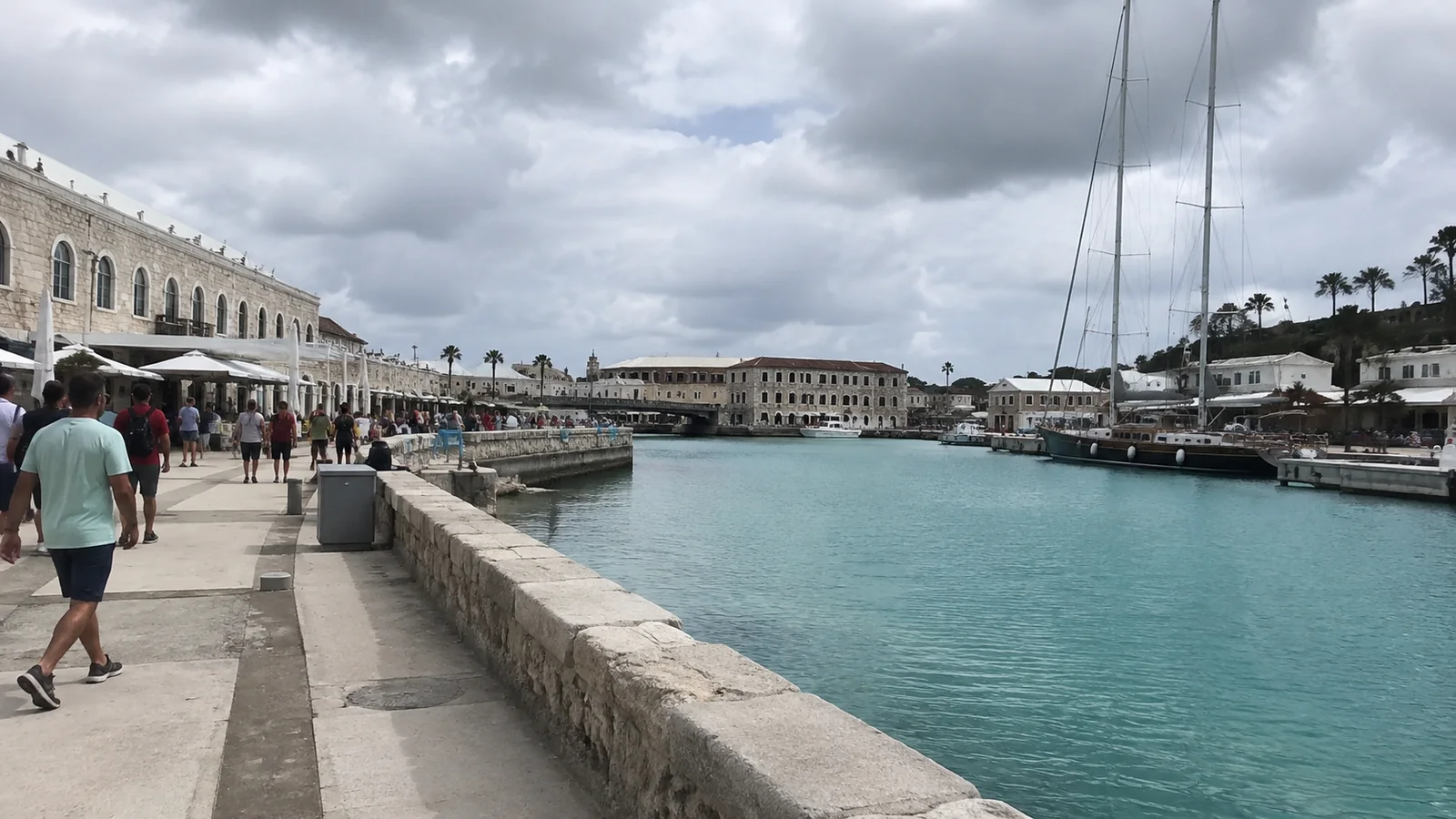
Dockyard’s main visitor routes are more manageable than many tender ports, yet distances, old stone surfaces, curbs, heat, and crowds still matter. A mobility device that works comfortably on the ship may need extra battery planning ashore.
Accessible taxis and tour vehicles should be reserved rather than expected in a walk-up line. Give the provider the device dimensions, transfer ability, number of passengers, and whether a ramp or lift is required.
Public transport access can vary by vehicle and marine conditions. Confirm the specific bus or ferry journey through the operator, and keep a backup plan that does not depend on one last departure.
Money, connectivity, and practical details
The Bermuda dollar is fixed at parity with the U.S. dollar, and U.S. currency is widely accepted. Change may be given in Bermuda dollars, which are not generally useful after leaving the territory.
Cards are common, but a small amount of cash helps with transport or a terminal that is temporarily offline. Confirm accepted payment methods before boarding a bus or ferry because a phone wallet is not a universal guarantee.
Bermuda is outside many standard U.S. domestic cellular plans. Check roaming rates, use trusted Wi-Fi carefully, and download maps and tickets while still connected to the ship if your package allows it.
Public restrooms are available around Dockyard, but their hours and exact locations vary. Use facilities before boarding a longer bus or ferry ride instead of assuming the next stop will have one.
Entry documents and going ashore
Cruise visitors are not currently required to complete Bermuda’s general air-arrival form, according to the government’s visitor information. Document and visa rules still depend on nationality, itinerary, and the countries needed for transit or re-entry.
Follow the cruise line’s voyage-specific instructions for passports, government identification, visas, and documents to carry ashore. A closed-loop U.S. itinerary does not erase every possible immigration requirement.
Keep a photo or paper copy separate from the original documents where permitted, along with the port-agent phone number. The copy does not replace a passport, but it can help officials identify you in an emergency.
How weather changes a King’s Wharf day
Bermuda is subtropical, not a Caribbean island with identical beach weather in every month. Winter and spring calls can feel cool or windy, while summer brings warmer water, humidity, and a stronger need for shade.
The Atlantic hurricane season runs from June 1 through November 30, but a date inside the season does not predict a storm on your visit. Cruise lines can delay, reroute, shorten, or cancel calls when conditions require it.
Wind can affect ferries and water excursions even when the sun is shining at the berth. Check the local forecast, operator notices, and ship messages before committing to a marine plan.
Pack a light rain layer and reef-conscious sun protection rather than trusting a single weather icon. Our cruise packing list covers the small port-day essentials that are annoying to replace after sailing.
Planning an overnight stay in port
An overnight call removes the first-day all-aboard deadline, but it does not make transportation operate around the clock. Check the last ferry or bus before dinner and know what a taxi back to Dockyard involves.
The ship usually remains your hotel, and you can generally come and go while it is berthed, subject to security and gangway instructions. Carry your cruise card and required identification each time.
Use the first day for a farther destination such as St. George’s or Hamilton, then reserve the final day for Dockyard or the West End. That sequence protects the last all-aboard time while still making the overnight feel generous.
Ship departure can be earlier than it feels after a late evening. Recheck the final-day all-aboard time before going to bed.
Realistic return-to-ship buffers
The all-aboard time is earlier than the ship’s departure time. Use the time printed by the cruise line, not the scheduled departure shown on a port website.
For activities inside Dockyard, I would aim to be back near the controlled pier about 45 to 60 minutes before all-aboard. That leaves room for shopping lines, security, and the walk to the gangway without treating the final minutes as a sport.
From Hamilton, choose a ferry or bus that leaves at least one practical departure in reserve. From St. George’s or a farther beach, add a more generous cushion for capacity, traffic, and a canceled connection.
A ship-sponsored excursion normally includes cruise-line return protections described in its terms, but it does not mean the day can ignore operational delays. Independent travelers remain responsible for returning on time.

Easy King’s Wharf itineraries
A relaxed three-hour Dockyard visit
- Walk directly to the National Museum when it opens.
- Browse the Dockyard’s historic core and local shops.
- Have lunch near the waterfront.
- Return to the pier with a full hour in hand.
This plan is ideal for a short call, unsettled weather, or travelers who prefer depth over transportation. It also leaves room to pause when a view or conversation turns out to be the best part of the day.
A classic beach day
- Leave early by taxi, shuttle, tour, or Route 7 for Horseshoe Bay.
- Swim only when conditions and posted guidance support it.
- Depart before the mass return rush begins.
- Use remaining time for a short Dockyard walk.
Carry only what you can secure and keep sand away from identification and electronics. Our Bermuda cruise planning guide offers more help matching the itinerary and season to your priorities.
Hamilton by ferry
- Confirm the day’s Blue Route schedule before leaving the ship.
- Ride to Hamilton and explore on foot.
- Take an earlier return than strictly necessary.
- Finish with a drink, museum stop, or shopping in Dockyard.
This is the best balance for many first-time visitors because the ferry ride becomes part of the sightseeing. The backup departure is what keeps it relaxing.
Is King’s Wharf a good Bermuda cruise port?
Yes, especially for large ships and travelers who appreciate a real destination at the gangway. Dockyard has enough history, food, shopping, and water access to support an easy day, while ferries and buses open the rest of Bermuda.
Its weakness is geography: Hamilton, St. George’s, and the airport are not next door. Accept that tradeoff, build the return first, and King’s Wharf becomes one of those ports where the day can feel full without ever feeling frantic.