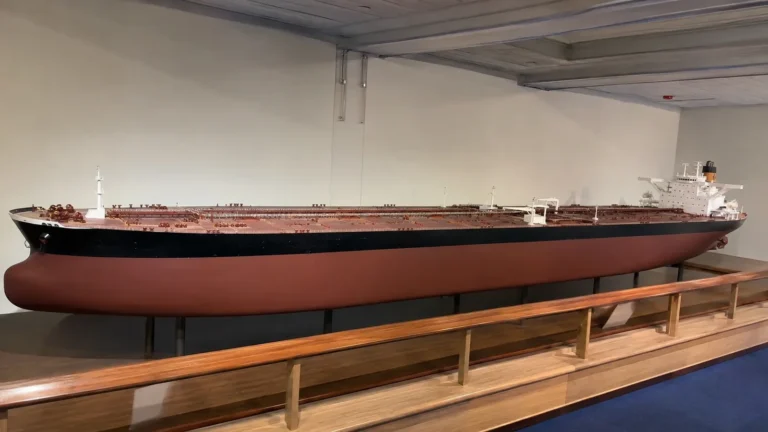
Best Cruise Ship Books: History, Crew Stories, Thrillers and Romance
The best cruise ship book depends on whether you want history, backstage crew life, a true maritime disaster, or pure pool-deck escapism. This list groups verified titles by reading mood, with honest content caveats and no promise that every edition, audiobook, or ebook remains available everywhere.
How I chose these cruise ship books
I prioritized books whose shipboard setting or passenger-ship subject is central, not a chapter-length detour. The list balances nonfiction and fiction, older standards and accessible contemporary reads, serious history and vacation-friendly entertainment.
This is not a ranking of literary greatness. A deeply researched liner history and a closed-circle thriller serve completely different moods, and forcing them into one scoreboard would be silly.
- For ocean-liner history: The Only Way to Cross.
- For cruise-industry history: Devils on the Deep Blue Sea.
- For crew life: Cruise Confidential.
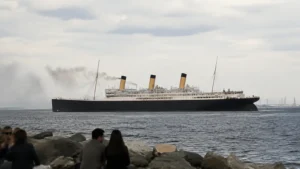
- For Titanic: A Night to Remember.
- For maritime disaster reporting: Dead Wake or The Ship and the Storm.
- For suspense: The Woman in Cabin 10.
- For classic mystery: Death on the Nile.
- For romance: Love, Lists, and Fancy Ships.
Best books about ocean liners and cruise history
The Only Way to Cross by John Maxtone-Graham
The Only Way to Cross is the foundational choice for readers fascinated by the golden age of transatlantic liners. Maxtone-Graham follows the ships, rivalries, design, service, and social world that made scheduled ocean passage both transportation and spectacle.
The book first appeared decades ago, and available editions vary significantly in cover, page count, illustration quality, and price. Check the ISBN and condition carefully when buying used, especially if the photographs are part of the appeal.
This is the book I would pair with our Ocean Liners 101 explanation. It provides richer history after you understand why an ocean liner and a modern cruise ship are not the same tool.
Devils on the Deep Blue Sea by Kristoffer A. Garin
Garin examines the business, personalities, expansion, and cultural forces behind the modern cruise industry. It is useful for readers who want to know how purpose-built vacation ships, corporate strategy, ports, regulation, and mass tourism developed together.
The subtitle is long and edition listings may punctuate it differently, so search by author and the core title. Because the book covers a fast-changing industry, treat its historical analysis as a period account rather than a description of every current line.
I recommend it to readers who enjoy business history more than deck-by-deck ship guides. It asks why the industry looks the way it does, which stays interesting after individual ships retire.
Best behind-the-scenes cruise crew book
Cruise Confidential by Brian David Bruns
Cruise Confidential: A Hit Below the Waterline recounts Bruns’s experience working in cruise-ship restaurants and crew areas. WorldCat’s library record verifies the title, author, and original Travelers’ Tales publication record.
Read it as one person’s memoir, not a neutral survey of all crew jobs or current employment conditions. The tone includes adult material, stereotypes, sexual situations, and humor that some readers will find dated or grating.
Its value is the contrast between the polished passenger product and the demanding labor behind it. Pair it with current reporting if your real interest is crew contracts, wages, or maritime labor standards.
Best Titanic book for a first reader
A Night to Remember by Walter Lord
Walter Lord’s concise narrative reconstructs the night Titanic sank through survivor testimony and historical research. The current Macmillan edition includes an introduction by Nathaniel Philbrick, but earlier and later formats can differ.
This is my first recommendation for readers who want a human-scale account before tackling technical debates. It is focused, readable, and far less bulky than many modern Titanic reference works.
No historical account should be treated as the final word forever. Discoveries, archival work, and modern analysis have refined details since the book first appeared in 1955, so use a current edition’s introduction and notes.
Our verified Titanic and modern cruise ship comparison supplies the dimensional and regulatory context. Lord’s strength is people and sequence rather than a modern-ship buying comparison.
Best true maritime disaster books
Dead Wake by Erik Larson
Dead Wake: The Last Crossing of the Lusitania tells the story of the Cunard liner sunk during World War I. Penguin Random House confirms the title and Larson’s narrative nonfiction treatment.
The book combines passenger stories, wartime policy, submarine warfare, and communication failures. Choose it when you want a propulsive historical narrative rather than a general encyclopedia of passenger ships.
This is not a modern cruise-ship disaster and should not be used to estimate present-day safety. Its world, technology, conflict, and regulation are historically specific.
The Ship and the Storm by Jim Carrier
Carrier investigates Hurricane Mitch and the loss of the sailing vessel Fantome, operated by Windjammer Barefoot Cruises. The story centers on weather, company decisions, crew, forecasting, and the terrible limits of escape from a major hurricane.
This is the darkest book on the list and not relaxing beach reading for everyone. It suits readers interested in meteorology and decision-making, but it should not be generalized to today’s large powered cruise ships.
Print and audio editions may come from different publishers, and used listings sometimes shorten the subtitle. Verify author, full title, and ISBN before ordering.
Best cruise ship thriller
The Woman in Cabin 10 by Ruth Ware
Ware places a journalist aboard a small luxury ship where she believes she has witnessed a woman go overboard, even though the other passengers appear to be accounted for. The official Simon & Schuster page confirms the premise and current editions.
This is a claustrophobic suspense novel, not a realistic guide to ship security or missing-person procedure. Its compact vessel and closed group create the story mechanics.
Choose it for a fast, tense read that uses cabins, corridors, isolation, and unreliable perception effectively. Avoid it if stories about people falling overboard make you anxious during a cruise.
Best classic shipboard mystery
Death on the Nile by Agatha Christie
Christie’s Hercule Poirot mystery turns a Nile journey into a contained web of relationships, motives, and observation. It is a river-voyage novel rather than an ocean cruise book, but the shared itinerary and limited cast make it essential shipboard reading.
Many editions and adaptations exist, with different covers, introductions, and formats. Search by title and author, then choose an unabridged text if you want the original novel rather than a film tie-in or graphic adaptation.
The social attitudes reflect the period in which Christie wrote. Readers who prefer contemporary characterization may find the setting and puzzle stronger than some of the language or portrayals.
Best literary cruise novel
The Last Cruise by Kate Christensen
Christensen sets this novel on the final voyage of an aging luxury ship, following passengers and crew as systems and expectations begin to fail. The ship becomes a compressed society, making this more character study than conventional vacation thriller.
It is a good fit for readers who want food, labor, relationships, and class tensions alongside escalating trouble. The mood grows darker, so the charming vintage-voyage premise should not be mistaken for cozy fiction.
The hardcover and paperback publication details differ, which is normal. Library catalogs may list the original Doubleday edition while retailers emphasize a later Anchor paperback.
Best light romance around boats
Love, Lists, and Fancy Ships by Sarah Grunder Ruiz
This contemporary romance follows a yacht stewardess, family obligations, a bucket list, and a developing relationship. Penguin Random House verifies the title and author, with print, digital, and retail availability varying by market.
The setting is yacht life, not a 5,000-passenger cruise ship, so choose it for warm coastal atmosphere and character emotion rather than cruise operations. Grief and family strain give the story more weight than the breezy cover may suggest.
This is the easiest recommendation here for a reader who wants romance without a maritime disaster. A paperback also survives pool-deck glare and accidental naps better than a serious illustrated history.
Best classic literary sea voyage
Ship of Fools by Katherine Anne Porter
Porter’s only novel follows a large cast traveling from Mexico toward Europe aboard a German passenger ship in 1931. It uses the voyage to examine prejudice, politics, class, self-deception, and the social currents leading toward fascism.
This is long, dense, and intentionally uncomfortable, not cheerful cruise entertainment. Choose it for serious literary discussion or a book club willing to examine its historical context and difficult characters.
Some editions are out of print or available mainly used. Page count varies with typesetting, so compare ISBNs rather than assuming two covers represent the same physical edition.
Which cruise book should you pack?
Match the book to the actual reading window. A seven-night port-intensive Mediterranean cruise may offer less quiet time than a transatlantic crossing with six consecutive sea days.
- One short flight and a weekend cruise: A Night to Remember or The Woman in Cabin 10.
- A transatlantic crossing: The Only Way to Cross or Ship of Fools.
- A relaxed warm-weather week: Love, Lists, and Fancy Ships.
- A reader who wants the industry backstage: Devils on the Deep Blue Sea and Cruise Confidential.
- A weather or disaster reader: The Ship and the Storm or Dead Wake.
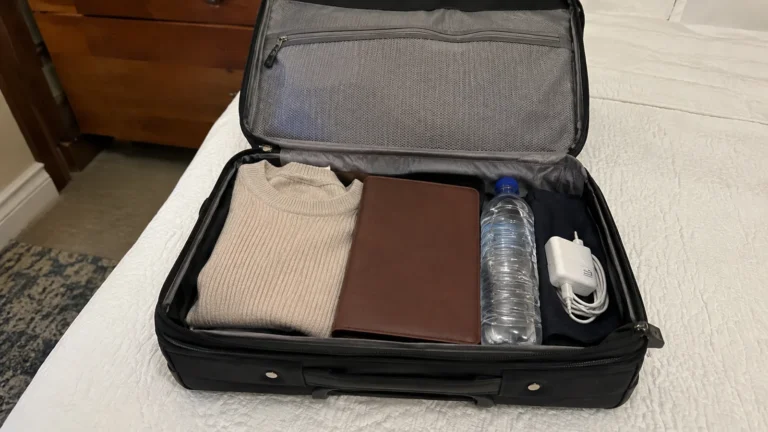
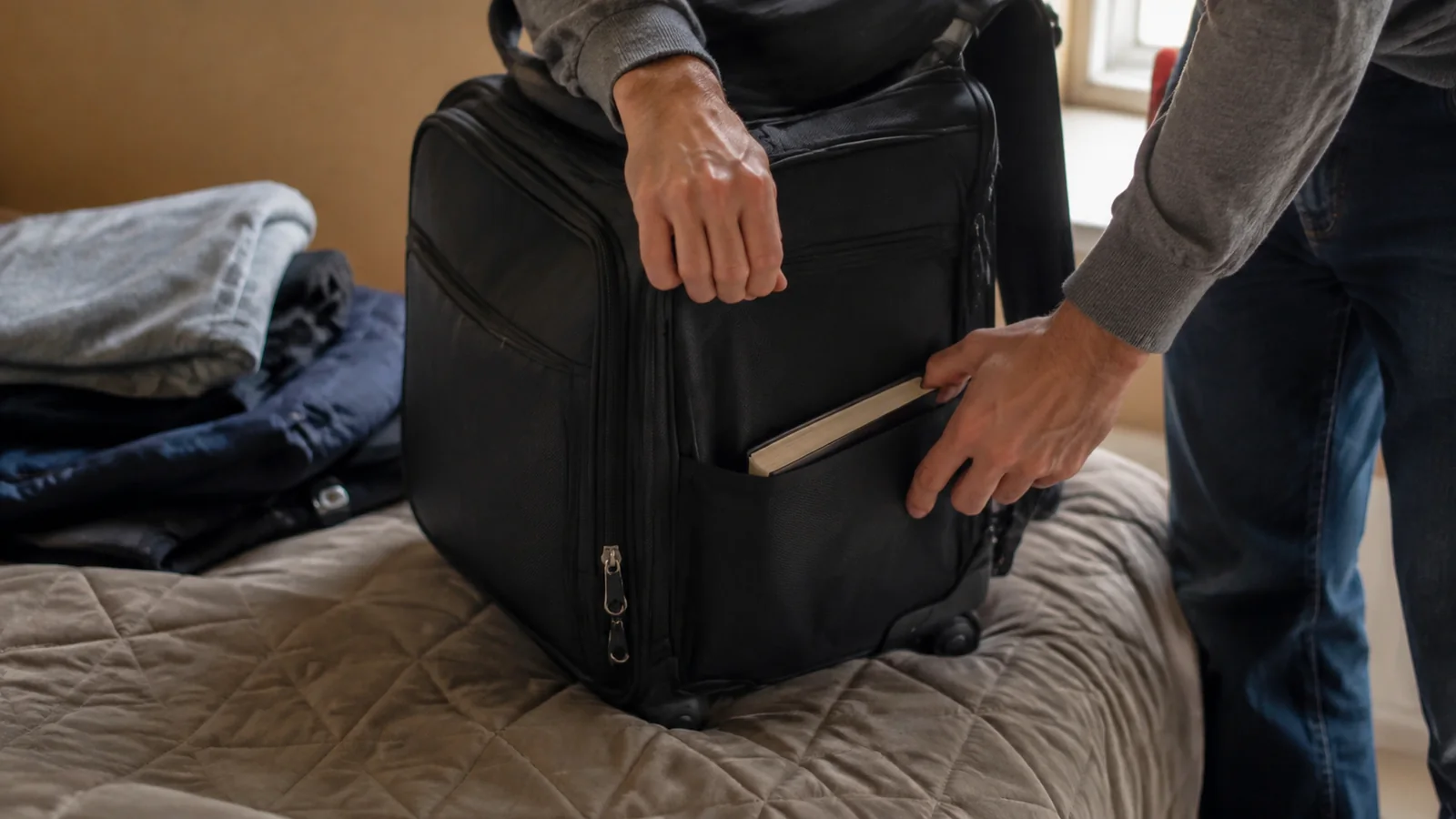
Do not pack three 400-page hardcovers because the sea-day fantasy feels appealing at home. One paper book plus an ereader or audiobook library gives you flexibility without turning luggage into a bookmobile.
Print, ebook, or audiobook?
A paperback needs no battery, handles airplane mode beautifully, and can be left in a cabin without exposing an expensive device. Large illustrated histories are better in print when deck plans and photographs matter.
Ebook
An ereader stores multiple moods and is easier to hold in wind than loose pages. Download purchases and library loans before embarkation because ship Wi-Fi may be slow, costly, or unable to complete a new authentication.
Audiobook
Audiobooks work well for travel days, promenade walks, and quiet balcony time. Download the complete file, test playback offline, and pack comfortable headphones that do not block safety announcements when awareness matters.
Narrator, runtime, abridgment, and regional availability vary by edition. Never assume an audiobook listing matches the print text without checking “unabridged” and the publisher details.
How to buy the correct edition
- Search by exact title and author.
- Compare ISBN, publisher, publication date, and language.
- Check whether an audiobook is abridged.
- Inspect used-book condition when illustrations matter.
- Ask the library about interlibrary loan for older titles.
- Download digital books before leaving reliable internet.
Retail availability changes and editions move in and out of print. A publisher page confirms a current edition, while WorldCat helps identify older library records and nearby holdings.
Reading comfortably on a cruise
Choose a shaded deck chair rather than fighting screen glare beside the pool. Wind can flip pages or carry a bookmark away, so a clip, case, or zippered day bag earns its space.
Keep electronics out of splash zones and never leave them unattended. Our cruise packing list covers chargers, cases, and the other small things readers remember five minutes after the suitcase closes.
If you are prone to motion sickness, reading in a windowless cabin may worsen symptoms. Try an open horizon, audiobook, or short reading session and follow medical advice appropriate to you.
My three-book starter shelf
Start with The Only Way to Cross for the ships, A Night to Remember for the people, and The Woman in Cabin 10 for unapologetic vacation suspense. Together they cover history, human drama, and the simple pleasure of turning pages by the sea.
Add Devils on the Deep Blue Sea when the cruise business interests you, or Love, Lists, and Fancy Ships when the pool deck needs something lighter. The best cruise book is the one you genuinely want to reopen after a long port day.