Nouméa, New Caledonia Cruise Port: Safety and Day Plans
Nouméa can be a wonderfully easy mix of French-Pacific food, Kanak culture, city bays, and lagoon time. It is also a port where security conditions and cruise deployments deserve a fresh check, so confirm that your ship is still calling before you reserve a beach boat or independent tour.
Is Nouméa currently open to cruise visitors?
New Caledonia’s official tourism site says the destination has reopened and describes cruise stopovers and tourism areas as accessible in its current situation update. That does not guarantee that your cruise line, ship, or sailing will call.
Cruise deployments changed after the serious civil unrest that began in May 2024, and a line can remove or restore ports on its own timetable. Weather, berth availability, local conditions, and operational decisions can also cause a last-minute substitution.
My first Nouméa planning rule is therefore refreshingly unromantic: open the cruise line’s dated itinerary before spending money ashore. If the call remains listed, check the line’s travel alerts and cancellation terms again near departure.
Do not treat a third-party port calendar as proof that a ship will arrive. The booking record, official cruise-line notices, and onboard announcements are the sources that control your day.
Current safety and civil-unrest guidance
Official governments do not describe the current situation in exactly the same way. That difference is important information, not a reason to pick whichever advisory sounds most comforting.
As of September 4, 2026, the U.S. Department of State lists New Caledonia at Level 2, “Exercise Increased Caution,” due to crime. Its May 2026 update removed the unrest risk indicator, yet the country page still warns that demonstrations can turn violent with little notice and disrupt transportation.
Australia’s Smartraveller advice, updated August 27, 2026, remains more cautious. It advises travelers to exercise a high degree of caution because of civil disorder and violence, noting political tension, a visible security presence, and the possibility of restrictions or disruption at short notice.
For a cruise passenger, the practical response is clear. Avoid demonstrations, crowds, roadblocks, and political gatherings; monitor official alerts; and follow local authorities and ship staff.
Keep your route back to the terminal simple and leave more time than you would in a port with completely stable transportation. A protest or road closure can affect a tour even when the waterfront itself feels calm.
Carry as little as practical, keep your phone out of sight when you are not using it, and secure cash and cards. Nouméa is a real capital city, so normal urban awareness belongs beside the sunscreen.
Where cruise ships dock in Nouméa
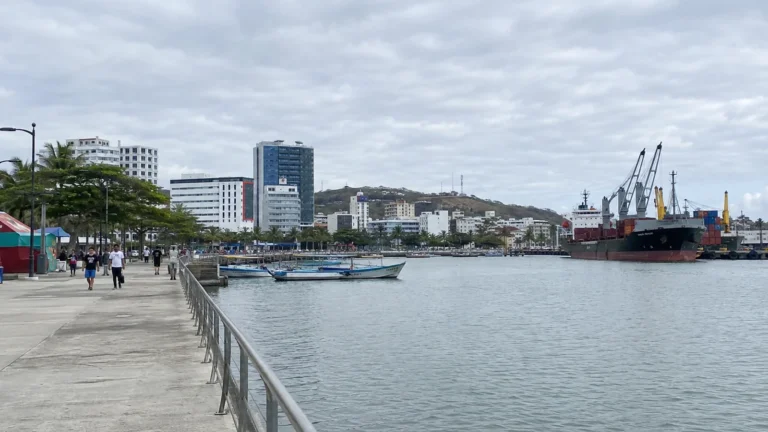
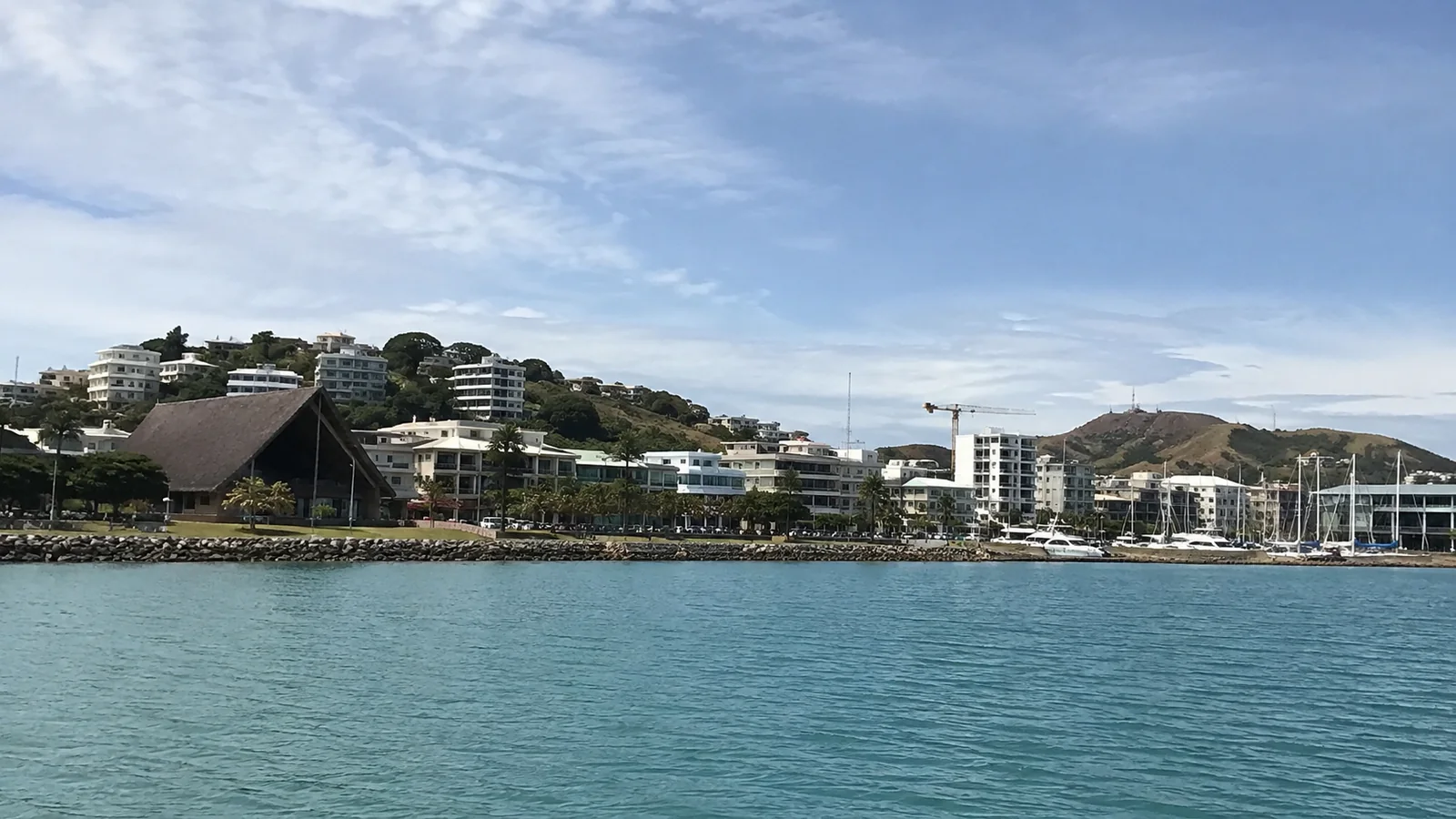
The passenger welcome point is the Gare Maritime cruise terminal at Ferry Wharf, also called Quai Jules Ferry, beside downtown Nouméa. The official Nouméa cruise-terminal guide lists an information desk, free Wi-Fi, currency exchange, local crafts, restrooms, and tour sellers.
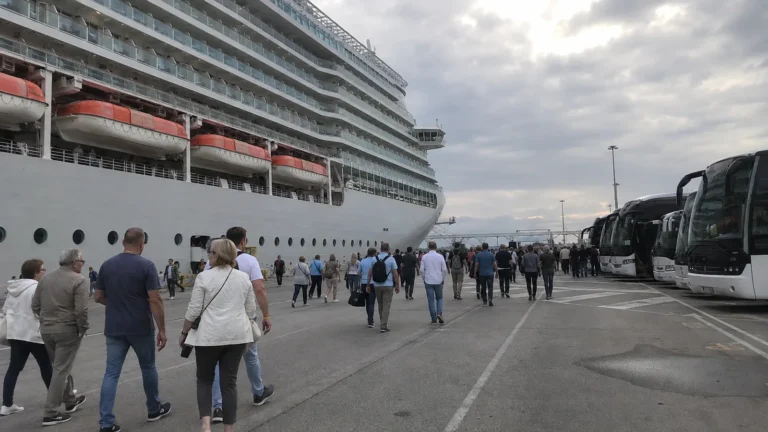
Your ship may not place its gangway at that building. Large vessels can use the commercial container berth, roughly 0.6 mile from central Nouméa, where passengers must take the cruise line’s shuttle to the Gare Maritime rather than walk through the working port.
Smaller vessels may use the berth near the passenger terminal, and operational circumstances can produce another arrangement. A tender call is possible, but Nouméa should not be labeled permanently as either “always docked” or “always tendered.”
Ship-sponsored tours may receive a direct pickup inside the controlled port area when arrangements allow. Independent operators commonly meet near the passenger terminal, so confirm the exact wording rather than assuming every “port pickup” means the same gate.
If your instructions mention port or starboard, the site’s ship-side explainer will get you pointed the right way. Gangway side and deck can change during a call, so use the current announcement.

How close is the cruise terminal to downtown?
The Gare Maritime sits close to the city center. Place des Cocotiers, the large central square, is an easy first landmark once you leave the terminal area.
Downtown works well on foot for travelers who want cafés, shops, the city museum, the World War II Museum, and a feel for Nouméa without a complicated transfer. Opening hours can be limited on Sundays, Mondays, holidays, or during disruptions, so check the dated listing for any must-see.
The waterfront market at Port Moselle and the Latin Quarter can also fit a central walking plan when operating normally. Keep an eye on heat, traffic, security advice, and the time because “nearby” stops add up quickly.
Getting around Nouméa
Walking is simplest downtown, but the popular bays and Tjibaou Cultural Centre require transportation. Options include Tanéo public buses, taxis, tourist buses, prearranged tours, and water taxis for nearby islets.
Tanéo public buses
Tanéo is the urban network for Nouméa and Greater Nouméa. Routes and fares changed in 2026, so check the current map and timetable rather than relying on a screenshot from an older cruise review.
Public buses are designed for everyday transportation, not guaranteed cruise connections. Leave a generous return margin and carry a payment method the operator currently accepts.
Taxis
Taxis can be the cleanest choice for a small group going directly to a beach or cultural site. Ask about the meter or quoted fare, accepted payment, waiting time, and how you will arrange the return.
Availability can tighten when a large ship arrives or local demand spikes. A phone number is helpful, but it is not the same as a reserved vehicle waiting at a set time.
Tourist buses and organized tours
Tourist buses commonly connect the terminal area with bays, city viewpoints, and attractions on cruise days. Routes, frequency, ticket rules, and stops can change, particularly when port operations or local conditions are disrupted.
Organized tours are useful for destinations beyond central Nouméa or for travelers who prefer a defined return plan. Read what “ship guarantee” actually means, especially when buying from a seller outside the cruise line.
Best things to do on a Nouméa cruise day
Nouméa is not a single beach stop. The strongest day plans choose one theme, then add a flexible second stop if time and conditions cooperate.
Explore central Nouméa
Start with Place des Cocotiers and a city-center walk. This is my low-stress choice for a short call, late arrival, unsettled weather, or a day when transportation feels uncertain.
The city museum adds local history, while the World War II Museum explains New Caledonia’s wartime role and American presence. Verify opening hours before leaving the terminal because a closed museum can reshape a compact plan.
A bakery or café stop makes the French influence tangible without turning the day into a checklist. Menus may be in French, but patience, a greeting, and a translation app solve a surprising amount.
Visit the Tjibaou Cultural Centre
The Tjibaou Cultural Centre is the best single choice for understanding Kanak and Oceanian culture through architecture, art, heritage, exhibitions, and landscape. It is outside the walkable downtown core, so arrange transportation in both directions.
The center is generally closed on Monday, and hours or galleries can change. Confirm the official calendar for your date before building the entire port day around it.
This is not just a striking building to photograph. Give the exhibitions and cultural context enough time, and approach Kanak history as living culture rather than decoration for a tropical day.
Choose a bay day
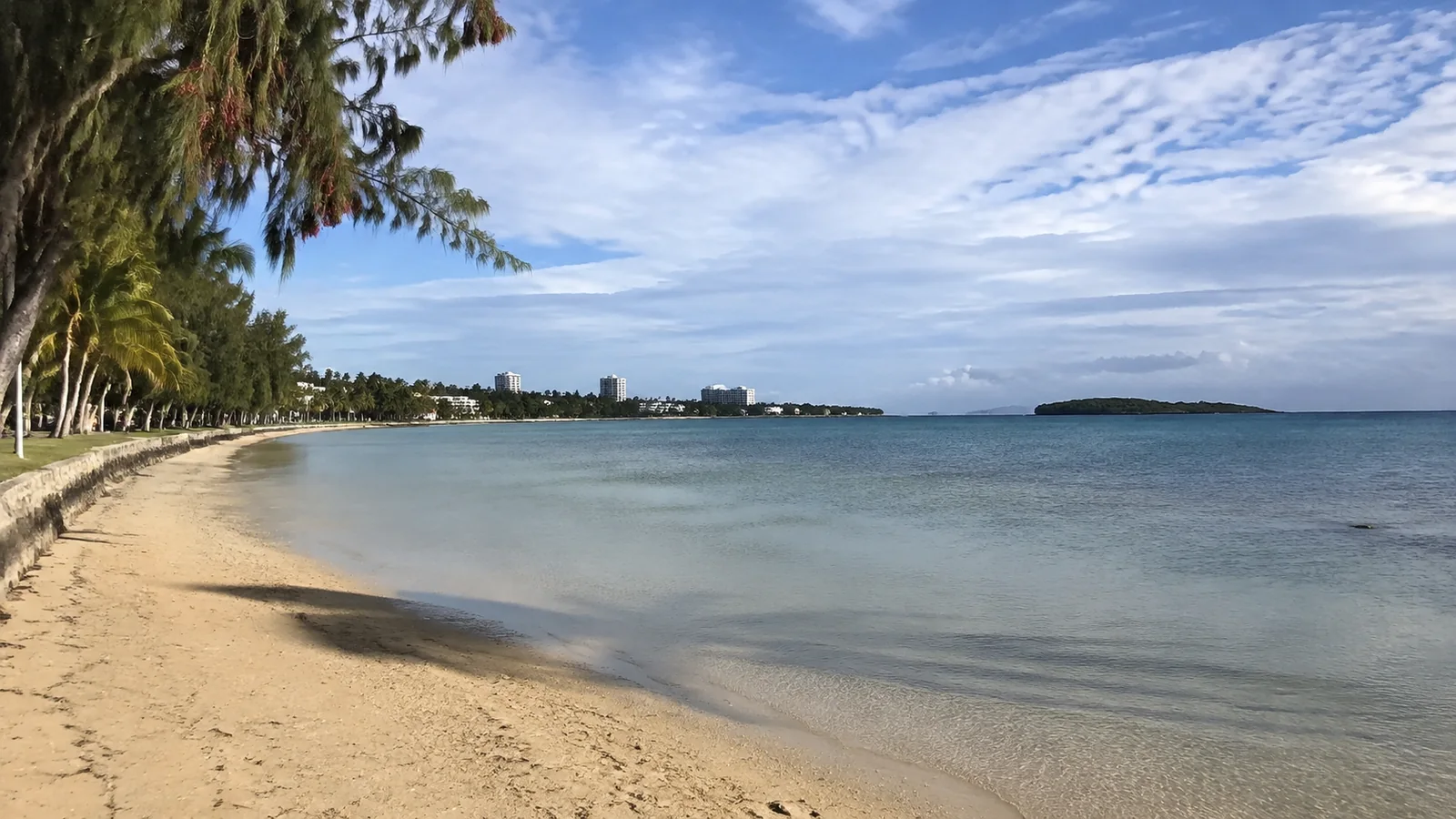
Baie des Citrons is the easier urban-beach option for swimming, cafés, and a relaxed promenade when conditions are suitable. Anse Vata is broader and breezier, with restaurants, water activities, and boat connections nearby.
Nouméa’s swimming rules changed after shark incidents, and protected zones cover only specific sections. Swim only where the current signs and lifeguards permit, stay inside designated netted areas, and accept that a beach may close at short notice.
Do not assume Anse Vata’s attractive shoreline means every section is approved for swimming that day. Ask locally before entering the water, especially after bad weather or a fresh safety notice.
Take a boat to Duck Island
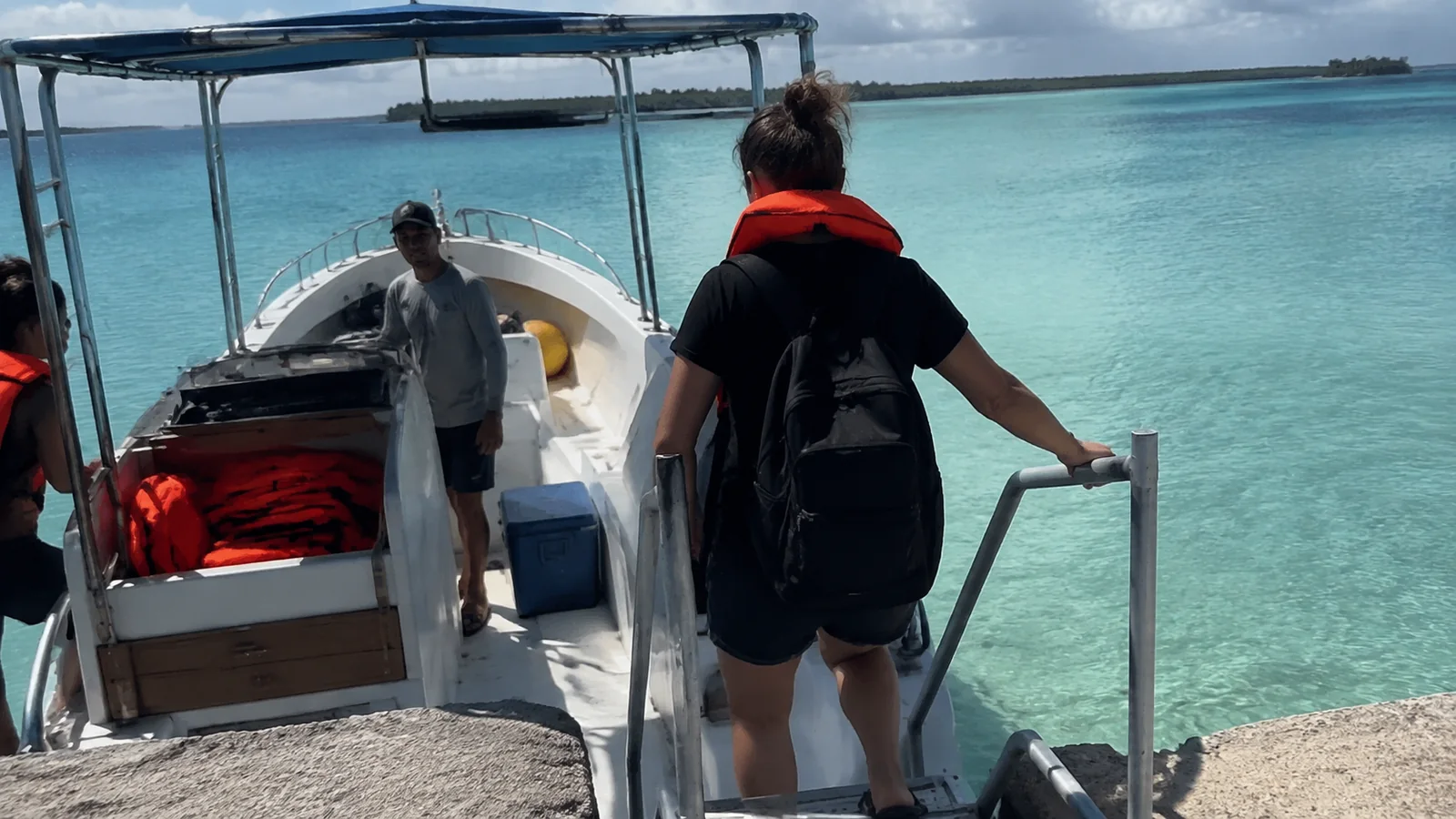
Duck Island, Îlot Canard, is a small islet reached by water taxi from Anse Vata. Its appeal is simple: lagoon scenery, beach time, and a marked underwater trail when visibility and conditions cooperate.
The boat crossing is short, but your full journey includes the ride from the cruise terminal to Anse Vata, ticketing, waiting, loading, and the return. My rule is to decide the last boat you are willing to take before setting foot on the island.
Wind, capacity, water conditions, and local restrictions can affect service. Bring reef-conscious sun protection, water, and footwear suitable for coral fragments, but do not remove coral, shells, or marine life.
Consider Master Island carefully
Master Island, Îlot Maître, offers another lagoon escape and is reached by boat rather than road. It can suit a longer call, but transport schedules and resort or excursion access must align with the ship’s all-aboard time.
Do not combine multiple islets just because they look close on a map. Boat check-in, weather, and return logistics can turn a dreamy plan into a sprint.
Three realistic Nouméa port-day plans
The easy city plan
Take the required shuttle to the Gare Maritime if your ship uses the commercial berth, then walk toward Place des Cocotiers. Add one museum, a café lunch, and a relaxed return through the central streets.
This plan keeps you close to the ship’s transport and is easiest to shorten if conditions change. It is also the most forgiving choice for travelers with a short call or no desire to swim.
The culture-first plan
Prearrange transportation to the Tjibaou Cultural Centre, allowing time for the exhibitions and grounds. Return toward downtown for a late lunch or Place des Cocotiers only if the clock leaves a comfortable margin.
Confirm that the center is open and that your driver understands the ship’s time, not merely local time. A one-way ride without a return plan is not enough.
The lagoon plan
Travel to Anse Vata and take the water taxi to Duck Island if boats, swimming areas, and weather are operating normally. Return to the mainland earlier than necessary, then enjoy the bay rather than gambling on the last connection.
If the island trip is canceled, pivot to a permitted beach section, the aquarium if open, or a waterfront meal. A good backup keeps the port enjoyable without pretending conditions cannot change.
Beach and shark-safety reality
Nouméa has experienced serious shark incidents, including fatal attacks, and the city has used nets, monitored zones, temporary bans, and other controls. The exact permitted area can change after a sighting, weather event, maintenance issue, or management operation.
Follow beach signs and lifeguards even when locals are in the water elsewhere. Swimming outside a designated protected zone may be allowed only at your own risk, which is not the same thing as official reassurance.
Reef shoes protect feet from rough surfaces but do not solve current, marine-life, or shark risk. Never enter a closed area because an old blog or map labeled it a swimming beach.
Currency, cards, and language
New Caledonia uses the Pacific franc, written XPF and often called the CFP franc. It does not use the euro, despite its relationship with France.
Cards are widely useful at established businesses, but a modest amount of XPF can help with buses, small vendors, or a backup plan. Ask before assuming a seller accepts Australian dollars, U.S. dollars, or your preferred card.
French is the main official and everyday administrative language, and Kanak languages are part of the territory’s cultural life. English is encountered in visitor settings, but a few French phrases and an offline translation tool are genuinely useful.
Start with “bonjour,” say “merci,” and avoid opening every interaction with a rushed English question. That tiny courtesy makes the day feel less transactional.
Passport, visa, and entry rules
Every passenger should carry the documentation required by nationality and itinerary, even if the ship handles group clearance. A cruise line can deny boarding at the original departure port if you lack documents for a scheduled call.
New Caledonia Tourism says current entry and visa conditions for air arrivals also apply to cruise passengers on its passport, visa, and customs page. It also warns that a French or Schengen residence permit or long-stay visa does not automatically remove New Caledonia’s separate visa requirement.
For U.S. citizens traveling on a regular tourist passport, the State Department currently says a tourist visa is not required for stays under 90 days in a six-month period. It lists six months of passport validity beyond the stay and one blank page, but travelers should recheck both the French Visa Wizard and cruise-line instructions.
Australian and New Zealand passport holders have different published details, and other nationalities may need a visa. Do not copy the rule for the person sharing your cabin.
New Caledonia also enforces biosecurity restrictions on plants, seeds, food, animal products, and protected natural items. Leave ship food onboard unless the current rules clearly allow it, and do not carry shells or coral home from the lagoon.

Weather and cyclone season
New Caledonia has a warmer, wetter part of the year and a cooler, generally drier period. A cruise day can still be hot, windy, or rainy in either season.
Official travel guidance places the main tropical-cyclone season around November through April or May, depending on the authority’s wording. Severe weather can occur outside a neat calendar, and cruise lines may change a call before a storm reaches Nouméa.
Rain can affect visibility, small-boat trips, beaches, roads, and the lagoon without canceling the ship’s visit. Pack a light rain layer and choose one indoor backup.
Accessibility and mobility
The biggest accessibility variable is how your ship reaches the passenger terminal. A commercial-berth shuttle, direct gangway, or tender creates a different route for wheelchairs, scooters, and travelers who cannot manage steps.
Ask the cruise line whether the day’s shuttle is lift-equipped and whether mobility devices can be accommodated. If tendering is possible, read the line’s tender policy for your exact device before booking an independent activity.
Downtown sidewalks, curbs, bus access, and attraction entrances are not uniformly barrier-free. A private accessible vehicle or ship-sponsored tour may be worth the cost when a missed connection would erase the day.
Common Nouméa cruise mistakes
- Assuming an old cruise schedule proves the current call will operate.
- Trying to walk through the industrial berth instead of taking the mandatory shuttle.
- Planning Duck Island around the last possible return boat.
- Swimming outside the currently designated area because the beach looks calm.
- Expecting euros to be the local currency.
- Using another nationality’s visa rule for your own passport.
- Ignoring current civil-unrest guidance because the terminal feels normal.
- Booking a distant independent tour without a road-closure backup.
If your call changes to a tender arrangement, review the tender-port planning guide before making a tight schedule. For a broader regional trip, the New Zealand cruise guide helps compare the longer itineraries that may include South Pacific calls.
The bottom line
Nouméa rewards a focused day: downtown culture, the Tjibaou Cultural Centre, an approved bay, or one carefully timed islet trip. The Gare Maritime is a convenient visitor hub, but a large ship may first require a mandatory shuttle from the commercial wharf.
Confirm the call, read current security guidance, follow swimming restrictions, and protect your return time. With those practical pieces settled, Nouméa’s French-Pacific character and Kanak cultural context have room to become the point of the day.