Cruise Lines Explained: Which One Fits Your Trip?
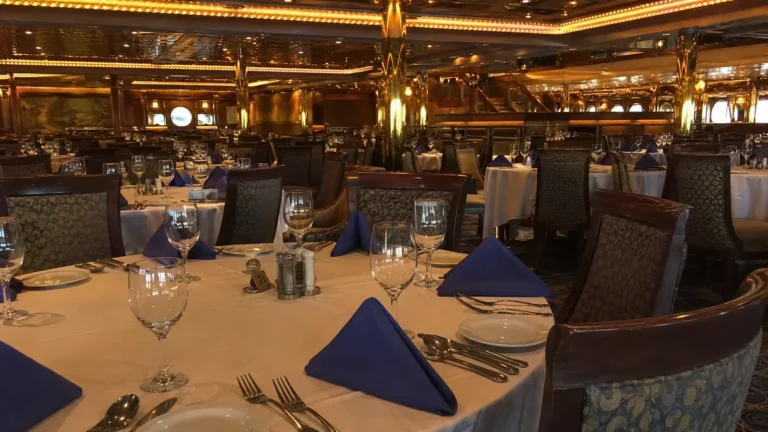
The best cruise line is not the one with the loudest commercial or the newest ship. It is the line whose itinerary, onboard rhythm, cabin, dining setup, and total price fit the vacation you actually want, whether that means waterslides with children, quiet sea days, formal evenings, solo cabins, or small-ship exploration.
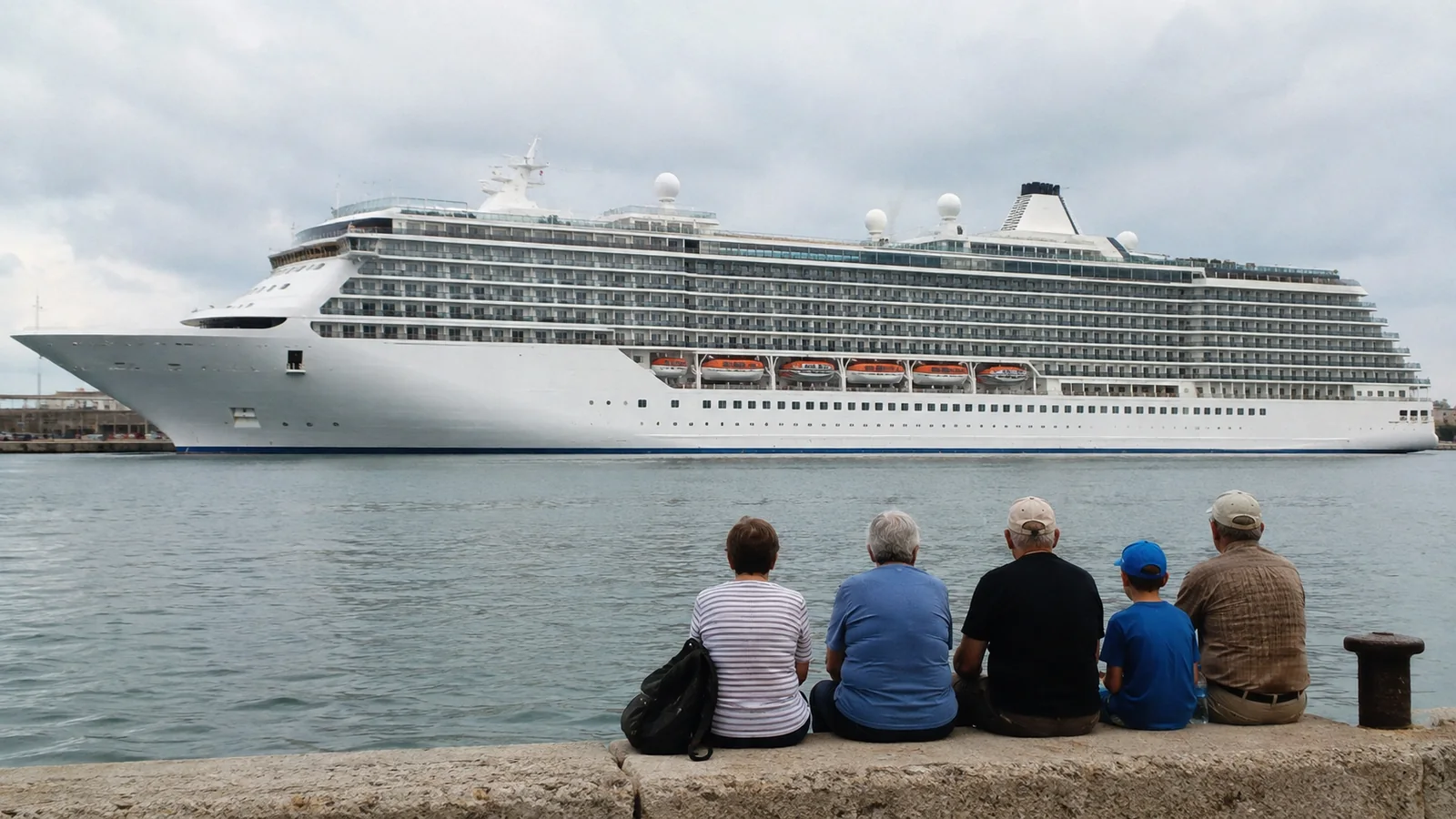
How to choose a cruise line without getting overwhelmed
Start by ignoring the idea that one cruise line wins every category. A family reunion, honeymoon, Alaska adventure, solo escape, and quiet retirement trip need different things.
The Cruise Lines International Association directory shows how broad the industry really is, with ocean, river, luxury, regional, and specialty operators. This guide focuses on the lines U.S. travelers are most likely to compare, but it is intentionally not an exhaustive fleet list.
My favorite shortcut is to make three decisions before looking at a logo:
- Where do you want to go? The right route matters more than a familiar brand.
- What should a normal sea day feel like? Choose lively, relaxed, educational, formal, family-centered, or expedition-focused.
- What is your honest total budget? Include flights, hotel, cabin, gratuities, drinks, Wi-Fi, dining, excursions, and insurance.
Only then should you compare lines and ships. This keeps a flashy feature from selling you the wrong vacation.
Quick cruise line picks by traveler
- Families wanting big attractions: Royal Caribbean, Disney Cruise Line, Carnival, or Norwegian.
- Adults wanting contemporary ships: Celebrity, Princess, Virgin Voyages, or newer Holland America ships.
- Solo travelers: Norwegian, Virgin Voyages, Holland America, Celebrity, or any sailing with a sensible single fare.
- Traditional ocean cruising: Cunard, Holland America, or Princess.
- Luxury: Regent Seven Seas, Silversea, Seabourn, Crystal, or Explora Journeys.
- Destination intensity: Azamara, Oceania, Viking, expedition operators, or a well-designed mainstream itinerary.
- Adults-only: Virgin Voyages and Viking are two major choices, with very different personalities.
- River cruising: Viking, AmaWaterways, Avalon Waterways, Uniworld, and several strong regional operators.
These are starting points, not winners. Ship age, itinerary length, departure port, school calendar, and passenger mix can shift the atmosphere within the same brand.
Mainstream cruise lines
Mainstream lines usually operate larger ships, offer a wide range of cabin prices, and sail from many convenient ports. The base fare can look approachable, but onboard extras vary enough that two similar fares may produce very different final bills.
Royal Caribbean
Royal Caribbean is a strong fit for families and multigenerational groups who want the ship to be part of the destination. Depending on the vessel, attractions may include water features, surf simulators, climbing walls, shows, sports, and neighborhood-style public spaces.
The line’s official family-cruise page highlights Adventure Ocean youth programming and makes clear that its headline ships lean heavily into family activities. Not every Royal Caribbean ship has the same attractions, nursery availability, or cabin layouts, so research the exact vessel.
Royal Caribbean can also work for adults traveling without children, particularly on a port-heavy itinerary or a ship with appealing adult spaces. It is not an adults-only product, and a short school-break sailing can feel much livelier than a long cruise during term time.
Choose it for activity variety and broad group appeal. Think harder if your ideal day involves very few announcements, quiet decks, and almost no advance reservations.
Carnival Cruise Line
Carnival is built around casual fun, accessible U.S. departure ports, comedy, music, pools, and familiar food. It often works well for first-time cruisers, friend groups, and families who want an energetic vacation without formal pressure.
The product changes substantially by ship. A newer, larger vessel can have more dining and attraction choices than an older ship doing short regional sailings, while the smaller ship may be simpler to navigate.
Short weekend cruises can attract a party-ready crowd, but that does not define every Carnival voyage. A longer Alaska, Panama Canal, or transpacific itinerary can have a completely different pace.
Choose Carnival for an upbeat, unpretentious atmosphere and convenient homeport options. Compare beverage, specialty-dining, Wi-Fi, and gratuity costs before calling the headline fare a bargain.
Norwegian Cruise Line
Norwegian centers flexibility through relaxed dress, multiple dining choices, and fewer traditional dining-room expectations. It suits travelers who prefer choosing their own evening rather than following the same schedule every day.
NCL is also one of the first lines I check for solo travel because it sells dedicated single-occupancy categories. The official Norwegian solo page lists solo inside, ocean-view, balcony, and Studio choices, while noting that Studio Lounge access varies by accommodation and ship.
Some of the most appealing restaurants, entertainment, attractions, or suite privileges can carry extra costs or need reservations. Build the vacation you would actually buy before comparing it with a more inclusive line.
Choose Norwegian for scheduling freedom, varied dining, and solo options. Our honest Norwegian fit guide covers the tradeoffs in more depth.
MSC Cruises
MSC brings a more international passenger mix and European roots to its global cruises. Its large ships can offer dramatic public spaces, family facilities, entertainment, and competitive-looking fares from U.S. ports.
Service style, dining pace, announcements, and onboard culture may feel different from a U.S.-centered line. That can be a benefit for travelers who like an international atmosphere and a frustration for anyone expecting every custom to match home.
The Yacht Club is MSC’s ship-within-a-ship suite experience on vessels that offer it, adding private spaces and extra service while retaining access to the larger ship. Availability, inclusions, and layouts are ship-specific.
Choose MSC when the itinerary, ship, and total package align, not only because the opening fare is low. Read what the selected experience level includes because similarly named cabins can come with different conditions.
Family-focused cruising
Disney Cruise Line
Disney is the clearest fit for families who value Disney storytelling, character encounters, stage entertainment, themed spaces, and thoughtful youth programming. Adults also get dedicated areas, but the brand experience is central rather than subtle.
The line’s official onboard overview describes youth spaces for ages 3 through 17 and rotational dining, where guests move among themed restaurants while their serving team follows. Nursery care, age bands, activities, and venues still vary by ship.
Disney commonly costs more than a mainstream alternative before extras. That premium makes sense only if your group will use the entertainment, service style, and family programming that create the difference.
Choose Disney for the themed experience and multigenerational polish. Do not assume it is automatically the best family value, especially when children are too young, too old, or simply uninterested in the brand.
Royal Caribbean, Carnival, and Norwegian for kids
These three lines often give families more departure dates, price points, ship sizes, and homeports than Disney. Their youth programs and attractions differ by exact ship, age, operating hours, and capacity.
Our cruise guide for kids compares age-specific programs and ship features. Never book “the line for families” without checking whether your particular child can use the nursery, club, pool, slide, or activity that sold you.
Premium cruise lines
Premium lines generally aim for a more refined atmosphere, stronger service, and fewer high-energy attractions than the largest mainstream ships. The category is fuzzy, and a suite on a mainstream line may cost more than a standard cabin here.
Celebrity Cruises
Celebrity fits couples, adult friend groups, and travelers who want contemporary design, dining, entertainment, and destination time without moving to a tiny luxury ship. Children are welcome, yet the ships are not built around waterslides and cartoon characters.
Newer Edge-class ships feel different from older vessels, especially in balcony design and public spaces. Research the exact cabin because the Infinite Veranda concept is not the same as a conventional outdoor balcony.
The Retreat adds suite spaces and services on eligible ships, but inclusions can change by category and fare. Compare the suite price with an actual luxury-line fare instead of assuming the brand label decides value.
Princess Cruises
Princess is a natural starting point for Alaska, classic itineraries, couples, and multigenerational groups who want a calmer ship than the biggest family resorts. The atmosphere generally favors pools, shows, dining, enrichment, and destination programming over thrill rides.
Its wearable Medallion supports cabin access, purchases, navigation, and app-based planning, although features and delivery terms can change. Technology is useful when it fades into the vacation, not when it becomes the reason to book.
Choose Princess for itinerary breadth and a relaxed mainstream-to-premium middle ground. Families should still check the specific youth spaces and passenger mix for their sailing.
Holland America Line
Holland America suits travelers who care about ports, live music, comfortable public rooms, and a more traditional onboard rhythm. It has a long connection with Alaska and also offers longer voyages that attract passengers with time to travel.
It is not adults-only, and families can sail, but most ships do not compete with Royal Caribbean on water attractions. That makes the line appealing to some travelers and far too quiet for others.
Choose it for destination focus and a grown-up atmosphere without requiring an adults-only rule. Compare ship class because restaurant mix, music venues, and cabin hardware are not identical across the fleet.
Adults-only cruise lines
Virgin Voyages
Virgin Voyages is designed for adults who want modern dining, nightlife, fitness, playful entertainment, and a less traditional cruise routine. It has no children onboard, no conventional main dining room, and a personality that is deliberately informal.
Virgin’s current age policy says guests must be at least 18 to book and sail. That makes it a clear adults-only option, not a promise that every voyage will be quiet or romantic.
Choose Virgin for a social, contemporary adult vacation. Skip it if you want classic formal nights, traditional assigned dining, a gentle early-to-bed atmosphere, or a casino-centered trip.
Viking
Viking’s ocean, river, and expedition products focus on destinations, enrichment, and a quieter onboard environment. Its terms require guests to be at least 18, but the experience is very different from Virgin’s nightlife-forward version of adults-only.
Ocean ships are small compared with today’s floating resorts and follow a consistent design. River and expedition voyages have different vessels, daily rhythms, physical demands, and inclusion structures.
Choose Viking for calm spaces and a destination-led trip. Our adults-only cruise comparison explains why an age rule alone does not tell you the mood.
Traditional and distinctive ocean lines
Cunard
Cunard is best known for ocean-liner tradition, transatlantic crossings, formal gala evenings, afternoon tea, lectures, and a sense of occasion. Its ships also operate regular cruises, so not every Cunard trip is a crossing.
Dress expectations vary by evening and venue, and children are allowed. Choose Cunard when the ceremony and sea days feel exciting rather than restrictive.
Azamara
Azamara uses smaller ships and often emphasizes longer stays, late departures, and destination access. It suits travelers willing to trade giant attractions and endless venue choice for a more intimate vessel.
The line is not a true expedition operator, and a small ship does not guarantee an uncrowded port. Choose it for the dated itinerary, especially when evening time ashore changes what you can do.
Oceania Cruises
Oceania appeals to travelers who prioritize food, smaller ships, and destination-rich routes. The onboard mood is generally relaxed and adult-oriented, though it is not universally adults-only.
Fares and inclusions have changed over time, so old reviews can misstate what drinks, dining, shore credits, or Wi-Fi are included. Price the current promotion and booking terms, not the reputation.
Luxury cruise lines
Regent Seven Seas, Silversea, Seabourn, Crystal, and Explora Journeys occupy the luxury conversation, but they do not bundle the same things. One may include more shore excursions, another may emphasize butler service, and another may look less inclusive until you compare cabin size and dining.
Luxury works best for travelers who value space, service, fewer passengers, and a higher level of inclusion enough to pay for it upfront. It is not automatically formal, old-fashioned, or free of families.
Compare business-class air offers, transfers, excursions, drinks, gratuities, specialty dining, Wi-Fi, laundry, and cancellation terms line by line. A costly fare can be good value, while a supposedly all-inclusive trip can still leave expensive gaps.

Expedition cruise lines
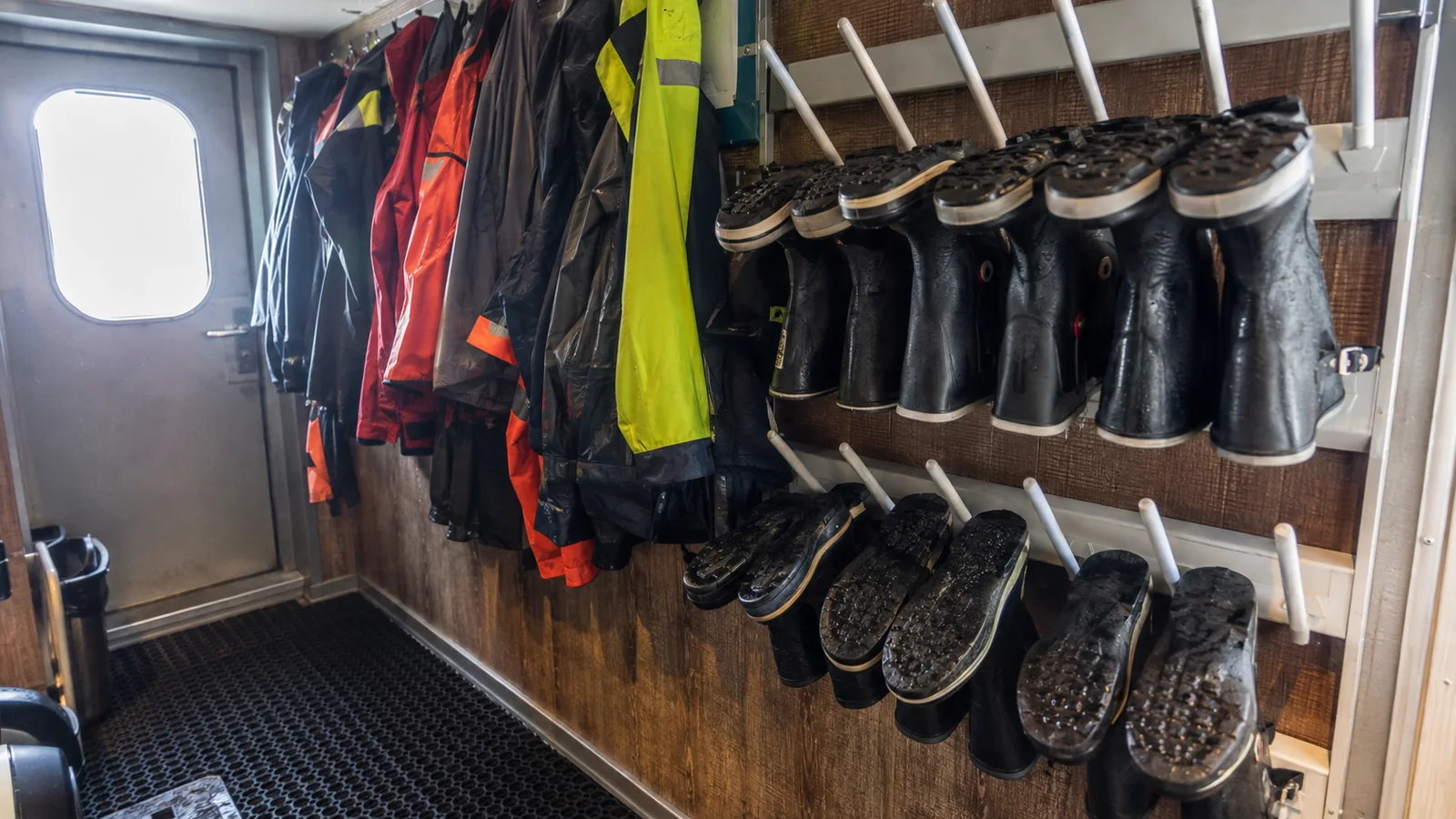
Expedition lines such as Lindblad Expeditions, HX, Quark Expeditions, and others use specialized vessels and field teams to reach remote regions. The daily plan may change with ice, weather, wildlife, permits, and local guidance.
Choose the operator’s safety culture, staff expertise, passenger count, landing system, gear, medical requirements, and environmental practices before caring about cabin décor. A beautiful suite cannot fix an itinerary that exceeds your mobility or risk tolerance.
Wildlife is never guaranteed, and an expedition schedule is not a conventional list of promised ports. The flexibility is part of the product, not a failure to plan.
River cruise lines
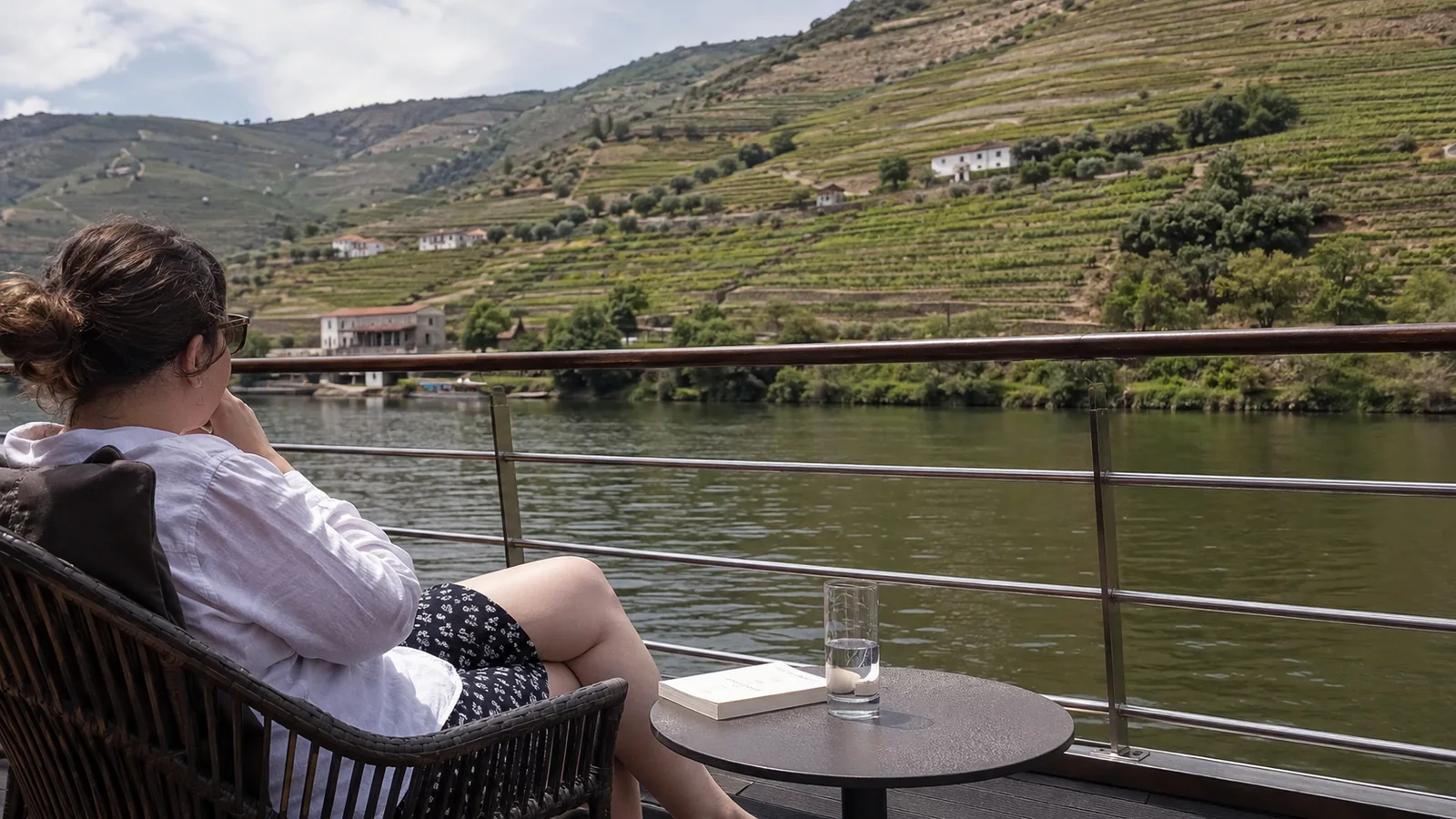
River cruises place scenery and small cities close to the ship, with frequent walking tours and very little need for resort-style entertainment. Viking, AmaWaterways, Avalon, Uniworld, Tauck, and regional lines differ in cabin design, included tours, bicycles, wellness, dining, and passenger mix.
Water levels can force ship swaps, buses, hotel nights, or itinerary changes. Ask how the operator handles disruption and whether your insurance covers the losses that matter to you.
River vessels also have limited elevators and may raft beside other ships, requiring passengers to cross through neighboring vessels. Mobility questions belong in the booking conversation, not after embarkation.
How cruise pricing really works
The lowest fare is rarely the final trip cost. Taxes, port expenses, gratuities, drinks, Wi-Fi, specialty restaurants, shore excursions, transfers, flights, hotels, parking, and insurance can change the ranking.
A bundled premium or luxury fare may cost less than a mainstream suite after extras, while a disciplined traveler can still get excellent value from a basic fare. Compare the same cabin comfort and the same vacation habits.
Read deposit and cancellation terms before paying because promotional labels do not guarantee flexibility. Also check whether a fare is refundable, restricted to residents of a certain country, or tied to onboard credit that does not reduce the upfront price.
Questions to ask before booking any cruise line
- Does the exact ship have the activities, nursery, restaurants, and accessible features we need?
- How many hours are actually spent in each port, and which calls use tenders?
- What is included in this fare code, not a different package shown in the advertisement?
- Will the cabin fit every passenger with beds open and luggage stored?
- Are dining reservations, show bookings, or activity slots likely to fill before sailing?
- What does the cruise contract allow the line to change?
- What would the trip cost if we bought our normal drinks, Wi-Fi, excursions, and gratuities?
Our cruise line comparison offers another way to narrow the field. Use rankings as a shortlist, never as a substitute for reading the exact ship and itinerary.
The bottom line
Royal Caribbean, Carnival, Norwegian, MSC, and Disney solve the big-choice family vacation in different ways. Celebrity, Princess, and Holland America soften the pace, while Virgin, Viking, Cunard, Azamara, luxury brands, expedition operators, and river lines serve more specific tastes.
Pick the route first, the ship second, and the fare package third. When those three choices agree with your travel style, the cruise line’s logo becomes confirmation rather than a gamble.