Falmouth Jamaica Cruise Port: Excursions, Safety and Logistics
Falmouth is not a step-off-the-ship beach port, and that is exactly why a little planning pays off. The secured terminal is easy, historic town streets begin nearby, and Jamaica’s rivers, caves, beaches, and waterfalls open up once you choose sensible transportation and protect your return time.
Where cruise ships dock in Falmouth
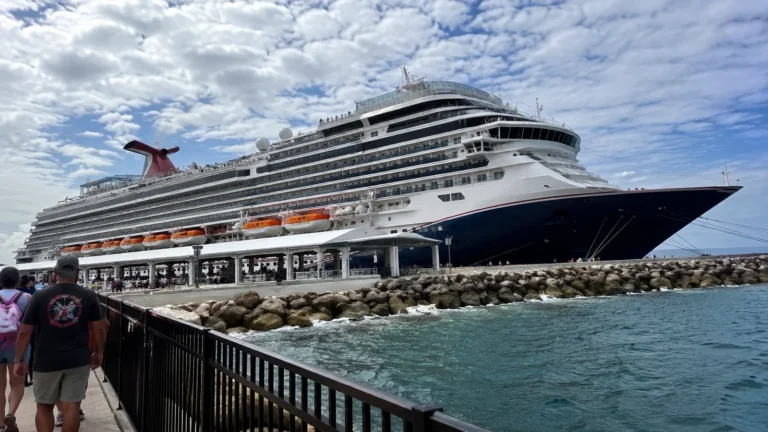
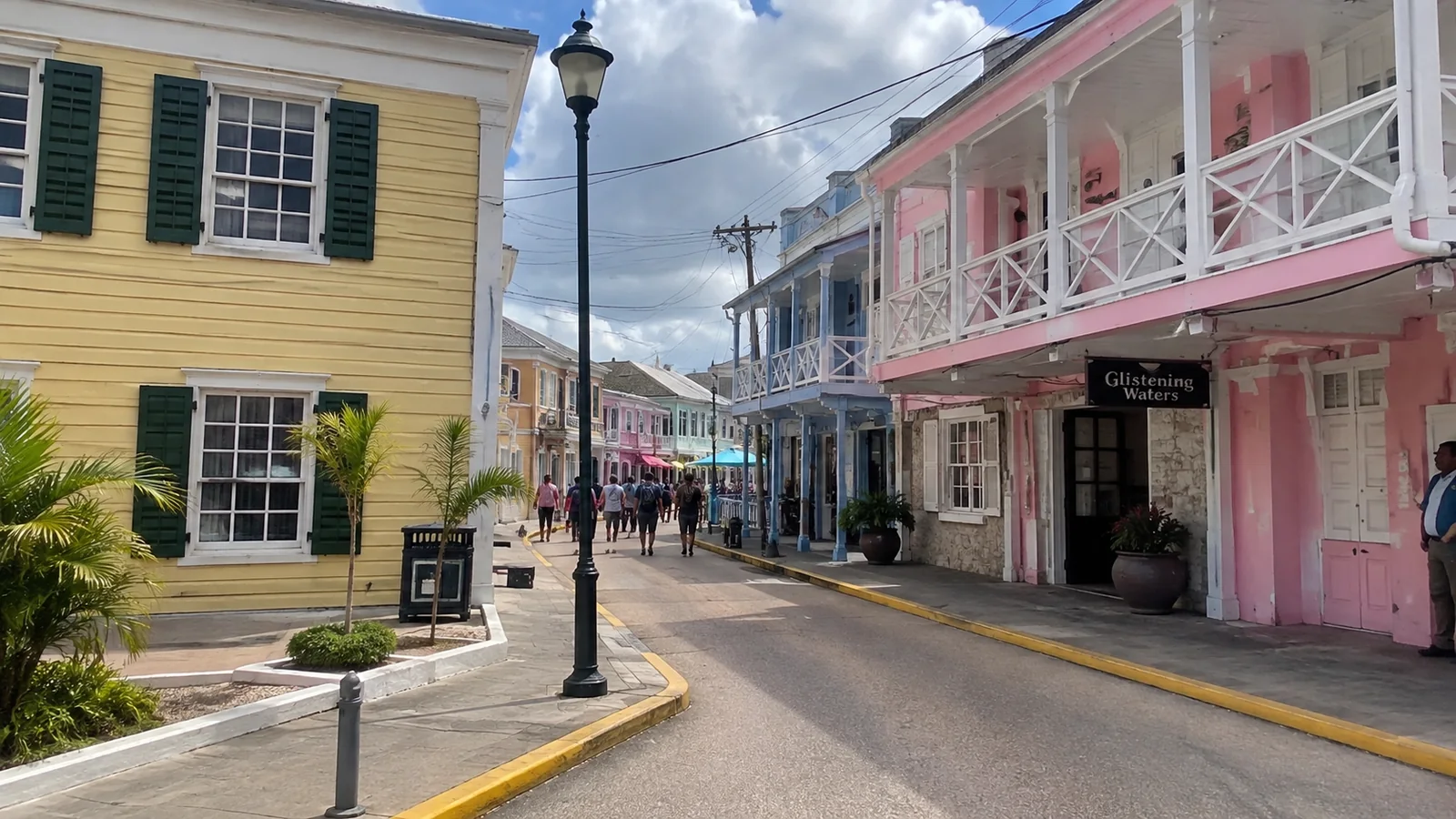
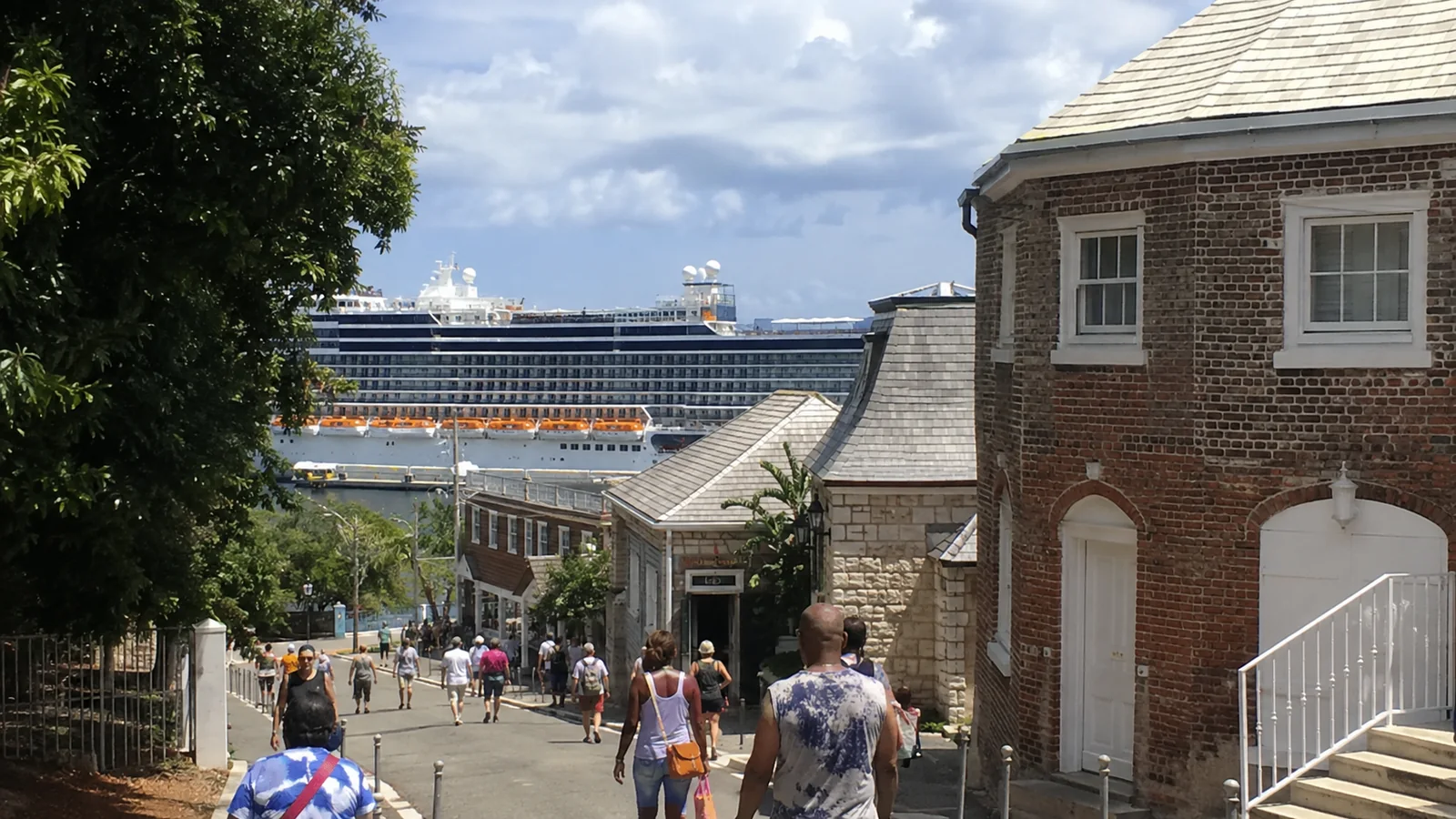
Ships dock at the Historic Port of Falmouth on Jamaica’s north coast, roughly between Montego Bay and Ocho Rios. This is a purpose-built cruise facility beside the older town, not the Montego Bay cruise terminal and not an Ocho Rios pier.
The Historic Port of Falmouth has two berths, so passengers normally walk ashore rather than tender. Berth assignments can change, and a weather or operational issue can still alter any port call.
The Port Authority of Jamaica lists Falmouth among the cruise facilities it operates and describes the terminal’s shops and Artisan Village. Treat those areas as a convenient starting point, not the whole destination.
My first Falmouth rule is to look at the ship’s daily program before leaving your cabin. Confirm all-aboard time, gangway location, ship time, and any transportation instructions because the pier clock that matters is the one your captain sets.
What is inside the cruise port?
The terminal is a compact pedestrian zone with stores, food and drink, crafts, information points, restrooms, and excursion meeting areas. Its architecture nods toward the Georgian character of Falmouth, although the cruise complex itself is modern.
You can have a very low-effort day here, especially if heat, mobility, or a short call makes a longer outing unappealing. Just know that staying behind the port gates gives you a curated commercial space rather than a full introduction to the town.
Consult the Historic Falmouth port map close to your trip because tenants and meeting points can change. Once ashore, follow current signs and staff directions rather than an old screenshot.
Excursion and transportation areas
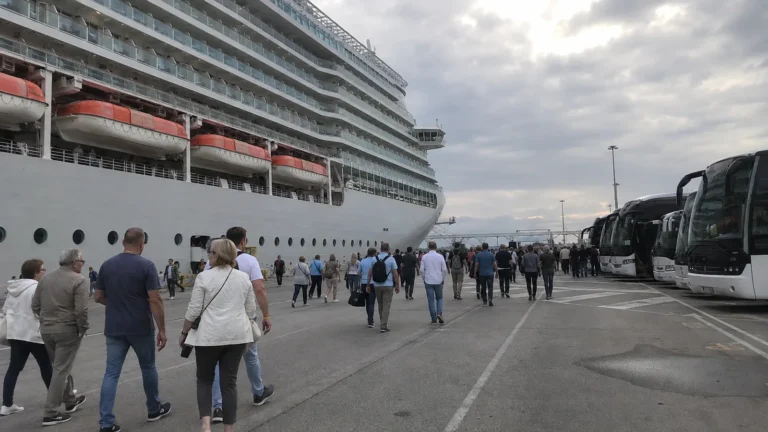
Ship tours normally meet in designated dispatch areas, while taxis, independent operators, and pickups use controlled transportation points around the terminal. Exact lanes and access rules can move with security and the number of ships in port.
Do not assume a driver can walk to the gangway holding your name. Ask an independent operator for the precise zone, company sign, driver contact, vehicle description, and backup phone number before the cruise.
Use the official taxi or transportation dispatch process instead of following an unsolicited offer away from the organized area. Confirm the destination, total fare, currency, number of passengers, waiting time, and round-trip arrangement before getting in.

Can you walk from the port into Falmouth?
Yes, the historic center begins close to the cruise development, and a short town visit can be a worthwhile port day. Walking beyond the secured terminal feels different from browsing inside it, so decide in advance whether you prefer a guide.
The official Visit Jamaica Falmouth guide highlights the town’s Georgian architecture and guided heritage tours. A good local guide adds context about commerce, emancipation, religion, and the labor of enslaved people that shaped the prosperous colonial town.
Heat, uneven surfaces, traffic, and street crossings can make a short distance feel longer. Wear closed walking shoes, carry water, and keep valuables understated rather than treating the route like a resort promenade.
A daytime guided walk is my pick for travelers who want history without spending hours in a vehicle. It also keeps you close to the ship and leaves time for lunch or craft shopping.
Best things to do from Falmouth cruise port
The right excursion depends less on which attraction wins a popularity contest and more on how much road time you will tolerate. Falmouth’s best easy outings are close, while several famous Jamaica sights require a substantial drive in each direction.
Explore historic Falmouth
Choose a guided town walk or trolley-style tour if architecture, local stories, churches, markets, and a slower pace appeal to you. Verify the stops and mobility requirements because building access and operating hours can change.
Do not expect every historic structure to be restored or open inside. The value is in understanding the street pattern and surviving fabric, not collecting a string of polished museum interiors.
A compact heritage route with a food stop
I would begin near the Courthouse on the waterfront, continue to Water Square, then walk toward St. Peter’s Anglican Church and William Knibb Baptist Church before returning toward the port. The Jamaica tourism board identifies these landmarks as part of Falmouth’s heritage, including the abolitionist history associated with William Knibb.
Allow about 90 minutes to two hours for a guided version with stops, treating churches as exterior visits unless entry is confirmed. A local guide can explain the buildings’ links to trade, slavery, emancipation, and the town’s later development in a way a quick photo walk cannot.
For a simple snack, Juici Patties lists a Falmouth location on Lower Harbour Street. I would stop for a patty and water if it is open, keeping the meal short enough to leave room for a relaxed return through security.
This is my pick for a short call or a traveler more interested in Jamaican history than a long coach ride. Use daylight, keep valuables discreet, and shorten the loop if heat, uneven sidewalks, or the current local situation makes walking uncomfortable.
Two nearby beach choices
Blue Waters Beach Club in Coopers Pen is my choice for a beach day with organized services close to Falmouth. The club offers food, entertainment, and cabana bookings, while Royal Caribbean describes an approximately 10-minute transfer on its beach excursion.
I would budget 15 to 25 minutes each way to allow for loading and local traffic, then reserve two or three hours at the beach. Book through the club or your sailing’s excursion listing, confirming chairs, shade, meals, and transport because a cabana rental and a beach transfer are different purchases.
Burwood Beach, east of Falmouth, is the simpler public-beach alternative, with a small visitor entrance charge described by Jamaica’s Tourism Enhancement Fund. The developed facilities include showers, changing rooms, and gazebos, but I would confirm their current condition and bring my own towel and water.
Allow roughly 15 to 30 minutes by taxi each way as a planning range and agree on the return pickup before getting out. I would choose Burwood for a modest-budget swim, Blue Waters for reserved comfort, the town walk for a short call, and Martha Brae when the river experience is the main reason to go ashore.
Raft the Martha Brae
Martha Brae River rafting is one of the most natural fits from Falmouth because it is nearby and does not consume the whole call in transit. Visit Jamaica describes the rafting village as less than 15 minutes from the port and the guided bamboo-raft journey as about 3 miles.
Confirm transportation, raft capacity, accessibility, weather policy, and whether swimming is part of your selected product. River conditions and operating decisions belong to local staff, so a picture online is never a guarantee of the exact experience.
Good Hope and inland adventure parks
Good Hope combines historical interpretation with activities that may include river tubing, zip lines, off-road rides, or tastings depending on the package. Visit Jamaica places it about a 20-minute drive from the port, though traffic and dispatch can stretch that estimate.
Read the actual inclusion list because several tours can share the same attraction name. Weight, age, footwear, and mobility limits may apply to individual activities.
Great-house sites should explain both the preserved architecture and the brutal plantation economy behind it. Choose interpretation that centers the lives and labor of enslaved Jamaicans rather than turning that history into decoration.
Green Grotto Caves
Green Grotto is an appealing choice for geology and history, especially for travelers who want an outing shorter than a full Ocho Rios day. Cave paths may involve stairs, damp surfaces, low light, and humid conditions.
Ask about current access if anyone uses a cane, wheelchair, or has difficulty with steps. Closed-toe shoes with grip are far more useful here than beach sandals.
A beach day
Falmouth’s cruise terminal does not open directly onto a classic swimmable beach. A beach day normally requires a taxi, transfer, excursion, or resort pass.
Before booking, confirm round-trip transportation, admission, chairs, shade, food, changing facilities, and the latest return pickup. “Near Falmouth” can cover a wide stretch of coastline, so get the beach’s exact name.
Do not choose a beach solely from a decades-old list. Access arrangements, facilities, seaweed, surf, and private-property rules can change.
Montego Bay
Montego Bay works for travelers who want an organized beach club, resort day, shopping, or a specific attraction there. It is not simply the next neighborhood, and traffic can make a neat drive-time estimate unreliable.
Use a round-trip plan with a clearly agreed pickup and a generous buffer. Some areas of St. James Parish appear in current U.S. safety guidance, so check the exact destination rather than treating the words “Montego Bay” as one uniform zone.
Dunn’s River Falls and Ocho Rios
Dunn’s River Falls is famous, energetic, and much farther from Falmouth than the river or town options. A road trip toward Ocho Rios can take about an hour or more each way when traffic and group dispatch are included.
This is where a ship-sponsored excursion earns serious consideration because the attraction sits far from the pier. An independent plan can work, but it needs a reputable operator, conservative timing, and no extra “quick stop” added without checking the clock.
The wet climb involves moving water and slippery rock, while alternative viewing paths may still include steps. Confirm the current format and physical requirements instead of assuming every visitor follows the same route.
For a broader look at the island, our Jamaica attractions guide organizes ideas by region. It helps reveal when an exciting-sounding place is simply too far for your particular call.
Ship tour or independent excursion?
A ship tour usually costs more, but it simplifies dispatch and gives the cruise line direct visibility into delays. The ship may wait for a delayed cruise-line excursion or arrange the group’s recovery, subject to its terms and the situation.
An independent tour can offer smaller groups, flexible pacing, and more local choice. The responsibility for getting back before the gangway closes remains yours, even when the guide says there is plenty of time.
I would lean toward a ship tour for a distant attraction, a tight port day, or a traveler who would be very stressed by transportation uncertainty. A nearby river, town walk, or prearranged beach transfer leaves more room for independent planning.
Ask any operator these questions before paying:
- Is pickup inside the terminal transportation area or outside the secured gate?
- Is the quoted time local time or ship time?
- What is included, and which admission or equipment fees are extra?
- What happens if the ship misses Falmouth or changes its arrival time?
- How much return buffer is built in before all-aboard?
- Who is the day-of contact if the driver is not at the meeting point?
Is Falmouth cruise port safe?
No responsible guide can label an entire destination simply safe or unsafe. The secured port area, historic town, highways, beaches, rural attractions, and distant city neighborhoods present different circumstances.
As of the research check for this article, the U.S. State Department Jamaica advisory is Level 2, “Exercise increased caution,” because of crime and health risks. It identifies specific higher-risk areas elsewhere and advises travelers to avoid public buses, remote places, and walking or driving at night.
Falmouth’s Trelawny Parish is not named in the advisory’s current “reconsider travel” list, but that is not an all-clear or a permanent fact. Read the complete dated advisory shortly before sailing because areas and guidance can change.
Stay aware, use organized transportation, keep jewelry and cash discreet, and do not wander into an unfamiliar area because a shortcut looks easy on a map. If a robbery occurs, the State Department advises not physically resisting.
Never bring firearms, ammunition, stray rounds, shells, or casings to Jamaica. Penalties are severe, and a forgotten item in a bag can create a life-changing legal problem.
Medical care and ambulance response may be limited, especially away from major centers. Carry essential medication with you and check that travel insurance covers treatment and evacuation rather than assuming a cruise policy pays everything.
How to avoid missing the ship
The ship’s published all-aboard time is earlier than departure, and those are not interchangeable. Take a photo of the daily schedule and the port-agent contact before walking off.
Jamaica does not observe daylight saving time, while your departure port may. Never calculate the difference yourself if the ship has told passengers to keep ship time.
For a nearby activity, I still want enough margin for a delayed pickup, traffic, a security line, and the walk from the terminal entrance to the gangway. For Ocho Rios or another distant outing, the buffer should be substantially larger.
Do not let a driver add shopping stops when your cushion is shrinking. Be friendly and direct: the gangway matters more than one more souvenir store.
If something goes wrong, call the port agent and cruise line using the information in your daily program. Returning independently after the ship sails can require passports, flights, hotels, and entry documents you never expected to use.
Our cruise passport guide explains why a passport book is the stronger recovery tool even when a closed-loop itinerary accepts another document. Keep the original secured, not loose in a beach bag.

Money, food, and practical details
Jamaican dollars are the local currency, while U.S. dollars are commonly accepted in many visitor-facing businesses. Ask which currency a price uses and check the conversion before agreeing.
Carry smaller bills if paying cash because change may come in Jamaican dollars. A credit card reduces the need for cash, but foreign transaction fees and merchant acceptance vary.
Try Jamaican food from a business with clear prices and good hygiene practices rather than chasing a viral “secret” stop. Patties, jerk dishes, rice and peas, and fresh fruit can make a simple port day feel wonderfully specific to place.
Drink sealed or reliably treated water and be cautious with food that has sat in the heat. Travelers with allergies should explain them plainly because recipes and cross-contact practices may differ from home.
What to pack for Falmouth
- Ship card, photo identification, and the documents your cruise line requires ashore.
- Sun protection, a hat, refillable water bottle, and a light rain layer.
- Closed-toe shoes for caves, falls, tubing, or adventure activities.
- A waterproof pouch and dry change if your excursion involves water.
- Essential medication, a small amount of cash, and a card stored separately.
- The port-agent details and your operator’s day-of contact information.
Our complete cruise packing guide covers medication, documents, and shore-day basics. Check the tour’s prohibited-item and footwear rules before leaving home.
Three easy Falmouth day plans
Low-stress history day
Join a guided town walk, have a Jamaican lunch, browse the Artisan Village, and return to the ship without a highway journey. This plan is ideal for a shorter call or anyone conserving energy.
Nature without a marathon drive
Choose Martha Brae rafting or a clearly defined Good Hope package, then leave time for the terminal or town. The shorter transfer creates breathing room if dispatch starts late.
Big-name Jamaica day
Book an organized Dunn’s River Falls or Ocho Rios excursion and accept that much of the day involves transportation. Skip extra detours, watch the clock, and let the operator handle the long-route logistics.
The bottom line
Falmouth is a useful gateway, but it is also a historic town worth seeing on its own terms. Stay close for culture and an easy day, choose Martha Brae or Good Hope for nearby nature, or commit to a carefully timed long excursion when a famous attraction truly matters.
Confirm the transportation zone, use a reputable operator, read the current safety guidance, and protect a generous return buffer. With those basics handled, Falmouth becomes much more enjoyable than a frantic race between pier and waterfall.