Best Cruises in October: Fall Color, Warm Ports and Smart Routes
October is a terrific cruise month for travelers who enjoy choices more than guarantees. You can chase New England color, lingering Mediterranean warmth, calmer Japanese autumn weather, or a long repositioning voyage, but hurricane season, shorter daylight, and seasonal closures still shape the decision.

Is October a good month for a cruise?
Yes, and it is one of the best months for travelers untethered to the school calendar. Summer crowds often soften, ships begin changing regions, and fall weather makes city-heavy itineraries more comfortable than they can be in July.
October is not universally cheap or quiet. Fall foliage routes, school-break dates, holiday weekends, and unusually popular ships can command strong prices, while a repositioning fare can look low only because it includes many sea days and ends across an ocean.
- Best for fall scenery: Canada and New England, with timing based on latitude.
- Best for warm cultural touring: Mediterranean and Adriatic routes.
- Best for value per night: Transatlantic and coastal repositioning cruises.
- Best for comfortable city days: Japan and South Korea.
- Best for flexible sun seekers: Caribbean, Bahamas, Mexico, and the Canary Islands.
Canada and New England: October’s signature route
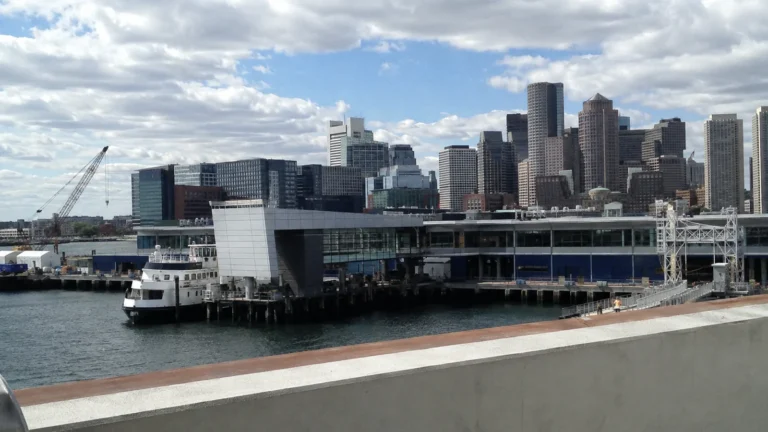
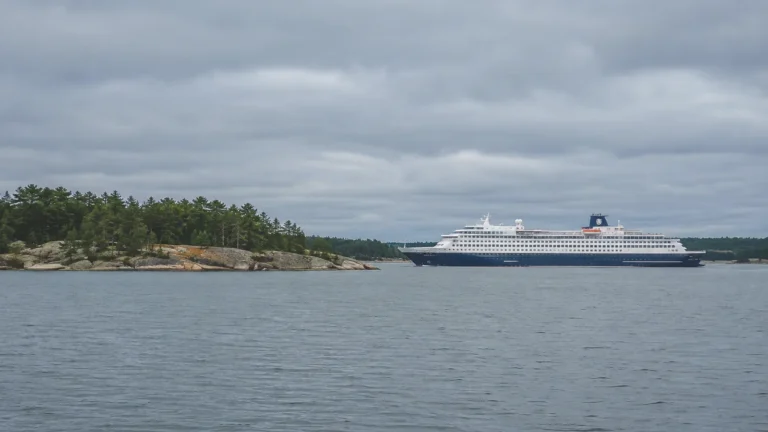
If autumn color is the priority, Canada and New England is the obvious place to start. Routes commonly link New York or Boston with ports in Maine, Atlantic Canada, Québec, and occasionally Montréal.
Pick the itinerary by week and latitude, not by a generic photograph of red maples. Maine’s official foliage guidance says northern areas generally peak in late September into early October, central and western areas around the middle of October, and coastal and southern areas from mid-to-late October.
That north-to-south progression means an early-October voyage may favor inland excursions from northern ports, while a later sailing can fit the coast better. Weather varies each year, so no cruise line can promise peak color at every call.
I prefer routes with Québec City, an overnight, or at least one long evening call because autumn daylight is limited and the urban ports reward unhurried walking. Check whether Montréal requires a one-way flight, and calculate the hotel plus transfer before celebrating the cabin fare.
Foliage cruise tradeoffs
- Wind and rain can remove leaves quickly even after color reaches peak.
- Coastal trees may turn later than inland forests visited on excursions.
- Fog and rough water can alter tender calls or scenic cruising.
- Popular leaf-peeping tours can sell out before independent plans are settled.
Book the route because the ports interest you even without foliage. A rainy day in Halifax or Québec City can still be excellent when museums, food, and history are part of the plan.

Mediterranean and Adriatic: October’s best balance
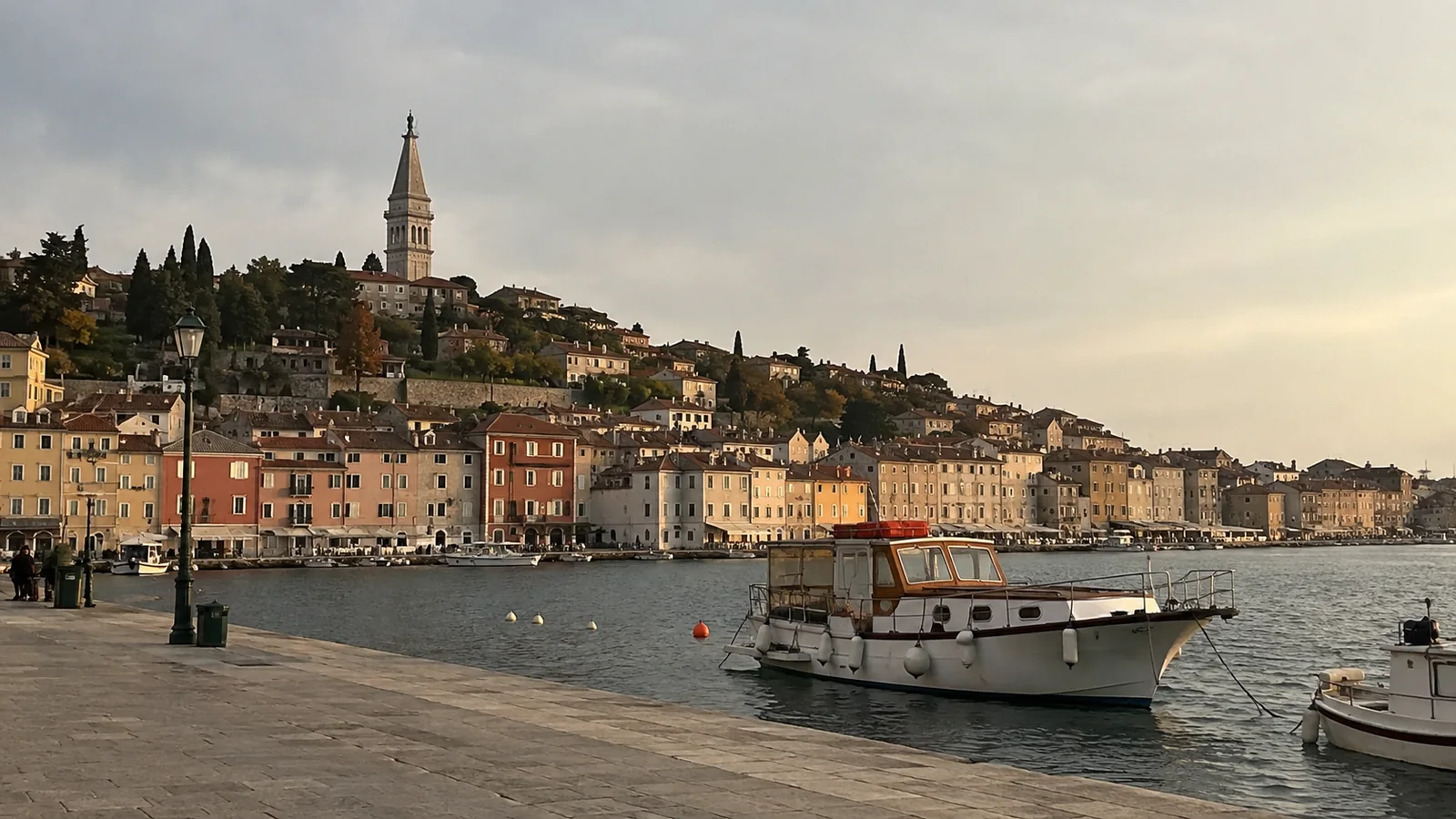
October is often the sweet spot for travelers who want European cities without peak-summer heat. Barcelona, Rome, Athens, Dubrovnik, and the Greek islands can still deliver pleasant outdoor days, although the odds of rain and wind generally increase as the month advances.
Early October gives you better odds for beach time and late outdoor dinners. Late October leans more toward archaeology, food, and museums, with shorter daylight and some seasonal businesses beginning to reduce hours.
For a first cruise, I would choose a route with several major ports rather than one built around tender-only islands. Wind can cancel an anchorage call, and a flexible city itinerary is less fragile than a vacation depending on one beach day.
The western Mediterranean usually offers easier air gateways and a dense mix of famous cities. The Adriatic and Greek islands feel more scenic, but port access, tendering, and seasonal ferry schedules deserve closer attention.
Transatlantic repositioning: excellent value for the right person
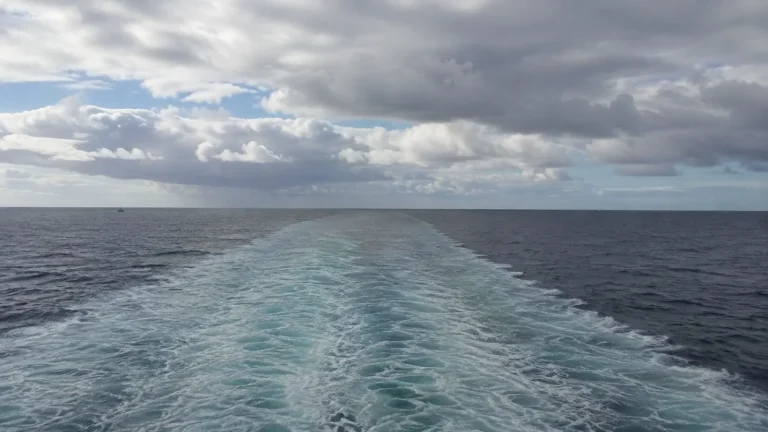
October is prime repositioning time as some ships move from Europe toward the Caribbean or North America. These one-way cruises can bundle European ports with a long run of sea days, often at an appealing nightly rate.
The experience works best for travelers who love the ship itself. If four to seven consecutive sea days sound restorative, the crossing may be a bargain; if you cruise mainly for ports, it can feel like paying for transportation.
Westbound crossings also change the clock gradually, which many travelers find easier than an overnight flight. Weather, however, can be cool and windy, and the pool deck may not resemble the sunny brochure during the open-ocean portion.
Price the whole repositioning trip
- One-way airfare or an open-jaw international ticket.
- At least one pre-cruise hotel night.
- Laundry and onboard spending during a longer cruise.
- Transfers between airports, hotels, and distant terminals.
- Extra pet care, parking, and time away from work.
The cheapest cabin can still produce the most expensive vacation. Compare the total in one currency, then divide by vacation days only if that metric reflects what you actually value.

Japan and South Korea: strong weather, careful timing
October is usually a better East Asia cruise month than September for travelers sensitive to heat and humidity. The Japan National Tourism Organization says typhoon season is largely over by the end of September and describes October as having some of the country’s fairest weather.
“Largely over” does not mean impossible, and autumn color is not simultaneous across Japan. Hokkaido and higher elevations turn earlier, while Tokyo, Kyoto, and southern areas often color later.
Japan rewards a pre- or post-cruise land stay because the rail system makes major cities practical without a tour bus. Allow buffer time for international flights, and do not schedule a must-do attraction in a distant city on embarkation morning.
Routes that add Busan or Jeju broaden the cultural mix, but immigration procedures and port location can reduce usable time. Look at arrival and departure hours rather than counting country names.
Caribbean and Bahamas: better late, never risk-free
October can feel like a bargain in the Caribbean, particularly outside school breaks. It is still squarely within Atlantic hurricane season and within the climatologically active period described by the National Hurricane Center.
I would choose an October Caribbean cruise only if I liked the ship enough to accept swapped ports, extra sea days, or a substantially altered route. A ship can change course, but airlines, hotels, roads, and embarkation ports cannot simply sail around disruption.
Arrive early, keep travel documents and medication with you, and select travel protection based on the actual policy language. Insurance purchased after a storm is named generally will not solve a known-event problem, so timing matters.
Southern islands are sometimes marketed as “outside the hurricane belt,” but that phrase is not a guarantee. Review the whole route, including the homeport and flight path, rather than placing faith in a slogan.
Mexican Riviera and Pacific Coast: warm options with storm exposure
West Coast itineraries can pair easy U.S. embarkation with warm Mexican ports or short California calls. They are appealing for travelers who would rather avoid a transatlantic flight.
The Eastern Pacific hurricane season officially continues through November 30, according to the National Hurricane Center. October risk is different from a guaranteed storm, but it still justifies flexible expectations around Cabo San Lucas, Puerto Vallarta, Mazatlán, and sea days.
California coastal weather may be cool in the morning and warm inland by afternoon. Pack layers, and remember that tender operations in Cabo depend on sea conditions.
A one-way Pacific repositioning cruise can connect Vancouver with California as ships leave Alaska. Pairing it with a few days from our Pacific Coast road trip creates a more satisfying trip than treating the open-jaw flight as an inconvenience.
Canary Islands and Atlantic Europe: mild, varied, underrated
Canary Islands cruises can combine volcanic scenery, beaches, and Spanish or Portuguese cities while much of northern Europe turns colder. Routes may depart from the islands, mainland Spain, Portugal, or the United Kingdom, and those starting points create very different weather profiles.
A round trip from Southampton includes cooler Atlantic sea days before reaching warmer islands. A fly-cruise from Tenerife or Gran Canaria shortens the cold portion but adds air logistics and possibly stricter baggage limits.
This is my sleeper pick for travelers who want warmth without centering the vacation on Caribbean beaches. Study the port list because some itineraries lean heavily toward sea days while others add Madeira, Morocco, or mainland Spain.
Are there Antarctica cruises in October?
Some Antarctic operations begin in late October, but November through the austral summer offers more typical inventory. IAATO reporting describes the Antarctic Peninsula’s visitor season as an austral-summer operation, and the earliest voyages face changeable weather and extensive sea ice.
An expedition cruise can alter or cancel any landing for wind, ice, wildlife protection, or safety. Start with our guide to cruising from Ushuaia to Antarctica, then compare operator credentials, ship size, landing procedures, medical requirements, and included gear.
I would not select an October departure merely because it is the first date available. Choose it because you appreciate early-season ice and uncertainty, not because you expect a fixed checklist of penguin colonies and landing sites.

How Halloween and school breaks affect October cruises
Many ships decorate or schedule themed activities around Halloween, but programs differ by line, ship, and sailing. If costumes, parties, or family events matter, confirm them for the exact departure rather than assuming every October cruise participates.
School calendars also vary internationally, and fall breaks can lift family demand for certain weeks. Couples seeking a quieter sailing should compare trip length, ship facilities, and departure date instead of relying on the month alone.
What to pack for an October cruise
October punishes single-climate packing. Bring a compact waterproof shell, thin insulating layer, comfortable closed-toe shoes, sun protection, and clothes that can be combined rather than worn only once.
- Canada and New England: Warm layers, gloves, a hat, and water-resistant walking shoes.
- Mediterranean: Light daytime clothing, a rain shell, respectful site attire, and a sweater.
- Transatlantic: Wind-resistant layers and options for both European ports and warm arrival days.
- Japan: Comfortable shoes, a small umbrella, and layers for north-to-south temperature changes.
- Tropical routes: Fast-drying clothes, sun protection, and a waterproof document pouch.
Keep medication, documents, chargers, and one change of clothes in your carry-on. Our cruise packing list helps with the cabin details after the climate decisions are made.
My October verdict
Choose Canada and New England for fall atmosphere, the Mediterranean for the strongest weather-and-culture balance, or Japan for comfortable city exploration. Choose a repositioning cruise only when the sea days and one-way logistics are features rather than compromises.
The Caribbean and Mexico remain viable for flexible travelers, but neither deserves a weather guarantee. October’s best cruise is the one whose ports still work in rain, whose ship you enjoy at sea, and whose backup plan does not feel like failure.