Scuba Diving in Panama: Choose the Right Coast and Operator
Panama gives divers a Caribbean coast and a Pacific coast, but that does not make every destination interchangeable. Beginners need a properly supervised introduction in suitable conditions, while certified divers should match Coiba, Bocas del Toro, Portobelo, the Gulf of Chiriquí, or Las Perlas to training, recent experience, weather, and logistics.
Choose the Coast Before the Dive Shop
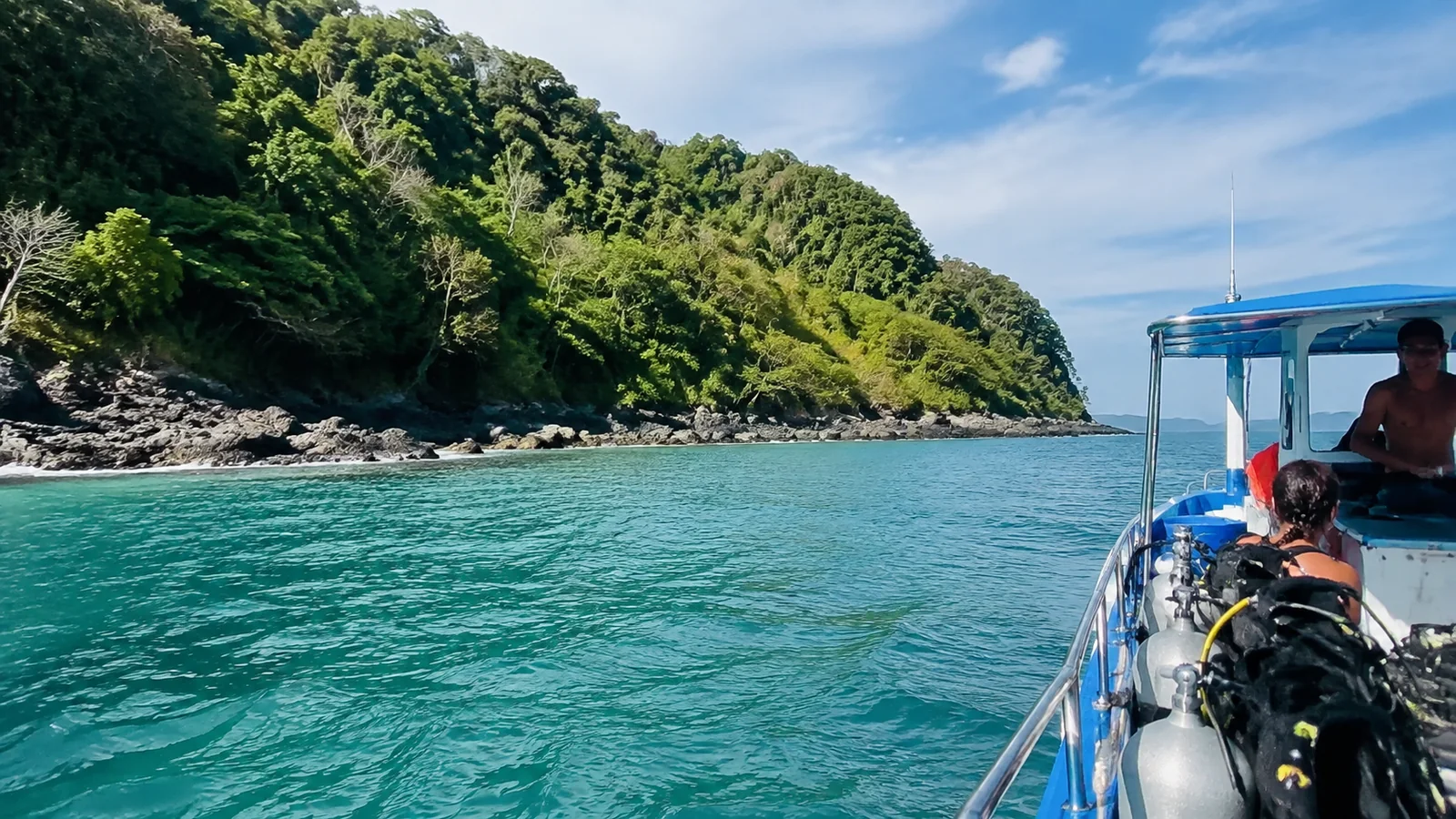
Panama’s two-ocean geography is the real planning advantage. The Caribbean side is associated with coral, sponges, and sheltered-site possibilities, while the Pacific offers island and offshore diving where current, open-water exposure, and longer boat rides may matter more.
Visit Panamá’s official diving and snorkeling overview identifies Coiba, Bocas del Toro, Portobelo, Las Perlas, and other areas. It also notes that Coiba requires a permit and access through tour operators, which is one reason not to improvise a protected-area trip after arrival.
Pick one coast for a short vacation rather than losing dive days to cross-country transfers. Panama may look narrow on a map, but a remote boat departure, domestic flight, road delay, or weather cancellation can consume the buffer you need.
Best Panama Dive Base by Trip Style
Coiba for Remote Pacific Diving
Coiba National Park is a protected Pacific archipelago and UNESCO World Heritage site reached by boat from mainland gateways including Santa Catalina, Pixvae, and Puerto Mutis. It is the strongest fit for divers who prioritize remote marine environments and can accept longer transfers, changing conditions, and limited immediate services.
Do not book Coiba only because a wildlife list sounds spectacular. Pelagic animals move, sightings are never guaranteed, and some sites or days may demand stronger current, buoyancy, and boat skills than a new diver has.
Ask the operator which park permits and fees are included, who secures them, where the boat departs, what the crossing is like, and what happens if conditions cancel the trip. A Coiba booking should name the actual mainland base and transfer plan.
Bocas del Toro for a Caribbean Island Trip
Bocas del Toro suits travelers who want Caribbean diving within a broader island vacation. The area can offer reefs, mangrove-influenced water, wreck or night possibilities, and sheltered alternatives, but site conditions still change with rain, wind, and local water movement.
Confirm whether the shop operates from Isla Colón or another island and whether hotel-to-shop transfers require a water taxi. A late flight or delayed boat connection can erase a planned afternoon dive.
Portobelo for Caribbean Access From Central Panama
Portobelo can fit a trip that combines Panama City or Colón-area travel with Caribbean diving. It may be logistically simpler than adding Bocas, but road conditions, boat departure, marine weather, and the shop’s exact location still need confirmation.
Ask whether the planned dive is reef, wall, wreck, or a sheltered training site and what certification it requires. Do not assume every dive advertised under one town starts at the same marina or suits a beginner.
Las Perlas for a Pacific Add-On
The Pearl Islands can work for travelers based in Panama City who want Pacific boat diving without crossing the country. Departure marina, vessel range, crossing time, current, and return schedule are more important than straight-line map distance.
Weather can change the destination or cancel a small-boat outing. Keep the evening after the trip flexible and never place the return against an international flight.
Gulf of Chiriquí for a Western Panama Itinerary
The Gulf of Chiriquí makes sense when the larger route already includes western Panama. It is not a convenient “quick Coiba alternative” unless transport, operator base, and the specific marine plan all line up.
Ask exactly which islands or sites the operator means, because a regional label can cover very different boat distances and conditions. Match the plan to the least experienced diver in the group.
Try Dive, Certification, or Certified Dive?
Try Dive
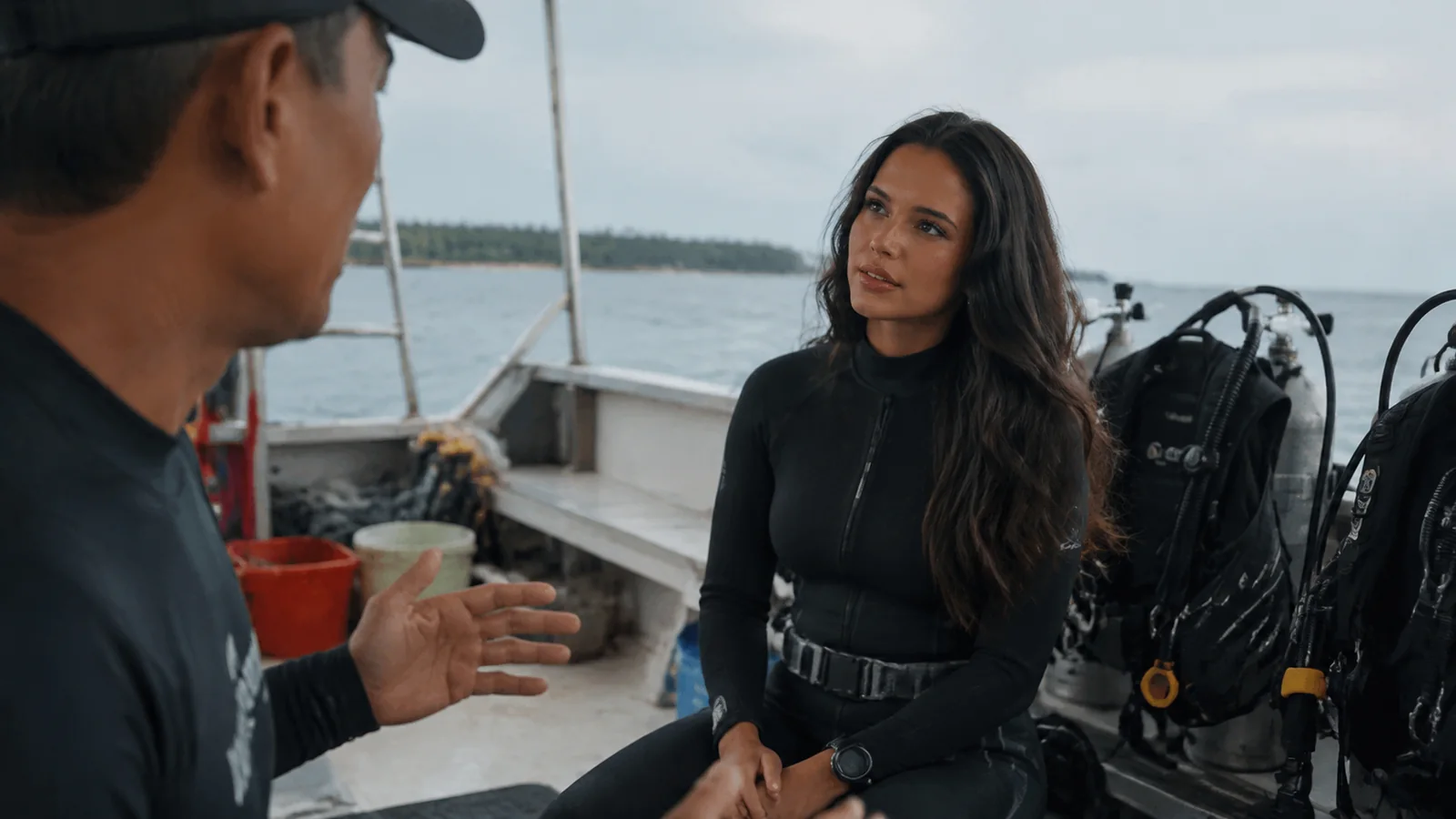
A one-day introduction should include medical screening, theory, equipment orientation, basic skills in controlled conditions, and direct professional supervision. PADI’s Discover Scuba Diving guidance limits its optional open-water portion to a maximum of 40 feet and makes clear that the experience is not certification.
A first-timer does not need to reach the maximum depth or complete the open-water portion. If breathing, equalization, equipment, or conditions do not feel right, stopping is the correct decision.
Certification Course
A real entry-level course requires learning, confined-water skills, and open-water training under a recognized standard. Ask for the agency, instructor number, schedule, materials, required sessions, certification issued, and all costs in writing.
Do not confuse a resort introduction with a license to dive elsewhere. If the course schedule seems impossibly short, compare it directly with the certifying agency’s published requirements.
Guided Certified Diving
Show your card and describe your logbook, last dive, maximum comfortable depth, and experience with current and boat entries. A shop may require a checkout or refresher, and that is a safety decision rather than an insult.
Remote Pacific diving rewards solid buoyancy, gas awareness, controlled descents, surface signaling, and comfort away from shore. Decline any site that exceeds your training or recent experience even if the group wants to go.
Season and Conditions
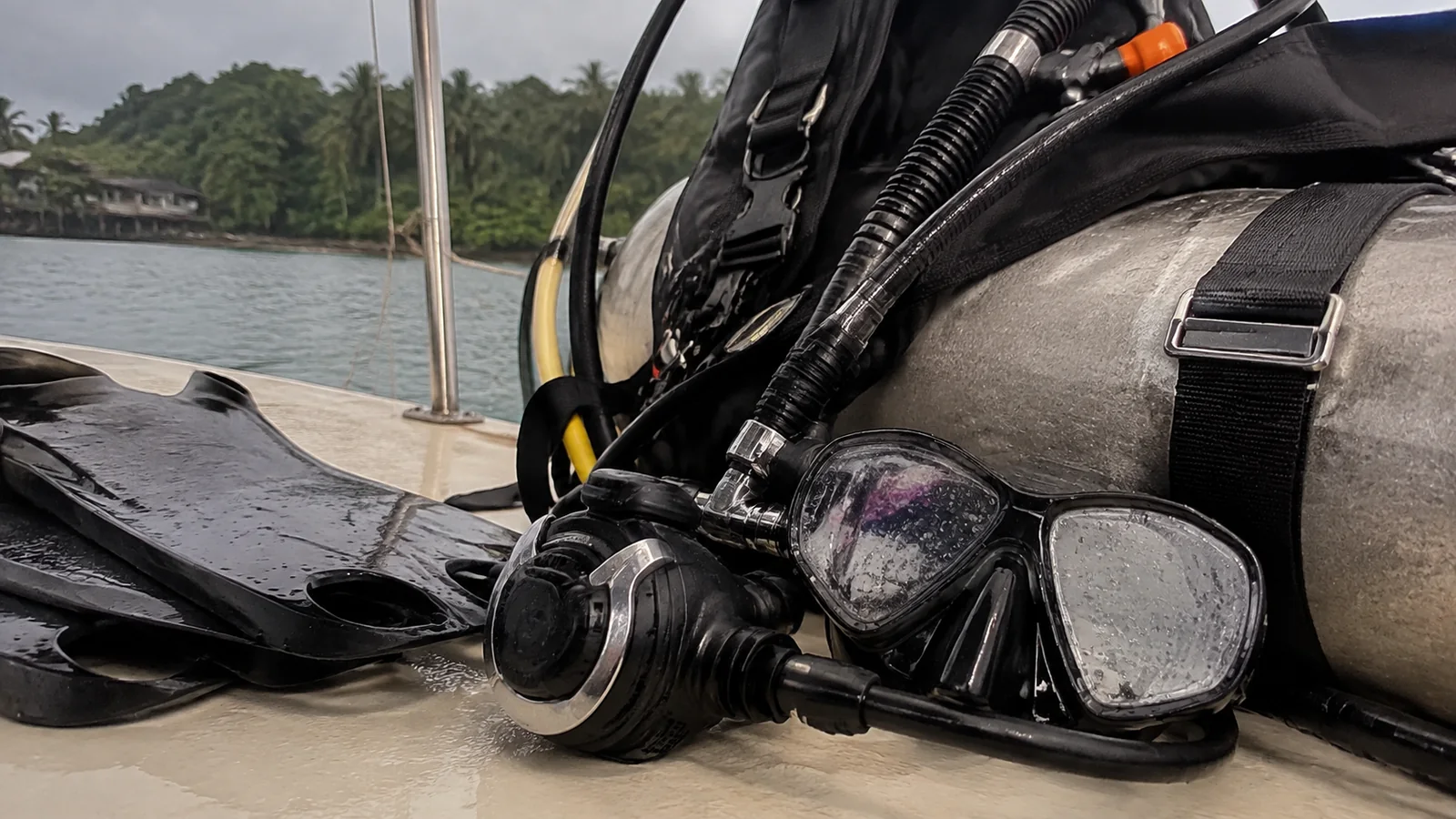
Panama has regional rainy and drier patterns, but the Caribbean and Pacific do not follow one simple visibility calendar. Rainfall, river runoff, swell, wind, tide, current, thermoclines, and plankton can help or hurt different aspects of a dive.
That is why this guide does not publish a guaranteed visibility range or “perfect month.” Ask an established local operator what conditions have actually been doing, then verify the official forecast and marine warnings close to departure.
Wildlife seasons are probabilities, not appointments. Sharks, rays, turtles, schooling fish, and marine mammals may occur in Panamanian waters, but no operator can promise an encounter or safe proximity.
Build a dry-land alternative into every dive destination. In Coiba that may mean a rest day at the mainland base, while Bocas or Portobelo can support a broader cultural or nature itinerary if boats stay in.
The operators and routes I would compare
Santa Catalina and Coiba: Panama Dive Center describes a 7:30 a.m. meeting, roughly 90 minutes by boat, two or three dives, and a return around 3:30 to 4 p.m. Its usual profiles span roughly 10 to 30 meters, with site selection adapted to experience and conditions.
I would choose this base for a certified diver who wants a full Pacific boat day and can handle a long crossing. Stay in Santa Catalina the previous night, check gear then, and leave the evening free instead of planning an immediate cross-country transfer.
Bocas del Toro: Bocas Dive Center’s site guide distinguishes Hospital Point’s wall, the coral-and-sponge-covered wreck, and reef options such as Coral Garden. I would start a newer diver with a guided reef profile rather than choosing the deeper part of a wall simply because it appears on the same excursion map.
The center is in Bocas Town on Isla Colón, making nearby lodging useful for courses and flexible dive days. Reach Isla Colón by a flight to Bocas or a road transfer to Almirante followed by a passenger boat, and confirm the final boat connection before choosing a late arrival.
Portobelo: Golden Frog Scuba offers local excursions and PADI training from the Portobelo area. This is the option I would investigate for a traveler based around Panama City who cannot build the trip around Coiba or Bocas.
Budget roughly two to three hours each way by road as a planning allowance, depending on your city starting point and traffic. An overnight near Portobelo creates more room for training and removes the pressure to complete a dive and a long return drive in one day.
Other Pacific bases: Diving Contadora advertises diving for beginners and experienced guests in Las Perlas, while Selva Terra describes lessons and trips toward Islas Secas in the Gulf of Chiriquí. I would treat these as island-stay additions and get the actual dive schedule before booking a hotel around them.
Las Perlas requires a separate Contadora flight or passenger-ferry plan; Chiriquí requires travel toward David and the Boca Chica coast followed by the relevant boat transfer. These are distinct bases, so a Panama City hotel does not put every advertised Pacific dive within a convenient day trip.
Month windows that help narrow the choice
For Coiba, PADI describes a dry-season window from about mid-December to mid-May. I would begin with January through April for easier overland planning, while remembering that nutrient-rich upwelling can bring colder water and variable visibility rather than a guaranteed clear-water season.
Panama Dive Center specifically flags cooler thermoclines from mid-March into early June. Ask about exposure protection for the actual dive depth instead of packing only for the warm air temperature.
On the Caribbean side, Bocas Dive Center highlights September and October, with February through May another useful window. Protected bay sites and exposed ocean sites react differently to swell, so that seasonal preference is not permission to enter caves or swim-throughs without suitable training.
I would choose Bocas for a beginner who wants several flexible days near a dive school, Coiba for an experienced diver comfortable with changing Pacific conditions, and Portobelo for a shorter central-Panama visit. For any coast, keep at least one spare day and let the local operator cancel or change sites when weather requires it.
How to Vet a Panama Dive Operator
- Verify the dive center and supervising professional with the named training agency.
- Ask for the exact certification or experience required for each planned site.
- Confirm group size, guide ratio, depth, gas policy, and buddy arrangement.
- Inspect rental equipment and ask how cylinders and regulators are serviced.
- Confirm emergency oxygen, first aid, radio or phone coverage, and surface signaling equipment.
- Request the emergency action plan, evacuation route, and nearest suitable medical facility.
- Verify boat capacity, shade, life jackets, captain credentials, and reboarding method.
- Get permit, park fee, cancellation, refund, and weather policies in writing.
A website badge is not enough, and a friendly hotel concierge is not a substitute for verification. Contact the operator directly and save the answers.
Leave if the shop skips the medical form, pressures a beginner into open water, mixes uncertified guests into an unsuitable certified dive, or cannot explain emergency oxygen. A beautiful site does not repair a weak safety system.
Medical Fitness and Honest Screening
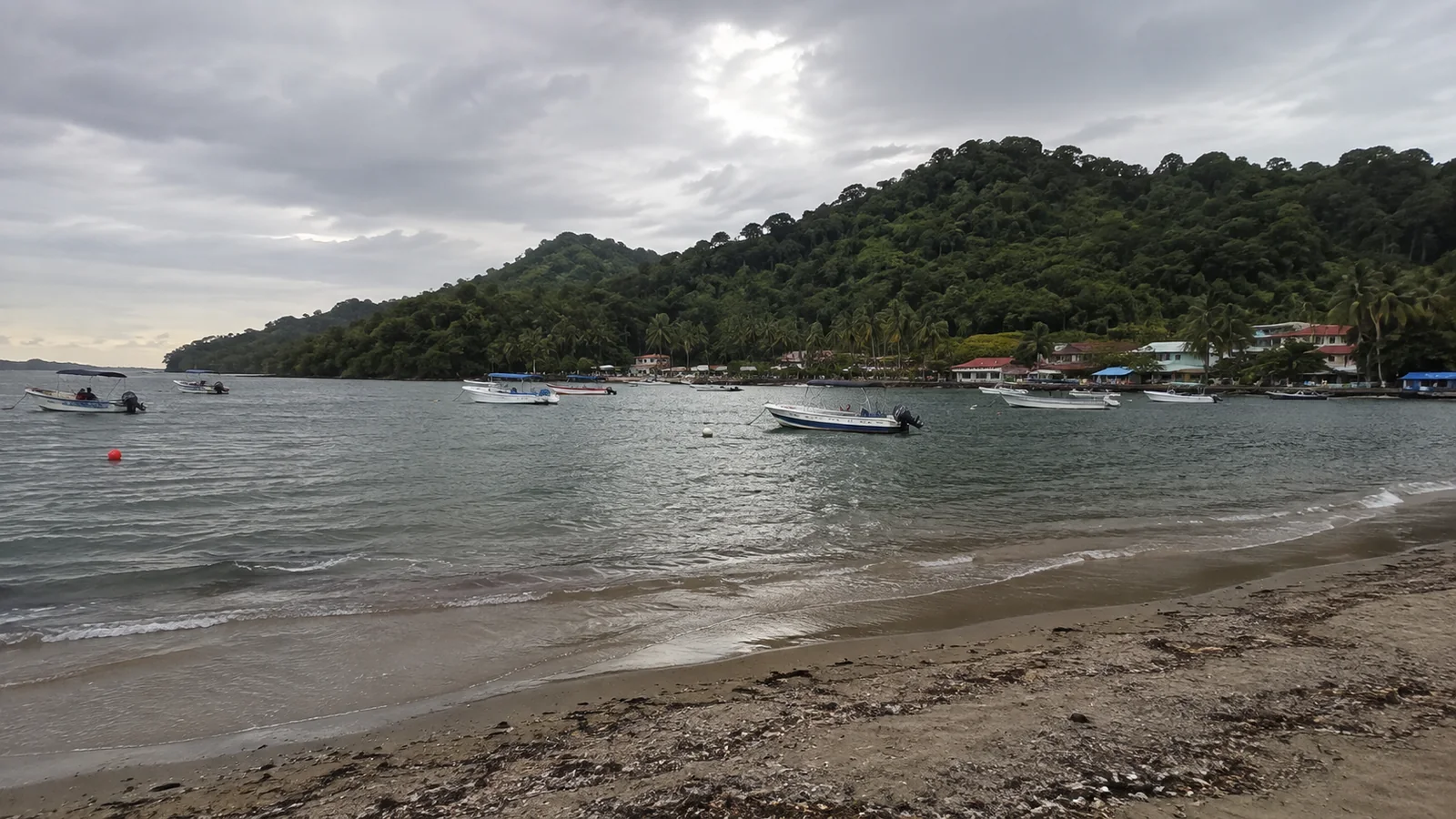
Scuba affects the lungs, heart, ears, sinuses, and circulation while adding exercise and equipment load. Complete the current Diver Medical Participant Questionnaire or the equivalent required by your training organization before the cancellation deadline.
The form can direct a participant to seek physician evaluation based on health history, medication, surgery, symptoms, or fitness. Answer honestly and consult a dive-medicine professional when required or when you have a concern outside the form.
Do not dive with congestion, illness, intoxication, severe fatigue, or an inability to equalize. This article and a boat captain cannot clear an individual medical condition.
Emergency Planning and Insurance
Remote islands turn a manageable problem into a transport problem quickly. Ask who calls for help, what communication works at the site, how oxygen is supplied, where the boat lands, and which facility can evaluate a diving injury.
Travel insurance, health insurance, and dive accident coverage are different contracts. Divers Alert Network’s dive insurance information explains that ordinary coverage can leave gaps for dive injuries and that evacuation arrangements may depend on the plan, so inspect your own terms and preauthorization rules.
Carry policy numbers, emergency contacts, certification, medications, allergies, and a passport copy offline. Local emergency services come first in an active emergency, followed by the insurer or dive-emergency resource specified in your plan.
Leave enough surface interval before flying or traveling to altitude under your training, dive computer, and current professional guidance. Do not put a Coiba return boat, long road transfer, and international departure into one brittle timeline.
Protected Areas and Wildlife Etiquette
Coiba’s permit requirement is not a paperwork nuisance. Protected-area access, fees, visitor rules, site closures, ranger direction, and operator authorization help manage a remote national park.
Do not touch coral, stand on the bottom, collect objects, feed animals, chase wildlife, or block another animal’s path. Keep fins controlled and photography secondary to buoyancy and situational awareness.
A no-touch policy also protects you from stings, cuts, bites, and fire coral. Gloves do not create permission to handle the reef.
Panama travel advisory
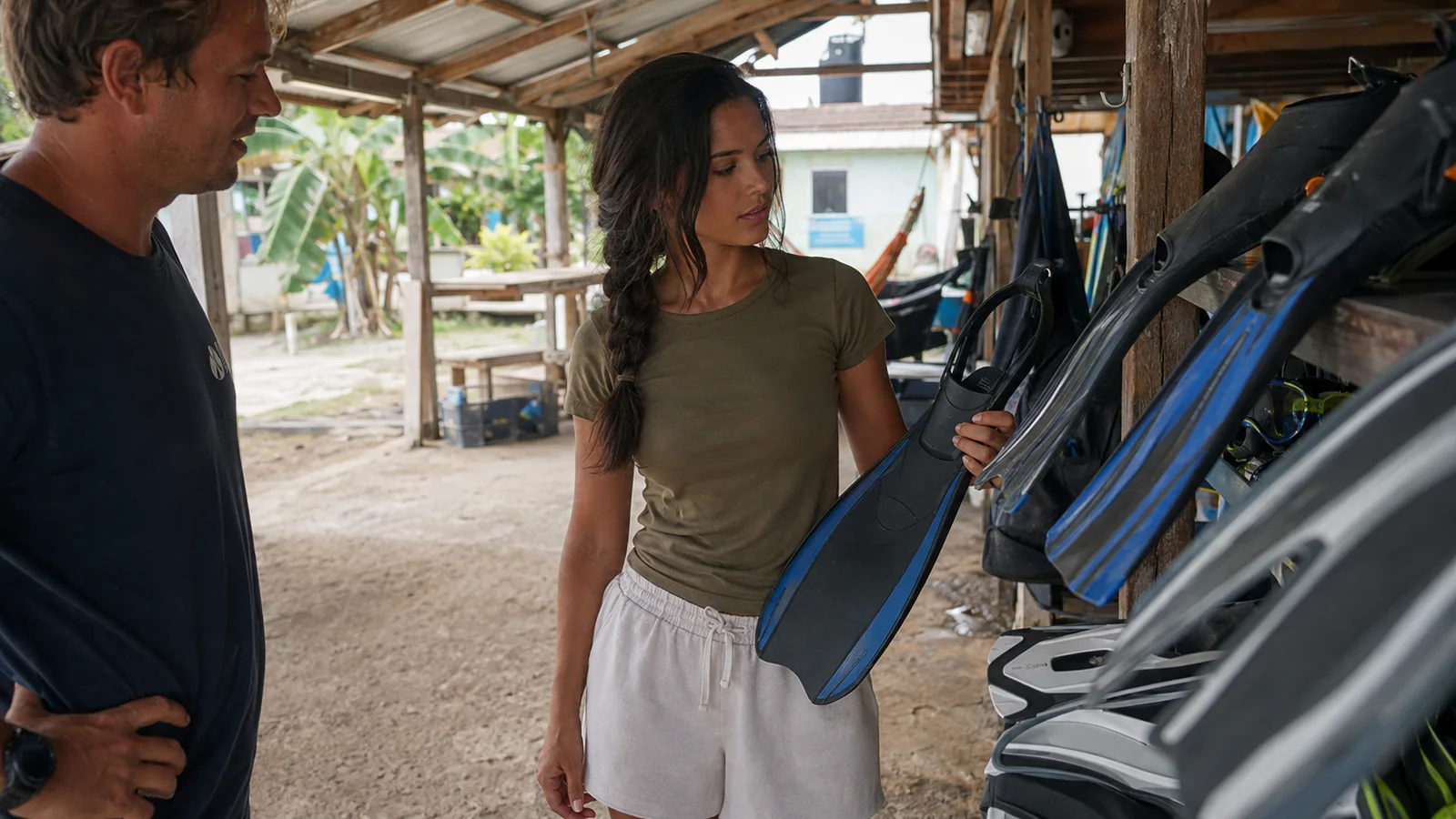
The U.S. Department of State currently rates Panama Level 2, Exercise Increased Caution, due to crime. Its Panama advisory says not to travel to the Mosquito Gulf or specified parts of the Darién Region; always check the live boundaries before building a dive trip around a remote coast.
The named Mosquito Gulf is not a synonym for every Caribbean dive destination, and the Darién warning does not cover all Pacific diving. Read the exact boundaries, recheck before travel, and do not let a generic tour label pull you into a restricted area.
Use secure transport, avoid displaying expensive camera gear away from the boat, and keep passport and money protected. Tell someone ashore which operator, vessel, and return time you are using.
What to Pack
- Certification card and recent log details
- Mask that fits, if you own one
- Surface marker buoy and audible signal for trained certified divers
- Reef-safe exposure protection suited to the operator’s current water report
- Dry bag, sun protection, water, and motion-sickness plan approved for you
- Medical clearance when required
- Insurance and emergency information stored offline
- Cash or payment method for confirmed park fees and local logistics
Do not bring unfamiliar safety equipment without learning to use it. Rental availability and tank-valve setups vary, so send the operator your equipment questions before traveling.
Is Panama the Right Dive Destination?
Choose Panama if comparing two oceans, remote Pacific islands, and a land-based cultural itinerary sounds better than a single standardized resort. Choose a different trip if you need guaranteed calm water, guaranteed animals, or hospital-level care minutes from every site.
For current-heavy Caribbean reef planning, our Cozumel dive-site guide is a useful contrast. Our Tarkarli scuba planner and Goa diving guide cover smaller-scale Arabian Sea trips with very different monsoon and transport considerations.
The Bottom Line
Panama is not one dive destination but a choice among Caribbean reefs, accessible island add-ons, and remote Pacific expeditions. Pick the coast and base first, then match the exact site to certification, recent skills, sea conditions, boat logistics, permits, and emergency capacity.
Book no wildlife promise and force no weather day. The best Panama dive is the one a qualified team can run safely for your actual ability, with enough time and insurance behind the adventure to handle a change of plan.