Pet-Friendly Holidays: How to Plan a Trip Your Pet Will Enjoy
The best pet-friendly holiday is not the trip with the cutest dog welcome basket. It is the one where your pet can safely join the activities, rest comfortably, follow every transport and entry rule, and avoid spending the vacation alone in an unfamiliar room.

Should your pet come on this trip?
Start with your animal, not the destination. A social dog who relaxes in the car may love a cabin road trip, while an anxious cat, heat-sensitive breed, senior pet, or animal with medical needs may be happier with a trusted caregiver at home.
Consider travel duration, motion sickness, noise, crowds, temperature, mobility, toileting, medication, and how your pet responds to new rooms. A place can be pet-friendly on paper and still be wrong for your particular companion.
If the itinerary includes long museum days, boat tours, theme parks, national-park trails that prohibit pets, or meals where the animal cannot accompany you, add up the hours apart. Boarding your pet inside the destination every day may create more stress and cost than leaving them with familiar care.
Never bring a pet because you feel guilty. Choose the arrangement that produces the safest, calmest week for the animal.
The easiest pet-friendly holiday is usually a road trip
Driving gives you control over stops, water, climate, carrier setup, and emergency detours. It also avoids airline size limits and allows more gear, though a long drive still requires gradual practice.
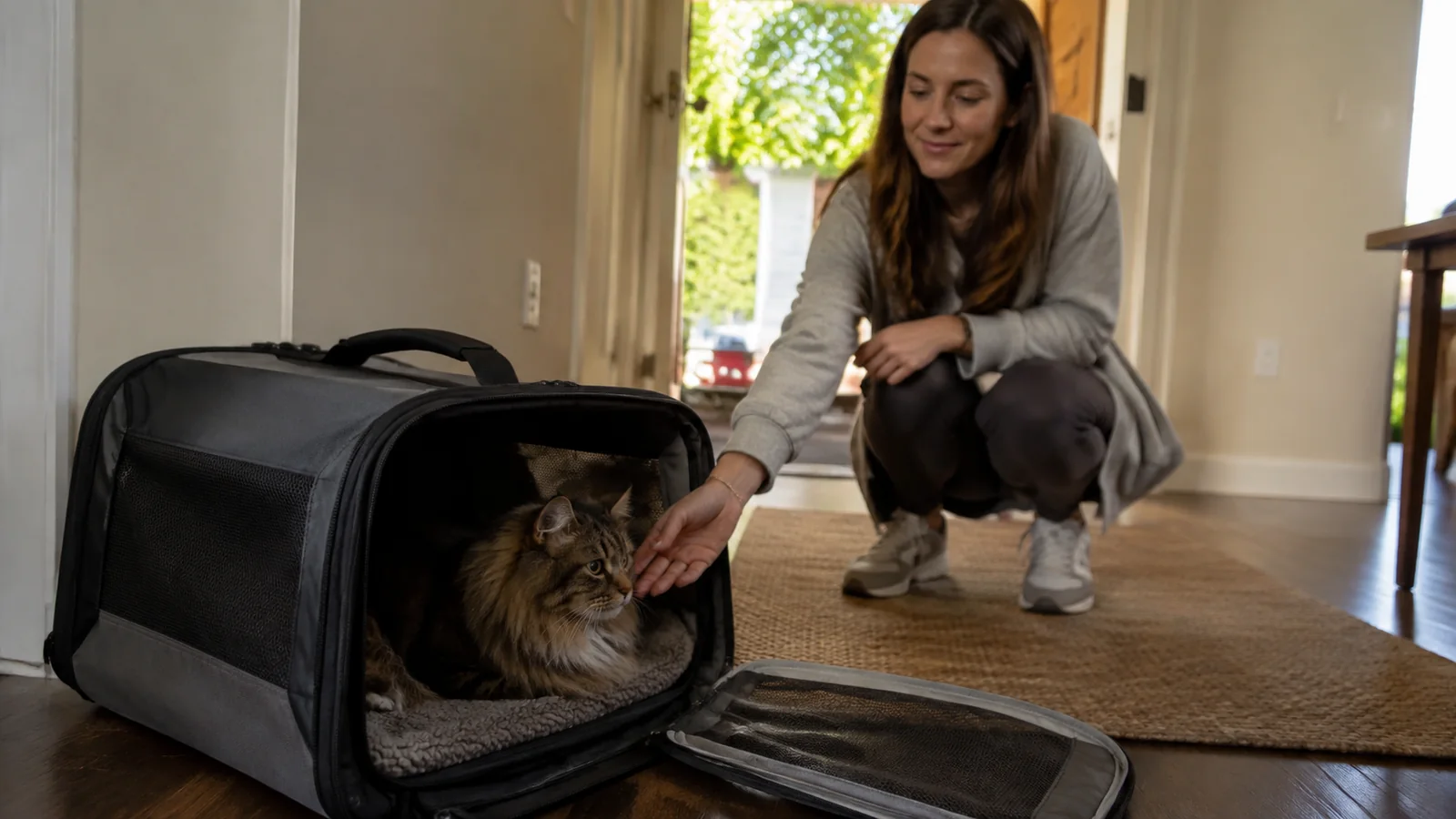
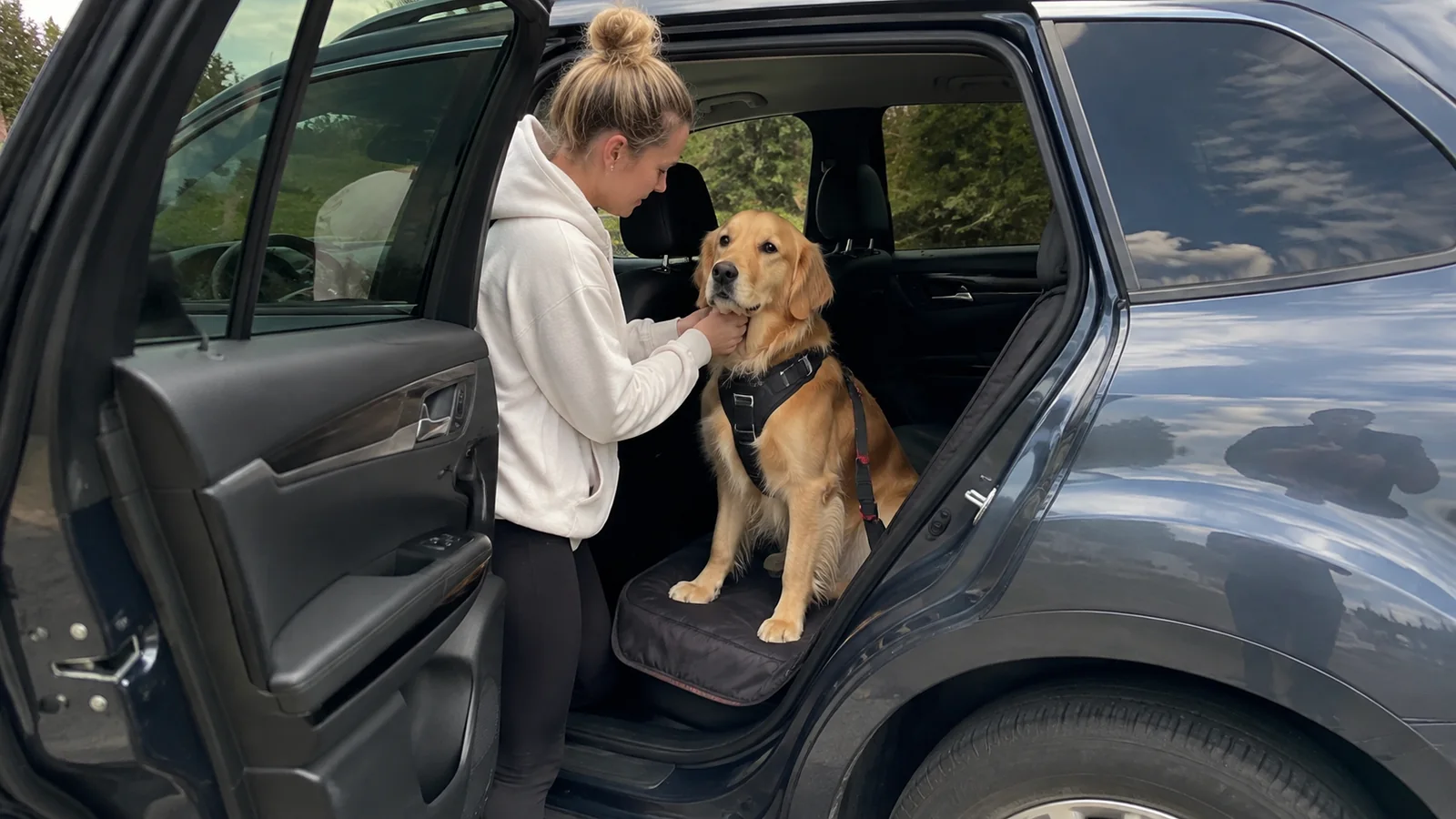
Secure dogs with a crash-tested harness or travel crate and keep cats in a properly anchored carrier. Loose animals can distract the driver, escape at a fuel stop, or become projectiles in a collision.
Stop on your pet’s normal schedule, offer water, and choose a quiet walking area away from traffic. Never leave an animal in a parked vehicle when temperatures could become dangerous, even with cracked windows or a quick errand planned.
A two- to five-hour first travel day is kinder than a heroic 12-hour push. For route ideas, this Great Lakes road-trip framework shows why regional loops are easier to adapt than cross-country mileage contests.
Best pet-friendly trip styles
A cabin near legal trails
A detached cabin gives many pets space, fewer hallway encounters, and direct outdoor access. Confirm the exact trails that allow animals because a dog-friendly town beside a national park does not mean dogs may use the headline hike.
Ask about fencing, stairs, wildlife, neighboring livestock, road traffic, ticks, fire rules, and the nearest emergency veterinarian. “Secluded” can also mean poor phone service and a long drive to care.
A walkable coastal town
A coastal base works when legal beach hours, shaded streets, outdoor dining, and lodging align. Cannon Beach, Oregon, and selected Southern California communities can fit, but leash zones, seasonal wildlife protections, tides, hot sand, and surf change the plan.
Use the exact municipal beach map rather than a hotel’s broad “dogs welcome” claim. This comparison of seven managed U.S. dog beaches separates designated zones from nearby sand where different rules apply.
A small city with parks and patios
Choose a neighborhood with sidewalks, green space, veterinary care, and restaurants that clearly permit pets in lawful outdoor areas. Asheville, Austin, Portland, and San Diego can work for some dogs, but climate and lodging location matter more than a citywide pet-friendly reputation.
City trips suit calm animals comfortable with traffic, elevators, strangers, and restaurant downtime. Noise-sensitive pets may do better in a ground-floor suburban rental with a yard.
A lake or mountain base
A regional lake trip combines morning walks, porch time, and short drives without demanding constant sightseeing. Door County, Wisconsin, or a Colorado mountain town can be strong choices when trails, beaches, lodging, and boat operators publish compatible pet rules.
Do not assume a pet can join a rental boat or paddlecraft. Fit a species-appropriate life jacket, plan a safe boarding method, and keep the first outing short.
An RV or campground holiday
RVs keep familiar bedding and food nearby, but they are not safe unattended kennels. Power failures, campground electrical problems, generator restrictions, and heat can turn a parked rig dangerous quickly.
Verify pet limits, breed or size policies, leash rules, wildlife storage, quiet hours, and whether animals may remain alone at the site. Reserve a shaded location when possible and carry a backup plan that does not depend on campground Wi-Fi.
National parks are not uniformly dog-friendly
The National Park Service says many parks allow pets in developed areas, but each park has its own detailed rules. Some permit dogs on many trails, while others confine them to roads, campgrounds, parking areas, or a few paved paths.
Use the exact park’s official pet page before reserving lodging. The NPS pet-visit directory is a starting point, not permission for a specific trail.
Yellowstone, for example, keeps pets in developed areas and away from boardwalks, thermal zones, trails, and backcountry. Great Smoky Mountains allows leashed pets in campgrounds and along roads but on only two trails, which can make a hiking-focused vacation frustrating.
Never leave a pet tied outside or unattended in a vehicle to complete a prohibited hike. Use a licensed daycare, alternate trail, split the group safely, or leave the pet at home.
Book lodging by policy, not filter result
A “pet-friendly” filter may hide species, weight, number, breed, room-category, or unattended-animal restrictions. Call or message the property and save written confirmation tied to your reservation.
- Which species, sizes, breeds, and number of pets are accepted?
- Is the fee per night, per stay, or per animal, and is any deposit refundable?
- May the pet stay alone, and must it be crated?
- Which room types allow pets, and can you request ground-floor access?
- Where is the relief area, and are waste bags and trash cans provided?
- Are pets allowed in patios, lobbies, shuttles, or other shared spaces?
- What happens if barking disturbs another guest?
Photograph the room at arrival, protect furniture, and clean muddy paws before they become a damage charge. Bring a familiar blanket or washable bed rather than assuming the property supplies pet bedding.

Flying with a pet requires airline-specific planning
Airlines set their own policies for ordinary pets, including species, carrier dimensions, cabin limits, fees, route restrictions, and temperature embargoes. The U.S. Department of Transportation notes that many airlines accept only cats and dogs in the cabin and may exclude short-nosed breeds because of breathing risk.
Read the airline’s current pet-flight rules and consumer guidance, then confirm the operating carrier for every segment. A codeshare reservation can put you under another airline’s policy.
Reserve the pet space before buying a nonrefundable fare because cabins often cap the number of animals. Check the exact aircraft’s under-seat carrier allowance and practice calm carrier time well before travel.
Do not sedate an animal for flight without a veterinarian’s specific direction. Discuss age, breed, respiratory risk, anxiety, food timing, medication, and whether flying is medically appropriate.
Pets and service animals are different categories
A trained service dog assisting a person with a disability is not an ordinary pet or an emotional-support animal. Under current U.S. air rules, airlines must recognize dogs as service animals and may require Department of Transportation forms.
The DOT’s service-animal guidance explains documentation, behavior, control, and space requirements. Destination-country animal-entry rules can still apply even when an airline accepts the service dog.
Never describe a pet as a service animal to avoid a fee or restriction. False claims harm disabled travelers and can create removal, penalties, or dangerous travel conditions.
International pet travel starts months ahead
Every destination sets its own animal-entry rules, which may involve microchips, rabies vaccination timing, blood tests, parasite treatments, import permits, airline routing, and endorsed health certificates. Transit countries can add requirements if the animal clears customs or leaves a secure area.
USDA APHIS tells travelers to contact a USDA-accredited veterinarian as soon as they decide to travel and to verify destination rules every trip. Start with the official country-by-country pet travel process, not a social post or a certificate from a previous year.
Work backward from every deadline because some steps must happen in a precise order and time window. Confirm the rules for returning to the United States too, especially if the dog will visit a country classified for rabies or another regulated animal disease.
For a short vacation, paperwork, flight stress, quarantine risk, and cost may outweigh having the pet there. International pet travel makes more sense for longer stays, relocations, and animals already comfortable with transport.
Health preparation should be destination-specific
Schedule a veterinary check before travel and carry vaccination records, prescriptions, dosage instructions, microchip information, and your regular clinic’s contact details. Ask about parasites, waterborne risks, altitude, heat, cold, motion sickness, and local diseases.
Pack more medication and familiar food than the itinerary requires, subject to border rules. A brand name sold nationwide can still be unavailable in a small town, and sudden diet changes are a poor vacation experiment.
Locate a daytime veterinary clinic and a true 24-hour emergency hospital near the base, then save both numbers offline. A clinic advertised as emergency care may only accept urgent cases during ordinary business hours.
Heat, cold, wildlife, and water change the trip
Walk early and late in hot destinations, test pavement with your hand, carry water, and watch for heavy panting, weakness, confusion, vomiting, or collapse. Flat-faced breeds, seniors, young animals, overweight pets, and pets with heart or respiratory conditions may be more vulnerable.
Cold trips need paw checks, dry bedding, wind protection, and realistic exposure limits. Ice melt can irritate paws, while frozen ponds and rivers should never be treated as reliable shortcuts.
Keep pets leashed around wildlife and away from carcasses, burrows, nests, livestock, and stagnant water. Store pet food as carefully as human food in bear country.
Do not assume a dog that swims in a pool can handle waves, current, cold water, boats, or blue-green algae. Use designated access, heed water-quality notices, and fit a life jacket for boating.
Build the daily plan around rest
One anchor activity per day is enough for many pets. Pair a morning trail or beach visit with a long midday rest, then take a familiar neighborhood walk before dinner.
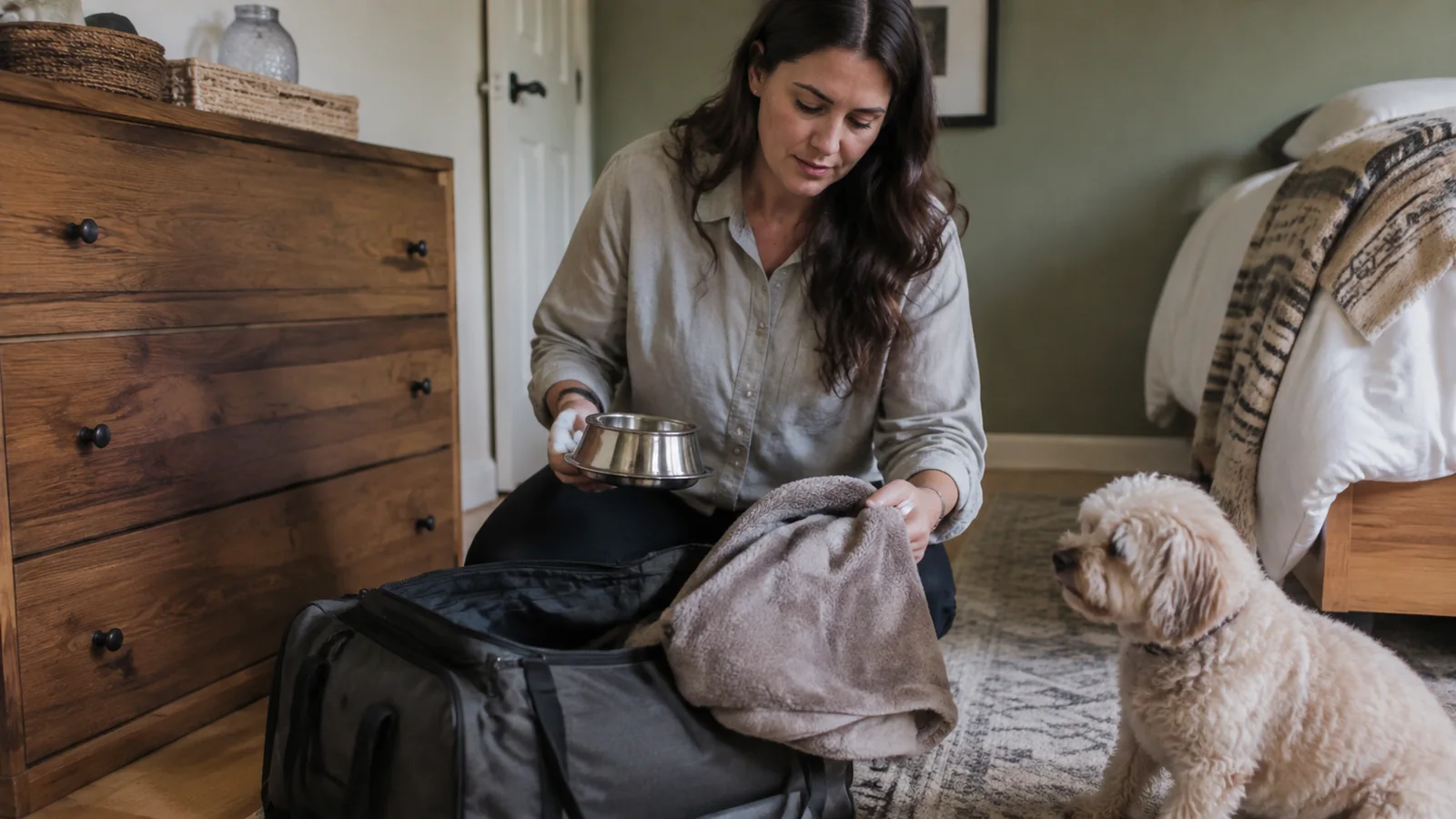
Bring the pet’s bed, leash, harness, carrier, bowls, food, treats, waste bags, towel, grooming supplies, medications, and a recent photo. A travel water bowl and a backup collar with current phone information are small items with outsized value.
If you love scenic drives, these general travel-planning habits can help with offline maps and flexible stops. Adapt every idea to the pet’s tolerance rather than extending a day because the humans still feel energetic.
A 30-day pet holiday plan
One month before
Confirm transport, lodging, destination rules, vaccines, prescriptions, identification, emergency clinics, and insurance coverage. Practice the carrier, harness, car restraint, elevator, or campground setup the trip will require.
One week before
Recheck weather, fires, water quality, trail and beach rules, park notices, and lodging reservations. Pack food and medication with delay margin, then save records and clinic information offline.
Travel day
Keep feeding and toileting close to the veterinarian-approved routine, arrive early without creating hours of unnecessary waiting, and maintain physical control at every door. Never open a carrier in an unsecured parking lot or terminal.
Pet-friendly holiday questions
What is the best vacation with a dog?
A regional road trip to a cabin, walkable coastal town, or lake base is the easiest first choice. It gives you transport control and lets the dog join several low-stress outdoor activities.
How do I find truly pet-friendly lodging?
Use filters only to create a shortlist, then confirm species, size, fee, room type, unattended-pet rule, relief area, and damage policy in writing. Recent pet-specific reviews can reveal hallway noise and outdoor access but do not override the property’s policy.
Can my dog hike in a national park?
Sometimes, but rules vary dramatically by park and trail. Check the official page for the exact unit and never substitute a nearby national forest rule.
Is flying or driving better?
Driving is usually simpler for a domestic holiday because it offers more control and fewer carrier limits. Flying may be reasonable for a healthy, carrier-trained animal on a direct route after the airline and veterinarian approve the plan.
When should I leave my pet home?
Leave the pet with trusted care when transport causes major distress, the climate creates medical risk, most activities prohibit animals, emergency care is poor, or the trip is too short to justify difficult international paperwork. A pet-friendly decision is the one made for the pet, not the photograph.