The World’s Best Cruise Ports by Traveler Type
The world’s best cruise port is the one that delivers what you came for without spending half the day in traffic. This directory skips a fake universal ranking and matches standout ports to culture lovers, beach people, food travelers, wildlife watchers, scenery seekers, and cruisers who want an easy independent day.
How to Choose a Great Cruise Port
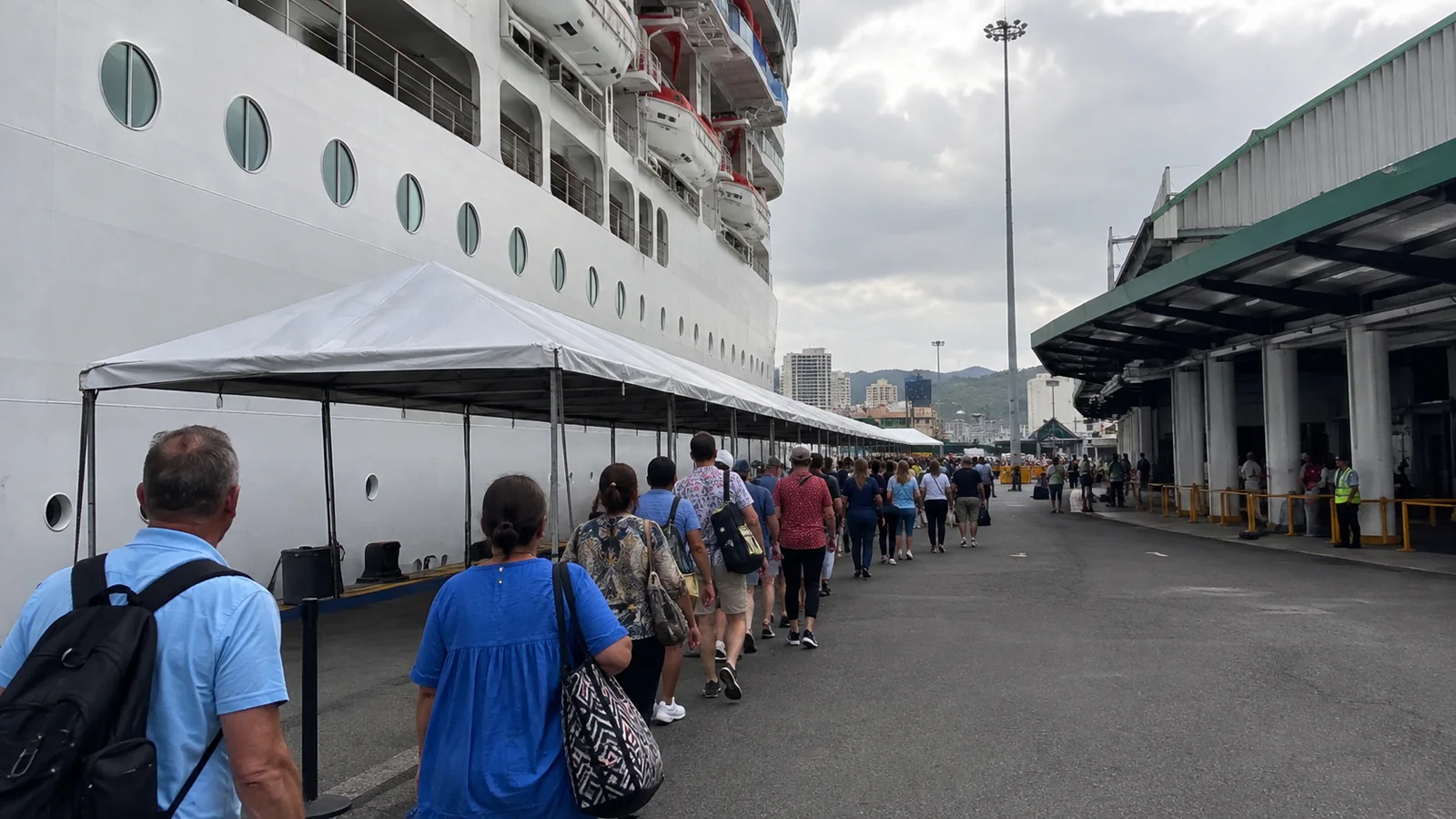
A famous destination is not automatically a great port call. The real test is useful time ashore after subtracting tendering, shuttles, immigration, traffic, and the return buffer.
- For easy independent exploring: Québec City, Valletta, Tallinn, and San Juan
- For major culture: Barcelona, Naples, Messina, and Dubrovnik
- For beaches and water: Cozumel, Curaçao, and St. Thomas
- For wildlife: Sitka, Juneau, and Ushuaia
- For dramatic scenery: Geiranger, Skagway, Sydney, and Vancouver
- For food: Singapore, Naples, Barcelona, and San Juan
Port quality also depends on the berth and clock. A nine-hour docked call can beat a marquee name reached by a two-hour transfer.
Best Cruise Ports for Easy Independent Days
Québec City, Canada
Québec City feels built for an unhurried cruise day because the historic district, river views, cafés, and museums sit close to central berths. Hills and cobblestones are the catch, so travelers with mobility concerns should map elevators, funicular access, and taxi points.
Autumn sailings add foliage and cool weather, but ship schedules can concentrate crowds. Walk beyond the most photographed lanes and give yourself time for a proper meal.
Valletta, Malta
Valletta pairs one of cruising’s grandest harbor approaches with a compact fortified city. An elevator can reduce the climb from the waterfront area, while buses and ferries open options beyond the center.
Heat and stone streets make midday pacing important. History lovers can spend the whole call in Valletta without feeling they settled for the easy option.
Tallinn, Estonia
Tallinn’s medieval core is close enough for a practical independent day from many cruise berths. The Old Town rewards a slow loop, but steep lanes and slick cobbles can challenge wheelchairs, strollers, and uncertain knees.
Large-ship mornings crowd the main gates and viewpoints. Start early, explore side streets respectfully, and save the most obvious central square for later.
Old San Juan, Puerto Rico
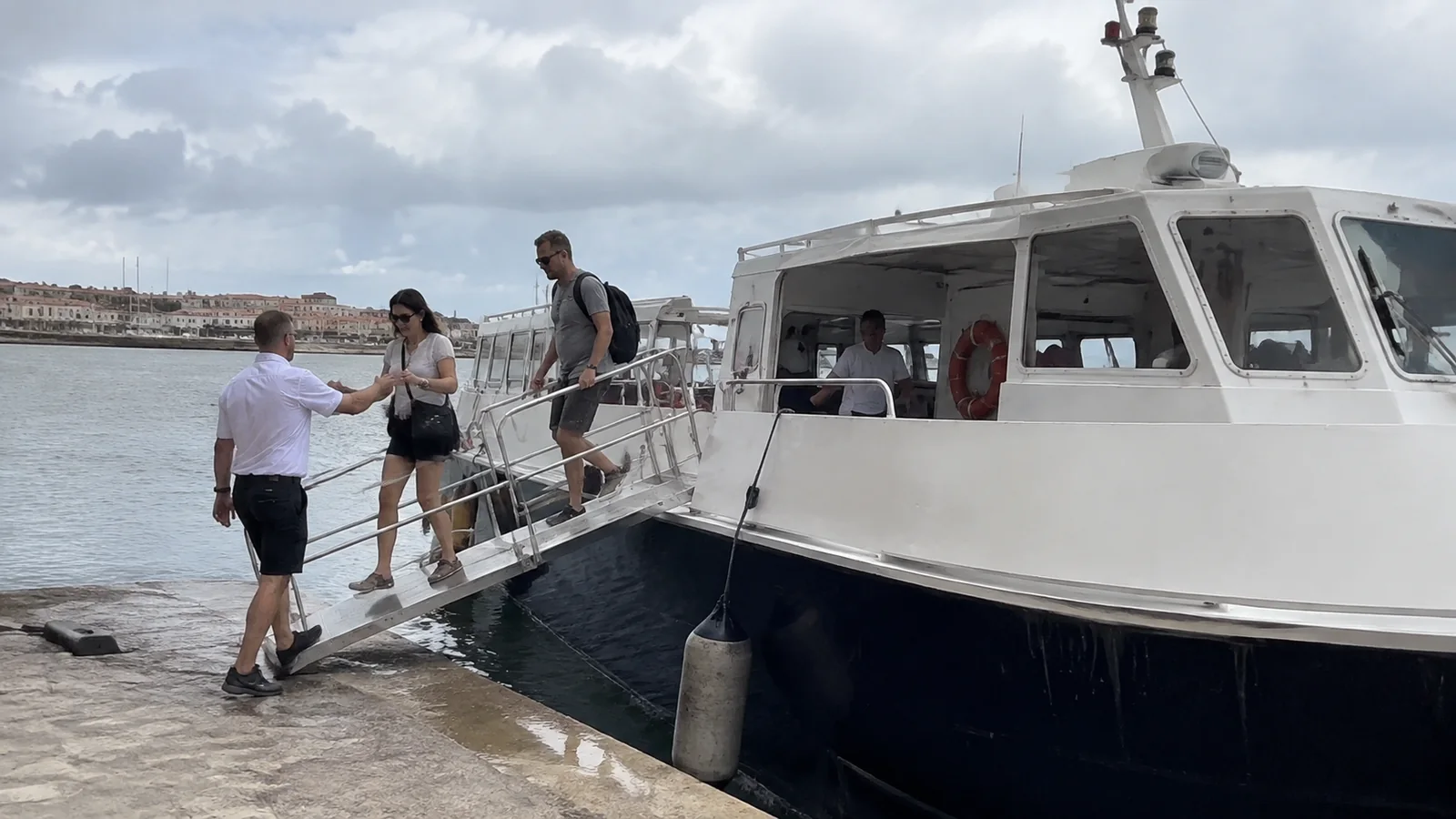
When the ship docks in Old San Juan, forts, plazas, restaurants, and colorful streets are immediately useful. Confirm the berth because Pan American Pier is across the bay and requires a transfer.
The sun and hills turn a short map distance into real work. Choose one fort, carry water, and let lunch be part of the experience.
Best Cruise Ports for Culture and History
Barcelona, Spain
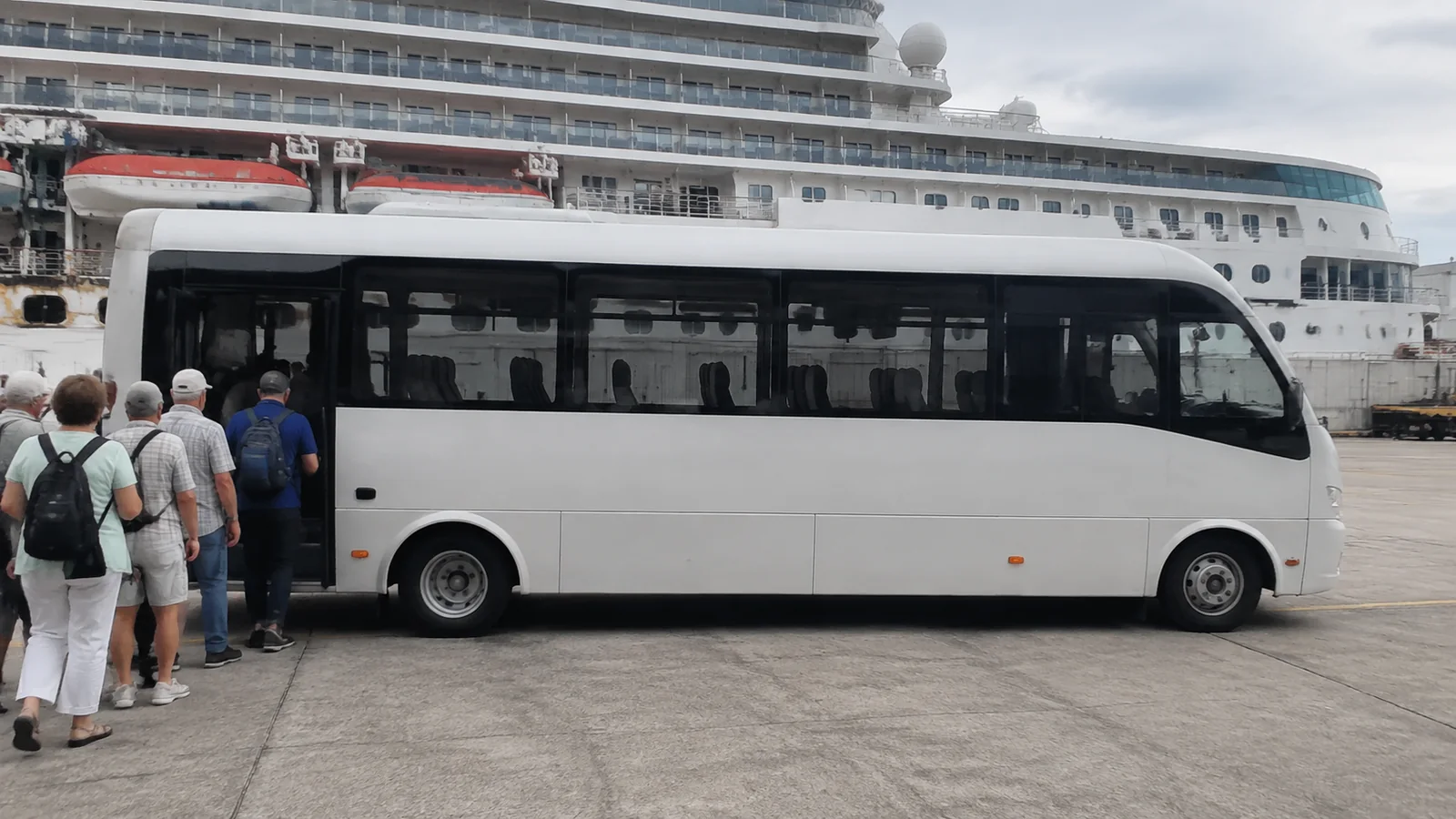
Barcelona can fill a pre-cruise stay and still leave more for port day, from Modernisme architecture to markets and Gothic lanes. Major ships commonly use Adossat terminals, which are not a casual walk to La Rambla.
The Port of Barcelona’s official transport page explains the Portbus connection toward the city and distinguishes the closer World Trade Center area. Reserve timed attractions and never try to collect Sagrada Família, Park Güell, and every old-city sight in one call.
Naples, Italy
Naples offers an exceptional city day right outside the port, with historic streets, archaeological collections, churches, espresso, and pizza. It also serves Pompeii, Herculaneum, Capri, and the Amalfi Coast, which creates the dangerous temptation to combine too much.
Pick city or region, then commit. Hydrofoils, trains, and roads can be disrupted, so independent travelers need conservative return margins.
Messina, Sicily
Messina is walkable for its cathedral, clock tower, waterfront, and a relaxed Sicilian lunch. Taormina and Mount Etna are more dramatic but require transport and a stricter risk calculation.
Our Messina cruise port planner compares all three choices by port-call length. The right answer is often the least ambitious plan that still feels distinctly Sicilian.
Dubrovnik, Croatia
Dubrovnik’s walls and stone lanes are unforgettable, but Gruž cruise port is separate from the Old Town and road congestion can eat time. Some ships tender closer, which changes the calculation completely.
Choose the walls, museums, or a neighborhood walk rather than treating the Old Town as a photo sprint. On heavy ship days, an early start and prebooked entry protect both time and patience.
Best Cruise Ports for Beaches and Clear Water
Cozumel, Mexico
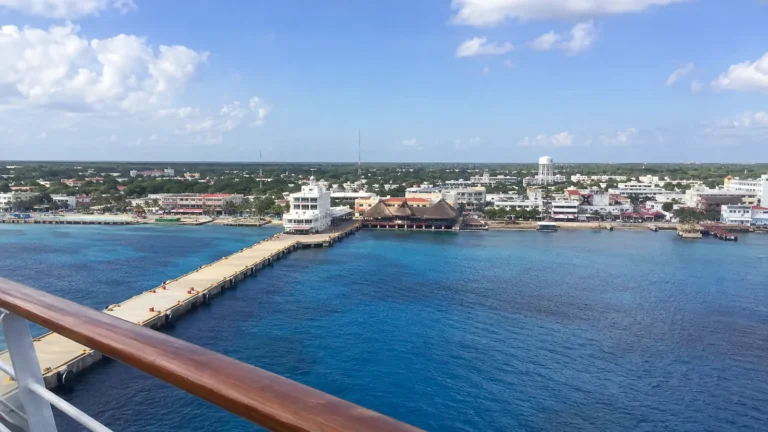
Cozumel is a water-first port with reef diving, snorkeling, beach clubs, and an island loop. Three cruise-pier areas mean “meet at the port” is not a usable instruction, so confirm the terminal and transport before leaving the ship.
Certified divers should choose an operator by safety record, boat, group size, equipment, and return plan rather than the lowest price. Our Cozumel dive-site comparison helps match current, skill level, and marine conditions.
Willemstad, Curaçao
Willemstad combines a genuinely enjoyable city with beaches and diving, which makes it more versatile than a port built around one resort strip. Mega Pier arrivals can usually reach Otrobanda and the Queen Emma Bridge area on foot, while berth details still matter.
The Curaçao Ports Authority lists current cruise facilities and schedules, which is useful when several ships call. Our Curaçao port guide compares a city day with farther beaches and island tours.
St. Thomas, U.S. Virgin Islands
St. Thomas gives beach travelers several viable choices plus ferry access toward St. John. The ferry option adds taxis, ticketing, marine schedules, and a second island, so it deserves a much larger return buffer than a nearby beach.
Confirm whether the ship uses Havensight or Crown Bay. That starting point changes walking access, taxi time, and which plan feels easiest.
Best Cruise Ports for Wildlife and Wild Landscapes
Sitka, Alaska
Sitka blends small-boat wildlife searching, rainforest trails, Tlingit history, and rehabilitation centers. Many large ships use a terminal roughly 5 miles from downtown, while others tender closer, so access must be confirmed.
A nature tour plus Sitka National Historical Park makes a balanced day. Wildlife is never guaranteed, and respectful distance matters more than a close phone photo.
Juneau, Alaska
Juneau offers whale-watching, glacier access, rainforest, and a useful downtown, but popular attractions can feel crowded when several large ships overlap. Choose one anchor excursion and keep weather-proof alternatives.
Flights and boats can be canceled for safety, while road access to Mendenhall has capacity and transportation constraints. The best operator is the one with clear logistics and honest conditions, not the loudest guarantee.
Ushuaia, Argentina
Ushuaia is both a port call and a gateway to Tierra del Fuego or Antarctica, surrounded by mountains and the Beagle Channel. Weather changes quickly, and excursions beyond town require a disciplined timeline.
Choose a channel cruise, national park visit, or town-and-museum day rather than stacking them. Travelers embarking on an expedition should arrive days early because delayed luggage is hard to solve at the end of the road.
Best Cruise Ports for Scenic Arrival
Geiranger, Norway
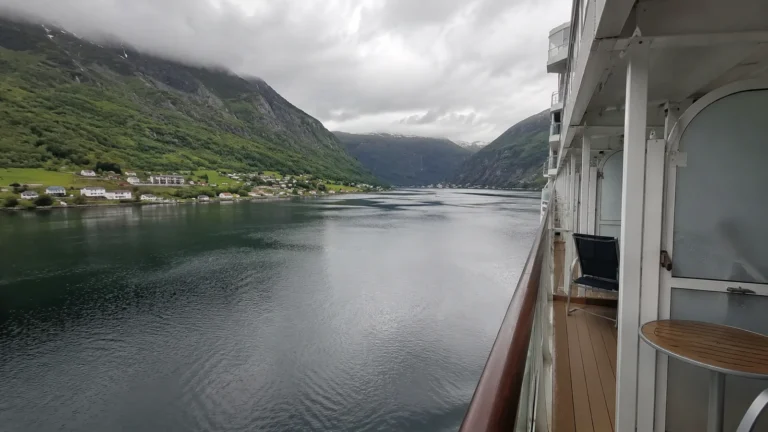
The sail through Geirangerfjord can be the day’s main attraction, with waterfalls and steep farms visible from open decks. Berthing, tendering, road conditions, and future environmental rules can affect how a particular ship visits.
Book viewpoints conservatively because the same narrow roads serve buses, residents, and independent travelers. Our distinctive European cruise ports list includes smaller alternatives when the itinerary matters more than ship size.
Skagway, Alaska
Skagway combines a dramatic Lynn Canal approach with Gold Rush history and mountain routes toward Canada. Rockfall-management procedures can alter berth access, so follow current ship instructions rather than assuming every pier walks the same.
The White Pass railway is a signature option, but passports and border details depend on the chosen excursion. Our Skagway cruise port breakdown separates rail, road, hiking, and town-only days.
Sydney, Australia
An Overseas Passenger Terminal berth places the Opera House, harbor, ferries, and The Rocks immediately around the ship. Other berths may be farther away or west of the Harbour Bridge, so the postcard arrival is not guaranteed.
Sydney deserves at least two pre- or post-cruise nights when possible. Treating it as an eight-hour checklist wastes one of cruising’s best embarkation cities.
Vancouver, Canada
Canada Place offers a skyline-and-mountain departure plus a downtown location. The real advantage is logistical: hotels, waterfront sights, and rail sit relatively close, although embarkation queues can be complex when ships overlap.
TransLink’s official SkyTrain information confirms that the Canada Line connects Vancouver International Airport with downtown. Travelers with heavy luggage may still prefer a vehicle for the final block.
Best Cruise Ports for Food and Big-City Energy
Singapore
Singapore is a superb turnaround port because hawker food, gardens, museums, transit, and hotels justify a longer stay. Cruise ships may use Marina Bay Cruise Centre or Singapore Cruise Centre at HarbourFront, and those are different terminals.
Visit Singapore identifies Marina South Pier MRT as the nearest station for Marina Bay Cruise Centre. Confirm the exact terminal before choosing a hotel or telling a driver where to go.
San Juan, Naples, and Barcelona
These three ports reward travelers who make food the day’s structure rather than a rushed reward after sightseeing. Choose a neighborhood, reserve one meaningful stop if needed, and leave space for a bakery, market, or counter that looks good in real time.
Avoid assuming every “local” restaurant beside a cruise gate is locally loved. Walk a little farther, check opening hours, and order a regional specialty rather than a generic international menu.
Ports That Need an Honest Warning
Civitavecchia is the port for Rome, not Rome itself, and La Spezia is a gateway rather than Florence at the gangway. Le Havre can serve Paris, but the distance makes a city day long and vulnerable to delays.
These can still be excellent calls when the excursion is worth the transportation. They are poor choices for travelers who dislike buses, worry about missing the ship, or expect to wander independently as soon as they step ashore.
My Port-Selection Checklist
- Is the ship docked, tendered, or assigned to a remote terminal?
- How many usable hours remain after transfers and return buffer?
- Are the headline attractions timed-entry, weather-sensitive, or likely to sell out?
- Does the port offer a satisfying backup if the main excursion cancels?
- How many other passengers arrive that day?
- Does the itinerary repeat the same experience in several ports?
- Would a smaller ship or different embarkation city improve access?
My Bottom Line
For an easy first cruise, I would build around Québec City, Valletta, San Juan, Curaçao, or Vancouver. For maximum nature, I would prioritize Sitka, Juneau, Geiranger, Skagway, or Ushuaia with enough port time to absorb weather delays.
The strongest itinerary mixes port types instead of collecting famous names. Give me one walkable city, one wild landscape, one food day, and one flexible beach or museum day, and the cruise already has a better rhythm than any arbitrary top-ten ranking.