Things to Do in Texas: 6 Trips Worth Planning
The best things to do in Texas do not fit into one frantic road trip. This state rewards choosing a region, giving it several nights, and letting your favorite interest lead, whether that means missions, live music, barbecue, spaceflight, Gulf beaches, major museums, or desert silence.
How to Choose Your Texas Trip
Pick one of these six trips for a long weekend or combine two nearby regions over a week. Texas distances look deceptively tidy on a national map, and city traffic can turn a plausible line into half a vacation behind the wheel.
- Best for history and mixed-age groups: San Antonio
- Best for music, food, and a scenic day trip: Austin and the Hill Country
- Best for science and a city-coast combination: Houston and Galveston
- Best for art, sports, and Western heritage: Dallas and Fort Worth
- Best for serious desert scenery: Big Bend
- Best for a natural Gulf Coast: Corpus Christi and Padre Island National Seashore
Spring and fall usually make city walking and outdoor days easier, while summer heat, Gulf storms, flash flooding, and winter cold fronts all deserve respect. Holiday weekends, festivals, football games, rodeos, and school breaks can change hotel prices and availability dramatically.
1. San Antonio for Missions, Food, and River Walk Evenings
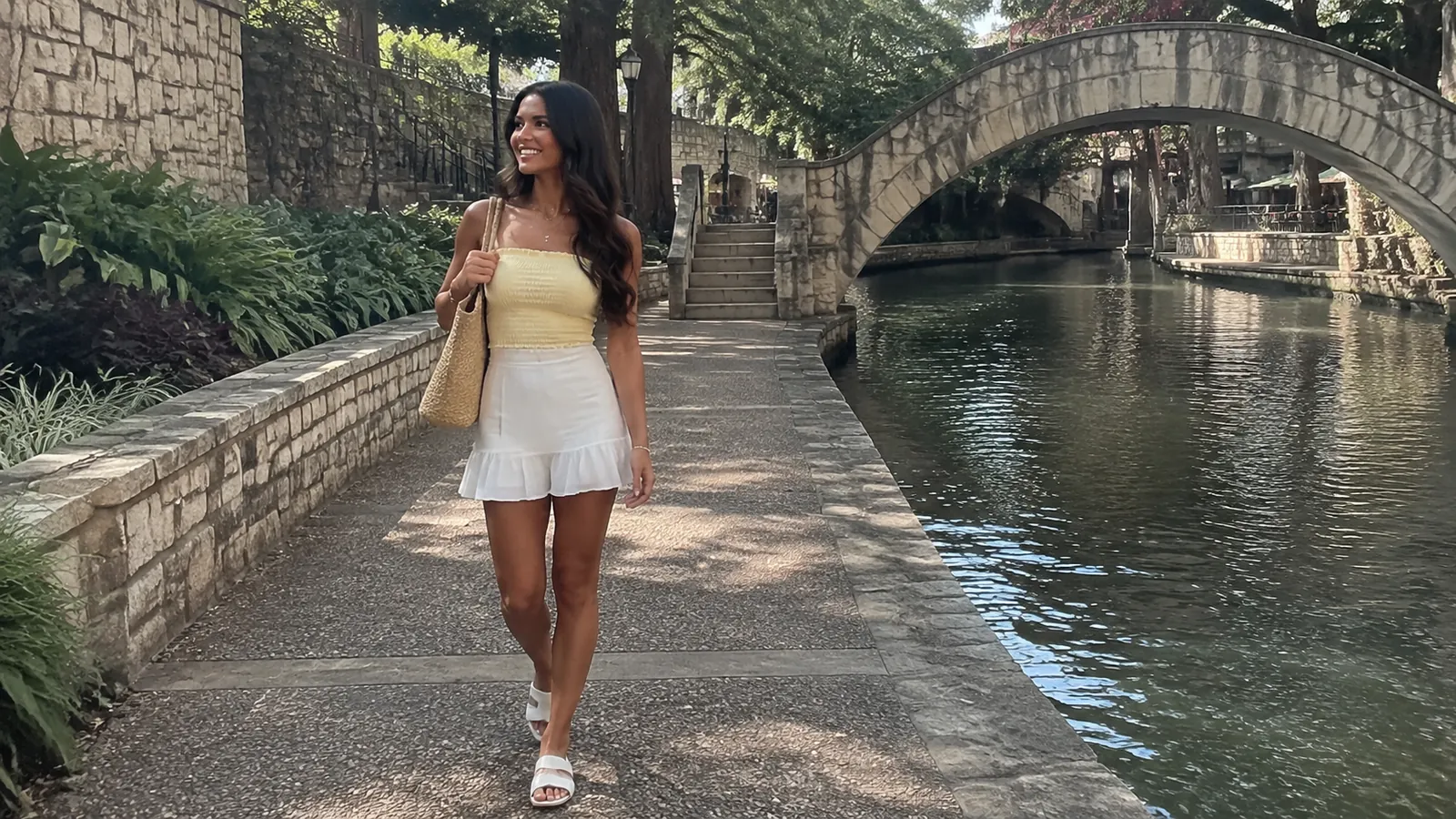
San Antonio is my strongest first-time Texas recommendation because several trip styles coexist without demanding a new hotel every night. Base near downtown for the River Walk and Alamo, then devote a separate block to the mission corridor south of the center.
See the Missions as a Connected Cultural Landscape
The National Park Service manages Mission Concepción, Mission San José, Mission San Juan, and Mission Espada, while the Alamo is a separate site. Together, five missions form the San Antonio Missions World Heritage property, but the Alamo is not inside the national historical park.
Start with the official San Antonio Missions information, which explains that the hike-and-bike trail connects the four park missions toward downtown. Driving is faster for many groups, while cycling gives the river landscape more room if weather and mobility cooperate.
These remain active community and religious sites, so services can affect interior access. Learn about Indigenous people, Spanish colonial power, irrigation, labor, and cultural change instead of treating every church as the same photo stop.
Do Not Let the River Walk Consume the Whole Trip
The central River Walk is convenient for an evening stroll, boat ride, and meal, but prices and atmosphere change from one section to another. Compare menus before sitting and walk beyond the busiest blocks when the group wants a calmer dinner.
Two or three nights work well for the historic core, missions, and one museum or neighborhood. Families can keep distances manageable, while couples can borrow ideas from Ellie’s romantic American getaway planner without turning every meal into a splurge.
2. Austin and the Hill Country for Music and Outdoor Variety
Austin works for travelers who want live music, tacos, barbecue, swimming, parks, and an easy contrast between city and limestone country. The tradeoff is that popular venues, restaurants, trails, and natural areas may require separate reservations or patient lines.
Plan Live Music Around the Actual Calendar
Choose one or two venues by artist and neighborhood instead of bouncing between famous streets. Confirm age limits, standing-room setup, ticket fees, show time, parking, and the ride home before buying.
Spend the daytime around the Texas Capitol grounds, a museum, Lady Bird Lake, or a food neighborhood, then leave margin before the show. Summer outdoor plans need shade, water, and a willingness to replace a midday walk with an indoor stop.
Treat Hamilton Pool as a Reservation, Not a Swimming Promise
Hamilton Pool Preserve near Dripping Springs requires a reservation during its reservation periods, and a reservation never guarantees swimming. The preserve is open, but falling-rock restrictions continue to affect the overhang area and swim access can change with water quality, rainfall, and safety conditions, so check the official preserve status before driving.
Check the daily status before driving, bring the required payment method, and accept the preserve as a hike when water access is unavailable. Dripping Springs, wineries or breweries with a designated driver, and nearby parks can support a full Hill Country day without forcing one fragile plan.
Fredericksburg deserves its own night if German-Texan history, shops, food, or wine are priorities. Ellie’s friends’ road-trip ideas include Dripping Springs for groups that want an Austin-area outdoor stop.
3. Houston and Galveston for Space, Museums, and the Gulf
Houston is not one compact sightseeing district, which is exactly why a neighborhood-first plan matters. Give the Museum District and food neighborhoods one day, Space Center Houston another, and Galveston a separate day or overnight.
Reserve the Space Experience You Actually Want
Space Center Houston is the official visitor center for NASA’s Johnson Space Center, but its tram experiences do not all work the same way. The current tram-tour page says the Mission Control tour costs extra and should be booked with admission, while some other tram options are included but subject to availability or on-site procedures.
Arrive early enough to handle timed entry, orientation, exhibits, tram logistics, and queues. A short visit squeezed between downtown and Galveston risks missing the part that mattered most.
Use Houston’s Diversity as the Food Itinerary
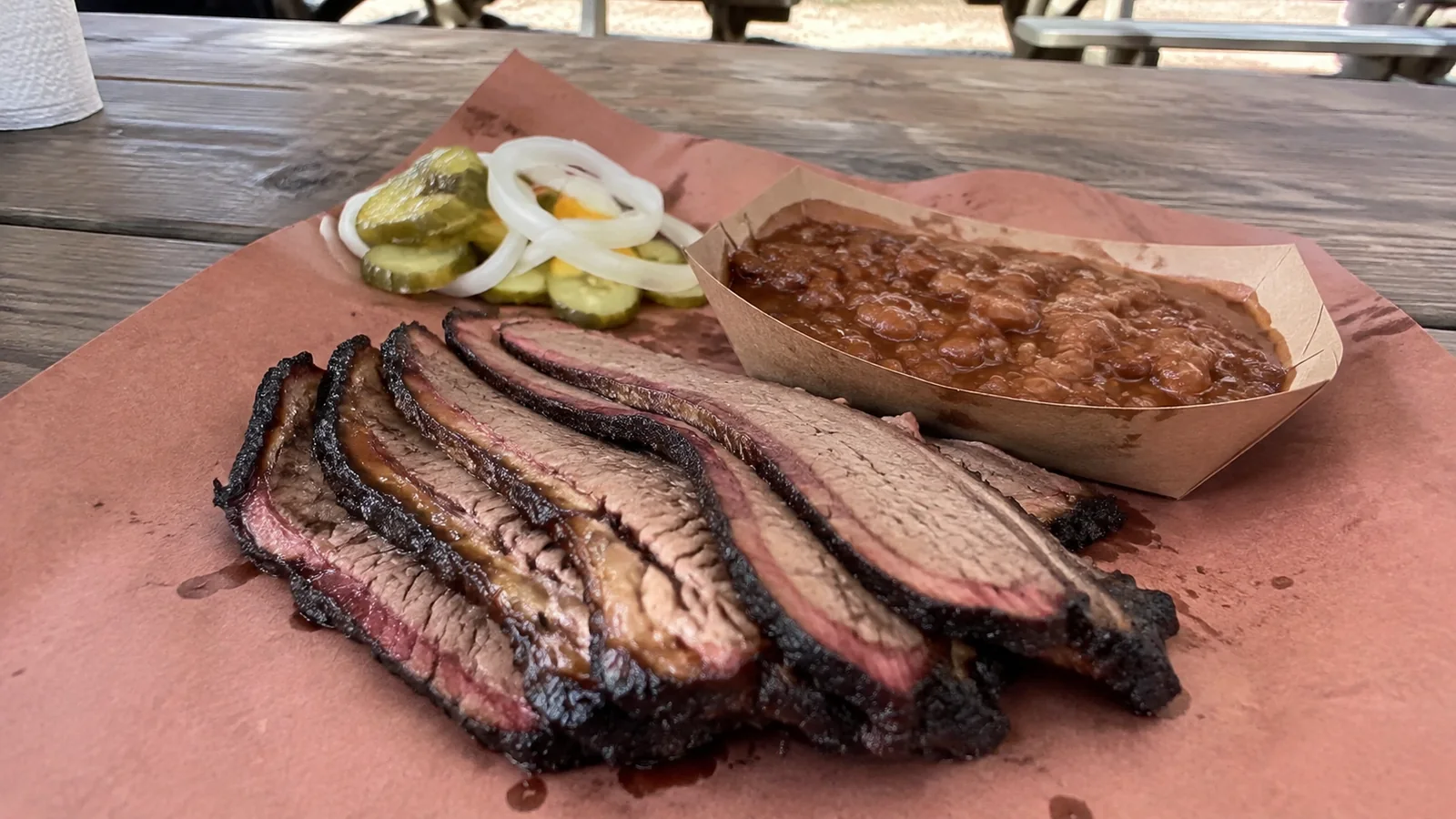
Choose meals by neighborhood and cuisine rather than chasing one universal best list. Vietnamese, Tex-Mex, barbecue, West African, Indian, Chinese, Gulf seafood, and countless cross-cultural kitchens make the city more interesting than a string of steakhouses.
Galveston adds historic architecture, the seawall, museums, and beach time, but it is not Houston’s downtown waterfront. Stay overnight if you want a slow island evening, then watch weather, surf, heat, and event traffic.
For a budget-first variation, Ellie’s affordable Texas spring trips compares Houston and Galveston with other flexible bases. Price parking and the cross-region drive before deciding that one hotel can efficiently serve everything.
4. Dallas and Fort Worth for Art, Sports, and Western Heritage
Dallas and Fort Worth form one metro area but should not be treated as adjacent downtown neighborhoods. Pick a base according to the city holding most of your reservations, then group each day geographically.
Build a Dallas Arts Day
Dallas supports a strong museum, performance, design, and public-art day around the Arts District and nearby neighborhoods. Choose two major institutions rather than exhausting the group with four large collections.
Check timed tickets, free-admission rules, special exhibitions, bag policies, and performance calendars with each venue. Downtown distances may look walkable, but heat, construction, and freeway crossings can change the route.
Give Fort Worth a Full Day
Fort Worth’s cultural district offers major art and science museums, while the Stockyards delivers a highly visitor-facing version of cattle and railroad heritage. Enjoy the spectacle, but make room for museum interpretation and the city’s broader history.
Sports travelers should book the game first, then choose lodging and transport around that venue because the stadium districts add another geographic center. Parking, rideshare surges, security rules, and late finishes belong in the ticket budget.
5. Big Bend for Desert, Mountains, and Dark Skies
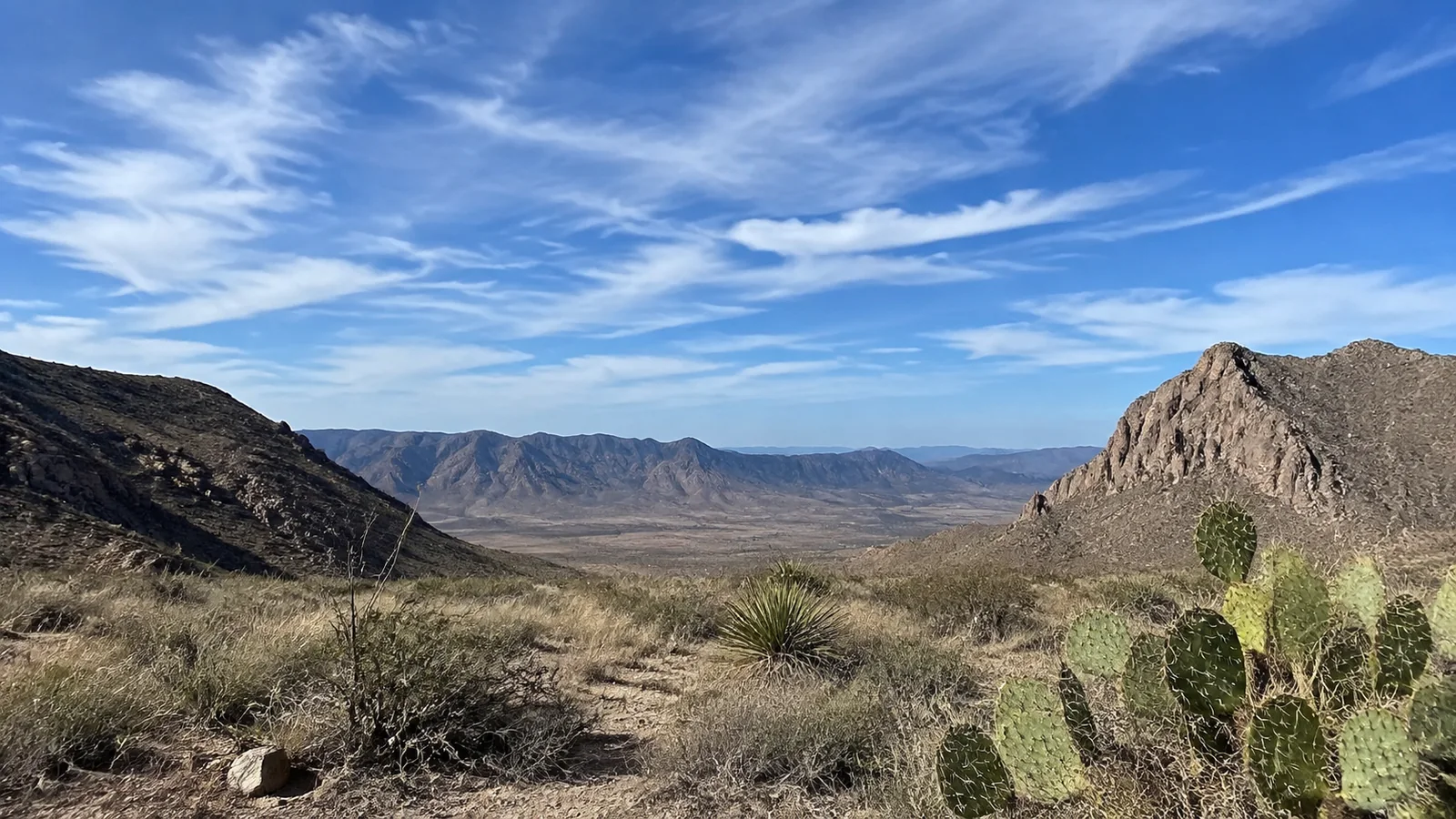
Big Bend is the Texas trip I would never squeeze into a spare day. It is remote, huge, hot for much of the year, thin on services, and spectacular for travelers willing to plan fuel, water, lodging, road capability, and daylight.
Choose a Park Region Each Day
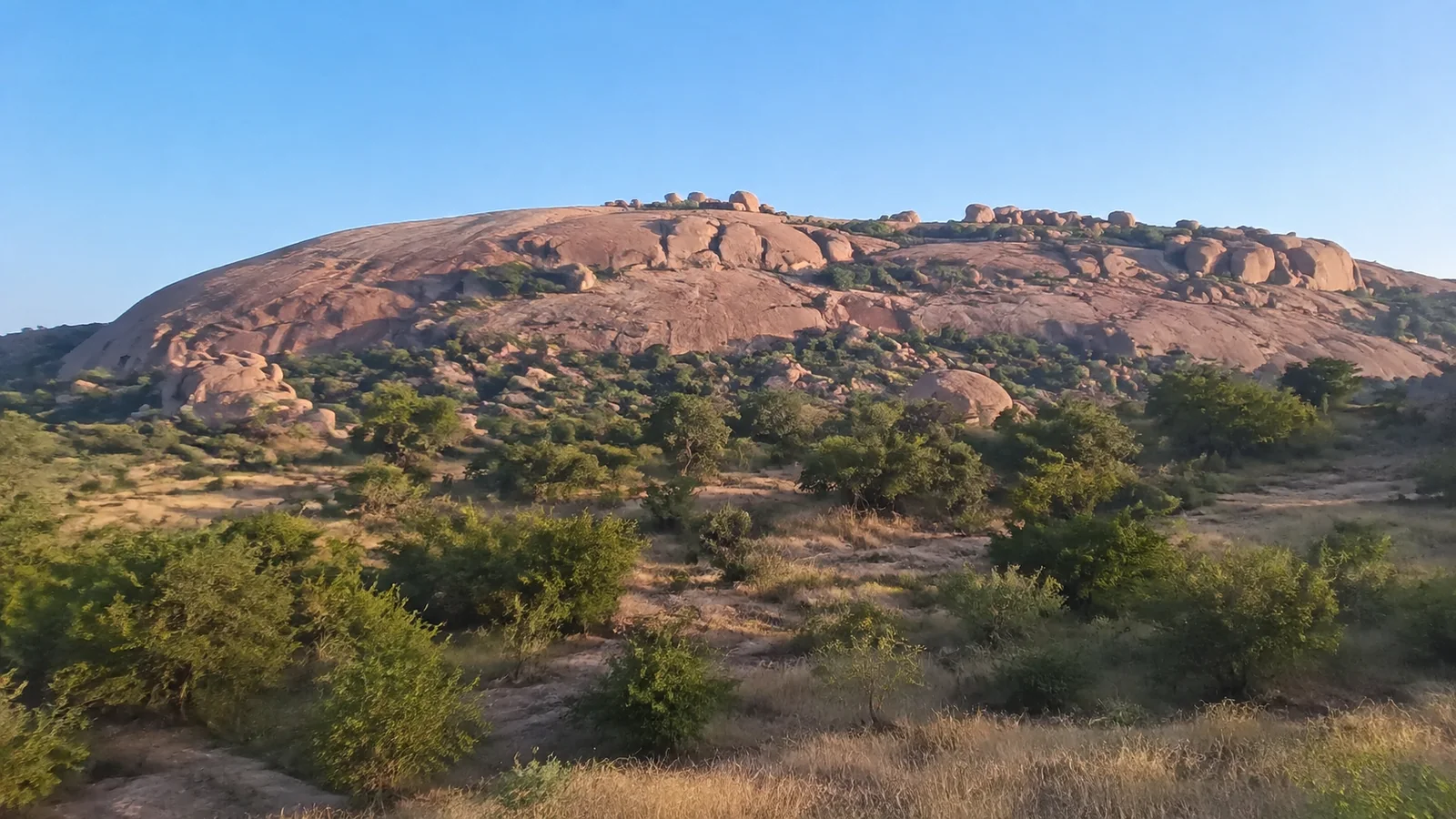
Santa Elena Canyon, the Ross Maxwell Scenic Drive, Rio Grande Village, desert trails, and the Chisos Mountains sit far enough apart to punish constant backtracking. Build days by west, east, and central objectives, with a backup for heat, water, or road conditions.
The park’s current NPS homepage says the Chisos Basin remains open and that lodge construction originally expected to start in May 2026 will not proceed as planned. Other facilities and routes can still be limited, so use current conditions rather than the old construction calendar.
Two-wheel-drive visitors should stay on roads appropriate to their vehicle, and no traveler should interpret a rental’s marketing name as true backcountry capability. Primitive roads, river crossings, flash floods, tire damage, and weak cell service require conservative choices.
Visit in the Right Season
Late fall through early spring is the usual hiking window, though cold, wind, and crowded holiday periods still occur. Summer belongs to very heat-aware itineraries with early starts and modest objectives, not heroic mileage.
Allow at least three full park days plus arrival and departure if Big Bend is the main trip. If national parks drive your travel choices, Ellie’s world national-park shortlist puts the scenery and access tradeoffs in a wider context.
6. Corpus Christi and Padre Island for a Natural Coast
Padre Island National Seashore protects a long barrier-island environment near Corpus Christi, and it is not the resort city of South Padre Island near the Mexican border. Confusing those names can place your hotel several hours from the beach you meant to visit.
Choose Developed Beach Access or Down-Island Driving
The visitor-center area gives the simplest introduction, while driving farther down the beach requires tide, weather, sand, fuel, recovery, and vehicle judgment. The National Park Service recommends four-wheel drive for exploring remote sections on its Padre Island information.
Never drive on dunes or vegetation, and do not assume yesterday’s tracks prove today’s sand is safe. Check beach conditions, tides, closures, turtle activity, weather, and rules before leaving pavement.
Make the Coast More Than a Beach Chair
Birding, shell searching within park rules, fishing with the proper license, paddling in suitable conditions, and seasonal turtle conservation programs can shape the day. Wildlife events are not guaranteed performances, so use official updates and keep required distance.
Corpus Christi adds museums, food, and conventional lodging when camping is not your style. Two or three nights allow one weather-flexible coast day instead of betting the entire trip on perfect surf.
Texas Planning Rules That Save the Trip
Reserve the scarce item first: park entry, campsite, special tour, concert, major game, or timed museum. Texas Parks and Wildlife recommends advance day passes for busy periods because parks can sell out, and its reservation page handles day-use and overnight bookings.
- Keep one region per day and calculate drive time during the hour you will travel.
- Carry water, sun protection, and a weather backup even on city-heavy trips.
- Confirm parking, bags, age limits, accessibility, and final entry time before ticketed events.
- Do not leave pets or people in parked vehicles, even for a quick stop.
- Respect private ranch land, active churches, protected dunes, wildlife, and closed trails.
- Recheck fire, flood, hurricane, heat, river, road, and beach conditions close to departure.
My Final Texas Shortlist
Choose San Antonio for the easiest first trip, Austin and the Hill Country for nightlife plus nature, Houston for space and global food, Dallas-Fort Worth for museums and sports, Big Bend for the grandest landscape, and Padre Island for an undeveloped coast. Each is a better vacation on its own than as one checkbox in a statewide sprint.
The best thing you can do in Texas is leave enough time for the place you chose. Book the hard reservation, group the geography, and let the rest of the state wait for the next trip.