Celebrity Apex Cabins to Avoid: Exact Rooms & Better Picks
My favorite balcony ritual is stepping outside with coffee while the rest of the cabin stays comfortably asleep.
On Celebrity Apex, I’d choose the room design before the deck, because a veranda name can describe several very different ways to enjoy the sea.
Celebrity Apex cabins to compare first
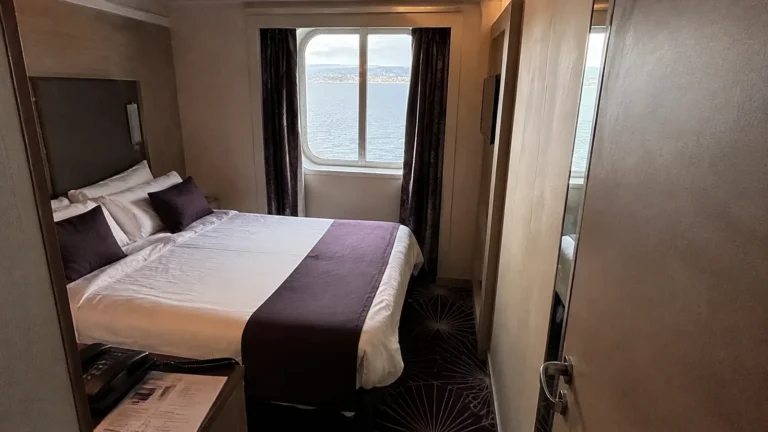
- 6102: a forward Deluxe Porthole View veranda with a real outdoor balcony behind a large hull opening, not an Infinite Veranda or a window-only oceanview.
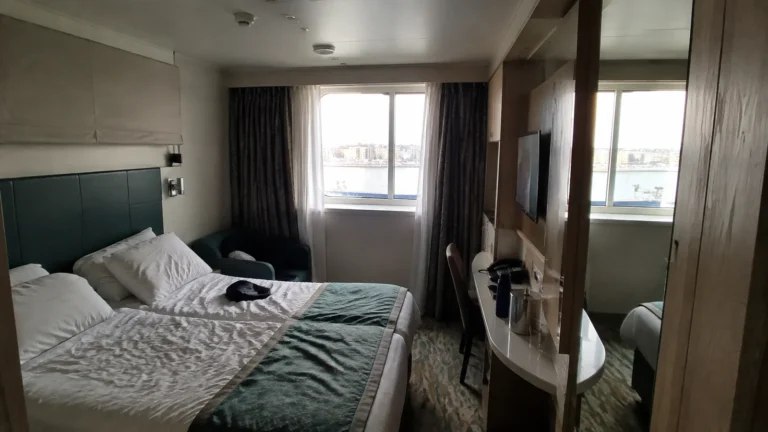
- 6140: an Edge Single room with a compact layout, worth pricing for its actual space and view rather than comparing it with a full-size double room.
- 6184, 6188, 6190 and 6194: the Deck 6 Sky Suite group within the Magic Carpet support area, where the structure is part of the outlook.
- 12143 and 12145: Deck 12 examples beneath the main pool surroundings, with an overhead-activity consideration.
- 12231 and 12233: farther-aft Deck 12 examples beneath Oceanview Café, where breakfast service is the more relevant upstairs routine.
For quiet-first planning, I’d start on Deck 9, 10 or 11 with cabins above and below, then select the balcony type I actually want. Physical view and layout compromises are different from potential noise: a public-space neighbor does not guarantee a disturbed night.
Use the official Apex plans for your sailing when matching the room and category. An unlisted cabin still needs its own obstruction and connection notes checked.
6102: an outdoor balcony framed by the ship’s hull
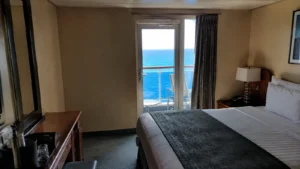
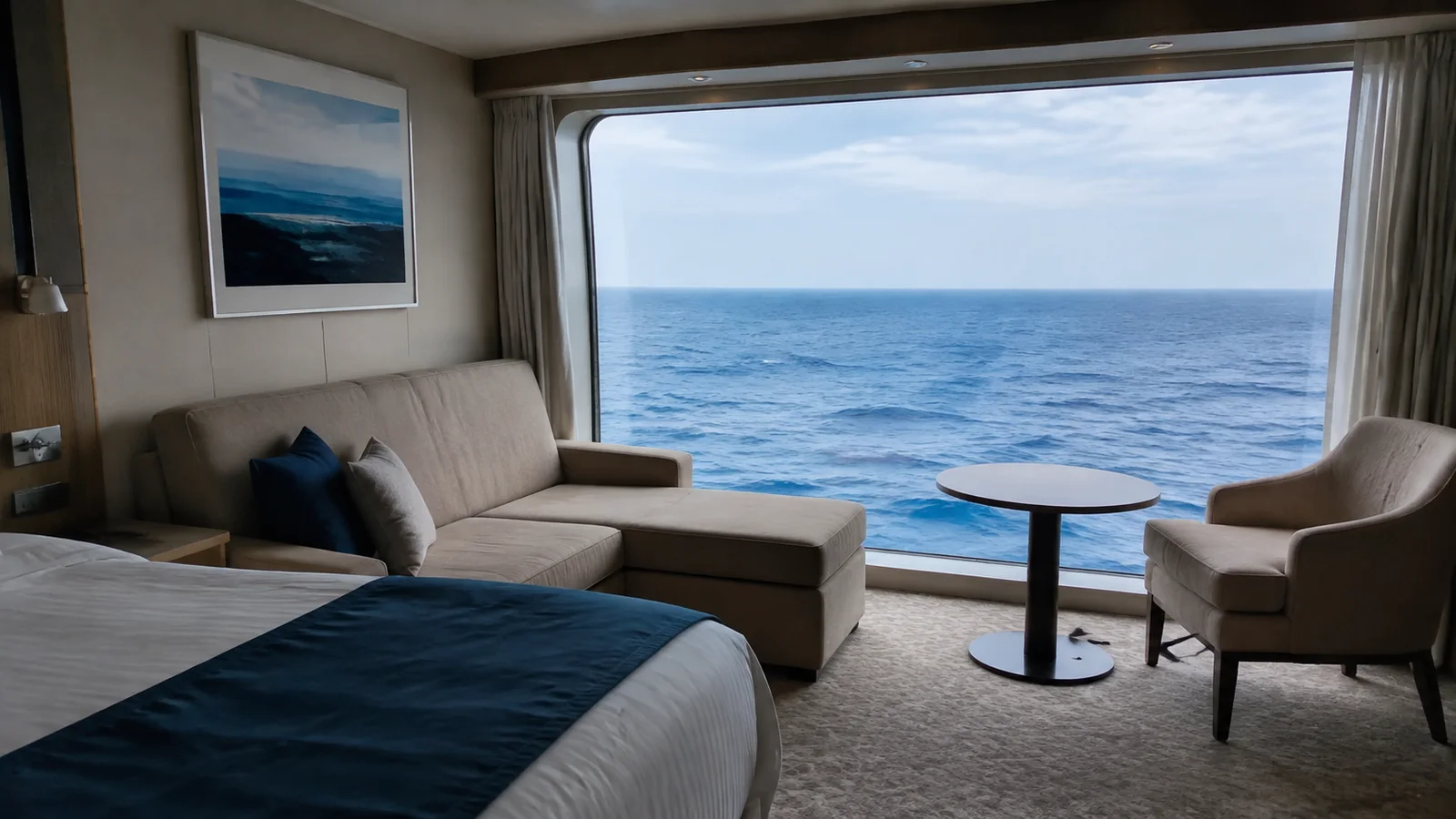
Cabin 6102 is forward on Deck 6 and provides a conventional outdoor veranda behind a large porthole-shaped opening. The frame is the compromise to consider, not an absence of outdoor space.
Choose differently when I wanted the broad, open feel of a balcony without much structure around its edges. Someone who enjoys a more sheltered setting might prefer exactly that enclosure.
Ask to see the view from both chairs and from inside the room. The opening can feel quite different from the furniture than it does when a photographer stands at the railing and points through the middle.
My alternative: compare a Sunset Veranda when a conventional outdoor balcony and a wider outlook are the priorities, accepting its aft position. Another porthole veranda may retain the same fundamental enclosure, so changing the number alone is not a guaranteed improvement.
The 6102 room details distinguish the actual veranda from a window-only room. Keep that difference clear when comparing the price with an Infinite Veranda.
Infinite Veranda: decide whether the window-based design suits your mornings
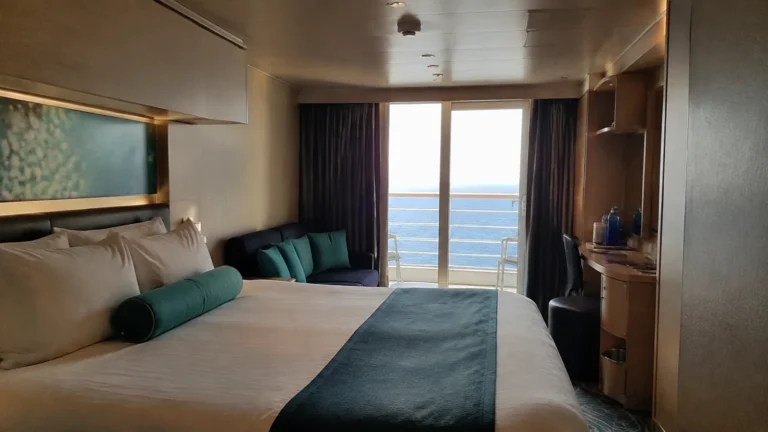
An Infinite Veranda opens through a powered exterior window in the room’s viewing area. It is not the same arrangement as stepping through an exterior door onto a separate projecting balcony.
Reconsider it when one person wants to sit outdoors while another stays in a dark, closed-off bedroom. The folding interior division should not be mistaken for the same separation provided by an ordinary exterior balcony door.
For a bright indoor sitting area, the design can be appealing, particularly when you expect to enjoy the view more often than open-air lounging. The mistake is buying the word veranda while imagining a completely different room.
Compare the designs together in the Apex accommodation overview. Resolve that preference before paying for a higher deck or an AquaClass version of the same basic window arrangement.
6140: a compact Edge Single is a different comparison from an ordinary veranda
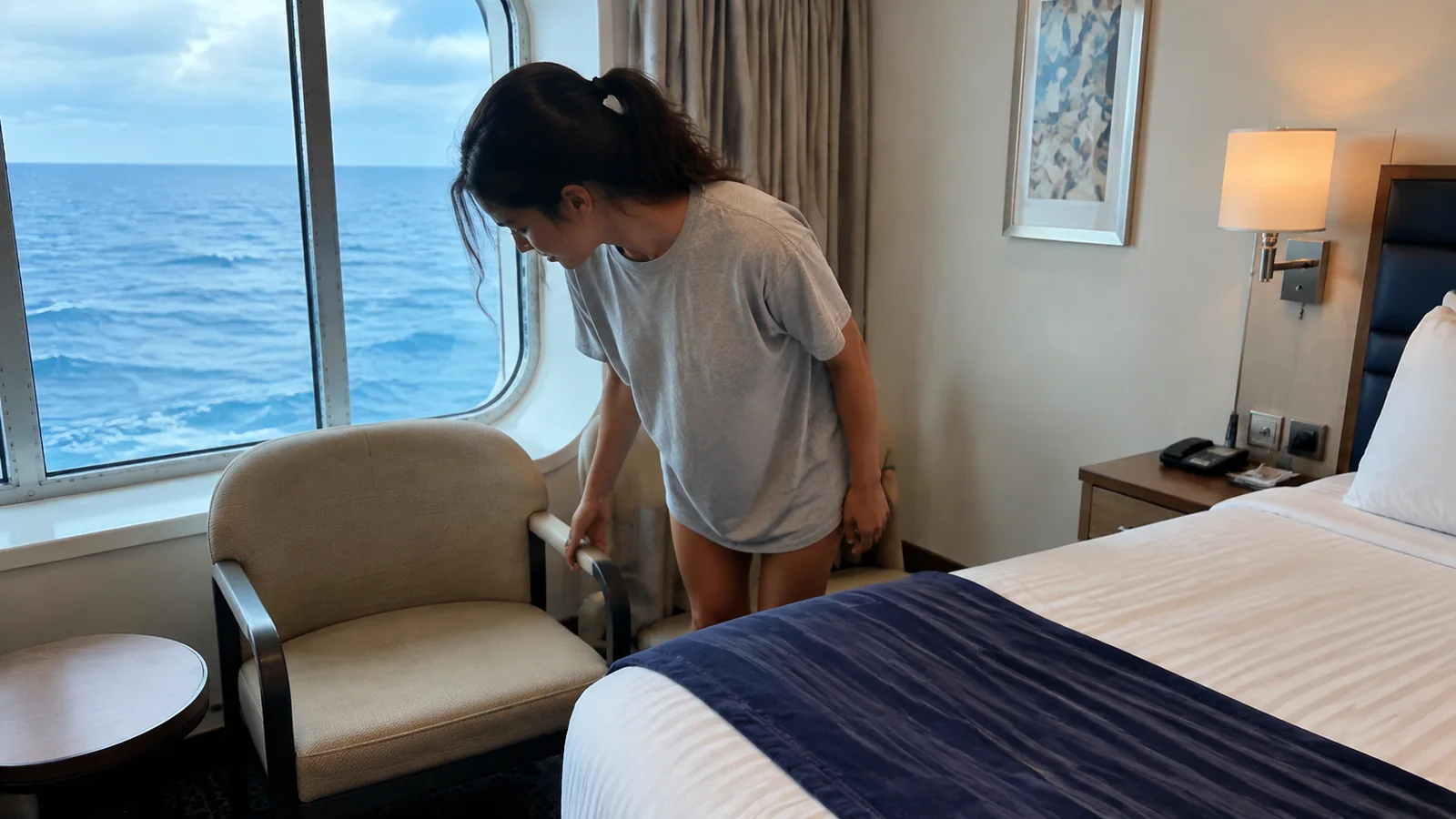
6140 is an Edge Single room on Deck 6, in the compact single-room section near the forward elevator bank. Compare its actual floor plan with the full price of a standard room used solo.
The smaller footprint can be perfectly sensible when you do not need a larger cabin. It becomes disappointing when a general veranda photograph has led you to expect the same interior and furniture arrangement as a standard double room.
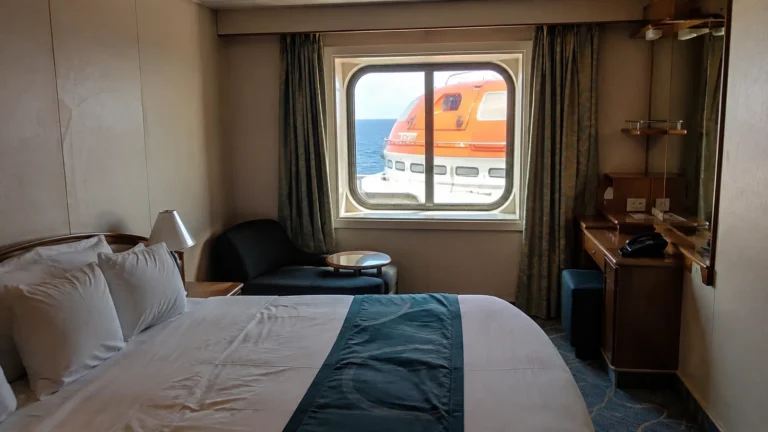
Its Deck 6 position also deserves an individual view check among the lifeboat-level rooms. Space and obstruction are separate questions, and fixing one does not necessarily improve the other.
My alternative: a suitably located full-size room when the total solo fare is close enough to justify the extra space. Keep the Edge Single when its compact layout suits me and the saving is genuinely useful.
Do not turn every number around 6140 into an identical room recommendation. Single rooms, interiors and other veranda types sit close together, so category boundaries matter as much as the deck number.
6184, 6188, 6190 and 6194: Magic Carpet structure belongs in the suite decision
These Deck 6 Sky Suites sit within the starboard Magic Carpet support area. Not purchase one expecting the same uncluttered side view as a suite away from the platform’s structure.
The end positions, 6184 and 6194, deserve their own sideways-view comparison rather than a claim that every suite between the supports looks identical. The structure’s relationship to the furniture matters more than the balcony’s advertised floor area.
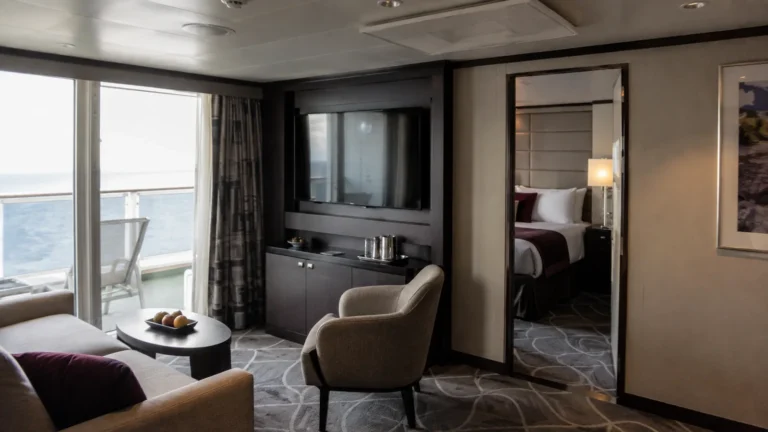
Choose one when the suite layout, terrace and fare make the actual outlook worthwhile. Choose differently when a clear view in every preferred direction is the reason for paying a suite premium.
My alternative: another suitable Sky Suite outside the support footprint, keeping the required beds and bathroom layout comparable. Moving to an ordinary Infinite Veranda may solve a structural-view concern but also changes the outdoor design and included benefits.
This is a view-and-layout comparison, not a warning that machinery operates loudly beside every starboard room. The full Apex diagrams show why only particular positions have this immediate relationship to the platform.
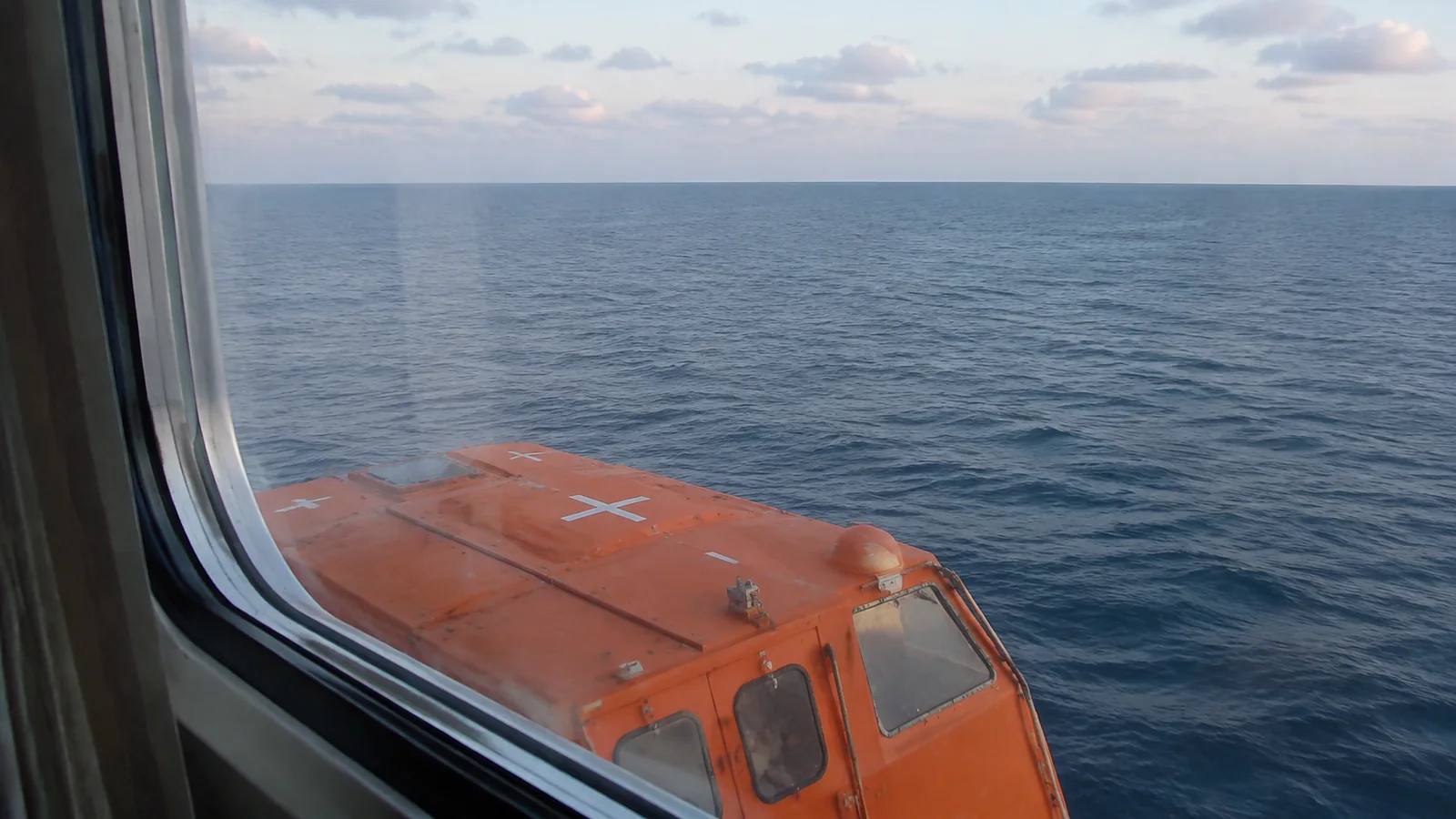
12143 and 12145: public-deck activity above the room
These port-side Deck 12 rooms are examples beneath the main pool surroundings on Deck 14. Apex skips Deck 13, so there is no extra accommodation level buffering that public deck.
Consider furniture handling, preparation and footsteps around the pool area. The seating and walkways are relevant even when a bedroom does not fall beneath the pool basin itself.
My alternative: a similar Deck 11 room with accommodation overhead when naps or sleeping late matter. That keeps the pools reasonably close without making their public floor the immediate ceiling.
For someone who is awake early and spends most of the day upstairs, convenience may win instead. Make that choice around your actual routine rather than assume the highest available room offers the best sleep.
12231 and 12233: a buffet ceiling deserves a different warning
These farther-aft Deck 12 examples lie beneath the Oceanview Café area. Breakfast preparation, chairs being moved and clearing are the relevant potential interruptions, not the same poolside activity affecting rooms farther forward.
Compare accommodation one level lower when the room needs to stay restful through the first meal service. Being close to breakfast only helps when its routine matches yours.
The highest aft-facing cabins have a related decision about dining space above, even when their conventional balconies are exactly the design you want. Compare a lower Sunset Veranda before accepting a public-space ceiling for the wake view.
My floor-plan guide explains how to align the decks. The exact cart routes or equipment locations are not shown, so a cabin under the buffet should not be described as beneath a particular machine without further evidence.
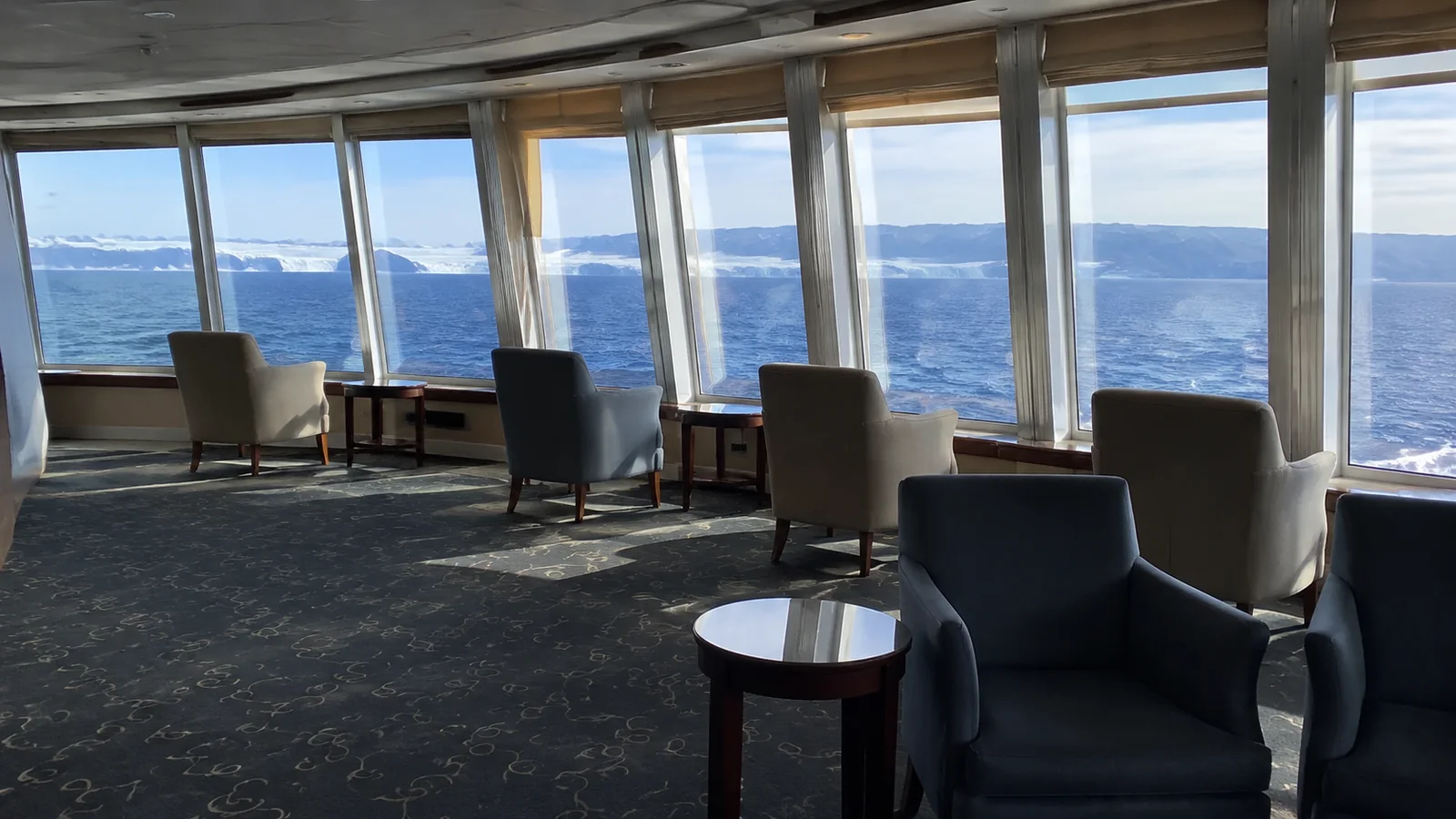
Choose your daily route before chasing a suite label
A high forward room can be handy for The Retreat area, while an aft room shortens some trips toward Eden. Neither position is automatically convenient for every part of the day.
For movement concerns, I’d begin more centrally before deciding how much a dramatic bow or wake view is worth. More floor space does not move the room toward the ship’s center.
Camp at Sea is on Deck 3, so family pickup and drop-off routes should be planned around that lower level rather than the pools. A useful elevator bank on a residential deck may be more practical than choosing a high cabin simply because children enjoy swimming.
My room-selection guide helps weigh that everyday convenience against the view. Preserve required accessible features and a manageable walk before moving to a supposedly quieter standard room that does not meet the traveler’s needs.
MoveUp and guarantees: protect the features you selected
A MoveUp offer is only attractive when the possible rooms in the target category work for you. Do not price the bid against an imaginary perfect suite with your favorite view and location.
Also verify the included benefits rather than assume every suite upgrade adds every package sold with a direct suite booking. The room type, fare inclusions and individual location are three separate parts of the decision.
For multiple guests, confirm the actual extra beds and connecting arrangement before accepting a changed assignment. A larger-looking room is not automatically a better family layout if it removes bedroom separation or a useful doorway.
The wider Celebrity planning guide helps put the cabin alongside the rest of the trip. A good room choice should preserve the features that matter to your routine, not merely raise the category on the reservation.
The Celebrity Apex room that makes the most sense
For a conventional outdoor balcony, I’d first compare a lower Sunset Veranda with its cover and outlook confirmed. For a bright indoor viewing area, I’d choose an Infinite Veranda on a residential Deck 9, 10 or 11 stretch with cabins above and below.
There is no need to reject either design when it genuinely suits you. My cabin-selection checklist keeps the actual bed, window, balcony and neighbors ahead of the category name.