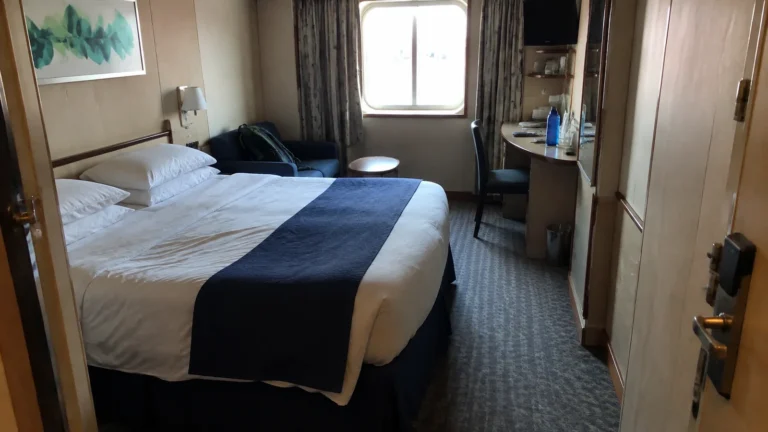
Norwegian Star Cabins to Avoid and Better Choices
Norwegian Star cabin shopping gets easier once you stop looking for one universal blacklist. The real decisions are whether you can accept public space above, nightlife below, an obstructed view, extra motion at the ends, or a Guarantee assignment that removes control.
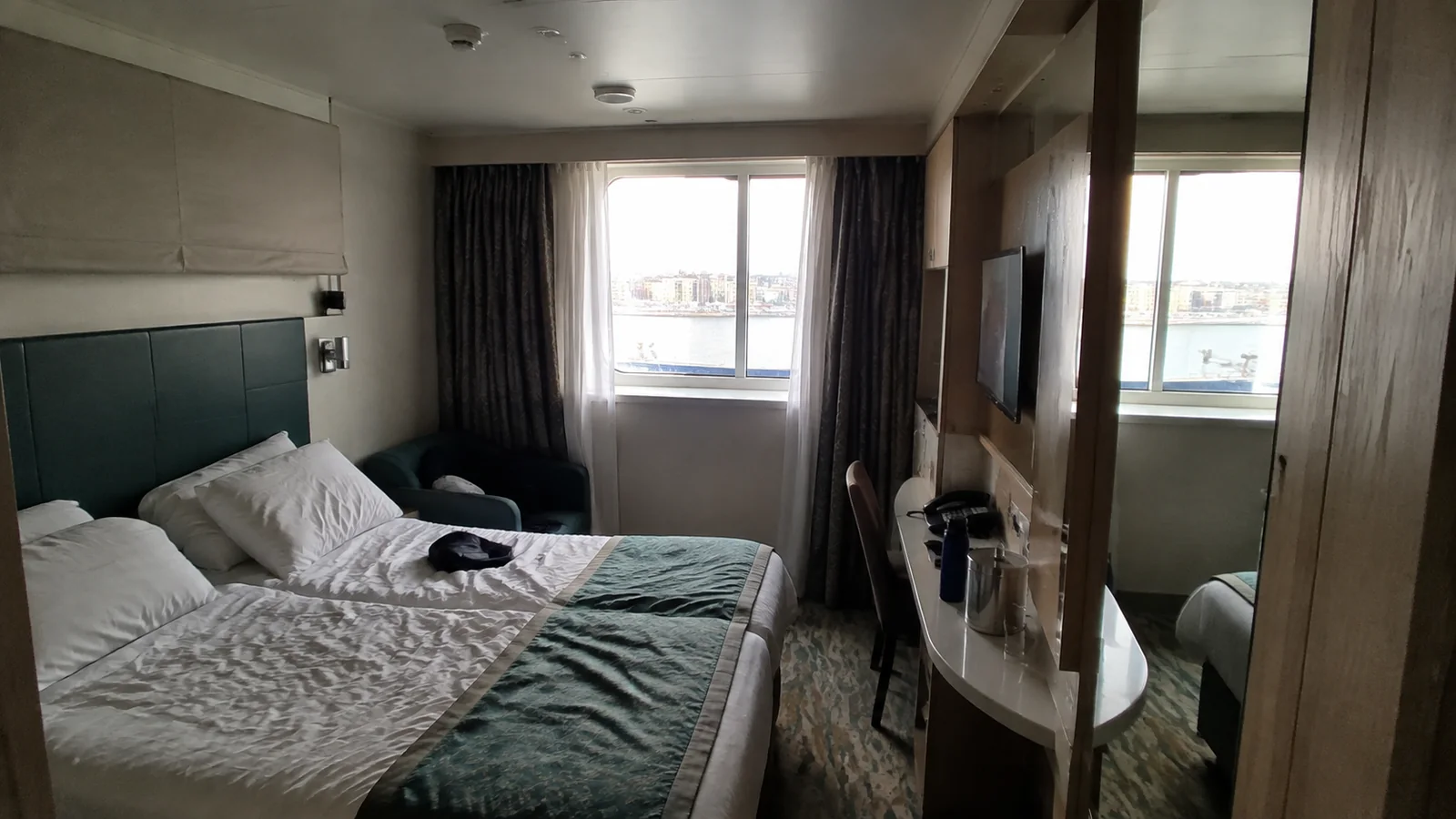
My quick Norwegian Star cabin verdict
I would first remove cabins whose documented features clash with a firm need. Possible noise or vibration deserves investigation, but it should never be presented as a guaranteed result.
- Light sleepers: inspect Deck 11 against every part of Deck 12.
- Early sleepers: question aft Deck 8 above Bliss Ultra Lounge.
- View-first guests: verify every OK, OX, or enclosed-balcony disclosure.
- Motion-sensitive guests: favor lower midship positions.
- Location-sensitive guests: avoid Sail Away and Guarantee categories.
A plan proves where a room sits, not what one guest will hear. Venue programming, cleaning, weather, ship operations, neighbors, and individual sensitivity change the experience.
Use Norwegian Star’s own current plan
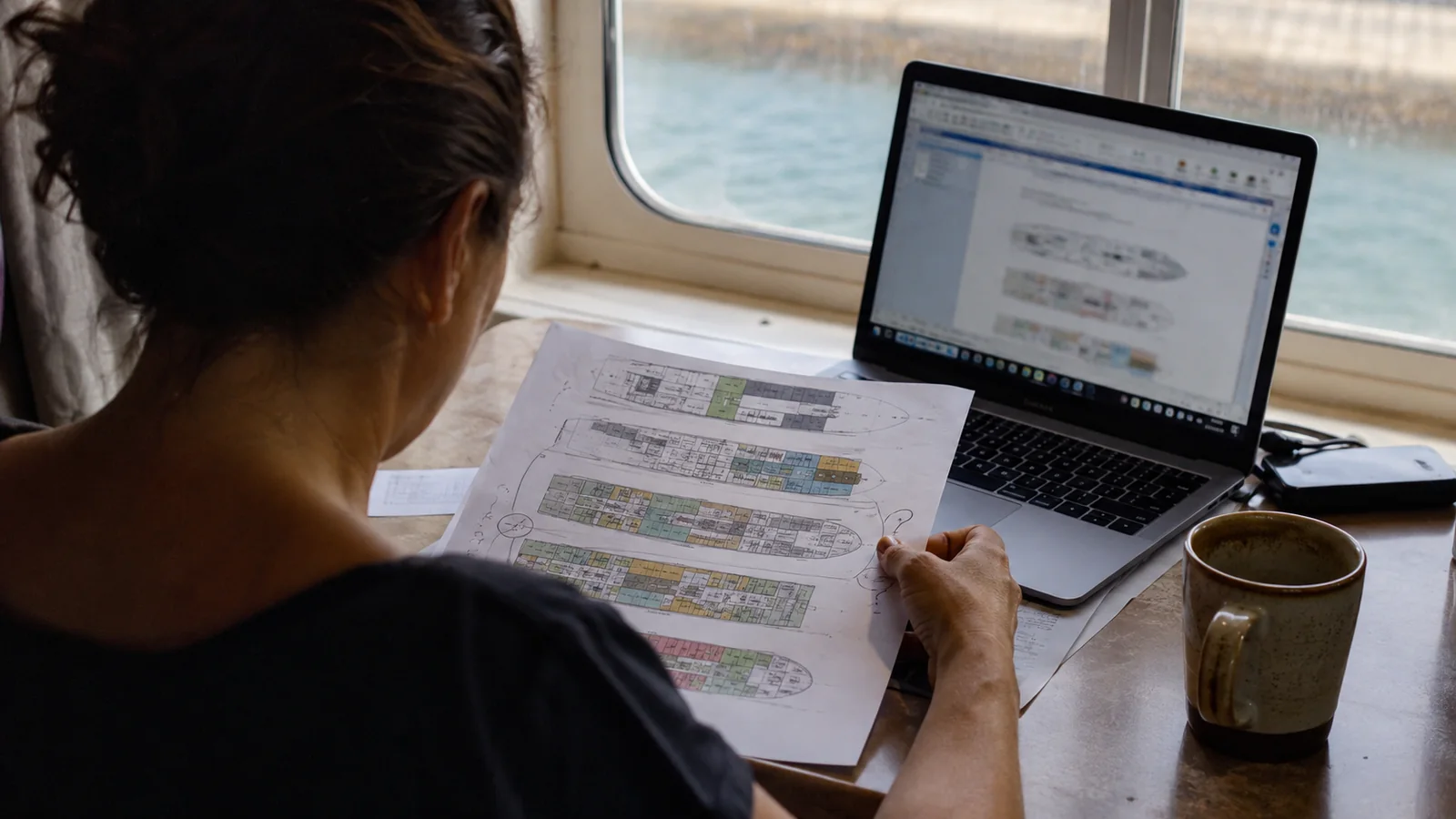
I checked NCL’s official Norwegian Star deck plan. NCL did not show a single effective-date range, so reload the plan for your actual sailing rather than relying on one saved version forever.
Star is related to Norwegian Dawn but is not interchangeable with Jade or Pearl. Search your exact number, note category comments and symbols, then compare the same footprint above and below.
NCL says images, measurements, and layouts are representative and actual accommodations may vary. Save the exact listing and nearby deck images when you book, especially if view, bedding, or accessibility is essential.
Deck 11 beneath Deck 12 public spaces
Deck 11 contains a long run of Club Balcony Suites, balconies, insides, family suites, and the spa area. Deck 12 above mixes cabins with the Oasis Pool, Garden Café, Topsiders, fitness, youth spaces, and Spice H2O.
This is why “avoid all of Deck 11” is lazy advice. Some positions sit beneath cabins or quieter enclosed areas, while central and aft positions align with active food, pool, and outdoor footprints.
Cabins 11054 and 11554 are useful midship anchors for comparing the Deck 12 pool-zone relationship, not declarations of guaranteed noise. A few doors can shift the ceiling from seating to a walkway or enclosed room.
Possible sounds include deck chairs, carts, running feet, cleaning, music, and early buffet activity. The plan cannot predict sound transmission or the schedule on your cruise.
Better Deck 11 strategy
Open Decks 11 and 12 side by side and trace the room vertically. I would favor a cabin under another cabin or quiet interior space before one beneath open seating, pool circulation, or a food-service work zone.
Deck 10 is a simpler quiet-room starting point because much of it has cabins above and below. Deck 11 can still be a great fit when extra room and one-flight access to outdoor spaces matter more than a possible ceiling disturbance.
Aft Deck 8 above Bliss Ultra Lounge
The current plan places aft Deck 8 cabins directly over the Bliss Ultra Lounge area on Deck 7. Aft-facing penthouses 8170 and 8670 are exact location anchors within this zone.
Music, bass, guest voices, and closing activity are possible when Bliss is operating. The venue relationship is verifiable, but NCL does not certify those suites as noisy and the result varies.
These rooms also provide coveted wake-facing balconies and suite service. I would choose them only if the view and suite experience outweigh an early bedtime, then seek recent reports for the exact cabin without treating any one report as a promise.
A quieter aft alternative
Look at aft-facing cabins on Deck 9 or 10, where the public-room conflict is removed. They can still experience ship movement or operational vibration, but the structural buffer is better for nightlife-sensitive travelers.
Deck 8 obstructed oceanviews
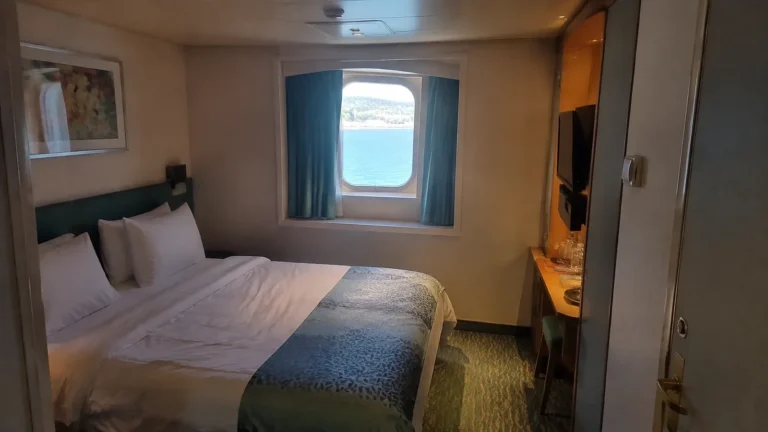
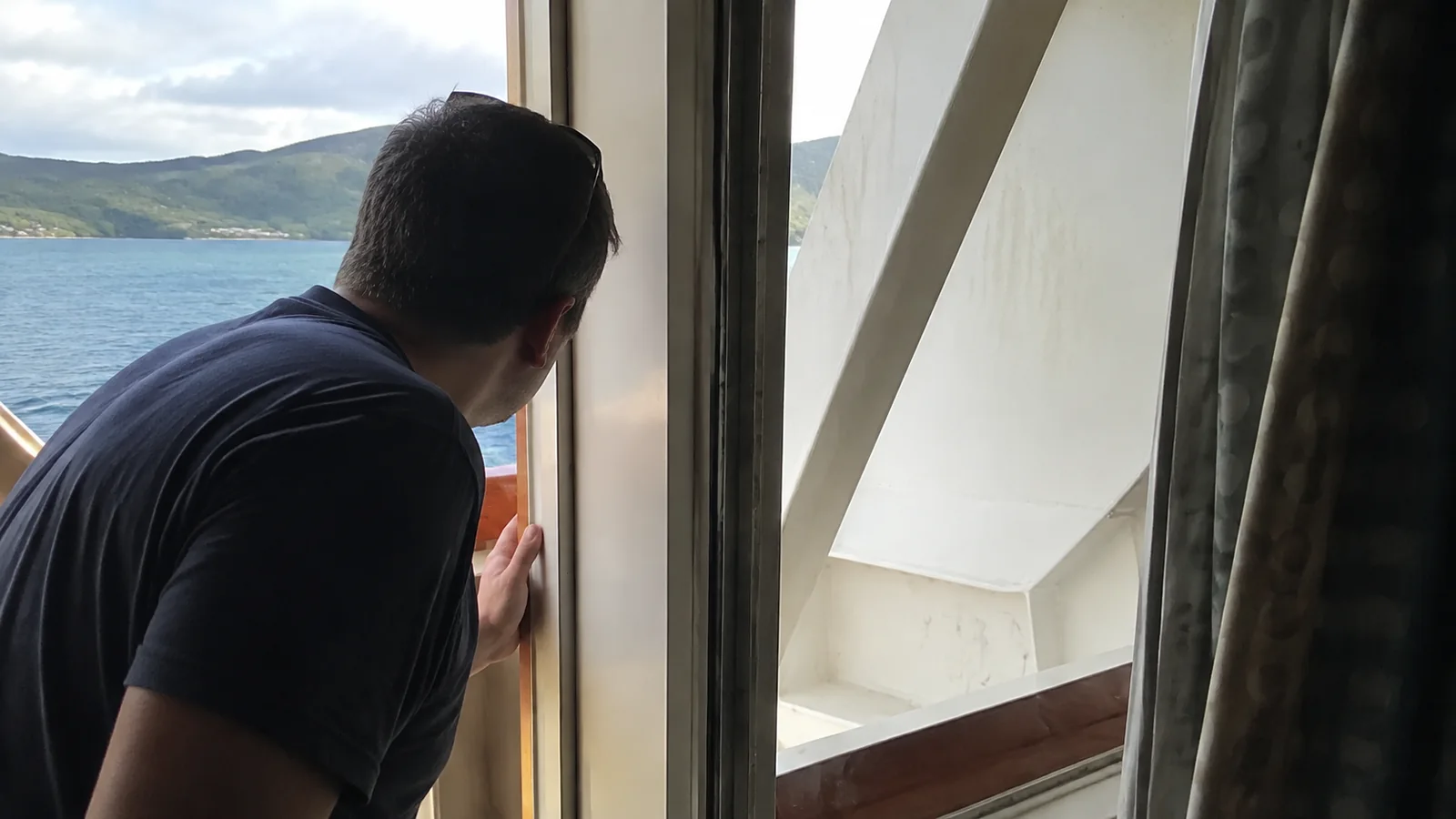
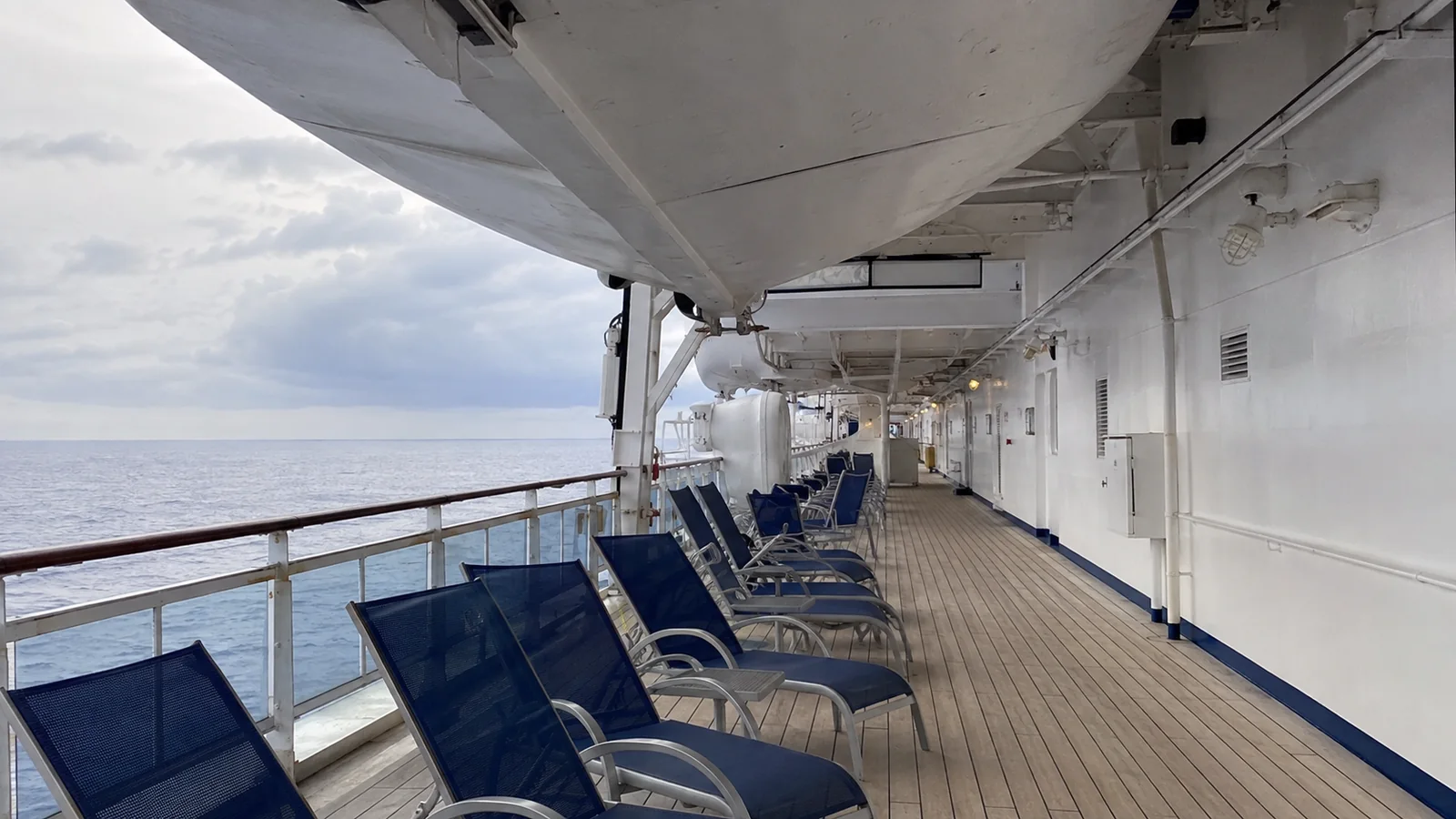
Norwegian Star sells Deck 8 obstructed oceanviews under category OK, while OX is a Guarantee Oceanview category rather than a clear-view promise. Lifeboats and ship structure can block part or much of the sightline.
An obstruction may still allow daylight and a useful slice of water. It is a poor match for a traveler buying the room to photograph scenery or watch wildlife from bed.
Ask NCL to confirm the exact cabin’s current disclosure and find a recent cabin-specific image. A representative category photo cannot show whether your window faces a boat, davit, gap, or other structure.
Enclosed and hull-style balconies
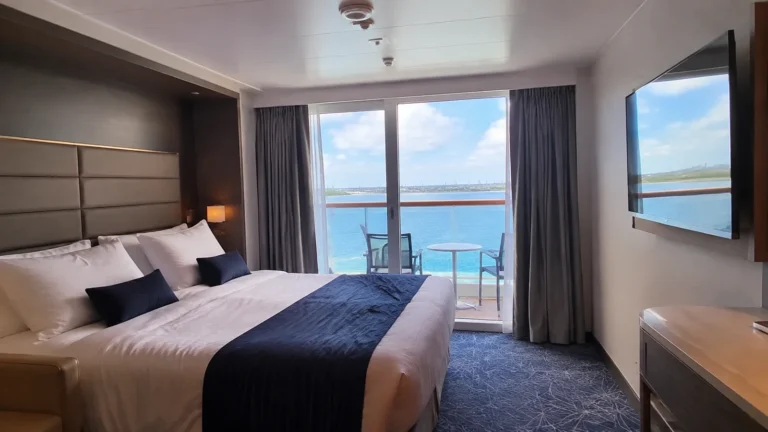
NCL’s Star category comments should be checked for any enclosed-balcony note. A hull-framed opening provides more shelter and privacy but feels different from a conventional open balcony with a broad glass-fronted view.
That design may be smart on a cool, windy itinerary and disappointing on a sunny route where openness is the goal. Confirm the exact number in writing rather than assuming every balcony in a family category has the same shape.
Far-forward rooms and movement
The bow is farther from the ship’s center and can feel more pitching in rough conditions. Route, wind, swell, speed, and course all matter, so this is a location tendency rather than a forecast.
Lower forward rooms may also hear brief anchoring or docking operations on some port mornings. A high forward suite exchanges that possible sound for a location where motion may feel stronger.
Motion-sensitive travelers should begin lower and near midship, then inspect nearby venues. My best cruise room decision guide helps balance stability with view and convenience.
Far-aft rooms and vibration
Aft rooms may feel different vibration during maneuvering and create longer walks to forward venues. Neither is guaranteed, and many travelers actively prefer the wake view.
Judge the location as a package: balcony angle, deck above, lounge below, walking distance, and motion tolerance. An aft suite is not automatically better than a central balcony just because its category is higher.
Cabins near elevators and stairs
Elevator machinery is not the primary concern for most nearby cabins. People waiting, talking, and returning after shows create the more plausible corridor activity.
Moving around the first bend or several doors down usually keeps convenience while reducing direct exposure. Use this cruise ship size comparison to put the walking tradeoff in perspective.
White deck-plan blocks can hide crew access, storage, ventilation, or service routes. Ask about a large unlabeled area beside a candidate room instead of assuming blank means silent.
Connecting rooms and family capacity
Connecting cabins solve a real problem for families, and the official legend marks them. A traveler who does not need the door may prefer two solid walls because voices can transmit differently through the connecting panel.
This is a possible acoustic difference, not proof of disturbance. Neighbor behavior matters, so do not spend heavily to avoid a connection unless quiet is a high priority.
Also confirm every bed symbol. A room that accommodates four may use Pullmans or a sofa bed that changes the usable floor space each night.
Sail Away rates remove cabin choice
NCL Guarantee categories offer a lower rate within a room type, but assignment can occur close to embarkation. You may not control the deck, location, view condition, or exact bed arrangement.
That can be fair value for flexible guests. It is a poor fit when you must be near another room, avoid motion or nightlife, require a clear view, or need an accessible layout.
Use my general cruise cabin checklist as soon as an assignment appears. A nominal upgrade can still place you under the pool or above the lounge.
Accessible cabins need early confirmation
NCL’s accessible cruising page asks guests to discuss stateroom, transportation, and service needs with its Access Desk. Do not wait until embarkation because appropriate rooms are limited.
NCL’s mobility guidance says wheelchairs and scooters must be stored in the cabin rather than hallways. It also gives a 26-inch device-width limit for entry to a standard room, making exact measurements crucial.
Accessible rooms should be reserved by guests who need their features, not as a square-footage shortcut. Verify door width, shower, transfer space, bed height, balcony threshold, outlets, and the route to key venues.
Quieter Star choices by traveler type
For a light sleeper
Start with a nonconnecting central cabin on Deck 9 or 10, buffered from elevators and public spaces. If choosing Deck 11, insist on a quiet overhead footprint rather than a vague midship label.
For a view-first traveler
Avoid OK or OX unless the obstruction or assignment uncertainty is acceptable. Confirm a named unobstructed room and its balcony shape before paying.
For a motion-sensitive traveler
Choose lower and near midship without introducing a venue conflict. Bring the prevention plan that works for you because no cabin controls sea conditions.
For a suite shopper
Compare suite benefits with actual location, especially 8170 and 8670 above Bliss and Deck 11 rooms under Deck 12. Service perks cannot cancel an acoustic or motion mismatch.
My five-minute Star cabin check
- Open the Star plan.
- Search the exact cabin and save category comments.
- Inspect the identical footprint above and below.
- Trace Deck 11 against Deck 12 pools, food, fitness, youth, and outdoor areas.
- Trace aft Deck 8, including 8170 and 8670, against Bliss.
- Check obstruction, enclosure, connection, capacity, and accessibility notes.
- Treat reviews as evidence from one sailing, not guarantees.
The bottom line
The Norwegian Star cabins to avoid are the ones whose verified location or view undermines your priorities. Deck 11 overhead exposure, aft Deck 8 above Bliss, obstructed Deck 8 oceanviews, end-of-ship movement, and Guarantee uncertainty are the useful filters.
I would choose a straightforward Deck 9 or 10 cabin with residential buffers before a flashy room in the wrong position. Recheck NCL’s current plan, inspect the exact number on three decks, and protect the comfort feature that matters most.