Solo Travel in Miami: Where to Stay, Eat, and Explore
Miami can be a fantastic solo trip, but choosing the right base matters more here than building a giant attraction list. Pick a neighborhood that matches your evenings, group sights by location, and budget for a few rideshares when transit is inconvenient.
Is Miami Good for Solo Travel?
Yes, especially if you enjoy beaches, art, food, architecture, and lively public spaces. Miami also asks you to plan thoughtfully because its best-known neighborhoods sit on opposite sides of Biscayne Bay and distances feel much longer in traffic.
The city suits confident first-time solo travelers who are comfortable switching between walking, public transit, and occasional rideshares. It is less comfortable for anyone expecting one compact downtown where every major sight is a few blocks apart.
- Best for a first solo visit: South Beach, if beach access and walkability matter most
- Best for transit: Brickell or Downtown Miami
- Best for a quieter stay: Coconut Grove
- Best for longer beach days: Mid-Beach or North Beach
- Best trip length: 3 to 4 full days
Where to Stay Alone in Miami
There is no single “safest” neighborhood, and a hotel block can feel different late at night than at noon. Focus on a well-reviewed property near the places you will actually use, then inspect the exact walking route between the hotel, transit, restaurants, and your evening plans.
South Beach: best for first-time convenience
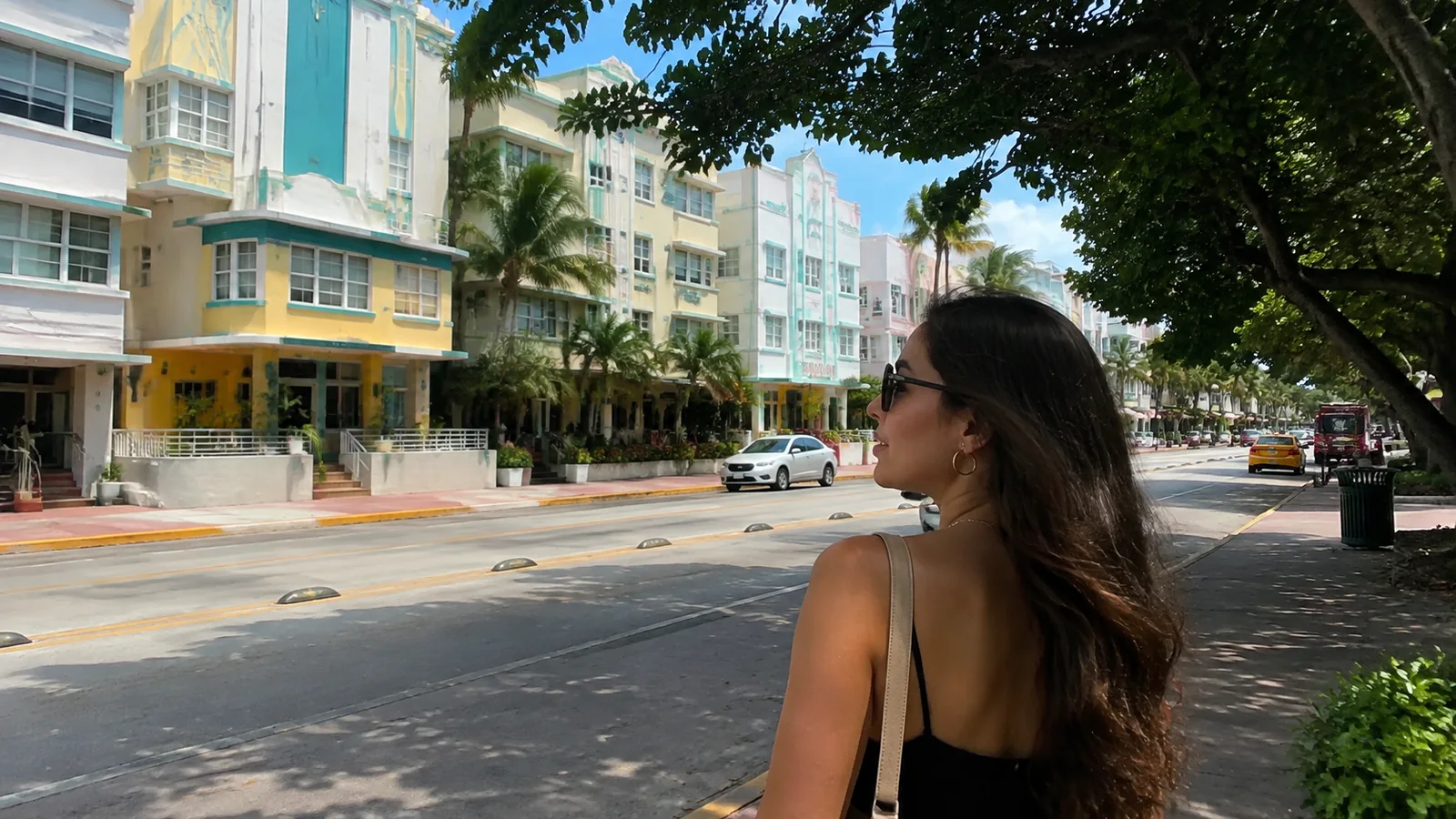
South Beach puts the ocean, Art Deco streets, restaurants, and people-watching close together. You can fill a day without transportation, which makes it the easiest base for travelers who want beach mornings and social energy.
The tradeoff is noise, nightlife traffic, resort fees, and restaurant prices aimed at visitors. Stay a few blocks from the loudest Ocean Drive stretch if you want to sleep, and check whether beach chairs are included before treating them as a free hotel perk.
Brickell and Downtown: best for transit
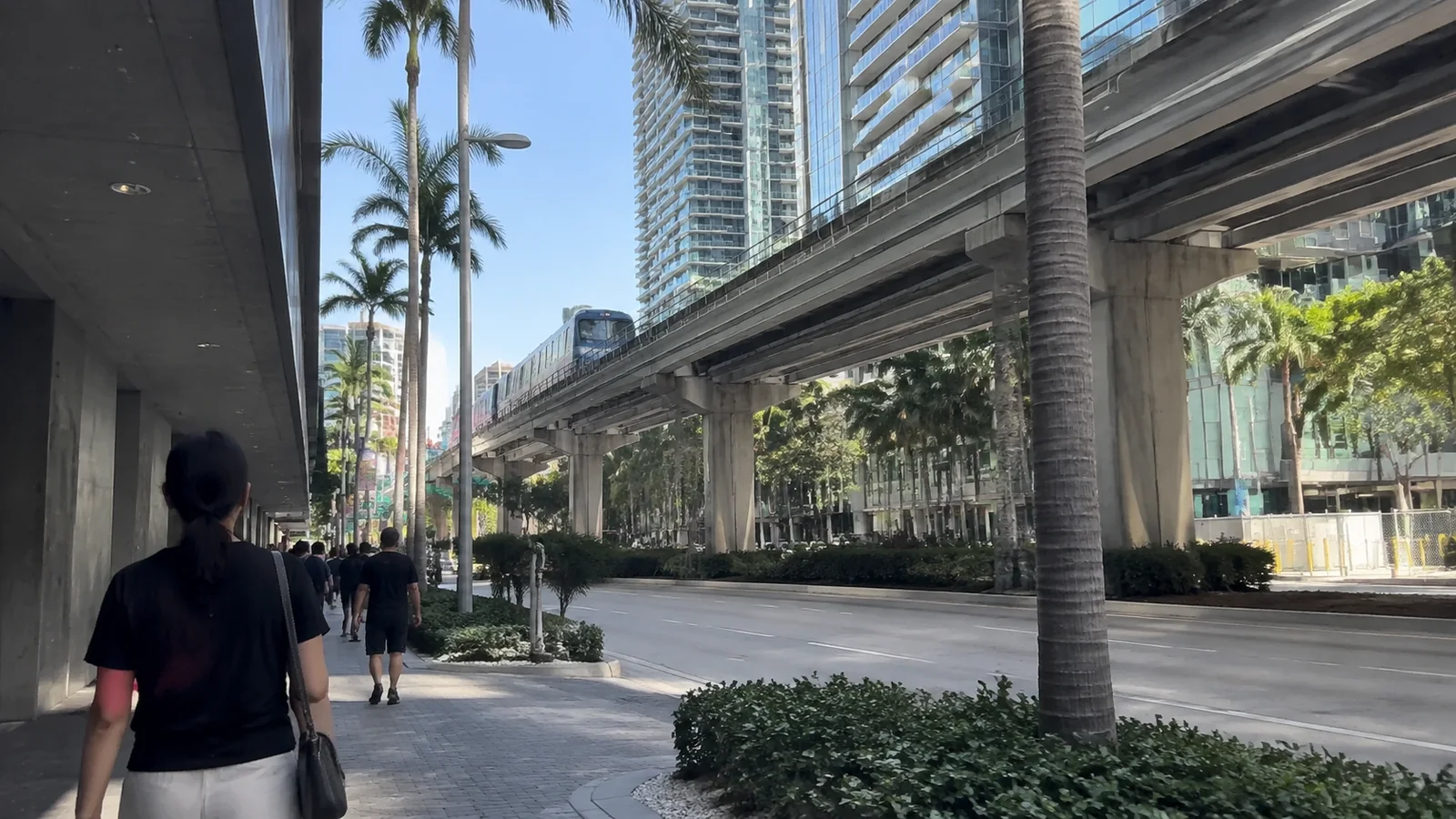
Brickell offers high-rise hotels, restaurants, and useful Metrorail and Metromover access. Downtown places you near museums, the waterfront, and transit connections, although its atmosphere changes block by block and can become quiet after offices close.
Either is practical if Little Havana, Coconut Grove, or a pre-cruise night matters more than walking to the Atlantic. Compare the exact property with these Miami hotel and PortMiami logistics, even if you are not cruising, because the neighborhood tradeoffs are the same.
Coconut Grove: best for a calmer trip
Coconut Grove has leafy streets, waterfront parks, cafes, and a neighborhood rhythm that feels less performative than South Beach. It works especially well for a repeat visitor, a remote-work stay, or someone who prefers dinner and a walk over clubbing.
You will travel farther for the ocean and Wynwood, and some attractions are too spread out for comfortable midday walking. A hotel near the village center is more useful than a cheaper room beside a highway.

Mid-Beach and North Beach: best for sand and sleep
These areas offer a calmer beach experience than central South Beach, with the free Miami Beach trolley helping you move along the barrier island. The tradeoff is fewer late-night options within a short walk, so check nearby dinner choices before booking.
Getting Around Miami by Yourself
You do not need a rental car for a short trip based in South Beach, Brickell, or Downtown. Parking fees, hotel valet charges, traffic, and the mental load of driving often outweigh the freedom unless your plan includes the Everglades, the Florida Keys, or several suburban stops.
From Miami International Airport
The Orange Line connects Miami International Airport with Brickell, Government Center, Coconut Grove, and other mainland stations. Airport guidance directs passengers to the MIA Mover for the Miami Intermodal Center, where Metrorail and other ground transportation connect.
South Beach is not on Metrorail, so a bus, taxi, or rideshare is generally more direct. Check your arrival time and current route in the transit app rather than assuming the same daytime frequency late at night or on weekends.
Metrorail, Metrobus, and Metromover
Miami-Dade Transit accepts contactless bank cards and digital wallets at Metrorail gates and Metrobus fare boxes. The official fare page lists current prices and fare-capping rules, so use it instead of relying on an old screenshot.
Metromover is useful within Downtown and Brickell, while Metrorail is strongest for airport and north-south mainland trips. Neither covers Miami Beach, and a route that looks short on a map may still require a bus connection.
Trolleys and rideshares
Miami Beach’s citywide trolley is free and, as of this check, runs daily from 8 in the morning to 11 at night with an approximate 20-minute average frequency. That frequency is not a promise, so track service and leave buffer time for reservations.
Use rideshare or a licensed taxi for awkward cross-bay trips, very early departures, or late evenings when waiting alone feels uncomfortable. Confirm the license plate before entering, sit in the back, and share the trip status with someone you trust.
A Realistic 3-Day Solo Miami Itinerary
Day 1: South Beach without rushing
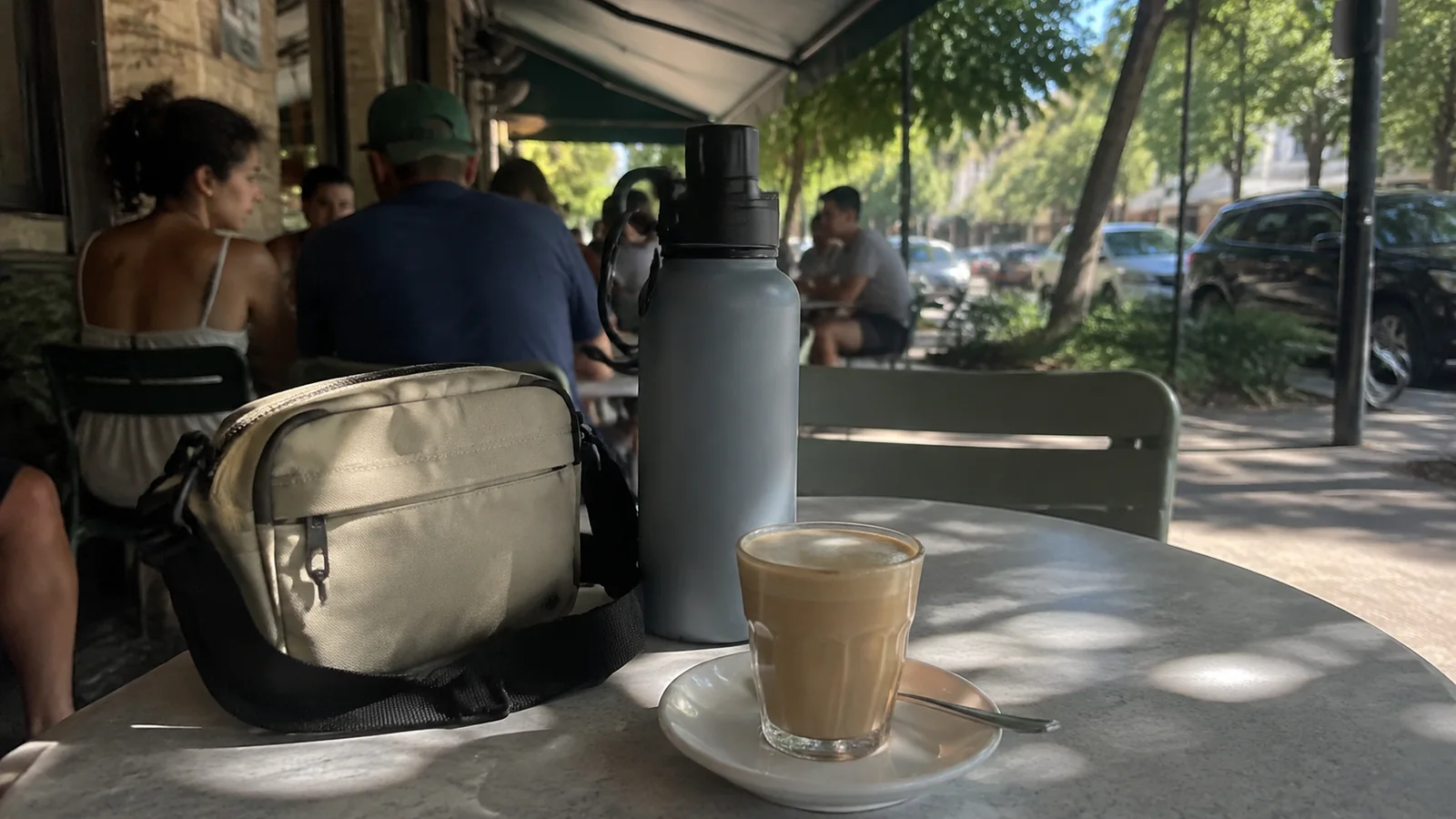
I would stop at La Sandwicherie, 229 14th Street, for a turkey-and-brie sandwich or a vegetable-filled option at the open-air counter. It is an easy casual solo lunch without a formal dinner reservation; expect counter-service pricing and a possible wait for a stool.
As sampled September 5, 2026, its official ordering menu listed turkey and brie at $10.80 before extras, tax, and any tip. I would budget around $15 to $20 for a sandwich and drink, treating that as an allowance rather than a fixed meal deal.
Start early with a beach walk and breakfast, then explore the Art Deco district when the sidewalks are cooler. Spend midday at a museum, cafe, or your hotel pool before returning to the beach later in the afternoon.
Walk through South Pointe Park near sunset and choose a dinner spot with counter seating or a lively patio. You do not need a club reservation to have a good Miami night, and you never owe anyone an explanation for leaving a bar when the vibe feels off.
Day 2: Little Havana and Coconut Grove
Make Sanguich’s Calle Ocho shop at 2057 Southwest 8th Street your Cuban sandwich stop, with a Cubano or media noche and a coffee. I would allow $20 to $30 for a sandwich-focused meal with a drink and extras, then use its ordering page or join the counter-service line rather than planning on a long reserved lunch.
For a small local detour, pause near Máximo Gómez Park, better known as Domino Park, to watch from the public visitor area without interrupting games or photographing players intrusively. It makes the neighborhood more than a food checklist, and you can skip the Coconut Grove transfer if the afternoon already feels full.
Go to Little Havana in daylight for Cuban food, galleries, music, and the energy around Calle Ocho. A guided food or history tour is a smart solo splurge because it adds context and gives you a temporary group without consuming the whole day.
Continue to Coconut Grove for waterfront time and dinner, then take Metrorail or a rideshare back to your base. Do not schedule Wynwood this same day unless you enjoy commuting more than exploring.
Day 3: Downtown, museums, and Wynwood
My museum choice is Pérez Art Museum Miami at 1103 Biscayne Boulevard, with 90 minutes to two hours for contemporary art and a separate waterfront pause. As checked September 2026, PAMM is closed Tuesdays and Wednesdays, so swap itinerary days when needed.
For lunch nearby, Verde at PAMM is the sit-down splurge compared with the sandwich counters, with waterfront tables and a seasonal menu. I would allow roughly $30 to $45 before alcohol and reserve through the museum’s dining information if that meal is a priority, especially at a popular lunchtime.
You can keep the rest of the afternoon around Museum Park instead of paying for another rideshare to Wynwood. I would add Wynwood only if the outdoor art is high on your list and the heat or thunderstorms leave a comfortable walking window.
Choose one major museum or waterfront attraction Downtown, then ride north to Wynwood for murals, shops, and lunch. The art district is most satisfying as a defined afternoon stop rather than an aimless late-night walk between widely spaced venues.
Finish with a reserved dinner near your hotel so your last journey is simple. If weather disrupts the beach, swap the days rather than forcing outdoor time in lightning or oppressive heat.
Solo Safety in Miami
Miami is a major city and beach destination, so the useful question is not whether it is perfectly safe. The useful question is whether your plan reduces predictable problems involving valuables, impaired judgment, transportation, heat, water, and severe weather.
On the street
- Keep your phone secure near traffic and crowded nightlife areas.
- Carry one payment card and limited cash, with a backup stored separately.
- Use well-lit, active routes and change plans if a block feels deserted.
- Avoid displaying beach bags, luggage, or electronics in a parked car.
- Tell someone your evening plan and check in when you return.
These habits matter more than a vague neighborhood label. For women traveling alone, the packing and arrival checklist in these practical travel essentials is useful for Miami’s heat, beach days, and nights out.
At the beach
Swim near an on-duty lifeguard and check flags, surf, weather, and water-quality advisories before entering. The City of Miami Beach posts current beach conditions and official monitoring information.
Do not leave your phone and wallet unattended while you swim, even for a quick dip. A waterproof pouch is more dependable than asking a stranger to guard everything, and alcohol makes rip currents and heat much harder to judge.
Heat, storms, and hurricane season
Schedule long walks early, carry water, and build an indoor midday break into summer days. A thunderstorm is a reason to leave the beach, not an atmospheric backdrop for another hour under an umbrella.
Atlantic hurricane season runs from June 1 through November 30, although a storm can affect only a small part of that window. Monitor official forecasts, understand hotel cancellation terms, and follow Miami-Dade emergency guidance if a system threatens the area.
How Much Does a Solo Miami Trip Cost?
Miami is not automatically a budget destination, mainly because a solo traveler cannot split the room, resort fee, parking, or rideshare. The best savings come from choosing a useful location, traveling outside major event weekends, and spending selectively rather than chasing every “free” attraction across town.
- Lodging: Compare the final total after taxes, resort or destination fees, and parking.
- Transportation: Use transit for straightforward daytime trips and reserve rideshare money for late or inconvenient routes.
- Food: Mix one destination dinner with bakeries, cafes, food halls, and substantial lunches.
- Beach: Confirm whether chairs, umbrellas, or towels are included before renting them separately.
- Activities: Pay for one experience that adds access or context, such as a food tour, boat trip, or guided nature excursion.
A hotel that is $25 cheaper but creates two extra rideshares a day may cost more overall. Use the same total-trip approach in these travel savings strategies and calculate convenience as part of the budget.
What to Pack for Miami
- Lightweight clothing plus one layer for aggressive air conditioning
- Comfortable sandals and real walking shoes
- Reef-conscious sunscreen and a hat
- Refillable water bottle
- Compact rain layer or umbrella
- Waterproof phone pouch
- Small crossbody bag with secure closures
- A polished casual outfit for dinner
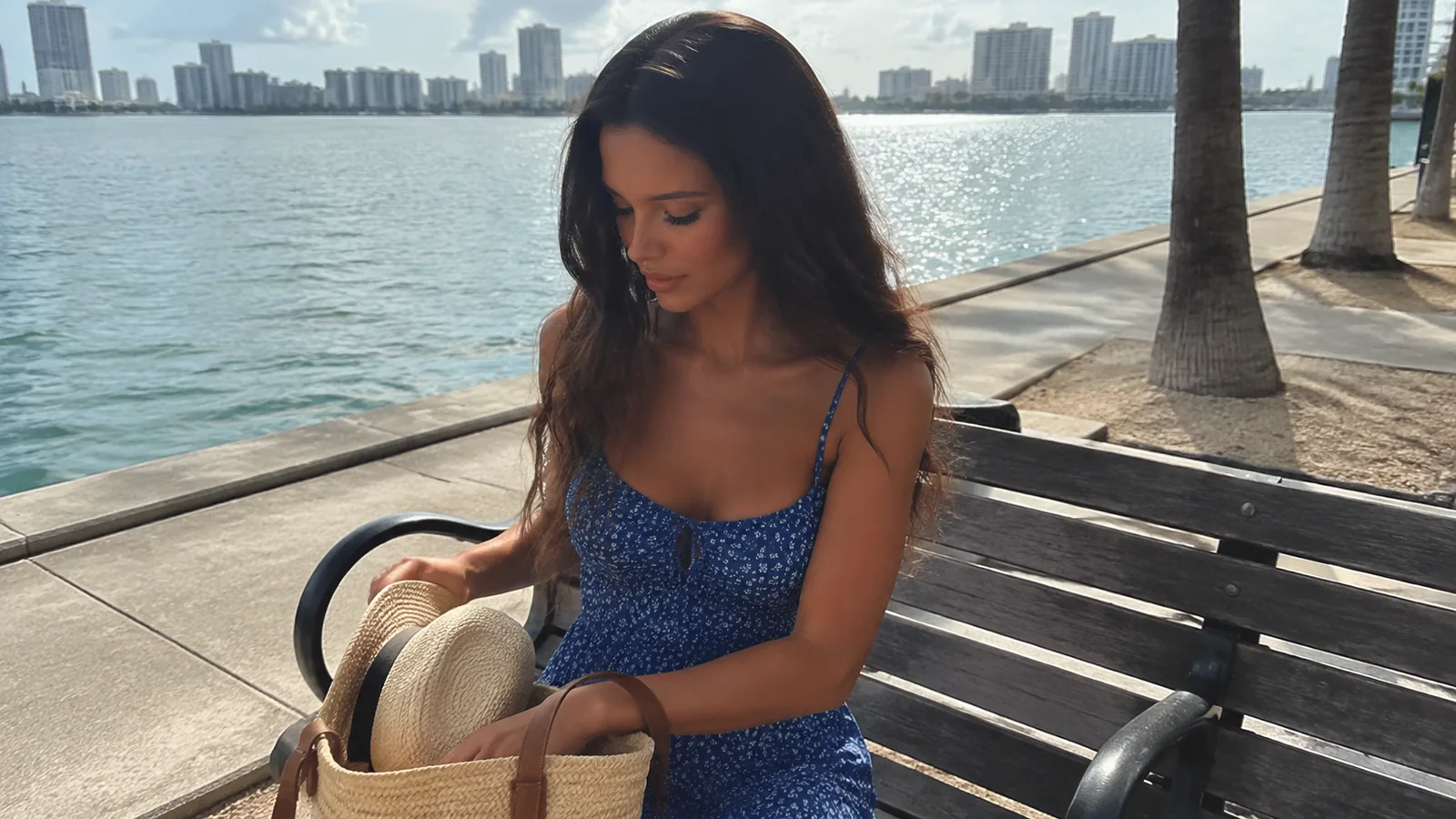
Miami style can be expressive, but you do not need a new wardrobe to belong. Check dress requirements only for the specific rooftop, restaurant, or club you plan to visit, since beachwear does not work everywhere after dark.
My Bottom Line
Miami rewards a solo traveler who picks one good base and gives each neighborhood its own block of time. South Beach is easiest for ocean-focused first visits, Brickell wins for mainland transit, and Coconut Grove suits travelers who want calmer evenings.
Plan the transportation before the restaurant reservation, protect your beach valuables, and leave some space for a slow coffee or sunset walk. That combination makes Miami feel exciting without making the trip exhausting.