Orange County Dog Beaches: Rules by City
Orange County has miles of gorgeous sand, but very little of it is true off-leash dog beach. Huntington is the clear choice for free play, while Newport, Laguna, and Capistrano allow leashed dogs only during specific hours or seasons, so checking the exact jurisdiction before you park matters.
Orange County Dog Beaches at a Glance
- Best leash-optional sand: Huntington Dog Beach
- Best leashed sunrise walk: Newport Beach
- Best off-season flexibility: Laguna Beach city beaches
- Best south-county leashed option: Capistrano Beach outside restricted summer hours
- Not dog beaches: Salt Creek sand, Strands sand, and Baby Beach sand
- Rule to remember: Signs and ranger or lifeguard directions at the beach always win
“Dog-friendly” does not automatically mean off leash, all day, or allowed in the water. It can mean a leashed dog is permitted before breakfast, on a paved bluff path, or only outside the summer season.
1. Huntington Dog Beach
Huntington Dog Beach is the county’s strongest option for dogs that genuinely need room to run. The designated stretch lies along Pacific Coast Highway between the Goldenwest and Seapoint area, separate from ordinary Huntington beaches where different rules apply.
Surf City USA’s current Huntington Dog Beach page lists daily hours of 5 a.m. to 10 p.m., leash-optional sand, and required leashes in parking lots, on access routes, and on the upper bluff. It also notes that the area is not fenced, which changes who should use the off-leash option.
Who Should Go
Choose Huntington for a social, confident dog with reliable recall around waves, birds, people, toys, and other dogs. A shy, reactive, elderly, or easily distracted dog may have a better day leashed during a quiet early hour.
Leash optional is not a command to unclip. Keep the leash on if you cannot immediately interrupt chasing, rough play, food stealing, or a sprint toward the highway.
What to Expect
The beach is open rather than fenced, and ocean conditions can include waves, current, cold water, and debris. Parking is in coastal lots or other legal spaces, with rates and payment systems that can change.
Arrive early on warm weekends for easier parking and a calmer introduction. Walk your dog on leash to the sand, scan the play styles already there, and leave before fatigue turns good manners into chaos.
Huntington Dog Beach Checklist
- Six-foot leash, even if you plan off-leash play
- More waste bags than you think you need
- Fresh water and a clean bowl
- Towel and seat cover
- Shade for breaks
- Current ID tag and microchip information
- High-value treats that work around distractions
2. Newport Beach for Leashed Dogs
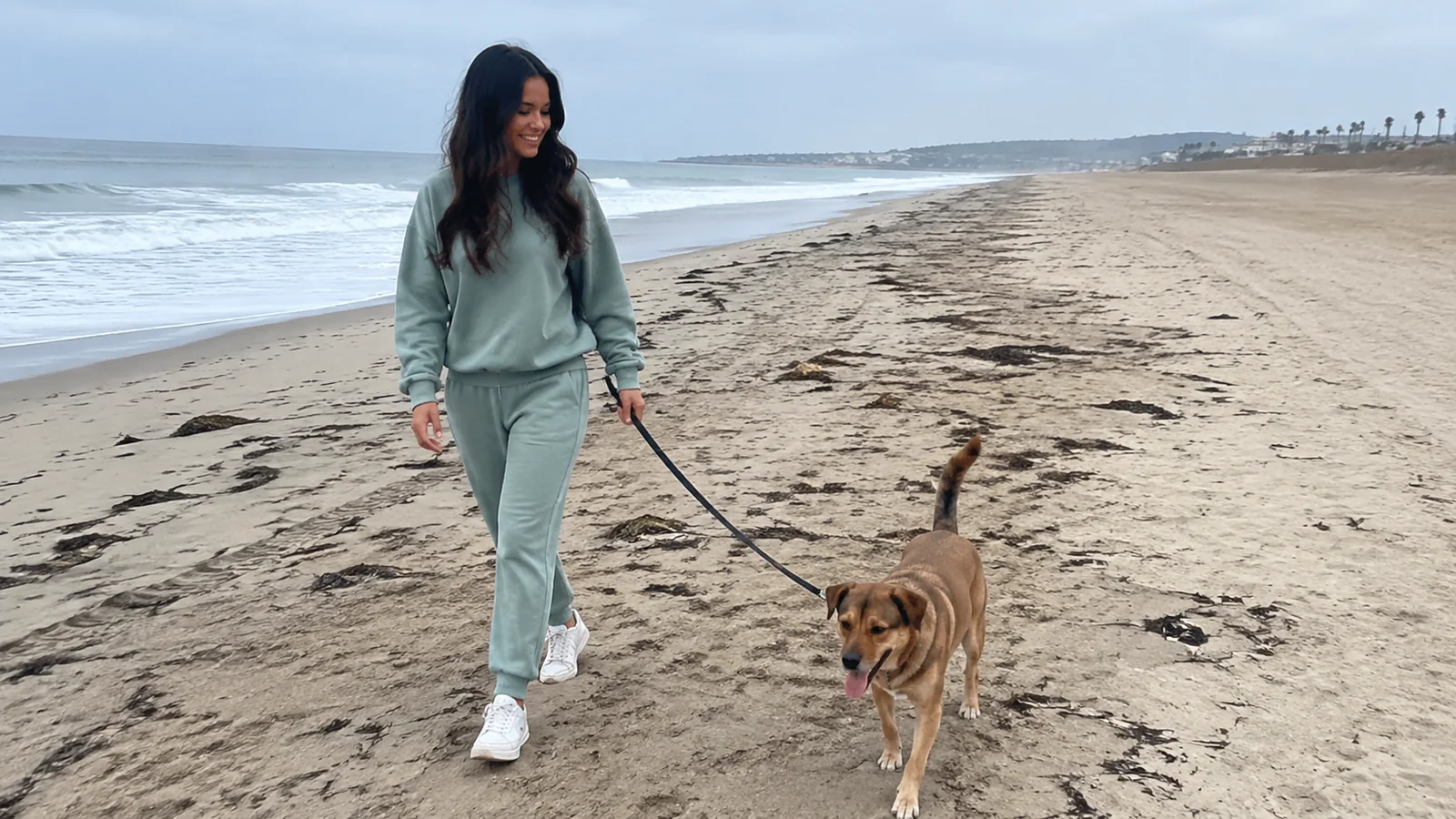
Newport Beach does not have an off-leash dog beach. Dogs may use city oceanfront and bayfront beaches and beachfront sidewalks only during permitted hours, securely controlled on a substantial leash no longer than 6 feet.
The City of Newport Beach’s official beach rules prohibit dogs between 10 a.m. and 4:30 p.m. Before 10 a.m. and after 4:30 p.m., leashed dogs are allowed, while off-leash dogs are never permitted in public parks or beaches.
Best Newport Plan
A sunrise walk is easier than an evening visit because pavement and sand are cooler, parking can be simpler, and you are not racing sunset. Choose a wide, uncrowded stretch and keep well away from shorebirds and other beach users.
Do not assume a bay beach has looser rules than the oceanfront. The city explicitly applies the restricted period to oceanfront and bayfront beaches and beachfront sidewalks.
For legal off-leash exercise, use the city’s fenced dog park rather than improvising on the sand. Check park hours and maintenance closures before driving over.
3. Laguna Beach City Beaches
Laguna Beach offers the best leashed flexibility outside summer. Dogs are allowed on city beaches all day outside the summer restriction period, but they must remain leashed.
From June 15 through September 10, the City of Laguna Beach allows leashed dogs only before 9 a.m. and after 6 p.m. Thousand Steps Beach is prohibited to dogs all year, an exception worth remembering before navigating its long staircase.
Which Laguna Beach Works Best?
Main Beach is convenient but busy, while smaller coves can involve steep stairs, limited sand at high tide, and difficult parking. The most photogenic option is not necessarily safest for a dog with joint issues, poor heat tolerance, or anxiety in tight spaces.
Check the beach access page, tide, and posted conditions before choosing. At high tide, a small cove can lose most of its usable sand and force dogs close to waves or other visitors.
Laguna’s fenced dog park is the only city location promoted for off-leash running, and it closes on Wednesdays for maintenance. That is a much better backup when surf is rough or your dog does not enjoy salt water.
4. Capistrano Beach and Poche Beach
Capistrano Beach, including Poche Beach, allows leashed dogs with seasonal time limits. This is an Orange County Parks rule rather than a blanket Dana Point city-beach policy.
OC Parks’ current Capistrano Beach rules prohibit dogs on the beach from 9 a.m. to 6 p.m. between June 15 and September 10. Dogs are never allowed off leash, and owners must remove waste.
Outside those restricted summer hours, keep the dog leashed and verify signs at the entrance. Beach erosion, construction, access, and parking conditions can change faster than the formal dog rule.
Orange County Beaches That Are Not Dog Beaches
Salt Creek and Strands
Dogs are prohibited on the sand at Salt Creek Beach and Strands Beach. OC Parks permits leashed dogs on paved walkways and in the grassy Bluff Park above Salt Creek, which is a dog-friendly ocean-view walk rather than a dog beach.
Baby Beach at Dana Point Harbor
Dogs are prohibited on the sand at Baby Beach and are not allowed on non-motorized vessels there. Leashed dogs may use designated grassy areas, so do not carry a dog across the sand to a paddleboard and assume the leash solves it.
Crystal Cove State Park
Do not treat Crystal Cove as a countywide dog-beach alternative. California State Parks applies location-specific pet rules, and dogs are generally excluded from beaches and backcountry trails while allowed in certain developed areas on leash.
State, county, and city beaches can sit beside one another with different rules. Read the sign at the access point instead of relying on the name shown by a map pin.
How to Choose the Right Beach for Your Dog
Choose Huntington If Your Dog Has Reliable Recall
Huntington offers the freedom many people imagine when searching for a dog beach, but it also has the highest social and environmental complexity. Your dog should return immediately despite birds, waves, strange dogs, food, and moving people.
Choose Newport for a Controlled Walk
Newport works for a dog that enjoys a brisk leashed walk but does not need wrestling partners. The strict clock makes it easy to understand, provided you finish before the prohibited period begins.
Choose Laguna Outside Summer
Laguna is appealing in fall, winter, and spring because leashed access is not confined to early and late hours. Select the access route around mobility, tide, and parking rather than choosing by Instagram view.
Choose a Park Instead of Sand
Some dogs dislike waves, drink salt water, chase birds, or become overwhelmed in open play. A fenced dog park, shaded neighborhood walk, or bluff trail may be the kinder outing.
Ocean Safety for Dogs
Dogs can be pulled by surf, injured by debris, chilled, overheated, or exhausted while still acting excited. Keep water sessions short, watch for a tucked tail or labored movement, and use a canine life jacket for weak or inexperienced swimmers.
Never throw a toy into rough water or encourage a dog to chase wildlife. Ask a lifeguard about current hazards, and leave when waves or crowds exceed your dog’s ability.
Salt water can cause vomiting, diarrhea, dehydration, and more serious illness when swallowed in quantity. Offer fresh water often, interrupt repeated ocean drinking, and contact a veterinarian promptly for concerning symptoms.

Check Water Quality Before Swimming
Orange County posts warnings, advisories, and closures when bacteria, sewage, or runoff may make water contact unsafe. The live OC Beach Info system is the right final check on the morning of your visit.
The county advises avoiding runoff from storm drains, creeks, and rivers, and its standard rain advisory warns that coastal water can be unsuitable for swimming for at least 72 hours after rain. A dog should not enter water that officials tell people to avoid.
Beach Etiquette That Keeps Access Possible
- Pick up waste immediately and carry the bag to a trash can.
- Stop mounting, bullying, toy stealing, and relentless chasing.
- Keep dogs away from wildlife, tide pools, nesting areas, and fishing gear.
- Do not let a wet dog charge through blankets, picnics, or children.
- Ask before greeting a leashed dog.
- Fill holes before leaving so dogs and people do not step into them.
- Leave if your dog is scared, overtired, or unable to disengage.
Bring your own bags even where dispensers exist because they can be empty. Responsible behavior is not fussy; it is what protects dog access in crowded coastal communities.
Parking and Timing Tips
Coastal parking fills early on sunny weekends, holidays, and school breaks. Arrive before the dog-access window becomes crowded, read the meter or app carefully, and never leave a dog in a parked car.
Sunset sounds lovely but can create traffic, cooling fog, and a sudden rush back to dark stairways. Pack a light, save the car location, and allow time to rinse paws before the parking session expires.
If you are fitting the beach into a wider California getaway, the seasonal crowd logic in my spring break destination planner helps explain why weekday mornings feel completely different from holiday afternoons. Dog rules do not relax just because parking is scarce.
What to Pack for a Dog Beach Day
- Leash no longer than the local maximum
- Collar or harness with current identification
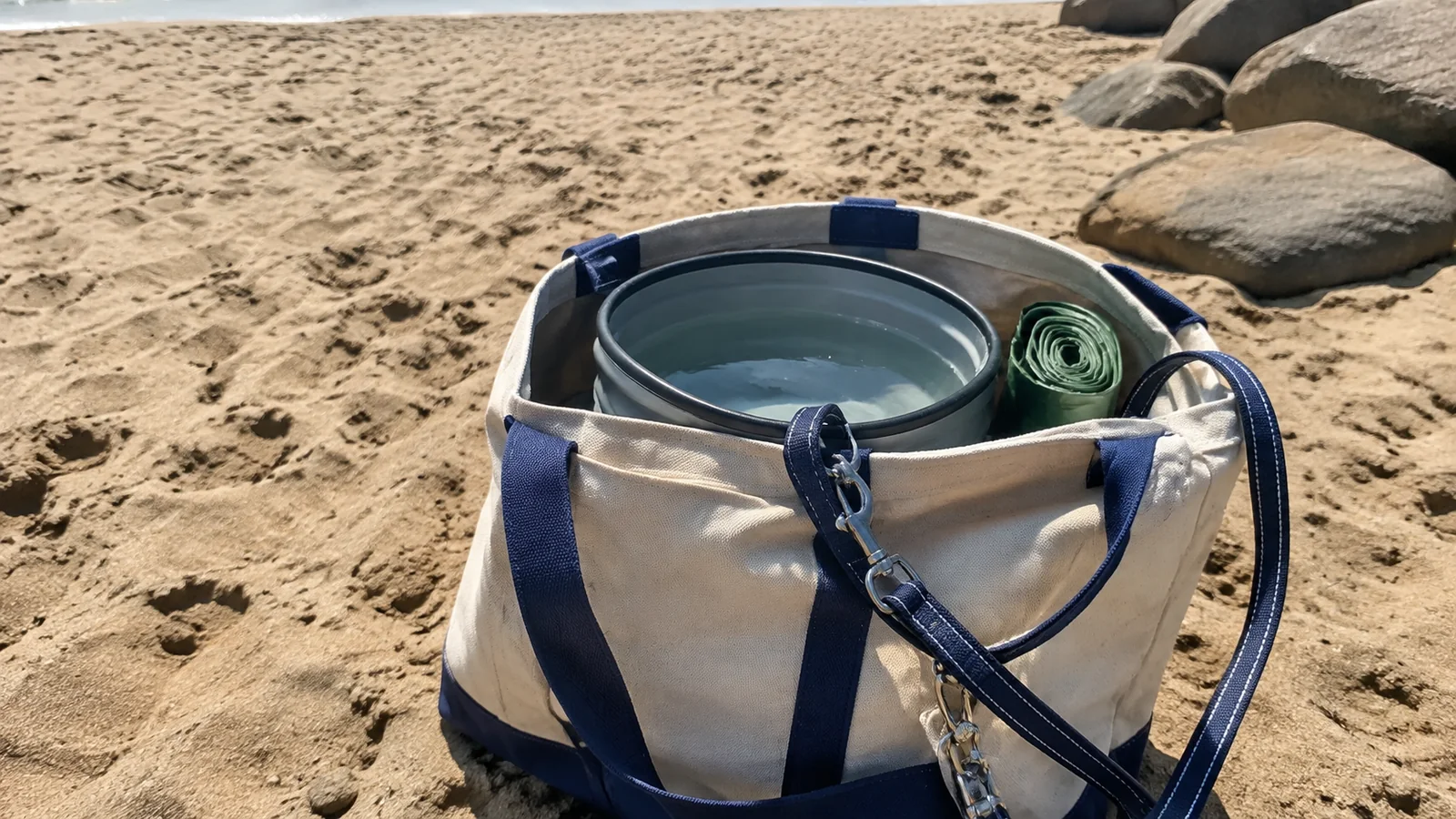
- Fresh water and collapsible bowl
- Waste bags and sealable spare bag
- Towel, paw rinse, and car-seat cover
- Shade and dog-safe sun protection recommended by your veterinarian
- Canine first-aid basics and veterinary contact
My travel essentials checklist covers the human side of the beach bag, but keep dog gear separate from snacks and medication. A labeled tote makes it harder to forget the leash or water bowl at home.
Common Orange County Dog-Beach Mistakes
- Calling every dog-friendly path an off-leash beach
- Taking a dog onto Newport sand during prohibited hours
- Forgetting Laguna’s June 15 to September 10 restriction
- Assuming Thousand Steps allows dogs because other Laguna beaches do
- Unleashing at Capistrano Beach
- Ignoring water-quality postings after rain
- Choosing off-leash play for a dog without dependable recall
My Bottom Line
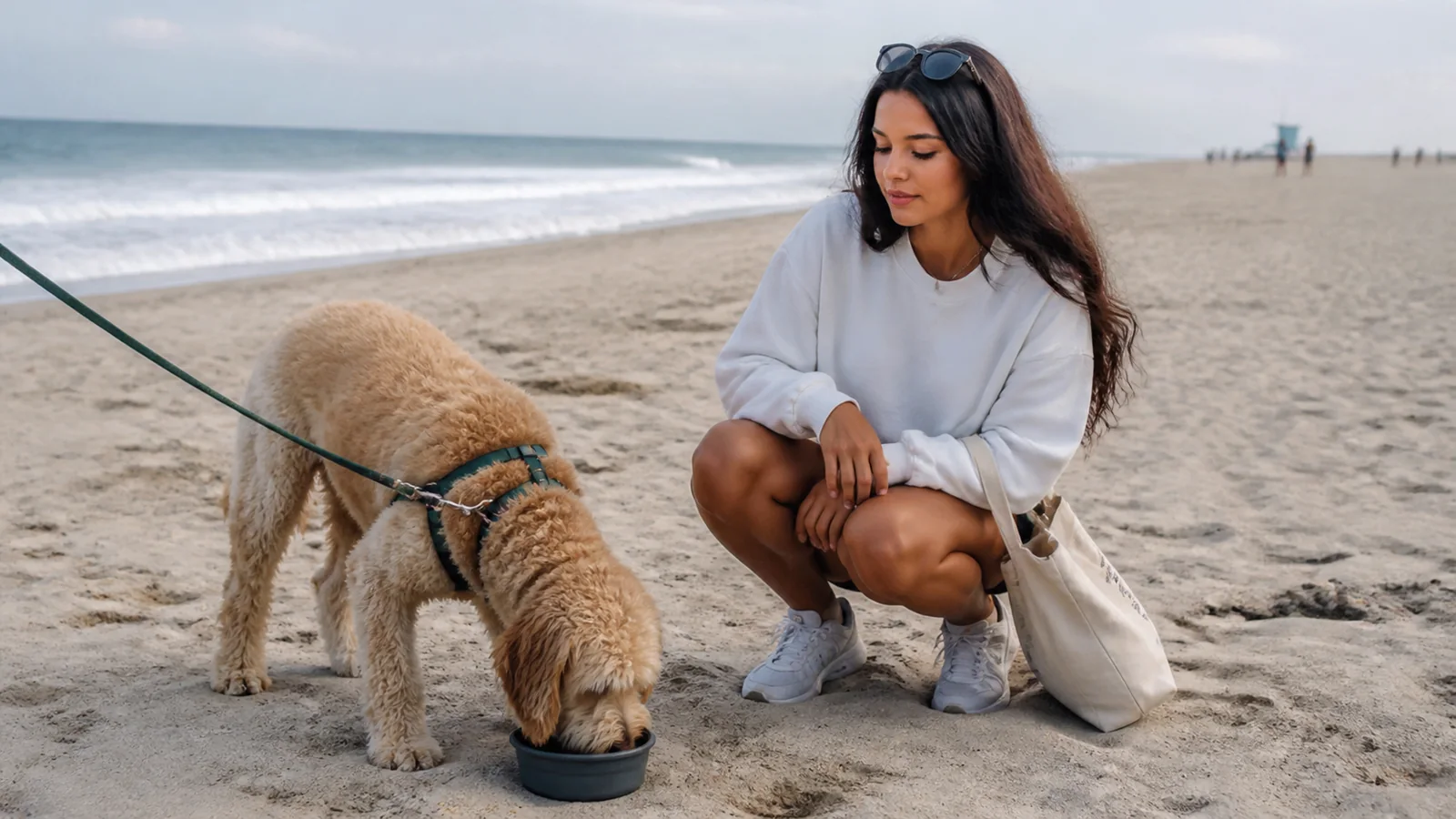
Huntington Dog Beach is the best Orange County match for controlled leash-optional play, while Newport and Laguna are better for structured leashed walks. Capistrano can work seasonally, but Salt Creek, Strands, and Baby Beach sand are not substitutes.
For a dog-friendly couples weekend, pair an early beach walk with the flexible pacing in my romantic getaway ideas. Recheck the official rule and water status that morning, then choose the outing your actual dog will enjoy, not the one that makes the prettiest photo.