Ecotourism in Kerala: Responsible Places and Honest Planning
Kerala’s forests, wetlands, backwaters, tea hills, and wildlife make ecotourism sound effortless. It is not: a green hotel label, elephant photo, or crowded waterfall trip can consume resources without helping conservation, so the best plan follows protected-area rules, hires accountable local operators, and spends more time in fewer places.
What Ecotourism Should Mean in Kerala
Real ecotourism protects natural systems, educates the visitor, minimizes disturbance, and creates meaningful local benefit. It does not mean every activity outdoors is environmentally responsible.
Kerala’s Responsible Tourism program began with pilot destinations including Kumarakom, Thekkady, Kovalam, and Wayanad, then expanded its community-focused work. Kerala Tourism’s official overview emphasizes local livelihoods, women’s participation, heritage, and destination-level planning.
Use that framework as a test rather than trusting the word “eco” in a business name. Ask who owns the operation, who guides, where fees go, how waste and water are handled, and whether the activity changes animal behavior.
My Best Kerala Ecotourism Choices
- Best community-based wildlife program: Periyar Tiger Reserve at Thekkady.
- Best first Western Ghats pairing: Munnar and Eravikulam National Park.
- Best dry-forest contrast: Chinnar Wildlife Sanctuary and Marayoor.
- Best serious forest destination: Silent Valley National Park.
- Best guided reserve stay: Parambikulam Tiger Reserve.
- Best birding near Kochi: Thattekkad Bird Sanctuary.
- Best planned southern ecotourism base: Thenmala and Shendurney.
- Best controlled forest excursion: Gavi.
- Best community-and-wetland pairing: Kumarakom.
- Best only with current access checks: Wayanad.
The Kerala Forest Department’s official ecotourism directory lists bookable centers by district. A place appearing there confirms an official channel, but visitors still need current closures, capacity, activity, transport, and refund details.
Periyar Tiger Reserve: Best Overall Program
Periyar is my strongest first choice because Thekkady combines an established visitor base with guided activities tied to reserve protection and local livelihoods. The official program describes community members participating in surveillance, guiding, interpretation, and enterprises intended to reduce harmful dependence on the forest.
Periyar’s reserve overview explains that conservation, community, and tourism are the three foundations of its community-based ecotourism model. That is much more meaningful than a lodge asking guests to reuse towels.
Choose a guided nature walk, bamboo-rafting program, interpretation activity, or other current reserve-run product based on fitness and time. Names, routes, age rules, capacity, weather operation, and inclusions change, so book through the official channel and read the exact package.
A tiger reserve does not promise a tiger sighting. Birds, forest structure, insects, signs, plants, primates, deer, gaur, and elephants can make the experience worthwhile without pressuring a guide to chase wildlife.
Give Thekkady two nights because the drive from Kochi or the hills takes time and morning activities may start early. A rushed arrival, one boat trip, and immediate departure produces the traffic of tourism without much learning.
Munnar and Eravikulam: Best First Mountain Pair
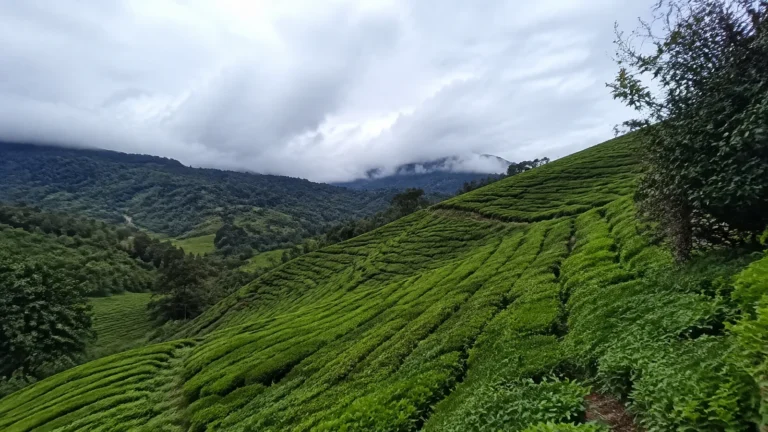
Munnar’s tea-covered hills are a working cultural landscape, while Eravikulam National Park protects high-elevation grassland and habitat for the endangered Nilgiri tahr. Treating every viewpoint and plantation as untouched wilderness erases both labor and conservation boundaries.
Eravikulam’s visitor system concentrates access in the Rajamala tourism zone and restricts movement elsewhere. The official park guidance states that wildlife sightings are never certain, food and beverages are prohibited inside, and unauthorized trekking is punishable.
The park normally closes during the tahr calving period, with exact dates published for the season; its 2026 notice covered February 1 through April 1. Do not plan around an old blog’s reopening date because wildlife needs and management decisions come first.
In Munnar, favor legal walks, small locally staffed stays, tea history that acknowledges workers, and a slower regional circuit. Road congestion, parking, waste, water demand, and viewpoint crowds do not become sustainable because the surrounding hills are green.
Chinnar and Marayoor: Best Ecological Contrast
Chinnar lies in a rain-shadow landscape that feels markedly drier than Munnar. Guided treks can introduce thorn scrub, riparian habitat, wildlife signs, and local conservation work without promising close animal encounters.
Marayoor adds sandalwood landscapes, agriculture, and cultural history nearby. Use official or community-authorized guides, respect restricted forest areas, and do not photograph people or sacred places without consent.
This pairing works as one or two nights after Munnar, not a hurried sunset drive. Mountain roads, heat, wildlife crossings, and limited daylight make ambitious mileage a poor sustainability choice.
Silent Valley: Best for Forest First
Silent Valley National Park protects tropical evergreen forest in the Nilgiri region and is strongest for travelers who value ecology over entertainment. Access is controlled, and guided transport or visits operate according to current park arrangements rather than unlimited self-driving.
Base the plan on the official entry point, permission, reporting time, and available program. A distant hotel pin can hide a slow approach road and turn a quiet forest visit into an exhausting transfer day.
Silence is not literal, because healthy forest holds insects, birds, wind, water, and animal calls. Keep group noise low, stay on authorized routes, and accept that dense vegetation limits large-mammal viewing.
Parambikulam: Best Guided Reserve Stay
Parambikulam Tiger Reserve sits in Kerala near the Tamil Nadu border and requires route planning that a simple state map can obscure. Controlled activities, community-linked programs, and forest accommodation can create a deeper stay when booked through the official system.
Access roads, check-in points, permits, vehicle rules, and mobile coverage need confirmation before departure. Choose it for immersion and guided structure, not for a quick detour between unrelated cities.
Thattekkad: Best Birding Near Kochi
Thattekkad Bird Sanctuary is a practical choice for travelers who want guided birding without driving all the way to Kerala’s most remote reserves. Early morning and late afternoon can be productive, but season, rain, vegetation, and luck control what appears.
A skilled local bird guide adds more value than a large camera or playback app. Never use recorded calls or crowd a nesting bird unless the sanctuary and qualified guide explicitly permit the method.
Thattekkad pairs naturally with Kochi or a slower route toward Munnar. It is less sensible as an out-and-back after a late international arrival.
Thenmala and Shendurney: Best Southern Base
Thenmala in Kollam district is promoted by Kerala Tourism as India’s first planned ecotourism destination. Its developed recreation zones and proximity to Shendurney Wildlife Sanctuary make it a useful introduction for families who want structure.
Kerala Tourism identifies nature and adventure activities at Thenmala, but “planned ecotourism” is not a permanent quality guarantee. Verify which zones and programs are open, then judge noise, waste, group size, and guide quality on the day.
Thenmala can pair with Thiruvananthapuram, Kollam, or an onward southern Kerala route. It should not be sold as pristine solitude when the chosen activity is a developed attraction.
Gavi: Best as a Controlled Forest Program
Gavi is often advertised with misty forest roads and wildlife, but access, transport, accommodation, and activities are controlled through current operators and forest procedures. Confirm the authorized booking channel and exact gate rather than paying an unknown intermediary for a vague “jeep safari.”
Small groups and a qualified guide improve interpretation, but no vehicle should chase, block, feed, or surround wildlife. Roadside sightings are conditional and never worth unsafe driving.
Kumarakom and the Backwaters: Best Community Focus
Kumarakom’s backwater setting makes the social side of responsible tourism visible through village experiences, local food, craft, agriculture, and wetland life. The strongest visit distributes spending beyond one resort compound.
A houseboat is not automatically ecotourism. Ask about sewage treatment, solid waste, fuel, engine noise, crew conditions, local sourcing, legal licensing, route, and whether an overnight boat adds more impact than a smaller daytime vessel and land-based stay.
Choose human-powered or lower-noise experiences where appropriate and do not enter narrow residential canals as if homes were exhibits. Ask permission before photographing residents, work, worship, or private property.
Wayanad: Visit With Current Information
Wayanad offers forest, wildlife sanctuaries, hills, farms, waterfalls, and Indigenous communities, but it also faces heavy tourism pressure and serious monsoon hazards. Past access does not prove a trail, island, cave, waterfall, or sanctuary zone is open now.
Check Kerala Forest Department and district notices after intense rain, landslides, wildfire risk, or wildlife conflict. Do not pressure a guide or local resident to bypass a closure because a booking platform still sells the activity.
Community benefit requires consent and control, not a tour that treats Indigenous identity as scenery. Choose community-authorized experiences and avoid intrusive “tribal village” visits with unclear ownership or permission.
Athirappilly and Waterfall Tourism
Athirappilly is visually powerful and easy to market as an eco stop, but popularity creates traffic, litter, slippery paths, crowding, and pressure near forest habitat. Visit in an authorized area, respect barriers, and never enter water simply because another visitor did.
Water volume and access change with rain and dam operations, while monsoon conditions can become dangerous quickly. The global waterfall planning guide is useful for comparing developed viewpoints with wild access, but official local notices control.
Best Time for Kerala Ecotourism
December through February usually offers the easiest combination of lower humidity, cooler hill conditions, and broad outdoor operation, but it is also a busy period. Book protected-area products and small stays early without packing every day.
March through May can be hot at low elevations, with cooler mornings in higher hills and increased wildfire or water-stress concerns. Shift strenuous activity earlier, carry safe drinking water, and never enter a closed forest.
The southwest monsoon normally reaches Kerala around June 1, according to the India Meteorological Department’s monsoon guidance. Actual onset, rainfall, floods, landslides, trail closures, and road conditions vary each year and by district.
June through September can bring lush landscapes and fewer visitors, but it is not a generic bargain season for trekking. Build weather buffers, use live forecasts and district warnings, and accept cancellation without demanding unsafe operation.
Build a Low-Impact Route
Eight days and seven nights: Kochi, Thattekkad, Munnar, and Periyar
Spend nights 1 and 2 in Kochi, night 3 near Thattekkad, nights 4 and 5 in Munnar, and nights 6 and 7 in Thekkady, then use Day 8 for the return transfer and departure. This is still active, so remove Thattekkad if international flights or road motion require a gentler pace.
Ten days: Add Chinnar or Kumarakom
Add two nights around Marayoor and Chinnar for a habitat contrast, or finish with two nights in Kumarakom for wetlands and community activities. Do not add both unless the route gains days.
Southern Kerala
Combine Thiruvananthapuram, Thenmala and Shendurney, and a carefully chosen coast or backwater base. This route reduces the temptation to cross the state repeatedly for famous names.
India itself is too varied for one simplistic circuit, as the Asia trip-style comparison explains. Give Kerala enough time to stand as a destination rather than a three-day green break between distant monuments.
How to Vet an Eco Operator
- Ask for the protected-area permit, license, and authorized booking channel.
- Confirm maximum group size and guide qualifications.
- Ask what share of the fee reaches guides, community groups, or conservation.
- Reject feeding, touching, baiting, riding, loud playback, and wildlife chasing.
- Ask how sewage, food waste, plastic, batteries, and drinking water are handled.
- Prefer local food and staff without demanding staged access to private life.
- Verify cancellation terms for rain, wildlife closures, roads, and permits.
The core characteristics of ecotourism give a broader test for claims made anywhere. In Kerala, official forest permission and community accountability should be the first two filters.
Wildlife Ethics and Safety
Wild elephants are not approachable, tigers are not guaranteed, and a closer photograph is not a better encounter. Stay inside the guide’s boundary, keep voices low, never feed wildlife, and give every animal an escape route.
Avoid captive-elephant bathing, forced interaction, performances, and rides marketed as conservation without transparent welfare evidence. A sanctuary label alone does not prove independent welfare standards.
Leeches, mosquitoes, heat, humidity, slippery rock, cold mountain rain, rough roads, and limited cell service are ordinary planning factors. Carry prescribed medication, appropriate footwear, rain protection, insect defense, water, and travel insurance that covers the activities.
My Final Recommendation
For a first responsible nature trip, I would combine Munnar and Eravikulam with two nights at Thekkady and one official Periyar community-based program. Add Kumarakom for wetland culture or Thattekkad for birding, not another distant park merely to lengthen the list.
Kerala ecotourism works best when wildlife remains undisturbed, communities retain agency, and the traveler accepts limits. Fewer transfers, smaller groups, official bookings, and curiosity beyond a tiger sighting are the choices that make the label mean something.