Finland Travel Guide: A Realistic First-Time Route
Finland is easy to romanticize as saunas, northern lights, snowy forests, and perfect little cabins. Those things are real, but the country becomes much easier to plan when you choose a season first and stop trying to combine Arctic winter with summer lake life in one trip.
Is Finland worth visiting?
Finland suits travelers who enjoy thoughtful cities, quiet nature, good public transportation, design, outdoor activities, and personal space. It is less satisfying if your dream Europe trip depends on cheap dining, nonstop nightlife, and famous monuments every ten minutes.
Helsinki deserves more than an airport transfer, while Lapland deserves more than one rushed Santa photo. A first trip works best when it pairs the capital with one contrasting region and leaves the rest for another season.
Pick the trip by season
Summer Finland
June through August brings long daylight, green forests, lake swimming, island ferries, hiking, and lively outdoor terraces. Midsummer celebrations can also close urban businesses or change transportation, so check holiday hours rather than arriving with a rigid shopping list.
Summer is the easiest season for a first drive through Lakeland or the west coast. Mosquitoes can be persistent in wet, forested areas, especially around still water, so repellent and long sleeves earn their luggage space.
Autumn Finland
September brings fall color to the north before the south, with hiking and fewer peak-summer visitors. Conditions change quickly, daylight shortens, and some seasonal services close, making current local information more important than a beautiful September reel.
October and November can be dark, damp, and transitional in southern Finland. This quieter period has lower-key appeal, but it is not a reliable snowy-wonderland shortcut.
Winter Finland
December through March is the broad winter-travel period, with more dependable snow generally found in Lapland than Helsinki. December offers holiday atmosphere and very short days, while February and March bring increasing daylight for skiing and outdoor trips.
Clouds can hide the northern lights for several nights, and being above the Arctic Circle is not a guarantee. Build the trip around activities you would enjoy under an ordinary gray sky, then let the aurora be the dazzling extra.
Spring Finland
April can still feel wintry in Lapland while southern streets are thawing. May brings rapidly lengthening days and spring energy, though trails may be muddy and lake or archipelago services may not yet run at full summer frequency.
A realistic eight-day first trip
Days 1 to 3: Helsinki
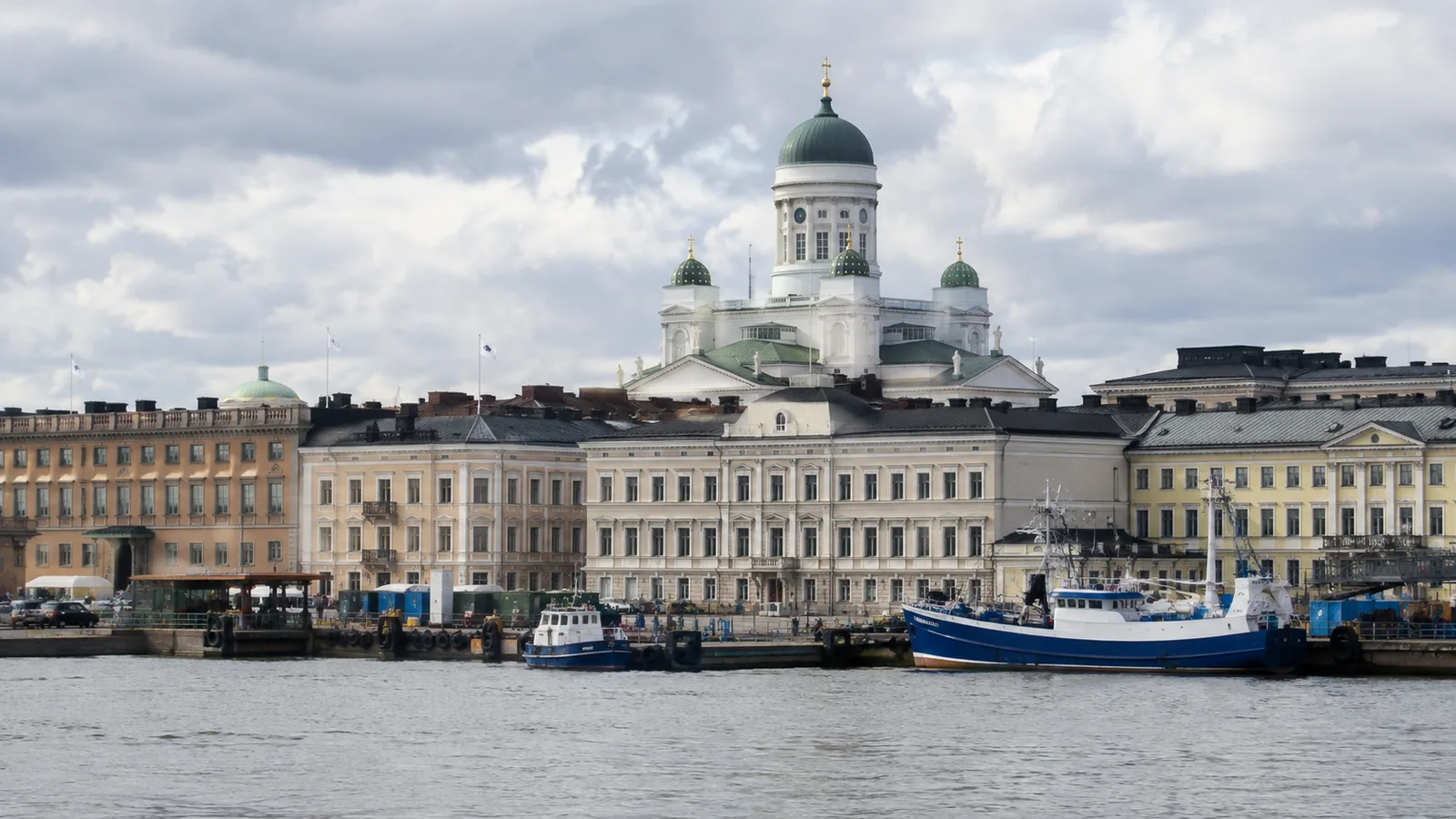
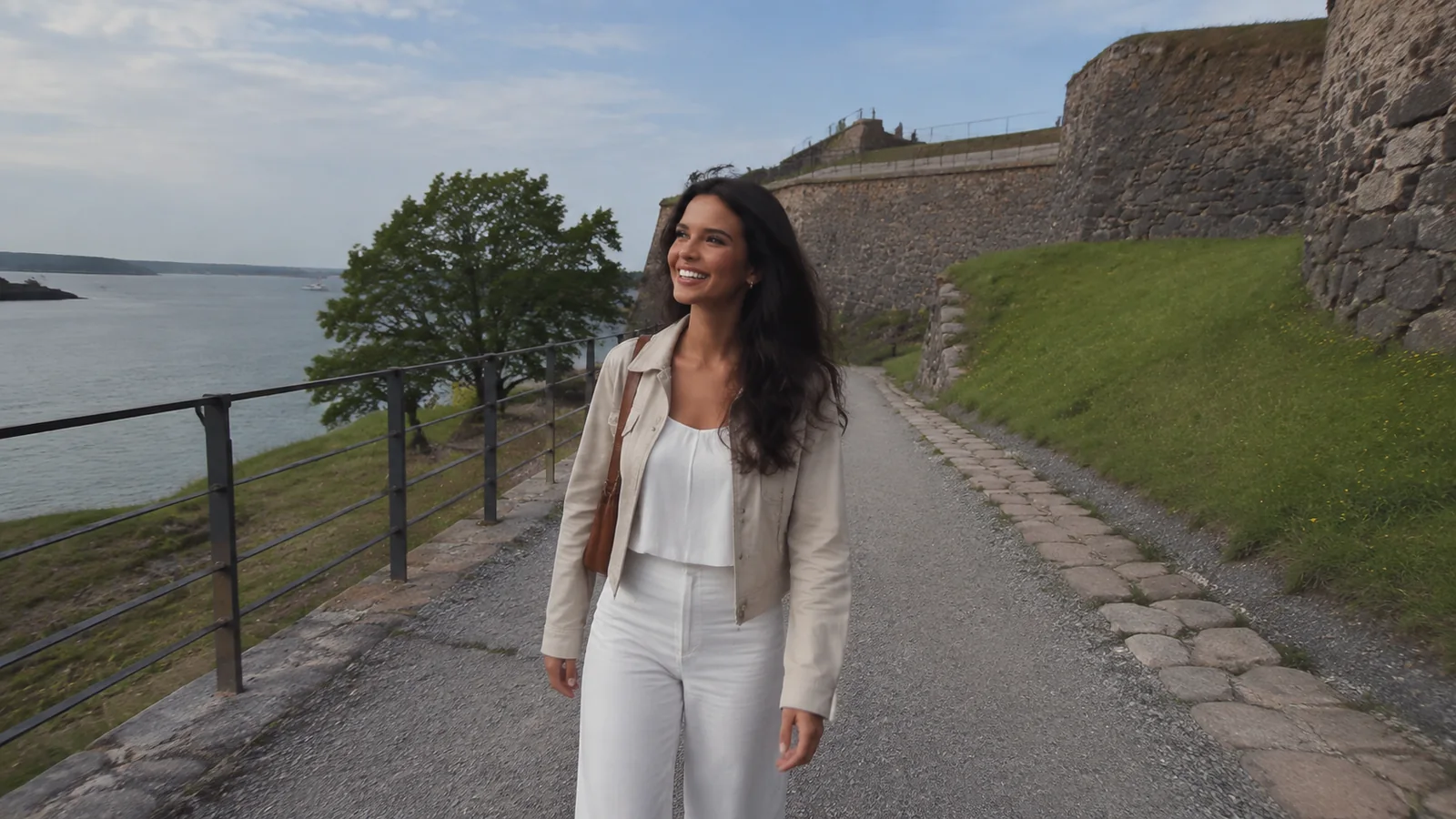
Start with three nights in Helsinki to recover from travel and understand Finland beyond Lapland marketing. Explore the harbor, Market Square, Senate Square, central libraries, design neighborhoods, and one or two museums without turning the city into a checklist.
Suomenlinna sea fortress is a rewarding half-day by public ferry, but wind and weather can make it feel much colder than the mainland. Wear layers, stay on marked routes, and give the island time rather than sprinting between the dock and one cannon.
Make sauna part of the plan, not a cultural dare. Shower first, follow posted rules, ask whether swimwear is required, sit on a towel, and choose a public sauna that clearly explains its customs for newcomers.
Visit Finland’s current Helsinki guide combines the city with archipelago, villages, and nearby nature. Use it to choose one side trip rather than cramming all three into the same afternoon.
Day 4: Porvoo or Nuuksio
Choose Porvoo for wooden streets, cafes, river views, and an easy small-town contrast. Choose Nuuksio National Park for forest, lakes, and a first taste of Finland’s outdoors close to the capital.
Nuuksio trails vary in length, surface, season, and transit access. Check Finland’s official national outdoor service for current routes, closures, fire restrictions, facilities, and public transportation before leaving.
Everyman’s rights allow broad responsible access to nature, but they are not permission to enter private yards, damage vegetation, make fires anywhere, or ignore protected-area rules. Follow site-specific signs and leave no trace.
Days 5 and 6: choose Turku or Tampere
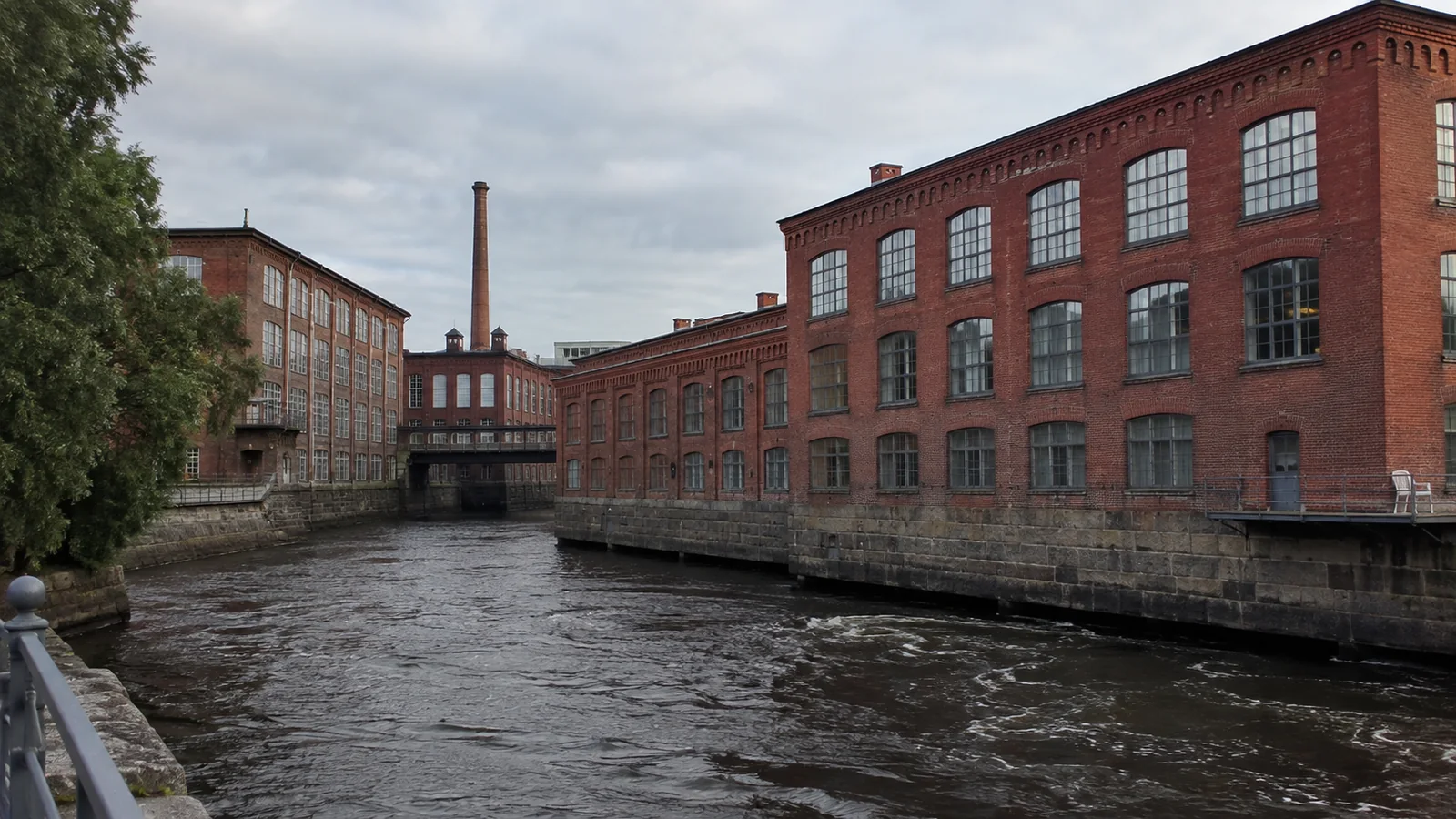
Turku fits travelers drawn to history, the Aura River, castle, cathedral, and archipelago connections. Tampere fits those who want industrial heritage, museums, public saunas, lake views, and a compact city between two large lakes.
Both connect well by train from Helsinki, so there is no need to rent a car for this section. One city enjoyed properly is better than spending two days collecting railway-station pastries in both.
In summer, Turku can lead into the archipelago if you add several days and plan ferries carefully. Tampere is the easier stand-alone addition when the trip continues north by rail.
Days 7 and 8: finish in southern Finland, or extend for Rovaniemi
For an eight-day trip, stay in southern Finland on Day 7 and depart on Day 8, with nights 1 through 4 in Helsinki and nights 5 through 7 in Turku or Tampere. If Lapland is essential, extend to ten days: take the night train on Day 7, sleep in Rovaniemi on nights 8 and 9, and depart on Day 10.
VR’s Santa Claus Express information confirms double-decker night trains from Helsinki or Turku to Rovaniemi, Kolari, and Kemijärvi, with seats and private cabins among the options. Book the exact date early in popular holiday and ski periods.
If the trip is summer-focused, skip the long northern jump and give those nights to Lakeland, Turku’s archipelago, or another national park. Finland’s scale looks polite on a map and becomes very real when one vacation tries to cover it all.
An eight-day, seven-night winter route
Spend nights 1 and 2 in Helsinki, night 3 on the overnight train, and nights 4 through 7 at one Lapland base, then depart on Day 8. Rovaniemi offers the easiest logistics, while Saariselkä, Levi, Ylläs, and other resorts suit different balances of skiing, trails, nightlife, and quiet.
Compare tours by group size, time outdoors, clothing provided, animal welfare, pickup distance, and cancellation terms. “Aurora tour” means a guided attempt under uncertain skies, not a purchased display.
For husky and reindeer experiences, ask how animals live outside tour hours, how work and rest are managed, and whether visitors receive safety instruction. Cute photographs are not a substitute for transparent welfare practices.
Getting around Finland
Trains are comfortable for Helsinki, Turku, Tampere, and major northern routes, while buses fill gaps between towns and resorts. Ferry systems serve islands and archipelagos, with seasonal schedules that need date-specific checking.
VR releases tickets in booking periods rather than opening every future date at once. Search the live VR timetable and compare a regular ticket with a rail pass before assuming either is cheaper.
My Eurail and Interrail comparison explains residence eligibility, reservations, and the pass-versus-ticket math. A Finland-only trip with a few early-booked rides may favor individual fares.
A rental car is most useful for cabins, remote trailheads, lake districts, and dispersed Lapland activities. Winter drivers need genuine snow-and-ice confidence, generous braking distance, and current road and weather checks, not optimism in a compact rental.
Where to stay
In Helsinki, stay near a rail, tram, or metro connection rather than paying only for a postcard harbor view. Kluuvi and Kamppi are convenient, Punavuori has design and restaurants, and Katajanokka offers quieter waterfront character.
In Lapland, distinguish a city hotel, ski-resort apartment, glass-roof cabin, and remote lodge. They differ dramatically in restaurant access, transportation, darkness, light pollution, and the ability to do anything after one tour ends.
A remote cabin without a car can become expensive if every meal and transfer must be arranged privately. Ask exactly what is walkable, what the property shuttle covers, and how late you can arrive.
Finnish food to try
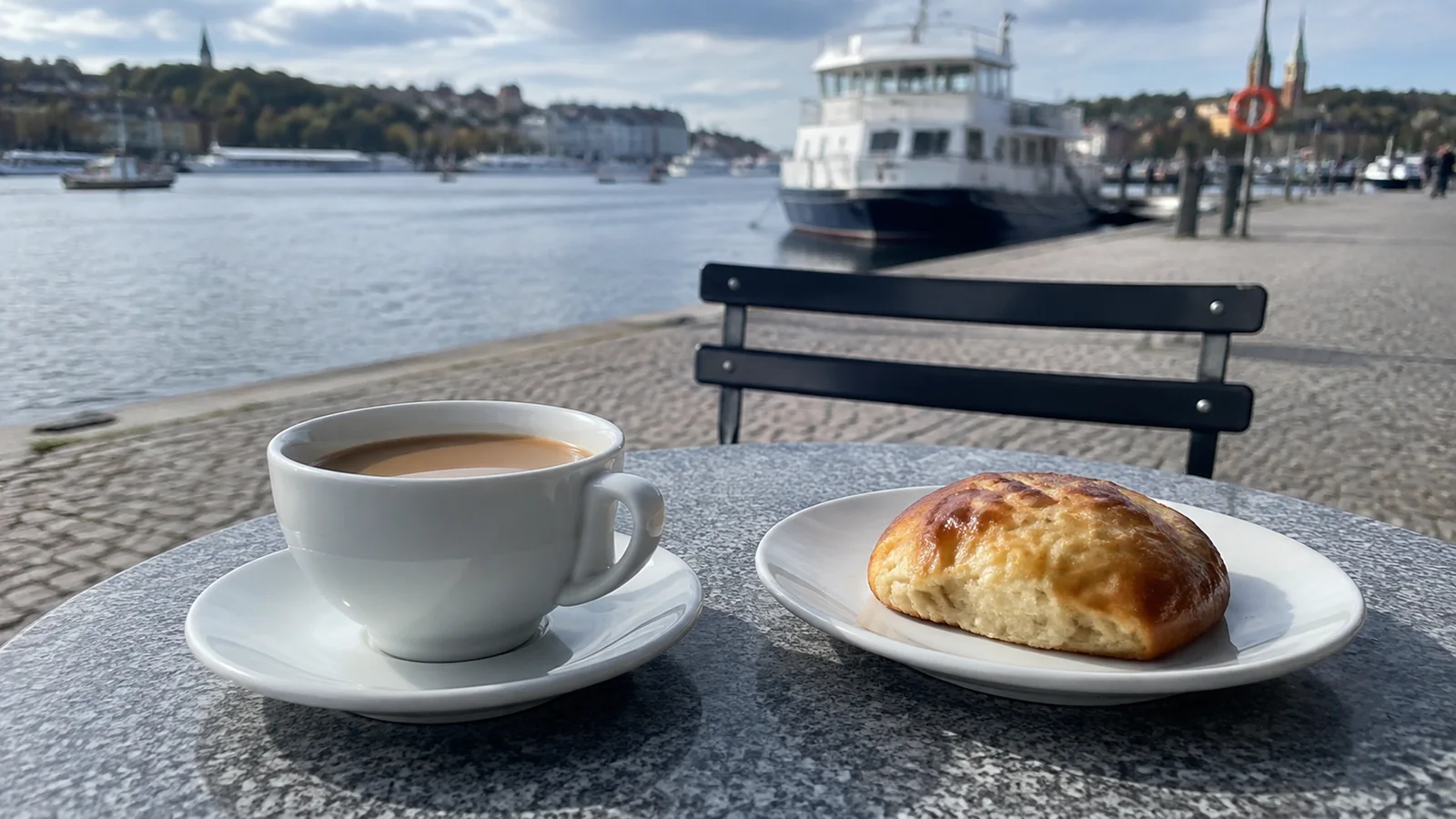
Look for rye bread, salmon soup, Karelian pies, cinnamon buns, seasonal berries, mushrooms, and excellent coffee. Reindeer appears on menus in the north, while vegetarian and modern Nordic cooking are increasingly easy to find in cities.
Lunch specials can provide better value than dinner, and grocery stores make picnics painless. Tap water is generally excellent, so a refillable bottle saves money and plastic.
Money and practical customs
Finland uses the euro, and cards are accepted almost everywhere. Visit Finland’s payment and tipping guidance says tipping is not expected in the American sense, though good service can be recognized.
Silence is not automatically discomfort, and personal space is normal. Be punctual, remove outdoor shoes when a host expects it, keep voices moderate on public transportation, and ask before photographing people.
Finnish and Swedish are national languages, and English is widely spoken in visitor settings. Learn kiitos for thank you, then resist treating fluent English as permission to skip every other courtesy.
What to pack
- Water-resistant outer layer and comfortable walking shoes year-round
- Warm base and midlayers appropriate to the actual forecast
- Swimsuit for saunas that require or permit one
- Sleep mask for bright summer nights
- Reflective accessory for dark winter streets
- Power bank and offline maps
- Mosquito repellent for summer nature trips
Extreme winter gear can often be included with organized activities, but coverage varies. Confirm boots, mittens, socks, overalls, child sizes, and temperature limits before deciding what stays home.
Entry and border updates
Finland is part of the Schengen Area, so U.S. visitors must follow the shared short-stay limit and passport rules. Requirements vary by nationality and can change, especially as European border systems roll out.
As of this review, the European Union’s official site says ETIAS is not operating and applications are not being accepted. Check the official portal before travel and avoid third-party sites claiming to sell an authorization that does not yet exist.
Finland’s Border Guard says the Entry/Exit System is operating for relevant non-EU travelers. Allow extra border time and carry the document that supports your itinerary and permitted stay.
How Finland fits a wider Nordic trip
Helsinki pairs naturally with Tallinn by ferry and Stockholm by ferry or flight, while northern routes can connect with Sweden or Norway. Border crossings do not make vast Arctic distances disappear, so check actual schedules.
My realistic Scandinavia itinerary helps control the urge to collect capitals, and the Sweden route planner is useful for an east-west extension.

My honest Finland advice
Choose summer for lakes, islands, and easy outdoor days, or winter for snow and Arctic activities. Give Helsinki real time, add only one major region, and build weather flexibility into anything involving ferries, trails, or northern lights.
Finland’s magic is rarely loud. It arrives in a steamy sauna, a silent train window, a berry-colored forest, or a midnight sky that forgot to get dark, which is exactly why rushing across the country misses the point.