Sweden Travel Guide: A Realistic First-Time Route
Sweden is easy to overbook because the trains look simple and the summer light makes every day seem endless. For a first trip, give Stockholm four nights, add Gothenburg or Malmö for three, and save Lapland for a separate journey unless you have at least 10 days.
The Best First Sweden Trip at a Glance
A seven-night city-and-coast route gives you Stockholm’s islands, museums, and old town, then Gothenburg’s canals, food, and western archipelago. It is varied, manageable by train, and far kinder than trying to squeeze the Arctic Circle between two southern city weekends.
- Best first base: Stockholm for four nights
- Best second city for seafood and islands: Gothenburg
- Best second city for Copenhagen access: Malmö
- Best for winter activities: one northern base with several nights
- Best for a road trip: a focused rural region, not the whole country
- Best planning rule: choose the season before choosing the map
When to Visit Sweden
May and June
Late spring and early summer bring long days, green parks, and a wonderful city-and-archipelago balance. Water remains cold, some island services are still ramping up, and midsummer holidays can close businesses or reshape schedules.
July and August
Summer offers the broadest visitor hours and outdoor possibilities, with Swedish vacation patterns influencing city restaurants and local businesses. Reserve popular hotels, overnight trains, island lodging, and signature museums, but leave one weather-flexible block.
September and October
Early fall suits city breaks, design, food, and foliage, while daylight shrinks faster in the north. Archipelago boats and seasonal attractions may run less often, so rebuild day trips from the current calendar.
November Through April
Winter means Christmas markets, museums, snow possibilities, short days, and a trip that varies enormously by latitude. Northern lights require darkness and clear skies but are never guaranteed, while Stockholm may be cold without delivering a snowy postcard.
If Sweden is part of a Baltic sailing, compare the land season with this regional cruise timing overview. A summer ship call offers efficient sightseeing, but it cannot replace evenings in Stockholm or an unhurried island day.
A Realistic 7-Night Sweden Itinerary
Day 1: Arrive in Stockholm
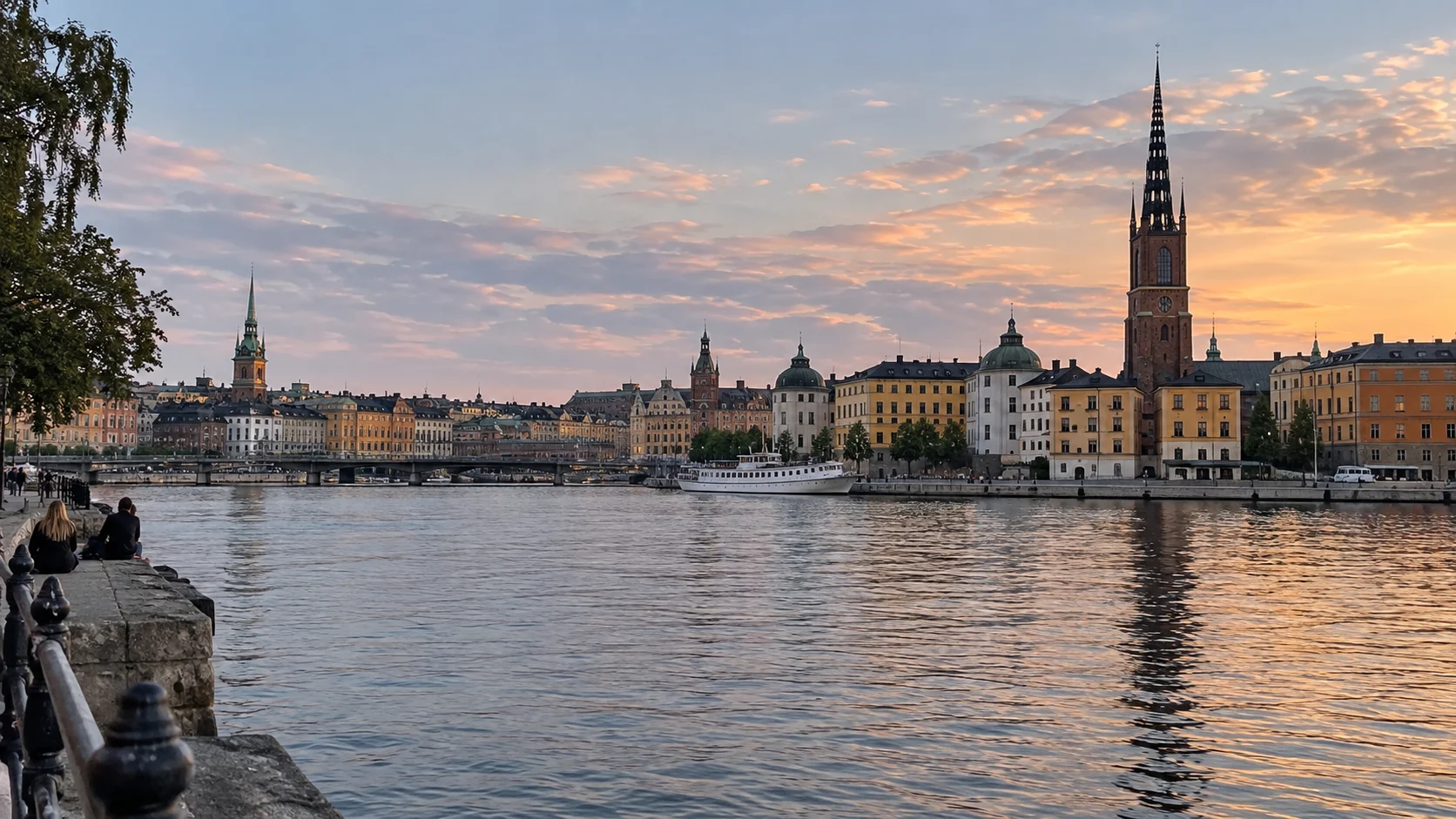
Stay near Stockholm Central for the simplest airport and onward-rail logistics, or choose Norrmalm, Södermalm, Vasastan, or Östermalm for a different neighborhood feel. Compare the walk from the actual station exit, not just the distance pin.
Use arrival day for a waterfront walk, early dinner, and one flexible viewpoint. Do not attach an expensive timed museum to an overseas flight that could arrive late.
Day 2: Gamla Stan and Central Stockholm
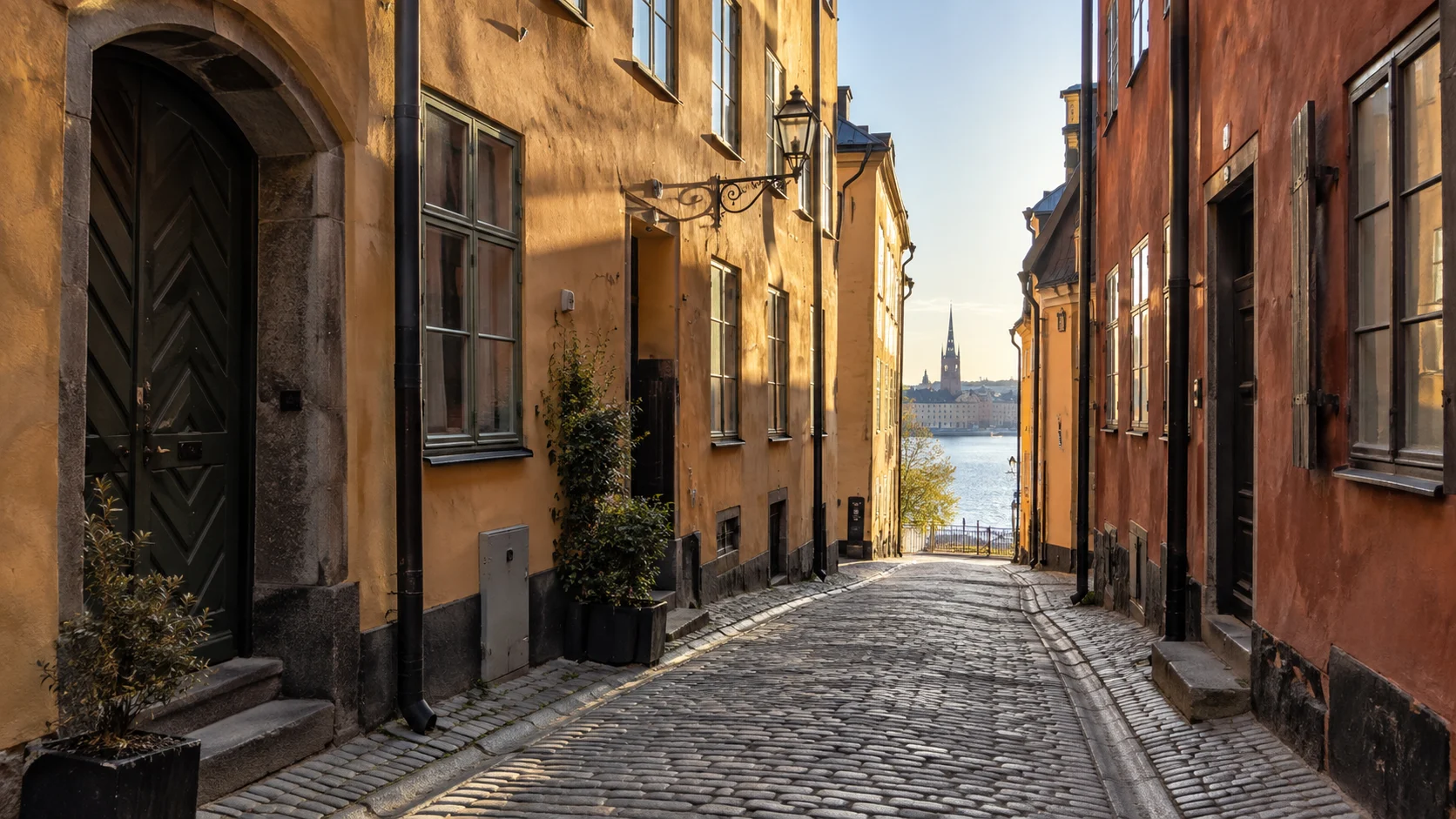
Start in Gamla Stan before the busiest tour groups, then explore its lanes with purpose rather than shopping every souvenir street. Add the Royal Palace area, Parliament surroundings, and one museum or ferry ride based on opening hours.
Gamla Stan’s paving, slopes, and winter surfaces deserve supportive shoes. Keep a compact bag for crowded transit and use this travel essentials checklist to separate genuine day-trip needs from dead weight.
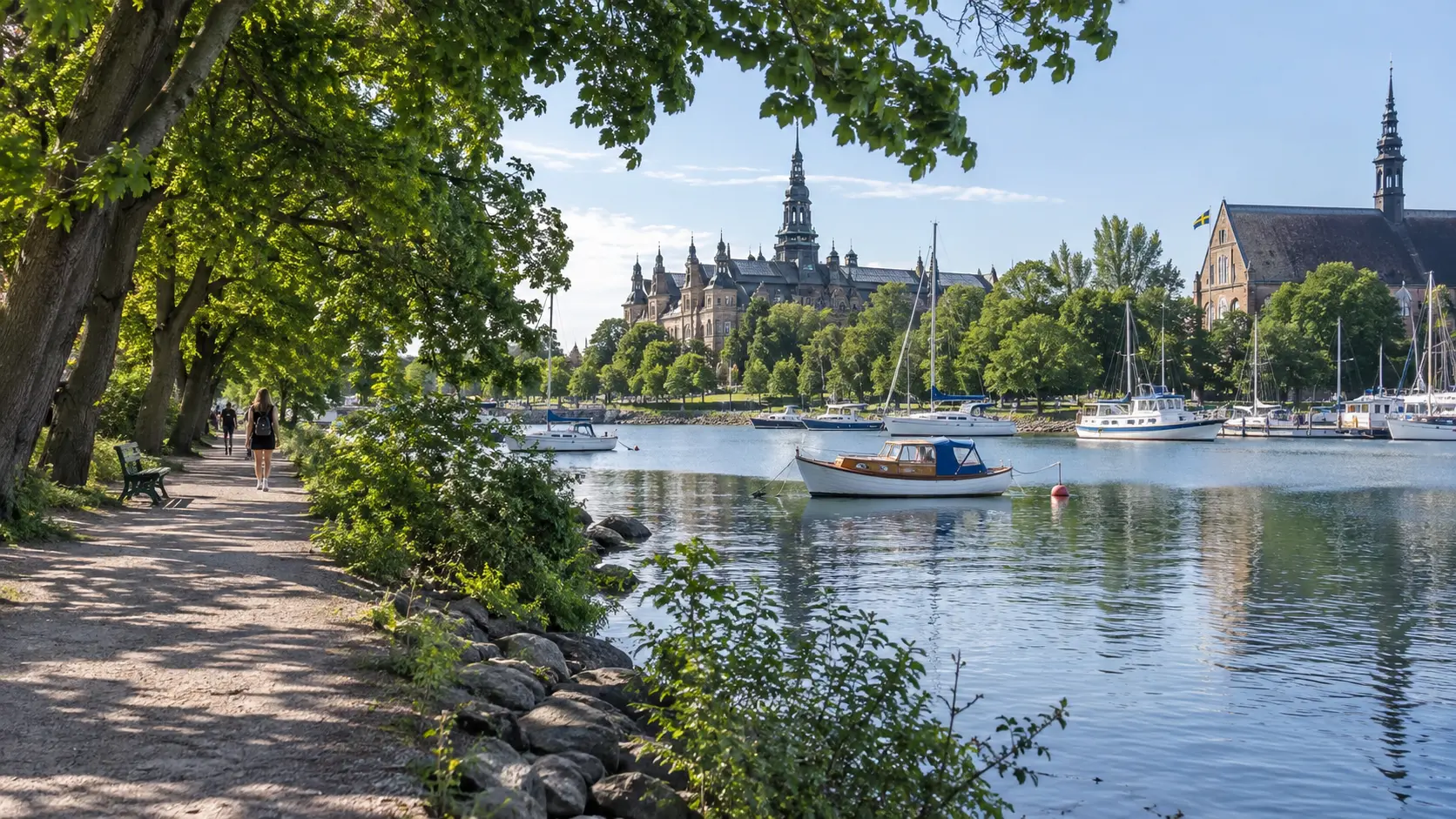
Day 3: Djurgården Museums
Choose two major attractions on Djurgården rather than racing through four. Vasa Museum, Skansen, ABBA The Museum, the Viking Museum, and art collections serve different interests, and several deserve hours rather than a photo stop.
Book the attraction that matters most, confirm seasonal hours, and build lunch into the plan. Ferries can be scenic transportation, but ticket acceptance depends on the service, route, and current fare system.
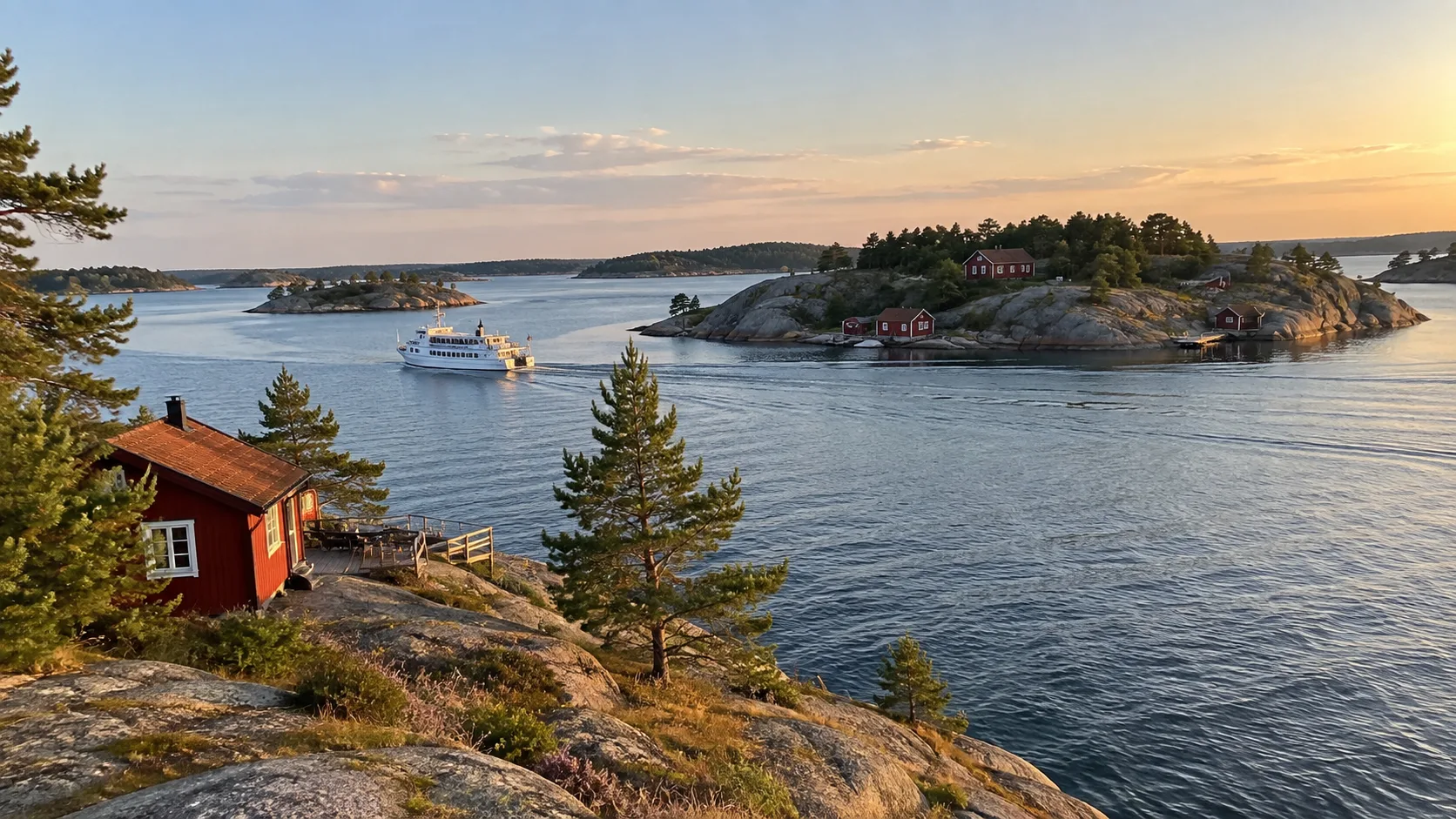
Day 4: Stockholm Archipelago or Neighborhood Day
A first archipelago day should have a forgiving route, enough time ashore, and at least one earlier return option. Vaxholm is easier than a distant island for many first-time visitors, while a farther destination makes sense when the boat journey is the main event.
Check the outbound and return timetables together, plus the pier name and payment rules. Wind, season, and weekends can change the practical choices, and the last boat is no place for an optimistic guess.
If weather is poor, stay in Stockholm for Södermalm, Fotografiska, libraries, food halls, design shops, or another museum. A flexible fourth day is not wasted just because it never leaves the city.
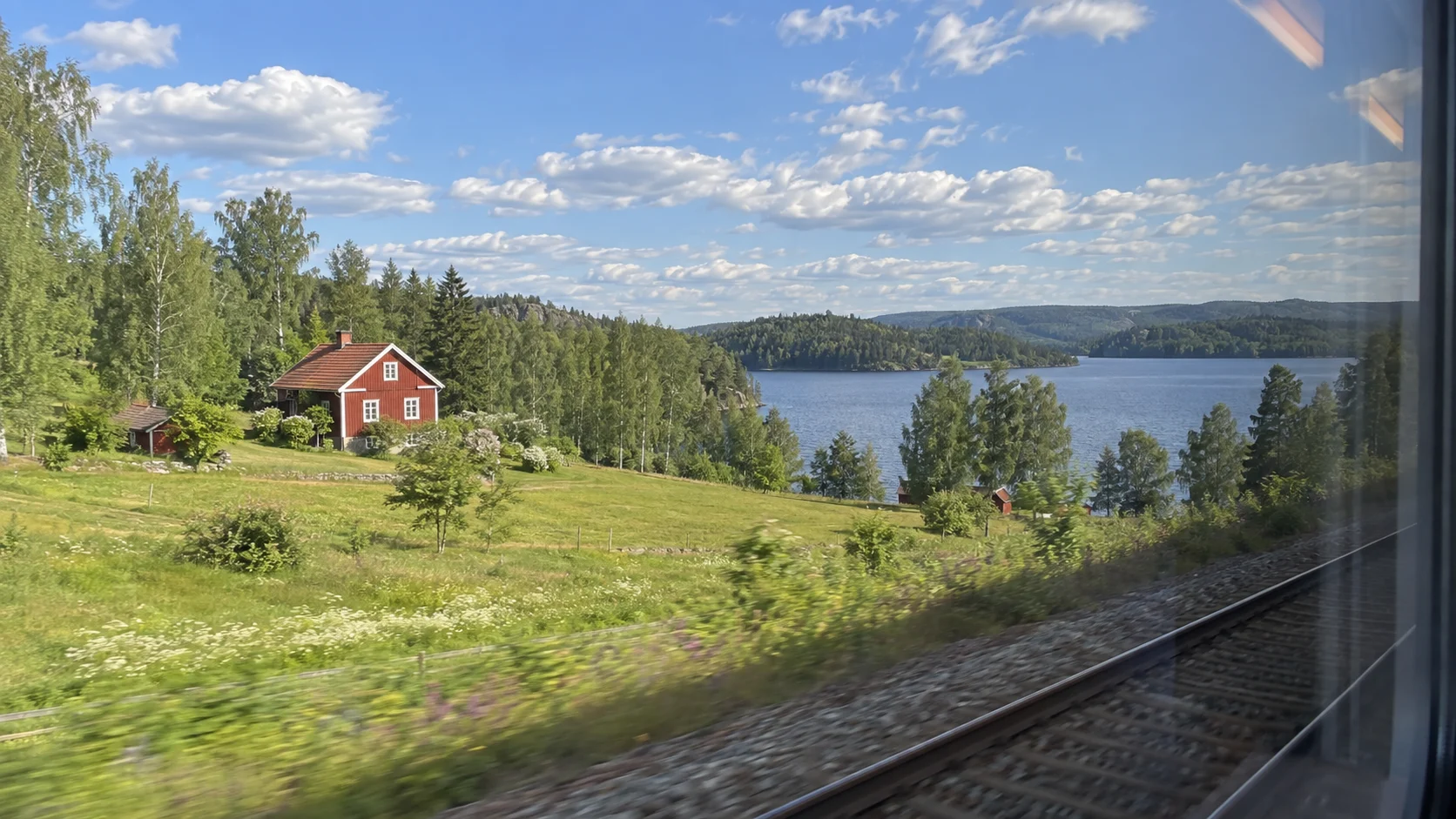
Day 5: Train to Gothenburg
Take a daytime train and keep the rest of the day light. Work continues on the Western Main Line through August 2027, according to SJ’s current project notice, so check the exact departure for rerouting, changed times, or replacement arrangements.
Do not assume all Swedish trains belong to one operator or accept one flexible pass. Buy the correct journey, reserve where required, and compare change or refund terms before choosing the cheapest ticket.
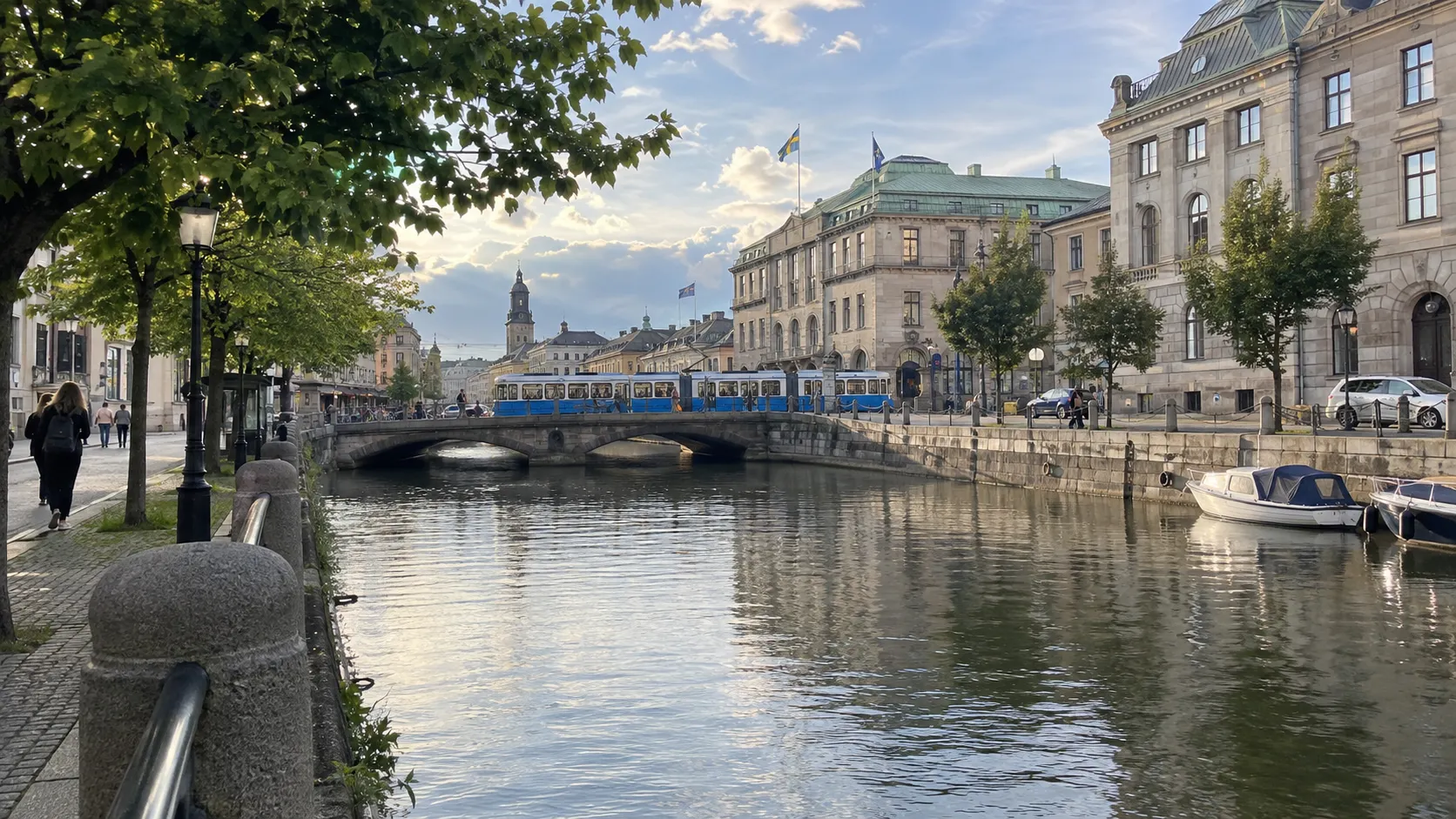
Day 6: Central Gothenburg
Build the day around the canals, Haga, a food market, design, and one museum or garden. Gothenburg is compact in the center, but trams save energy when weather turns or your interests sit on opposite sides of town.
Seafood can be a highlight, yet the best meal is not automatically the largest platter near a tourist corridor. Check current menus, sourcing details, opening days, and whether lunch offers better value.
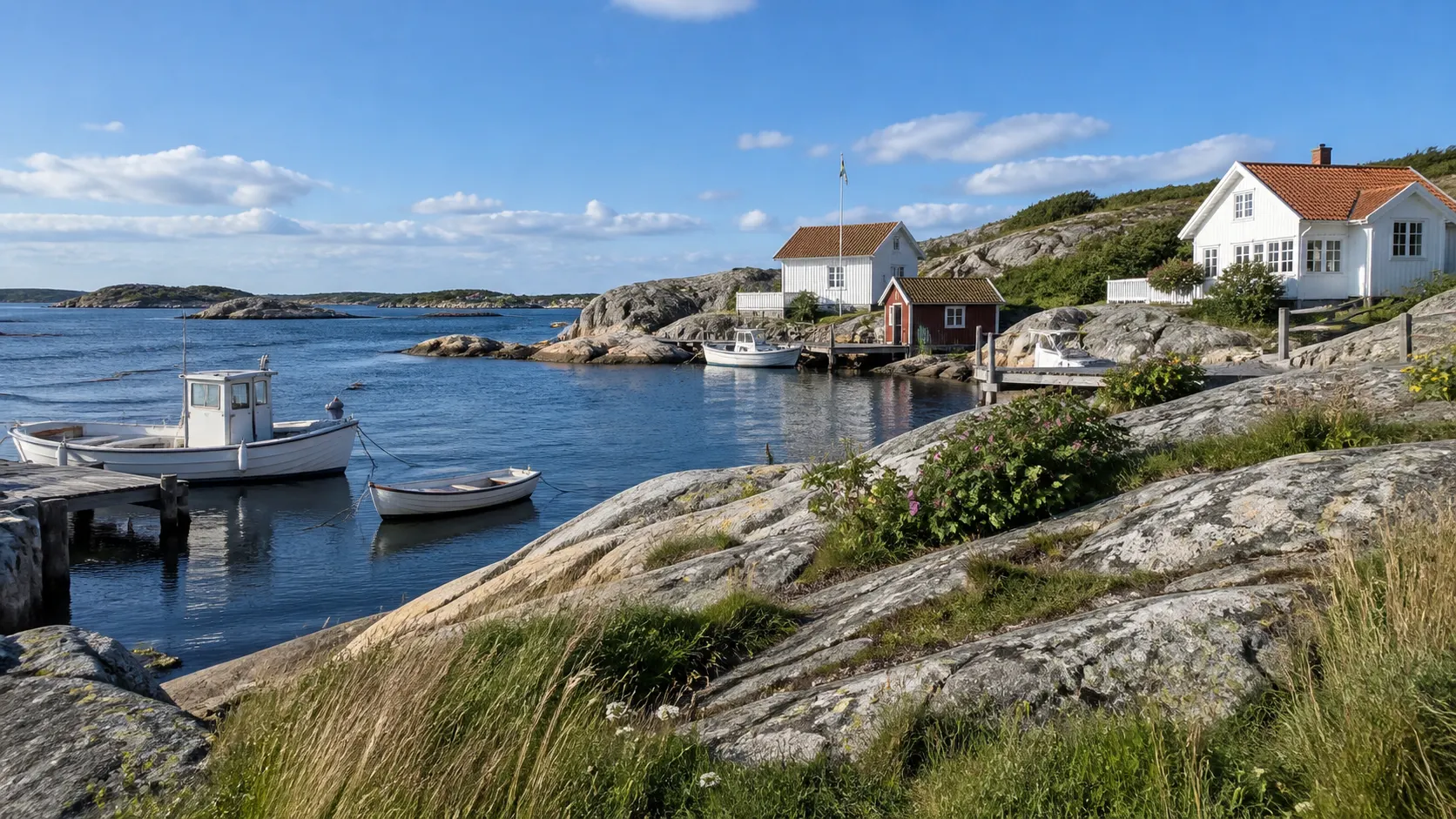
Day 7: Southern Archipelago
Use local transit to reach the southern archipelago, then choose one or two islands instead of collecting ferry stops. Confirm the last connection all the way back to your accommodation because an island boat and city tram are separate links in one chain.
Bring wind protection even on a bright morning, and pack food when seasonal cafés may be closed. Swimming conditions, docks, rocks, and water temperature require judgment rather than confidence borrowed from locals.
Day 8: Depart With a Buffer
If your international flight leaves Stockholm, return there the previous evening or use a flight itinerary with a sensible protected connection. A same-day cross-country rail trip attached to a separate overseas ticket transfers every delay risk to you.
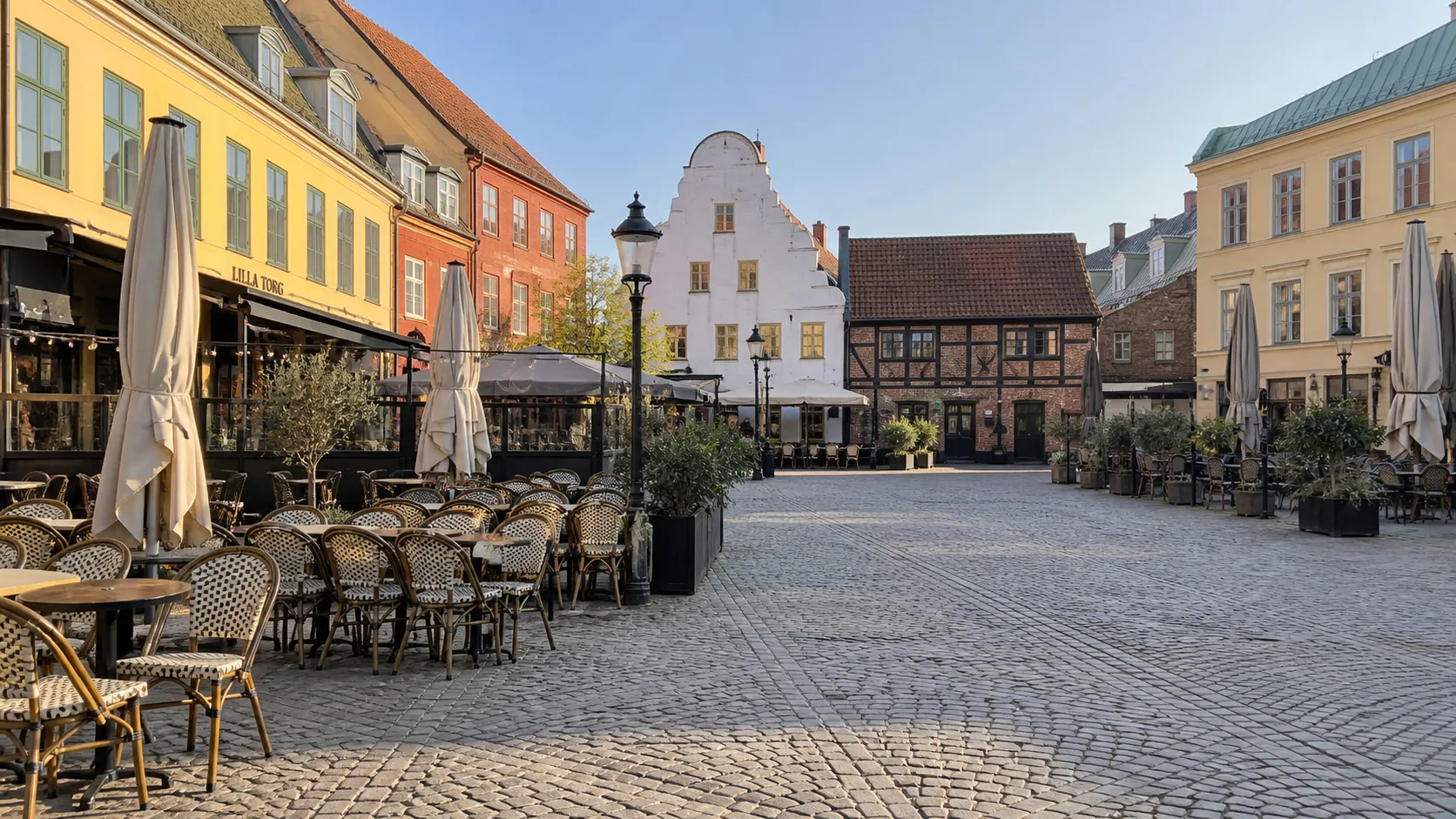
Should You Choose Malmö Instead?
Choose Malmö when contemporary food, parks, architecture, and an easy connection with Copenhagen appeal more than Gothenburg’s western islands. Base in Malmö for at least two nights so the city is not reduced to a side trip from Denmark.
Lund adds a compact university-town day nearby, while southern Skåne works better with additional time or a car. Crossing into Denmark still means carrying the proper travel document and checking the complete international ticket conditions.
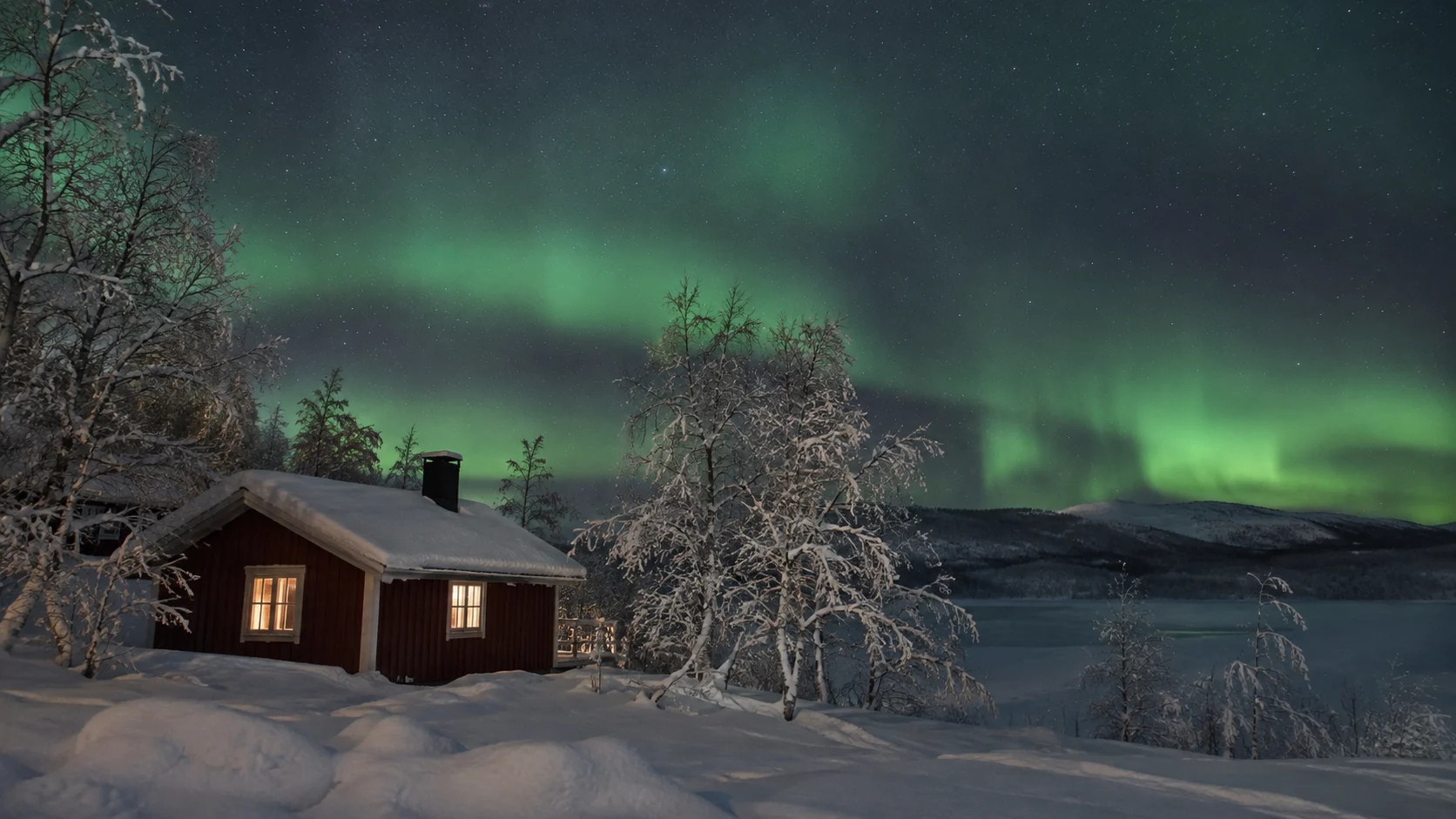
What About Swedish Lapland?
Lapland deserves four or more nights after travel time, especially for winter activities or northern-lights hopes. Kiruna, Abisko, Luleå, and smaller bases offer different combinations of rail access, flights, lodging, guides, and landscapes.
Choose one base around the activity you care about, then build in weather margin. Night trains save a hotel night but do not remove the need for warm equipment, daylight planning, transfer checks, and backup options.
Sweden and Norway combine naturally only when the route respects their scale. This first-trip Norway framework can help you decide whether a cross-border plan is coherent or two vacations forced into one week.
Getting Around Sweden
Long-Distance Trains
Stockholm to Gothenburg and Stockholm to Malmö are core rail corridors, but operators, ticket rules, and engineering work vary. Reserve the specific departure that protects your important plans and check its status again before leaving the hotel.
City Transit
Stockholm’s SL network includes metro, bus, tram, commuter rail, and some ferry travel, but not every boat or airport product follows the same fare rule. SL’s official English-language ticket page lists contactless cards, the app, SL cards, and paper tickets as current purchase options.
Use the same physical card or device each time when tapping contactless, and buy the right time-based pass if you expect many rides. Gothenburg, Malmö, and regional systems have their own apps and zones, so a Stockholm ticket does not become a national pass.
Rental Cars
A car is unnecessary for this seven-night route and can be a parking burden in the cities. Rent one for a defined countryside loop, then price fuel, tolls, ferries, parking, winter equipment, one-way fees, and insurance.
Money, Cards, and Tipping
Sweden uses the Swedish krona, not the euro, and cards dominate everyday payments. Carry two cards on different networks, know the PINs, and keep a modest cash backup without assuming every business must accept it.
Decline dynamic currency conversion when paying in dollars would create a poor exchange rate, unless you have compared the actual offer. Tipping is less structured than in the United States, so read the terminal carefully and treat a service charge or voluntary tip according to the venue.
Food and Fika Without Overplanning
Fika is a social coffee break, not a requirement to buy the biggest cinnamon bun every afternoon. Mix bakeries, food halls, casual lunch specials, grocery picnics, and one reserved dinner to control both cost and scheduling.
Try regional seafood, meatballs, open sandwiches, crispbread, cheeses, berries, and seasonal dishes without treating one national menu as universal. Tell restaurants about allergies clearly, and never assume a buffet label covers cross-contact.
Entry Rules
Sweden is in the Schengen area, so days elsewhere in Schengen count toward the same short-stay limit. Swedish Police states that third-country nationals need a valid passport that is less than 10 years old and generally valid at least three months beyond planned departure, with visa needs depending on citizenship and circumstances.
Verify the full rule on the official Swedish Police page before booking. Carry your passport on cross-border journeys because the absence of routine checks does not remove the travel-document requirement.
As checked September 4, 2026, ETIAS is not operating and no applications are being collected. Use only the official European Union ETIAS site for future status because look-alike services may charge for an authorization that is not yet available.
Nature Access Comes With Responsibilities
Sweden’s right of public access supports hiking, paddling, berry picking, and limited tent camping, but it is not permission to ignore homes, crops, wildlife, fire restrictions, or local rules. The Swedish Environmental Protection Agency’s official explanation centers responsibility to nature, landowners, and other visitors.
Protected areas can impose stricter rules, and off-road driving is not part of the right. Check the specific reserve or national park before camping, cycling, bringing a dog, lighting any fire, or using a drone.
Sweden Budget Advice
Book intercity trains and well-located summer lodging early, then keep city days flexible around free waterfronts, parks, and neighborhoods. A cheaper hotel far outside the center can lose its advantage after transit costs and late-night inconvenience.
Use grocery breakfasts or lunches strategically, refill water where potable, and compare attraction bundles against the museums you will truly visit. A pass is only a bargain when its included admissions and transportation match your actual dates.
Common Sweden Planning Mistakes
- Adding Lapland to a five-night Stockholm trip
- Assuming every archipelago boat accepts the same ticket
- Expecting euros or cash to work everywhere
- Booking three large Djurgården museums in one afternoon
- Ignoring midsummer closures and reduced city routines
- Leaving a cross-country train for flight day
- Treating the right of public access as rule-free camping
A southern-archipelago day you can actually follow
I would choose Donsö for a first island day, with a harbor walk and lunch rather than multiple ferry changes. Take tram 11 from central Gothenburg toward Saltholmen, then allow roughly 10 minutes to walk to the ferry and find the right berth; Styrsöbolaget confirms the year-round tram connection.
Use Västtrafik boat 281 on a departure calling at Donsö, then return from the same island to Saltholmen and tram back to town. Budget about 45 minutes for the central-city tram and walking portion and roughly 25 to 45 minutes for the ferry, depending on its stops, plus waiting time; reserve six to seven hours for the whole outing.
Give Donsö two to three hours for the fishing harbor, village lanes, and a meal, checking the chosen restaurant’s opening day before departure. Bring a picnic backup and a windproof layer, because seasonal dining and exposed ferry decks can surprise you even when downtown feels warm.
Save two return sailings before leaving the mainland and aim for the earlier one. For a shorter day, stay around the harbor and return after lunch; if wind disrupts sailings, keep the day on the mainland rather than relying on the last boat or adding a second island.
My Sweden Recommendation
Spend four nights in Stockholm and three in Gothenburg, with one weather-flexible archipelago day in each city if islands are your priority. Swap Gothenburg for Malmö only when Copenhagen and southern Sweden are more important than the west coast.
Keep Lapland for a second trip or add at least four focused northern nights. Sweden feels generous when you let daylight, ferries, neighborhoods, and coffee breaks set the rhythm, and punishing when every beautiful region becomes a transfer deadline.