Srinagar Travel Guide: Safety Advice and a Conditional Trip Plan
Srinagar is a beautiful city of lakes, gardens, shrines, houseboats, and mountain views. It is also a destination where current security advice has to come before the wish list.
A leisure trip should be postponed when your government advises against travel to Srinagar. This guide explains the current warning and preserves a practical plan for use only after official advice materially improves.
My Current Recommendation: Postpone
The current U.S. State Department India advisory places the Union Territory of Jammu and Kashmir at Level 4, Do Not Travel. It specifically says violence can occur at tourist spots in the Kashmir Valley, including Srinagar, Gulmarg, and Pahalgam.
That is not a vague warning about a distant border. It directly covers the city and the popular day trips most visitors would build around it.
The United Kingdom and Canada also advise against travel to Jammu and Kashmir as of this check. Your own government’s wording, insurance exclusions, employer rules, and personal circumstances should determine the decision.
Do not treat a quiet week, a low airfare, or a reassuring social post as evidence that the official risk has disappeared. Conditions and restrictions can change quickly, while consular assistance may be limited.
Why Keep Planning Information at All?
Postponing does not mean Srinagar lacks value. It means the city deserves a trip made when the risk, insurance, and transport pieces are acceptable rather than a hurried attempt to work around warnings.
The itinerary below is intentionally conditional. Use it only after rechecking official advice, local restrictions, flights, road access, and your coverage for the actual travel dates.
If you want an Asian city trip now, my Tokyo planning guide offers a very different, transit-friendly alternative. The Chiang Mai guide is a better fit for travelers prioritizing temples, food, and mountain access in a lower-friction destination.
Understand Srinagar Before Building an Itinerary
Srinagar spreads around Dal Lake, Nigeen Lake, the Jhelum River, historic neighborhoods, gardens, and newer commercial districts. It is not one compact old town where every major sight sits within an easy walk.
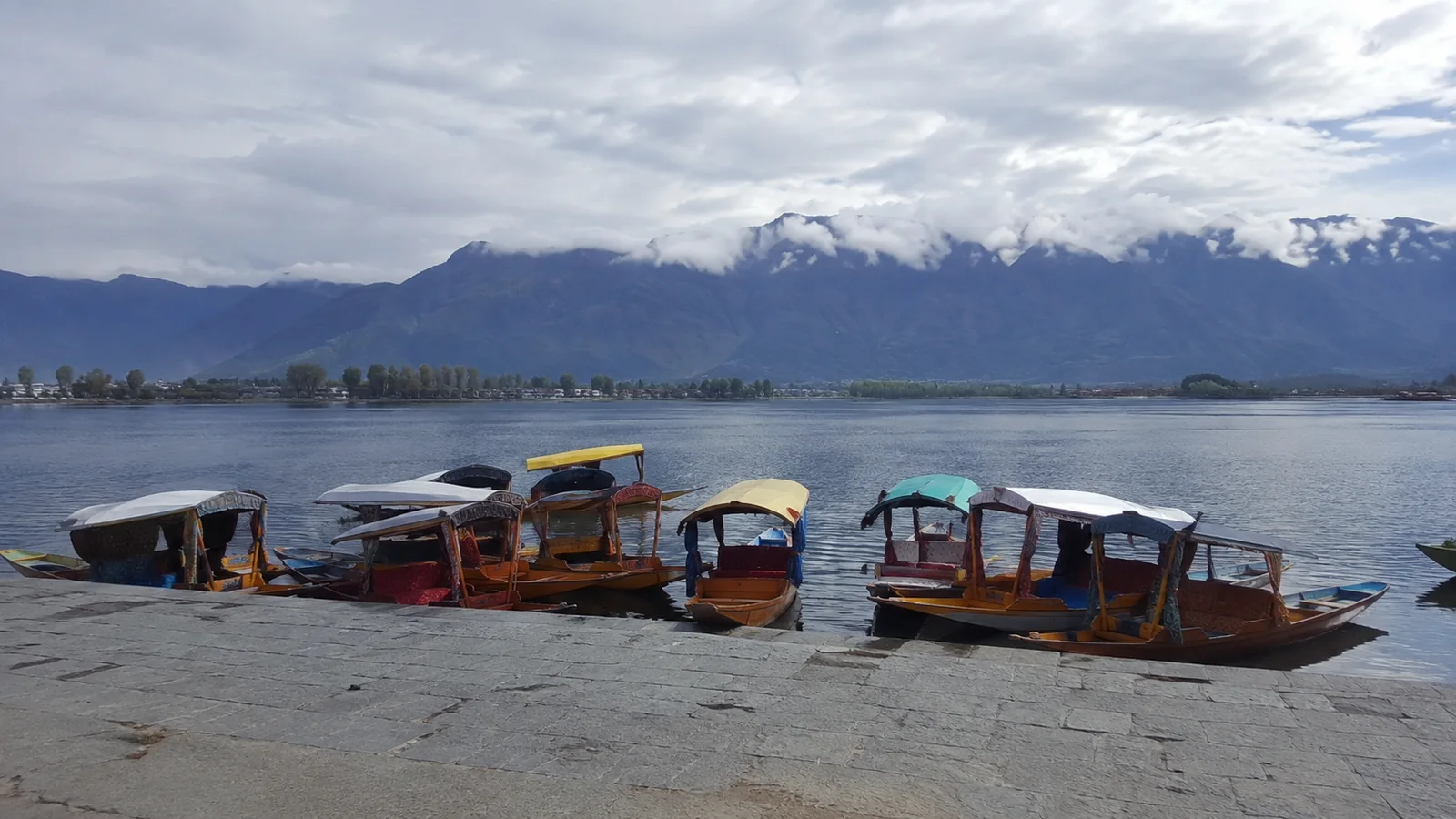
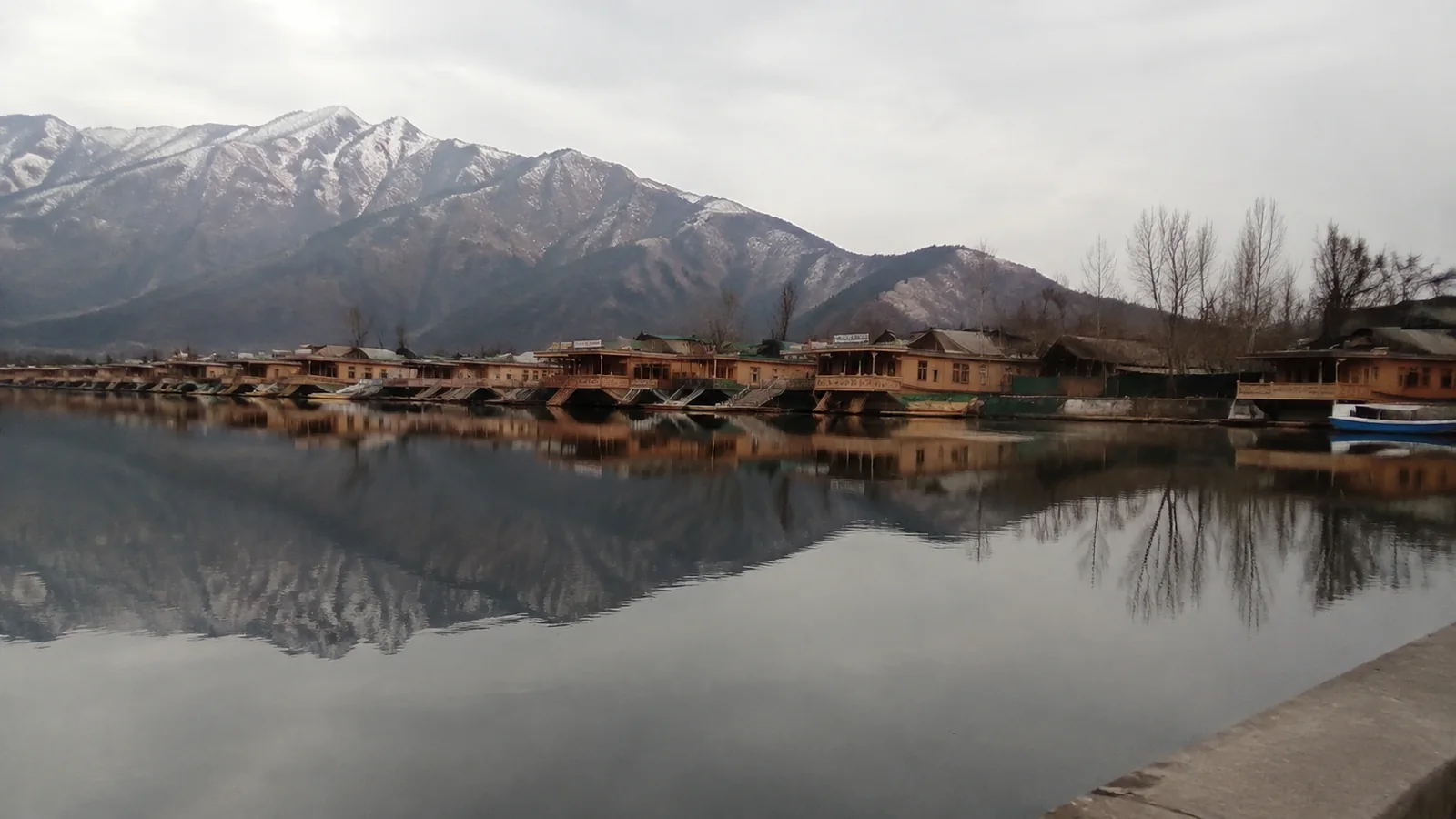
Dal Lake is the visual center of most leisure trips. The government-owned Jammu and Kashmir Tourism Development Corporation describes houseboats, gardens, orchards, and shikara rides as defining parts of the lake experience on its official Dal Lake page.
Nigeen Lake tends to appeal to travelers looking for a quieter water setting, while Boulevard Road keeps Dal Lake hotels and boat access closer to city activity. Old Srinagar adds markets, mosques, shrines, wooden architecture, and narrower streets that need a separate route.
The Places I Would Prioritize Later
Dal Lake and a Shikara Ride
A shikara ride is not just transportation to a houseboat. It is the easiest way to understand the lake’s channels, gardens, settlements, vendors, and relationship to the city.
Agree on route, duration, price, boarding point, stops, and return before leaving the dock. A short sunset loop and a longer morning trip are different products, so “boat ride” is not a complete booking description.

Nishat Bagh and Shalimar Bagh
Nishat Bagh and Shalimar Bagh are the two Mughal gardens I would put first. Their terraced layouts, water channels, mature trees, and lake-and-mountain setting give more context than racing through every named garden.
Garden hours, fountains, restoration zones, and admission can change. Verify them locally rather than building the entire day around an old opening-time screenshot.
Hazratbal Shrine
Hazratbal stands on the northern side of Dal Lake and is an active Muslim place of worship, not merely a photo stop. Dress conservatively, follow gender-specific access instructions, remove shoes where directed, and avoid interrupting prayer.
Religious calendars can change crowd levels and access. Ask before photographing people or sacred areas, even when phones are visible around you.
Shankaracharya Hill
The hilltop temple is valued for both worship and broad views over Srinagar. Security screening, vehicle controls, steps, weather, and photography restrictions make it a stop to verify on the day.
This is not the place to arrive with a rigid sunset deadline. Allow time for checkpoints and respect any instruction that limits devices, bags, or access.
Old Srinagar
Old Srinagar deserves a guided half-day when conditions support it. Jama Masjid, Khanqah-e-Moula, markets, bridges, and traditional wooden buildings reveal a city very different from the lakefront resort image.
I would use a reputable local guide for historical and cultural context, not as a guarantee of safety. Avoid demonstrations, political gatherings, security operations, and any route local authorities tell visitors to leave.
A Conditional Three-Day Srinagar Itinerary
This plan is for a future date when government advice, insurance, and current local conditions make the trip reasonable. It deliberately keeps Gulmarg, Pahalgam, and Sonamarg out because each is a separate day with its own roads and security considerations.
Day 1: Dal Lake and the Gardens
Begin with a daylight shikara ride after confirming current lake conditions and the full price. Continue to Nishat Bagh and Shalimar Bagh, then keep sunset flexible rather than forcing another cross-city stop.
Sleep in a hotel near Boulevard Road if easy vehicle access matters most. Choose a houseboat only after completing the operator and transfer checks below.
Day 2: Faith, History, and Old Srinagar
Visit Hazratbal at an appropriate non-prayer time, then explore Old Srinagar with a locally informed route. Finish at a hotel restaurant or well-established dining area rather than improvising transport late at night.
Keep this day cancellable. A closure, religious observance, protest, traffic restriction, or security instruction should reshape the route immediately.
Day 3: Shankaracharya and a Buffer
Use the morning for Shankaracharya Hill if access is open, then reserve the afternoon for weather delays, a second garden, crafts shopping, or rest. A buffer is more valuable here than squeezing in a distant excursion.
If your flight leaves on day three, skip the hill and go directly to the airport with generous time. Checkpoints and traffic make a tight final morning a poor bargain.
When Srinagar Is Most Comfortable
Spring brings blossoms and cool, changeable weather, while summer generally offers the warmest conditions for gardens and lake time. Fall brings turning leaves and crisper nights, and winter can mean snow, reduced services, and transport disruption.
There is no permanently “best” month because security, rain, heat, snow, air quality, road status, and crowd levels can outweigh averages. Check the India Meteorological Department forecast close to travel and confirm conditions with the accommodation.
- March through May: Strong garden interest, with layers and rain protection still important.
- June through August: Warmer days and a busier tourism period, with variable rain and security conditions.
- September through November: Cooler weather and fall color, with shortening daylight later in the season.
- December through February: Snow atmosphere, but the highest need for heating and transport backup.
Getting There and Around
Srinagar Airport is the practical entry point for most visitors. India’s official aeronautical information identifies it as a civil enclave with international status and places the city roughly 7.5 miles north of the airfield on the AAI airport page.
Operations can be affected by weather, security, or runway work, so use the airline and airport for same-day status. I would arrange a named hotel transfer, share the driver details, and avoid building a long road excursion immediately after arrival.
Within Srinagar, a prearranged car and driver is easier for spread-out gardens and shrines than relying on spontaneous rides. Confirm whether parking, waiting time, checkpoints, and an evening return are included.
Walking works within individual areas, but traffic, street design, uneven surfaces, and security controls can interrupt a route. Anyone with limited mobility should ask for step counts, vehicle drop-off points, boat boarding details, and restroom access for each stop.
Houseboat or Hotel?
A houseboat is Srinagar’s most distinctive lodging choice, but quality and access vary. The room may remain stationary while a shikara transfer handles the final approach, making luggage and late arrivals more complicated than a roadside hotel.
- Confirm the exact boat name, lake, mooring area, and current exterior photos.
- Ask whether the quoted rate includes every boat transfer to shore.
- Verify heating, hot water, power backup, Wi-Fi expectations, and meal plan.
- Request step, gangway, handrail, and bathroom details for mobility needs.
- Ask about fire safety, emergency exit, life jackets, and nighttime staffing.
- Read cancellation terms for flight disruption, curfew, or access restrictions.
A hotel is the sensible choice for the first and last night because road access simplifies airport timing. One houseboat night can provide the atmosphere without making every transfer dependent on the lake.
Food, Dress, and Cultural Respect
Kashmiri food is reason enough to slow down. Look for rogan josh, yakhni, haak, dum aloo, breads from a kandur bakery, and kahwa, while asking about spice, meat, and dietary needs rather than assuming a familiar name means a familiar recipe.
Wazwan is a multi-course Kashmiri feast and works best when arranged intentionally, especially for a group. A hotel or reputable host can explain portion size, service style, and vegetarian alternatives before you commit.
Dress modestly for religious sites and carry a scarf or layer that can cover shoulders and legs. My travel essentials checklist for women can be adapted, but local weather, culture, and medication needs should decide the final bag.
Ask permission before photographing worshippers, vendors, security personnel, or private homes. Do not photograph checkpoints, military sites, or anything authorities prohibit.
Passport, Visa, and Communication Checks
Foreign visitors need a valid passport and the appropriate Indian visa or other qualifying status. The government’s official India Visa Online portal is the place to verify current visa, eVisa, arrival-card, and entry steps.
Do not use a lookalike visa website or pay an unofficial agent for an “emergency” approval. Match every requirement to your passport, purpose, arrival point, and date.
Download documents and essential contacts for offline use, but check device rules before packing. The current U.S. advisory warns against bringing satellite phones or GPS devices into India, so ordinary outdoor gear can create a serious legal problem.
If You Still Consider Traveling
I cannot turn a Level 4 destination into a low-risk trip with a checklist. Anyone considering travel despite the warning should understand that insurance may exclude losses, assistance may be constrained, and plans can change without notice.
- Review your government’s exact advisory and high-risk travel guidance.
- Get written confirmation of medical, evacuation, cancellation, and security coverage.
- Use refundable flights, lodging, transfers, and excursions where possible.
- Share an itinerary and daily check-in plan with someone at home.
- Avoid political gatherings, demonstrations, border areas, and unofficial detours.
- Follow local authorities immediately if movement or communications are restricted.
Who Should Postpone Without Hesitation?
I would not choose Srinagar now for a first solo trip, a tightly timed celebration, or a vacation whose cost is uninsured against advisory-related disruption. Travelers needing predictable medical access, step-free movement, or constant connectivity also face extra uncertainty.
Families should not interpret popularity with domestic tourists as a substitute for their own risk assessment. A destination can be culturally important, locally loved, and commercially active while foreign governments still advise against travel.

The Bottom Line
Srinagar’s Dal Lake, Mughal gardens, religious heritage, crafts, and cuisine make a compelling future trip. As of September 2026, the current Level 4 U.S. advice is decisive enough that I would save the itinerary and postpone.
Recheck the advisory before every nonrefundable payment, not only before departure. When official guidance improves and your insurance follows it, this three-day framework will still be ready.