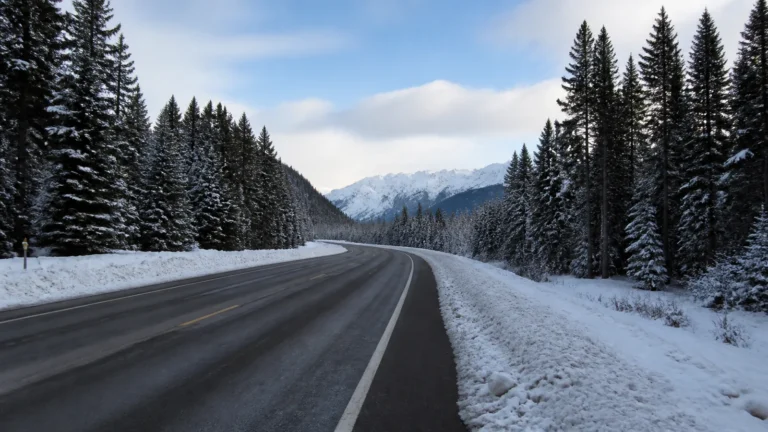
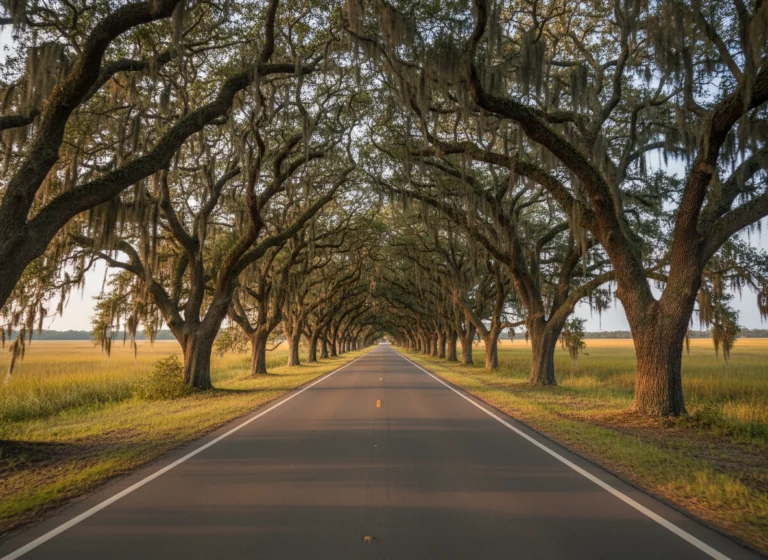
Road Trip With Friends in the USA: 6 Routes That Work
A road trip with friends can produce the year’s best running joke or a silent final drive to the airport. The difference is rarely the playlist; it is choosing a route that fits everyone, agreeing on money, and giving the driver enough time to become a person again.
Six routes that work for different friend groups
- Best for hikers: Las Vegas and southern Utah, 9 to 10 days.
- Best for coast and food: San Francisco to Los Angeles, 7 to 10 days.
- Best for fall color: Boston, Maine, and New Hampshire, 7 to 9 days.
- Best underrated big loop: Chicago and the Great Lakes, 9 to 12 days.
- Best mountain drive: Blue Ridge Parkway and the Smokies, 6 to 8 days.
- Best winter escape: Miami to Key West, 4 to 6 days.
These durations include actual time outside the car. If your group wants late breakfasts, long hikes, breweries, beaches, and four golden-hour photo stops, the mileage must become less ambitious to leave time to enjoy them.
1. Las Vegas and southern Utah
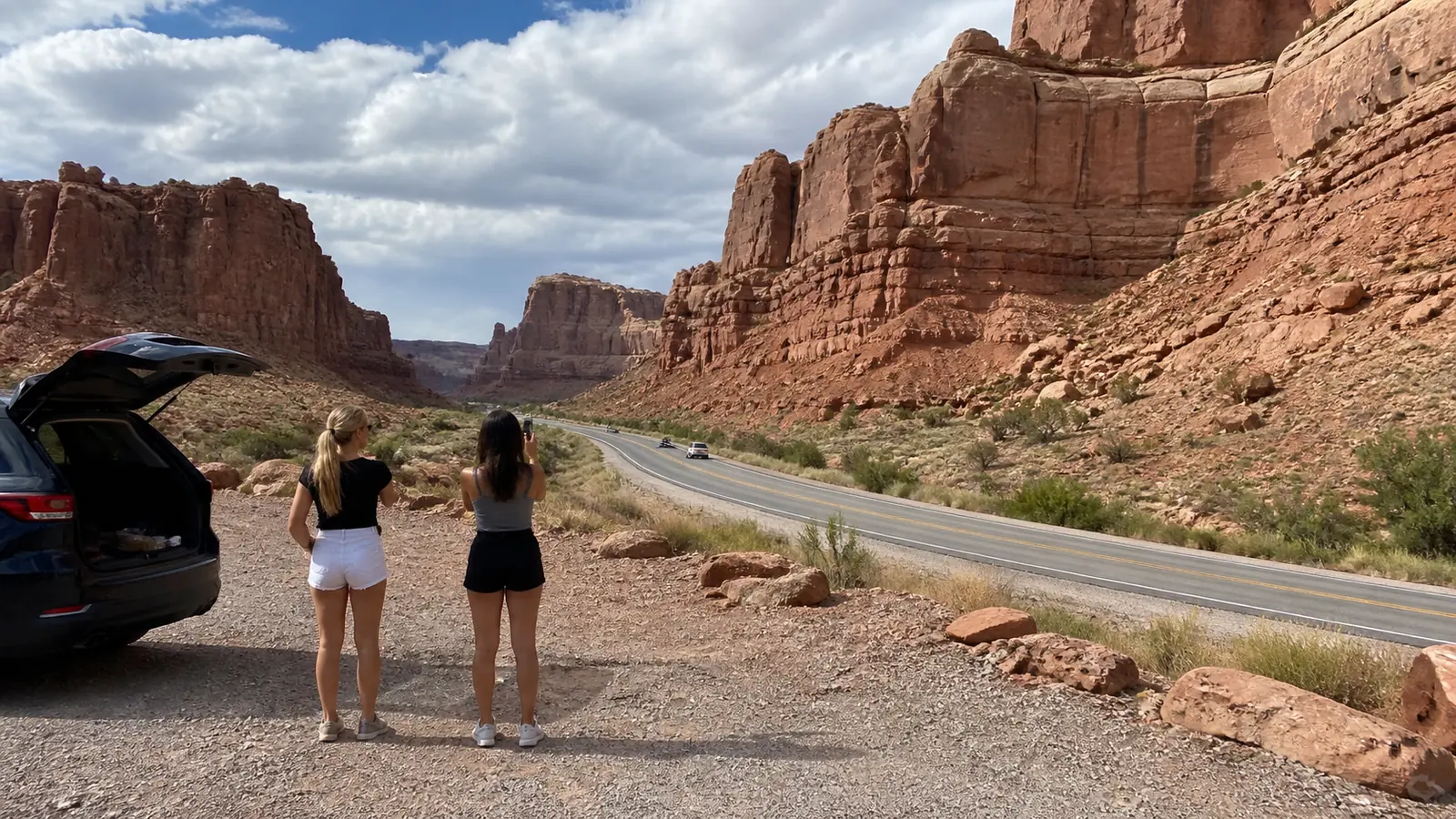
This loop combines one city night with Zion, Bryce Canyon, Capitol Reef, and the Moab area. It suits active friends who will happily trade nightlife after the first evening for early trailheads, red-rock drives, and dusty shoes in every corner of the car.
A workable rhythm is Las Vegas, two nights near Zion, one near Bryce, one or two around Capitol Reef, three in Moab, then a final travel night. Moab supports both Arches and Canyonlands, but each deserves its own day rather than a sunrise-to-sunset national-park speed date.
During shuttle season, private vehicles cannot use Zion Canyon Scenic Drive, and the park shuttle itself needs no reservation. Check the current Zion shuttle rules, trail permits, heat warnings, and parking status before building a minute-by-minute plan.
This route is poor for a group split between serious hikers and friends who dislike heat, heights, or early mornings. Fix that by choosing scenic drives and short walks everyone can share, then schedule optional harder hikes without guilt or forced cheerfulness.
2. San Francisco to Los Angeles by the coast
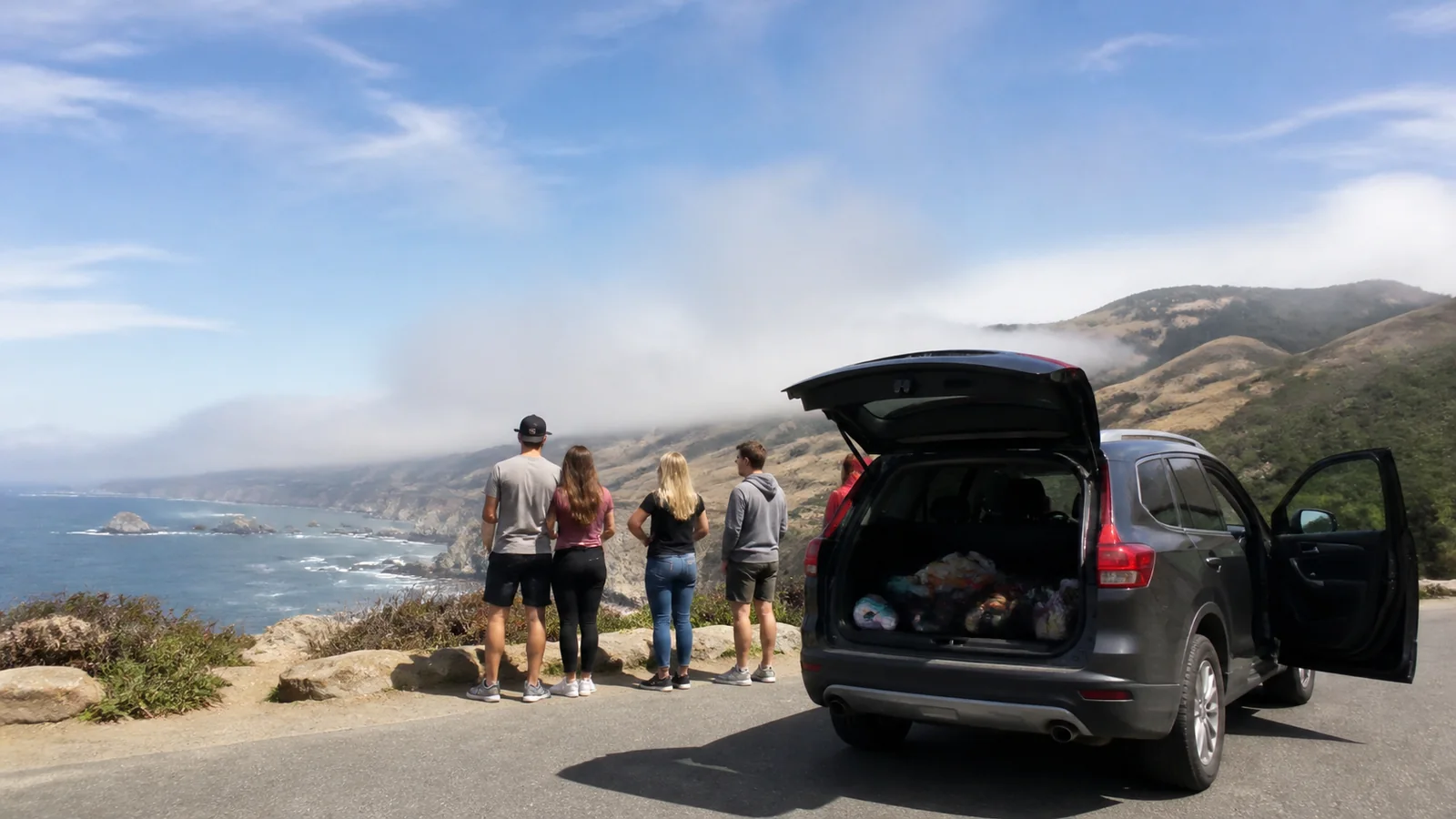
Choose the California coast for cliff scenery, small towns, seafood, wine country detours, and city bookends. Seven days covers San Francisco, Monterey or Carmel, Big Sur when open, the central coast, Santa Barbara, and Los Angeles; ten days makes the route feel like a vacation.
Highway 1 is especially vulnerable to fires, slides, storms, and emergency work. On September 4, 2026, a wildfire closure again interrupted through travel in Big Sur, even though the Regent’s Slide section had reopened earlier in the year.
Use Caltrans’ live Highway 1 status immediately before each driving day, and obey emergency closures. If the road is interrupted, use U.S. 101, preserve confirmed lodging where practical, or postpone Big Sur rather than turning evacuation traffic into sightseeing.
One-way car-rental charges can change the budget, while parking in both major cities can punish a vehicle that mostly naps in a garage. Consider collecting the car after San Francisco and returning it on arrival in Los Angeles.

3. Boston, Maine, and New Hampshire
This New England loop works for friends who want towns, seafood, lighthouses, moderate hikes, and enough cafes to support different morning personalities. Run from Boston through Portsmouth and Portland to Acadia, then return through the White Mountains.
Give Acadia at least two full days because fog, rain, parking, and group pace can reshape the plan.
For 2026, Acadia requires a vehicle reservation for Cadillac Summit Road from May 20 through October 25. The National Park Service reservation page explains the staggered release, and the reservation is separate from park entry.
Fall color is not an appointment, and peak timing varies by latitude, elevation, and weather. Book refundable lodging when possible, then enjoy the coast and towns even if the trees have declined to coordinate outfits.
4. Chicago and the Great Lakes
A Great Lakes loop is the best choice for a group that wants freshwater coast, city food, forests, small towns, and fewer famous-photo bottlenecks. Start in Chicago, move through Milwaukee and Door County, cross into Michigan’s Upper Peninsula, then curve through Mackinac or lower Michigan.
Nine days is the minimum for a focused version, while 12 to 16 supports Pictured Rocks, Marquette, waterfalls, Mackinac Island, and breathing room. Lake distances are deceptive, ferries and seasonal businesses use schedules, and a map’s “quick detour” can quietly consume half a day.
The site’s Great Lakes road trip itinerary breaks the wider loop into realistic segments. Friends who dislike long drives can trim it to Chicago, Milwaukee, and Door County without somehow failing the Midwest.
5. Blue Ridge Parkway and Great Smoky Mountains
This drive fits friends who prefer overlooks, cabins, music, mountain towns, and flexible walks over a checklist of major national parks. A useful route links western Virginia or Roanoke with Asheville, Great Smoky Mountains National Park, and Knoxville.
Do not assume the Blue Ridge Parkway is continuously open. As checked September 2026, the National Park Service still listed Helene-related closures and construction, including closed segments around the Mount Mitchell area.
Build each day from the live Blue Ridge Parkway road status, not from an old mileage chart. Detours may be ordinary highways with faster traffic and fewer overlooks, so reduce the day’s stops when the route changes.
Two cabins can be friendlier than one giant rental when sleep schedules and bathroom demand differ. Keep at least one evening unplanned for takeout, cards, and the radical group activity known as sitting down.
6. Miami to Key West
The Florida Keys route is the compact winter choice, running roughly 165 miles one way from Miami to Key West. Stop in Key Largo, Islamorada, and Marathon so the Overseas Highway becomes the trip rather than a long approach to one expensive hotel.
Four days is workable, while six permits snorkeling, paddling, state parks, seafood, and weather flexibility. If every friend wants nightlife in Key West, place two nights there and do not ask the designated driver to turn sunset into a race back up the Keys.
Hurricane season, bridge incidents, heavy weekends, and limited alternate roads can affect the entire chain. Keep fuel reasonable, download maps, protect flight margins, and check local emergency and weather information during storm season.
Beach priorities vary sharply across Florida, so compare the Keys with the options in the site’s Florida beaches overview. Choose the Keys for reef access, water, bridges, and island-town atmosphere, not for miles of broad Atlantic sand.
The day-by-day choices I would make
Use these as compact trip shapes, with driving allowances that exclude sightseeing, meals, and traffic. I would choose the named daily anchor first, then keep the detour optional so weather or a slow start does not make the whole day late.
Southern Utah: Las Vegas, Springdale, and Bryce Canyon City
Give Las Vegas one arrival night, then drive about 2.5 to three hours to Springdale for two nights near Zion. I would choose Riverside Walk as the first park outing when open, then move roughly two hours to Bryce Canyon City for a night and the easier rim viewpoints before deciding on a below-rim hike.
An extra Zion night is more useful than adding another distant park, and snow or heat can change the walking plan. Skip Bryce if the group only has four nights, and keep a Las Vegas hotel night before an early flight rather than drive from Utah in the dark.
California: San Francisco, Monterey, Morro Bay, and Los Angeles
Sleep two nights in San Francisco, two in Monterey, one in Morro Bay, and two in Los Angeles for a week with real city time. Allow roughly 2.5 hours San Francisco-to-Monterey, three hours Monterey-to-Morro Bay using the inland highway, and four hours onward to Los Angeles before traffic and stops.
I would use Monterey’s coastal trail and Morro Bay’s Embarcadero as easy walks, with Santa Barbara the optional food stop on the final leg. While Big Sur is interrupted by emergency closures, keep U.S. 101 as the transfer route and drop the coastal detour completely.
New England: Boston, Portland, and North Conway
Spend two nights in Boston, two in Portland, and two in North Conway, with roughly two hours driving on each transfer before stops. I would choose Boston’s waterfront and a short Freedom Trail section, Portland Head Light’s permitted paths, and a weather-appropriate White Mountains viewpoint on separate days.
A Portsmouth lunch is the easy coast detour, and an extra Maine night is preferable to adding Bar Harbor to a short week. In mountain rain or snow, choose North Conway town time and a shorter drive instead of assuming the Kancamagus Highway guarantees clear views.
Great Lakes: Chicago, Milwaukee, and Door County
Use Chicago for two nights and Milwaukee for one or two before driving roughly three hours to a Sturgeon Bay or Fish Creek base for two nights. I would make Chicago’s lakefront, Milwaukee’s RiverWalk, and a short Peninsula State Park shoreline outing the daily anchors, with park access checked locally.
A Wisconsin lakeshore lunch is the optional detour, and a Milwaukee-to-Chicago return needs its own driving allowance of roughly two hours before traffic. For a five-day trip, skip Door County so a shared meal and a museum do not feel like delays.
Blue Ridge and Smokies: Asheville, Cherokee, and a park base
Stay two nights in Asheville, then use Cherokee or Bryson City for two more, allowing roughly 1.5 hours of direct driving before stops. I would choose an Asheville neighborhood morning, the Oconaluftee River Trail when open, and a scenic park drive on separate days rather than promise a continuous Parkway connection.
Use the current NPS road map for every mountain segment and add Gatlinburg only if a full extra travel day fits the group. If rain, fog, or recovery closures remove the scenic drive, stay with town food and museums and skip the cross-mountain detour.
Florida Keys: Miami, Islamorada, and Key West
Give Miami one night, Islamorada two, and Key West two or three, with roughly two hours Miami-to-Islamorada and another two hours to Key West before traffic and stops. I would choose a short shore walk in Islamorada, a Bahia Honda stop after the Seven Mile Bridge, and a Key West old-town walk on separate days.
Reserve a Turtle Hospital visit in Marathon only if it fits the transfer day, and omit it if the group starts late. Drive back toward Miami the day before an early flight, because a single highway disruption can remove the margin you thought you had.
Choose the route before choosing the group chat name
Ask each traveler to name three priorities, one hard no, a comfortable trip budget, preferred dates, and maximum trip length. The route should satisfy everyone’s top tier at least once, but it does not need to fulfill every person’s full vacation fantasy daily.
Then agree on the pace: relaxed, balanced, or ambitious. For a balanced sightseeing trip, I plan no more than about four to six scheduled driving hours on a transfer day and much less on a day containing a major hike or city.
That is a planning preference, not a safety threshold. Weather, night driving, driver experience, mountain roads, fatigue, and traffic can require a much shorter day.
Settle the money rules before booking
Create one shared estimate covering rental car, fuel, tolls, parking, lodging, park fees, groceries, and agreed group activities. Keep personal meals, alcohol, shopping, and optional excursions separate unless everyone explicitly wants a common pot.
Choose the split rule before anyone pays a nonrefundable deposit. Equal shares work for equal rooms and use, while different bedroom privacy or trip length may deserve a different allocation agreed in writing.
A shared expense app is useful, but it cannot decide whether the person sleeping alone in the primary suite owes the same as two friends on a sofa bed. Agree on that split before anyone makes the reservation.
Collect meaningful deposits and set a cancellation deadline. One organizer should not finance four people’s vacation while everyone else responds to payment reminders with a thumbs-up emoji.
Pick the right vehicle and drivers
Count adults, full-size suitcases, coolers, mobility equipment, and hiking gear before reserving. A vehicle advertised for seven passengers may technically contain seven seats without containing seven comfortable humans and their belongings.
Verify every authorized driver, age surcharge, mileage limit, toll system, roadside assistance, geographic restriction, and insurance decision in the rental contract. Check whether a personal auto policy or credit card benefit actually covers that vehicle, driver, rental length, and activity.
Schedule driving shifts before the trip and let any driver decline mountain, city, night, or severe-weather driving. Navigation belongs to the front passenger, while the driver gets final authority to stop when tired.
NHTSA recommends seat belts for every passenger on every trip and warns against impaired, distracted, speeding, or drowsy driving. Its road-trip safety checklist also covers tires, fluids, batteries, recalls, emergency supplies, and hot-weather risks.
Book lodging that protects the friendship
Ask about bed sharing, snoring, early alarms, accessibility, and bathroom expectations directly. “Sleeps eight” may count a pullout beside the refrigerator, so ask for the actual bed and room layout.
Use free cancellation when route conditions are unstable, but understand each deadline and local time zone. Save property addresses and confirmation numbers offline, and call if arriving after the desk closes.
Alternate social rentals with hotels when useful. A cabin provides a kitchen and living room, while a motel can deliver separate beds, quicker departures, and blessedly fewer arguments about cleaning fees.
Build one plan everyone can live with
- Choose one daily anchor that the whole group values.
- Add one optional activity for different energy levels.
- Protect an unplanned hour before dinner.
- Set a departure time and a realistic ready time.
- Download maps, reservations, and emergency contacts.
- Decide who controls music, navigation, parking, and food stops.
Split up occasionally without making it dramatic. Two friends can hike while two browse town, then everyone meets for dinner with new stories instead of negotiating the same afternoon into mush.
For long transfer days, rotate music with podcasts, silence, and the site’s road trip games. The driver always gets veto power over anything distracting.
What to pack for a group road trip
- Driver’s licenses, rental documents, insurance details, and offline confirmations.
- Charging cables, one car charger, and a power bank per person.
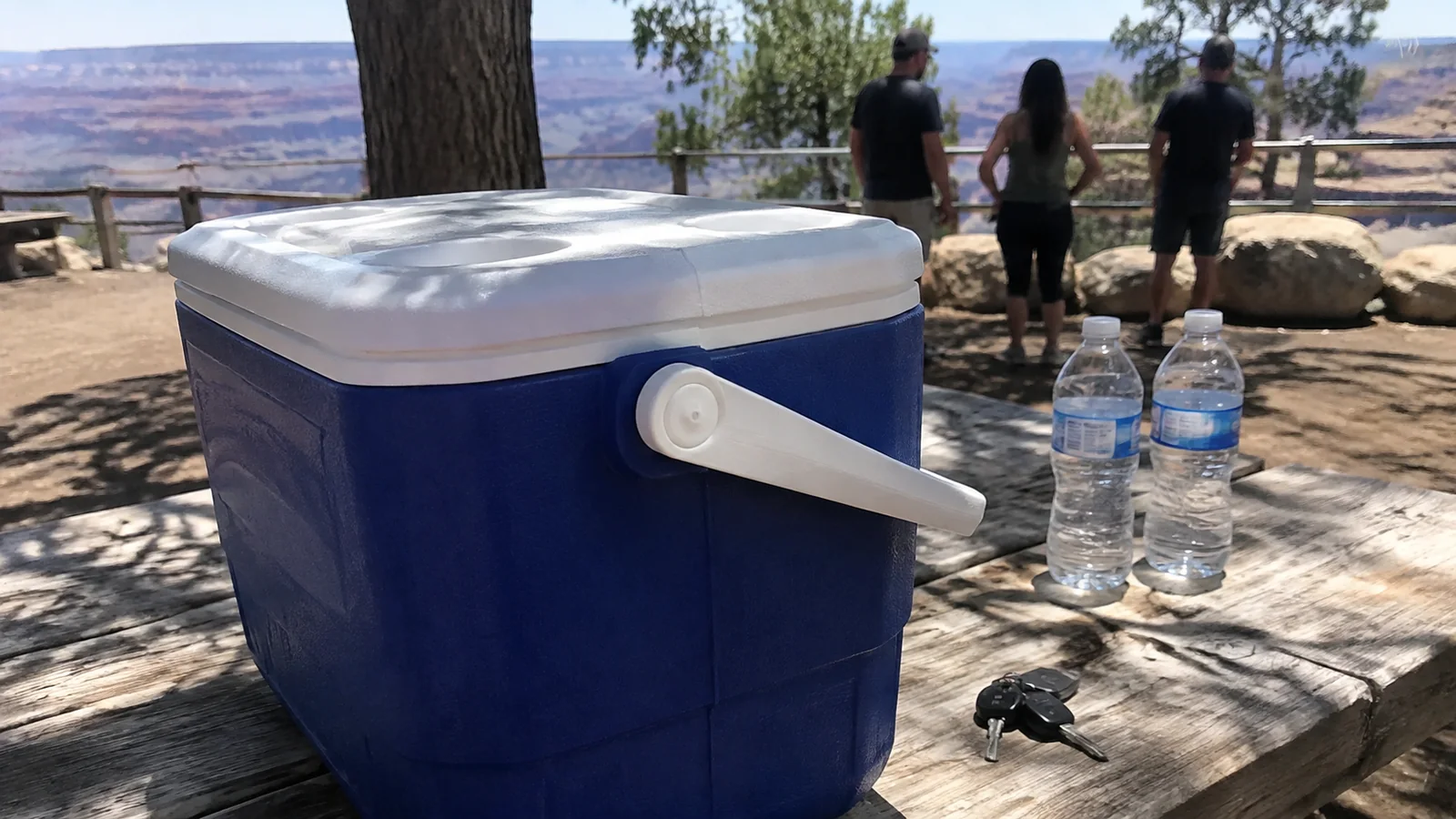
- Refillable water bottles and a small cooler that still leaves luggage room.
- First-aid supplies, required medication, sunscreen, and weather layers.
- Paper towels, trash bags, hand sanitizer, and resealable bags.
- A downloaded map plus a paper overview for remote routes.
- One shared emergency kit appropriate to season and terrain.
Label personal snacks and agree which groceries are communal. A small shared snack budget makes rest stops simpler, while personal food stays with its owner.
Frequently asked questions
How many friends are ideal for a road trip?
Three or four fits most standard vehicles and makes room, cost, and driving shifts easier. Larger groups work best with a van, very light luggage, or two cars and an agreed regrouping plan.
How long should a first friends road trip be?
Four to seven days is enough to discover everyone’s pace without creating a month-long social experiment. Choose a compact route with two-night stays rather than changing hotels every evening.
Should everyone split costs equally?
Shared car costs usually divide cleanly, but room quality, trip length, and optional activities may not. Agree on categories and exceptions before booking, then record expenses consistently.
What if only one person can drive?
Shorten the route, add rest days, avoid difficult night arrivals, and let the driver control stopping decisions. One license should not become a group promise to cover heroic mileage.

Final planning rule
The best USA road trip with friends is not the route with the most pins. It is the route that gives the group shared highlights, individual breathing room, fair costs, rested drivers, and enough flexibility to turn a closed road into lunch instead of a crisis.