Best Attractions in the Dominican Republic by Region
The Dominican Republic is much more than one resort coast, but its best attractions are spread across a large, mountainous country. Choose by your overnight base or cruise port first, then build a day that leaves room for traffic, tropical weather, and the slower roads behind those short-looking map distances.
Best Dominican Republic Attractions at a Glance
- Best history: Santo Domingo’s Colonial City
- Best easy beach region: Punta Cana and Bávaro
- Best boat day: Saona Island from Bayahibe
- Best north-coast mix: Puerto Plata plus Damajagua
- Best seasonal wildlife: Humpback whales in Samaná
- Best nature for a longer trip: Los Haitises, Jarabacoa, or Bahía de las Águilas
The official Dominican Republic tourism site divides the country into distinct destinations including Santo Domingo, Punta Cana, Puerto Plata, Samaná, La Romana, Jarabacoa, and Pedernales. That regional approach is the right way to plan because crossing the island for one attraction can consume an entire day.
Santo Domingo and the South Coast
1. Colonial City
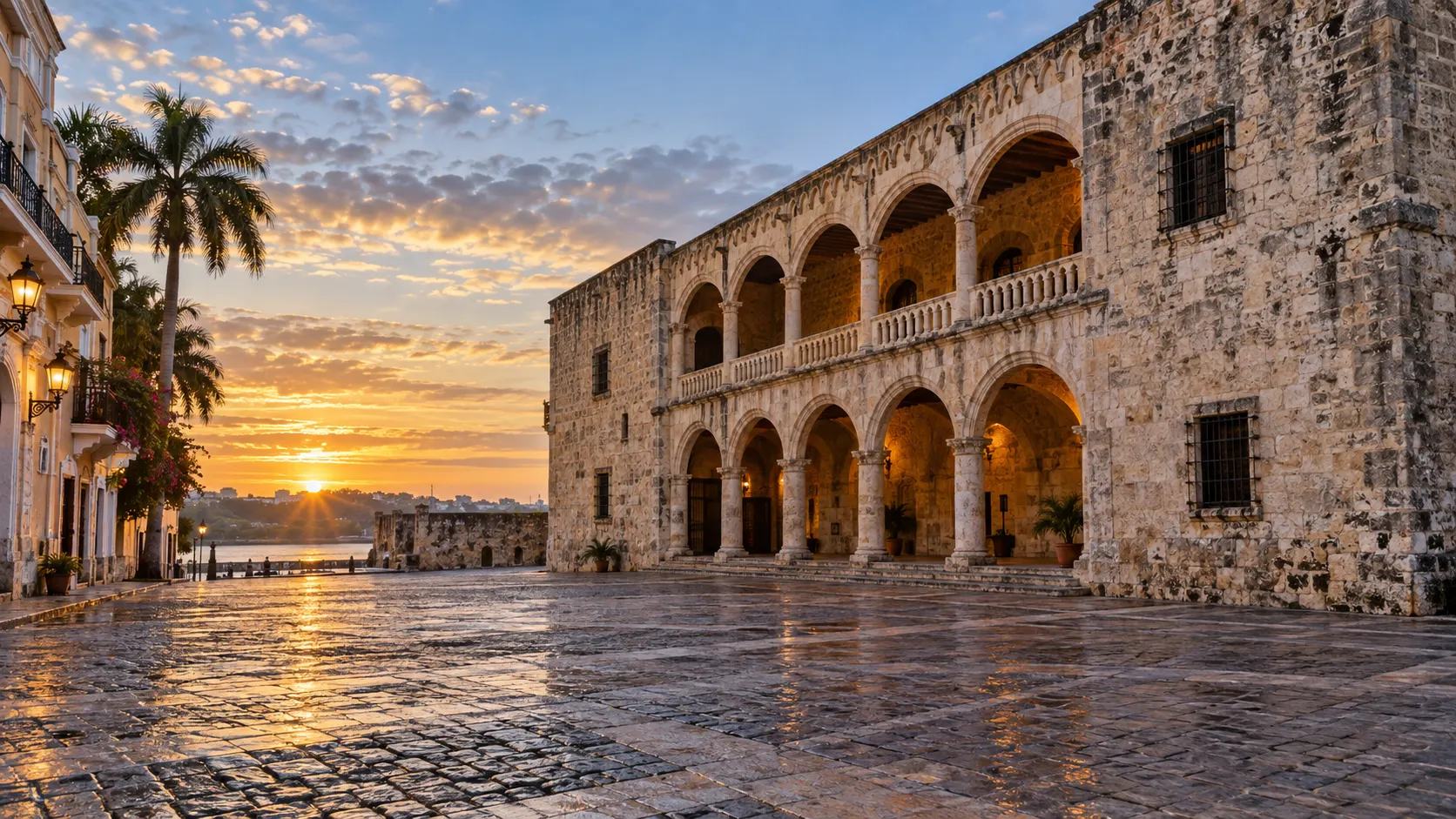
Santo Domingo’s Colonial City is the strongest cultural attraction in the country, with stone streets, plazas, churches, museums, and buildings tied to the earliest Spanish colonial period in the Americas. Start around Parque Colón and Plaza de España, then choose one or two interiors rather than trying to absorb every monument.
Calle El Conde is pedestrian-friendly and useful for a shaded break, casual food, and shopping. Museum admission is generally low-cost, while hiring a licensed guide adds context and helps a short visit feel like more than a photo walk.
Cruise-day fit: Excellent for ships at Don Diego or Sansoucí when the schedule allows, because the historic center is close to the Ozama River terminals. Confirm the safe walking or taxi route at the terminal and keep valuables discreet.
2. Los Tres Ojos
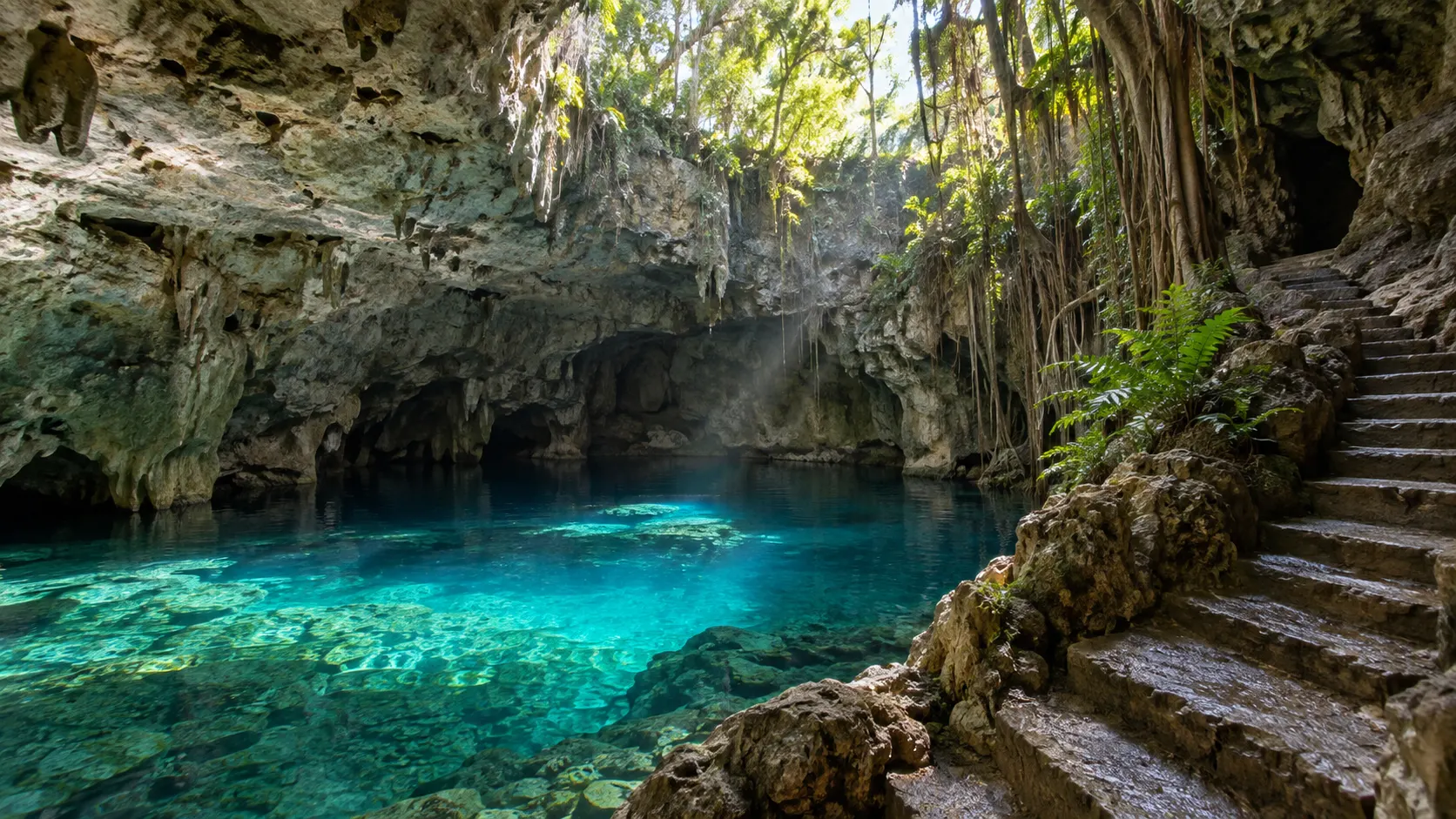
Los Tres Ojos is a limestone cave system with striking blue-green freshwater pools inside a city park east of the Colonial Zone. Steep steps, heat, and wet surfaces make sturdy shoes more useful than beach sandals.
Pair it with the Colonial City using a registered taxi, arranged driver, or organized tour. It is a sensible half-day combination, but trying to add a distant beach afterward can turn a good day into traffic management.
3. Boca Chica
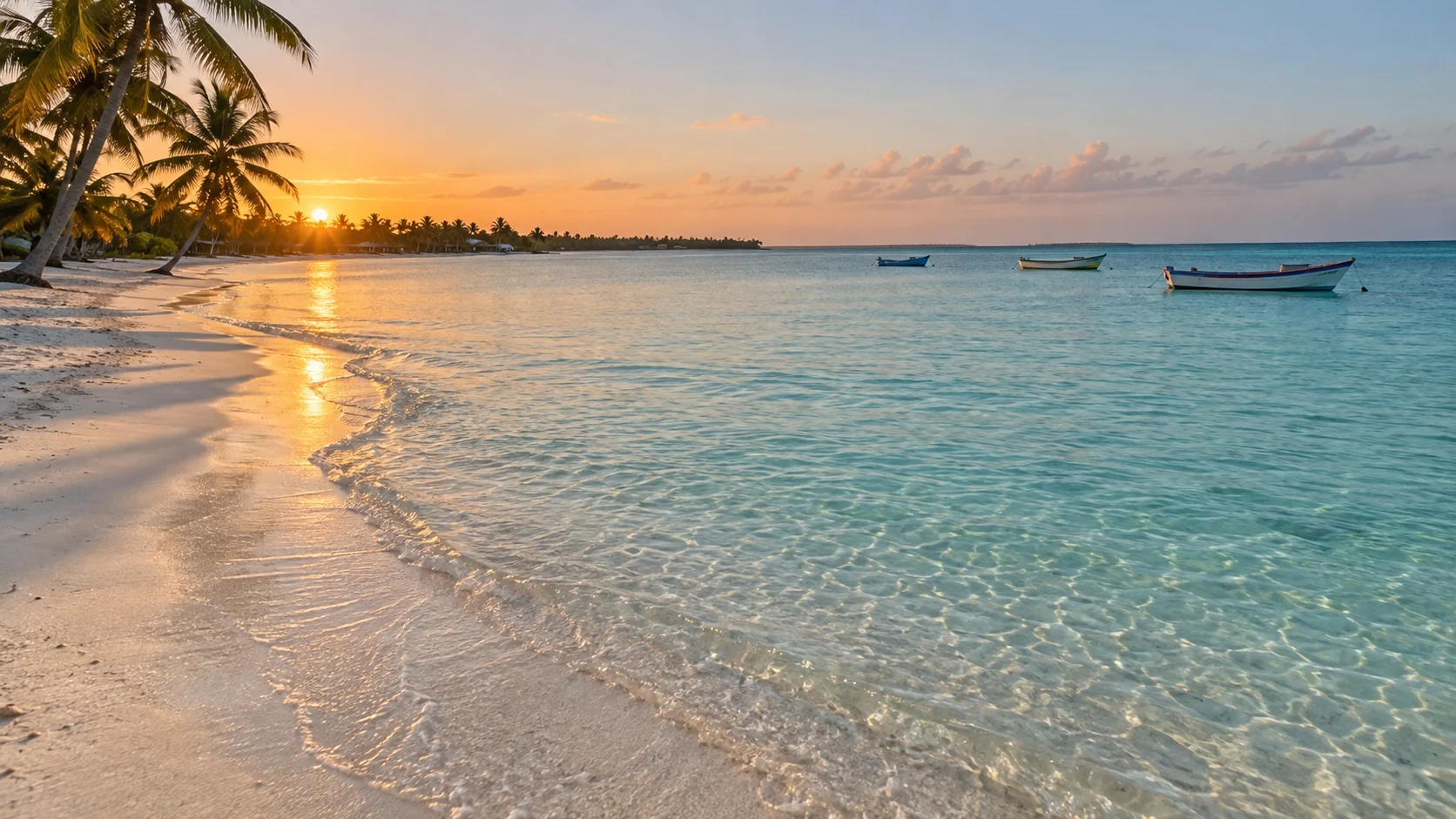
Boca Chica offers shallow water and a lively local beach scene near Santo Domingo and the airport. Come for an easy swim and seafood lunch, not a secluded stretch of sand.
Weekdays are calmer than weekends and holidays, when music, vendors, and crowds are part of the experience. Keep an eye on belongings, agree on menu prices before ordering, and follow current water conditions.
La Romana, Bayahibe, and the Southeast
4. Saona Island
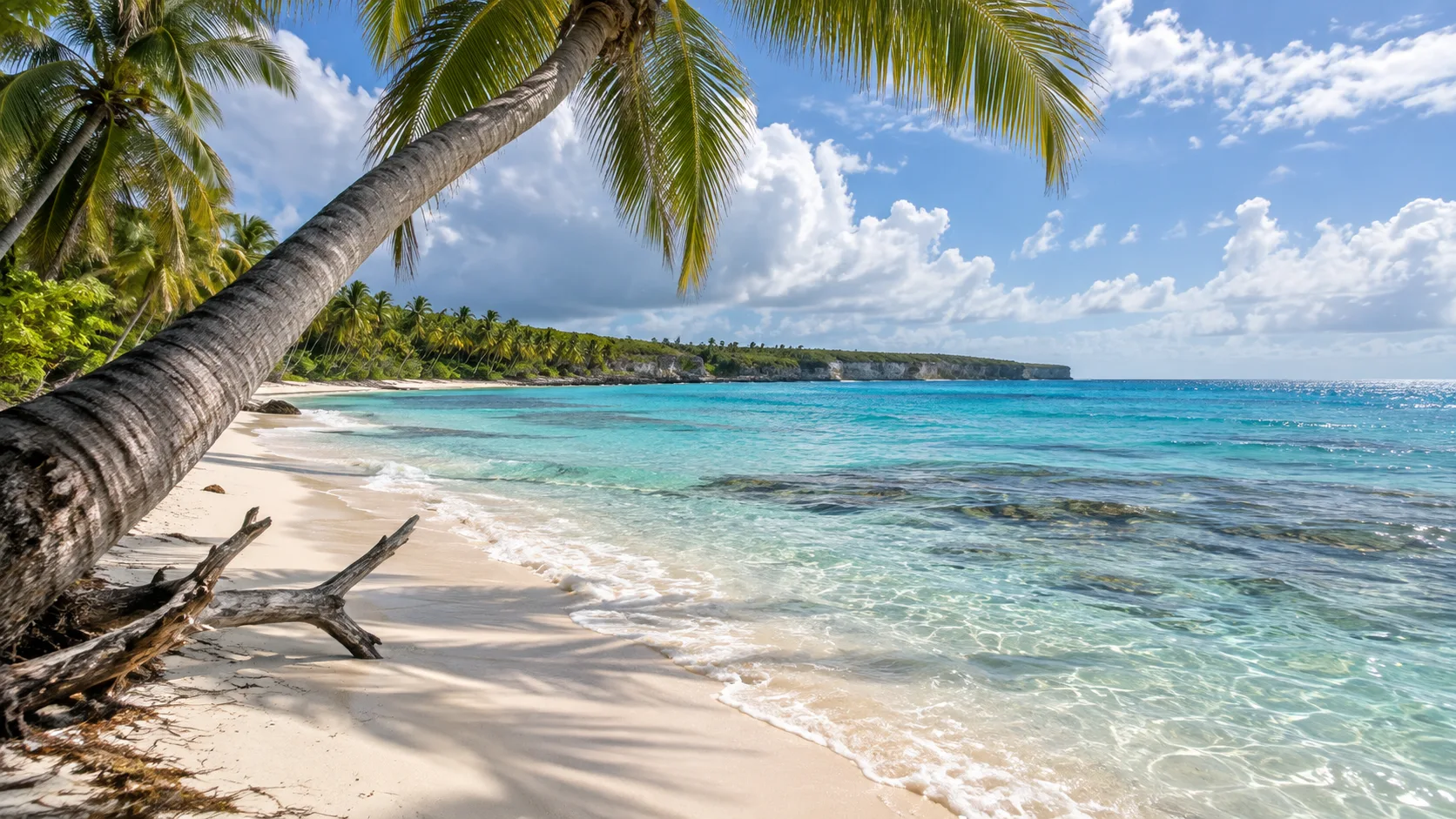
Saona is the classic postcard excursion, reached by boat from Bayahibe with palm beaches and shallow Caribbean water. The scenery is real, but so are crowded catamarans, variable food, long pickup loops, and tours that spend less time on the island than their photos imply.
Compare the departure point, maximum group size, beach stop, marine-life practices, included drinks, and return time before buying. Do not handle starfish or remove them from the water for a picture, even if a guide suggests it.
Cruise-day fit: Good from La Romana with a ship-vetted or carefully timed Bayahibe operator, and possible but long from Punta Cana resorts. It is a poor independent choice from Santo Domingo or Puerto Plata.
5. Altos de Chavón
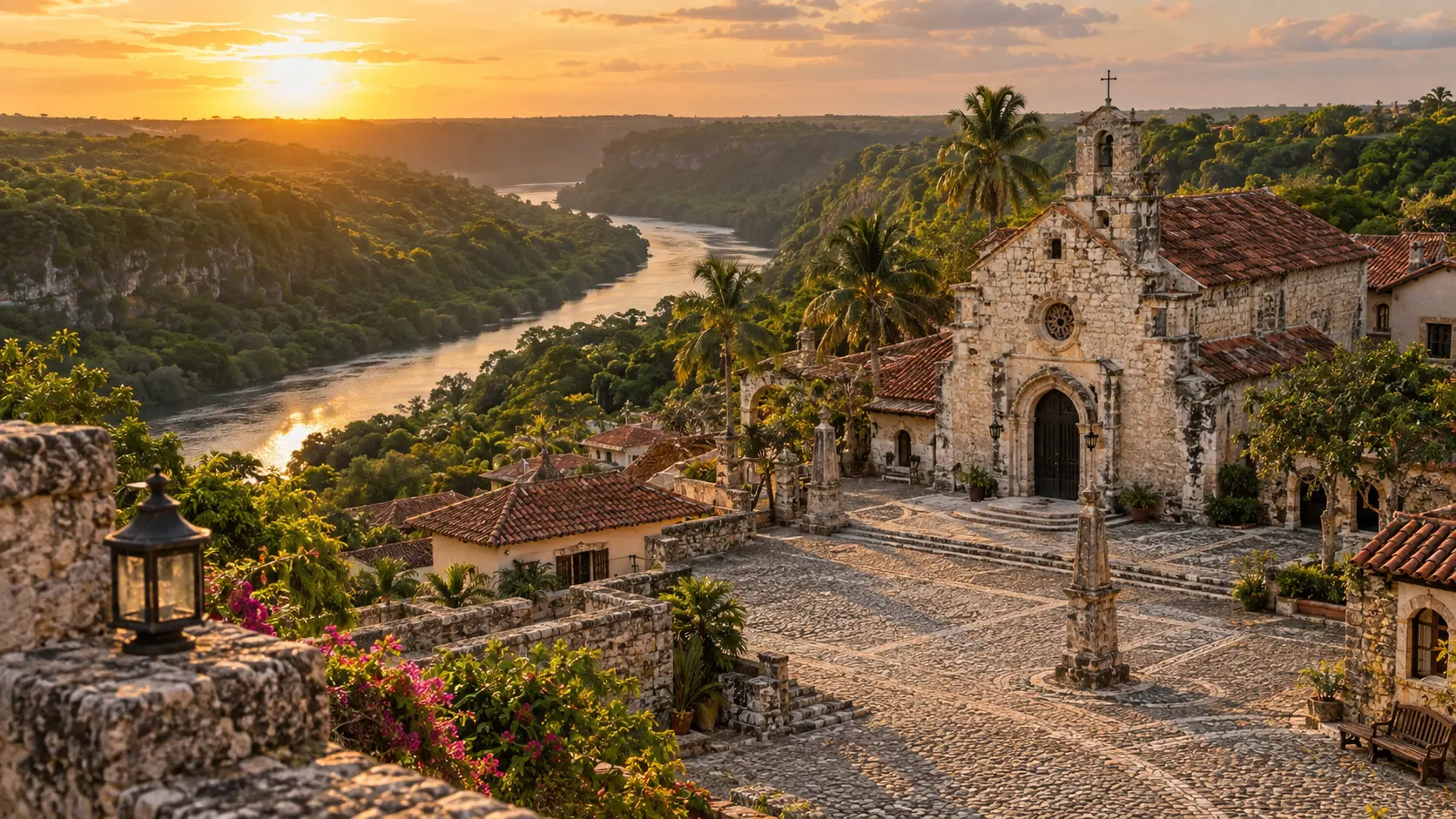
Altos de Chavón is a modern, Mediterranean-style village above the Chavón River, with cobbled lanes, shops, galleries, an archaeological museum, and an amphitheater. It is polished rather than ancient, so visit for design, views, and an easy outing rather than expecting a preserved colonial town.
The attraction sits inside Casa de Campo, roughly 20 to 30 minutes from the La Romana cruise area depending on the terminal and traffic. Admission and transport make it a mid-priced stop, but it combines well with a resort day or nearby river experience.
6. Bayahibe Diving and Snorkeling
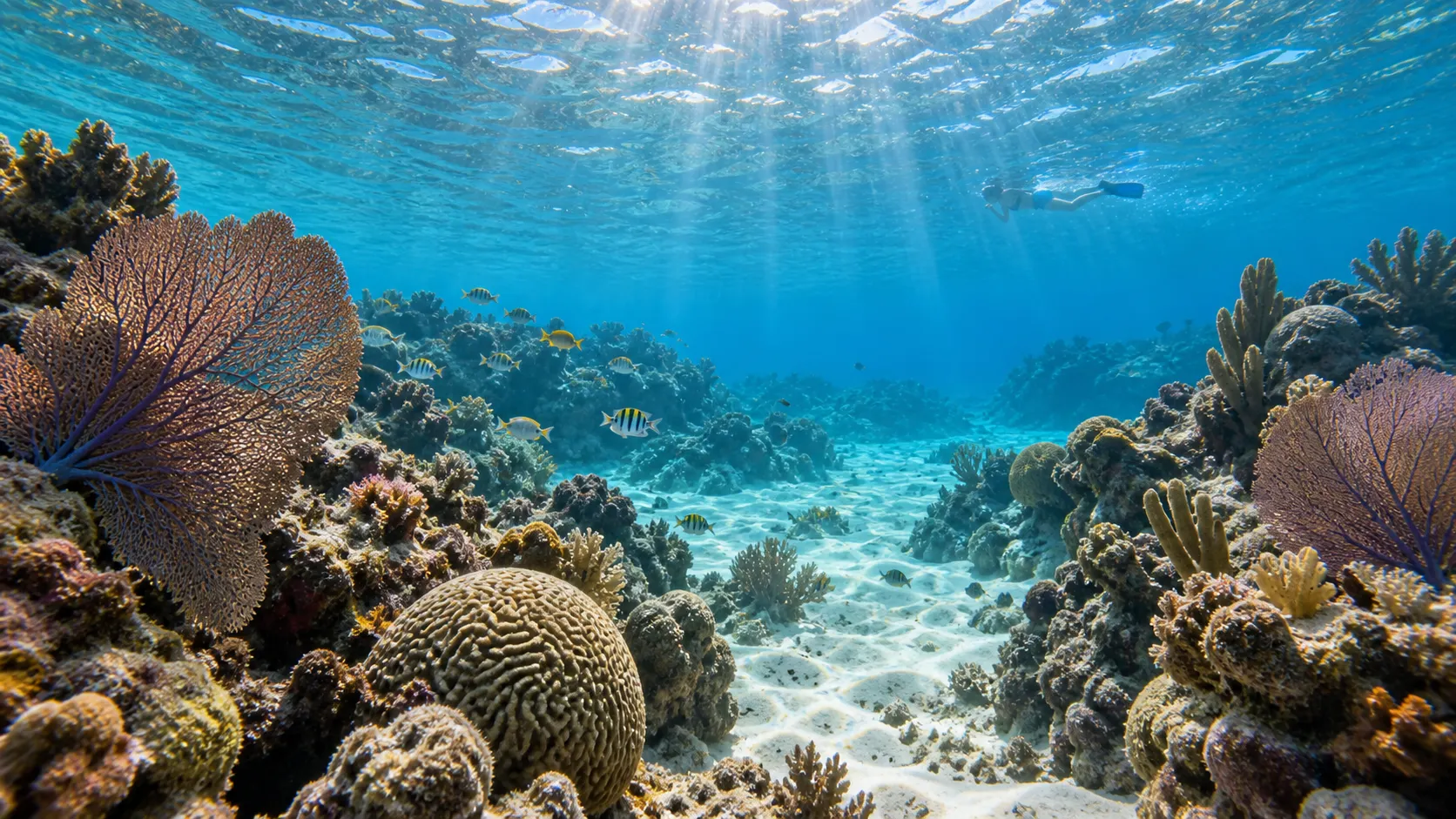
Bayahibe is one of the most useful bases for reef, wreck, and island boat trips on the calmer Caribbean side. Divers should verify operator credentials, equipment condition, marine conditions, insurance requirements, and the interval before flying.
Snorkelers should ask whether the boat provides a properly fitted flotation aid and whether the site suits beginners. If underwater time is the main reason for your trip, this Dominican Republic diving overview helps compare regions before you choose a resort.
Punta Cana and the East Coast
7. Bávaro Beach
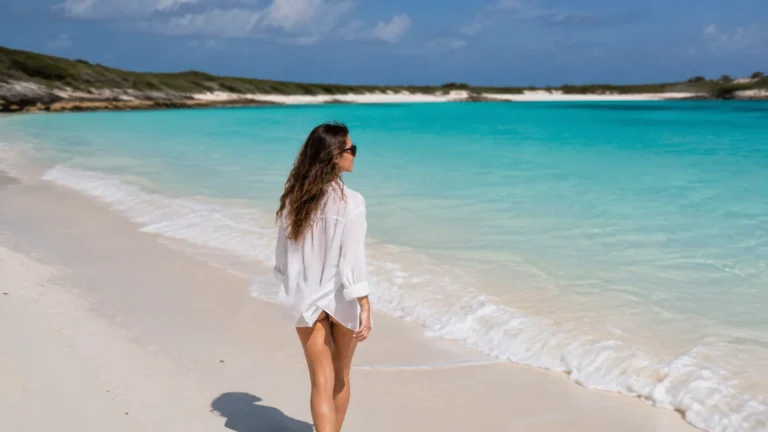
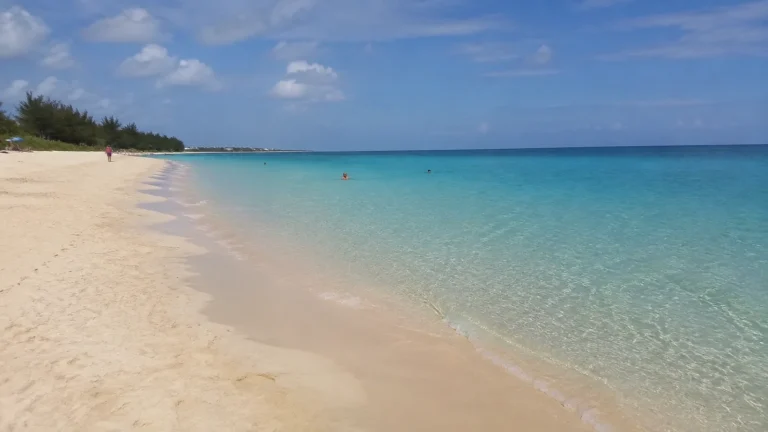
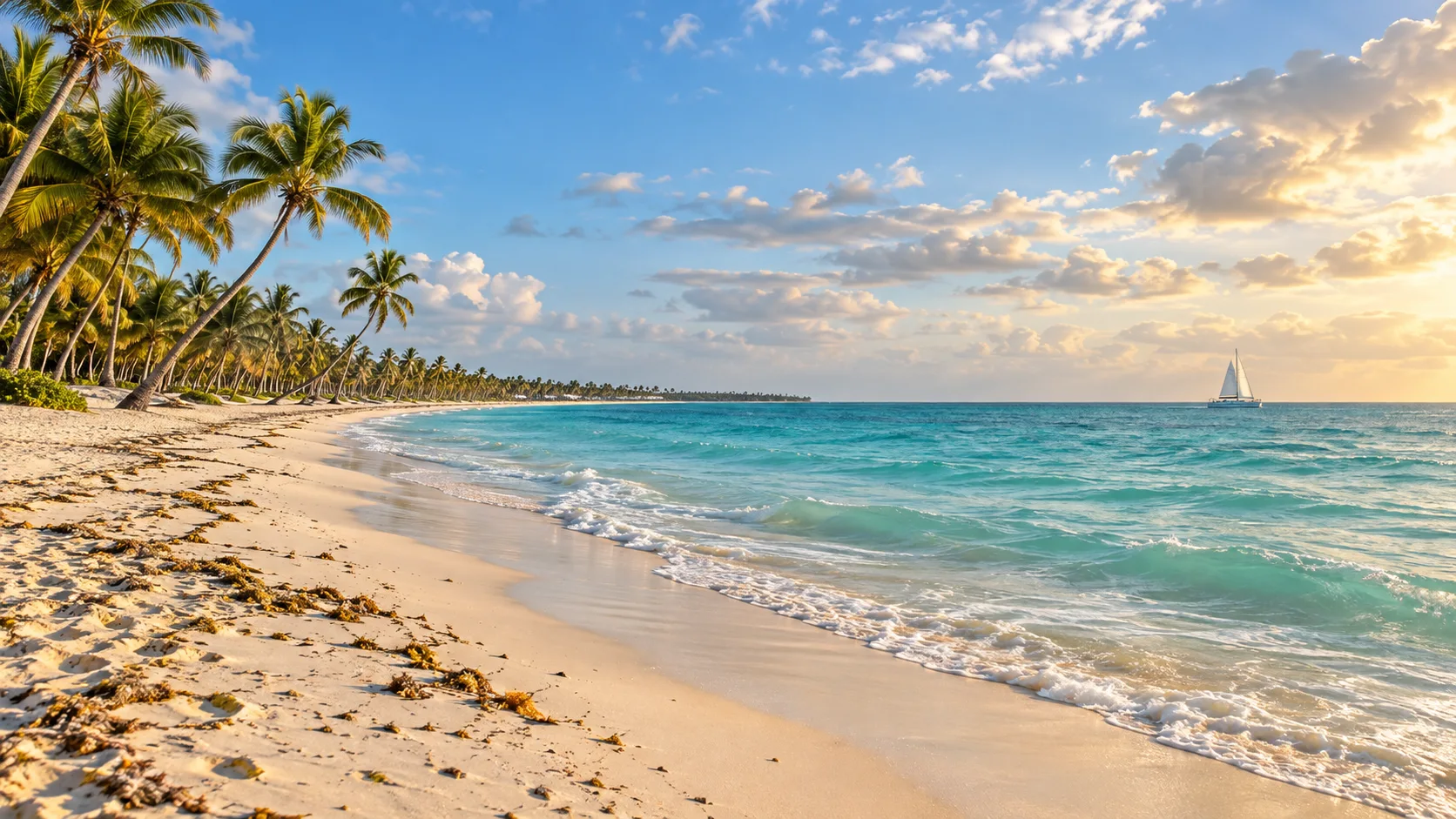
Bávaro is the easy answer for a broad resort beach with water sports, long walks, and plenty of services. Access can be confusing between private resort frontage and public entry points, so confirm where your taxi can drop off and where it will return.
Seaweed varies by season, weather, and exact stretch of coast, which means no hotel can guarantee clear water every day. Ask for current beach photos rather than choosing a nonrefundable room from a perfect image taken years earlier.
8. Macao Beach
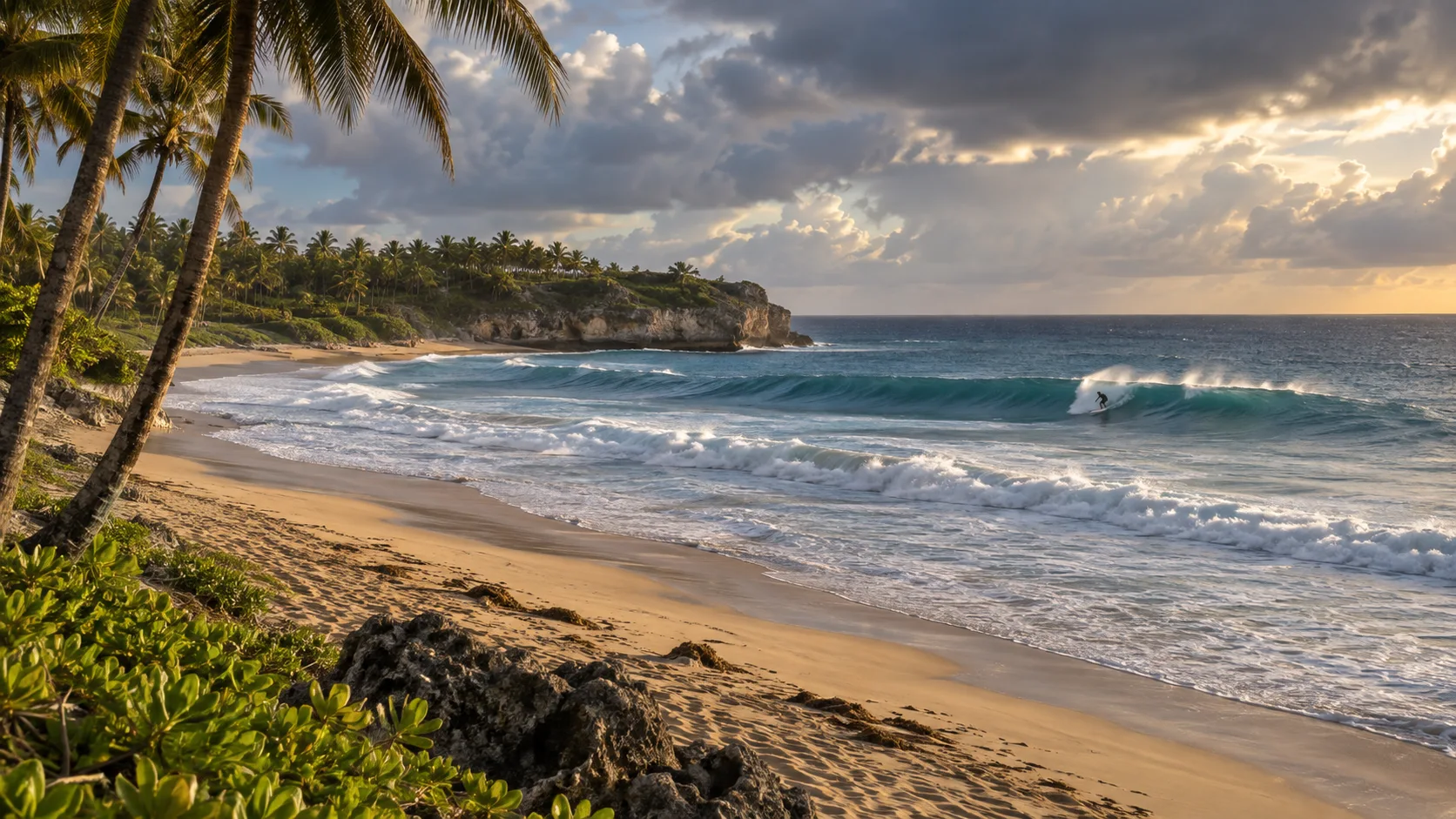
Macao feels less manicured than Bávaro and is popular for surf lessons and a more open public-beach atmosphere. Waves and currents can be stronger, so follow flags and local lifeguard direction rather than copying confident swimmers.
Buggy tours often include Macao, but those stops can be short and crowded. A dedicated taxi visit gives you more control, while an established surf school is worth the cost for beginners.
9. Indigenous Eyes Ecological Reserve or Hoyo Azul
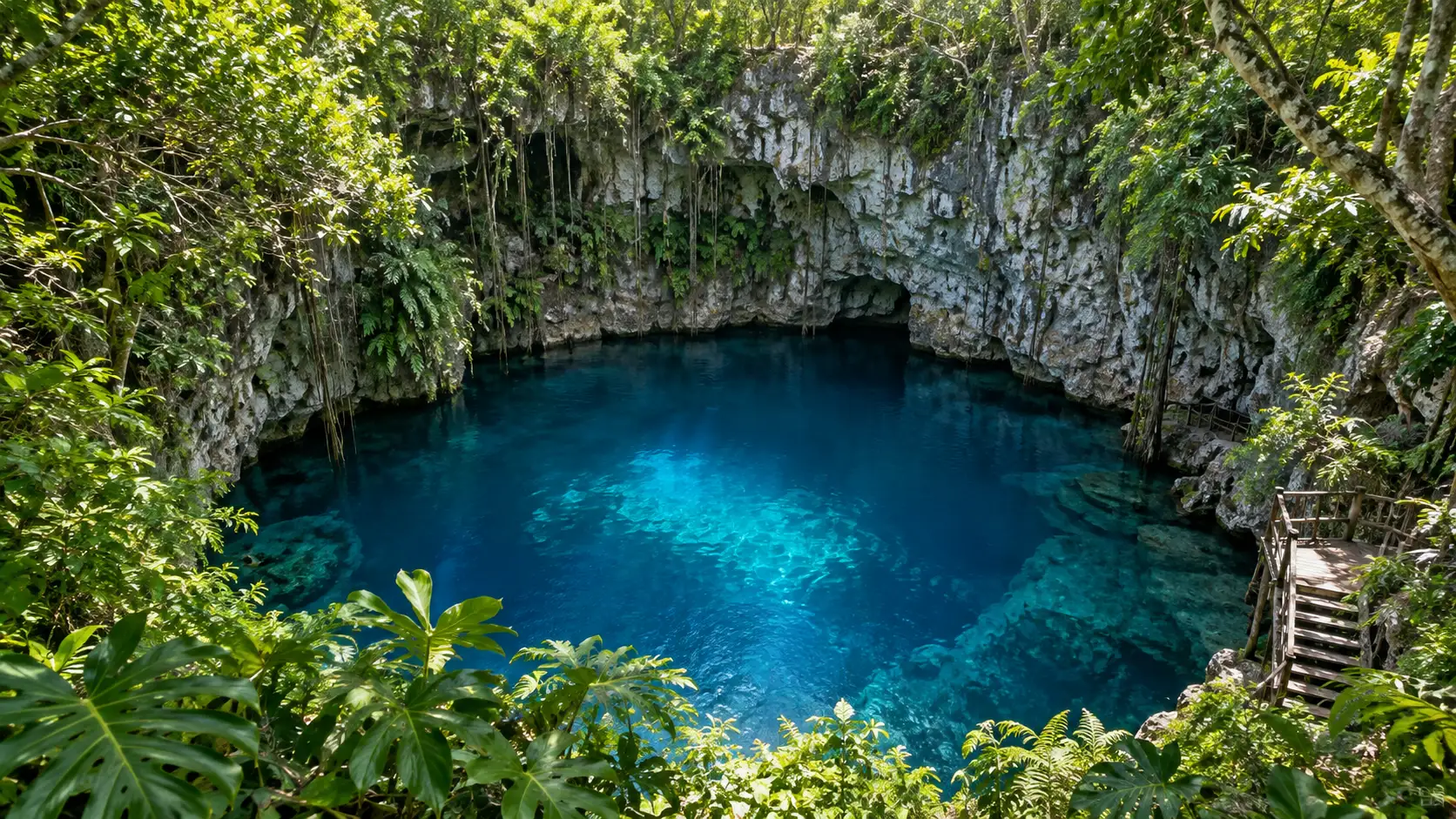
These are two different paid nature experiences in the Punta Cana area, and the names are often blurred in sales pitches. Indigenous Eyes has forest trails and freshwater lagoons in a private reserve, while Hoyo Azul is a blue cenote attraction within Scape Park at Cap Cana.
Choose Indigenous Eyes for a quieter walk-and-swim outing, or Scape Park for a structured full day with adventure activities. Both can have footwear, swim, access, and reservation rules, so check the operator’s current policy before paying.
Puerto Plata and the North Coast
10. Puerto Plata Historic Center and Fortaleza San Felipe
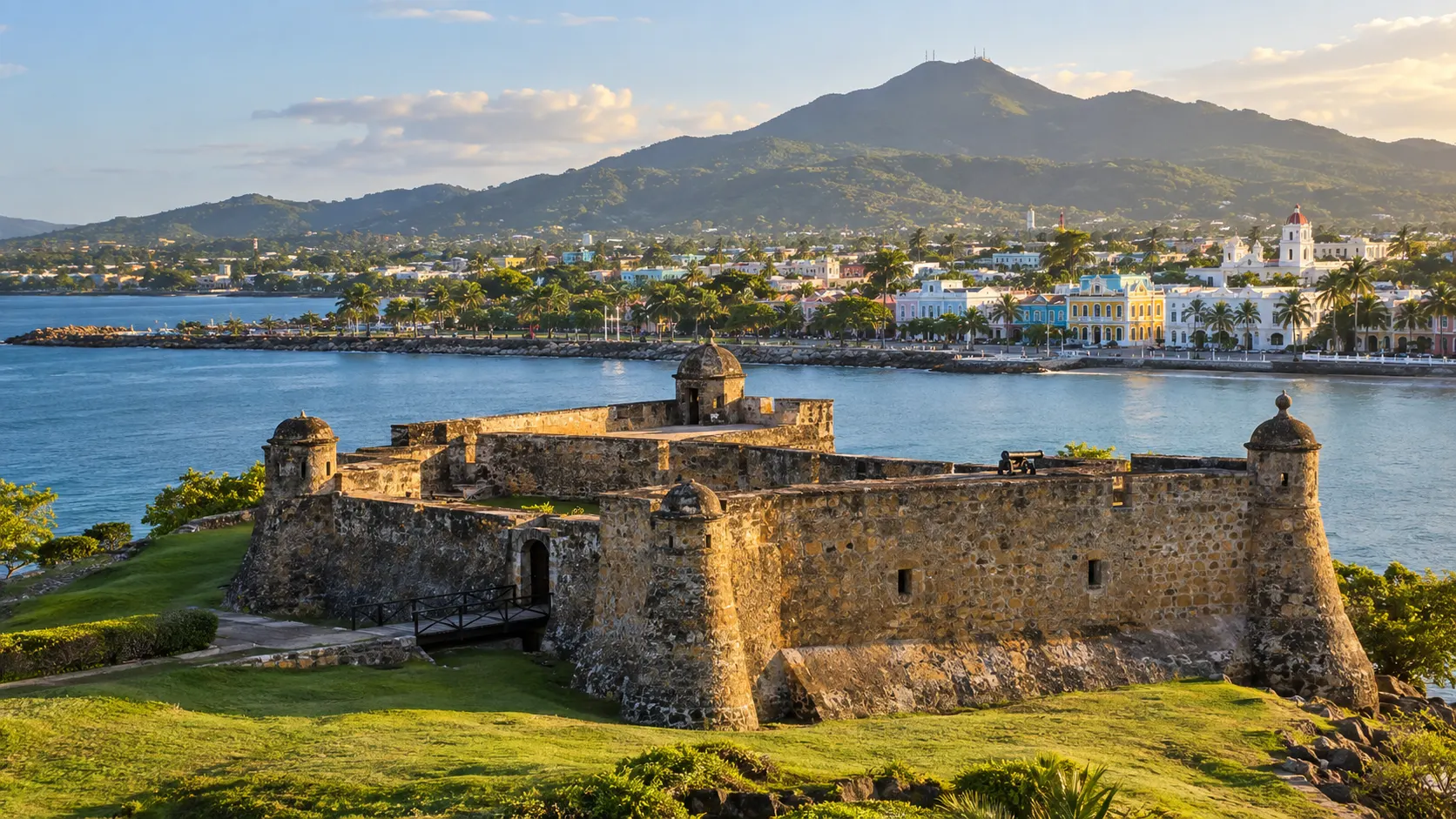
Puerto Plata’s center combines restored Victorian facades, Umbrella Street, public squares, museums, and cafés, while Fortaleza San Felipe adds harbor history and ocean views. It is the best independent choice for cruisers who want culture without committing to a full-day bus.
Cruise-day fit: Very good from Taino Bay, which is near downtown, and still manageable by taxi from Amber Cove, usually around 20 to 30 minutes away when traffic behaves. Confirm your actual terminal because the two facilities are not interchangeable.
The Mount Isabel de Torres cable car has experienced operational changes and closures, so do not build the day around an old listing. Check same-week status through official local channels, and use an organized vehicle option only if access is open and weather permits.
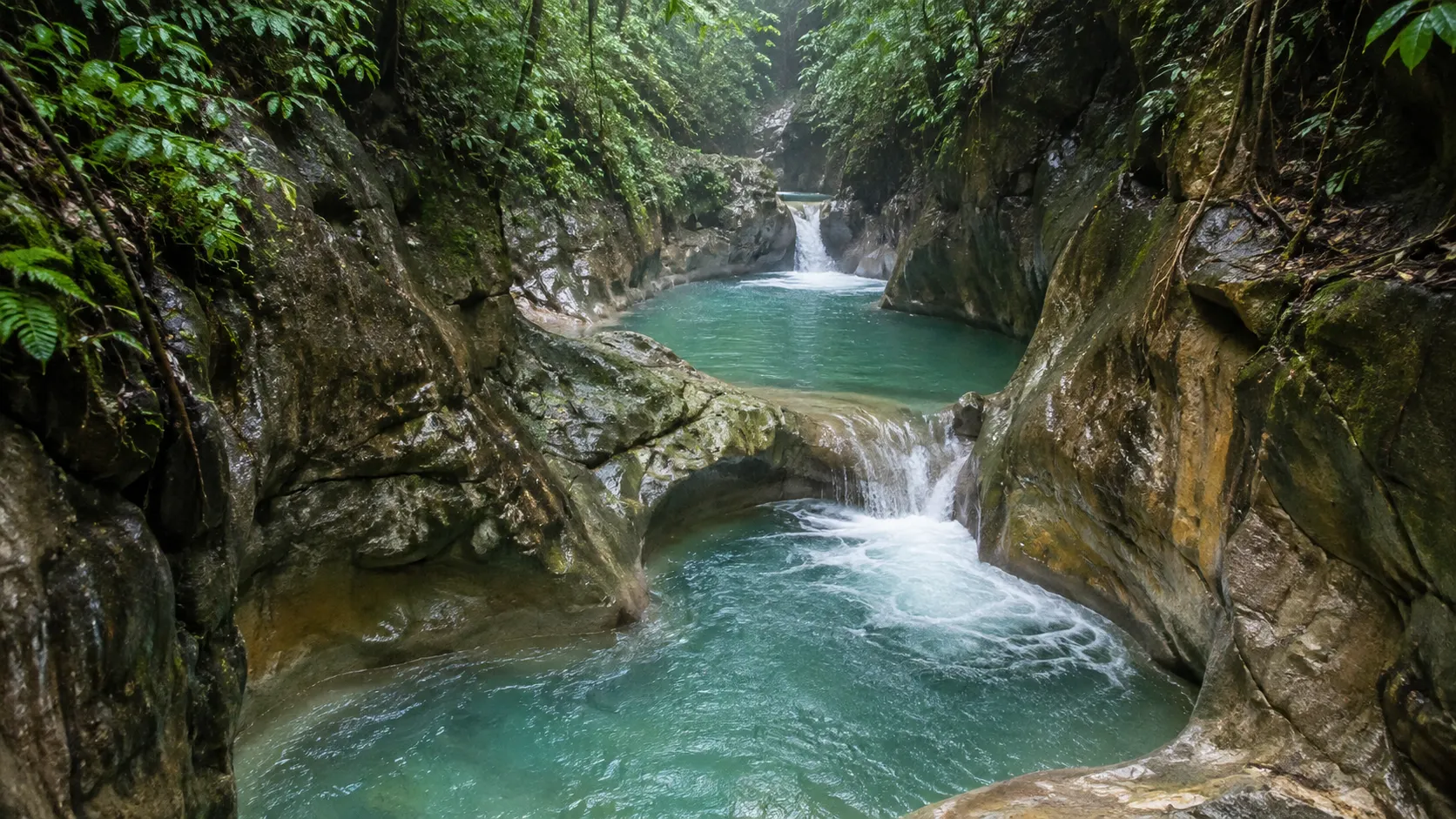
11. Damajagua Waterfalls
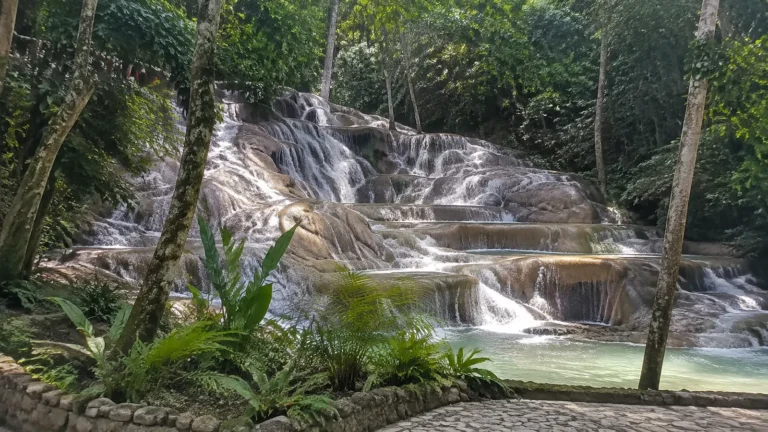
Damajagua is an active canyon outing where visitors hike, swim, slide, and jump through a managed sequence of waterfalls with guides and safety equipment. It is exciting, physical, and not appropriate for anyone who dislikes heights, has mobility concerns, or expects a dry sightseeing stop.
From Amber Cove, allow roughly 30 to 45 minutes each way, while Taino Bay can take longer depending on traffic. Water levels can change the route, and closed-toe water shoes, a secure swimsuit, and a dry change of clothes are practical.
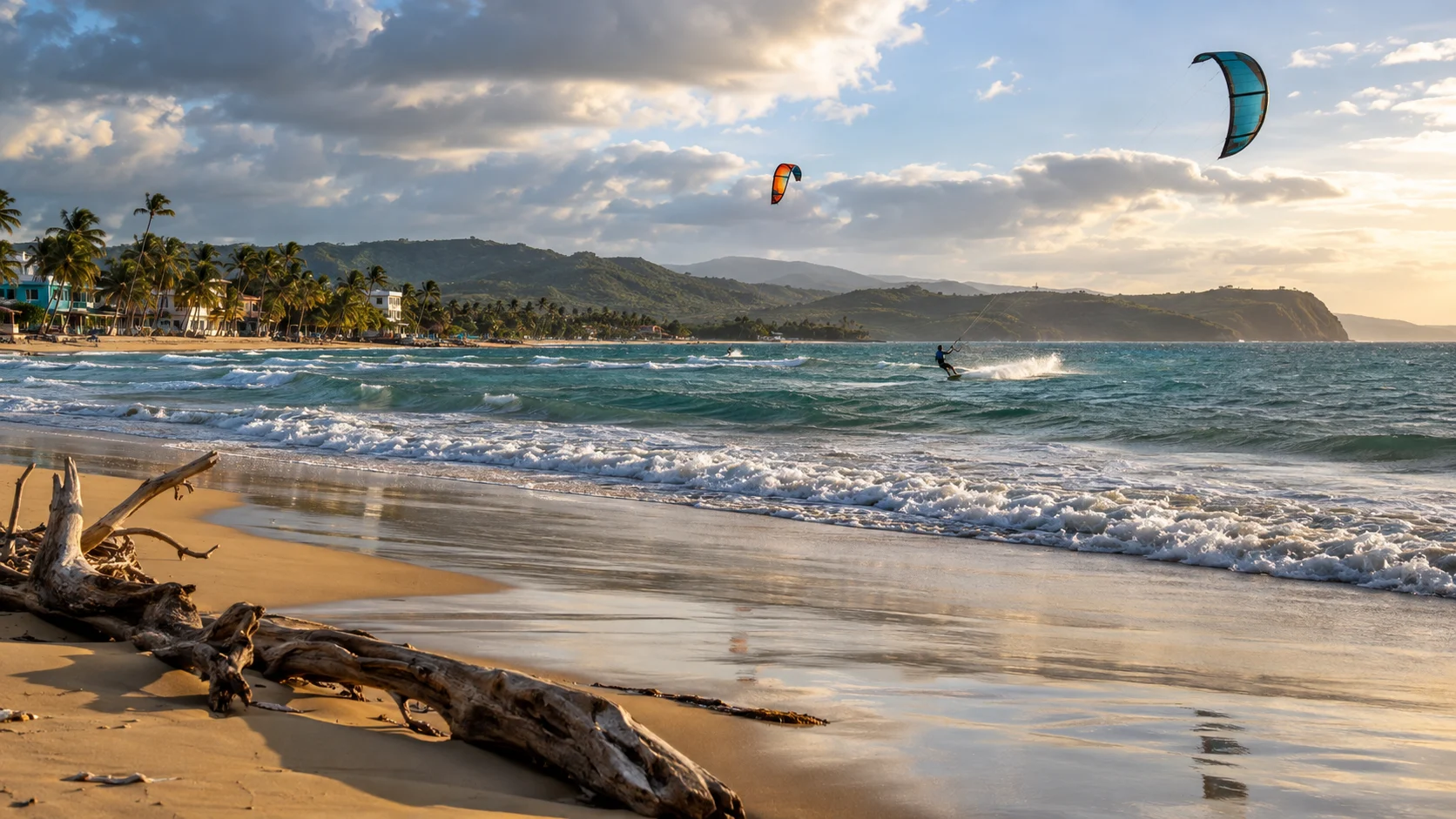
12. Cabarete
Cabarete is the north coast choice for kitesurfing, windsurfing, surf schools, casual restaurants, and an active beach town rather than a self-contained resort. Conditions and the best beach depend on the sport, so book instruction with a reputable school instead of renting advanced equipment on confidence alone.
It is roughly an hour or more from Puerto Plata’s cruise facilities, which makes it possible but not especially efficient for a short port call. Cabarete works much better as a two- or three-night base paired with nearby Sosúa or Río San Juan.
Samaná Peninsula
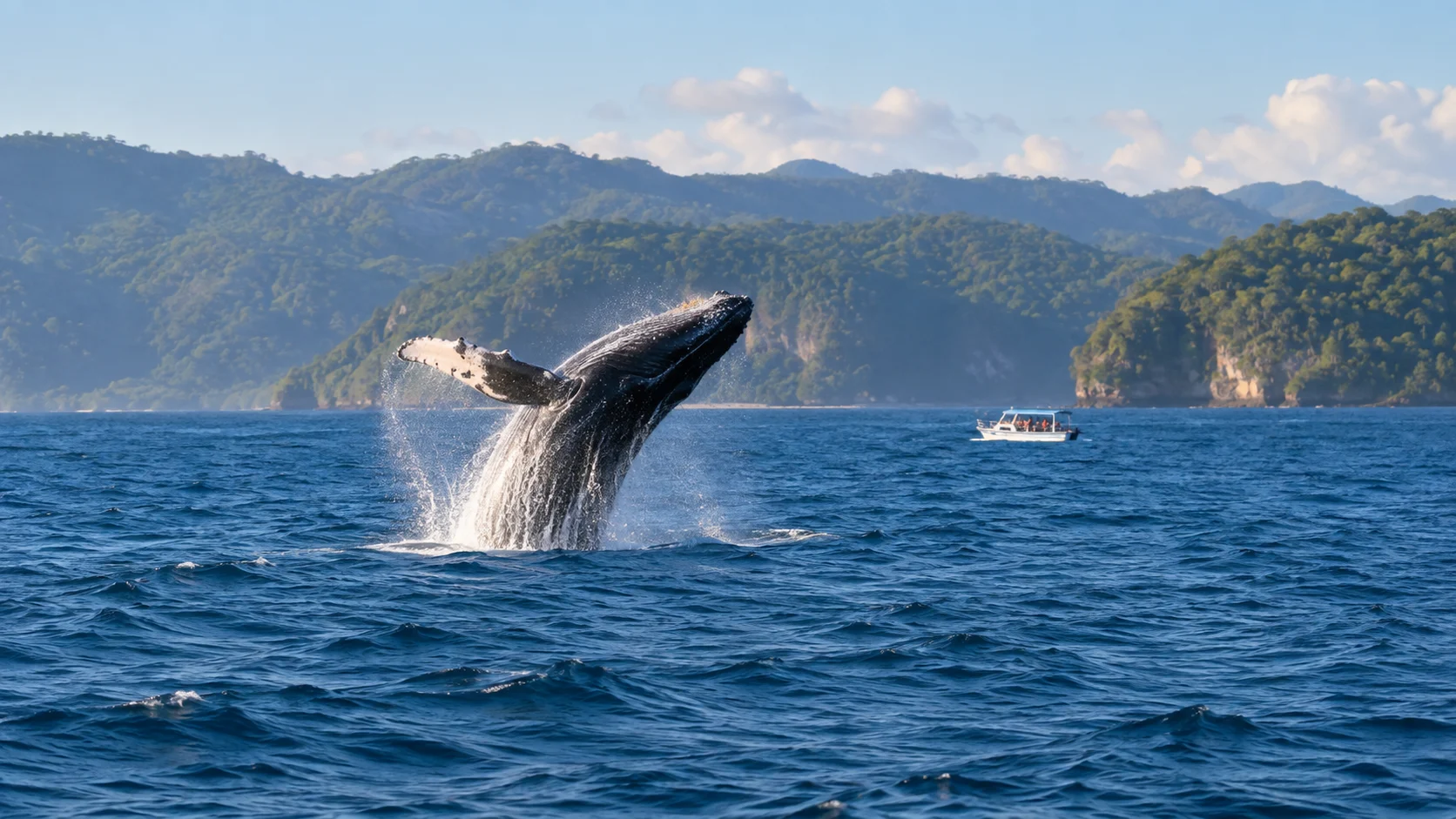
13. Whale Watching in Samaná Bay
Humpback whales gather in the region during the winter breeding season, with organized observation generally centered on mid-January through March. Wildlife is never guaranteed, and a responsible operator will follow approach limits rather than chasing animals for close photos.
Cruise-day fit: Excellent only when your ship calls at Samaná during the season and the excursion matches tender timing. It is too far to treat as a practical day trip from Punta Cana or Puerto Plata.
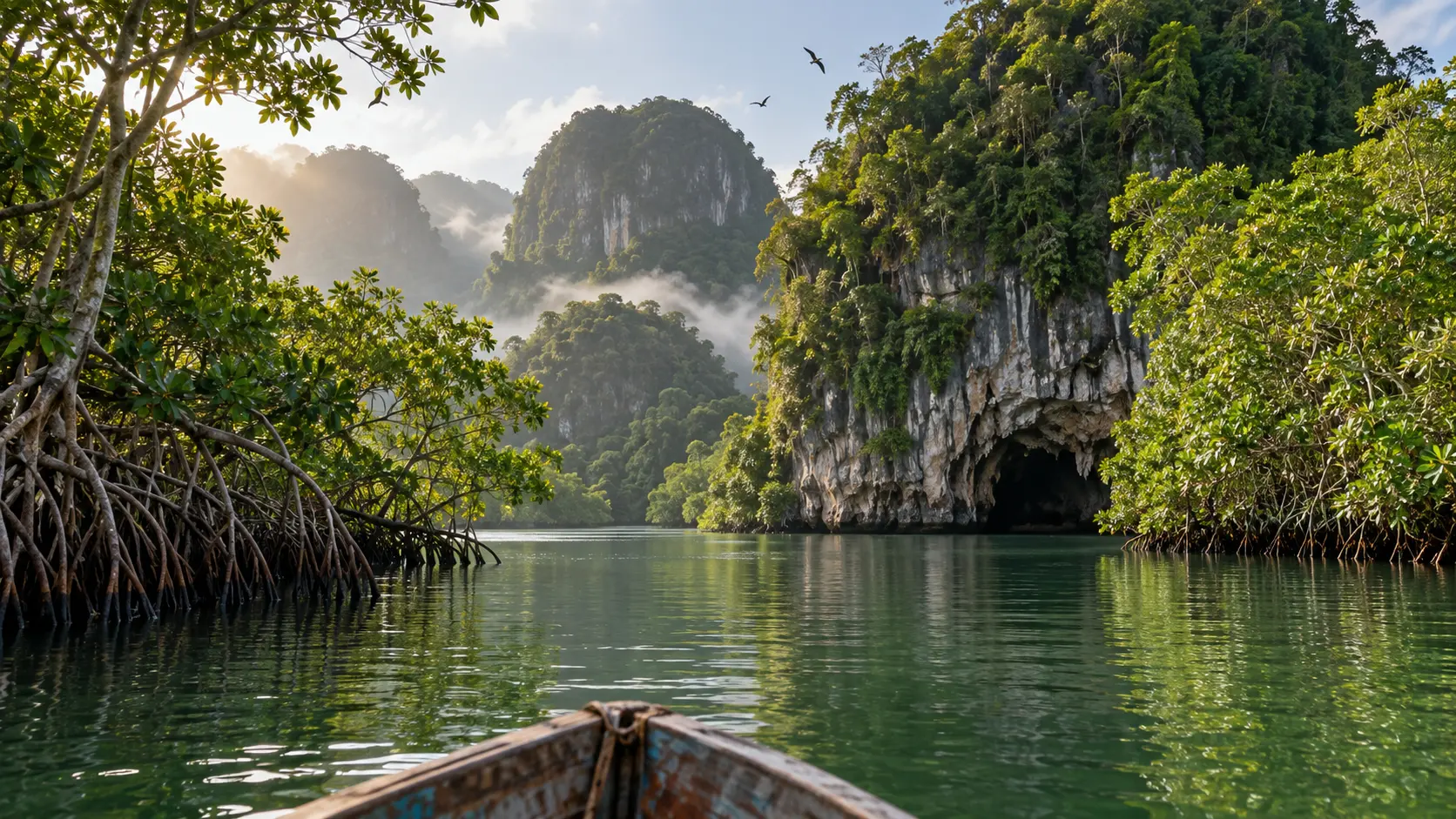
14. Los Haitises National Park
Los Haitises protects a landscape of mangroves, caves, forest, and rounded limestone formations best explored by boat with a guide. Excursions leave from more than one gateway, so confirm whether your tour starts near Samaná, Sabana de la Mar, or another dock before judging transfer time.
The Dominican environment ministry lists Los Haitises within the country’s official protected-area system. Choose an operator that respects wildlife, cave art, and speed restrictions, and bring rain protection even under a bright morning sky.
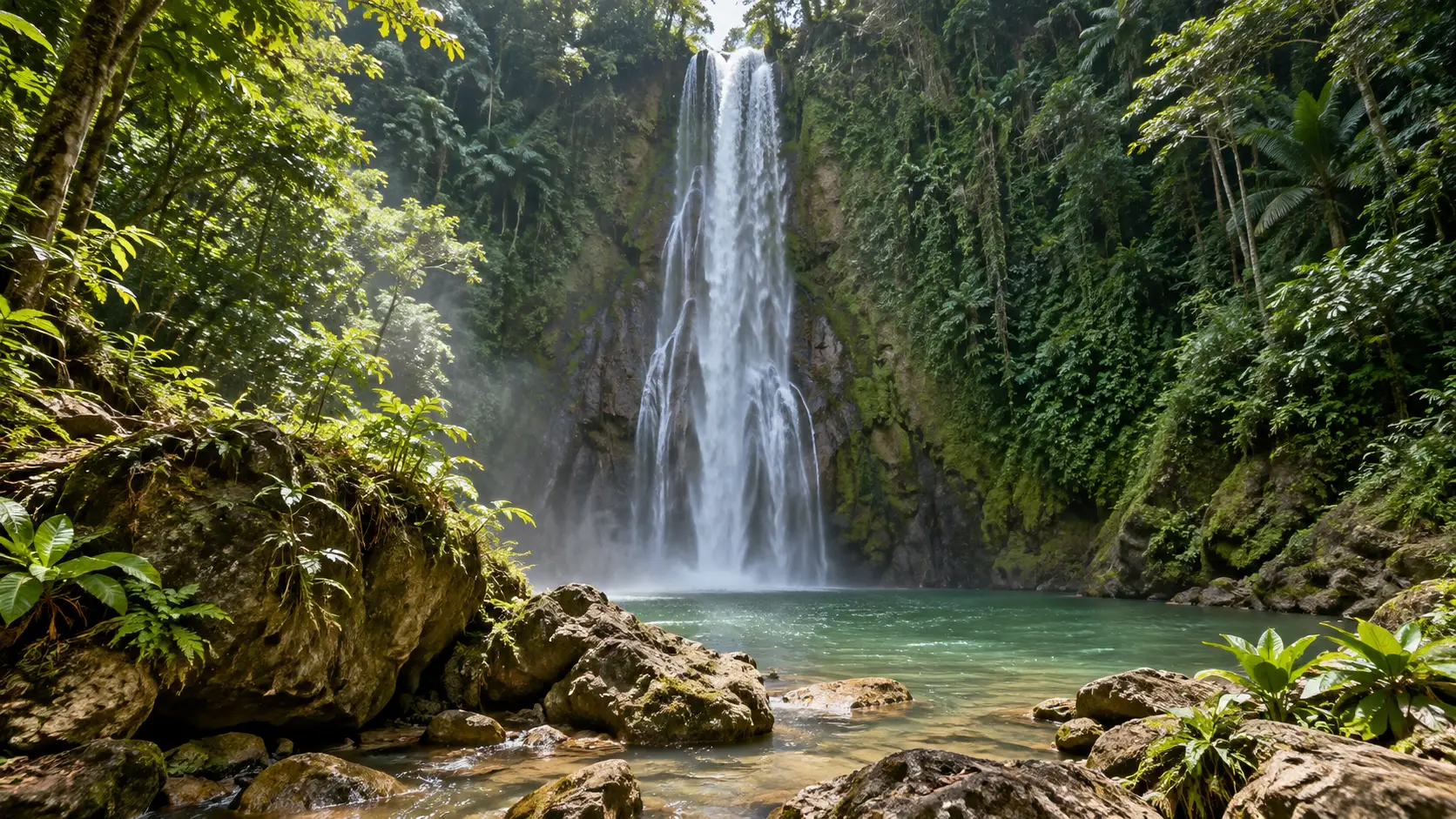
15. El Limón Waterfall and Playa Rincón
El Limón requires a humid walk or horseback route to a tall jungle waterfall, while Playa Rincón offers about 3 miles of less-developed sand near Las Galeras. Each deserves most of a day from the right Samaná base, but combining both is rushed unless transport is tightly arranged.
The official tourism board places Playa Rincón about a 15-minute drive from Las Galeras. Neither attraction is a sensible independent excursion from a faraway resort region simply because an online seller offers pickup.
Central Mountains and the Southwest
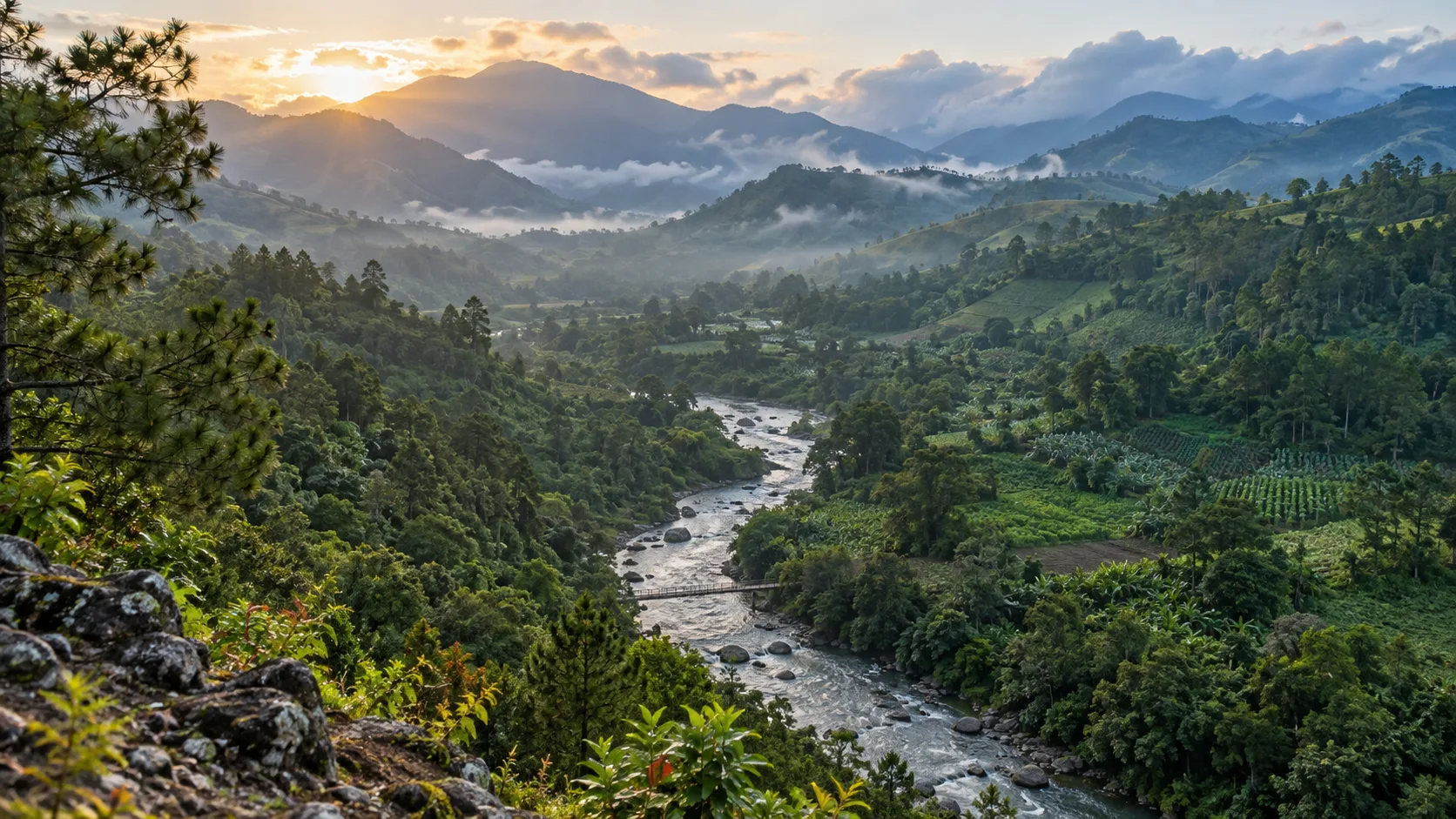
16. Jarabacoa
Jarabacoa is the country’s adventure base for rafting, canyoning, waterfalls, hiking, and cooler mountain air. It works best as an overnight addition from Santo Domingo or Santiago, not a day trip from an east-coast beach resort.
Use licensed operators for technical activities and ask exactly what equipment and transportation are included. Mountain rain can change river and trail conditions quickly, while nighttime temperatures may feel surprisingly cool after the coast.
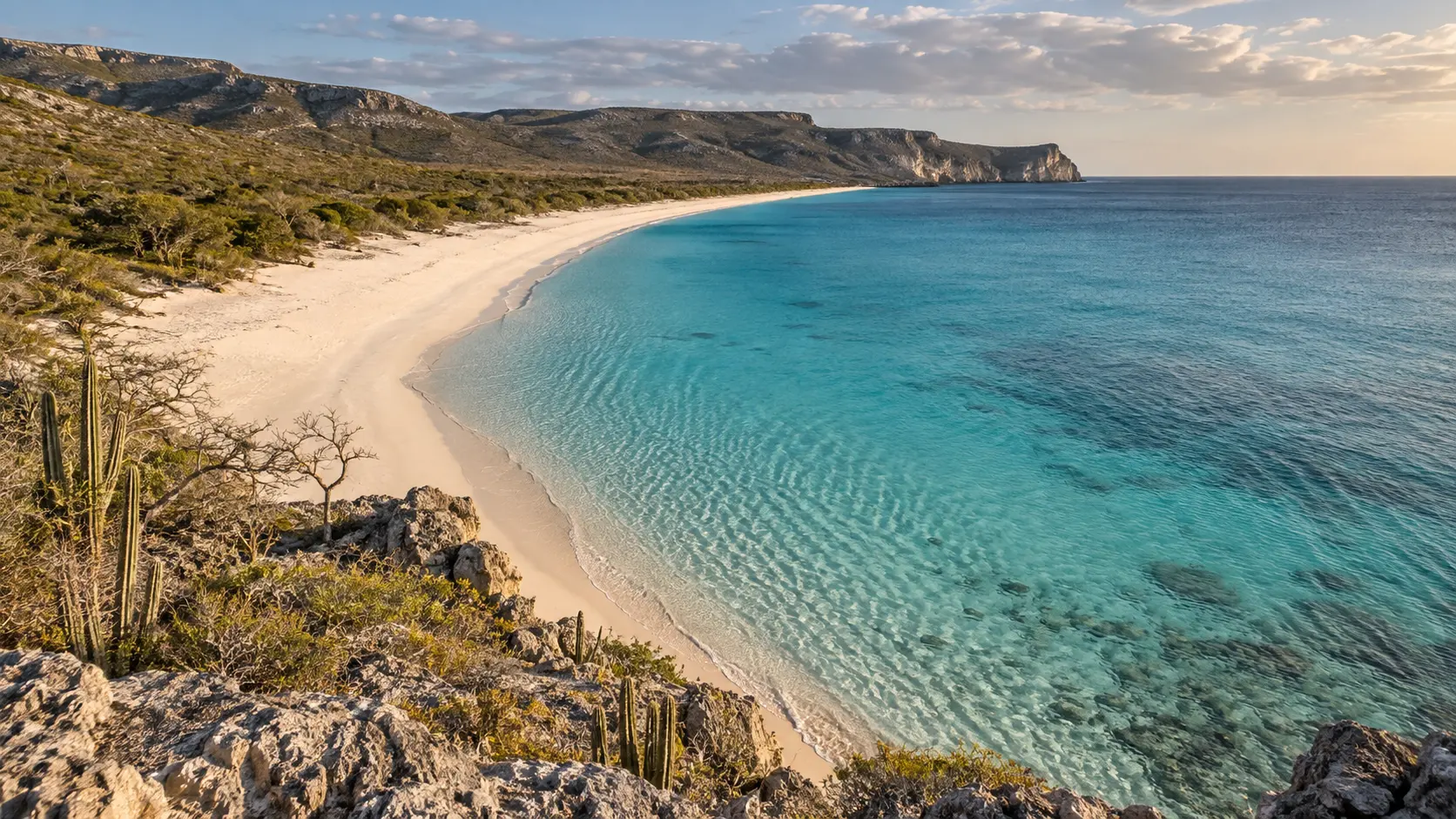
17. Bahía de las Águilas
This long, undeveloped beach in the far southwest is one of the country’s most beautiful coastal landscapes. Its remoteness is the point, which also means limited shade, facilities, fuel, and quick medical access.
Base around Pedernales or Cabo Rojo and arrange appropriate road and boat transportation locally. It does not belong on a Punta Cana or Santo Domingo day-trip list, no matter how tempting the photographs are.
Dominican Republic Safety and Transport
As checked in September 2026, the U.S. State Department lists the Dominican Republic at Level 2, advising increased caution due to crime. Avoid displaying valuables, use established transportation, and save emergency and lodging contacts offline.
The tourism board says taxis are widely available and app-based rides operate in several major cities, but remote attractions still favor a prearranged driver or tour. It also advises against driving at night because lighting can be poor, a warning worth taking seriously when a long excursion runs late.
Before settling on a resort zone, compare the trip’s full cost using these Caribbean destination budget factors. A cheap room can lose its advantage when every attraction requires a two-hour private transfer.
Best Time to Visit
December through April generally brings the most comfortable mix of lower humidity and lower rain risk, along with peak prices and demand. Summer and fall can be hotter, wetter, and better value, but the Atlantic hurricane season requires flexible plans and appropriate travel protection.
Whale watching has its own winter window, water activities depend on daily sea conditions, and mountain excursions may be affected by localized rain. Use a broader Caribbean cost comparison for timing, then confirm the current forecast and operator status shortly before each outing.
Which Dominican Republic Attractions Should You Choose?
For a first resort week, pair one easy beach day with Saona, a local nature park, or a cultural trip that does not require crossing the country. For a cruise call, stay within the correct port region: downtown and Damajagua from Puerto Plata, Saona or Altos de Chavón from La Romana, and whales or Los Haitises from Samaná.
Travelers with ten days or more can add Santo Domingo, Jarabacoa, or the southwest and see a much fuller Dominican Republic. The best attraction is not the one with the loudest sales pitch, but the one that fits your base, physical comfort, weather, and return clock.