10 Responsible Spring Break Road Trips in the USA
A responsible spring break road trip is not the one with the most pins on a map. It is a safe, realistic route that keeps spending in local communities, respects parks and neighborhoods, reduces needless driving, and still leaves enough time for the whole point of spring break: feeling gloriously off the clock.
What makes a spring break road trip responsible?
“Responsible” should never mean joyless or perfect. It means designing the trip so your fun does not depend on exhausted driving, damaged landscapes, trashed beaches, crowded residential streets, or pretending fuel and water use disappear because you are on vacation.
A strong trip usually does five things:
- Uses a compact route instead of collecting hundreds of unnecessary miles
- Keeps every driver rested, sober, insured, and off the phone
- Checks current road, trail, weather, fire, and reservation conditions
- Spends with local lodging, restaurants, guides, and shops when practical
- Leaves wildlife, cultural places, beaches, trails, and neighborhoods as it found them
The National Park Service’s Leave No Trace overview is a useful foundation even when you are not camping. Planning ahead, using durable surfaces, packing out waste, respecting wildlife, and considering other visitors apply at an overlook just as much as in the backcountry.
1. Blue Ridge Parkway: Asheville to Roanoke
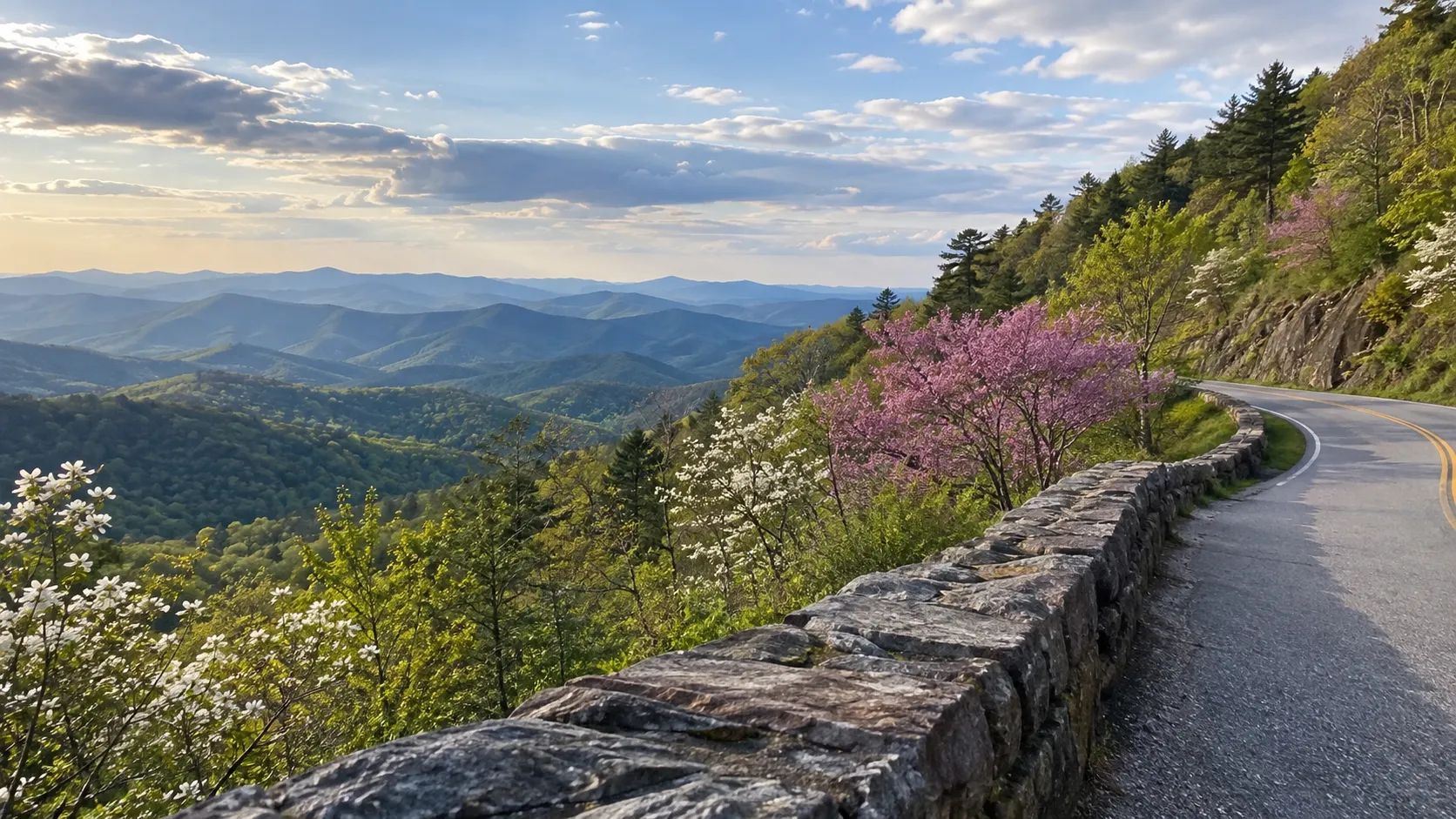
The full Blue Ridge Parkway is 469 miles, but spring break is better with a shorter section built around two bases. Asheville to Roanoke gives you mountain towns, overlooks, waterfalls, music, food, and trail choices without requiring a daily hotel change.
Spring arrives unevenly by elevation, and winter damage, fog, ice, construction, or maintenance can close sections. Check the official Blue Ridge Parkway road status before and during the trip rather than assuming a mapped route is open.
A responsible four-day shape:
- Day 1: Arrive in Asheville and explore locally
- Day 2: Choose one open parkway section and two short walks
- Day 3: Move toward Boone or Roanoke with a weather-safe route
- Day 4: Enjoy the second base before driving home
Do not stop in travel lanes for a photo or climb over barriers when an overlook is closed. Mountain communities also deserve ordinary courtesy, so park legally and avoid blocking private drives near unofficial viewpoints.
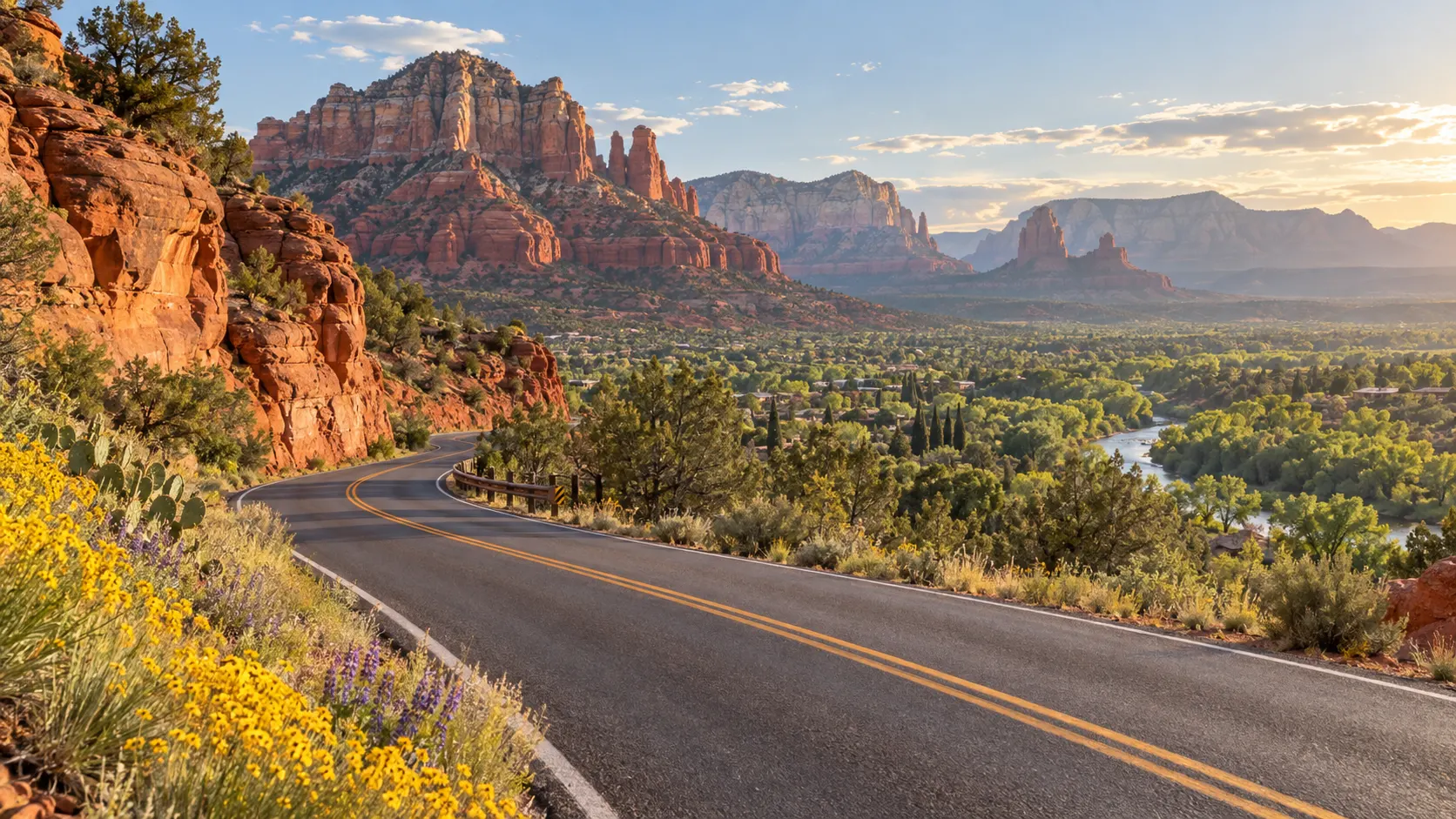
2. Sedona and Arizona’s Verde Valley
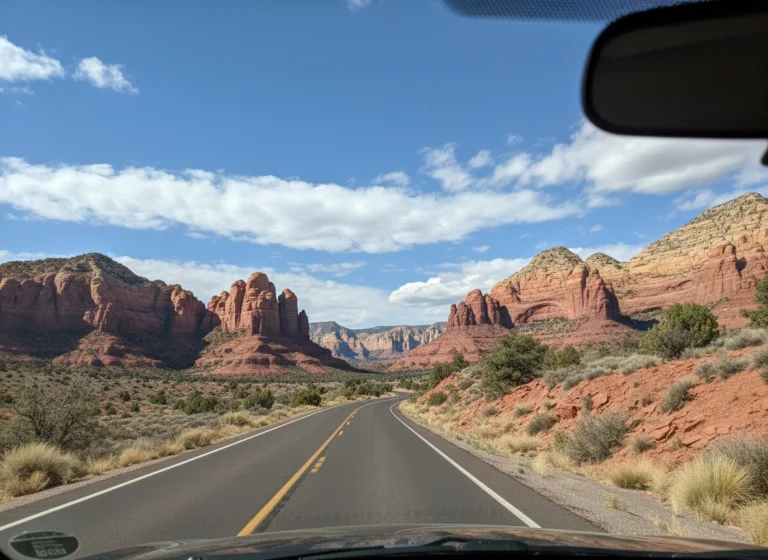
Sedona’s red-rock scenery makes a natural spring-break centerpiece, but the responsible version is not a frantic Phoenix-to-Grand-Canyon loop with six hours of daily driving. Base in Sedona, Cottonwood, or Camp Verde and choose a few timed trail, cultural, and town experiences.
Spring can bring warm desert afternoons, cold mornings, wind, crowded trailheads, and snow or ice at higher elevations near Flagstaff. Start early, carry more water than a short social-media hike seems to require, and use official parking or shuttle systems where offered.
Desert biological soil crust is alive and extremely easy to damage. Stay on established trails and durable rock, skip improvised roadside parking, and never carve or stack the landscape for a photograph.
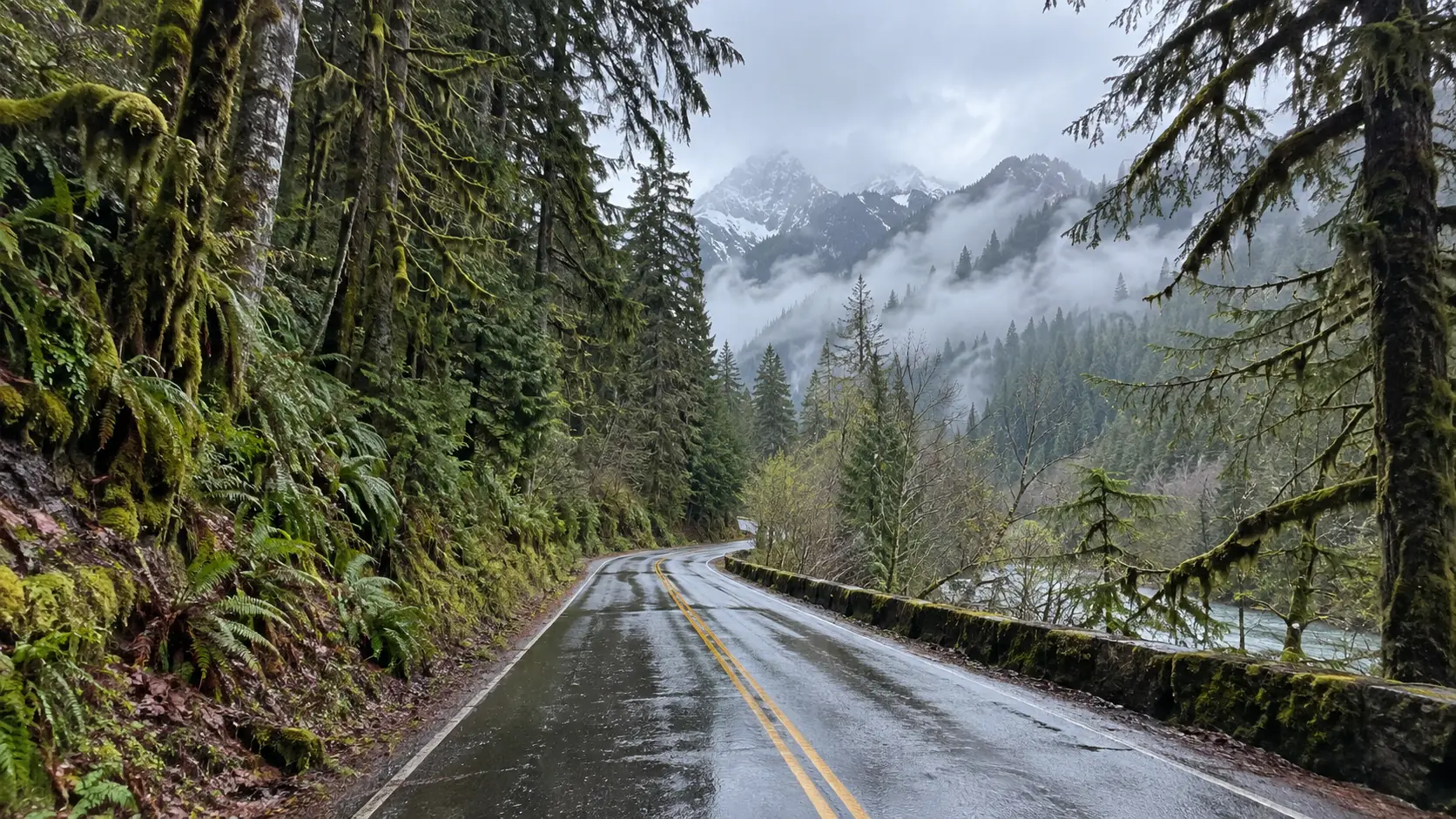
3. Olympic Peninsula, Washington
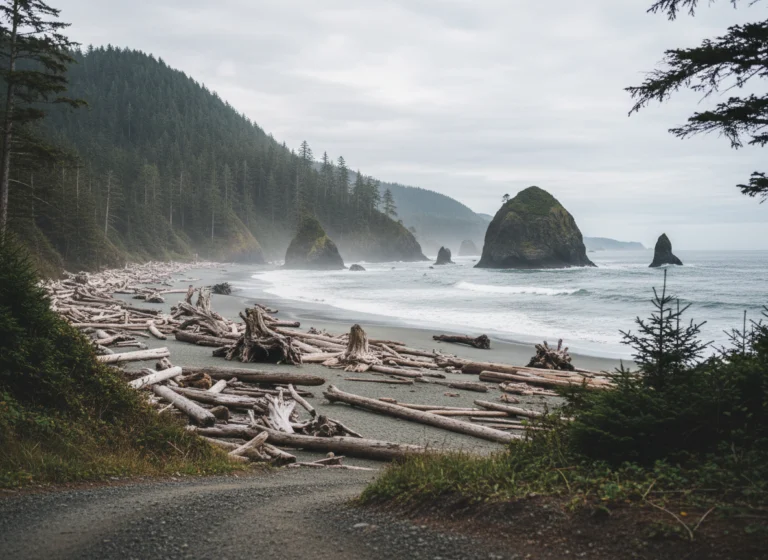
The Olympic Peninsula packs Pacific beaches, temperate rainforest, lakes, rivers, and mountain views into one loop, but the distances are much larger than the map first suggests. Choose two bases for five or six nights rather than sleeping in a different corner every evening.
A workable split is Port Angeles or Lake Crescent for the north side, then Forks or the southwest corridor for rainforest and coast. The official Olympic National Park conditions page tracks road, trail, campground, weather, and seasonal access that can change quickly in spring.
Tides control safe beach travel, and drift logs can move with lethal force in surf. Check tide information, stay back from wildlife, and remember that mossy forests are not a license to step off trail into fragile vegetation.
If you want to continue south later, my Vancouver-to-San Francisco route guide explains why the coast works best as connected modules. For one school break, Olympic alone is already a complete trip.
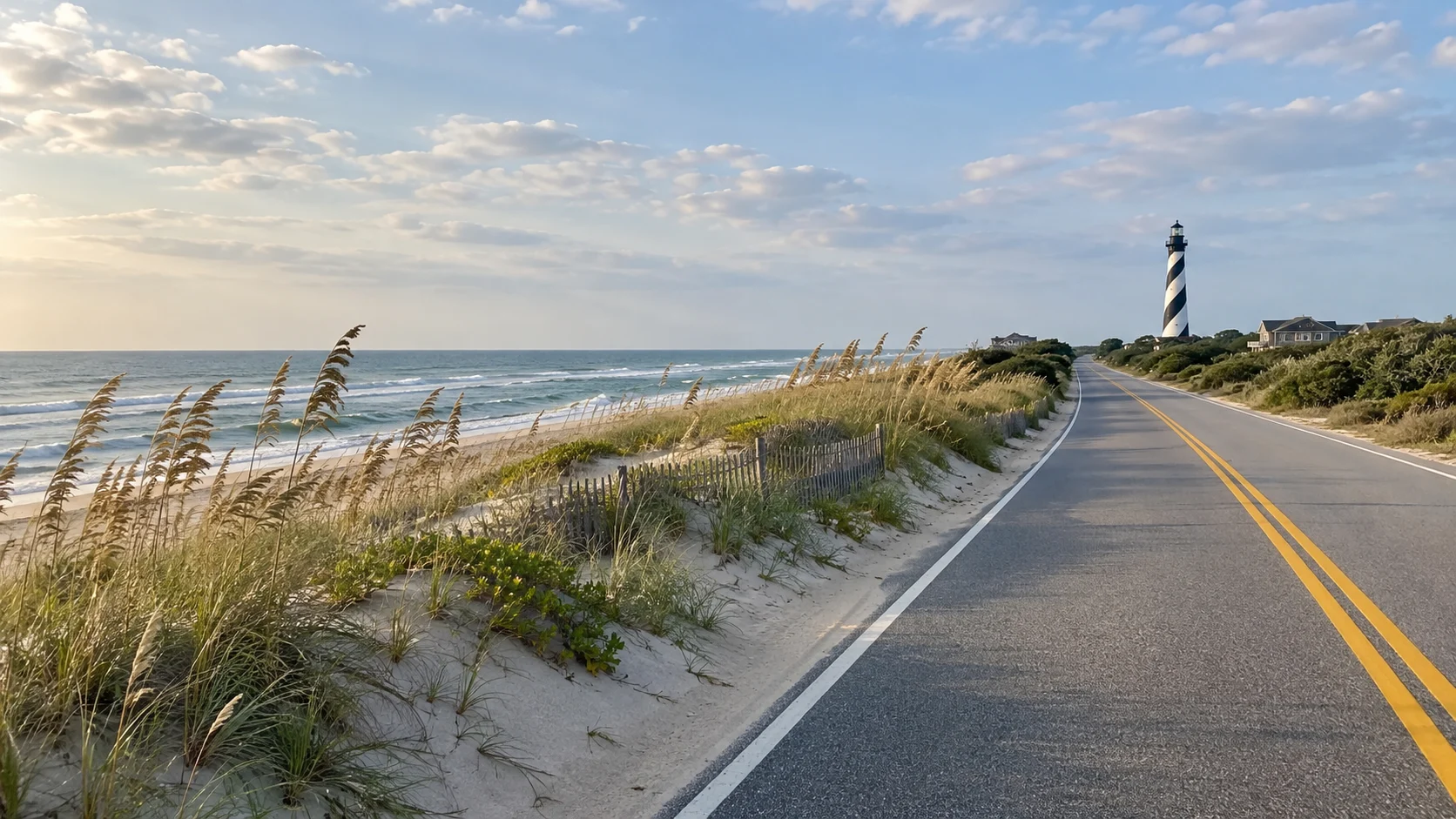
4. Outer Banks, North Carolina
The Outer Banks turn a spring road trip into a string of dunes, sounds, beaches, fishing villages, lighthouses, and maritime history. Temperatures and water may still feel cool, which makes this a better exploring trip than a guaranteed swimming vacation.
Pick a northern, central, or Hatteras-area base instead of commuting the entire barrier-island chain. Ferries, bridge traffic, wind, overwash, closures, and long grocery runs can turn an ambitious day into a windshield marathon.
My Outer Banks lighthouse guide helps group the beacons geographically. Climbing access is seasonal and can change, so admire the exterior without treating a locked tower as a failed trip.
Keep off dunes except on designated access, give wild horses substantial space, and do not feed wildlife. Use marked beach ramps and current local driving rules if your vehicle and permit allow beach driving.
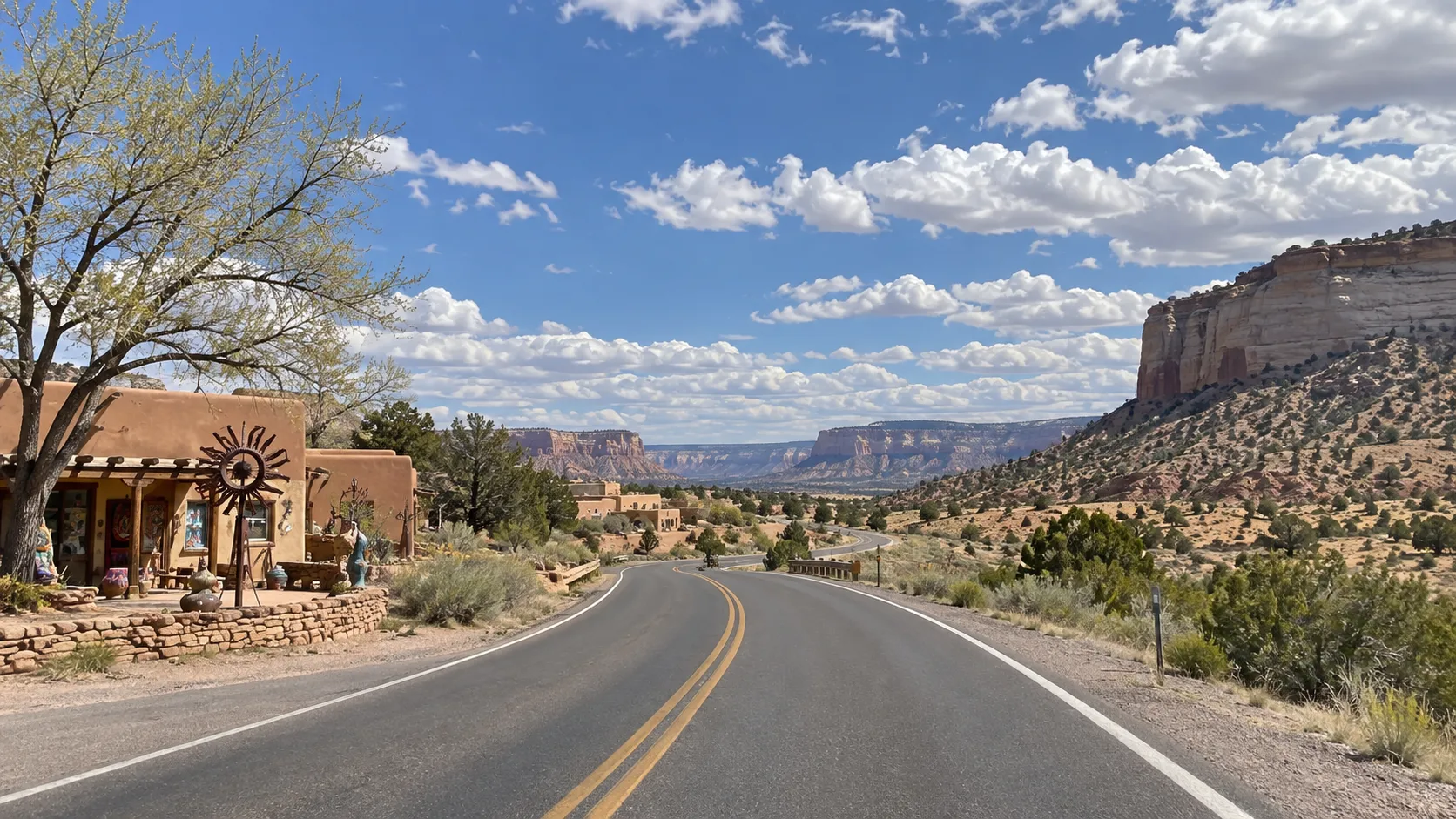
5. New Mexico’s high-desert art loop
Albuquerque, Santa Fe, and Taos create a spring-break route built around food, art, Pueblo history, adobe architecture, and high-desert scenery. The loop can stay under a few hundred miles while still feeling like several distinct destinations.
This is high elevation, not endless summer. Snow, freezing nights, strong sun, wind, and mountain-road conditions can all appear during spring break, so pack layers and check the route rather than relying on Albuquerque’s forecast for Taos.
Pueblos are living sovereign communities, not open-air museums. Confirm whether a community is open to visitors, follow its photography and access rules, pay posted fees, and respect closures without trying to find a side entrance.
6. Texas Hill Country
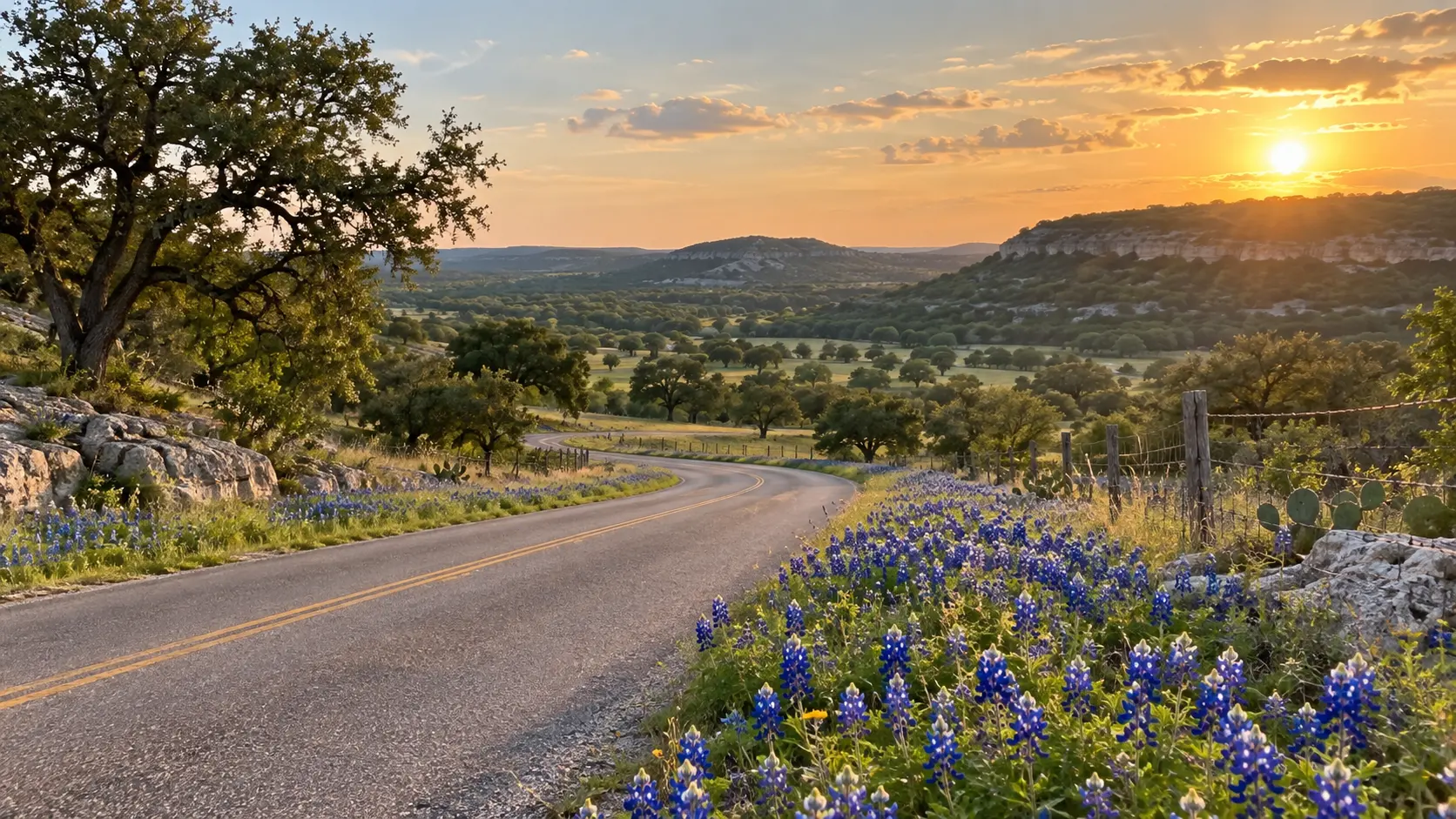
Austin or San Antonio can anchor a loop through the Hill Country’s limestone rivers, small towns, parks, live music, and possible wildflowers. Choose one city plus one rural base so the trip supports slower mornings instead of daily interstate churn.
Wildflower timing and abundance change with weather, and blooms beside a highway are never worth unsafe parking. Photograph from legal pullouts, stay off private land, and avoid trampling the flowers everyone came to see.
Flash flooding is a real concern around low-water crossings even when rain falls upstream. Never drive around barricades or enter moving water because a familiar route looked passable earlier.
7. California’s Central Coast in one manageable section
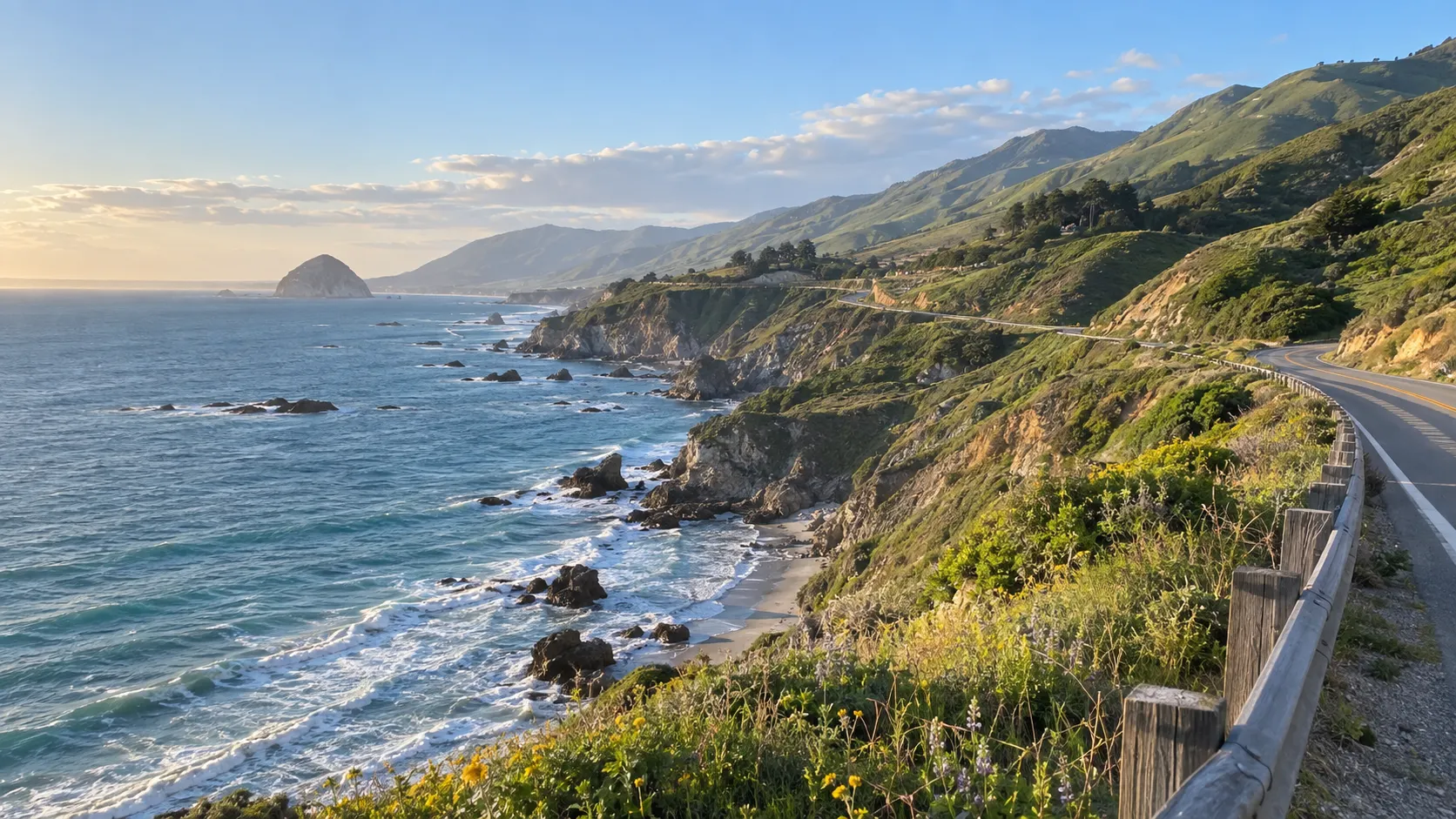
The Pacific Coast Highway is too long and too vulnerable to closures for a responsible “do it all” week. Pick one section, such as Santa Barbara to San Luis Obispo or Monterey to the northern Big Sur viewpoints that are legally reachable from your side.
Check California highway conditions and establish the turnaround before leaving, because an open landmark does not prove through travel is possible. Avoid residential shortcuts, never stop in the roadway, and use formal pullouts rather than creating a dusty new one.
Two or three nights in one town reduces driving and puts more money into local restaurants, guides, and lodging. It also gives fog, rain, or a road change room to move through without wrecking the entire itinerary.
8. Florida’s Forgotten Coast
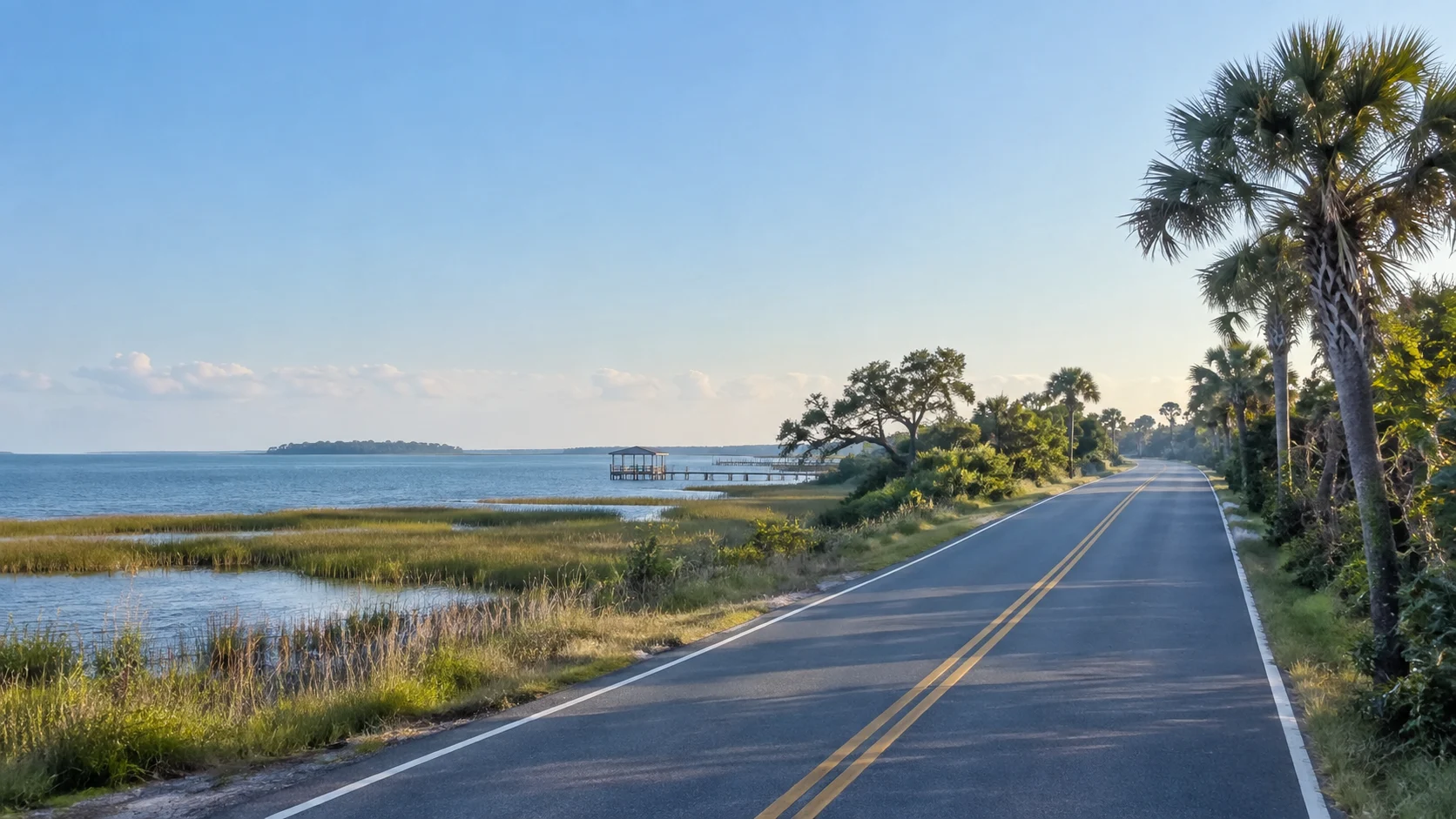
The stretch around Apalachicola, Saint George Island, and the eastern Panhandle offers beaches, estuaries, seafood, and small-town pace without trying to imitate Miami. Spring is appealing, but rip currents, cold fronts, storms, and variable water temperatures still matter.
Base in one community and take short day trips instead of hopping accommodations. Follow dune walkovers, keep artificial light low near nesting habitat, pack out beach waste, and support working waterfront businesses rather than treating the coast as an empty resort set.
For more ideas farther north, my list of beautiful East Coast vacation spots compares beaches, cities, and mountain alternatives by season. A spring road trip does not have to chase warm water to feel like a break.
9. A focused Route 66 segment
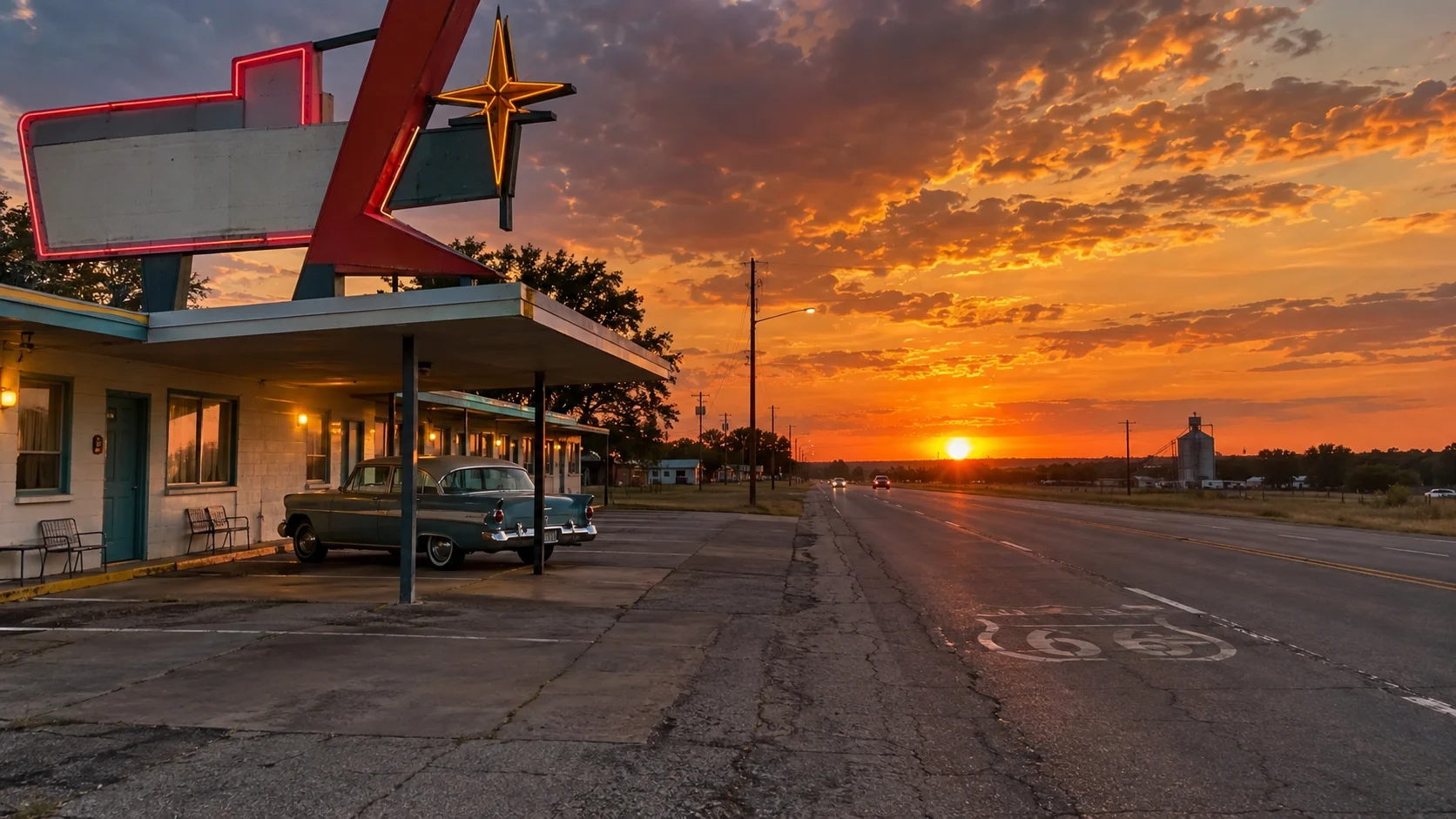
Historic Route 66 stretches far beyond what one school break can hold, and much of the original road no longer functions as one continuous highway. Choose a state or regional segment, then verify which alignments are public, drivable, and worth the detour.
Arizona and New Mexico offer a strong combination of neon, diners, trading-post history, desert landscapes, and railroad towns. Spend locally, ask before photographing people or private property, and do not trespass into abandoned buildings for content.
The route’s stories include Native nations, migration, segregation, family businesses, road engineering, and communities bypassed by interstates. A responsible trip makes time for those layers instead of reducing the road to signs and milkshakes.
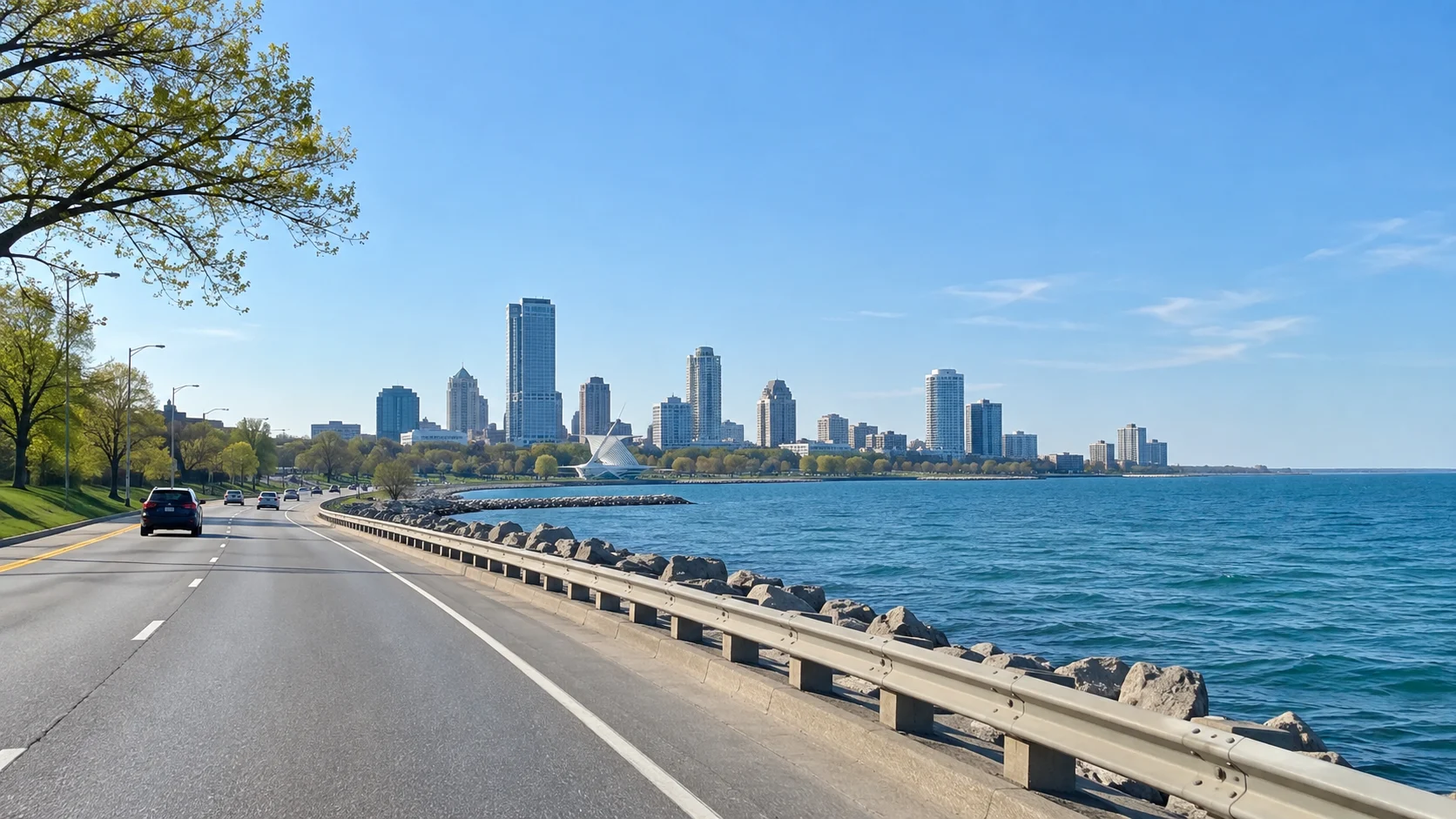
10. A Great Lakes city-and-shore trip
Chicago and Milwaukee can anchor a low-mileage spring route with lakefront walks, museums, architecture, neighborhoods, and food. The shoreline can be striking even when it is far too cold for swimming, and trains between central areas may reduce the need to drive every day.
Spring weather along the Great Lakes can swing from sunshine to sleet, so keep indoor choices ready. If you continue into smaller lake towns, verify seasonal business hours because a place that buzzes in July may be very quiet in March.
Ten compact routes with places to sleep
Use these as compact trip shapes, with driving allowances that exclude sightseeing, meals, and traffic. Choose the named daily anchor first, then keep the detour optional so weather or a slow start does not make the whole day late.
Blue Ridge: Asheville, Blowing Rock, and Roanoke
Use Asheville for the first night, Blowing Rock for the middle two, and Roanoke for the finish, choosing open road segments from the NPS closure map. Allow three travel days, with Asheville city time first, a short Bass Lake walk near Blowing Rock next, and the Mabry Mill grounds on the way toward Roanoke.
Ordinary highway detours can be necessary, so do not promise a continuous Parkway drive; allow about three to four hours of driving on each longer transfer before scenic stops. Skip an exposed overlook in fog and use town museums, with an extra Blowing Rock night as the most useful extension.
Sedona and Verde Valley: a three-night loop
Start in Sedona for two nights, making the first day a village-and-viewpoint day and the next an early Bell Rock Pathway out-and-back with a personal turnaround after 30 minutes. Move through Cottonwood to Jerome for the third night or a day visit, allowing roughly an hour of direct driving from Sedona before stops.
Add Tuzigoot only if its current visitor access fits the day, and skip the extra hike in heat or thunderstorms. Use designated parking and existing paths so a short outing does not become new damage to desert crust.
Olympic: Port Angeles, Forks, and a coastal return
Begin in Port Angeles with Lake Crescent as the first scenic anchor, then sleep in Forks for two nights. Choose the Hall of Mosses loop on one morning and an open Pacific beach on the other, allowing about 1.5 hours between Port Angeles and Forks before the lake stop.
Return by the same northern route or add a separate southern-coast night, depending on the onward destination. Drop the beach walk in strong surf and check road access before committing to the rainforest drive.
Outer Banks: Kitty Hawk to Nags Head and Hatteras
Spend two nights around Kitty Hawk or Nags Head, with the Wright Brothers memorial grounds and a short Jockey’s Ridge outing on separate days. Move south to Buxton for one or two nights if you want Cape Hatteras, allowing around 1.5 to two hours from Nags Head before stops.
Bodie Island is the easy en-route detour, with tower access a separately checked seasonal reservation. Skip the longer southern leg when wind or overwash threatens Route 12 and use an indoor aquarium or museum instead.
New Mexico: Albuquerque, Santa Fe, and Taos
Give Albuquerque one night for Old Town, Santa Fe two for the Plaza and museums, and Taos one or two for its town and regional scenery. Allow roughly one hour Albuquerque to Santa Fe and another 1.5 to two hours to Taos by the chosen route, using an easy town walk as the daily anchor.
A High Road village stop is the optional detour, while Pueblo visits depend on the community’s current welcome and rules. Return by the more direct road when snow threatens and use art museums instead of extending a mountain drive.
Hill Country: Fredericksburg as the rural base
Drive Austin to Fredericksburg, about 1.5 hours before stops, and settle in for three nights. Use one morning for Main Street and local food, one for a reserved Enchanted Rock visit, and one for the LBJ-area history stops that are open.
Choose a lower trail if the granite summit is too wet, hot, or windy, and keep Luckenbach as a short optional stop rather than a reason to hurry dinner. Buy groceries in town and leave gates, livestock, and private ranch roads alone.
Central California: Santa Barbara to Morro Bay
Spend two nights in Santa Barbara for a downtown walk and beach time, then move through San Luis Obispo to Morro Bay for two nights. Allow roughly two to 2.5 hours of direct driving, using Morro Bay’s Embarcadero as the next easy walk and Cambria as an optional half-day.
Use U.S. 101 for the transfer and keep this route south of the fire-affected Big Sur corridor while Caltrans emergency restrictions apply. A museum or café afternoon is a better backup than driving toward a closed coastal road.
Forgotten Coast: Apalachicola and Port St. Joe
Use Apalachicola for two nights and Port St. Joe for one, with a town-and-waterfront day followed by St. George Island beach time when conditions allow. The towns are about half an hour apart by direct road, leaving room for a slow meal and a short permitted shoreline walk.
Add a state-park visit only after checking storm recovery, access, and entry rules. Skip swimming in rough water, choosing the towns’ shops and local history when the beach conditions disappoint.
Route 66: Tulsa, Oklahoma City, and Clinton
Give Tulsa one night, Oklahoma City two, and Clinton a final stop or night before turning back or continuing west. Use Tulsa’s Route 66 streetscape first, Oklahoma City’s museums and a Bricktown walk next, then the Oklahoma Route 66 Museum in Clinton, with roughly two hours Tulsa-to-Oklahoma City and 1.5 hours onward.
Add Arcadia’s Round Barn as the small detour when open, taking signed public road segments rather than chasing every abandoned alignment. If you only have a weekend, drop Clinton and give Tulsa and Oklahoma City proper time.
Great Lakes: Chicago to Milwaukee
Stay two nights in Chicago for a lakefront walk and one museum, then drive about 1.5 to two hours to Milwaukee for two more nights. Use Milwaukee’s RiverWalk and Public Market as the first-day anchor, with the lakefront or an indoor museum on the following day.
Make a Kenosha shoreline pause the optional detour, avoiding a separate car rental if a train-and-city plan fits better. Spring wind can make either waterfront bitterly cold, so carry layers and let the museum replace a walk rather than compete with it.
Make the car part of the safety plan
Before departure, check tires, fluids, lights, wipers, brakes, battery condition, recall status, spare-tire or inflator equipment, and roadside coverage. Know the vehicle’s limits before sending it onto snow, sand, a rough forest road, or an isolated desert route.
Give the front passenger navigation and message duty. NHTSA’s distracted-driving guidance notes that reading or sending a text can take a driver’s eyes off the road for five seconds, which covers roughly a football field at 55 mph.
Switch drivers before fatigue becomes a debate, not after someone drifts or misses an exit. No itinerary is important enough to justify a drowsy, impaired, angry, or weather-panicked driver.
Reduce fuel use without pretending the trip has no impact
Start with the smallest safe, appropriate vehicle for the people, weather, and road. Filling empty seats with friends can also lower per-person cost and impact, provided the group can travel safely with seat belts and sensible luggage.
Drive smoothly, obey speed limits, avoid unnecessary idling, remove needless roof cargo, and keep tires at the manufacturer’s recommended pressure. The Department of Energy’s efficient-driving guidance explains how maintenance and driving behavior affect fuel use.
An electric vehicle can be a good choice when its real range, charging curve, weather performance, and current chargers fit the route. Build charging around meals or walks when possible, but keep a backup station and never assume a charger shown in an app is available and working.
Be a better guest in busy spring-break communities
Stay on legal roads and trails, keep music inside the car near homes, and use public restrooms rather than treating a small business as a free service stop. Do not leave pet waste, food scraps, confetti, glass, or “biodegradable” litter behind.
Choose locally owned lodging and meals when they fit the budget, tip service workers, and learn whose land you are visiting. My guide to the characteristics of responsible ecotourism explains why community benefit matters alongside environmental care.
Avoid disaster zones and communities asking visitors to stay away. If an area is open after a storm or wildfire, follow local guidance and understand that open businesses may coexist with closed neighborhoods and exhausted residents.
A practical spring-break packing list
- Driver’s licenses, registration, insurance, and roadside-assistance details
- Offline maps and written lodging addresses
- Water, snacks, necessary medications, and basic first aid
- Layers for the coldest elevation and waterproof outerwear
- Flashlights, charging cables, and power banks
- Tire gauge and vehicle-specific emergency equipment
- Reusable bottles, food containers, and trash bags
- Sun protection and insect repellent appropriate to the route
Do not let the emergency kit become loose luggage that can fly through the cabin in a crash. Secure heavy items and keep every seat belt usable.
The bottom line
The most responsible spring-break road trip is usually a compact loop or out-and-back with two bases, current-condition checks, and room for weather. Blue Ridge, Sedona, Olympic, the Outer Banks, New Mexico, the Texas Hill Country, coastal California, Florida, Route 66, and the Great Lakes can all work when the distance matches the actual number of days.
Plan less driving than you think you can tolerate, then spend the saved hours walking, eating, talking, and noticing the place. That is better for the destination, safer for the group, and a much more convincing vacation.