12 Best Attractions in Dorset, England: Coast to Castles
Dorset rewards travelers who plan by geography, because Durdle Door, Lyme Regis, Brownsea Island, and Corfe Castle do not fit neatly into one casual day. Pick the right base, check tides and transport, then let this glorious stretch of coast unfold without a parking-lot sprint.
Choose Your Dorset Base First
Stay in Bournemouth or Poole for beaches, Brownsea Island, and easy arrival by train. Choose Swanage or Wareham for the Isle of Purbeck, Corfe Castle, Studland, and Old Harry Rocks.
Weymouth makes the strongest central base for Lulworth Cove, Durdle Door, Portland, and Chesil Beach. Lyme Regis or Bridport suits fossil country and West Bay, while Dorchester works for museums, Thomas Hardy connections, and travelers who prefer an inland town.
Dorset’s coast is not one continuous resort strip. The official tourism site describes the Jurassic Coast as a 95-mile World Heritage Site from Old Harry Rocks in Dorset to Exmouth in East Devon, so “seeing the coast” requires choices.
Three nights cover one area well, while five to seven nights support east, central, and west Dorset without constant hotel changes. If Dorset is part of a wider country trip, Ellie’s Europe destination collection helps keep the England portion in proportion.
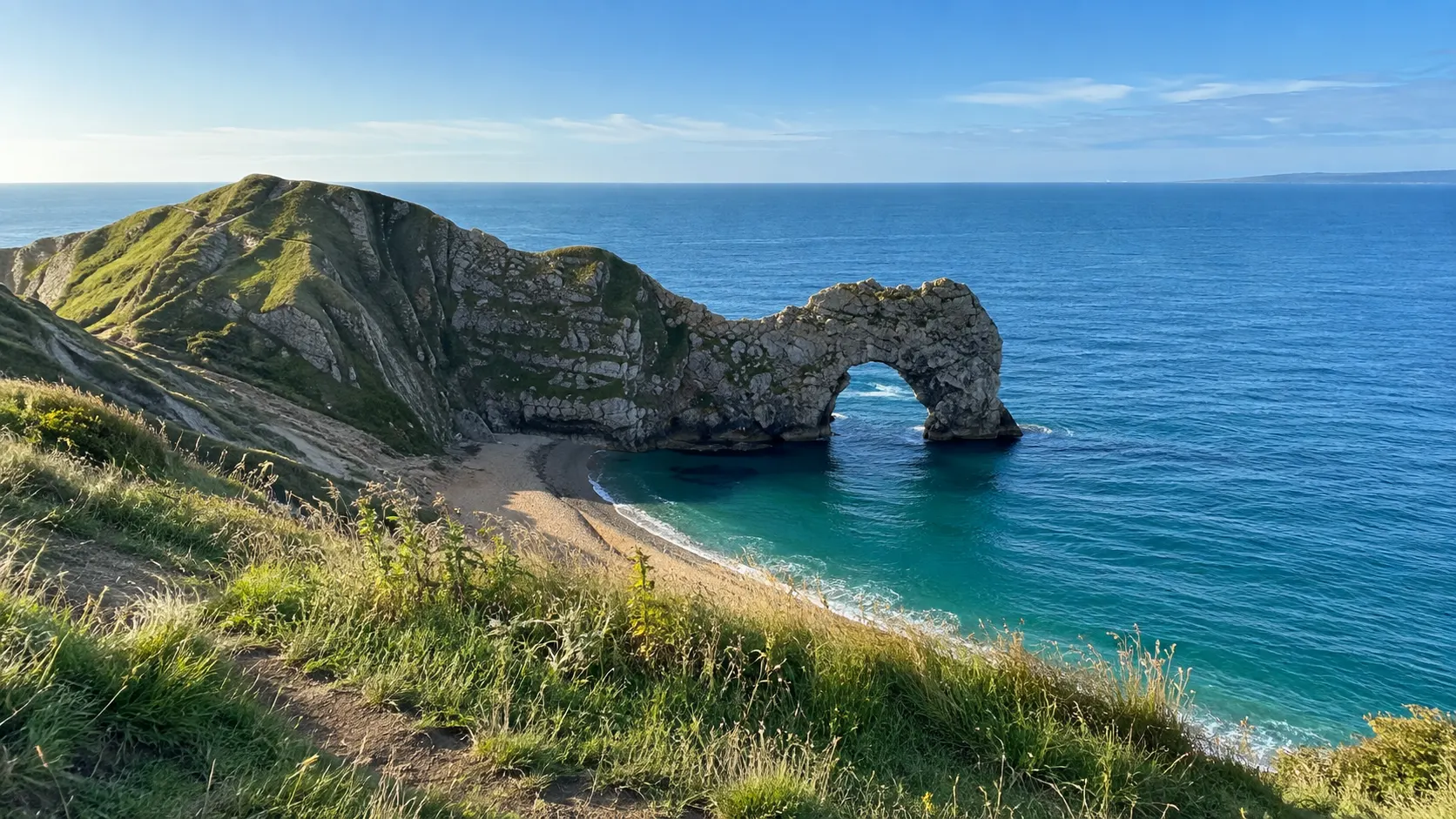
1. Durdle Door
Durdle Door is the limestone arch that sells Dorset in one photograph, but the visit involves a steep path and many steps from the cliff-top parking area. The beach is shingle, the water can be cold and rough, and there is no reason to stand beneath unstable cliffs for a better angle.
The Lulworth Estate says public access is available year-round, with beach access closing after 9 p.m. or dusk, and its official Durdle Door page posts current parking and accessibility details. Check those details before leaving because weather, erosion, events, and maintenance can change the practical route.
Allow two hours for an unhurried viewpoint and beach visit, or longer if walking from Lulworth Cove. Wear shoes with grip and bring water because the climb back is the part glossy photos politely omit.
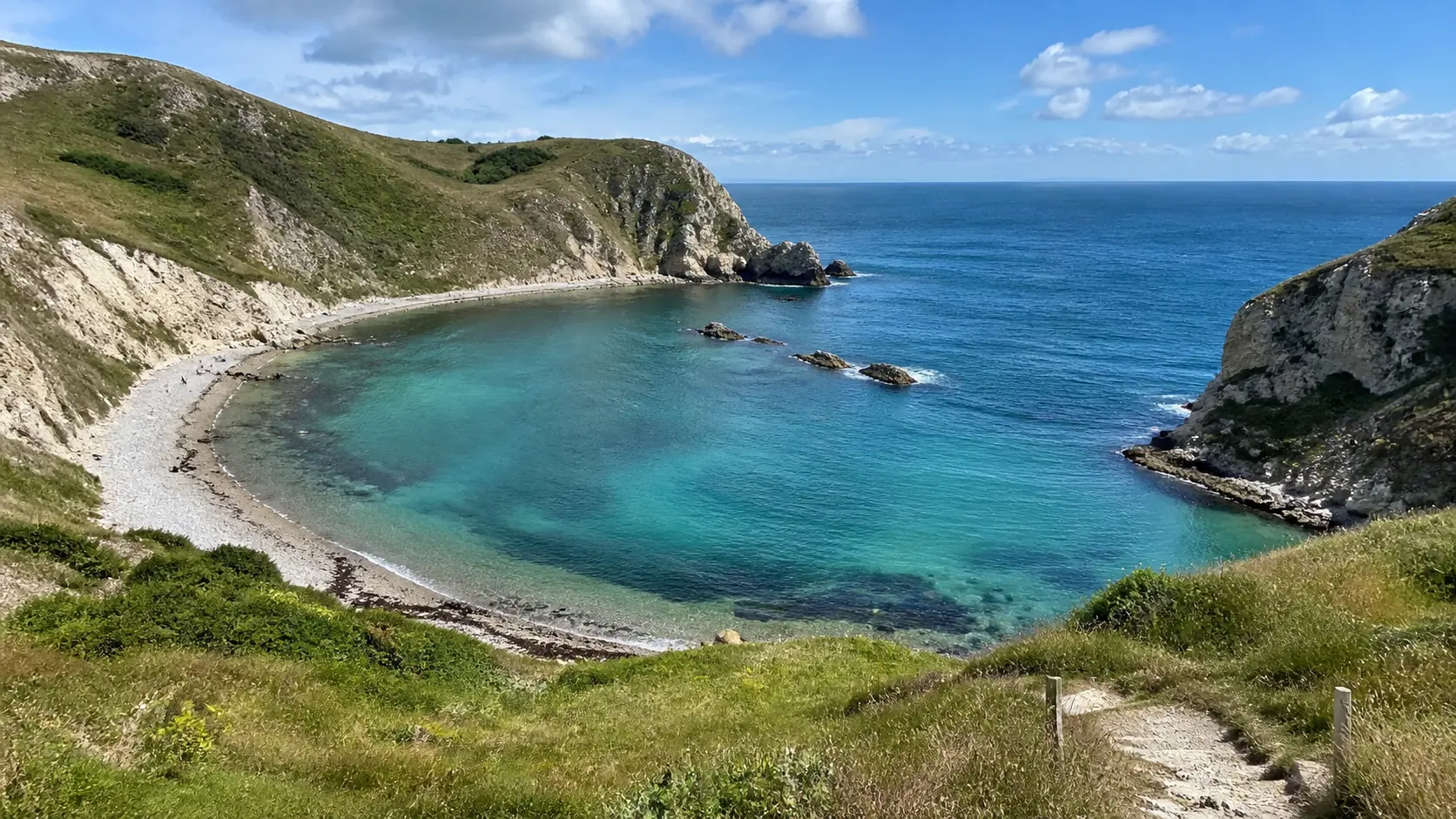
2. Lulworth Cove
Lulworth Cove offers a compact lesson in geology with a visitor center, village services, a curved bay, and coastal paths. It is the easier half of a Lulworth day for many travelers, although beach surfaces and slopes still require attention.
Pair it with Durdle Door only if everyone can manage the terrain and you have enough daylight. Driving between the separate parking areas may suit limited walking, while the coastal path suits fit visitors in stable weather.
Parking is paid and can be expensive enough to shape the day, so check the estate’s current tariff rather than relying on an old blog. Arrive early on sunny weekends and never park where signs or emergency access prohibit it.

3. Corfe Castle
Corfe Castle is a wonderfully dramatic ruin above a stone village, with enough surviving walls and views to make the civil-war damage feel tangible. The National Trust identifies it as a royal castle established by William the Conqueror and partly destroyed during the English Civil War.
Use the official Corfe Castle page for hours, admission, events, dog rules, and access information. The site is steep and uneven, so visitors with limited mobility should ask what can be experienced from the village and lower areas.
Give the castle and village at least half a day, especially if adding the heritage railway when it operates. A steam-train timetable is not permission to squeeze a missed connection, so leave a backup route.
4. Studland Bay
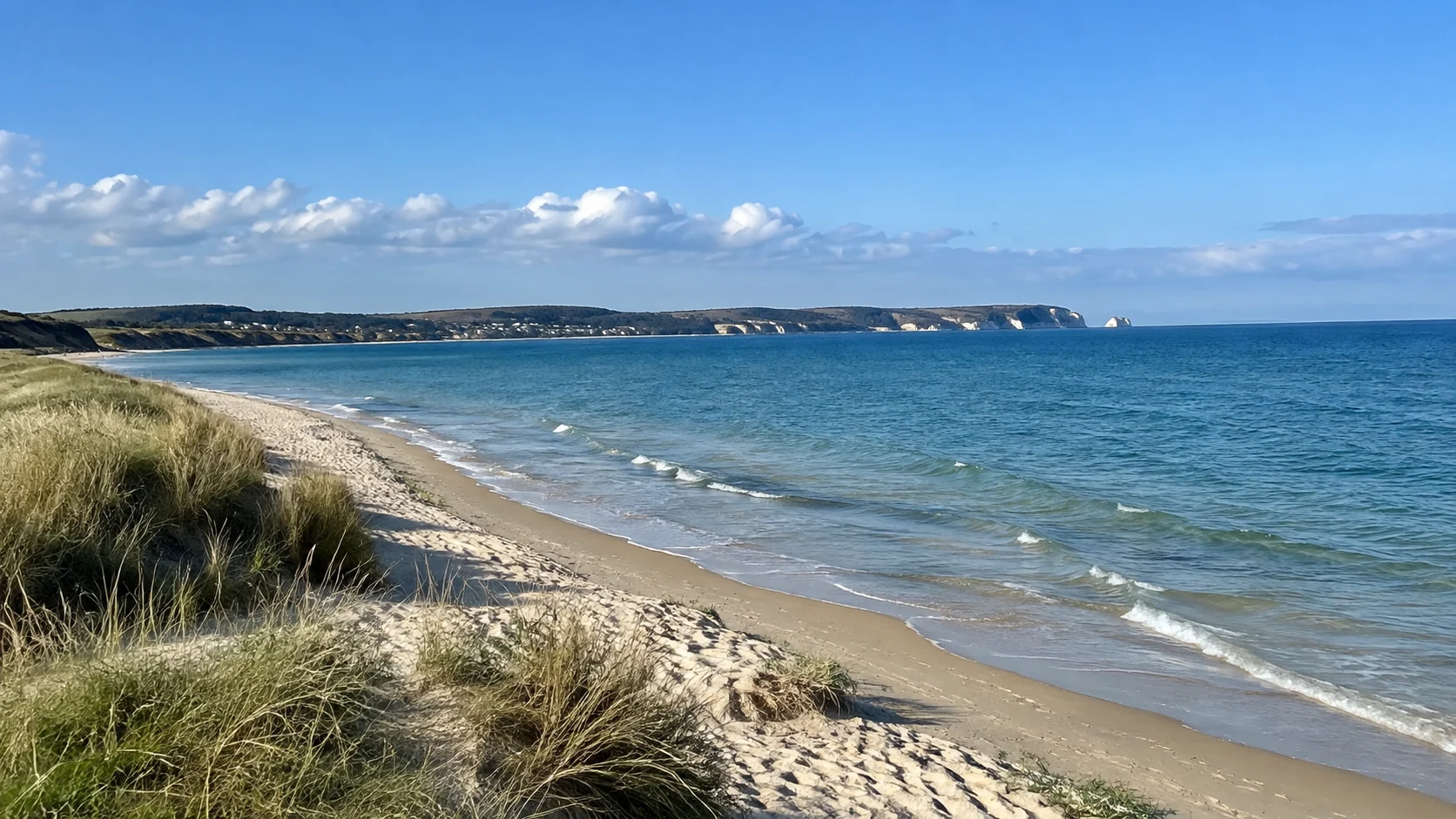
Studland is the beach day I would choose for sand, dunes, heathland, and a flexible walk rather than a single monument. Knoll Beach has the broadest visitor facilities, while South Beach and Shell Bay create different access and parking plans.
The National Trust’s Studland page explains its current number-plate and pay-and-display parking systems. Download any required parking app before arrival because a weak signal is a ridiculous way to lose beach time.
Check seasonal dog restrictions, water conditions, and which facilities are open. Studland also has a designated naturist area, so families and first-time visitors should use the official map if that distinction matters to them.
5. Old Harry Rocks
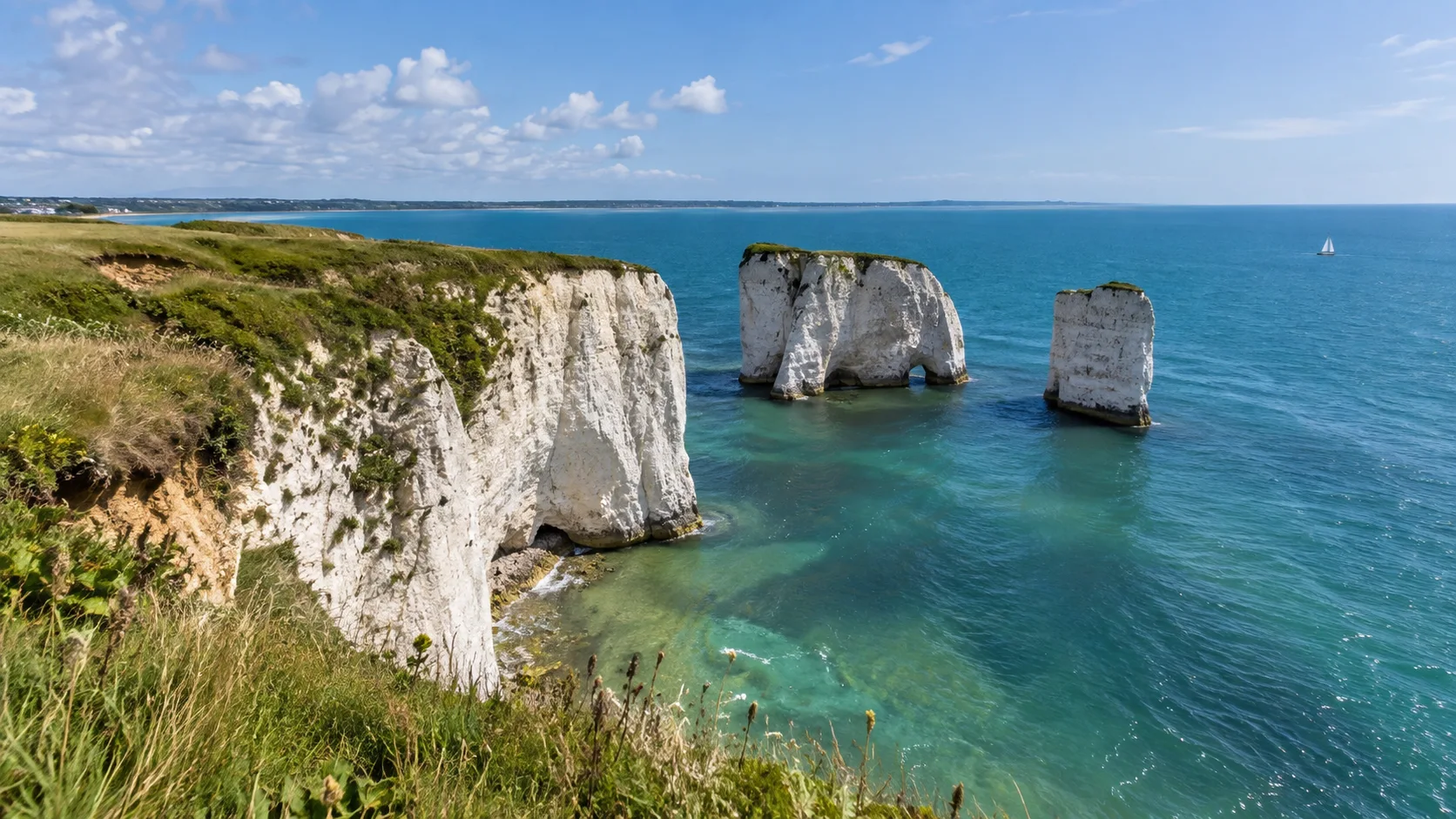
Old Harry Rocks delivers chalk stacks and broad views toward Poole and the Isle of Wight on a relatively compact coastal walk from Studland. It is an exposed cliff route, not a fenced scenic overlook from beginning to end.
Stay on the path, keep children and dogs controlled, and step well back from every edge. Wind and wet ground can change the difficulty faster than the mileage suggests.
Combine it with Studland rather than Corfe, Lulworth, and a long drive west. A picnic and one excellent walk make a better Dorset day than four rushed photo stops.
Choose the right coastal walk
For Old Harry Rocks, start at the National Trust’s South Beach parking area in Studland and follow the signed route toward Handfast Point. The National Trust’s circular walk is 3.5 miles, and I would allow two hours or more for the open grassland, climbs, and photo stops.
For less walking, follow the outward path to the first useful viewpoint and return the same way instead of completing the Ballard Down loop. Look for the separated chalk stacks and the shapes left by erosion, staying well back from unfenced edges even when the grass looks inviting.
For Lulworth Cove to Durdle Door, begin at the Lulworth Cove visitor center parking area and take the signed coast path up Hambury Tout toward Durdle Door, then return on the same path. Budget roughly two miles round trip and 90 minutes to two hours before any beach stop; the steep climb out of Lulworth makes this substantially more tiring than its short distance suggests.
The South West Coast Path route description identifies that steep initial slope, while the Lulworth Estate reports that Durdle Door’s storm-damaged access steps have reopened. Recheck local notices on the day, and remember that beach steps add a separate climb to the headland walk.
I would choose the Old Harry circuit for a longer rolling walk and Lulworth for a shorter but steeper outing linking two famous formations. If wind, rain, or knees make either unappealing, use the short village-to-cove walk at Lulworth and the visitor center, saving the exposed headlands for better conditions.
6. Brownsea Island
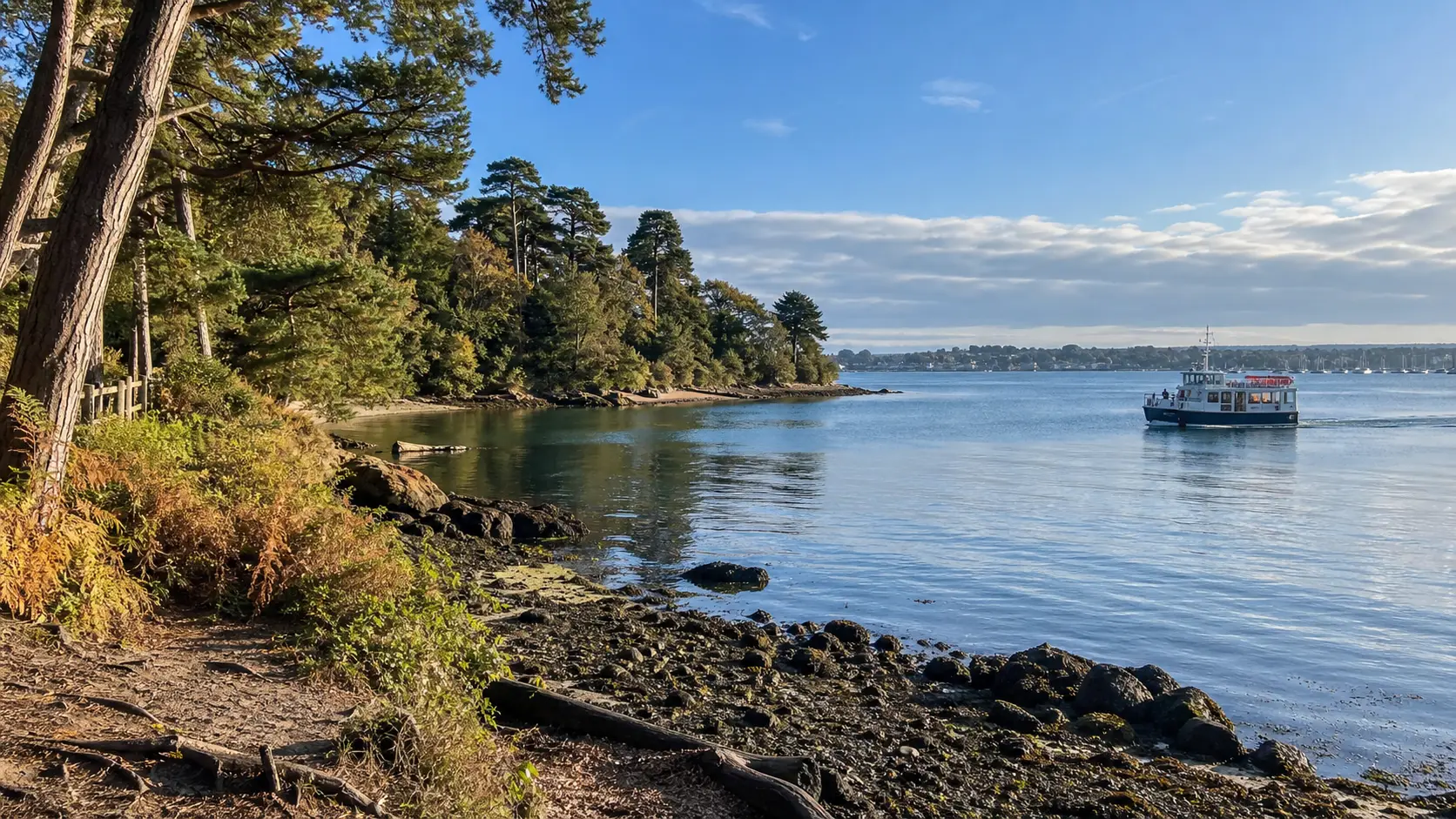
Brownsea Island gives Poole Harbour a woodland, heath, lagoon, and wildlife day reached by boat. Red squirrels are a major draw, but they are wild animals and no itinerary can guarantee a sighting.
Ferry fare applies to all visitors, while nonmembers also pay island admission, according to the National Trust’s current Brownsea page. Boat capacity is limited and service can be weather-dependent, so confirm departure point, return time, and accessibility before setting out.
Allow most of a day once waiting, crossings, walks, and lunch are included. This is not a sensible add-on before a fixed evening train unless a missed ferry still leaves comfortable margin.
7. Lyme Regis and the Cobb
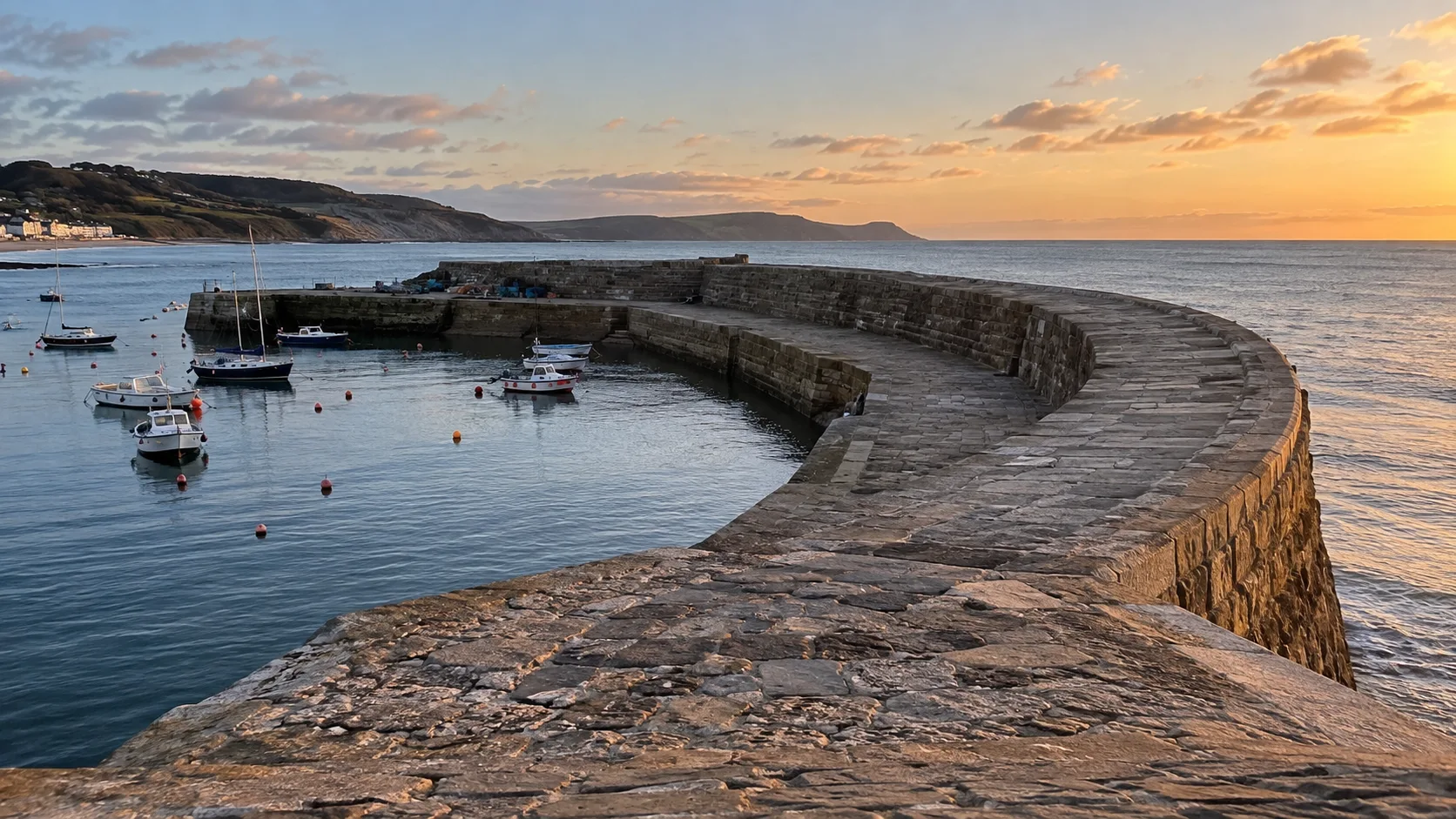
Lyme Regis mixes fossil history, independent shops, beaches, gardens, and its famous harbor wall, the Cobb. Walk the Cobb only when the surface and weather are safe, because exposed stone can be wet, windy, and slippery.
For fossil hunting, start with a guided walk or local museum rather than attacking the cliff. Visit Dorset advises collecting only loose fossils, never hammering or digging into cliffs, and obeying all warnings.
Check tide times and keep away from cliff bases even when other visitors gather there. A fresh rockfall can happen without a theatrical warning crack, and an incoming tide can remove the safe return route.
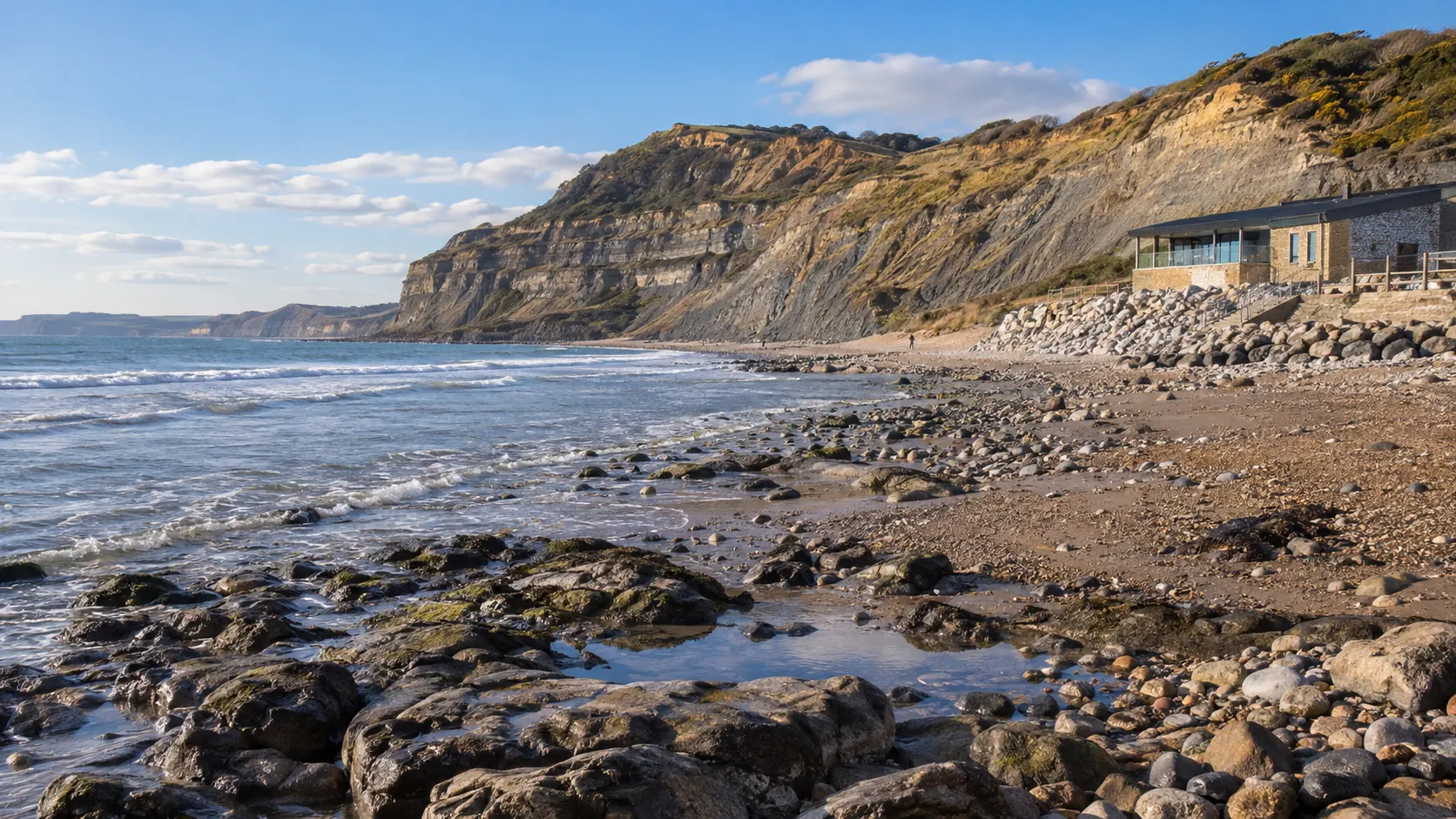
8. Charmouth Heritage Coast Centre
Charmouth is the practical companion to Lyme Regis for families who want to understand fossils before searching. The heritage center’s displays and guided activities turn random stones into a story about the coast’s geology and responsible collecting.
Book walks early in school holidays and dress for a beach that may be wet, windy, and muddy. Children need close supervision near water and cliffs, not just a small hammer and a hopeful pocket.
Lyme Regis and Charmouth belong in the same west-Dorset day, with the tide choosing the order. Do not add Durdle Door simply because both appear under “Jurassic Coast” in a search.

9. Chesil Beach and the Isle of Portland
Chesil Beach is a vast ridge of pebbles stretching beside the Fleet lagoon, best appreciated from viewpoints and designated access points. Walking on loose shingle is tiring, and the sea can be powerful even when the horizon looks peaceful.
Continue to Portland Bill for lighthouse scenery, exposed headland walking, and a sharper sense of Dorset’s maritime edge. Check lighthouse opening separately because the tower, visitor facilities, and surrounding public landscape do not share one schedule.
Strong wind, spray, and cliff edges make this a weather-led outing. Pair it with Weymouth, not Brownsea Island, unless your hobby is collecting windshield time.

10. Abbotsbury
Abbotsbury gives families and garden lovers a break from cliff walks, with the Swannery and Subtropical Gardens operating as separate attractions. Their seasonal calendars, admissions, and event programs can differ, so choose the one that suits the group rather than assuming a single village ticket.
Allow half a day for one attraction or longer for both plus the village. This is a useful rainy-or-windy-day pivot, though heavy weather can still affect outdoor paths and bird activity.

11. Dorset Museum & Art Gallery
Dorchester’s museum is the smart indoor anchor for archaeology, local history, geology, art, and literary connections. It gives context to the landscapes you have been photographing and works especially well after a wet morning.
Check the current exhibition calendar and accessibility information before visiting. Combine it with Dorchester rather than treating the town as a hurried stop between opposite ends of the coast.

12. The Tank Museum
The Tank Museum at Bovington is one of Dorset’s strongest full indoor attractions for military-history fans and families who like large machinery. It is not merely a rain backup, and its collection can easily fill several hours.
Event days, demonstrations, and school holidays can affect capacity and timing. Check the museum’s official calendar, prebook when recommended, and verify transport because the rural location is easier by car.
Best Dorset Attractions Without a Car
Bournemouth, Poole, Weymouth, and Dorchester are the easiest rail bases, but coastal bus frequency and seasonal routes determine what follows. Build each day from the current outbound and final return timetable, not from a map’s estimated driving time.
Poole supports Brownsea Island, Bournemouth adds an easy urban beach, and Weymouth works for selected central-coast buses. Corfe Castle and Swanage can combine with rail and heritage transport when every service lines up, but leave a conventional backup.
Travelers sailing from nearby Southampton can use Ellie’s Southampton cruise planning tips to separate the port stay from a Dorset side trip. Dorset is not a casual same-morning detour before embarkation.
A Three-Day Dorset Itinerary
Day One: Purbeck
Visit Corfe Castle early, eat in the village, then choose Studland or Swanage for the afternoon. Add Old Harry Rocks only with stable weather, suitable footwear, and enough daylight.
Day Two: Lulworth and Weymouth
Start at Lulworth Cove and decide on Durdle Door after seeing the weather and group energy. Finish with Weymouth’s harbor and beach rather than forcing Portland into an already physical day.
Day Three: Lyme Regis and Charmouth
Let the tide determine your fossil-coast schedule, then visit Lyme Regis, the Cobb, and a museum or heritage center. If based in eastern Dorset, substitute Brownsea Island to avoid a long cross-county drive.
Dorset Coast Safety
- Check tide tables, marine weather, closures, and local warning signs on the day.
- Stay away from cliff bases and edges, even when the ground looks dry.
- Use marked access paths and never climb a landslip or rockfall.
- Assume shingle, mud, wet stone, and steep grades until verified otherwise.
- Keep children and dogs within immediate control near cliffs and water.
- In a coastal emergency, call 999 and ask for the Coastguard.
The official Jurassic Coast overview is a useful starting point for locations, while attraction managers publish the operational details. Never substitute an old social-media route for a closure sign in front of you.
When to Visit Dorset
Late spring through early fall brings the broadest visitor services, but summer weekends also bring traffic, full parking areas, and busy ferries. Spring and fall can be wonderful for walking if daylight, wind, rain, and seasonal hours cooperate.
Winter suits museums, storm-watching from safe developed areas, and quiet towns, not a guaranteed full attraction list. Check every ferry, heritage railway, garden, visitor center, and café rather than assuming year-round landscape access means year-round services.
For another coast with different governance and transport, compare Ellie’s Channel Island of Jersey overview. Jersey is not part of Dorset or the United Kingdom, so it needs separate travel and entry planning.
My Final Dorset Picks
Choose Lulworth Cove and Durdle Door for iconic geology, Corfe Castle for history, Studland and Old Harry for an active beach-and-cliff day, Brownsea for wildlife, and Lyme Regis with Charmouth for fossils. Dorchester and Bovington are the strongest weather-proof choices.
The best Dorset trip does not collect the most landmarks. It chooses one geographic cluster per day, respects the coast, and leaves enough time for the view that made you stop the car in the first place.