Iceland Ring Road: A Ten- to Fourteen-Day Itinerary for First-Timers
Iceland’s Ring Road looks wonderfully simple on a map, which is how perfectly sensible people end up planning six waterfalls, three hot springs, a glacier lagoon, and four hours of driving before dinner.
I would give Route 1 at least ten days and preferably twelve to fourteen, because Iceland gets dramatically better the moment you stop treating every roadside waterfall like something you need to photograph from the parking lot and leave.
How Long Do You Need for Iceland’s Ring Road?
Ten days is the minimum I would choose for a first full loop in the warmer months. Twelve to fourteen days gives you room for weather, slower regions, one or two detours, and the revolutionary travel concept of occasionally arriving at your hotel before bedtime.
- Days 1 and 2: Reykjavík and the Golden Circle or Reykjanes depending on conditions
- Days 3 and 4: South Coast and Vík
- Day 5: Skaftafell and Jökulsárlón
- Day 6: Eastfjords
- Days 7 and 8: Lake Mývatn and northeast Iceland
- Day 9: Akureyri and north Iceland
- Day 10: westbound toward Borgarfjörður
- Days 11 to 13: optional Snæfellsnes, extra north/east time, or weather buffers
- Day 14: Reykjavík or departure
I would drive the loop clockwise or counterclockwise based on the weather forecast rather than internet arguments about the “correct” direction. A road trip in Iceland should follow the safest weather window, not somebody else’s color-coded itinerary.
If you like the idea of a long international route where the road itself matters, my Lake Superior Circle Tour uses a similar slow-loop approach closer to home. Iceland simply turns the scenery dial much farther.
Before Anything Else, Check the Roads Every Day
Icelandic road conditions can change quickly with wind, snow, ice, flooding, sand, and volcanic activity. The official Traffic Info service from the Icelandic Road and Coastal Administration shows road conditions, weather, cameras, closures, and alerts across the country.
I would check it every morning and again before a long exposed section. SafeTravel also posts current hazard alerts and travel guidance, which matters because conditions that look harmless from a hotel window can be completely different on an open plateau.
Days 1 and 2: Reykjavík and the Southwest
Do not collect the rental car after an overnight flight and immediately begin a five-hour sightseeing drive if you are exhausted. Spend the first day in Reykjavík or keep the driving short enough that you can safely adjust to the time difference.
Golden Circle or Reykjanes?
The Golden Circle is the easier classic first outing when road and weather conditions cooperate. Reykjanes can also be fascinating, but volcanic activity has changed access repeatedly in recent years, so check SafeTravel Iceland for current closures and hazard zones before planning around Grindavík or eruption areas.
Do not enter a closed volcanic area because you saw someone else standing there online. Icelandic authorities update restrictions for reasons that are much more important than your planned photo.
Days 3 and 4: The South Coast
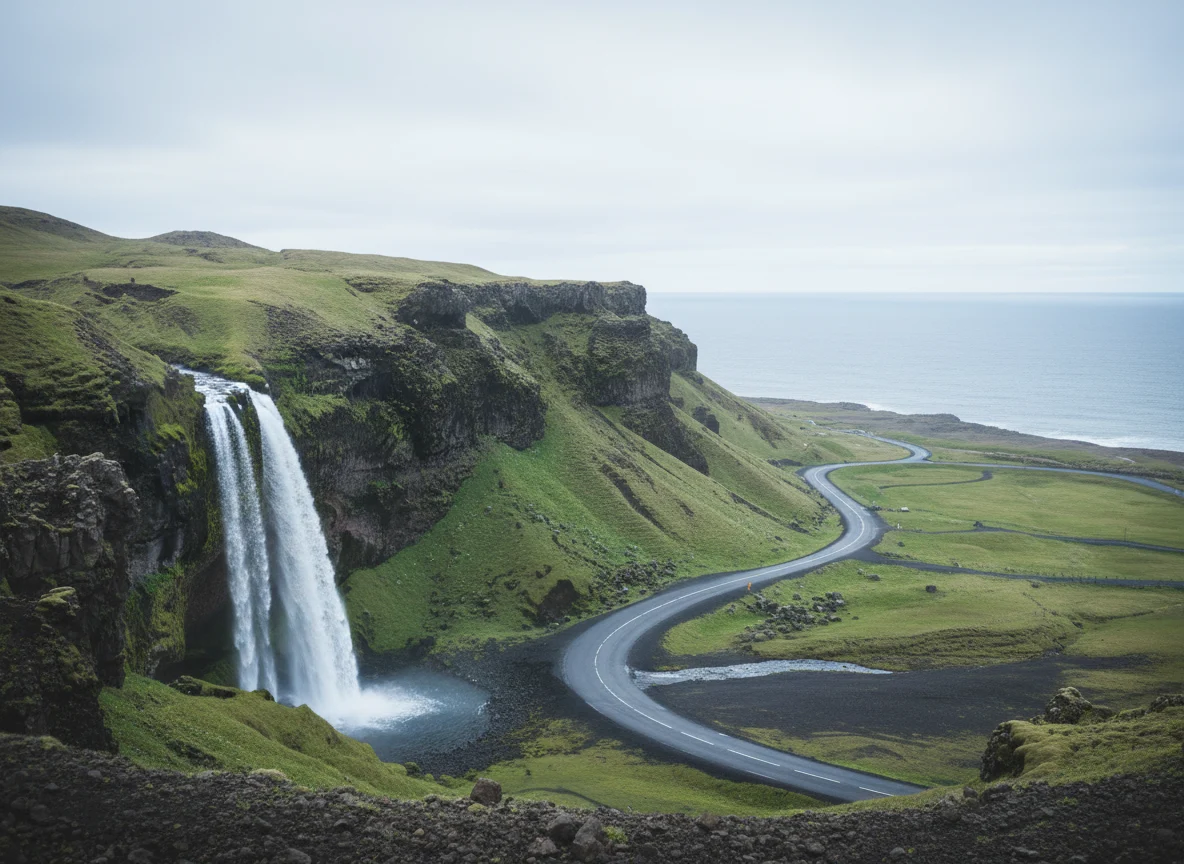
The South Coast is where I would deliberately slow the Ring Road down. Waterfalls, black-sand beaches, glacier views, and cliffs are packed close enough that one long checklist day is technically possible and emotionally ridiculous.
Seljalandsfoss and Skógafoss
Give the waterfalls time rather than treating them as paired parking lots. Trails can be slippery, misty, icy, or temporarily restricted depending on weather, so wear shoes with traction and respect barriers.
Reynisfjara requires serious wave awareness
Reynisfjara’s black-sand beach is beautiful and dangerous, with sneaker waves capable of reaching much farther up the beach than visitors expect. Obey warning systems, stay well away from the surf, and never turn your back on the ocean for a photograph.
Stay in Vík
Vík makes a useful two-night base if you want the South Coast to feel relaxed. It also gives you flexibility when rain or wind makes one outdoor stop much less appealing than another.
Day 5: Skaftafell and Jökulsárlón
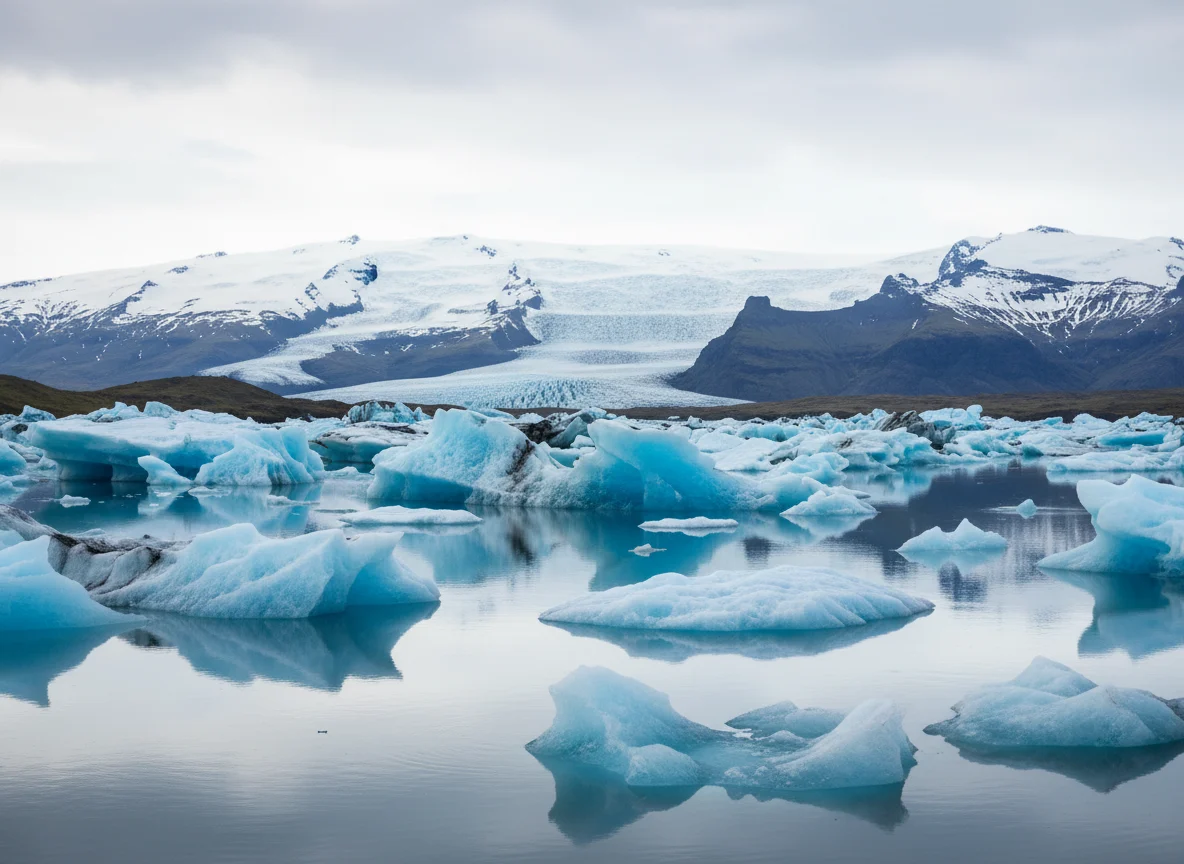
Continue east toward Vatnajökull National Park and use today for glacier scenery rather than another giant list of waterfalls. Skaftafell and Jökulsárlón can easily fill a full day once you add walking, viewpoints, and an organized glacier or lagoon activity.
Use guides for glacier activities
Do not walk onto a glacier independently unless you have the training and equipment for that environment. Crevasses, weather, and ice conditions make guided outings the sensible choice for most visitors.
Jökulsárlón and Diamond Beach
Ice movement, weather, and tides mean the lagoon and nearby beach look different every time. Stay a safe distance from floating or grounded ice near active surf and do not climb on unstable ice for photos.
Day 6: The Eastfjords
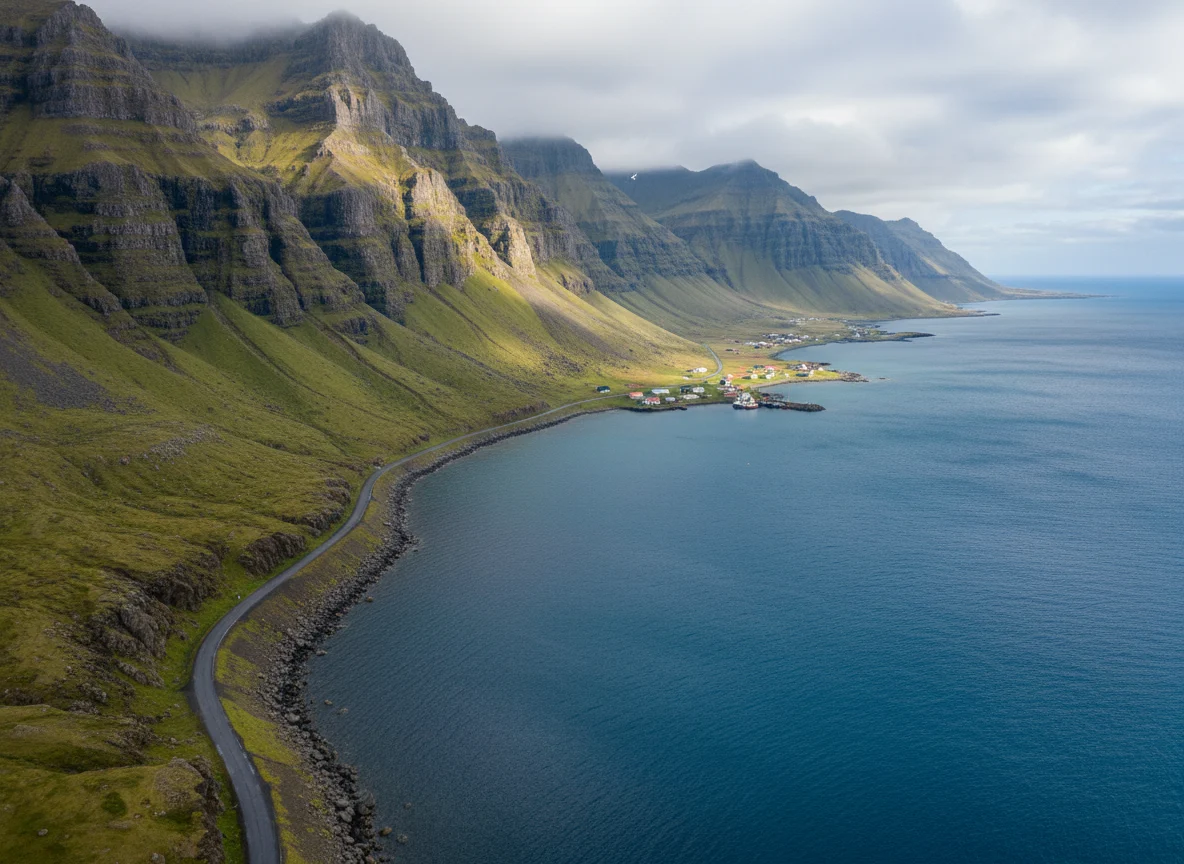
The Eastfjords are where the Ring Road becomes quieter and the drive itself starts doing more of the work. Fishing villages, mountains, narrow fjords, and long coastal views make this a day I would keep deliberately underplanned.
Do not underestimate the roads
Some stretches are winding and exposed, with weather capable of changing visibility quickly. Finish the main drive before dark and stop legally when you want a photograph rather than slowing unpredictably on the roadway.
Stay in one fjord town
Choose lodging based on where you want dinner and tomorrow’s route. This is not the part of Iceland where I would add an hour of night driving just to reach a hotel that was slightly cheaper.
Days 7 and 8: Lake Mývatn and Northeast Iceland
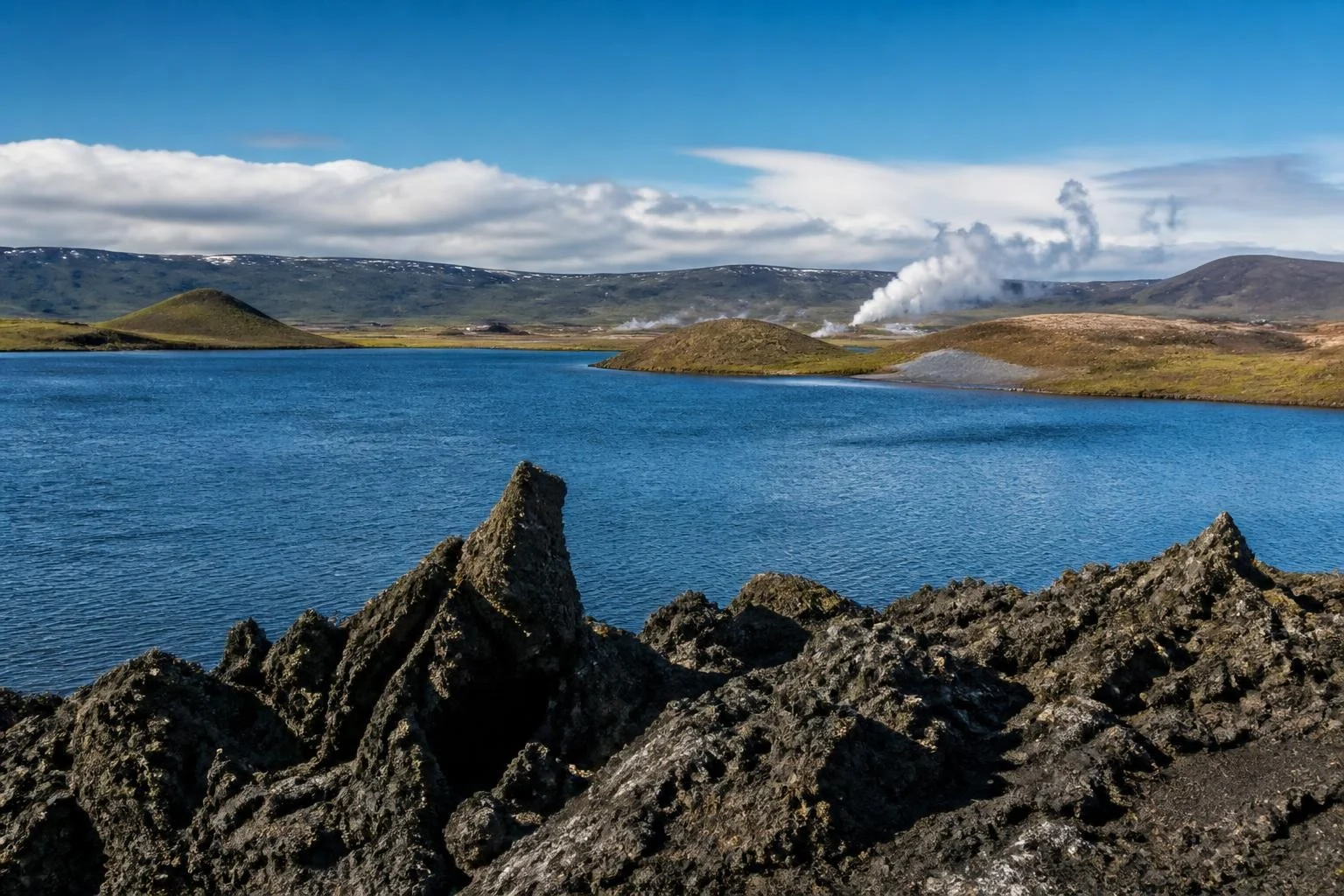
Give the Mývatn region at least one full day because geothermal landscapes, volcanic formations, waterfalls, and lake scenery compete for attention. Two nights in the same lodging makes this section much more enjoyable.
Choose several major stops, not every pin
Build the day around the geothermal and volcanic sites that interest you most, then keep one block flexible. Weather, insects, road conditions, and how long you spend soaking can all rewrite the plan.
Dettifoss access is seasonal and route-dependent
Roads approaching Dettifoss can have very different conditions, especially outside summer. Check the official road map before choosing which side to approach and never assume a secondary road is open because Route 1 is clear.
Day 9: Akureyri and North Iceland
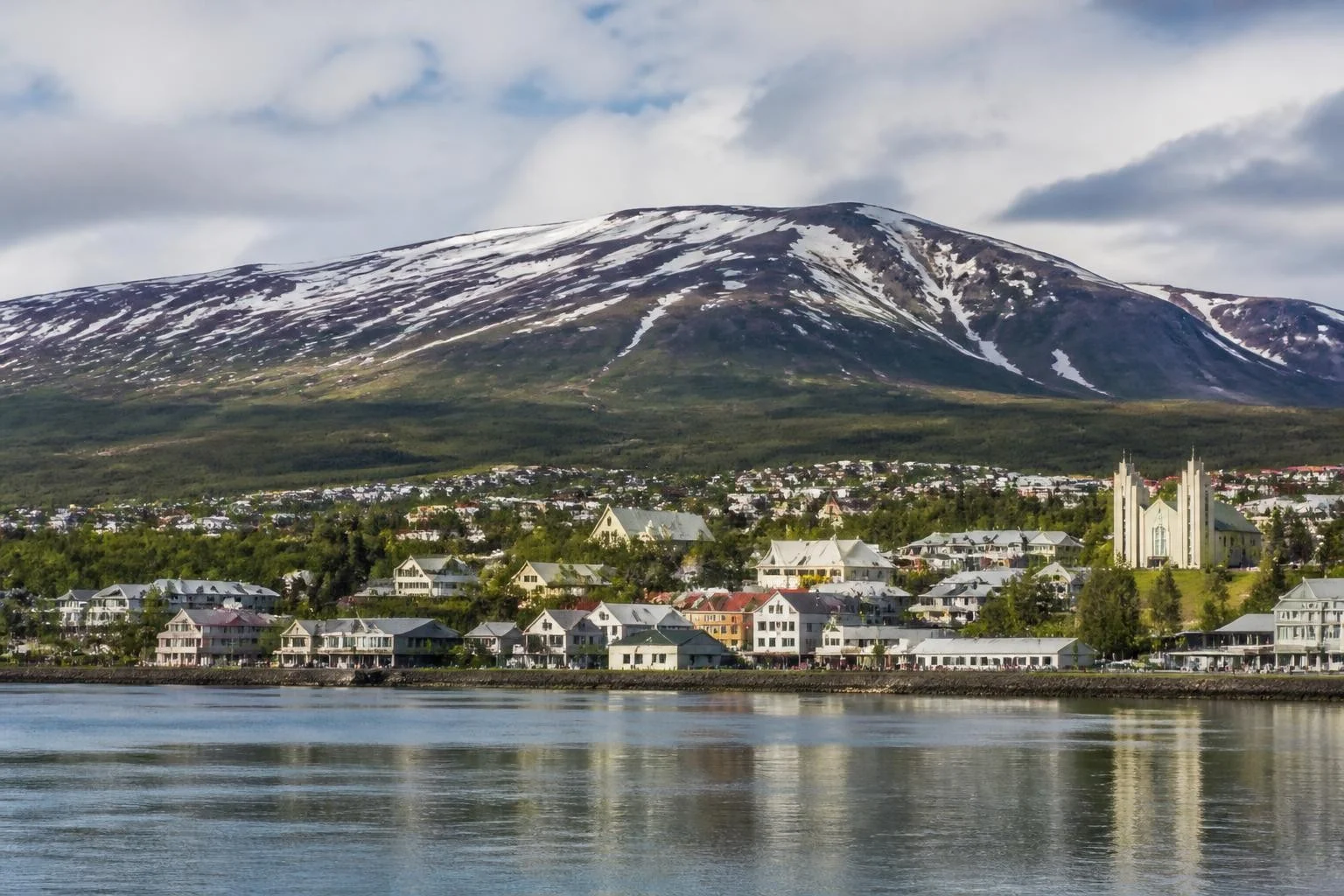
Akureyri gives you a proper town break after several days of smaller communities. Use the day for a relaxed meal, botanical garden, harbor time, or a northern detour rather than adding another marathon of waterfalls.
Whale watching is optional, not mandatory
North Iceland has popular whale-watching ports, but ocean conditions determine whether the experience is comfortable or even operates. If you book a trip, leave enough schedule flexibility for cancellation or delay.
Day 10: Begin the Return West
Use today to move toward Borgarfjörður or another west-Iceland base, with one or two stops along the way. This is one of the longer relocation days and exactly why a ten-day loop feels much tighter than a fourteen-day one.
If you only have ten days, this is where you will feel the difference. I would keep the route direct instead of trying to squeeze the Westfjords or a full Snæfellsnes loop into the remaining hours.
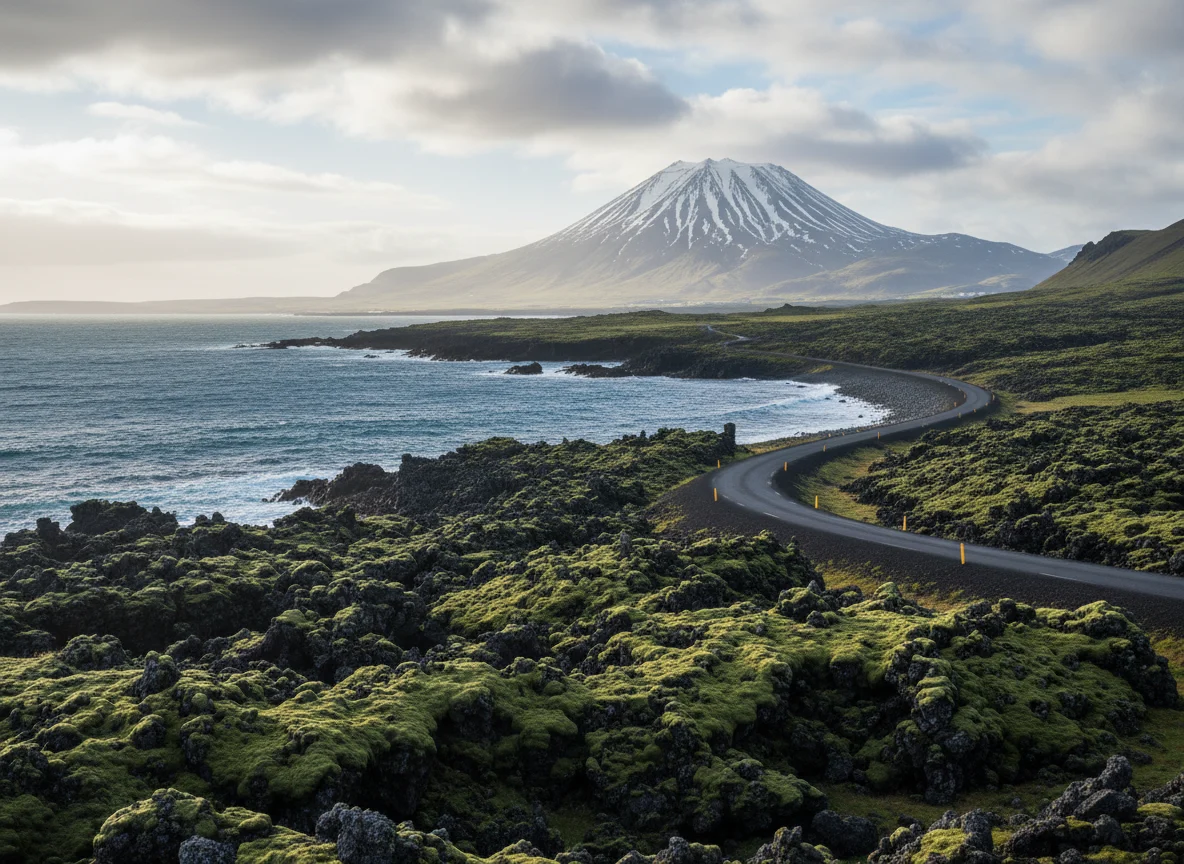
Days 11 to 13: Add Snæfellsnes or Keep the Buffers
With twelve to fourteen days, Snæfellsnes can be a wonderful final region before Reykjavík. Lava fields, fishing towns, mountains, beaches, and the glacier-capped volcano give you a condensed version of several Iceland landscapes.
Do not spend every buffer in advance
Keep at least one extra day unassigned until the trip begins. A wind closure, illness, road delay, or one place you simply love more than expected can use that time far better than a prebooked detour.
What About Iceland’s F-Roads?
Highland F-roads are not normal side roads and can require four-wheel-drive vehicles, river crossings, and seasonal access that varies significantly from year to year. A standard Ring Road itinerary does not need them.
If a road is marked for vehicles or conditions your rental contract does not allow, do not drive it. Rental insurance is not a magic permission slip for river crossings or closed highland roads.
What Kind of Rental Car Do You Need?
In summer, a normal two-wheel-drive car can be suitable for a Ring Road trip when you remain on roads permitted by the rental agreement and current conditions are good. Shoulder season and winter can make a more capable vehicle valuable, but vehicle type never replaces safe driving judgment.
Read the rental contract for gravel, wind, sand-and-ash, water, tire, and highland-road exclusions. Iceland is exactly where I would spend ten minutes understanding the coverage instead of clicking through it at the counter.
Wind Is a Real Driving Hazard
Strong Icelandic wind can move vehicles, damage doors when they are opened, and make exposed roads unsafe. Park facing into the wind when appropriate, hold doors firmly, and stop driving if official warnings make the route unsafe.
SafeTravel specifically emphasizes how quickly Icelandic weather and road conditions can change. Check alerts before the road looks bad, not after.
Best Time to Drive the Ring Road
June through August
Long daylight and broad road access make summer the easiest first-time season. It is also the busiest and most expensive, so book lodging early in remote areas.
May and September
Shoulder season can be beautiful and quieter, but winter weather can still affect high or northern roads. Keep extra schedule flexibility and check road conditions more aggressively.
Winter
I would not recommend copying this ten-to-fourteen-day summer itinerary into winter. Short daylight, snow, ice, storms, and road closures require a much more conservative route and strong winter-driving confidence.
Where to Stay
Book for geography, not luxury alone. On the Ring Road, a comfortable guesthouse exactly where you need to stop is often more valuable than a nicer hotel that adds another hour of driving.
I prefer two-night bases around Vík and Mývatn when the schedule allows. Those are regions where weather and the number of nearby attractions make unpacking once especially useful.
What to Pack
- Waterproof shell and pants
- Warm layers in every season
- Walking shoes with traction
- Swimsuit for pools and hot springs
- Offline maps
- Car charger
- Food and water for long rural stretches
- Sleep mask in summer if midnight light bothers you
My road trip tips cover the general planning side. Iceland is where I become much less concerned about clever road-trip accessories and much more concerned about waterproof clothes and the official road map.
One More Iceland Resource I Would Bookmark
My road trip packing list covers the practical car gear, but Iceland deserves an extra weather check before every driving day. I also use Visit Iceland for current destination information alongside SafeTravel and the official road-condition service.
My Favorite Ring Road Pace
I would choose twelve days if vacation time allows, with two nights on the South Coast, two near Mývatn, and at least one completely flexible day. Fourteen days is even better if Snæfellsnes or longer hikes are important.
Iceland already gives you enough drama through volcanoes, glaciers, wind, waterfalls, and black beaches. The schedule can afford to be the calm part.