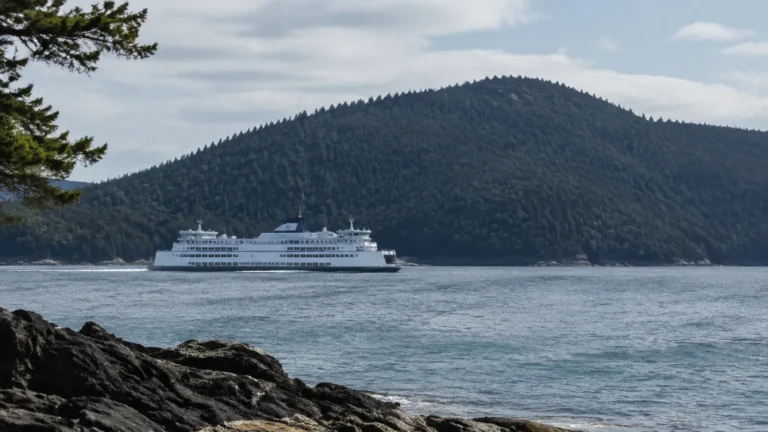
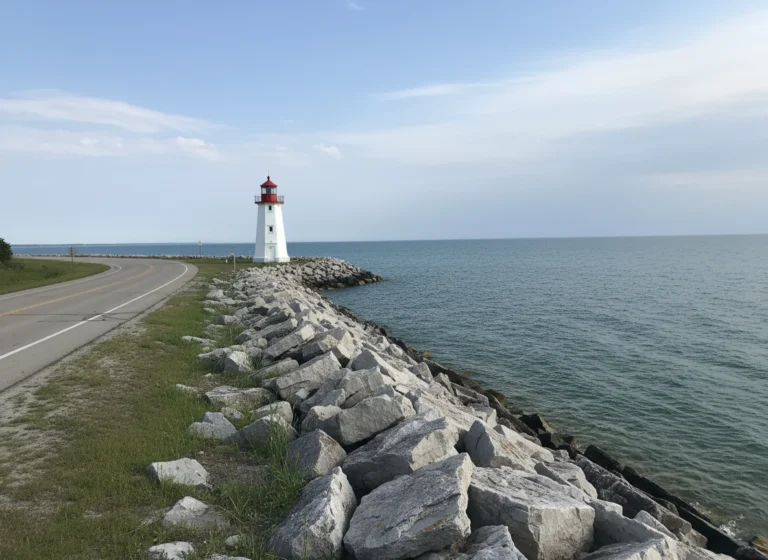
Olympic Peninsula Road Trip: Five Days of Coast, Forest, and Small Towns
The Olympic Peninsula is where I would send anyone who wants one road trip to contain mountains, mossy rain forest, turquoise lakes, wild Pacific beaches, and enough giant trees to make normal forests feel slightly underdressed afterward.
Five days gives you time to circle the peninsula without treating every trailhead like a drive-through window, and I would still leave one part of each day flexible because Olympic weather loves having its own plans.
The Five-Day Olympic Peninsula Route
- Day 1: Port Angeles and Hurricane Ridge
- Day 2: Lake Crescent and Sol Duc
- Day 3: Forks, Hoh Rain Forest, and a Pacific beach
- Day 4: Kalaloch and Lake Quinault
- Day 5: Quinault to Olympia or Seattle
I would drive the loop counterclockwise from Port Angeles because the route moves naturally from mountains to lake to rain forest to coast. You can reverse it without losing anything, especially if the mountain forecast looks much better at the end of your trip.
If Seattle is part of a larger Pacific Northwest vacation, my Pacific Coast road trip provides the longer regional route. Olympic deserves its own five days because the park is much larger and slower to drive than it looks on a map.
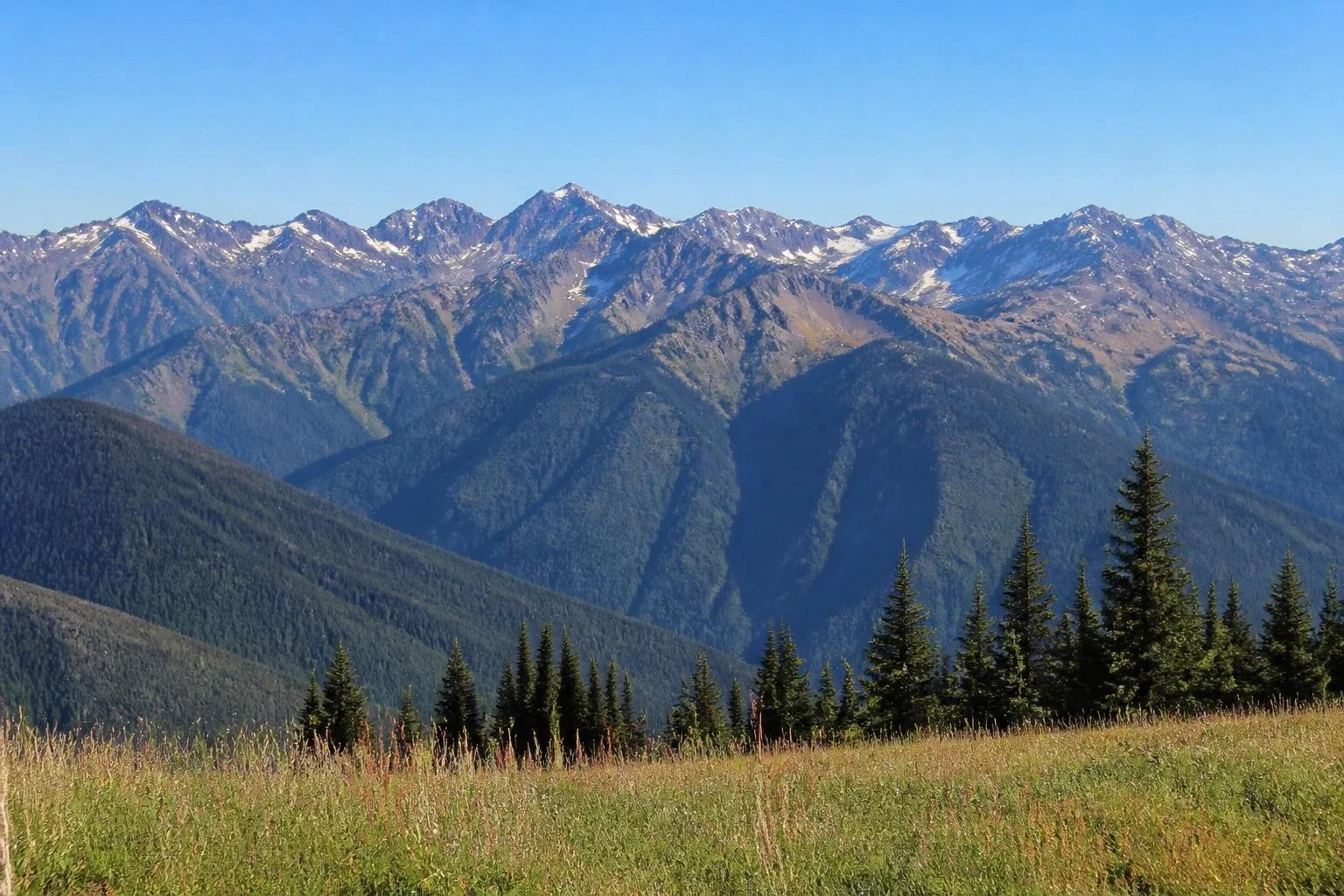
Day 1: Port Angeles and Hurricane Ridge
Use Port Angeles as your first base and head to Hurricane Ridge only if current road and weather conditions cooperate. Mountain weather can be completely different from conditions down by the water, so I would never make a nonrefundable day depend on a perfect ridge view.
Check the road before leaving town
The National Park Service road page is the first thing I would check that morning. Hurricane Ridge Road can open or close based on weather and road conditions, and construction or maintenance can also affect facilities.
Bring what you need for the outing rather than assuming full services will be available at the top. Even when the road is open, conditions can change quickly.
Keep the rest of Port Angeles easy
If the ridge takes most of the day, let it. Use the evening for the waterfront, dinner, and supplies for the next few days.
If Hurricane Ridge is socked in or closed, Port Angeles still gives you a useful reset day rather than a ruined itinerary. That flexibility is one reason I prefer sleeping here before moving west.
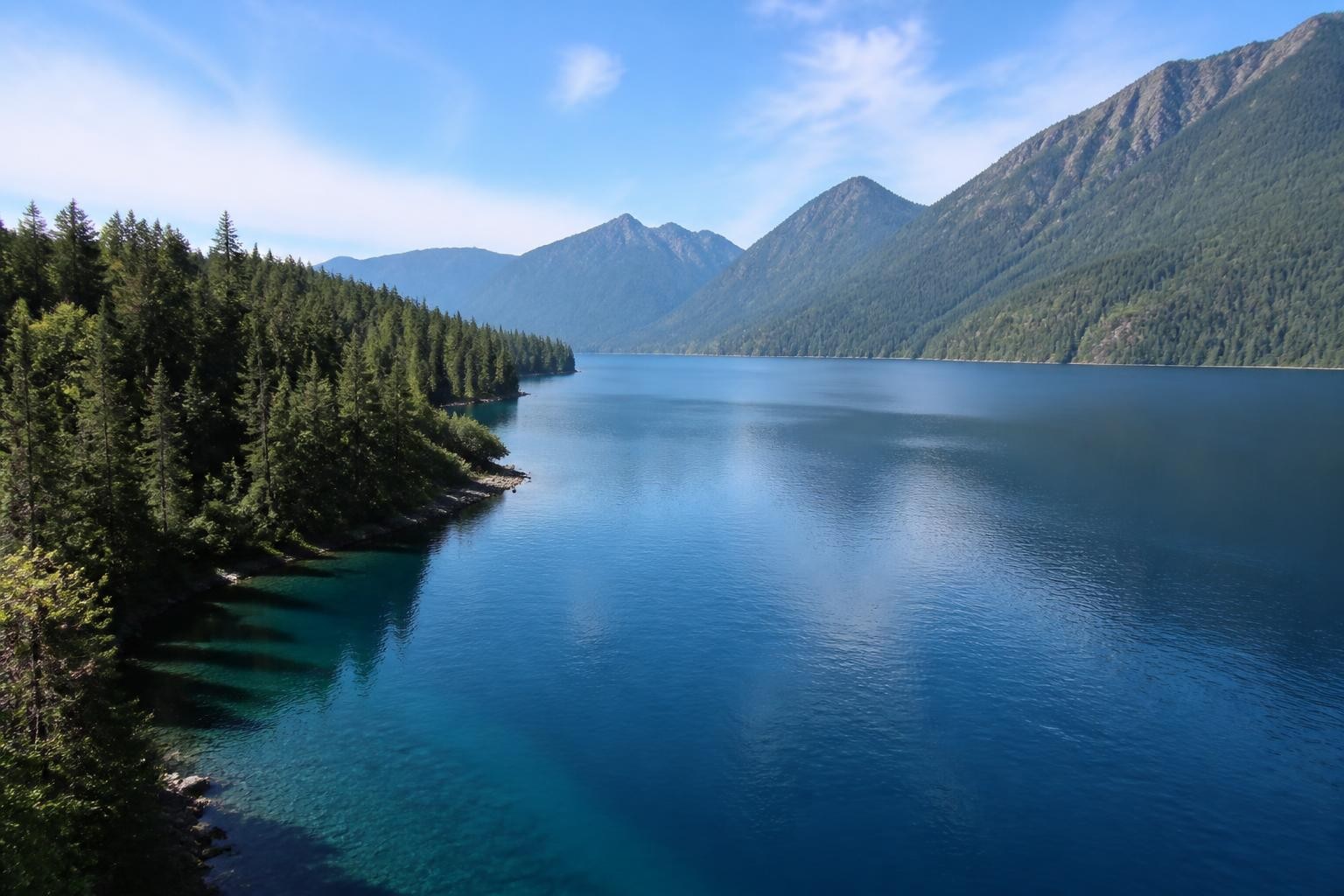
Day 2: Lake Crescent and Sol Duc
Lake Crescent is one of those places where I would rather spend two hours sitting near the water than an hour driving to three additional sights. The color, forest, and mountain backdrop make it an excellent slow start.
Choose a Lake Crescent walk
Pick a short trail or shoreline stop based on current conditions and your energy. You do not need a major hike for the lake to feel worthwhile.
Continue to Sol Duc
Sol Duc Road provides access to the valley, resort area, and trail network when open. The NPS currently lists the road as open in the 2026 season, but I would always recheck before driving there because seasonal access changes.
If you hike to Sol Duc Falls, build in enough time for wet roots and slick trail conditions. Rain is not an itinerary failure in a temperate rain forest, but it does make rushing a worse idea.
Stay in Forks, near Lake Crescent, or another west-side base tonight. I prefer getting most of the relocation done before dinner so tomorrow can begin near the rain forest.
Day 3: Hoh Rain Forest and the Pacific Coast
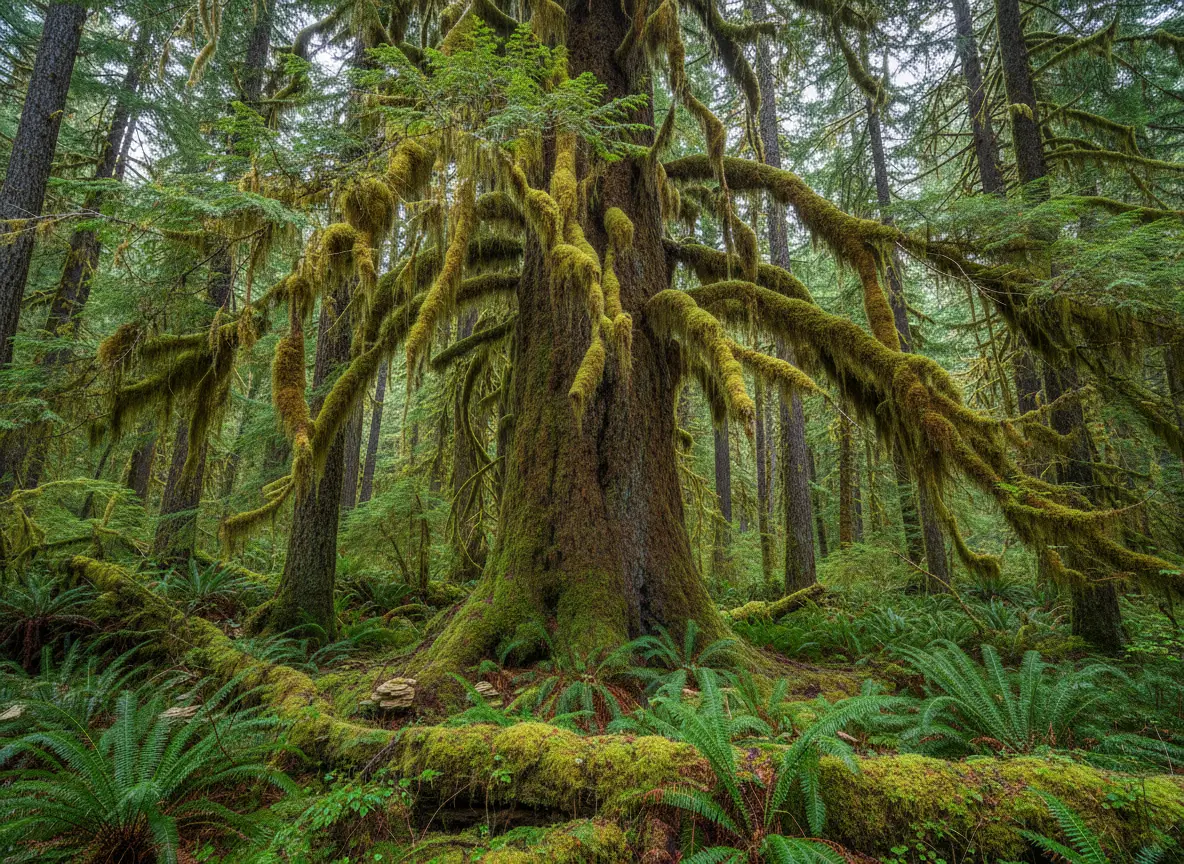
Start early at the Hoh Rain Forest, particularly in summer. The National Park Service warns that parking waits can reach two hours during busy periods and currently recommends arriving before 8 a.m. or after 5 p.m. in summer.
Hoh Rain Forest
Use the Olympic current-conditions page before departure because roads, trails, fires, and weather can affect access. Choose a shorter forest walk if you want a coastal afternoon, or spend most of the day here if rain forest is your priority.
I would not squeeze a serious Hoh River hike into a day that also includes several beaches. The mossy forest deserves enough quiet that you can actually notice it.
Choose your beach based on current access
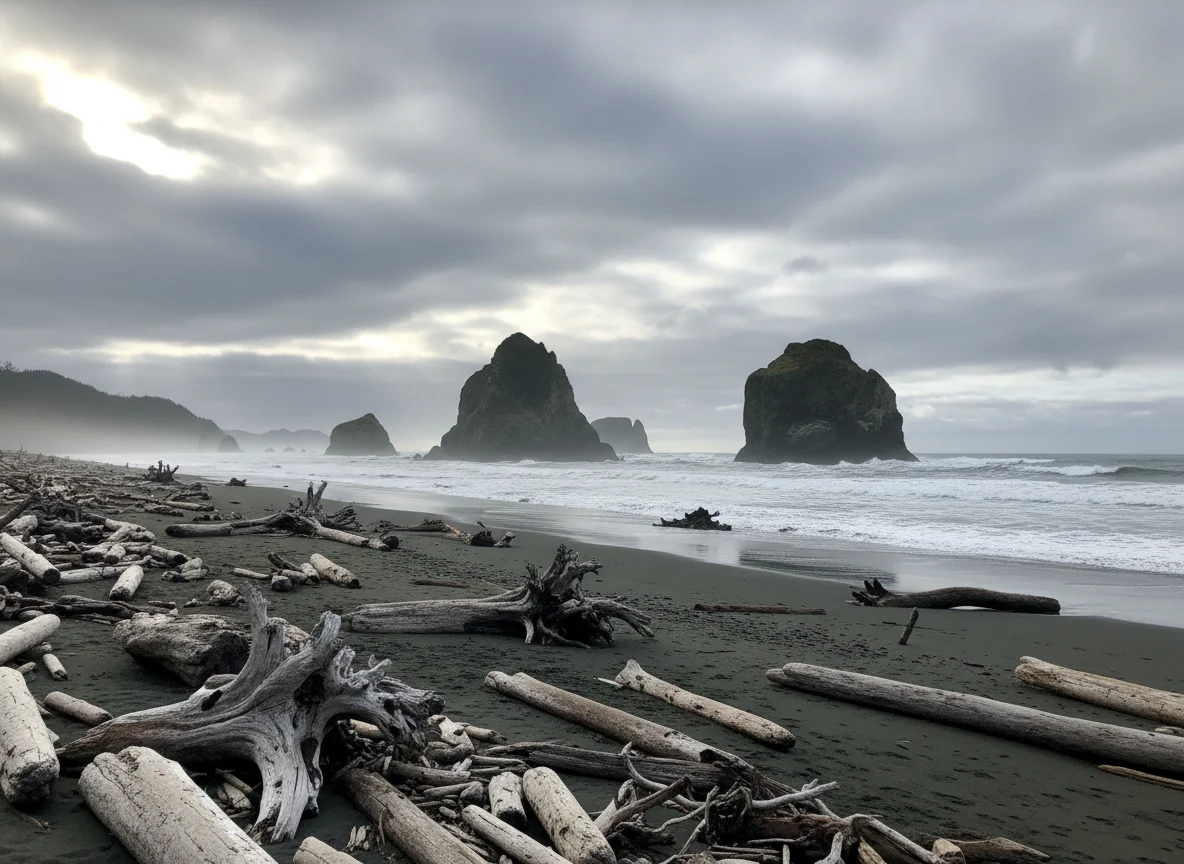
Olympic’s west coast is dynamic, and individual beach roads can close for construction, washouts, or storm damage. In 2026, for example, Mora Road is closed through October 15 and Rialto Beach cannot be reached by that road during the construction period.
That is why I would check current access rather than hardwire one beach into a future trip. Ruby Beach and the Kalaloch area are useful alternatives when their access is open.
Day 4: Kalaloch and Lake Quinault
Use the morning for the Pacific shoreline, then turn inland toward Lake Quinault. This day gives you a nice transition from exposed coast back into giant forest.
Kalaloch
Walk the beach only when tide and surf conditions are safe. Driftwood logs are enormous and can move unexpectedly in waves, so keep well away from active surf during rough conditions.
Lake Quinault
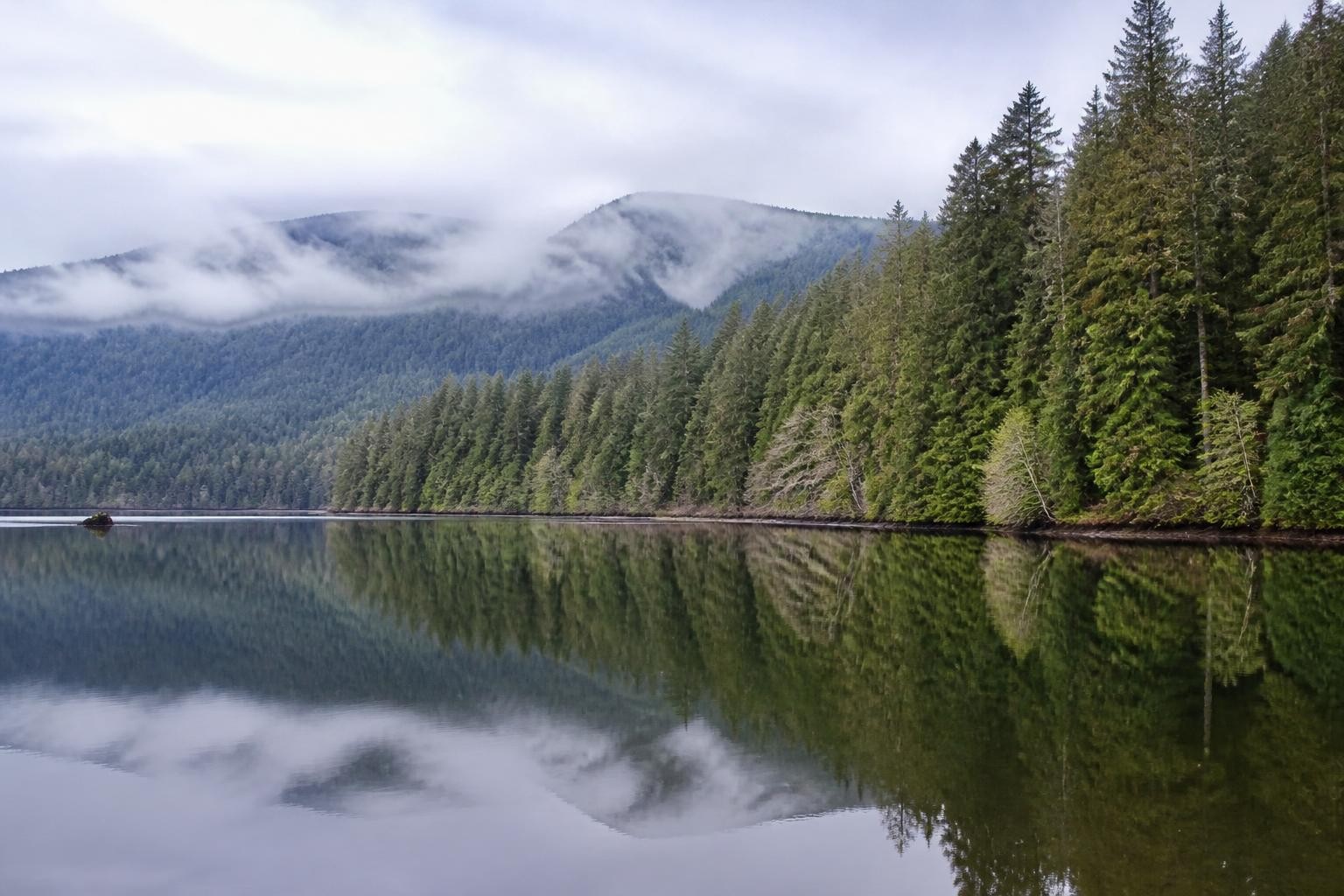
Lake Quinault gives you lodge atmosphere, rain forest, and several road options, but current washouts matter. In 2026, the park lists South Shore Road partially closed, with some trailhead access routed by North Shore Road instead.
Check the NPS road page before attempting forest roads, especially if you are in an RV or trailer. Several Quinault roads are narrow, gravel, rough, or specifically not recommended for larger vehicles.
Stay around Lake Quinault tonight if you can. Waking up in the rain forest is a much better ending than tacking another long evening drive onto the day.
Day 5: A Slow Exit Through the Southern Peninsula
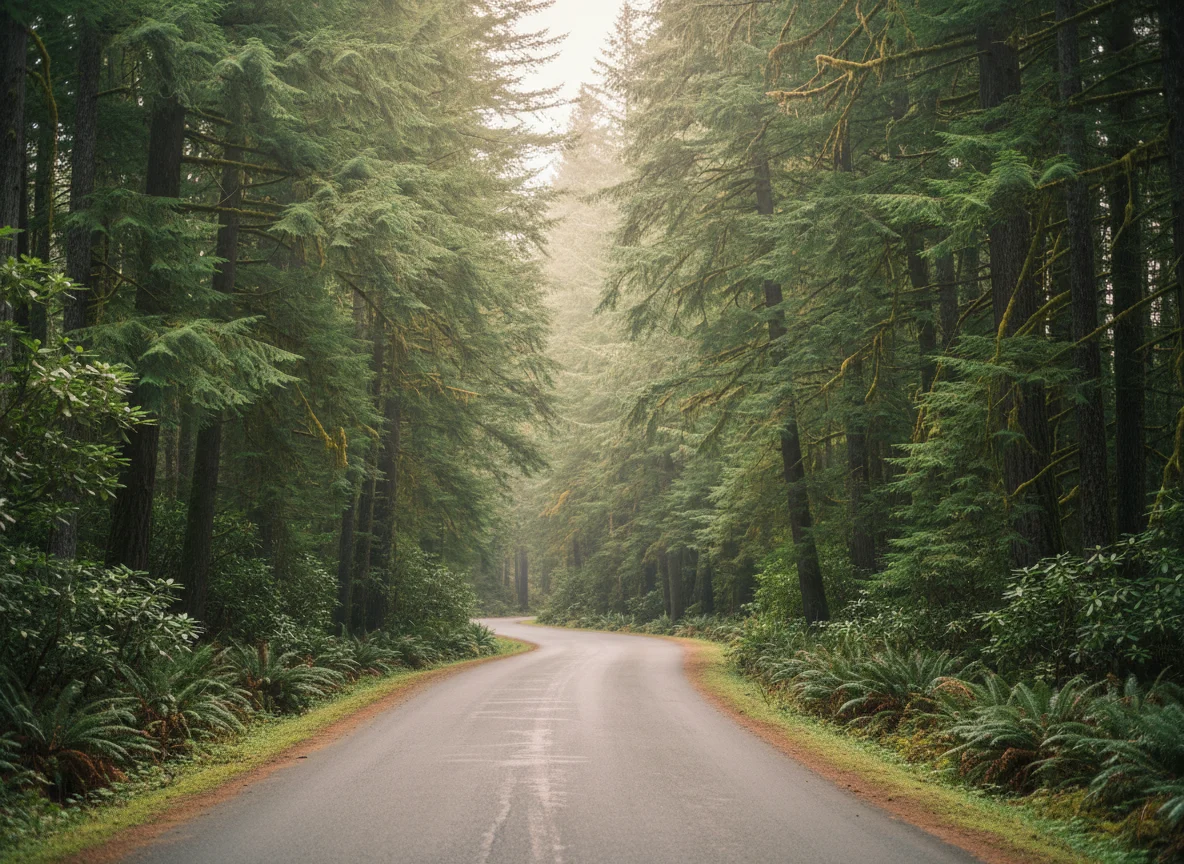
Give yourself one final forest walk or lake morning before heading toward Olympia or Seattle. If the weather canceled something earlier in the trip, this is also the day I would use as a modest backup rather than inventing another major destination.
The drive back can take longer than expected with road work and weekend traffic. Protect enough margin that the last day does not undo the relaxed pace you worked so hard to maintain.
Where to Stay
Port Angeles: best for the first night and Hurricane Ridge. It also gives you restaurants, groceries, and easy access to the northern side of the park.
Lake Crescent: ideal if you want atmosphere and can find lodging that fits your budget. It reduces driving on day two but offers fewer everyday services.
Forks: the practical base for Hoh and western beaches. It is more about location than resort atmosphere, which is exactly why it works.
Lake Quinault: worth the final night if you enjoy lodges and forest settings. Staying nearby lets you experience the lake outside the middle of a sightseeing day.
Why Olympic Takes Longer Than the Map Suggests
There is no road through the mountainous center of the park, so you drive around the peninsula and into individual valleys. A destination that appears close in a straight line may require a substantial loop by car.
Road construction, one-lane controls, wildlife, weather, and popular trailhead parking also add time. I treat every Olympic driving estimate as the minimum, not the appointment time.
Best Time for an Olympic Peninsula Road Trip
Summer
Summer gives you the broadest mountain and road access, but it also brings the biggest crowds. Start popular areas early and expect limited parking at Hoh and other major trailheads.
Early fall
September can be beautiful with fewer families traveling after school resumes, but rain and seasonal closures become more likely as fall progresses. Road projects may also use the drier season for construction.
Spring
Spring can be wonderfully green at lower elevations while mountain roads remain affected by snow. Build the trip around coast, forest, and lakes first, then treat high-elevation access as a bonus when conditions cooperate.
Winter
Winter is ideal for stormy beaches and moody forest if you are comfortable with wet weather. It is not the season to assume mountain access or summer-style road conditions.
What to Pack
- Waterproof jacket and an extra dry layer
- Walking shoes with good grip
- Offline maps
- Binoculars
- Food and water for areas with limited services
- A towel or dry bag for wet gear
- Sun protection, because the mountains can still surprise you
My road trip tips cover the usual driving-day prep. Olympic is where I add dry socks to the easy-access bag and stop pretending the weather app can summarize an entire peninsula.
Coast and Wildlife Safety
Check tides before long beach walks, stay away from unstable logs in active surf, and never underestimate cold Pacific water. On wildlife encounters, follow National Park Service distance and food-storage guidance rather than moving closer for a photo.
If you are backpacking, permits and food-storage requirements become more specific. This itinerary is built for day trips, so use the NPS wilderness pages if you plan to sleep beyond developed campgrounds.
Should You Add Seattle?
Absolutely, but add days rather than taking them away from the peninsula. Olympic is not a reasonable two-day side trip if you want mountains, coast, and rain forest.
If your trip begins or ends in Seattle, my Seattle road-trip ideas can help you decide whether Olympic is the right extension. Think of five days as the comfortable minimum for this full loop.
Check the Peninsula Roads Before You Leave
Olympic weather and construction can affect access well beyond the park boundary, so I also check Washington State Department of Transportation travel information before a major driving day. That is especially useful when the route includes ferries, mountain weather, or coastal road work.
My Favorite Version
I would spend one night in Port Angeles, one near Lake Crescent or Forks, another in Forks, and the final night at Lake Quinault. That gives each ecosystem its own day without creating a different hotel every twelve hours.
Olympic is one of those places where bad weather often makes the forest better and good weather makes the mountains irresistible. Leave enough room for both versions of the park.