Cruise Ship Medical Centers: Costs, Care and Insurance
A cruise ship medical center can assess illness, treat injuries, and stabilize emergencies, but its capabilities depend on the ship. I would plan for medical bills separately from the cruise fare and check overseas medical and evacuation coverage before paying the final balance.
If someone has chest pain, severe breathing trouble, stroke symptoms, or another emergency onboard, call the ship’s emergency number immediately. Do not wait for clinic hours or an insurance callback.
What I would arrange before sailing
- Ask whether the exact ship can support any ongoing treatment or equipment you require.
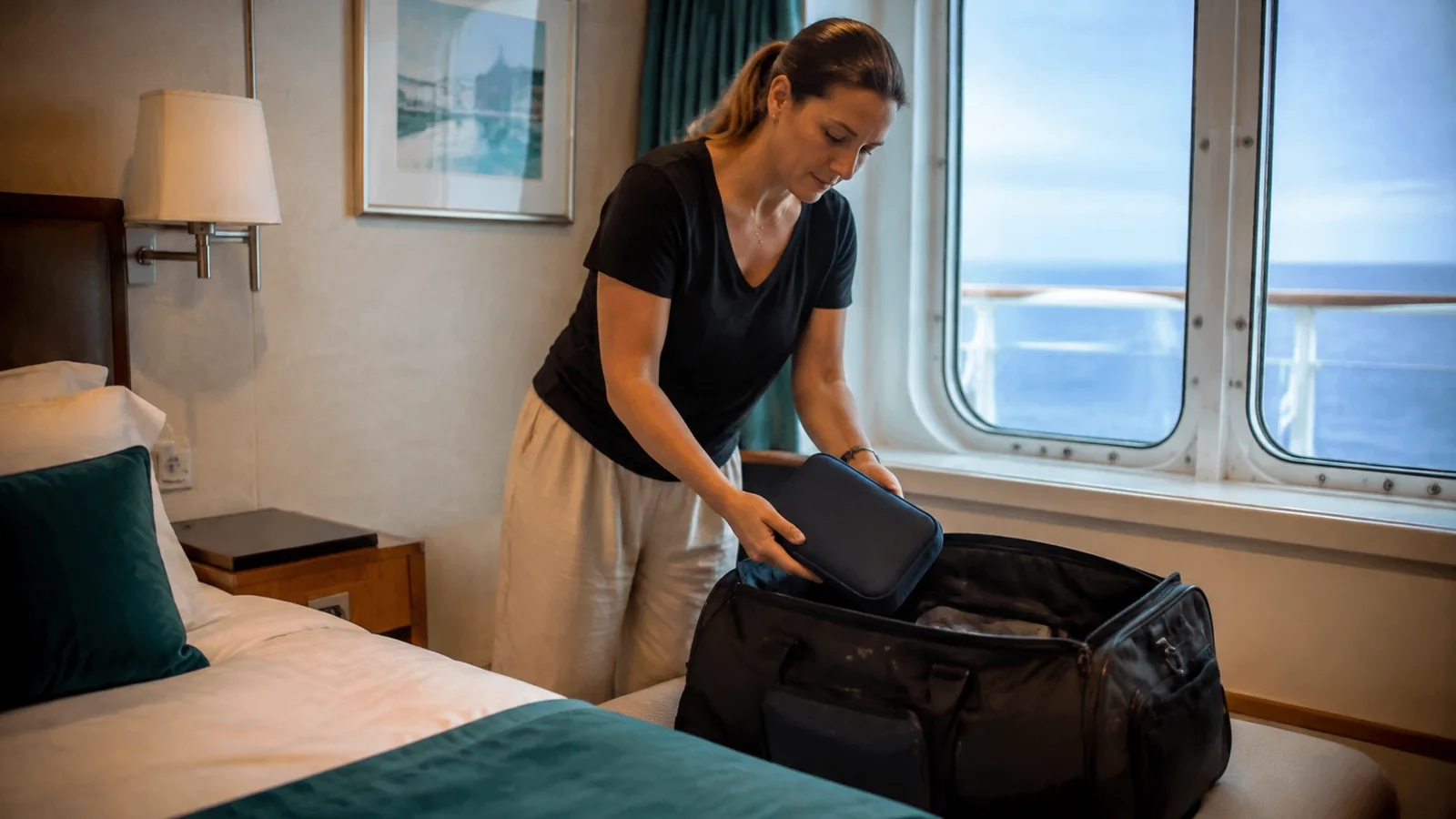
- Carry essential medication, a short medical summary, and clinician contacts in hand luggage.
- Check medical coverage, evacuation terms, exclusions, and the insurer’s assistance number.
- Keep a payment method available for charges that may need to be paid before reimbursement.
- Find the medical center and emergency instructions once aboard.
I would be especially careful with remote itineraries if a traveler might need rapid access to specialist care. A port-heavy coastal cruise and an ocean crossing can create very different options when treatment cannot wait.
What the medical center can actually do
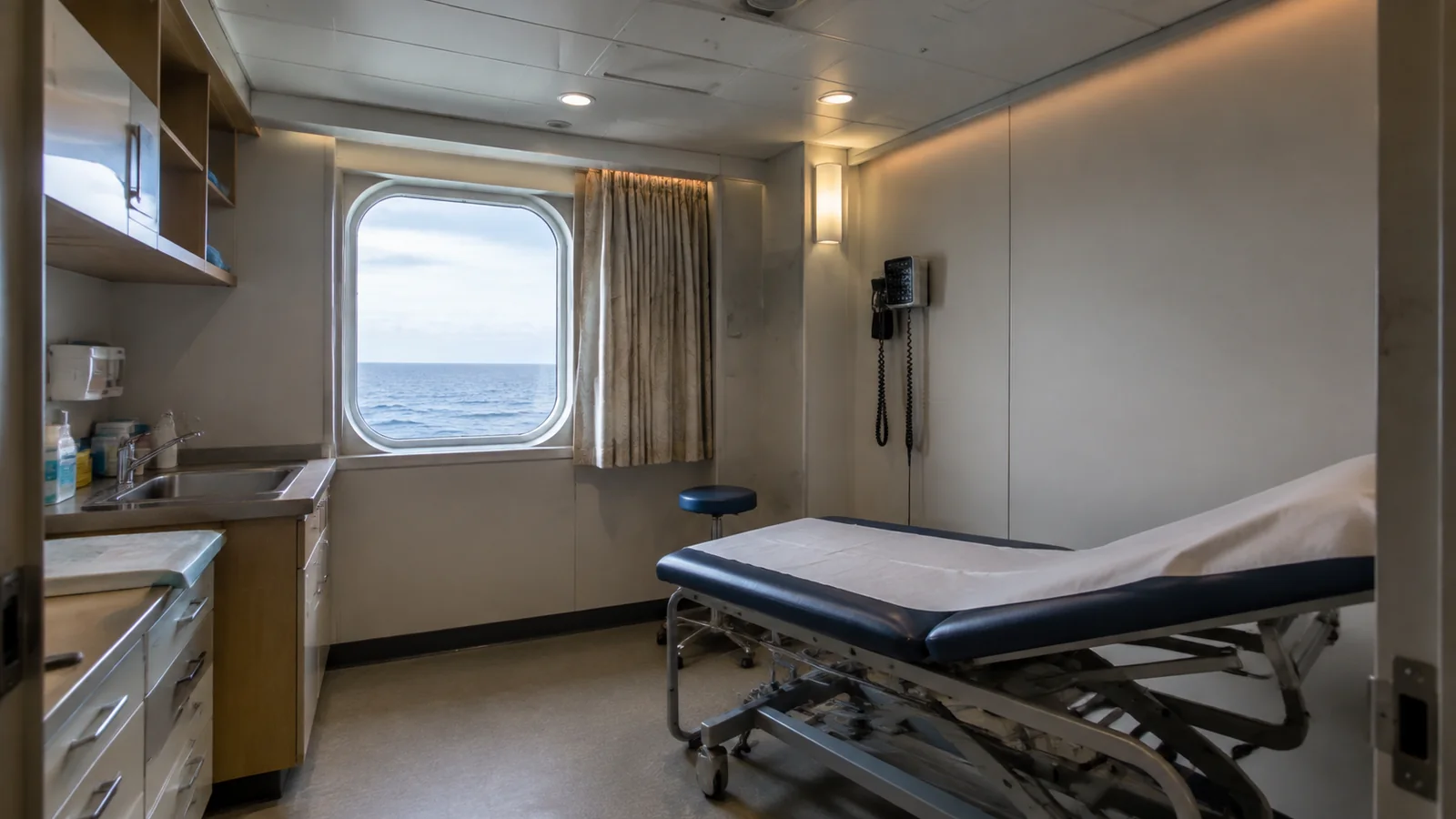
The CDC’s cruise ship medical overview explains that facilities vary, with many offering care comparable to an ambulatory clinic and some providing more advanced services. Evaluation, initial treatment, stabilization, and arranging care ashore are central responsibilities.
I would avoid booking on the assumption that every large ship has the same equipment. A theater that seats hundreds tells you nothing about the medical center’s imaging, staffing, or ability to manage your particular condition.
Ask the accessibility or medical operations department a specific question before booking: “Can this ship support the treatment I need throughout this itinerary?” A general promise that a doctor sails onboard is not an answer to a dialysis, oxygen, or specialist-care question.
For a stable ongoing condition, a pre-trip appointment gives your own clinician a chance to consider the itinerary and travel days. Bring the route, number of sea days, and any planned strenuous excursions to that discussion.
Clinic hours and emergencies are different
The daily program or cabin information normally explains routine clinic hours and how to request help outside those hours. I would save the emergency instructions somewhere everyone in the cabin can find them without opening an app.
For an emergency, call from the nearest available phone or alert a crew member immediately. Give the cabin number or exact venue, the person’s symptoms, and whether they are conscious and breathing.
Do not spend time moving a seriously ill person across the ship unless the responding team tells you to. Sending one companion to meet responders can help them find a cabin or an unfamiliar public area quickly.
For a nonurgent question, call the medical center and describe what is happening. The team can tell you whether to attend the clinic, stay in your cabin, or seek immediate help.
I would not ask Guest Services to decide whether chest discomfort is indigestion or whether dizziness is merely seasickness. Those are medical decisions, even when a familiar cruise explanation seems tempting.
Medical bills are separate from the cruise fare
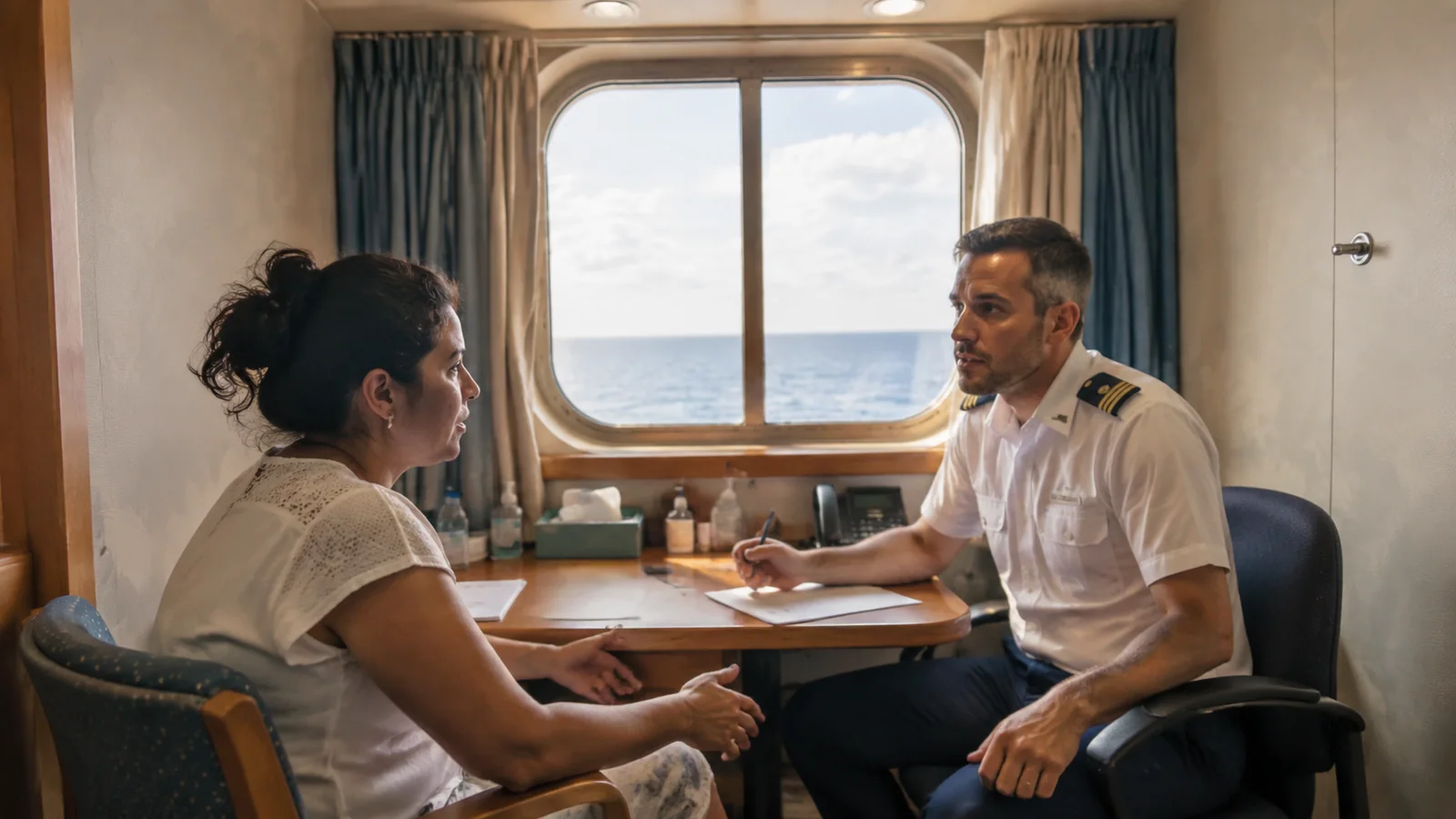
A cruise fare generally does not include medical consultations, tests, or medication. The final bill can involve several services, so a quoted consultation charge is not necessarily the total cost of treatment.
I would not publish a universal price list for shipboard care. Charges vary by operator, ship, treatment, timing, and what the medical team needs to do.
For nonurgent treatment, ask how charges work and whether an estimate is available. In an emergency, obtaining care takes priority over comparing prices or checking a credit limit.
Some charges may appear on the onboard account, while other arrangements can apply to shoreside treatment. Ask for an itemized medical invoice rather than assuming the general cruise account statement will satisfy an insurer.
A useful invoice identifies the patient, treatment dates, services, medication, amounts, and payment status. Keep any separate laboratory, ambulance, hospital, or pharmacy receipts with it.
Insurance acceptance is not the same as coverage
Royal Caribbean explicitly says it does not accept land-based health insurance plans onboard, although travelers may be able to submit medical expenses to their insurer afterward. I would check the payment process for my own line instead of expecting to hand over a familiar insurance card.
Before buying travel insurance, separate the questions of emergency medical treatment, medical evacuation, and trip interruption. They cover different expenses and may have different limits or conditions.
Ask what happens if a preexisting condition causes the problem, whether a waiver is available, and whether a purchase deadline applies. Do not assume a policy covers every condition simply because it includes the words “medical coverage.”
I would also ask whether the assistance company can arrange payment directly with a foreign hospital. That possibility can be useful, but it should never be treated as a promise that every provider will accept the arrangement.
Keep the assistance number available offline and find out who may call on your behalf. When practical, contact the insurer before a nonemergency transfer or expensive arrangement that needs authorization.

Medicare needs a separate check
Original Medicare has limited coverage outside the United States. Its official overseas coverage booklet explains narrow cruise-related conditions, including the ship’s location relative to a U.S. port and whether the doctor is legally permitted to provide the care.
I would not turn the six-hour rule into a blanket promise of payment. Medicare Advantage, Medigap, and other coverage can have different benefits, so ask the actual plan about the itinerary and treatment scenario.
Save the answer and relevant policy wording before departure. A brochure headline is much less useful than knowing which expenses you would still owe.
When treatment has to move ashore
A medical team may recommend a shoreside hospital because the ship lacks the required resources. That does not automatically mean a helicopter will arrive or that evacuation can happen immediately.
The route, weather, available transport, and receiving facility all affect what is possible. I would follow the ship’s medical instructions and let the medical and operational teams coordinate the transfer.
If a companion can help without delaying care, have them collect passports, essential medication, phones, chargers, insurance details, and a payment card. Leave shopping, formalwear, and the rest of the suitcase for later arrangements.
Ask who will communicate with the port agent and whether a companion can travel with the patient. The answer may depend on the transport and local entry requirements.
A passport can become particularly useful when an unexpected flight home replaces a closed-loop cruise return. My guide to cruise passport requirements explains why the document accepted for boarding may not be the easiest document for an interrupted trip.
Report illness before it spreads
Vomiting, diarrhea, fever, or respiratory symptoms deserve a call to the medical center, including when the traveler thinks the illness is minor. Staff may give instructions about remaining in the cabin and receiving meals or care there.
I would report symptoms honestly and follow those instructions. Hiding illness to protect an excursion booking can expose other travelers and delay appropriate treatment.
Ask how to contact the medical team again if symptoms worsen. Also clarify who handles meals, cabin supplies, and documentation for missed activities while isolation instructions apply.
Do not assume isolation automatically creates a refund. Keep the medical record and ask the relevant cruise department and insurer about the specific terms after immediate care is organized.

Medication and equipment need their own arrangements
The ship’s pharmacy is not a reliable replacement for your usual supply. Carry enough prescribed medication for the trip and a reasonable delay margin, subject to destination rules and advice from your prescriber.
Keep labeled packaging and a concise list with generic names, doses, allergies, and important diagnoses. My cruise packing list is a useful starting point, but medical supplies belong in the bag that stays with you.
If medication needs refrigeration, ask for an appropriate storage arrangement before sailing. A beverage cooler may not maintain the temperature your product requires.
Oxygen, dialysis supplies, and other ongoing treatment require explicit planning with the cruise line. I would not expect the medical center to provide routine personal care or stock a replacement for a specialized device.
Keep the paperwork manageable
I would make one short emergency summary and keep detailed records behind it. A responder should be able to find allergies, essential medication, emergency contacts, and relevant conditions without searching through a long travel folder.
The traveler should decide what information companions can access whenever they are able to do so. Store copies securely and avoid leaving private medical details on a cabin door or public luggage tag.
After treatment, ask how to obtain the clinical notes, results, discharge instructions, and invoice. Clarify any medication changes with the treating clinician and keep a list for follow-up at home.
Before disembarking, check that you have a contact for requesting missing records. My cruise planning tips can help organize the wider travel details while the medical paperwork stays together.
Questions I would settle before departure
Does a cruise ship have a hospital?
It has medical facilities, but their scope varies. Verify the exact ship’s capabilities if your health needs depend on a particular treatment or service.
Can I wait until the next port to save money?
Ask the ship’s medical team whether waiting is medically appropriate. The next port may be delayed, changed, or unable to provide the care you expect.
Will evacuation take me to my preferred hospital?
Not necessarily. Medical necessity, available facilities, transport, and insurance terms can determine the destination.
Should I bring records for a stable condition?
I would bring a concise summary and the details most relevant to emergency care. Your clinician can help decide what belongs in that summary.
My practical recommendation
I would choose a cruise whose route and medical limitations fit the traveler’s needs, carry the essentials personally, and verify insurance before sailing. Once onboard, I would use the medical team promptly when symptoms warrant it and handle the reimbursement paperwork after care is underway.