Azura Cabins to Avoid: Deck Plan and Better Picks
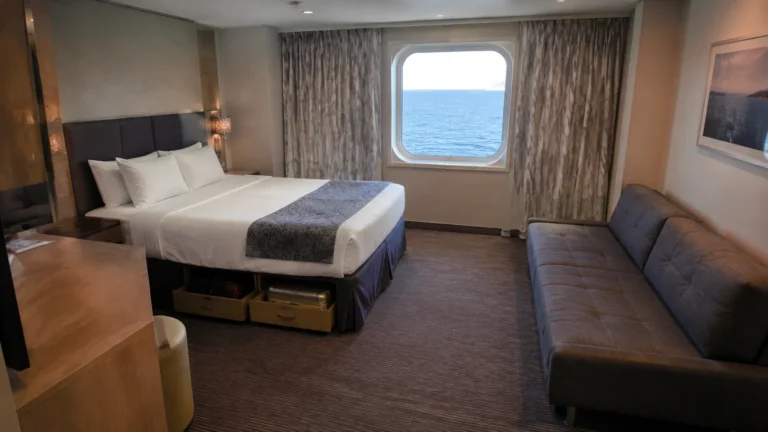
Azura does not have one terrible deck, but it does have cabins where the view, overhead space, balcony exposure, or walking distance can surprise you. The safest shortcut is a nonconnecting cabin in the middle third of B or C Deck, with cabins directly above and below.
Azura Cabins to Avoid: Current Deck Plan and Better Picks
This guide uses P&O Cruises’ Azura plan labeled Winter 2026/27, not an old plan for Ventura or another similar-looking ship. Always reopen the plan for your own departure because grades, symbols, and available cabins can change.
“Avoid” is personal here. A cabin beneath the pool can be a poor fit for a late sleeper and a brilliant fit for a family that wants the shortest route to the water.
Azura Cabins to Recheck First
- Riviera Deck cabins below Lido public spaces: possible overhead activity, especially beneath pools, open deck, and dining operations.
- E Deck obstructed and part-obstructed sea views: the official category tells you the view is compromised, but not how the obstruction will feel from your bed.
- Forward balconies carrying the visibility symbol: P&O says these may be overlooked by the bridge or visible from above or neighboring balconies.
- Suites L106 and L107: unusual layout and balcony details make these a deliberate choice, not an automatic upgrade.
- Cabins beside a launderette, lift lobby, or connecting door: convenience comes with a possible sound and corridor-traffic tradeoff.
- Extreme forward and aft cabins: longer walks and potentially more noticeable motion than a lower midship room.
These are screening flags, not promises that a room will be noisy or uncomfortable. The official plan can prove fixed structure and category, while sleep quality, sea state, and neighbor behavior remain variable.
Use the Right Azura Plan for Your Sailing
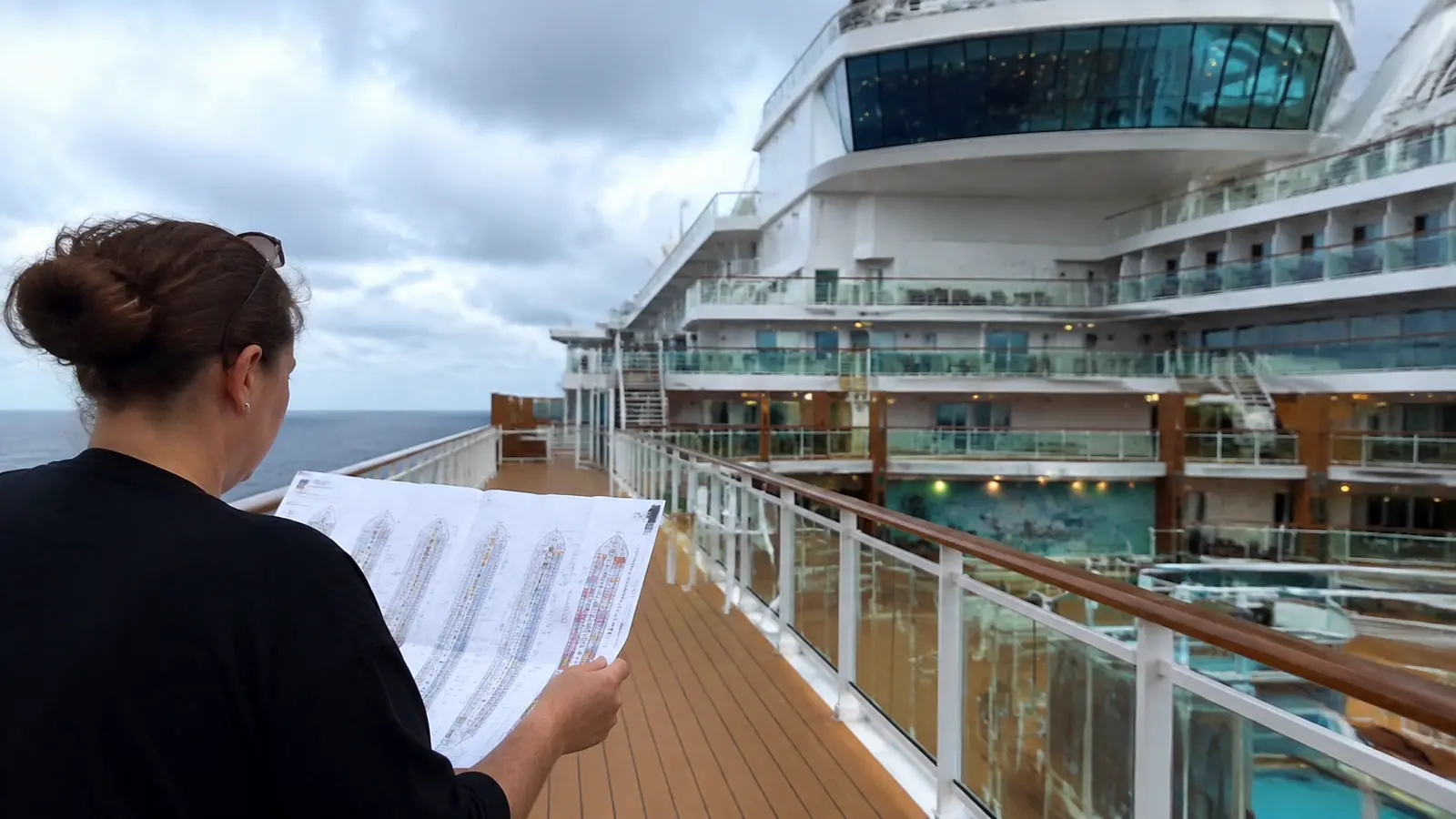
P&O’s Winter 2026/27 Azura deck plan is the controlling source for the cabin numbers and venue relationships in this guide. The line’s current Azura overview also links into live cabin and deck information.
Trace the cabin vertically, not just along its hallway. My 12-step cruise floor-plan check shows how to align the same forward-to-aft position on the deck above and below.
Then decode every symbol beside the number. On this Azura plan, symbols identify connecting cabins, additional beds, fixed twin beds, steel-fronted balconies, partially shaded balconies, visibility from above or neighboring balconies, adapted cabins, and powered-mobility suitability.
Riviera Deck 14: The Main Overhead Check
Riviera is the only long accommodation deck sitting immediately below Azura’s busy Lido Deck. That does not make every R-numbered cabin loud, but it makes an exact overhead overlay essential.
R301 to R344 below the forward pool-zone footprint
The current plan places R301 through R344 in the forward-midship band below the Lido area’s Coral Pool zone and its surrounding open deck. Possible concerns include footsteps, deck setup, rolling service equipment, and activity around the pool, although the plan cannot prove what you will hear inside.
Choose these rooms for their short route upstairs only if pool access matters more than late-morning quiet. A similarly positioned cabin on B or C Deck removes this direct public-deck relationship.
R402 to R524 below pools and open Lido operations
R402 through R417 sit around the central lift area beneath the transition between Lido pool spaces, while R502 through R524 align below the Aqua Pool and nearby deck operations. Treat those bands as possible overhead-activity zones, not a room-by-room noise verdict.
The lift lobby can be wonderfully practical for someone limiting walking. If uninterrupted sleep is the priority, compare a cabin with the same horizontal position on A, B, C, or D Deck.
R602 to R745 below buffet and aft public spaces
The plan aligns much of R602 through R624 beneath the Venezia buffet footprint, with R626 through R745 continuing below the Verona and aft Lido areas. Dining spaces can involve early preparation, cleaning, carts, chairs, and steady foot traffic, but operations vary by time and sailing.
At the stern, R748 and R749 flank the Terrace Pool area on the Riviera plan. Their location is fixed and their wake view may be appealing, yet privacy, nearby activity, and movement are preference questions rather than defects.
If you want an aft balcony without an overhead public deck, compare lower aft options on A, B, C, or D Deck. Do not assume the highest available cabin is the premium choice.
E Deck Sea Views: Obstructed Means Exactly That
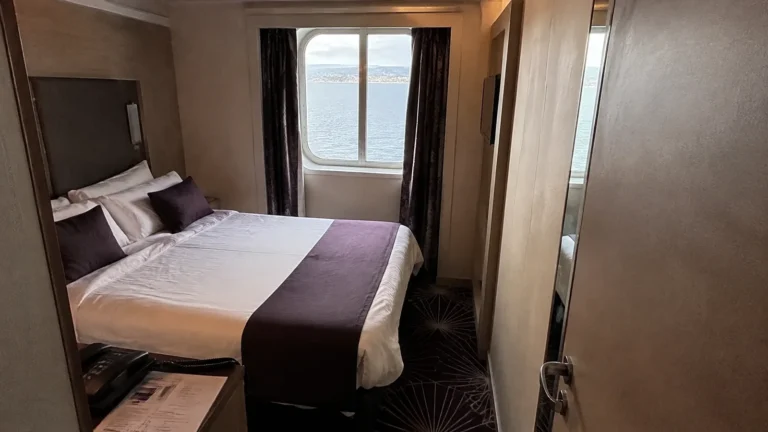
Azura’s official legend places part-obstructed and obstructed sea-view categories on E Deck, where lifeboats and ship structure run outside much of the accommodation band. P&O separates standard sea view, part obstructed, and obstructed grades, so check the exact color and symbol assigned to your room.
An obstruction might cut into the downward view, sit across part of the window, or dominate more of the outlook. A category name cannot tell you whether you personally will accept the remaining light and horizon.
These rooms can still be sensible when the price is close to an inside cabin and daylight matters more than scenery. They are a poor gamble when watching sail-ins from the room is a major reason for booking.
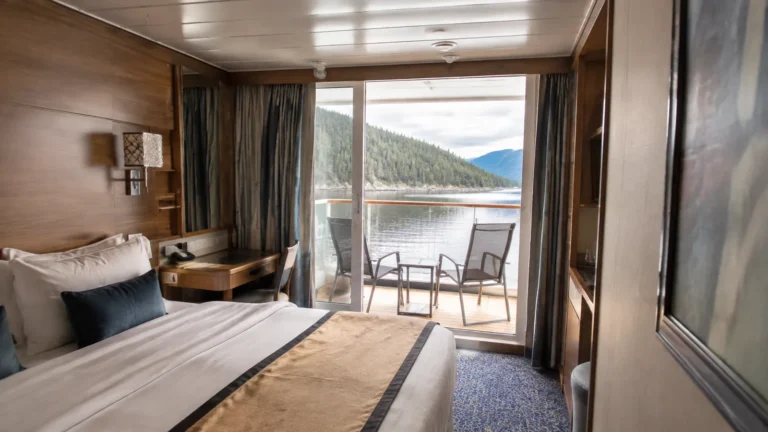
P&O’s balcony selection guidance also warns that some Azura Standard Balcony cabins can have part-obstructed views. Never assume the word “balcony” guarantees a perfectly open sightline.
Forward Balconies: Privacy and Steel Fronts
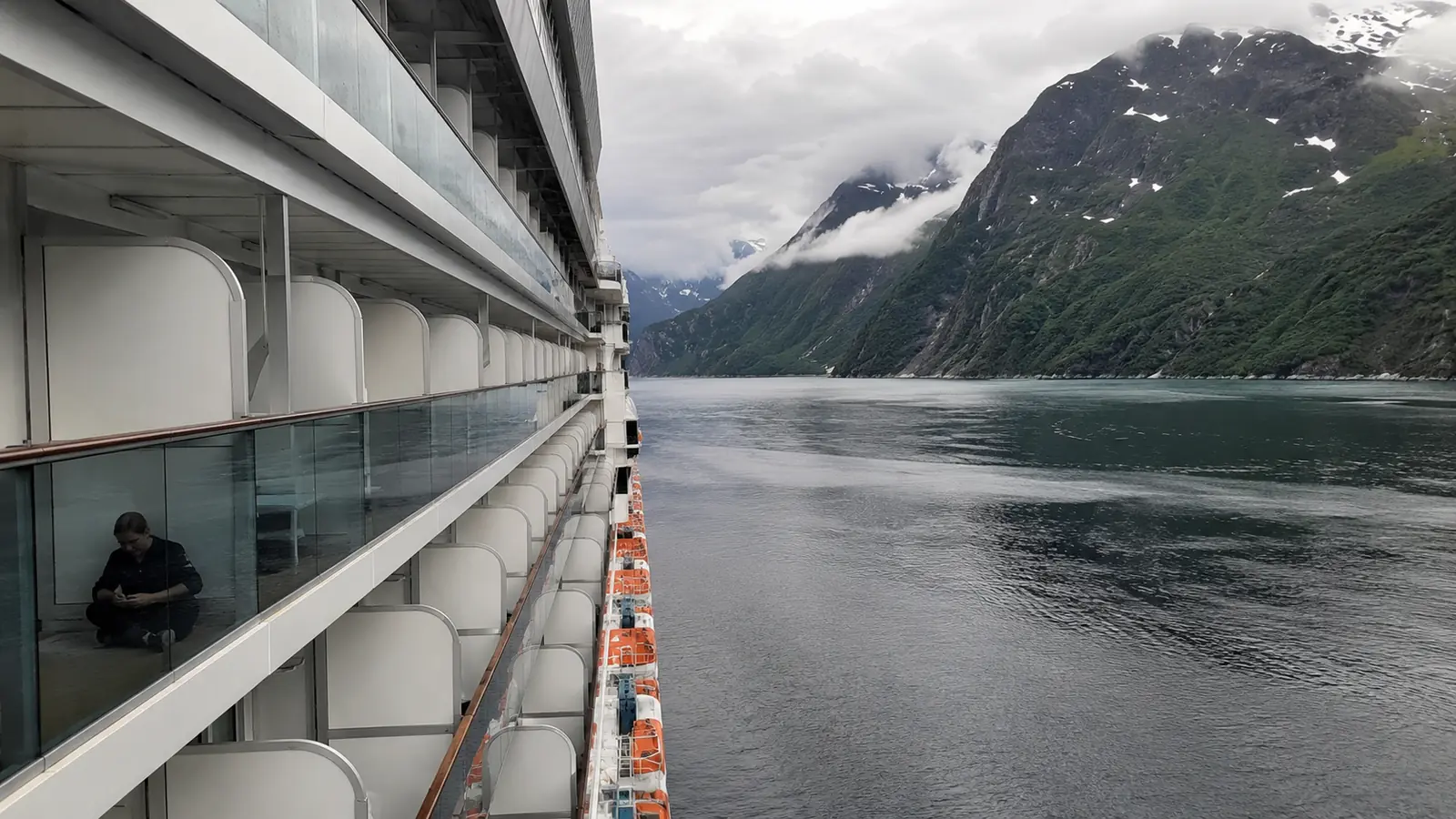
The current plan uses a “v” symbol for a balcony visible from above and/or neighboring balconies, and its notes say forward-section balconies can be overlooked by the bridge. This is a fixed visibility warning, although actual observation depends on who is present and when.
That symbol appears across multiple forward balcony bands, so inspect the mark beside the exact cabin rather than avoiding a whole deck. Pack with the expectation that the space may feel less private than a deeply recessed balcony.
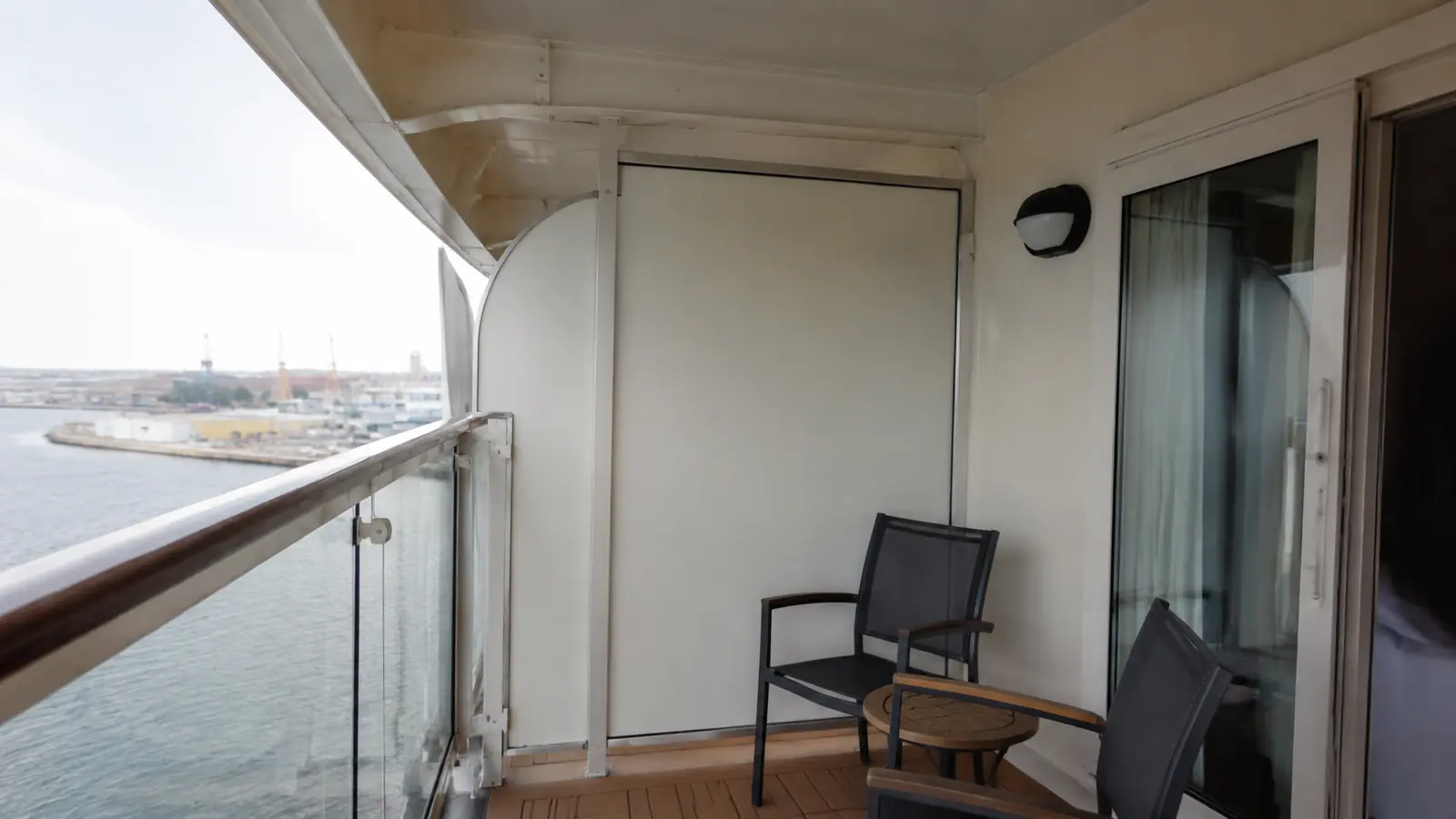
A “#” identifies a steel-fronted balcony. It can feel more enclosed and may reduce the seated view compared with a glass-fronted rail, which matters more to a short traveler, child, or anyone who plans to sit outside often.
Steel fronts can also provide shelter that some travelers prefer. Price the tradeoff instead of treating a different balcony design as automatically inferior.
Suites L106 and L107 Need an Exact Fit Check
P&O gives L106 and L107 a special note on the current plan. These suites do not have a dressing area, have a standard bath with a fixed shower attachment, look over the observation-deck area, and have a low metal-fronted balcony that the line says may not suit younger children.
Those are unusually important details for two rooms sold as suites. Families, anyone who needs an easier shower, and travelers expecting a private open-water balcony should compare another suite before paying the upgrade.
L106 and L107 may still suit adults who value their forward position and understand the layout. Ask P&O to confirm current occupancy, bed setup, bathroom configuration, and balcony details for the booked sailing.
Connecting Cabins, Extra Beds, and Fixed Twins
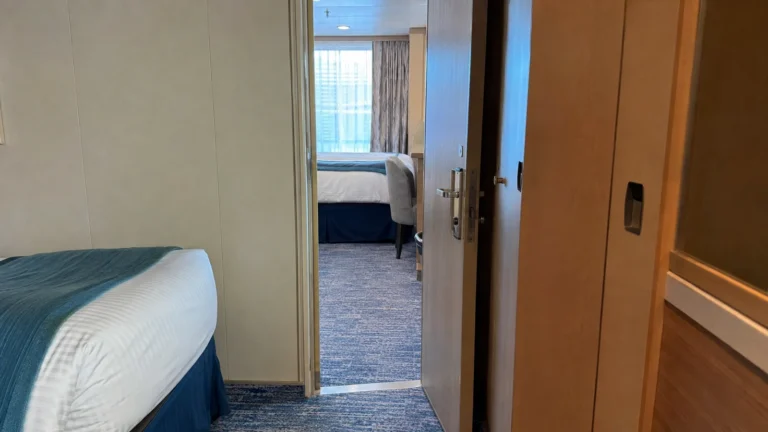
A connecting door is useful when your party books both rooms. When you book only one side, the door may transmit more conversation or television sound than a solid wall, though no plan can guarantee whether neighbors will be noticeable.
Additional-bed symbols also matter even when you travel as a couple. P&O notes that when pull-down beds in twin cabins are used, the lower beds cannot be converted to a double, so confirm the nighttime arrangement for three or four occupants.
The fixed-twin symbol means the beds cannot be arranged as a double. Catch that before payment, especially when a guarantee category lets the line assign the specific room.
My broader cruise cabin red-flag checklist explains why a connection, bunk, or odd layout is conditional rather than universally bad. The best room is the one whose fixed compromises match your group.
Launderette and Lift-Lobby Cabins
The Azura plan shows self-service launderettes within several cabin corridors, including Riviera, A, B, C, D, and E Deck. Rooms immediately beside or opposite them trade easy laundry access for possible door, conversation, and machine activity during permitted hours.
The current plan places the Riviera launderette between R608/R610 and R607/R609, and the C Deck launderette around C308/C310 and C309/C311. Those exact neighbors deserve a closer look if you are highly sound-sensitive.
Lift-lobby rooms can reduce walking dramatically, and the lobby itself is not proof of nighttime noise. The more realistic variable is passenger conversation as groups arrive and leave, especially near evening venues.
Choose a room five to ten doors into a corridor when you want a compromise between convenience and separation. A traveler using a cane, wheelchair, or limited energy may reasonably prioritize the shortest accessible route instead.
Forward, Aft, and Motion-Sensitive Choices
Motion is generally more noticeable toward the bow and stern than around the ship’s center, particularly in rough conditions. A lower midship cabin is the conservative choice for someone who already knows they are sensitive.
Very forward rooms also create a long walk to aft dining and entertainment, while very aft rooms lengthen the route to forward venues. Azura is about 951 feet long, so repeat trips across the ship can add up even when the cabin itself is peaceful.
Some travelers happily accept more movement or distance for a wake view, quieter dead-end corridor, or faster route to a favorite venue. The best cruise room comparison helps match location to motion tolerance, mobility, view, and budget.
Accessible Cabins Are Not Upgrade Inventory
The plan marks adapted cabins and separately identifies rooms suitable for a powered mobility device. These symbols are functional booking information, not a shortcut to extra floor space.
P&O’s accessible cabin guidance explains that accessible features and ship routes require advance planning, and its mobility policy requires travelers to declare devices. Confirm door width, turning room, wet-room setup, bed-transfer side, thresholds, storage, and evacuation needs directly with the line.
If you do not need those features, book a standard cabin and leave scarce adapted inventory available. If you do need them, accessibility should outrank generic advice about avoiding lifts, corridor intersections, or a particular deck.
Quieter Azura Alternatives
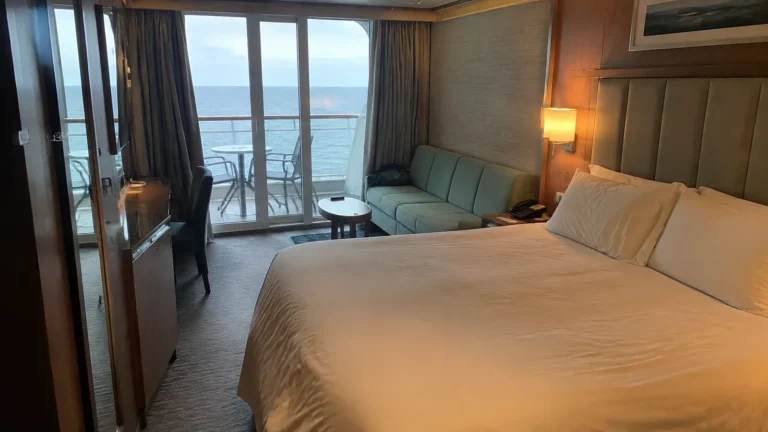
For the lowest-drama starting point, choose a nonconnecting midship cabin on B or C Deck with ordinary cabins above and below. Move several doors away from lift lobbies and launderettes, then verify its bed, occupancy, balcony, and view symbols.
- For light sleepers: start midship on B or C Deck, away from connecting doors and service areas.
- For motion sensitivity: favor lower and midship over high forward or extreme aft.
- For a clear view: reject obstructed and part-obstructed grades and confirm the exact balcony symbol.
- For families: verify every berth and avoid L106/L107 unless the low metal-fronted balcony and bathroom suit the children.
- For limited mobility: prioritize an appropriate accessible layout and short route over generic quiet-cabin rules.
- For pool access: Riviera can be convenient, but choose it knowingly rather than assuming Deck 14 is quieter because it is high.
A Five-Minute Booking Check
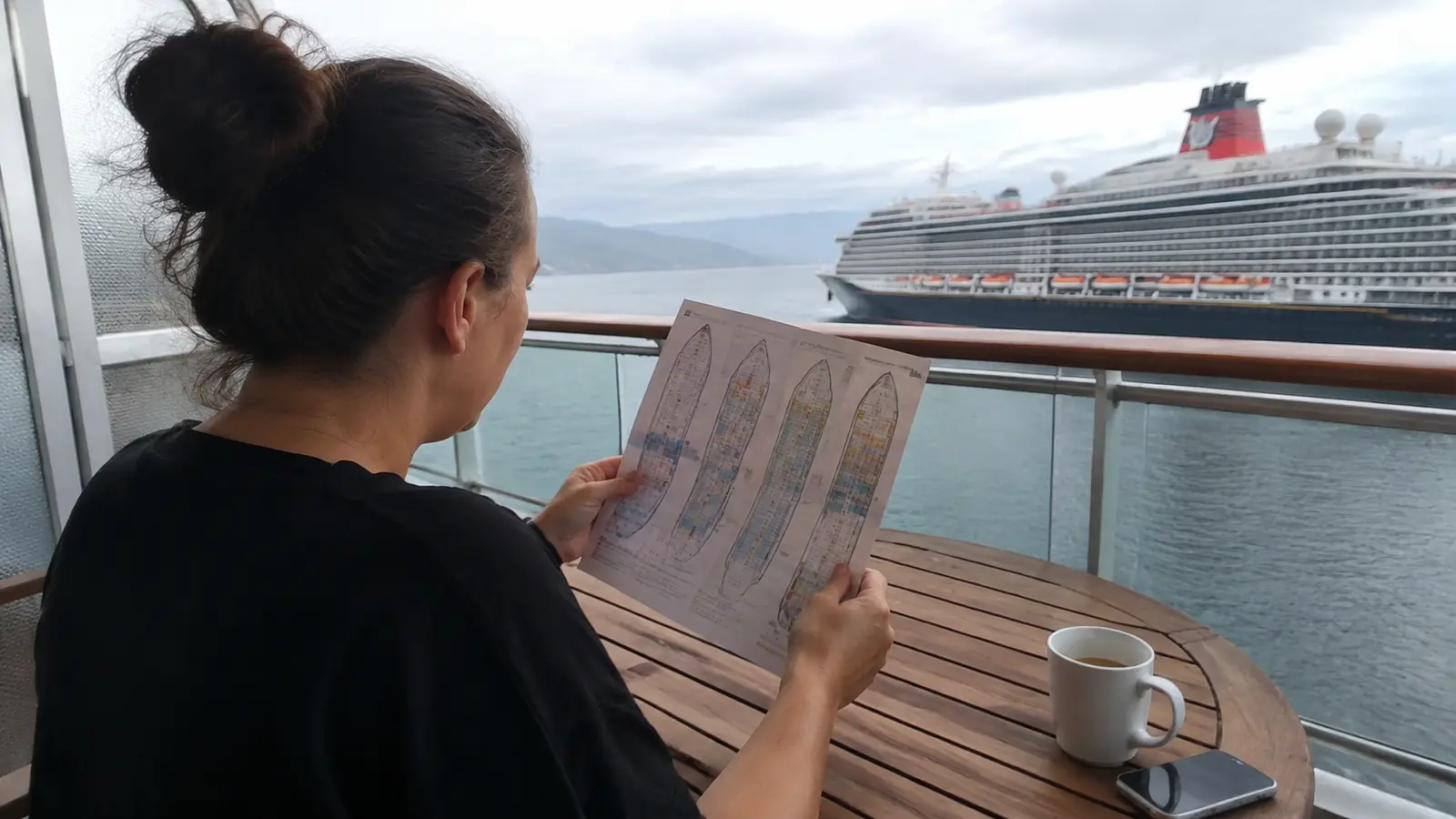
- Open the Azura plan labeled for your exact season.
- Find the room, then align the same position one deck above and below.
- Decode its grade, connection, bed, balcony, view, and accessibility symbols.
- Measure the route to the lifts and the venues your group will use most.
- Ask P&O about any detail that would change your decision, then save the answer.
Do not let a guarantee fare choose for you when view, bed setup, accessibility, or sleep location is nonnegotiable. A modest fare saving can disappear quickly if the assigned compromise shapes every day of the cruise.
Bottom Line
Recheck Riviera cabins beneath pools and dining spaces, E Deck obstructed views, symbol-marked forward balconies, and the special layouts of L106 and L107. None is automatically bad, but each demands an informed trade.
For most travelers seeking quiet and predictability, midship B or C Deck with cabins above and below is the cleanest starting point. Confirm the current plan for your sailing, because the exact room and its symbols matter more than any blanket list of “bad” decks.