Do You Need a Passport for the Bahamas? Air, Ferry and Resort Rules
If you are flying from the United States to The Bahamas, bring a valid passport book.
Cruises and ferries follow different document rules, so the right answer depends on how you are crossing the border, not simply on the fact that your destination is The Bahamas.
The short answer by travel type
- Flying to The Bahamas: U.S. citizens need a valid passport book.
- Staying at a resort after flying in: the same international air-travel passport requirement applies.
- Taking a ferry from Florida: follow the ferry operator’s document list; Balearia Caribbean currently requires U.S. citizens to carry a valid passport book or passport card.
- Taking a closed-loop cruise: different U.S. sea-travel rules may allow some citizens to travel with another approved document. Use my Bahamas cruise passport guide for that specific case.
- Traveling on a private boat: verify Bahamian entry procedures, vessel-clearance requirements, and the documents needed to return to the United States before departure.
- Not a U.S. citizen: check rules for your nationality, U.S. immigration status if relevant, the carrier, and every country on the route.
The safest planning habit is to check the government rules and the carrier separately. A document that satisfies one part of the trip does not automatically satisfy the airline, ferry company, cruise line, or return journey.
Flying to The Bahamas requires a passport book
International air travel is the clearest case. A U.S. citizen flying to Nassau, Freeport, or another Bahamian airport should travel with a valid U.S. passport book.
A passport card is not a substitute for a passport book when flying internationally. A birth certificate and driver’s license also do not replace the passport book at airline check-in.
The U.S. State Department’s Bahamas travel page says U.S. citizens are generally required to present a valid passport and proof of anticipated departure. It also says the passport should remain valid through the duration of the stay.
Why you may see two different passport-validity rules online
This is one detail worth checking carefully because two official sources currently use different wording. The U.S. State Department says a U.S. passport should be valid at entry and remain valid through the trip.
The Bahamas’ official tourism site, meanwhile, publishes a six-month validity rule for non-citizens generally and directs travelers to Bahamas Immigration for the most current information. That is why I would not casually tell every U.S. traveler that either “six months is always required” or “the expiration date never matters beyond the trip.”
If your passport will have less than six months remaining, verify the requirement with Bahamas Immigration and your airline before relying on the more permissive wording. Renewing early can be simpler than arguing about conflicting web pages at an airport counter.
What about a Bahamas resort vacation?
A resort stay does not change the border-document rule. If you fly from the United States to a Bahamian hotel, your trip still involves international air travel and therefore a passport book.
The hotel may ask for identification at check-in, but that is a separate issue from immigration. Do not let a resort’s booking confirmation become your document checklist.
What documents do children need?
Children flying internationally need their own passport books too. A parent’s passport does not cover a child, and a birth certificate does not replace the child’s passport for an international flight.
Families should also check whether consent or custody documents are appropriate when a child is traveling with one parent, another relative, or a group. Requirements can depend on the route and family situation, so confirm the current guidance before departure.
Do this before buying a nonrefundable ticket. Child passport processing and renewal timing can become the real limiting factor in a trip that otherwise looks easy to book.
Can you use a U.S. passport card for The Bahamas?
A U.S. passport card can be useful for certain land and sea travel in the Western Hemisphere, but it is not valid for international air travel. That distinction is why a traveler can encounter different answers for a Bahamas flight, ferry, and cruise.
If there is any realistic chance you might need to fly internationally during the trip, a passport book gives you far more flexibility. That is especially relevant when illness, a family emergency, or a transportation disruption changes the original return plan.
Do you need a passport for a Bahamas ferry?
Do not assume the closed-loop cruise exception applies to a ferry. Ferry operators publish their own boarding requirements in addition to government entry rules.
Balearia Caribbean currently says U.S. citizen adults and minors need a valid passport book or passport card for its international service and that birth certificates, photo IDs, and naturalization certificates are not accepted in place of those passports. Its travel-document page should be checked again close to departure because carrier policies can change.
The practical lesson is simple: use the rules for the transportation you are actually taking. “My friend cruised without a passport book” tells you nothing about what a ferry company will accept.
What about a private boat?
A private-vessel trip is its own category because the boat must satisfy entry and clearance procedures in addition to each traveler carrying acceptable documents. Do not copy the paperwork assumptions from a cruise passenger or airline traveler.
Check current Bahamian customs and immigration instructions for private vessels before leaving Florida. Also confirm what each traveler needs to reenter the United States by sea.
Private-boat procedures can involve vessel permits, declarations, and clearance steps that have nothing to do with whether a traveler holds a passport book. Treat the vessel paperwork and the personal travel documents as two separate checklists.
U.S. permanent residents need a different checklist
A green card changes the U.S. immigration side of the trip, but it does not make the traveler a U.S. citizen. The Bahamas and the transportation company may still require a passport from the traveler’s country of citizenship.
The Bahamas tourism site currently says U.S. permanent residents visiting for no more than 30 days should carry their original Alien Registration Card and a national passport. Travelers should verify that guidance for their nationality and trip length before departure.
A ferry or airline can impose its own document checks at boarding. Carry the physical documents required by the operator rather than assuming a phone photo will be enough.
Canadian and other non-U.S. citizens
Do not use U.S.-citizen cruise exceptions as a template for another nationality. Visa requirements, passport-validity rules, U.S. reentry requirements, and carrier policies can all change with citizenship and residency status.
Start with the Bahamas Immigration rules for your nationality, then check the government rules for the country you are returning to. Finish with the airline, ferry, or cruise operator that will actually decide whether to board you.
Does a private island change the rule?
No. A cruise line’s private island or private destination in The Bahamas is still part of an international itinerary.
If you are reaching that destination on a cruise, use the cruise-specific document rules for the complete sailing. If you are reaching The Bahamas another way, use the rules for that transportation and immigration process instead.
What if your passport expires soon?
Check this before booking because the answer should come from current official rules, not a generic “six-month rule” copied from another country. The official U.S. and Bahamian pages currently use different validity wording, which makes verification especially important for a passport nearing expiration.
Also check the airline or ferry company. A carrier can refuse boarding when required documents are missing even if the traveler believes a government exception should apply.
What if your passport is lost or stolen in The Bahamas?
Report a lost or stolen passport promptly and follow the U.S. Embassy’s instructions for an emergency or replacement travel document. Save the embassy contact information somewhere you can reach without the missing passport or phone.
This is one reason a passport book is more useful than relying on the minimum document set for a trip. If the journey unexpectedly changes from sea return to air return, the document requirements change with it.
Why cruise answers are different
Some U.S. citizens on qualifying closed-loop cruises can use WHTI-compliant alternatives instead of a passport book. That exception is specific enough that it deserves its own guide rather than being buried inside general Bahamas travel advice.
For exact closed-loop definitions, birth-certificate issues, passport cards, REAL ID, children, and emergency flight-home problems, read my Bahamas cruise passport rules. Keeping that material on the cruise page prevents a resort traveler from accidentally following cruise-only advice.
How to verify your exact Bahamas trip
- Identify every traveler’s citizenship and residency status.
- Write down exactly how you will enter The Bahamas: air, cruise, ferry, or private boat.
- Check the current Bahamas entry requirements for that traveler.
- Check U.S. return requirements if the trip ends in the United States.
- Check the carrier’s boarding-document page.
- Check passport validity and blank pages.
- Repeat the check shortly before departure in case rules changed after booking.
Save the official pages you used, not just a screenshot of a travel blog. If a rule is close enough to affect whether you can board, recheck the live source.
Common Bahamas passport mistakes
- Assuming a passport card works for an international flight.
- Using a cruise exception for a ferry trip.
- Assuming a child can travel internationally on a parent’s passport.
- Applying U.S.-citizen rules to a green-card holder or another nationality.
- Ignoring passport expiration because the trip is short.
- Checking the destination government but not the transportation company.
- Assuming a private island is outside Bahamian entry rules.
- Leaving document checks until online check-in opens.
The most expensive document mistake is usually not forgetting an obscure rule. It is assuming one traveler’s exception applies to everybody else in the group.
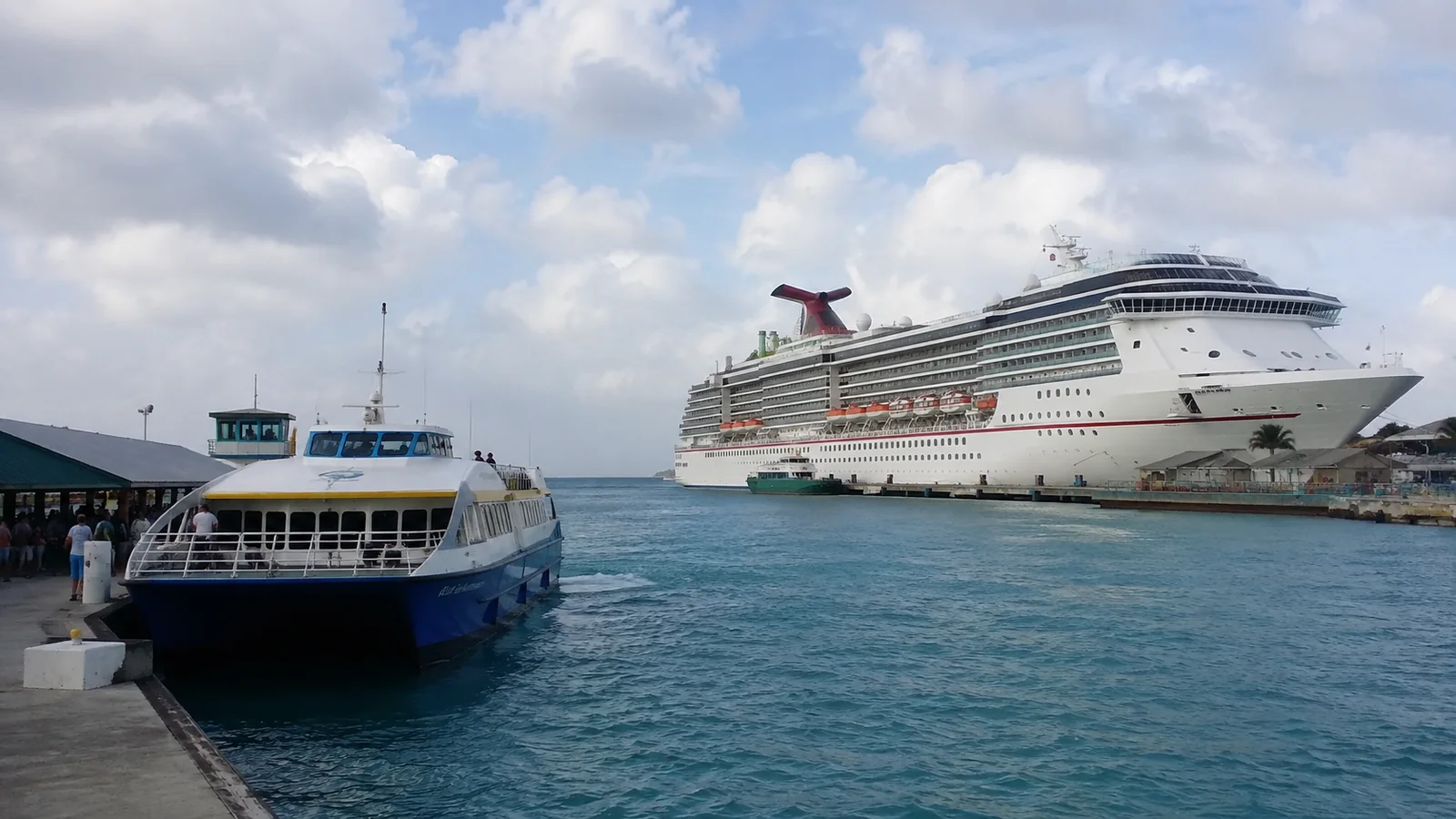
The safest answer
For a U.S. citizen flying to The Bahamas, take a valid passport book. For a ferry, cruise, private boat, permanent resident, or non-U.S. citizen, verify the rules for that exact trip rather than borrowing the answer from an airline traveler.
When official sources use different wording, treat that as a reason to verify, not a reason to pick the easier sentence. A few minutes checking the government and carrier pages is far better than discovering the difference at the terminal.