Best Cruises in June: Weather, Crowds and Route Picks
June is one of cruising’s most tempting months, but the best trip depends on what you want from summer. Long daylight makes Alaska and northern Europe shine, early June can soften Mediterranean crowds, and warm-water routes may cost less if you can accept heat and tropical-weather uncertainty.
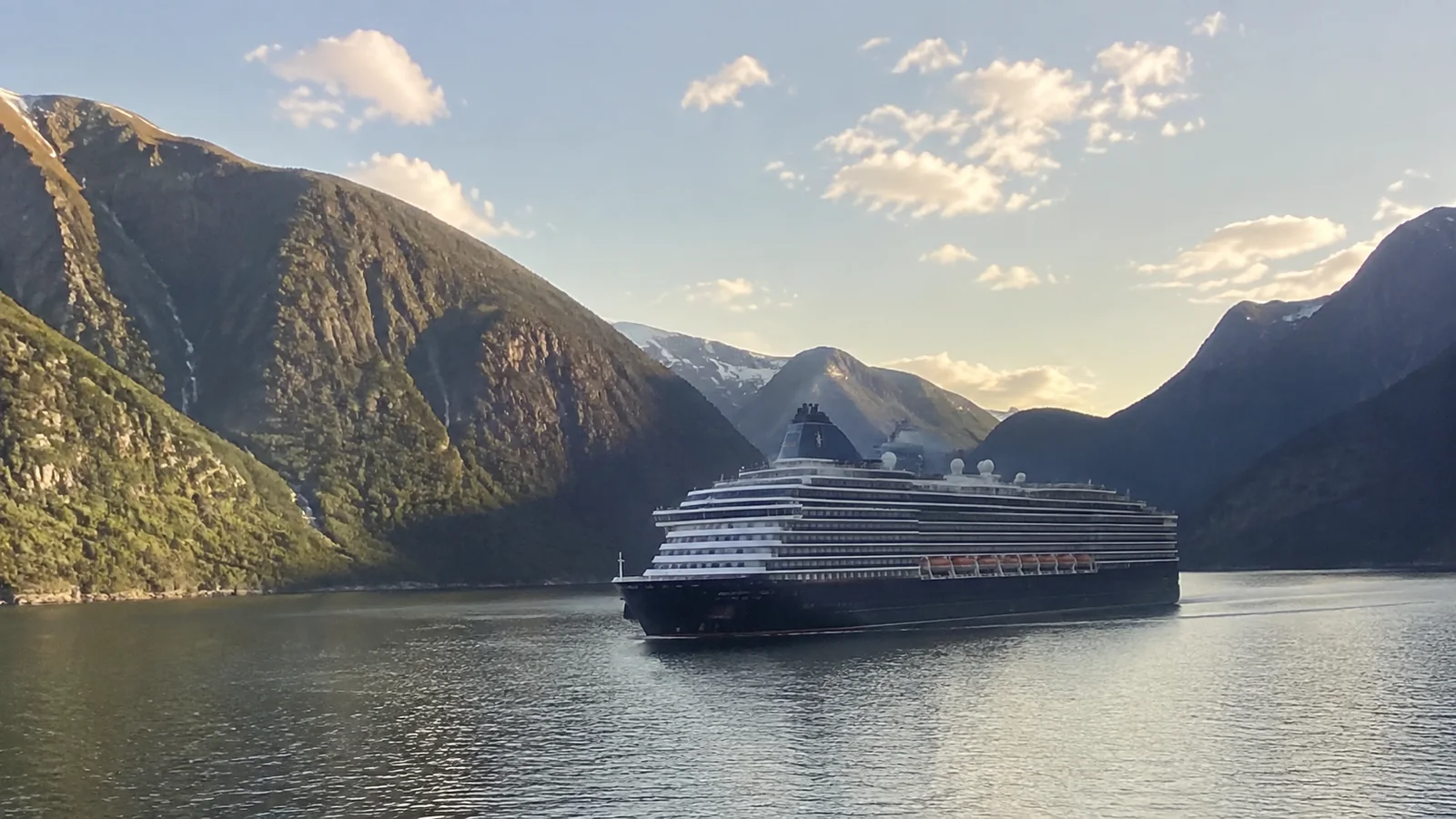
Which June cruise is best for you?
My short answer is Alaska for big scenery, Norway for luminous fjord days, and the Mediterranean for travelers who care more about history and swimming than cool weather. Bermuda, the Caribbean, and the Bahamas can still work, but June rewards flexibility there.
The first half of the month often feels different from the second. School calendars vary by district and country, yet family demand generally builds as more classrooms close for summer.
That means an early-June sailing may offer a calmer version of the same itinerary available later in the month. It can also bring cooler water, lingering mountain snow, or attractions that have not settled into their fullest summer schedules.
Choose by the experience you cannot compromise on, then accept the month’s tradeoffs. Our month-by-month cruise timing guide helps if your dates can still move.
Best overall: Alaska
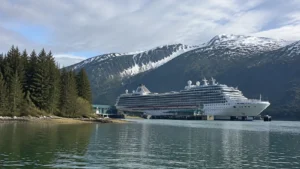
June fits travelers who want long days to watch the coast, a broad choice of excursions, and a better chance of reaching seasonal attractions than during the opening weeks of spring. It is also a popular month, so those advantages do not come with empty ships or quiet ports.
Alaska.org’s June planning guide describes long daylight, generally mild daytime conditions, and wide seasonal operations by the middle of the month. Conditions still change quickly by port, and rain gear belongs in every bag.
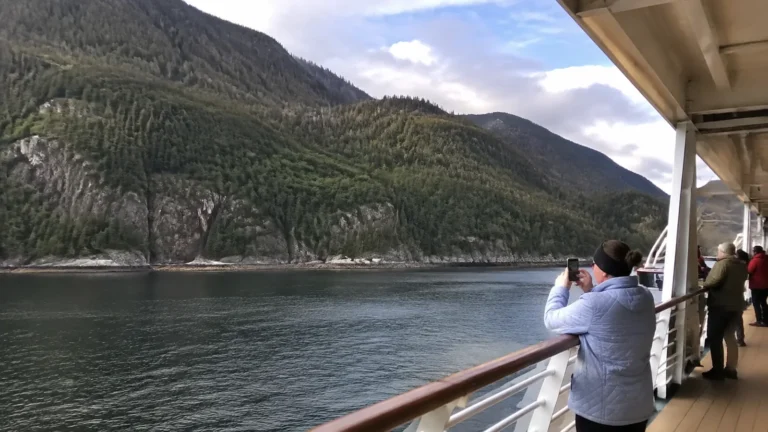
Inside Passage days can move from crisp and drizzly to surprisingly warm. Pack light layers for roughly 40°F to 70°F rather than trusting one long-range forecast.
Pick the itinerary before the ship
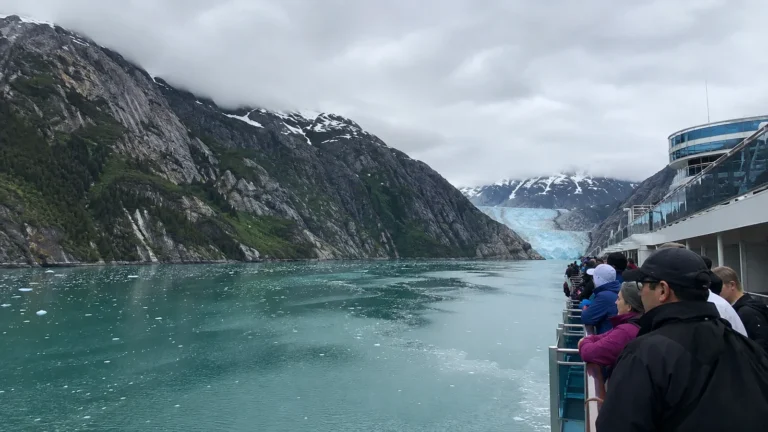
A first Alaska cruise usually works best when it includes a glacier-focused day and several ports with different personalities. Glacier Bay, Hubbard Glacier, or another scenic sailing can become the visual centerpiece, but ice, weather, and operational decisions always control how close a ship gets.
Juneau, Skagway, Ketchikan, Sitka, and Icy Strait Point are not interchangeable check marks. Compare the hours alongside, distance from town, tender or dock arrangement, and whether your priority is hiking, history, flightseeing, fishing, or wildlife watching.
A round trip from Seattle or Vancouver simplifies flights, while a one-way Gulf of Alaska route can connect naturally with a land extension. The one-way option asks more of your budget and schedule because the embarkation and disembarkation logistics are different.
Our Alaska cruise planning guide goes deeper on routes, ports, and glacier choices. For June, I would value a useful port schedule over an extra pool slide every time.
June realities in Alaska
Long daylight does not mean constant sunshine. Fog, rain, wind, and low clouds can affect views or cancel flightseeing, while inland heat can feel startling after a chilly day at sea.
Wildlife is one of Alaska’s great draws, but no month guarantees whales, bears, eagles, or a particular feeding behavior. Book reputable tours for the outing itself, not because a marketing photo looks like a promise.
Wildfire smoke can also affect Alaska or a land extension even when flames are far away. Review current air-quality and emergency information, and follow the practical smoke guidance on Ready.gov’s wildfire page if conditions deteriorate.
June’s bright nights are poor for aurora hunting. If northern lights are the whole point, this is the wrong month for Alaska despite everything else it does well.

Best for fjords and midnight sun: Norway
June gives Norway the kind of daylight that makes a scenic cruise feel wonderfully unhurried. Fjords look green, waterfalls may be energized by snowmelt, and far-northern routes can bring nights when the sun barely dips or does not set at all.
The official Visit Norway midnight sun guide explains that the phenomenon occurs north of the Arctic Circle, with the duration increasing farther north. A western-fjords itinerary is not automatically a midnight-sun cruise, so inspect the route rather than relying on a broad Norway label.
Choose western fjords or the Arctic coast
Bergen-area and western-fjord routes emphasize steep scenery, small waterfront communities, and long days for viewpoints or rail trips. North Cape, Tromsø, Lofoten, and Svalbard-focused itineraries trade some classic fjord expectations for a more distinctly Arctic trip.
Small ships may reach intimate harbors, while larger ships provide more onboard variety and often simpler family logistics. Neither format is universally better, and local port limits can change where a specific vessel is allowed to call.
Do not assume every high mountain road, hiking trail, or viewpoint is fully summer-ready on June 1. Snow, rockfall, weather, and maintenance can delay access even when the ship arrives on a beautiful day.
Bring a sleep mask for bright nights and a waterproof shell for the deck. A June fjord cruise can produce sweater weather, wet weather, and sunburn weather within the same itinerary.
Best for variety: Iceland, Scotland, and the British Isles
June is a strong month for travelers who want historic cities, sea cliffs, gardens, islands, and long sightseeing days without Mediterranean heat. It is not a reliable choice for warm evenings or calm seas.
Iceland itineraries may circle the island or combine Reykjavík with Scotland, Norway, Greenland, or Atlantic islands. Longer routes can be rewarding, but every added tender port creates another place where wind or swell may rewrite the day.
Scottish and Irish calls blend castles, coastal scenery, music, and easy walking days. Expect cool rain to be part of the packing plan rather than evidence that you chose the wrong week.
This region especially rewards an itinerary with a mix of docked and tendered ports. If one exposed landing disappears, a route with solid city calls can still feel complete.
Best for history and sunshine: the Mediterranean
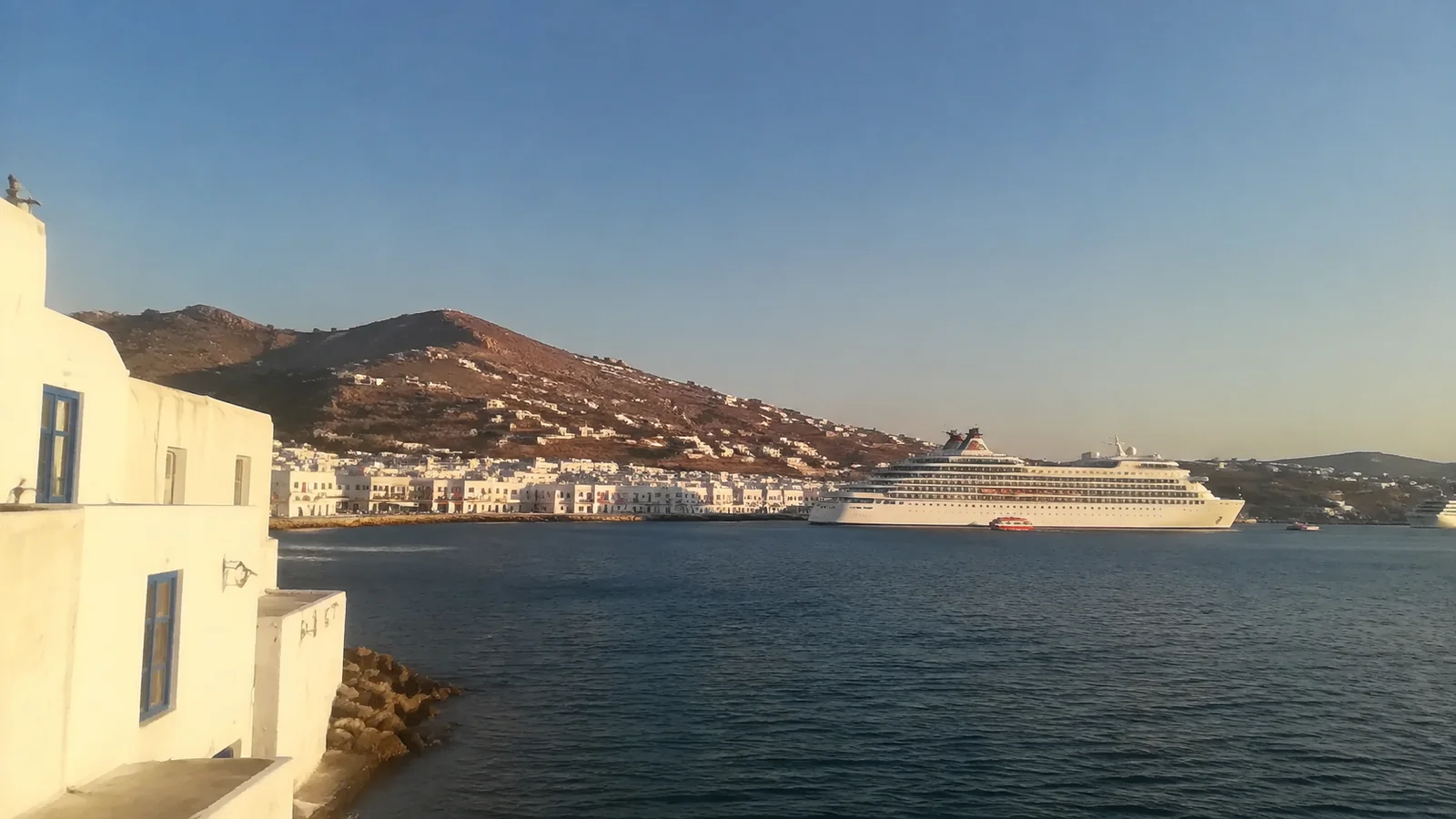
June sits on the hinge between pleasant early-summer touring and serious summer heat. Early June is my preferred window for travelers who want Rome, Athens, Ephesus, Dubrovnik, or Barcelona without planning every hour around the hottest part of the day.
By late June, famous ports can feel intensely busy, pavement holds heat, and a long bus ride to an inland landmark becomes more tiring. Shade, water, sun protection, and an honest walking pace matter more than squeezing in one more stop.
Western Mediterranean
Routes from Barcelona, Rome’s port of Civitavecchia, or other western hubs are excellent for first-time cruisers who want major cities and easy flight choices. The compromise is that several marquee sights lie well beyond the gangway.
Read the port times carefully because “Rome” or “Florence” on an itinerary is often cruise shorthand for a distant gateway. A shorter tour near the coast may produce a better day than spending most of it on a bus.
Greek Isles and the Adriatic
Greek-island and Adriatic routes pair swimming water with compact old towns and outdoor meals. Tendering, steep lanes, exposed ruins, and limited shade can turn a pretty forecast into a physically demanding day.
Choose early excursions, return to the ship during peak heat, and go ashore again when a late departure allows it. Wildfire danger is a real summer consideration, so follow local civil-protection instructions instead of trying to reach a closed site.
June does not guarantee a fire-free or heatwave-free trip. Insurance terms, flight flexibility, and a willingness to enjoy the ship when plans change are part of smart summer travel.
Best for cooler coastal towns: Canada and New England
A June Canada and New England cruise suits travelers who like maritime history, seafood, lighthouses, and sweater-friendly days. It does not offer fall foliage, and the water is generally too cool for a classic beach vacation.
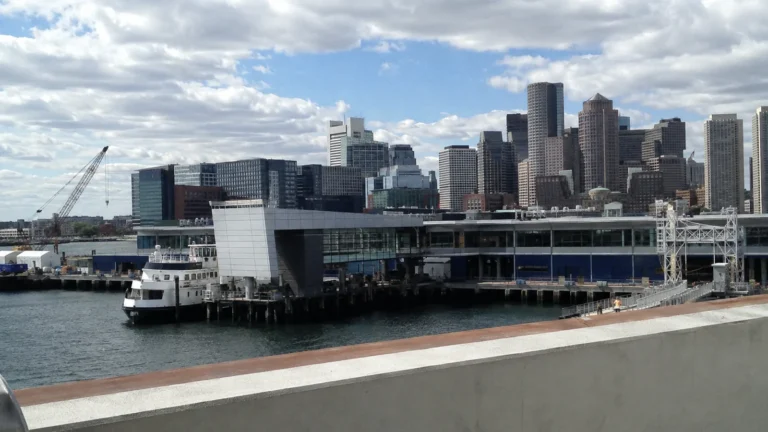
Boston, Bar Harbor, Halifax, Sydney, Charlottetown, Québec City, and Montréal appear in different combinations, but not every cruise visits all of them. Some routes are one-way, which can be more interesting and more complicated than a round trip.
Fog and cool rain can soften coastal views, while tender arrangements may slow a popular port day. Pack a light waterproof layer and plan one indoor option in every place that matters most.
June can feel quieter than leaf-peeping season, yet events and school breaks can still create local crowds. Check the actual port calendar rather than treating the whole region as undiscovered.
Best warm-water alternative: Bermuda
Bermuda is a clever June choice for East Coast travelers who want beaches without flying deep into the Caribbean. Many itineraries stay overnight, which turns one destination into several flexible island days.
The water and air generally feel more summery as June advances, but Bermuda sits in the North Atlantic and weather remains changeable. Dockyard, Hamilton, and St. George’s also create different transportation plans.
Our Bermuda cruise guide explains the berths, buses, ferries, and overnight strategy. Prioritize usable time in port over the number of nights printed on the booking page.
Can you cruise the Caribbean in June?
Absolutely, but the reason should be warm water, easy beach days, or potential value rather than flawless weather. Humidity, quick thunderstorms, heavy rain, and itinerary changes are all possible.
The National Hurricane Center’s official climatology lists Atlantic hurricane season as June 1 through November 30 and the eastern Pacific season as May 15 through November 30. A season date describes when preparedness matters, not what will happen on your particular sailing.
Historically, the busiest Atlantic period comes later, but an early-season storm can still form. Cruise lines may change the order of ports, substitute a call, add a sea day, or avoid an affected region.
A southern route is not a weather-proof loophole. Islands farther south may have different historical exposure, yet rain, wind, rough seas, flight disruption, and regional storms still deserve attention.
Buy insurance only after reading its covered reasons, exclusions, deadlines, and hurricane rules. “I changed my mind because the forecast looks worrying” is usually not the same as a covered cancellation.
What about European river cruises?
June can be lovely on the Rhine, Danube, Rhône, Seine, and Douro because cities are lively and daylight stretches well into the evening. River travel is also more sensitive to water levels than ocean cruising.
High water can prevent a ship from clearing bridges, while low water can limit navigation. Operators may swap vessels, use buses, alter stops, or cancel segments, and no booking month eliminates that possibility.
Look for clear language about itinerary changes and mobility demands before paying. A bus-based substitute can preserve the sightseeing, but it does not recreate the quiet pleasure of unpacking once and watching the riverbank pass.

June cruises I would choose only for a specific reason
- Caribbean and Bahamas: Good for warm-water fun and sometimes attractive availability, but heat, rain, and tropical-weather flexibility come with the deal.
- Mediterranean in late June: Excellent for sun lovers who manage heat well, less appealing for anyone hoping to power-walk through archaeological sites at noon.
- Transatlantic crossings: Wonderful when the sea days are the point, though June usually offers fewer repositioning choices than spring or fall.
- Galápagos: A fascinating specialist trip with year-round appeal, but currents, sea conditions, wildlife patterns, and strict park operations matter more than the word June.
- Antarctica: Not a normal expedition-cruise month because June is deep austral winter with darkness, sea ice, and very limited visitor operations.
How to compare June sailings
Start with the route and count genuine destination hours, not just port names. A 7 a.m. arrival is less useful if the first independent transportation starts much later, while a 10 p.m. departure can create a rare evening ashore.
Then check whether calls are docked, tendered, or scenic cruising only. Tender ports are not inferior, but they need more weather tolerance and a larger return buffer.
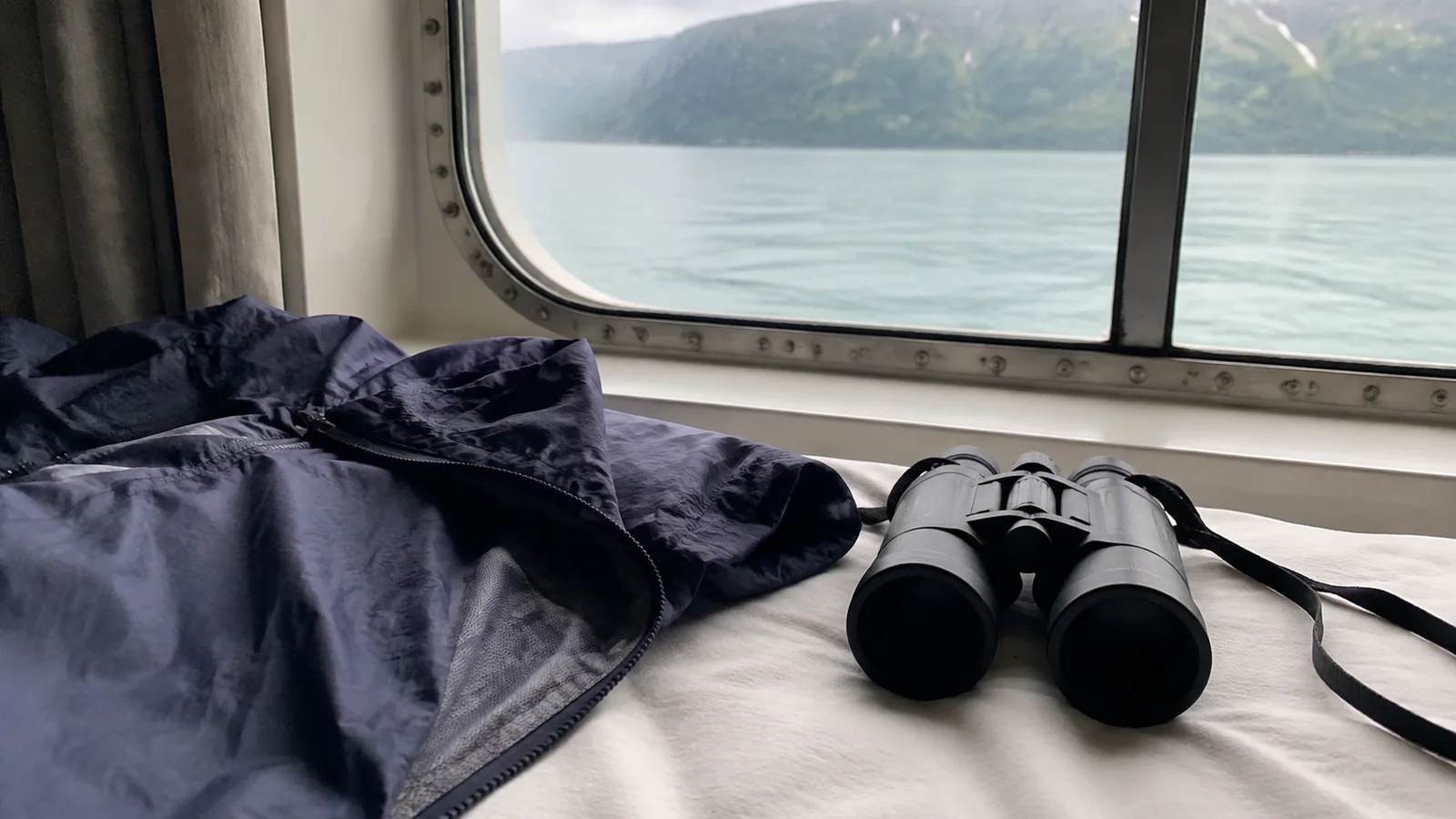
Compare the ship to the climate. A covered pool matters more in Alaska, shaded outdoor space matters more in the Mediterranean, and a stable indoor observation area can rescue a wet Norwegian day.
Finally, price the complete trip: flights, hotels, transfers, gratuities, drinks, excursions, specialty dining, insurance, and the cabin you can actually tolerate. Our cruise destination guide can help narrow the map before you compare ships.
What to pack for a June cruise
For Alaska and northern Europe, build around a waterproof outer layer, comfortable walking shoes, a warm midlayer, sun protection, and a small day bag. Gloves and a hat can still earn their suitcase space on glacier or windy sea days.
For the Mediterranean, Bermuda, or the Caribbean, choose breathable clothing, strong sun protection, a refillable water bottle, and shoes that handle hot stone streets. Bring one light layer because air-conditioned interiors can feel chilly.
Medication, travel documents, chargers, valuables, and a change of clothes belong in your embarkation-day bag. Checked luggage may not reach the cabin until later, and essential medicine should never be separated from you.
The bottom line
Alaska is June’s strongest all-around cruise choice, while Norway is the magic pick for fjords and bright Arctic nights. Early Mediterranean routes suit history lovers, and Bermuda offers an easy warm-weather alternative from the East Coast.
There is no weather guarantee hiding in any of those recommendations. Match the ship and route to the month, protect the parts of the trip that matter most, and leave enough flexibility for June to surprise you in a good way.