Christmas Cruises: How to Choose the Right Holiday Sailing
A Christmas cruise can replace cooking and houseguests with ocean views, but it does not automatically deliver your family’s ideal holiday. Route, ship, exact dates, cabin setup, port closures, and onboard programming matter more than a sparkly brochure photo.

First decide which Christmas you want
“Christmas cruise” can mean a festive sailing in early December, a voyage that includes December 25, or a holiday break cruise continuing through New Year’s. Those choices produce different prices, crowds, family schedules, and onboard expectations.
An early-December trip may offer decorations and seasonal activities without requiring everyone to spend Christmas Day away from home. A Christmas-week sailing delivers the clearest escape from hosting, but it also competes with school breaks and limited vacation dates.
A Christmas-to-New-Year itinerary combines two major celebrations and uses fewer separate travel days. It can also be the most socially intense option, especially on a large family ship at peak occupancy.
Choose the route before the decorations
The itinerary determines your weather, travel complexity, and actual days ashore. Holiday programming is a bonus, while a route mismatch follows you from embarkation until the final suitcase appears.
Caribbean and Bahamas
These are the simplest warm-weather choices from Florida and several Gulf or East Coast homeports. Expect beach potential rather than guaranteed beach weather, because wind, rain, and cool fronts can still affect December port days.
Short Bahamas trips are efficient for families with tight calendars, but a three- or four-night cruise compresses embarkation, celebration, and ports into a busy schedule. A seven-night Caribbean itinerary creates more breathing room and usually offers a broader mix of sea and shore days.
Compare private-destination calls with independent island ports. A cruise-line destination may simplify chairs, meals, and family logistics, while a regular port offers more local culture and requires more advance planning.
Mexico and the western Caribbean
Western routes can combine beaches with reefs, Maya sites, food, and nature excursions. They work well for multigenerational groups whose interests extend beyond sunbathing.
Excursion travel times matter because some ruins and inland attractions sit far from the pier. On December 24, 25, or 26, verify holiday hours directly with the operator and keep enough buffer to return before all-aboard.
Mediterranean and Canary Islands
Winter Mediterranean cruises favor museums, historic centers, food, and uncrowded sightseeing over swimming. Days are shorter, temperatures vary by coast, and stone streets can become slippery in seasonal rain.
The Canary Islands generally offer milder winter conditions than mainland Europe, but they are not interchangeable with the tropical Caribbean. Flight time, jet lag, and European holiday closures deserve a line in the budget and itinerary plan.
Northern Europe and Christmas-market routes
Cold-weather sailings suit travelers who want lights, markets, and old towns. Market dates differ, and many events end by December 23 or 24, so check municipal schedules rather than assuming “Christmas cruise” means every stall remains open.
Weather can alter docking, walking tours, and transport, while darkness arrives early. Choose a centrally located port itinerary and book fewer ambitious day trips if your group includes small children or limited-mobility travelers.
Australia and New Zealand
Christmas falls in summer in the Southern Hemisphere, making these routes attractive for beaches, city calls, and scenic cruising. For U.S. travelers, the tradeoff is a long flight, major time-zone change, and a larger pre-cruise buffer.
Domestic holiday customs and public closures differ by country and port. Treat the itinerary as an international trip first and a floating celebration second.
Match the cruise line to your group
Current cruise-line pages describe broad seasonal programs, but they are marketing overviews rather than contracts for every event on every ship. Ask for the sailing’s daily schedule close to departure and consider anything unpublished a possibility, not a promise.
Disney Cruise Line for immersive family theming
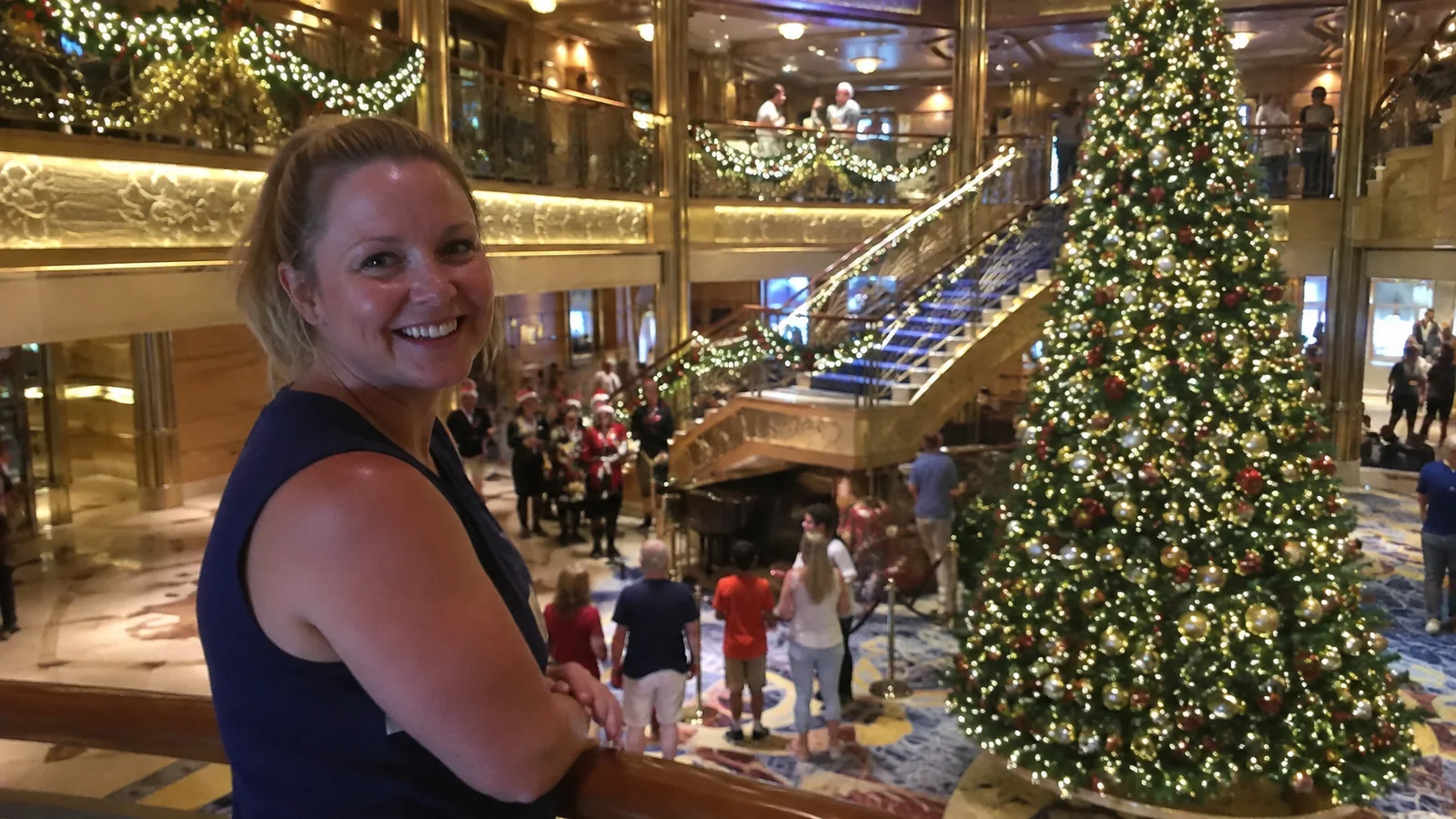
Disney’s official Very Merrytime overview currently highlights festive décor, character experiences, crafts, and family entertainment on select cruises. This is the strongest fit for families who value Disney theming enough to make it a central part of the vacation budget.
Compare the exact ship, itinerary, kids’ spaces, cabin occupancy, and fare rather than buying the seasonal label alone. A child who wants beaches or a grandparent who values quiet may care more about route and layout than character costumes.
Royal Caribbean for activity-heavy families
Royal Caribbean’s current holiday cruise page promotes seasonal activities alongside its regular ship attractions. The line can fit mixed-age groups that want pools, sports, shows, and active spaces in addition to holiday touches.
Ship choice matters enormously because attraction lists vary across the fleet. Confirm height, age, reservation, weather, and added-cost rules for any headline feature that drives the booking.
Carnival for casual, lively celebrations
Carnival’s current Christmas cruise page describes seasonal decorations and branded family entertainment across a stated holiday period. Travelers seeking an energetic, informal atmosphere may value that approach more than a polished luxury presentation.
Do not assume every advertised character appearance, meal, or show occurs at the same time on every ship. The onboard app and daily schedule remain the practical sources once you sail.
Premium and luxury lines for space and service
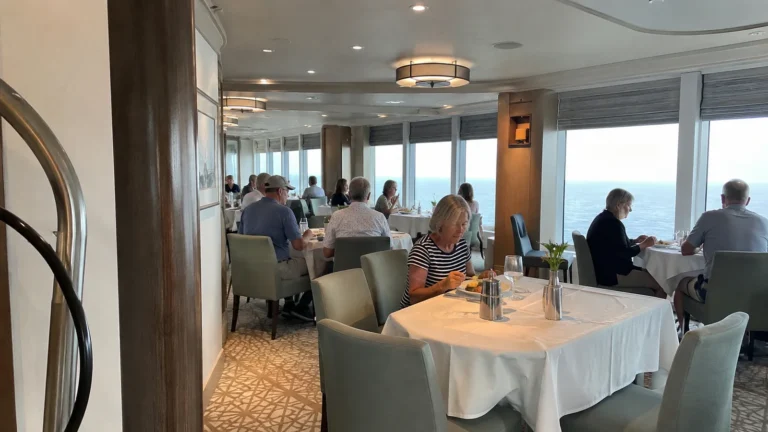
Premium and luxury ships may emphasize dining, music, décor, and service rather than waterslides or character events. They can suit couples and adults whose dream Christmas involves fewer announcements and someone else handling every plate.
Some ships welcome families but offer smaller youth programs or fewer connecting cabins. Verify children’s hours, minimum ages, babysitting, family dining, and occupancy limits before treating a higher fare as automatically easier.
Small ships and river cruises
Smaller vessels can reach intimate ports and create a calmer social setting, but they offer fewer backup activities when weather changes. River cruises can put European markets and old towns near the gangway, yet river levels, locks, coach substitutions, and seasonal closures influence the experience.
Ask how the operator handles itinerary changes and whether your cabin, dining, and excursions suit mobility needs. Holiday decorations do not make cobblestone routes easier to navigate.
What holiday programming should you verify?
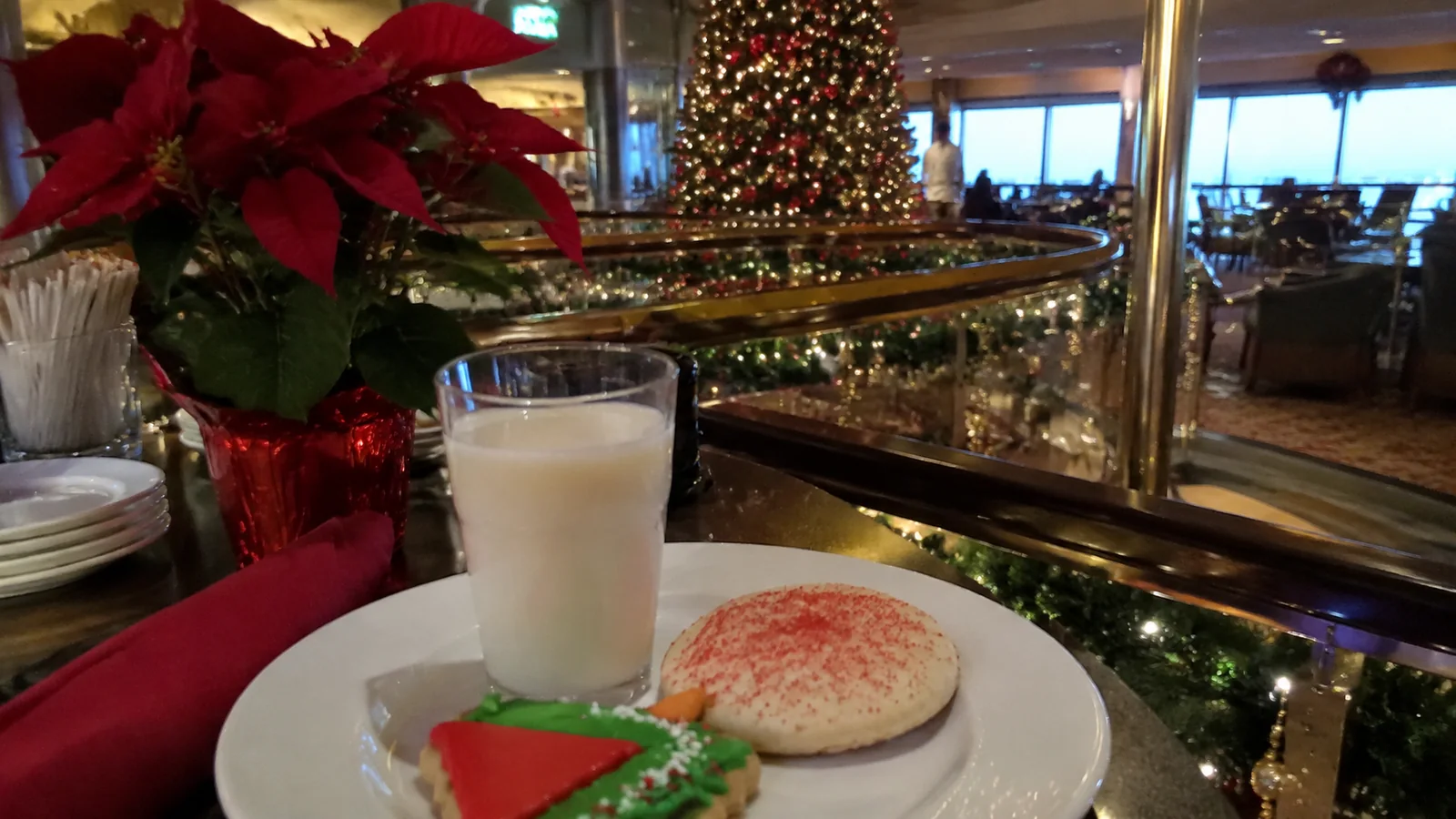
Ask whether the exact sailing is designated as a holiday voyage and when its seasonal program begins. A ship may be decorated in early December without offering the same schedule as a cruise containing December 25.
- Christmas Eve and Christmas Day dining arrangements
- Children’s activities, age groups, and registration requirements
- Santa or character appearances and whether reservations apply
- Seasonal shows, movies, crafts, trivia, and music
- Faith services or quiet observance space
- Hanukkah programming when dates overlap
- Dress suggestions for dinners or parties
- Holiday photography and any added charge
- New Year’s programming on crossover sailings
Religious services often depend on clergy availability and line policy, so never infer them from decorations. Travelers for whom worship is essential should obtain a current written answer and prepare an independent alternative.
Price the whole holiday, not the advertised fare
School-break demand can make Christmas week materially more expensive than nearby dates, but there is no universal markup. Compare identical cabin occupancy, taxes, fees, gratuities, drinks, dining, internet, excursions, transfers, and insurance.
Flights can be the budget ambush because winter disruptions and holiday demand collide. Arriving at least one day early is sensible for most sailings, and a longer buffer may be worthwhile for an international embarkation or snow-prone connection.
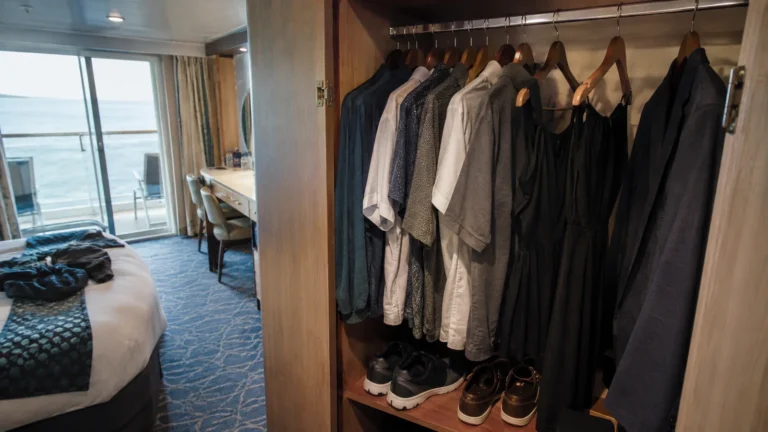
Cabins priced for two can become awkward or costly with three or four guests. Compare two cabins, connecting rooms, a family cabin, and a suite based on total cost and actual beds, not the category name.
Use the cruise booking comparison to weigh booking direct against using an advisor. A strong advisor is particularly useful when several households need linked dining, adjacent cabins, and synchronized payments.
Plan a multigenerational cruise with room for everyone
Choose one lead organizer, then give each household responsibility for its own legal names, documents, payments, and medical disclosures. A shared planning sheet makes deadlines and arrival arrangements easier to coordinate.
Agree on a few anchor events, such as Christmas dinner and one shore day, while leaving optional time apart. I would make most activities optional so everyone has time to recharge.
Discuss gifts before packing. One small exchange, experiences, or stockings can preserve the tradition without needing a separate suitcase for presents.
Documents and port-day reality
Document rules depend on citizenship, itinerary, and cruise-line requirements. U.S. Customs and Border Protection explains the closed-loop exception in its current cruise document guidance, but a passport book remains the more flexible option if an emergency requires an international flight.
Verify every traveler’s documents with the cruise line and relevant governments, including rules for minors and adults traveling without both legal guardians. Names on bookings, airline tickets, and identification should match.
Ports can be quiet or partially closed on Christmas Day, which may be lovely or disappointing depending on your goal. Confirm attraction, transit, restaurant, and tour hours directly, and keep expectations modest when local residents are celebrating too.
Pack for the route and the celebration
Bring a small embarkation carry-on with documents, medicine, valuables, chargers, swimwear or warm layers, and dinner basics. Checked luggage may arrive later in the day, so keep essential medication with you.
Add compact festive clothing, door décor only if the line permits it, and gifts that meet security rules. Battery lights, extension cords, candles, irons, steamers, and adhesive decorations may be prohibited or restricted, so check the line’s current list.
Use the modular cruise packing list to build around climate and activities. Warm routes still need a light layer for air-conditioned rooms, while Europe needs waterproof footwear and genuinely useful outerwear.
Who should skip a Christmas cruise?
Skip it if home-based traditions, private religious observance, extensive cooking, or flexible visits with local family are nonnegotiable. The ship controls schedules, dining logistics, and itinerary changes, even when you bring the stockings.
It may also be a poor fit for relatives who dislike crowds, sea travel, structured embarkation, or shared cabins. A pre-Christmas sailing can preserve the fun while leaving the main holiday at home.
A final booking checklist
- Exact departure and return dates
- Designated holiday-program status
- Ship attractions and age restrictions
- Port closures and excursion hours
- Cabin beds, connections, and accessibility
- Total trip cost for every household
- Flights and pre-cruise hotel buffer
- Passports, visas, and minor documents
- Dining links and special-diet requests
- Medical needs and travel insurance
If this is a first sailing for part of the group, walk everyone through the practical first-cruise essentials before final payment. Explain all-aboard times and how the group will communicate during independent shore time.
Is a Christmas cruise worth it?
It is worth it when your group values shared travel, simplified meals, varied activities, and a holiday that does not depend on one exhausted host. Choose the route first, the ship second, and the advertised seasonal sparkle third.
Book only the experiences documented for your specific sailing, and treat the rest as pleasant surprises. I would book for the days your family will enjoy together, then let the seasonal touches add to them.