Abu Dhabi Cruise Port Guide: Zayed Port, Transfers and Realistic City Plans
Abu Dhabi is a vehicle-based cruise call where a short map distance can still hide pickup time, security, heat, and a surprisingly ambitious palace. Start with Zayed Port, choose one city zone, and build backward from all-aboard rather than collecting attractions like they are complimentary buffet pastries.
Current travel advisory before you book
As checked September 5, 2026, the U.S. State Department’s August 29 UAE advisory is Level 3, Reconsider Travel, because of terrorism and armed conflict. It also describes drone and missile threats and significant commercial-flight disruption.
I would check U.S. Embassy UAE alerts and my cruise line’s and airline’s operating updates before paying for transfers or excursions. The sightseeing plans below apply only if your call operates and current local instructions permit the outing.
Where cruise ships dock in Abu Dhabi
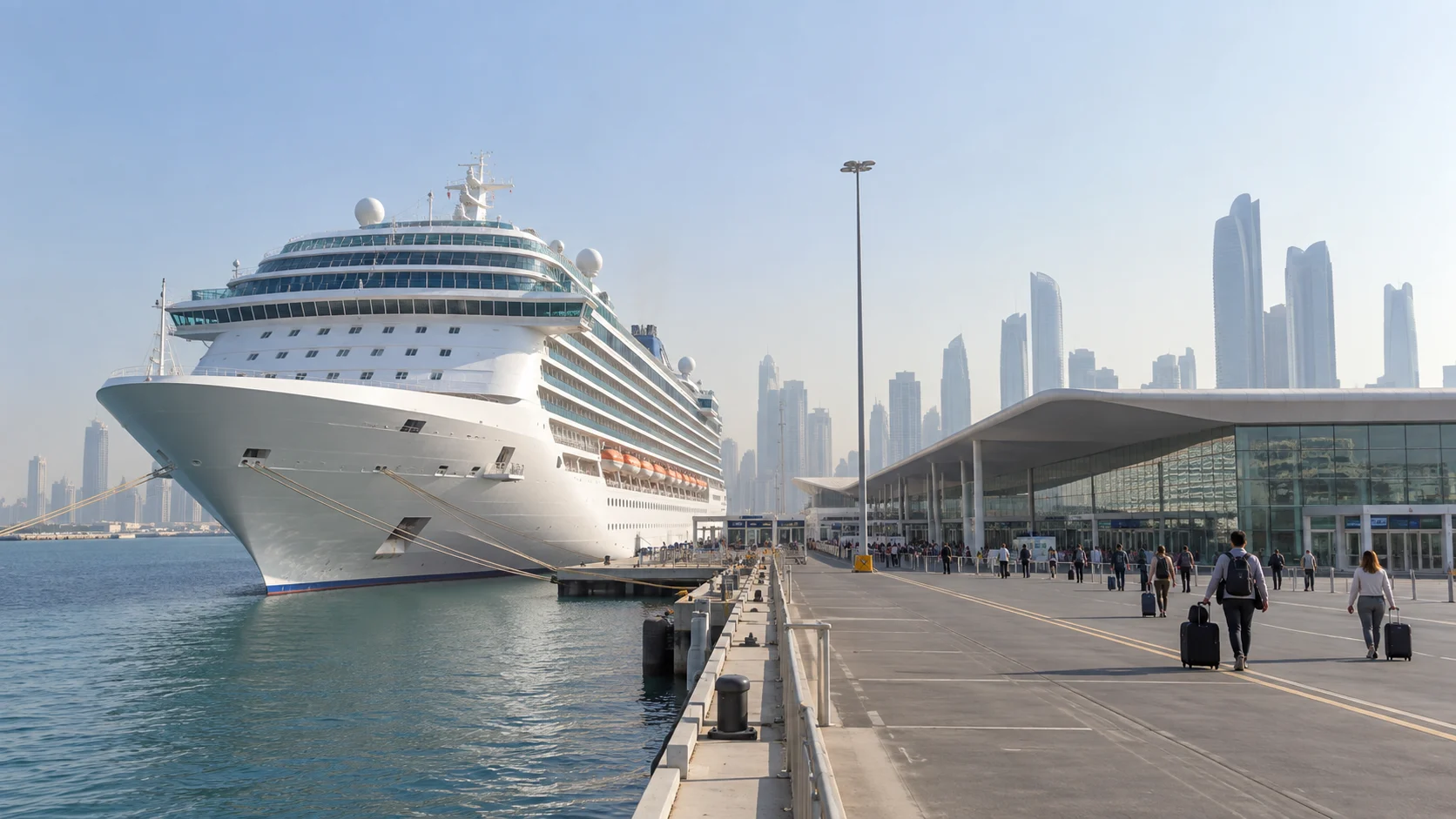
Mainstream cruise ships use Abu Dhabi Cruise Terminal at Zayed Port, also called Mina Zayed. Do not confuse it with Khalifa Port, Sir Bani Yas Cruise Beach, the ferry terminal, or Zayed International Airport.
The official Abu Dhabi Cruise Terminal page lists a 7,800-square-meter terminal, passenger hall capacity of 5,000, and room for three mega vessels. AD Ports also describes public transport links, but current routes and terminal access still need a date check.
Zayed Port sits near the Mina waterfront and Saadiyat Island, not beside every headline attraction. Louvre Abu Dhabi is relatively close, while Sheikh Zayed Grand Mosque, Qasr Al Watan, and Yas Island require separate drives in different directions.
What to expect at Zayed Port
The terminal handles passport control, customs, baggage, visitor information, retail, and passenger processing for calls and turnarounds. Which shops, desks, airline services, storage options, and transfers operate can vary by ship and date, so treat a current cruise-line notice as more useful than an old terminal photo.
For a port call, carry the ship card, accepted identification, the terminal name in English and Arabic if supplied, and offline screenshots of the all-aboard time. For embarkation or disembarkation, follow the line’s assigned terminal, luggage, and arrival instructions because Zayed Port is an operating commercial environment.
Getting from the port into Abu Dhabi
Metered taxi
A regulated taxi is the simplest option for most independent visitors. Experience Abu Dhabi says the city’s silver taxis have yellow roof signs, use regulated meters, and can be hailed, found at ranks, or booked through the Abu Dhabi Taxi app.
The official Abu Dhabi taxi guidance also lists Uber and Careem and advises keeping the receipt, which is especially useful if a phone or shopping bag continues touring without you. Ask where the return pickup is permitted at each attraction.
Travel-time planning ranges from Zayed Port are roughly 10 to 15 minutes for Louvre Abu Dhabi, 20 to 30 minutes for Qasr Al Watan or the western Corniche, 25 to 40 minutes for the Grand Mosque, and 30 to 45 minutes for Yas Island. These are not promises, since traffic, road work, security, event closures, and pickup queues can change the day.
Ride-hailing and private cars
App-based cars can provide a known vehicle and digital receipt, but geofenced pickup points may differ from the taxi rank. Use the port’s designated area and allow enough time for the driver to enter, locate you, and clear the terminal roads.
A prebooked driver is useful when combining two distant sites or traveling with a mobility device or child seat. Confirm the vehicle, wait policy, attraction parking, port access, and what happens if the ship arrives late.
Public buses and tourist shuttles
Abu Dhabi’s public buses require a Hafilat smart card and do not accept cash or bank cards onboard, according to current tourism guidance. They can be economical on a longer stay, but a cruise call adds card purchase, walking, transfers, and schedule risk.
Do not currently build a port day around the free Experience Abu Dhabi Shuttle Bus. The official tourism page says that service is temporarily on hold while routes and schedules are updated, even though older pages and maps still describe it.
Water taxi to Louvre Abu Dhabi
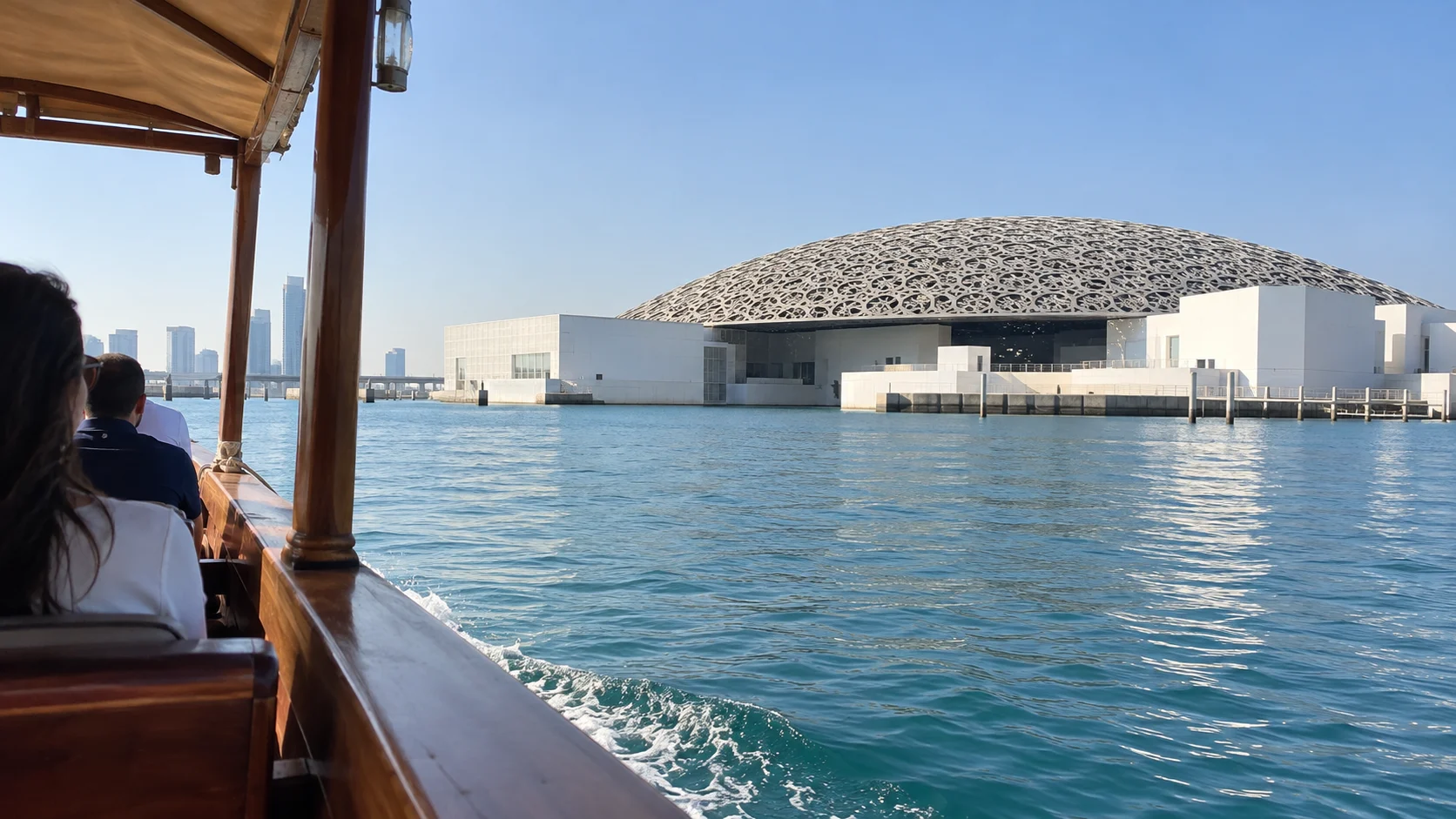
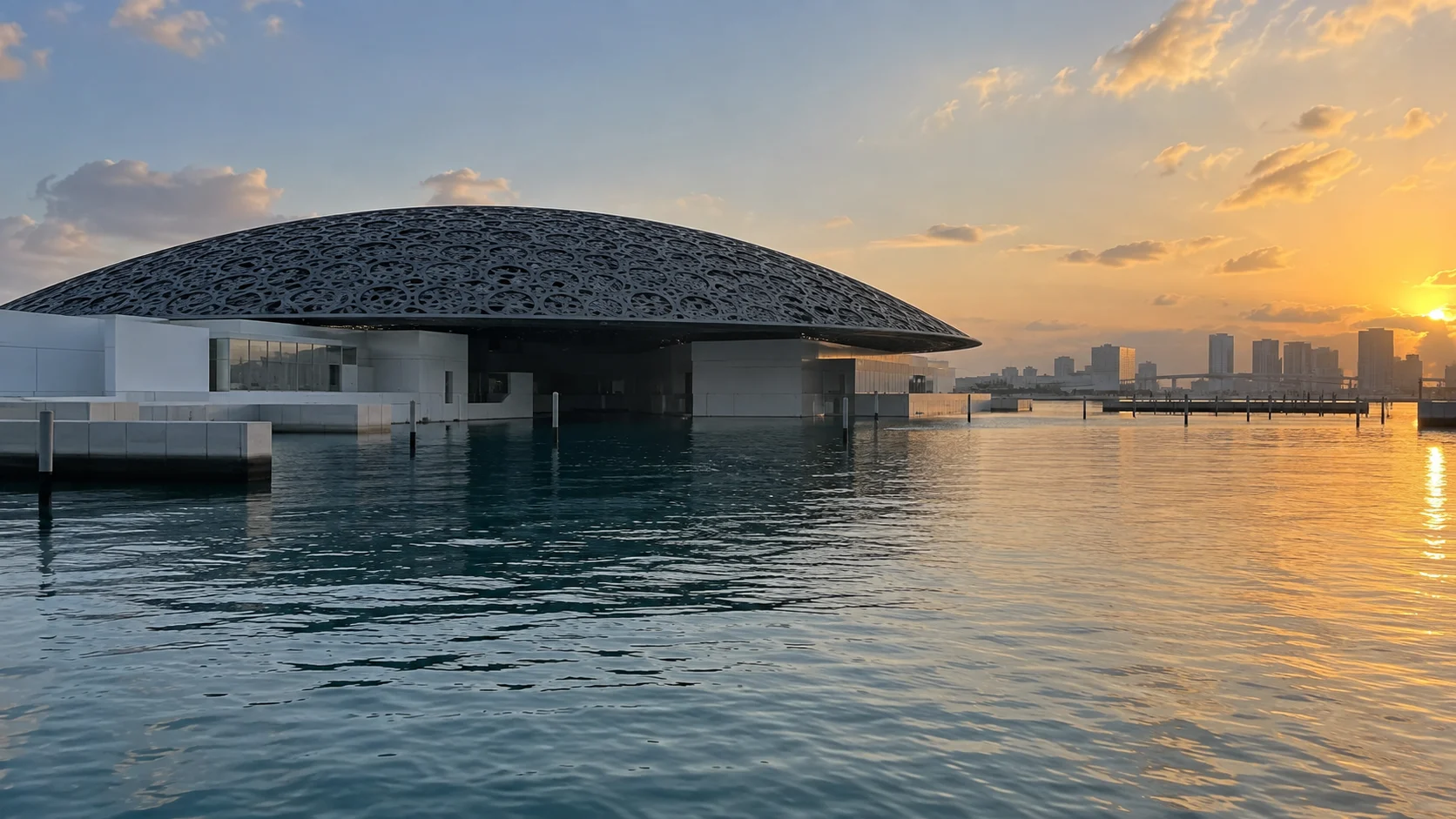
Louvre Abu Dhabi currently lists a water taxi from Marsa Mina at the cruise terminal to the museum. This can turn the transfer into part of the day, but check the live timetable, ticket availability, weather, last return, and the walk from your ship before committing.
The best compact port day: Louvre and the Mina waterfront
This is the strongest plan for a short call because it keeps travel close to Zayed Port. Visit Louvre Abu Dhabi, then return to Marsa Mina or the port area for food and a waterfront walk if time and current businesses allow.
The official Louvre Abu Dhabi visitor page currently lists gallery hours of 10 a.m. to 6:30 p.m. Tuesday through Thursday and 10 a.m. to 8:30 p.m. Friday through Sunday, with last gallery entry 30 minutes before closing. The museum is closed Monday, although its dome remains open later on operating days.
Allow at least two hours for a selective museum visit and longer if architecture and galleries are the main event. Prebook a timed ticket when required, check temporary gallery closures, and remember that “open until midnight” refers to the wider site and dome, not all exhibitions.
The classic culture day: Grand Mosque and Qasr Al Watan
Sheikh Zayed Grand Mosque and Qasr Al Watan make a strong full-day pairing, but they sit far apart and both involve security, walking, and formal visitor procedures. Add a meal or Corniche stop only after the transfer and visit windows are secure.

Sheikh Zayed Grand Mosque
The mosque is an active place of worship, not simply an architecture stop. Visitor access, prayer closures, dress rules, registration, photography areas, and tour times can change around Fridays, Ramadan, religious occasions, and official events.
The official mosque manners require modest attire consistent with the site’s sanctity and ask visitors to avoid excessive jewelry, heavy makeup, and very bright colors. Use the mosque’s current illustrated dress code for every traveler rather than assuming a long beach cover-up qualifies.
Plan for shoulders, arms, and legs to be appropriately covered, with loose, opaque clothing, and bring the required head covering where applicable. Do not depend on borrowing clothing onsite unless the mosque specifically confirms that service for your date.
Complimentary cultural tours are scheduled at selected times and generally last about 30 to 45 minutes. Arrive before the tour start and leave room for parking, registration, security, the visitor route, shoe procedures, and the walk through the complex.

Qasr Al Watan
Qasr Al Watan is the working Presidential Palace’s public cultural attraction, with its own security, shuttle within the grounds, exhibition spaces, and operating calendar. Hours can change for official functions, so check the attraction on the morning of the visit.
The Palace in Motion evening show follows separate timing and capacity rules. It rarely belongs in a normal daytime call unless the ship stays late and both the performance and return transportation fit comfortably.
Yas Island is a one-zone port day
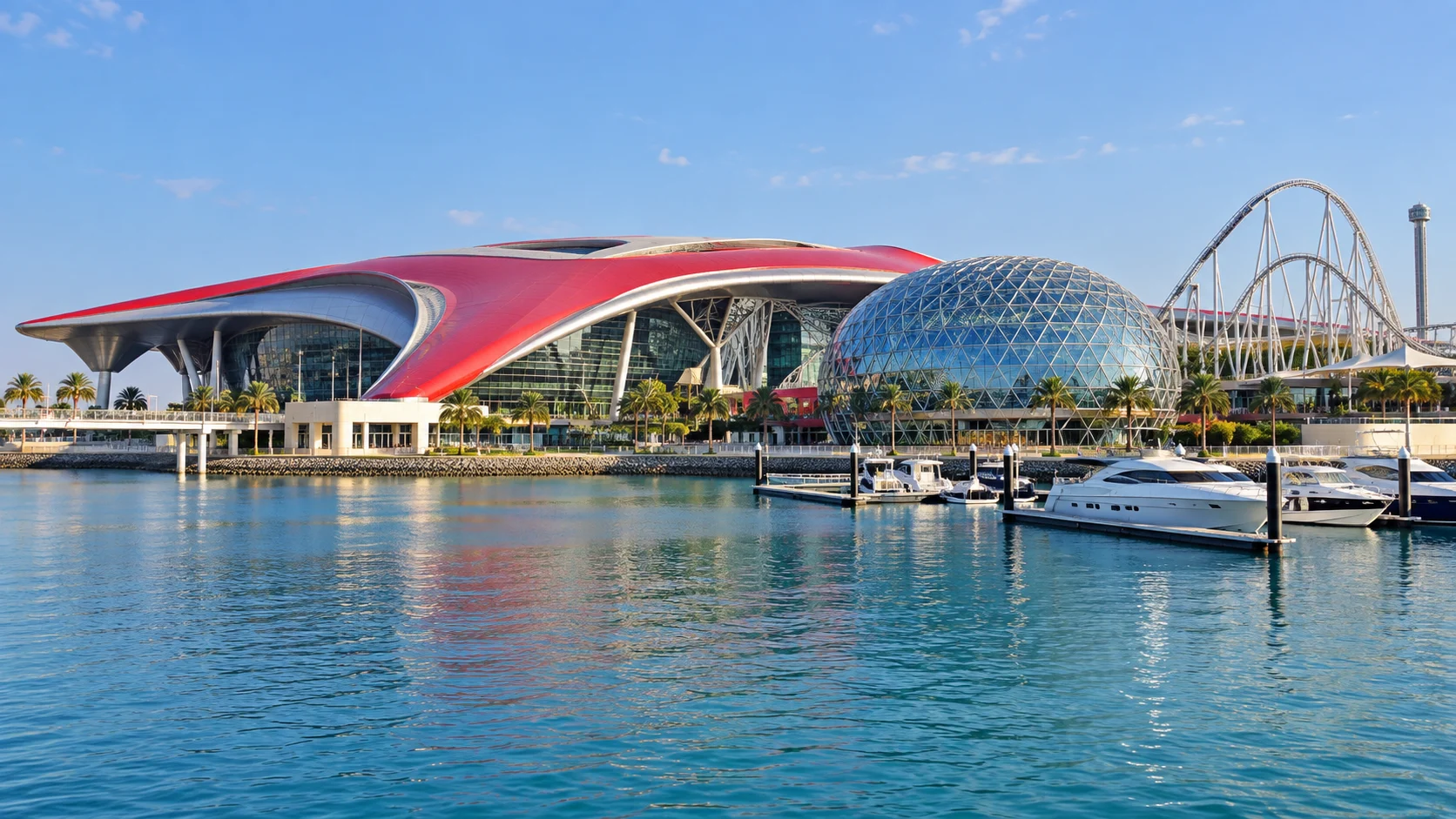
Yas Island is about 18 miles east of central Abu Dhabi and farther from the cruise terminal than the Saadiyat cultural district. Its theme parks, mall, marina, circuit, and hotels are not one quick walkable attraction cluster.
Choose one major park or a focused Yas plan, prebook admission, and confirm opening hours, ride closures, height rules, lockers, and return transportation. Trying to combine a full theme park with the mosque and Louvre turns the city into a windshield appreciation tour.
Yas Express provides local circulation around Yas Island when operating, but it is not a direct cruise-terminal solution. The broader Experience Abu Dhabi shuttle pause is another reason to verify each current route rather than treating every colorful bus map as active.
Beach and Corniche options
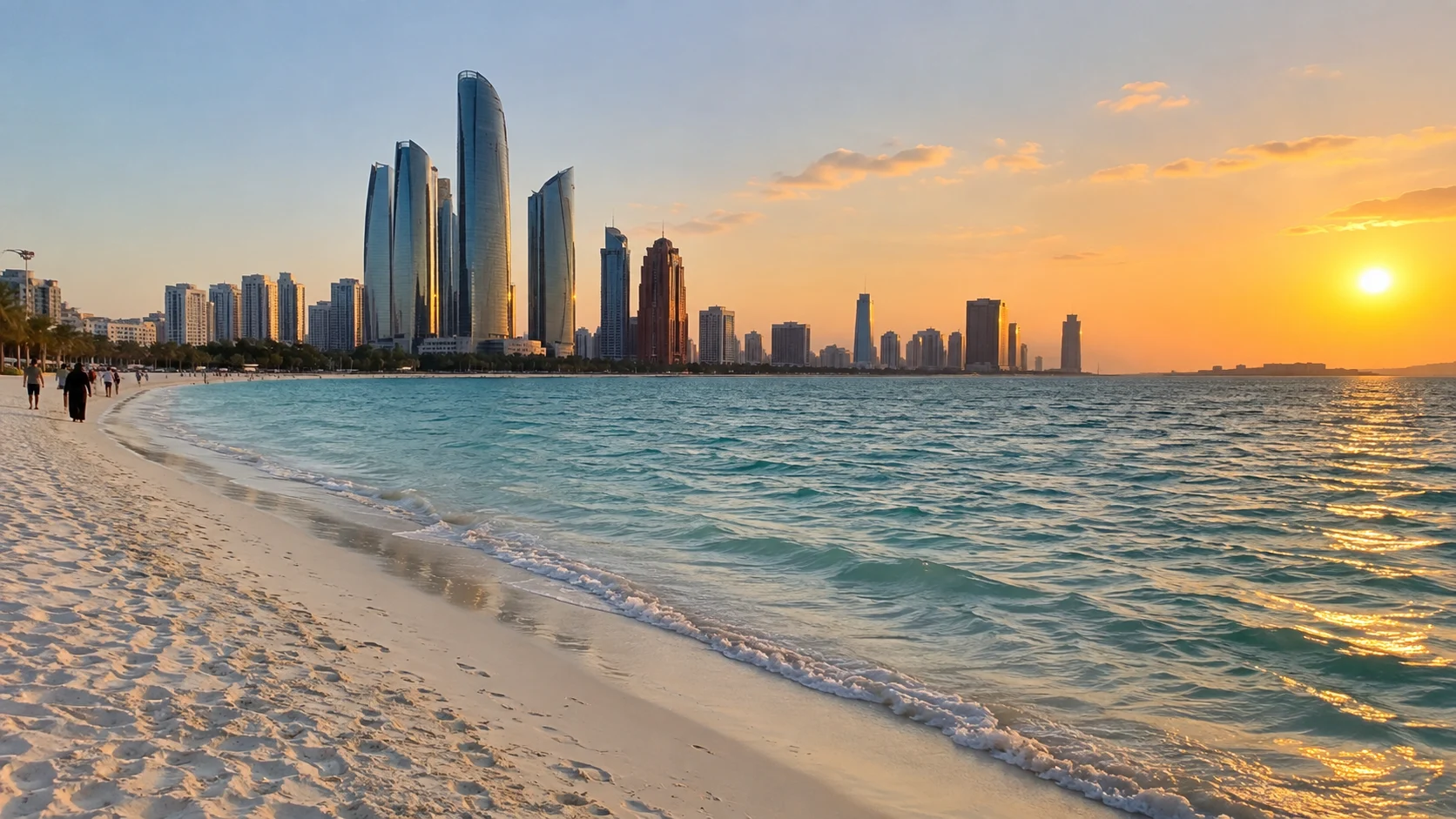
The Corniche stretches along the western waterfront with promenades, beaches, skyline views, and access to nearby city attractions. Beach admission zones, family sections, rentals, swim conditions, and dress expectations vary, so choose an exact facility rather than telling a taxi driver only “the beach.”
Saadiyat Island also has resort and beach-club options closer to the cultural district. Confirm day-pass access, minimum spend, age rules, towel availability, and cancellation terms before leaving the ship in swimwear and optimism.
Realistic plans by usable port time
Four to five usable hours
- Art plan: Louvre Abu Dhabi plus Marsa Mina, provided the museum is open.
- Architecture plan: Grand Mosque only, with a taxi both ways and all visitor requirements checked.
- Easy plan: port waterfront, a nearby meal, and one short city viewpoint by taxi.
Do not combine the mosque, palace, Louvre, and Yas in this window. Abu Dhabi is organized, not pocket-sized.
Six to eight usable hours
- Culture pair: Grand Mosque and Qasr Al Watan, with timed entry and a private or taxi-based route.
- Saadiyat focus: Louvre Abu Dhabi plus one currently open Cultural District museum or beach venue.
- Yas focus: one theme park or Yas attraction cluster, then return directly.
Lunch should sit within the chosen zone, not require another cross-city transfer. A 20-minute restaurant detour has a special talent for becoming an hour.
Ten or more usable hours
A long call can support the mosque, palace, and Louvre if opening hours align and a driver handles the route. It can also support one major Yas park plus an evening waterfront stop, but leave a substantial terminal return buffer.
Entry and visa rules
UAE entry requirements depend on nationality, passport, residence status, itinerary, and length of stay. Some travelers receive visa-free or visa-on-arrival access, while others need a tourist visa arranged before travel.
Use the UAE government’s current tourist visa information, the relevant UAE embassy, and the cruise line to confirm your case. A ship stopping in the UAE does not make every passport eligible under the same rule.
Check passport validity, blank pages, visas for every itinerary country, and any rules for minors well before departure. Passengers staying aboard may still need to meet entry or transit conditions set for the vessel’s call.
Medication and prohibited items
The UAE tightly regulates narcotics, psychotropic substances, and some medicines available by prescription elsewhere. Check the official UAE controlled-medicine rules, required prescriptions or permits, allowed quantity, and original packaging before travel.
Do not transfer pills into an unlabeled organizer for the international journey without retaining the supporting documentation. Ask the appropriate UAE authority about the exact active ingredient because brand names vary between countries.
Cultural etiquette that matters
Dress modestly in mosques, heritage sites, government buildings, and many public settings, with more specific rules at the Grand Mosque. Swimwear belongs at the beach or pool rather than in malls, museums, or the terminal.
Ask before photographing people, especially families, and obey signs around government, military, airport, and port facilities. Avoid rude gestures, public intoxication, and conspicuous public affection, and remember that laws and social expectations are not identical to those in the United States.
During Ramadan, eating, operating hours, entertainment, dress, and visitor flow may differ, even though many tourism services remain available. Check current official guidance for the exact year and behave discreetly around people who are fasting.
Weather and what to carry
Abu Dhabi’s main cruise season usually falls in the cooler part of the year, but direct sun and warm afternoons still make shade, water, sunscreen, and a hat essential. Indoor air conditioning can feel chilly, so a light layer is useful and can also support modest dress.
Wear shoes comfortable for polished floors, security queues, and substantial walking. Pack mosque-ready clothing separately so the day’s cultural plan does not depend on finding a scarf and opaque sleeves after leaving the pier.
Money, connectivity, and time
The currency is the UAE dirham, and cards are common at major attractions and in taxis, but cash and card acceptance can vary. Tell your bank about travel, understand foreign-transaction fees, and keep a small backup payment method.
Abu Dhabi uses Gulf Standard Time, UTC+4, without seasonal daylight-saving changes. Follow ship time if it differs from local time, and set the return alarm before turning on a new SIM or changing the phone’s automatic clock.
Accessibility planning
Accessible taxis and adapted transport exist, and Louvre Abu Dhabi lists complimentary loan wheelchairs and strollers. Still, confirm the exact vehicle, securement, companion capacity, museum route, mosque visitor path, and ship gangway for your date.
Heat and distance can matter as much as steps. A plan with one major attraction and prearranged transport may deliver more actual sightseeing than an overpacked route with repeated transfers.
Returning to the ship
Use the all-aboard time from the ship, not the departure time on a public port calendar. Aim to reach Zayed Port early enough for traffic, the terminal gate, security, and the pier walk.
Save the port name, terminal address, ship contact number, and a screenshot of the vessel offline. For independent plans, keep enough payment and phone battery for a direct taxi back rather than relying on the last bus or water connection.
Final Abu Dhabi cruise port advice
Choose Louvre Abu Dhabi for the easiest substantial outing, the Grand Mosque and palace for a culture-focused full day, or Yas Island for one attraction-led plan. The best Abu Dhabi day is not the one with the most pins; it is the one that respects distance, opening hours, culture, heat, and all-aboard.
If the voyage also begins or ends in Dubai, compare the separate Dubai cruise terminal logistics instead of assuming both UAE ports work the same way. The world cruise port directory helps place Abu Dhabi among other regional calls, while these first-time cruise steps cover the ship-side planning around it.