Alaska Cruise Outfits: What to Wear From May to September
Alaska cruise outfits should handle a cold railing at sunrise, a warm walk by lunch, rain in port, and dinner indoors without filling two suitcases. The answer is not one heavy coat.
It is a repeatable system of breathable layers, rain protection, useful shoes, and one ship outfit you genuinely like.
Here is what to wear from May through September, with changes for glacier days, hiking, boats, and evenings onboard.
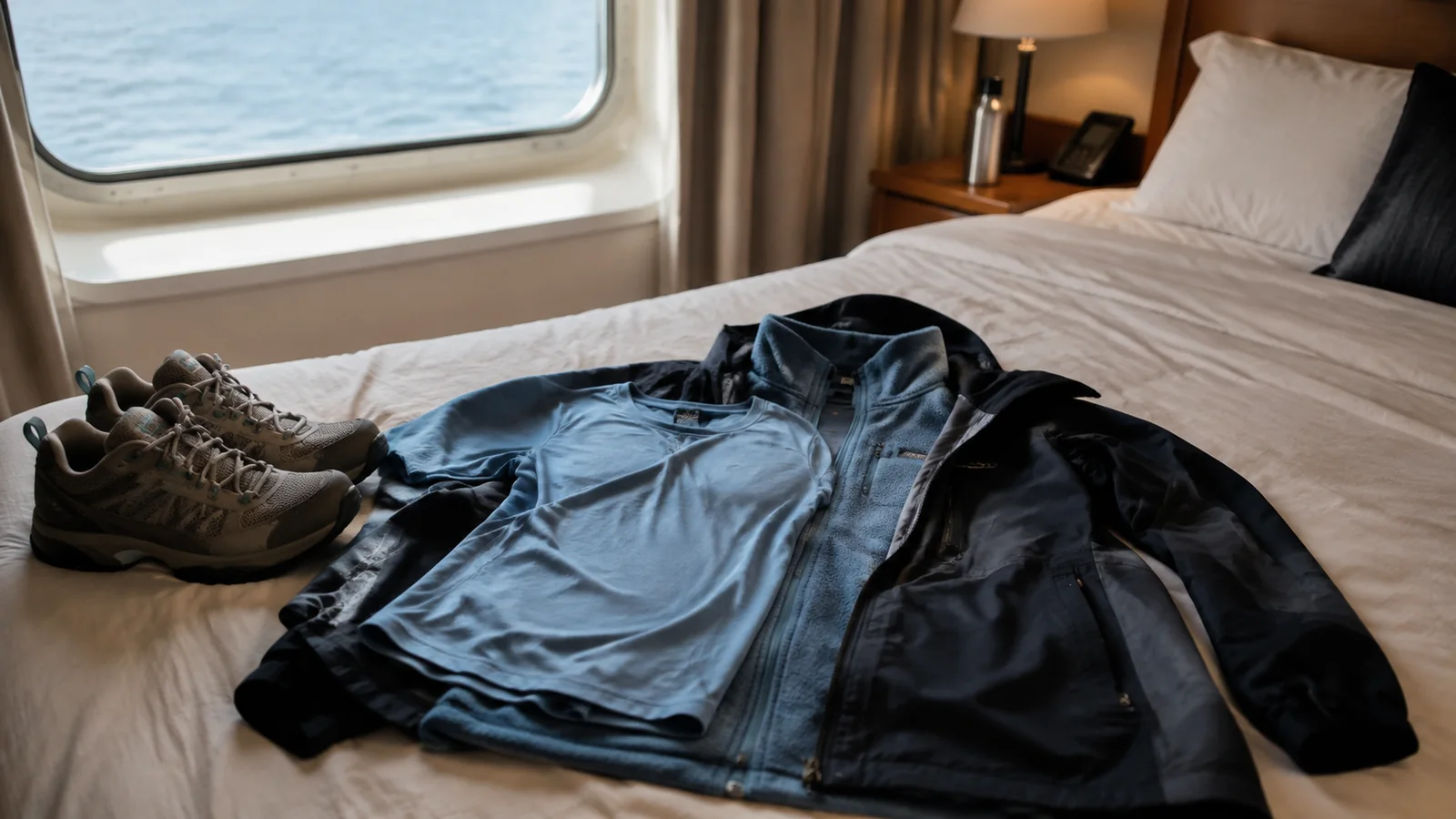
The Alaska Cruise Outfit Formula
- Base: a comfortable short-sleeve or long-sleeve shirt
- Warmth: fleece, light puffer, wool sweater, or synthetic midlayer
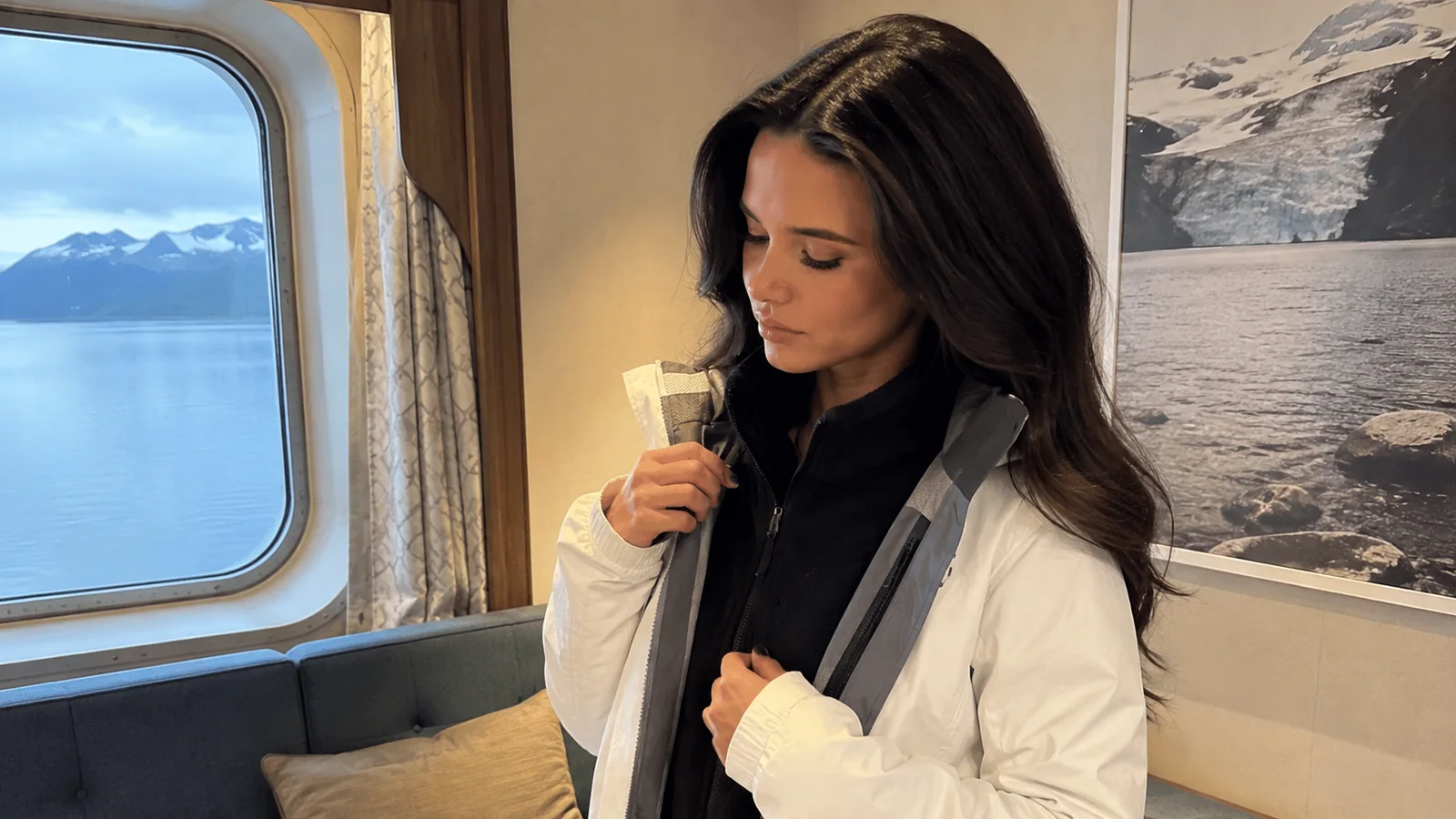
- Weather shell: waterproof, wind-resistant jacket with a hood
- Bottom: quick-drying pants, jeans for ship days, or hiking pants for trails
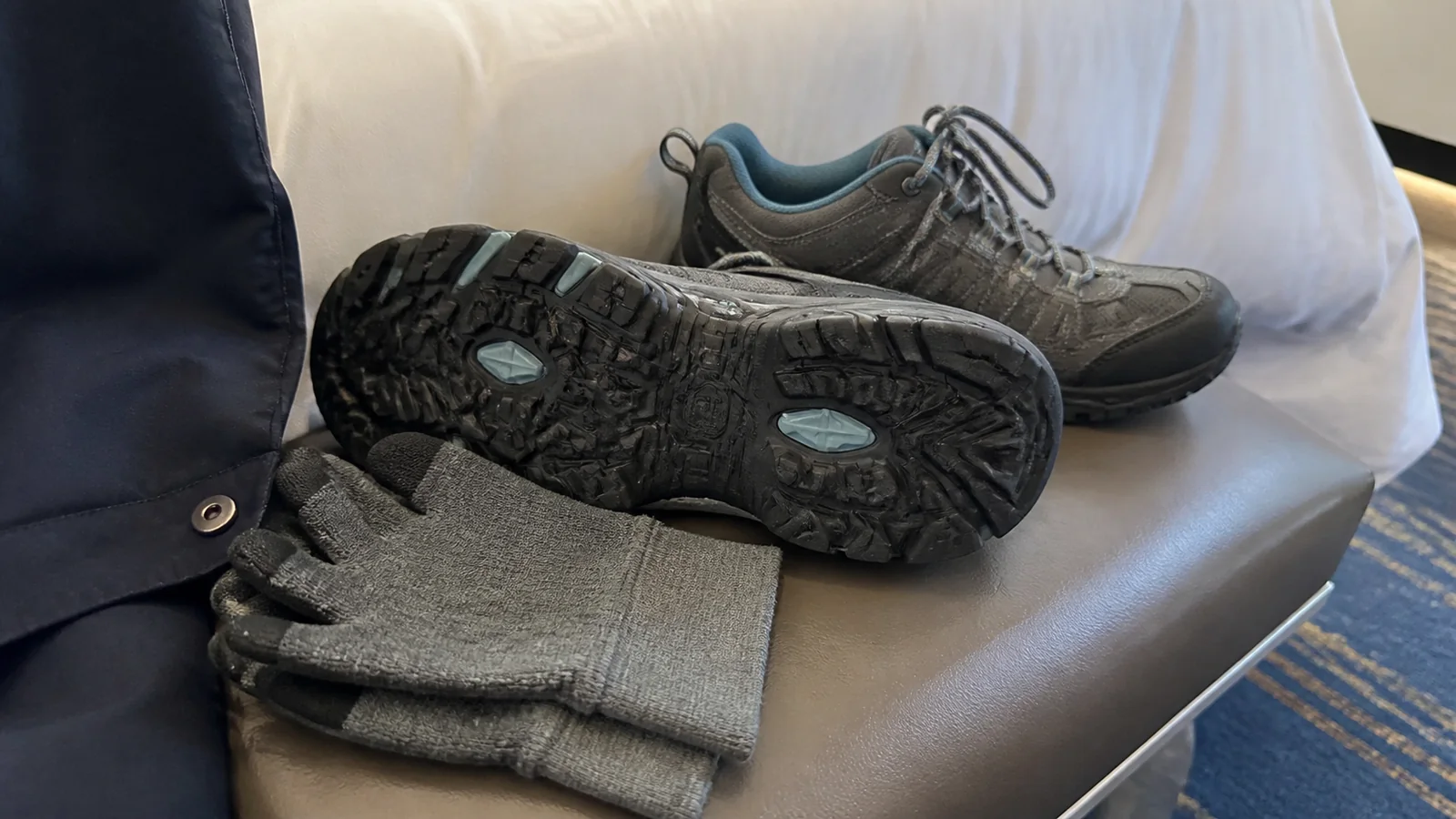
- Feet: wool or synthetic socks and grippy, broken-in shoes
- Small warmth: beanie, light gloves, and a neck gaiter
Travel Alaska’s official gear guide recommends layers, rain protection, waterproof footwear, and extra socks. That advice matters even on an easy port day because Southeast Alaska weather can change across a few hours.
Pack pieces that work together instead of complete outfits that never mix. Two midlayers and one shell create more useful combinations than two bulky coats.
Why Alaska Cruise Weather Is Tricky
An Inside Passage cruise can move among coastal communities, open water, protected channels, and glacier viewing in one week. The air beside ice or on a moving vessel can feel much colder than the forecast at a downtown weather station.
The National Weather Service in Juneau identifies June through August as the warmest period, with late spring and early summer normally drier than fall and winter. “Drier” does not mean dry, and Ketchikan, Juneau, Skagway, Sitka, Icy Strait Point, and Victoria should not share one forecast.
Check each port shortly before sailing, then keep the rain shell in your day bag regardless of the morning sky. The Alaska cruise planning guide explains how routes, ports, glacier days, and one-way sailings change what belongs on the itinerary.
What to Wear on an Alaska Cruise in May
May calls for the warmest version of the layering system, especially for early deck time and glacier viewing. Pack long-sleeve base layers, a fleece or light insulated jacket, waterproof shell, full-length pants, warm socks, beanie, and gloves.
A compact puffer is useful under a roomy shell, but a giant expedition parka is usually too inflexible. Choose shoes that tolerate wet pavement and cold observation decks, with separate footwear for dinner if desired.
The Tradeoff
May can deliver bright days and lower rain than fall, but trails may still hold mud or snow and seasonal operations may be ramping up. Dress for the booked excursion and current conditions, not a historical average.
What to Wear in June
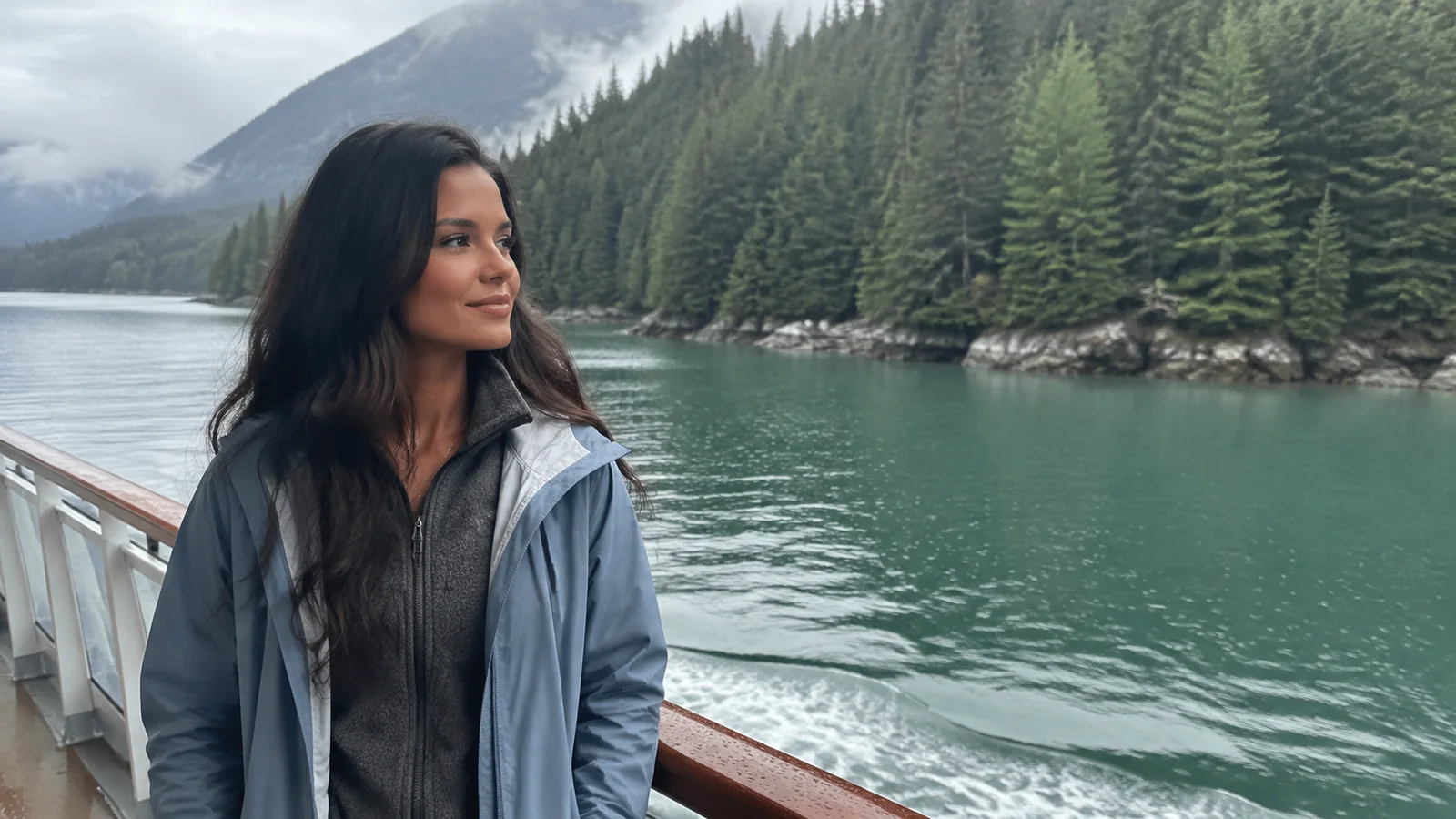
June often supports the most versatile capsule: short and long sleeves, a medium fleece, rain shell, quick-drying pants, and one light warm accessory set. Long daylight can tempt travelers to stay outside later, so keep warmth available after a sunny afternoon.
Bring sunglasses, sunscreen, and a brimmed cap alongside the rain gear. Cool air does not prevent ultraviolet exposure, particularly on water, snow, or ice.
The Tradeoff
A warm June forecast can make insulated pieces look unnecessary until the ship approaches a glacier. Pack one compressible layer rather than buying an expensive logo fleece onboard.
What to Wear in July
July is the easiest month to overpack for heat. A short-sleeve shirt may be perfect during an active town walk, while a boat excursion or windy outer deck still calls for fleece and a waterproof shell.
Choose fast-drying pants for wet excursions and keep jeans for ship time or a reliably dry forecast. Pack one pair of shorts only if you commonly wear them in cool weather, since many travelers never need several.
The Tradeoff
July’s warmer pattern does not guarantee calm seas or dry ports. Your shell remains the hardest-working garment, and ventilation matters more than maximum insulation during uphill walks.
What to Wear in August
August needs the same flexible base as July with stronger attention to rain. Bring a hooded waterproof shell, quick-drying bottoms, two reliable shoe options, and enough socks that a wet pair never controls the next morning.
A light puffer or warm fleece earns its space for scenic sailing. Store it in a dry bag or pack liner during a rainy port day rather than allowing the insulating layer to become wet.
The Tradeoff
Late-summer conditions can shift quickly, and a weeklong forecast is not a promise. Build outfits that can lose or gain two layers without returning to the cabin.
What to Wear in September
September outfits should resemble May outfits, with warm base layers, insulation, rain protection, gloves, a beanie, and waterproof or water-resistant footwear. Shorter daylight and a stronger chance of unsettled weather make reflective details or a small light useful ashore.
Bring a second warm midlayer if you run cold, but keep the system modular. A lined waterproof jacket may feel excellent outside and stifling in a heated bus or museum.
The Tradeoff
Shoulder-season prices can be appealing while weather exposure and reduced daylight become more consequential. Outfit planning cannot fix a canceled excursion, so read cancellation terms and preserve an indoor backup.
Glacier-Day Outfits
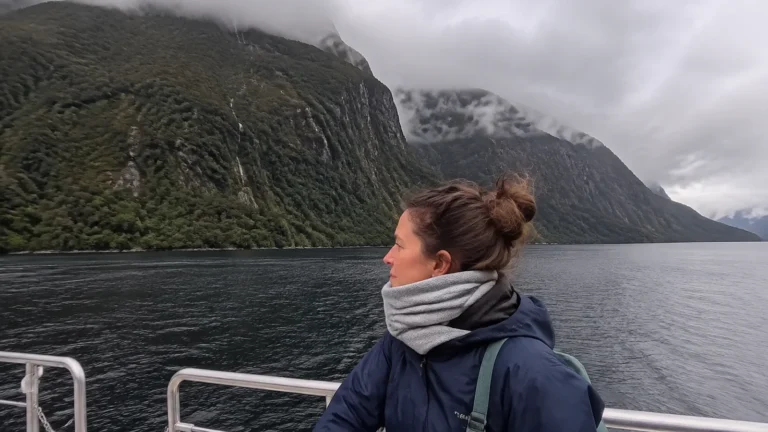
Wear a long-sleeve base, fleece or puffer, waterproof wind shell, full-length pants, warm socks, grippy shoes, gloves, and a hat. Carry the full set even when the ship begins the approach under blue sky.
Observation decks can be wet and slippery, and passengers often remain still for long periods while viewing ice. Standing requires more insulation than walking through town.
A small pair of binoculars lets you appreciate distant ice and wildlife without leaning over railings or crowding a viewpoint. Keep camera batteries warm and protected from rain.
Rainy Port-Day Outfits
A genuine waterproof shell with a hood is more reliable than a water-resistant fashion jacket in steady rain. Pair it with quick-drying pants and shoes with useful wet-surface traction.
Rain pants are valuable for long outdoor excursions, hiking, kayaking support, or travelers who hate damp clothing. They may be unnecessary for a museum, cafe, and covered-town itinerary.
The list of Ketchikan activities shows why the outfit should follow the day: a rainforest trail, fishing boat, cultural site, and downtown walk create different exposure. Choose protection for the most weather-dependent part.
Hiking Outfits
Wear moisture-managing layers, hiking pants, non-cotton socks, and broken-in footwear with tread appropriate to the route. Carry rain protection, warmth, water, food, navigation, and excursion-specific safety gear even when the trail is short.
Klondike Gold Rush National Historical Park advises extra layers and rain gear around Skagway, including on short hikes, and reminds visitors that the area is bear country. Follow the local land manager or guide on wildlife procedures rather than improvising with bear spray from home.
Do not wear brand-new boots simply because Alaska sounds rugged. A stable walking shoe that fits the actual trail is safer than an untested boot that creates blisters.
Boat, Kayak, and Water Excursion Outfits
Follow the operator’s clothing and flotation requirements because it knows the boat, exposure, and equipment supplied. A base layer, warm midlayer, shell, full-length pants, warm socks, and secure shoes are a sensible starting point for cool open-water trips.
The National Weather Service warns that cold shock and hypothermia can quickly affect thinking and movement. Wear the provided life jacket correctly and never treat a sunny day as proof that Alaska’s water is safe for an unexpected swim.
Pack spare socks and a dry shirt in a waterproof bag if the operator permits. Cotton becomes uncomfortable when wet, so synthetic or wool layers are the stronger choice for exposed activities.
Whale-Watching and Wildlife Outfits
Dress one step warmer than a town walk because wind and long periods of standing can cool you. Use quiet layers that allow comfortable movement, and secure hats or loose scarves on fast boats.
National Park Service bear guidance tells visitors to check current information with the local park or backcountry office. Clothing is not a wildlife defense, so distance, food control, group behavior, and guide instructions matter far more than outfit color.
Train, Bus, and Flightseeing Outfits
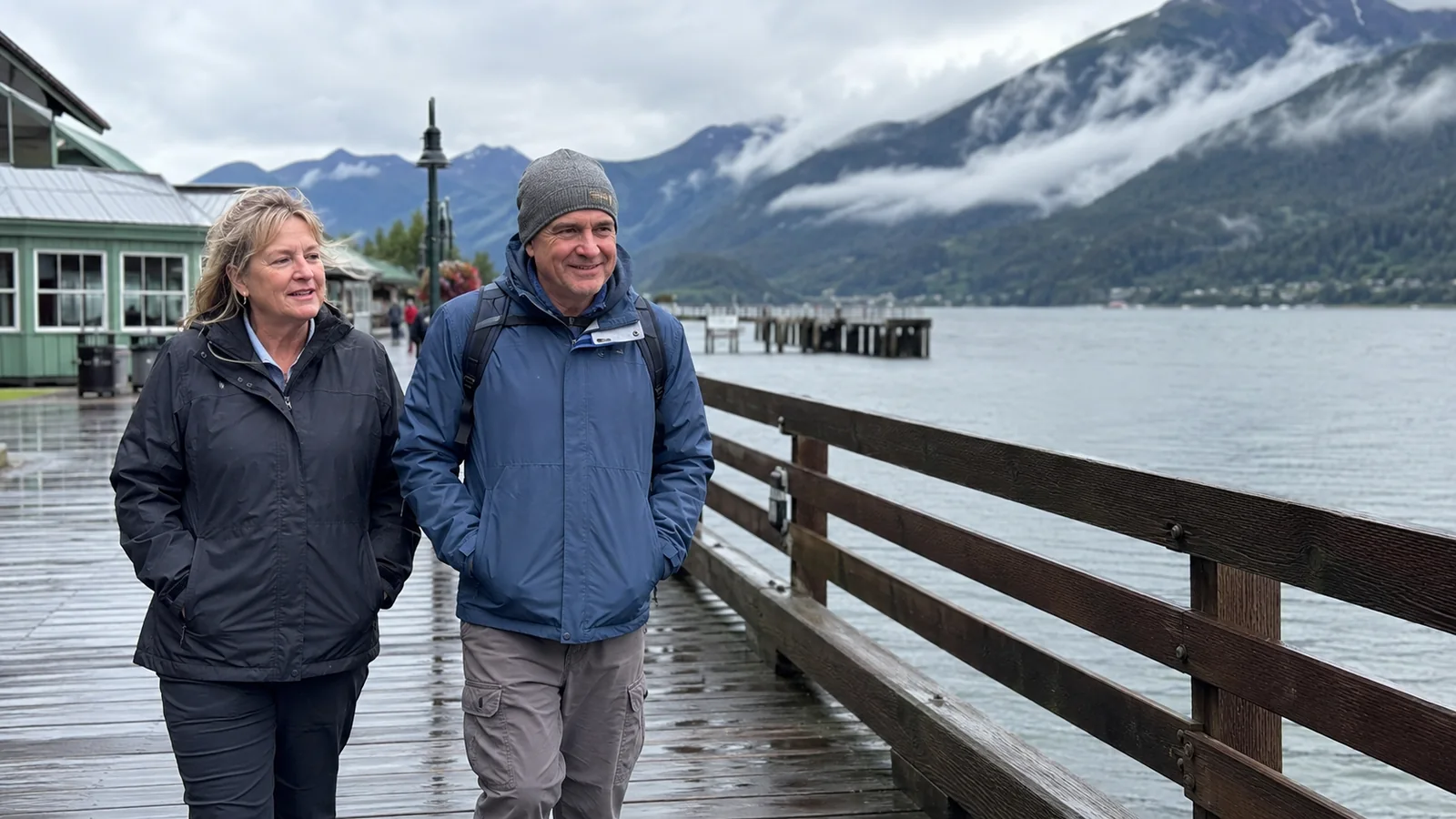
Use removable layers because cabins and vehicles can feel warm while viewpoints are cold. Choose compact clothing that does not interfere with seat belts, headsets, or safety equipment.
Operators may restrict bags and loose items on small aircraft. Confirm footwear, weight, mobility, and baggage rules before arriving with a large camera pack.
What to Wear Onboard
Daytime ship clothing can be casual: jeans or travel pants, a shirt, and the layer needed for the deck. Keep a light sweater available for cool dining rooms and theaters.
Evening expectations depend on the line, ship, and venue, not the destination. Check formal, elegant, gala, or smart-casual guidance, then pack one pair of versatile shoes and repeatable dinner pieces.
Pool clothing can make sense on Alaska ships with enclosed or heated spaces, but carry a cover-up and shoes through indoor public areas. A swimsuit also helps with hot tubs and thermal facilities.
Alaska Cruise Shoes
- Everyday pair: water-resistant walking shoe with wet-deck traction
- Trail pair: waterproof hiking shoe or boot only when the route warrants it
- Ship pair: compact clean shoe for dinner and indoor evenings
- Optional sandal: for pools, spas, showers, or warm cabin use
Three pairs are usually enough, and many travelers can manage with two. Footwear should be fully tested before sailing because port days provide few convenient ways to solve a painful fit.
Seven-Day Alaska Cruise Capsule
- Four to five base-layer tops, mixing short and long sleeves
- Two warm midlayers, with one compressible option
- One hooded waterproof and wind-resistant shell
- Two to three everyday pants, including a quick-drying pair
- One dinner outfit formula that can be repeated
- One swimsuit, sleepwear, underwear, and ample warm socks
- Beanie, light gloves, cap, sunglasses, and compact umbrella if permitted
- Two or three pairs of activity-appropriate shoes
Laundry service, self-service machines, and cabin drying options vary by ship. The cruise packing guide helps place medication, batteries, documents, and first-day clothing in the correct bags.
What to Leave Home
- A giant coat that cannot layer or compress
- Several pairs of new or activity-mismatched boots
- Only cotton clothing for wet outdoor excursions
- A different formal outfit and shoe for every dinner
- Bear spray or restricted outdoor gear without checking transport and operator rules
- An umbrella as the only rain protection
Bottom Line
The best Alaska cruise outfits begin with a base layer, warm midlayer, and waterproof wind shell, then change by month and activity. Add grippy shoes, useful socks, gloves, and a hat before adding extra dinner clothes.
Pack for wet wind and changing conditions, not permanent cold. A small capsule that layers well will handle more of Alaska than a suitcase full of single-purpose outfits.