Northern Spain Road Trip: A Realistic 12-Day Route
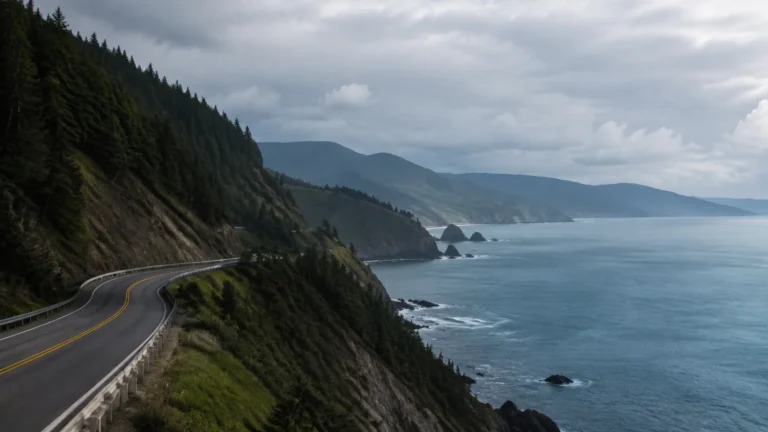
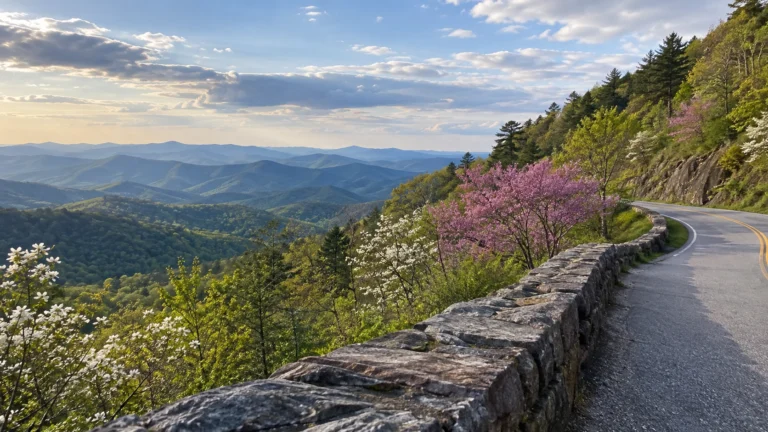
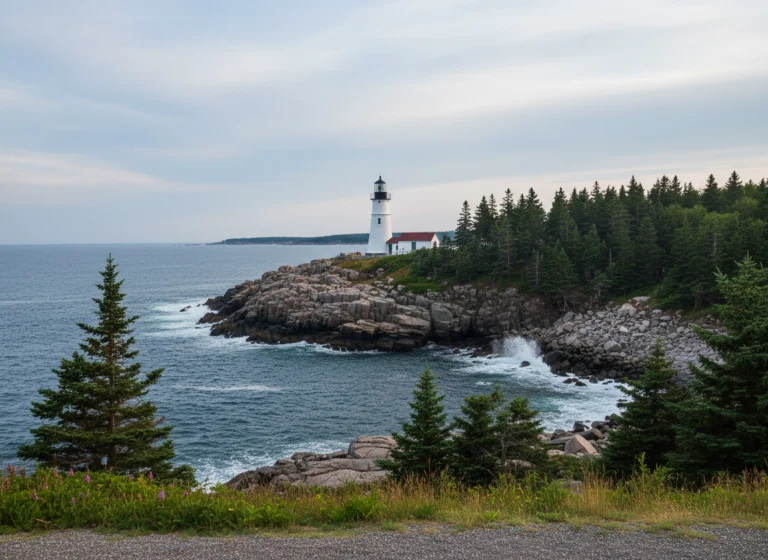
Northern Spain trades Mediterranean resort energy for green mountains, fishing villages, surf beaches, cider houses, and some of Europe’s best eating. This 12-day road trip runs east to west from San Sebastián to Santiago de Compostela, with enough time for four distinct regions and no heroic six-hour sightseeing drives.
Northern Spain Road Trip Overview
- Route: San Sebastián, Bilbao, Cantabria, Picos de Europa, Asturias, and Galicia
- Length: 12 days and roughly 650 to 800 miles with local detours
- Best airports: Arrive near Bilbao and depart Santiago de Compostela
- Best season: Late spring through early fall
- Car strategy: Collect after San Sebastián and return before exploring Santiago
- Main tradeoff: Coastal villages versus mountain hiking days
Spain’s official tourism board calls the Basque Country, Cantabria, Asturias, and Galicia “Green Spain,” and its official east-to-west route also uses Bilbao and Santiago as practical gateways. Twelve days gives this corridor room to breathe, while seven days requires skipping at least one region.
Entry Rules to Check
Spain is in the Schengen Area, so many U.S. tourists can visit for up to 90 days in any rolling 180-day period without a visa. Passport validity and supporting-document rules still apply, and the 90 days are shared across Schengen countries rather than restarting at each border.
ETIAS is expected to become an authorization requirement for eligible visa-exempt travelers, but it is not yet operating or accepting applications. The EU says ETIAS will start in the last quarter of 2026, with the exact launch date to be announced, so check the official EU ETIAS portal just before travel.
The Entry/Exit System is separate and has been fully operational at external Schengen border crossings since April 10, 2026, recording passport and biometric information for covered travelers. Do not pay a private site for a travel authorization the EU is not yet issuing.
Day 1: Arrive and Settle in San Sebastián
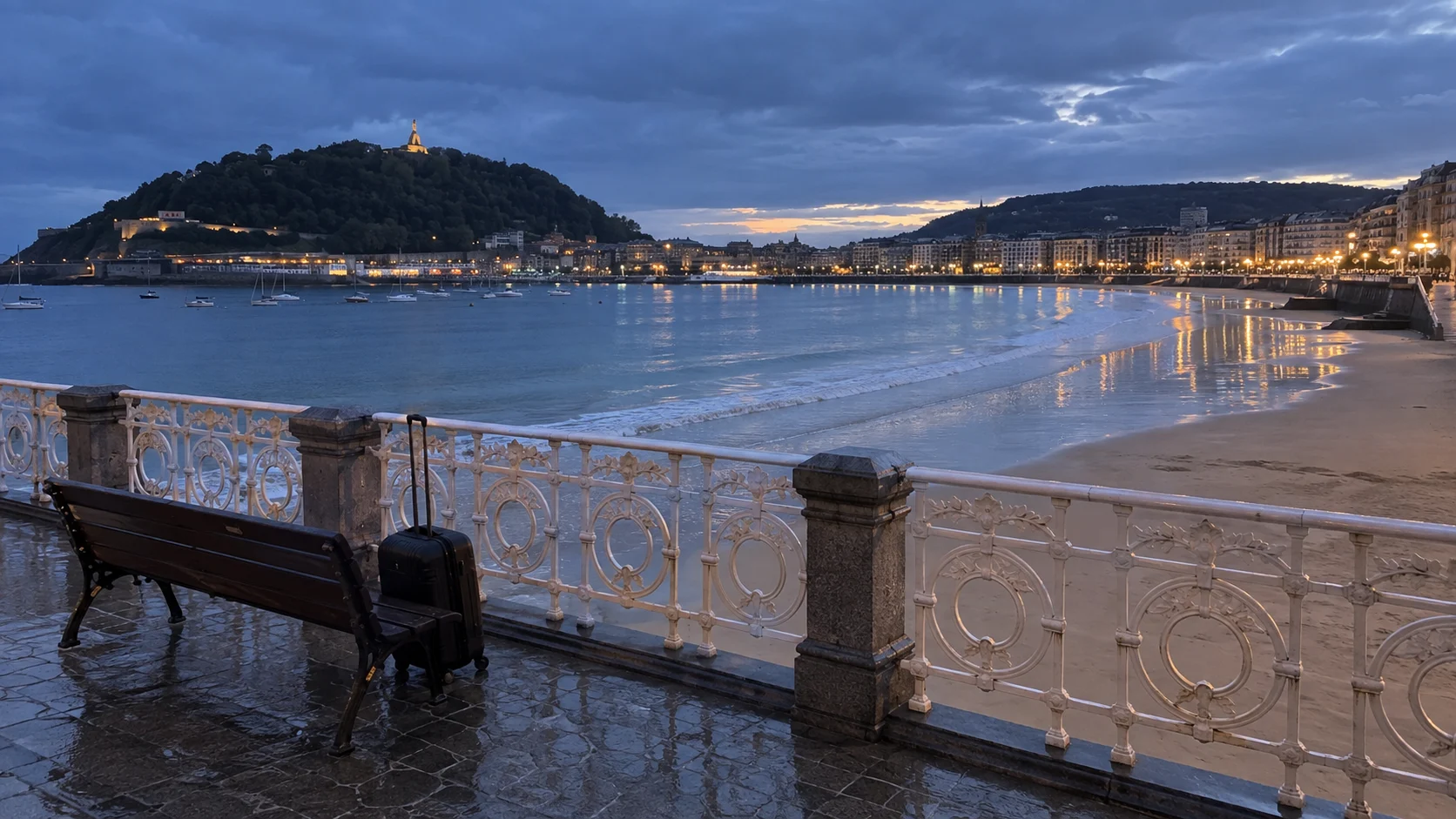
Fly into Bilbao or San Sebastián, then use a bus or arranged transfer rather than collecting the car immediately. Central parking is expensive and unnecessary while your plans revolve around beaches, pintxos bars, and walking.
Keep arrival day light with La Concha promenade, the Old Town, and an early dinner. If jet lag is strong, save any tasting crawl for a night when you can appreciate it.
Day 2: San Sebastián Properly
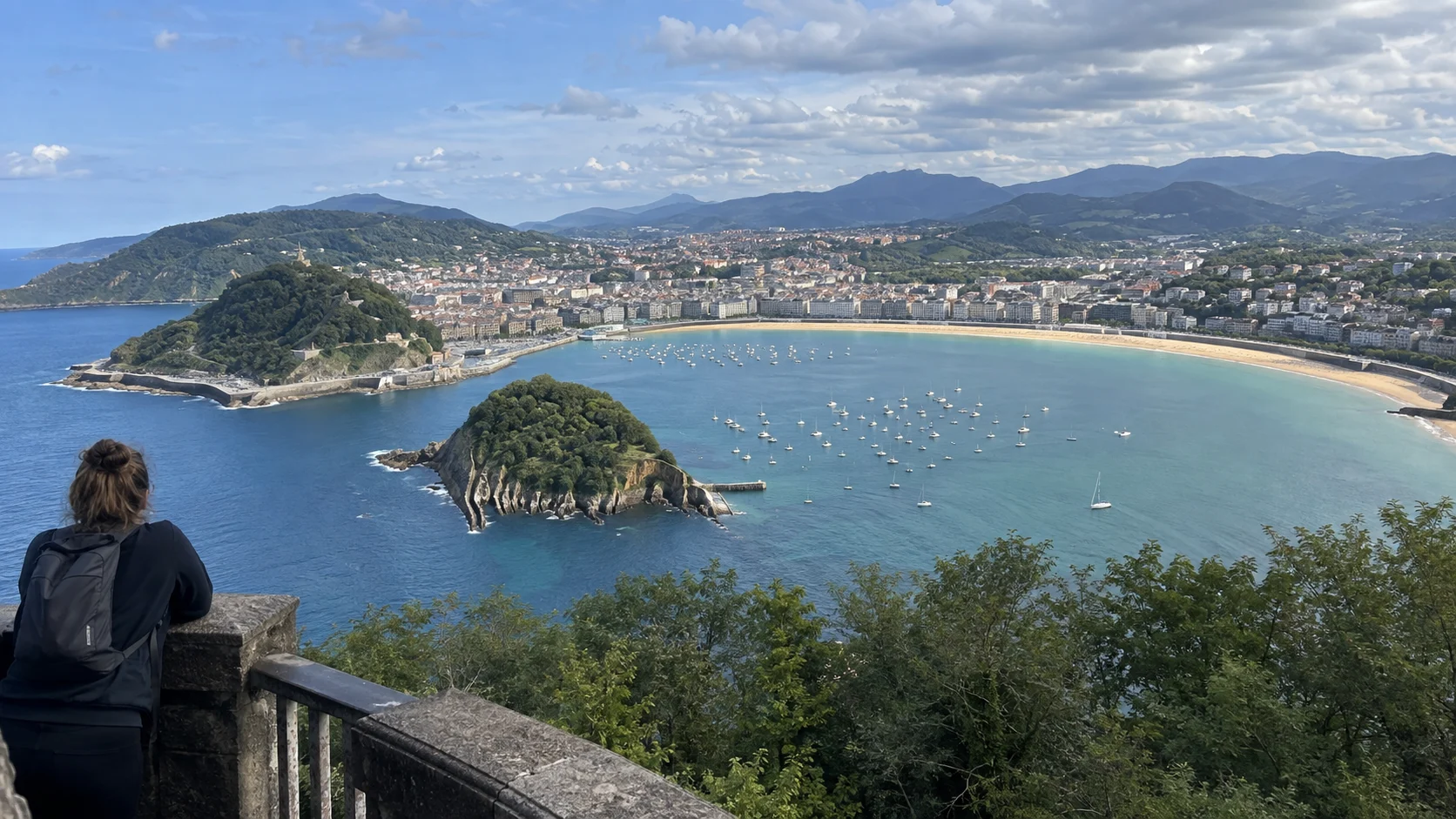
Choose one viewpoint, one beach walk, and one food-focused experience. Monte Urgull is central and active, while the Monte Igueldo side gives the classic bay perspective with different access logistics.
Pintxos are meant to be enjoyed, not conquered. Order a drink and one or two bites, move only when you want to, and balance famous counters with quieter neighborhood places.
Reserve a special restaurant far ahead if it is the purpose of the trip, but leave other meals flexible. San Sebastián’s food culture is just as convincing at a busy bar as in a long tasting menu.
Day 3: Coastal Drive to Bilbao
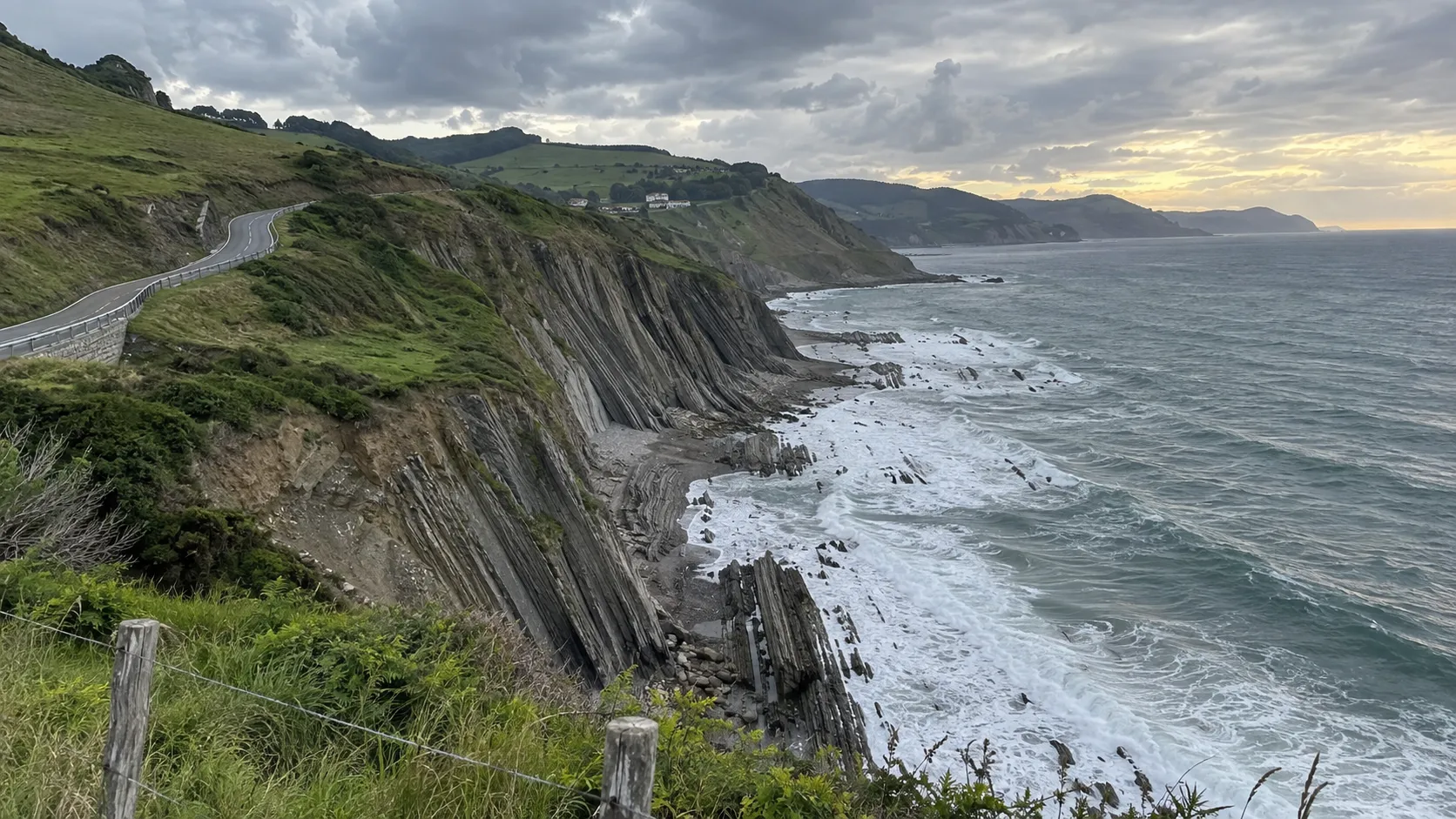
Collect the rental car and follow the Basque coast toward Bilbao, choosing one major stop. Getaria and Zarautz make a natural pair, while San Juan de Gaztelugatxe requires more planning, parking, walking, and sometimes advance access arrangements.
Do not combine every fishing town with a timed Bilbao museum entry. Coastal roads, lunch, and parking consume more time than their map distances suggest.
Choose a Bilbao hotel with parking or return the car temporarily if the price works. Driving into the center adds stress without improving a walking day.
Day 4: Bilbao
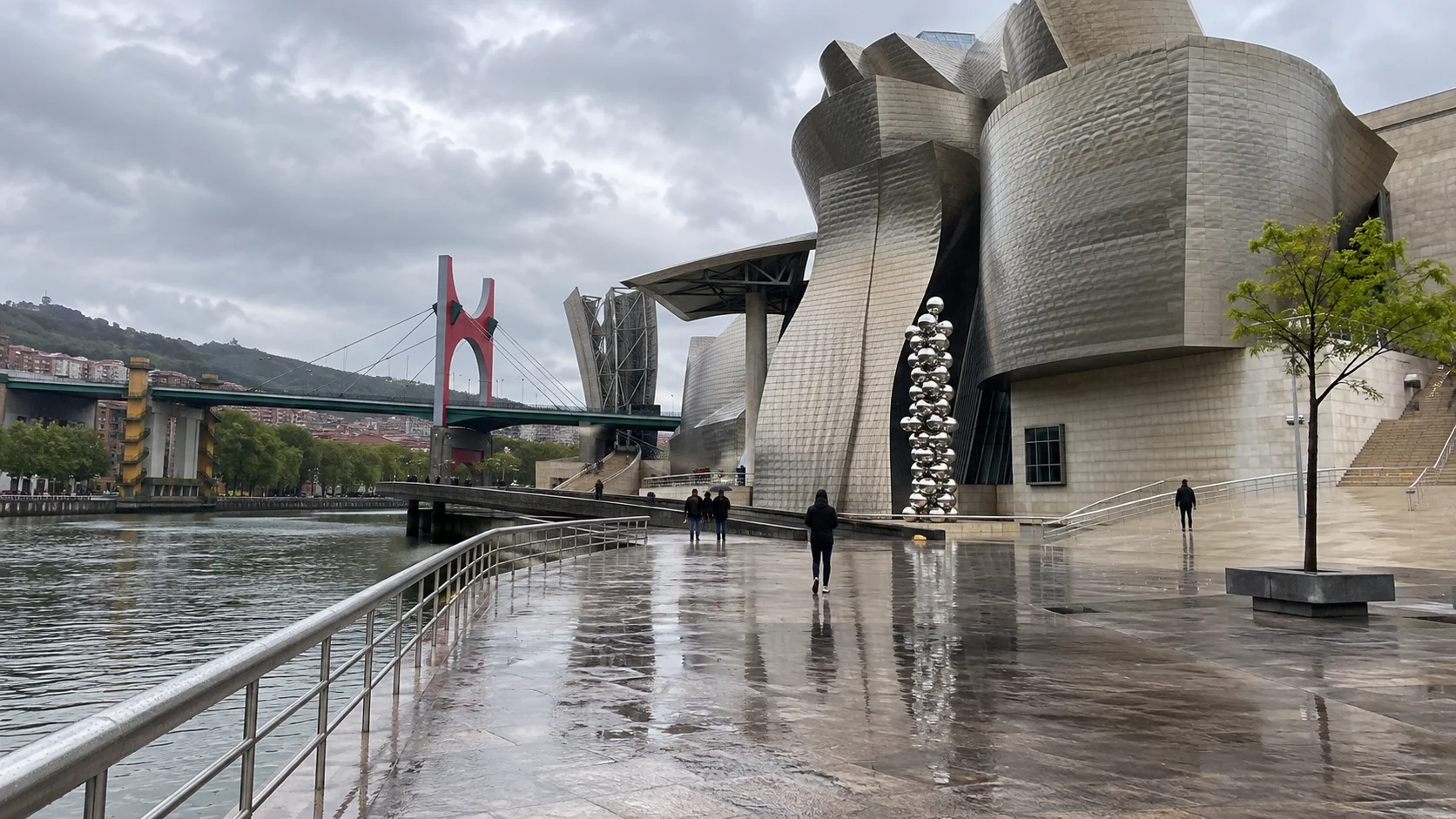
Build the day around the Guggenheim area, Casco Viejo, and the riverfront, using trams or the metro between distant stops. Reserve major exhibitions and confirm closing days before shaping the itinerary around one museum.
Bilbao is more than a single building, so leave time for markets, plazas, and a slow meal. If modern architecture is not your interest, use the day for neighborhoods and a nearby coastal metro excursion.
Day 5: Bilbao to Cantabria
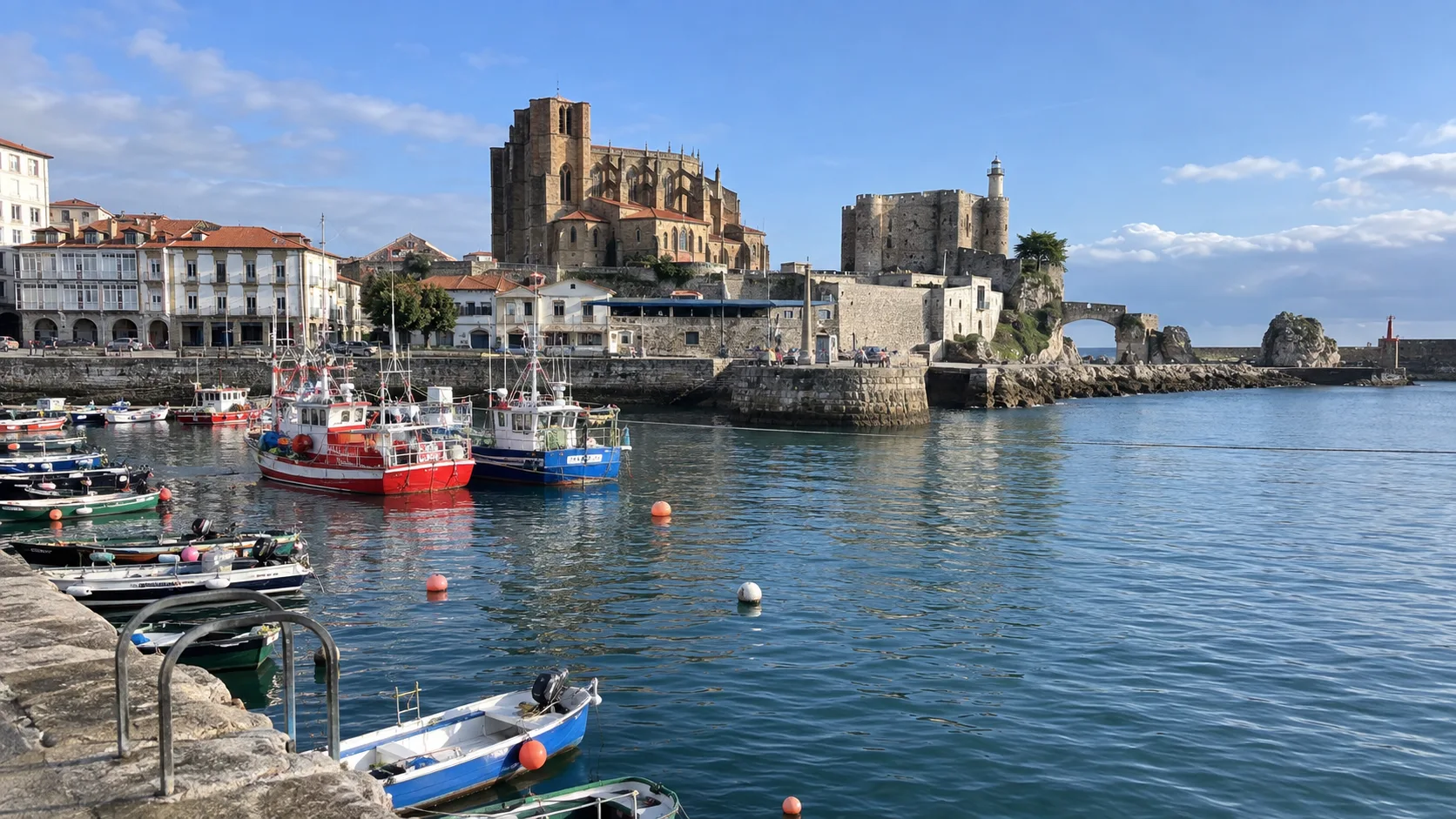
Drive west toward Santander, stopping at Castro Urdiales or another coastal town if weather invites. Base in Santander for urban convenience or near Santillana del Mar for village atmosphere and easier western access.
Santillana is beautiful but popular, and its stone streets are better before day-trip crowds or after dinner. Nearby cave attractions often require timed tickets and may offer replicas or restricted access rather than a casual walk-in visit.
One night is workable, but two nights let you add Comillas, beaches, or a slower Santander day. This itinerary gives Cantabria one night only because the next two nights protect the Picos de Europa segment.
Day 6: Cantabria to the Picos de Europa
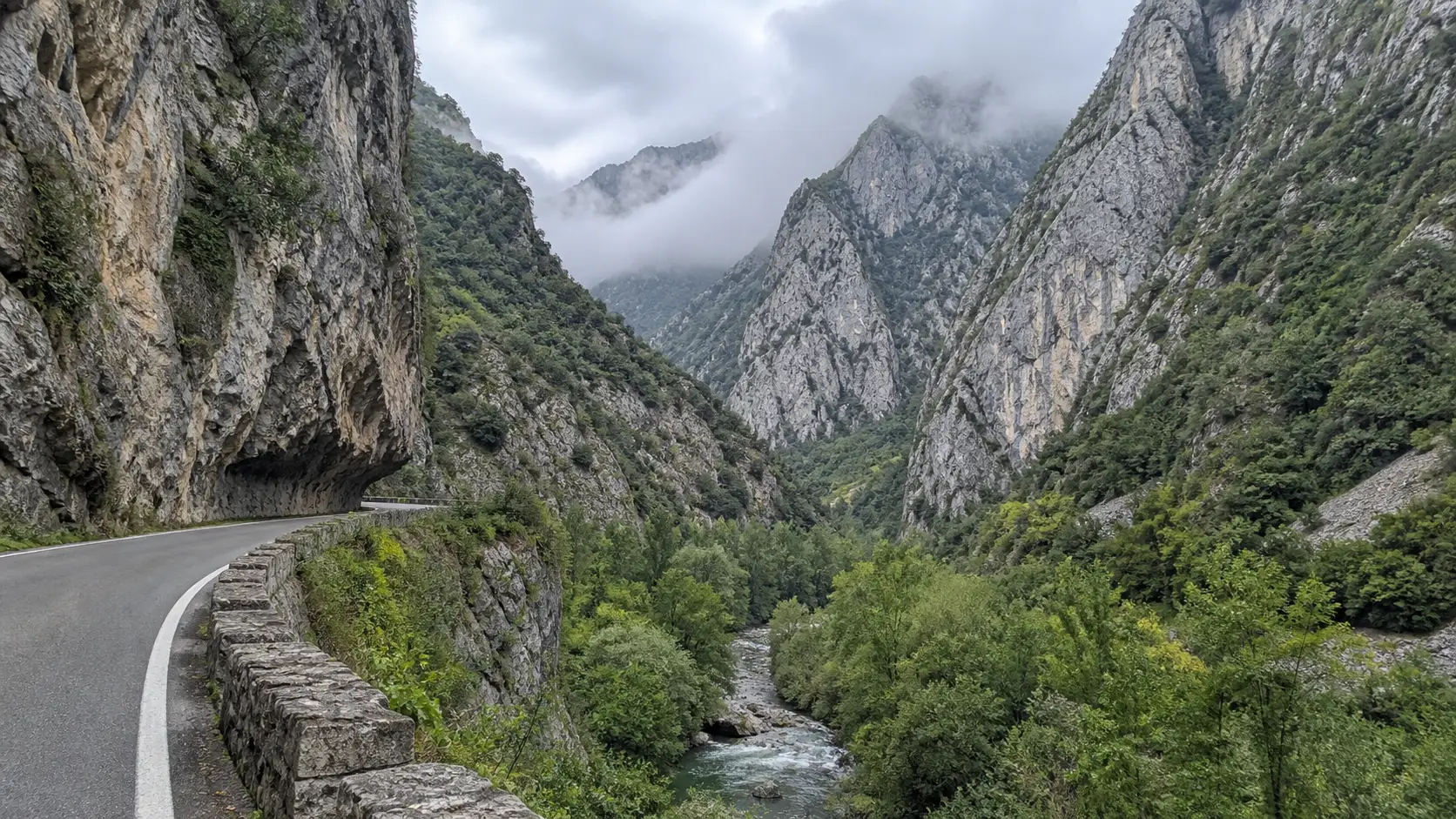
For this east-to-west route, I would book two nights in Cangas de Onís and make the Covadonga lakes the next day’s main outing. From the Santillana del Mar area, allow roughly two hours driving before stops, and take the afternoon for the town’s riverside streets and dinner.
Cangas keeps Day 8’s onward drive toward Oviedo straightforward and avoids changing mountain bases. Reserve parking with the accommodation, then check the next day’s Covadonga access restrictions and shuttle arrangements.
Day 7: Picos de Europa Day
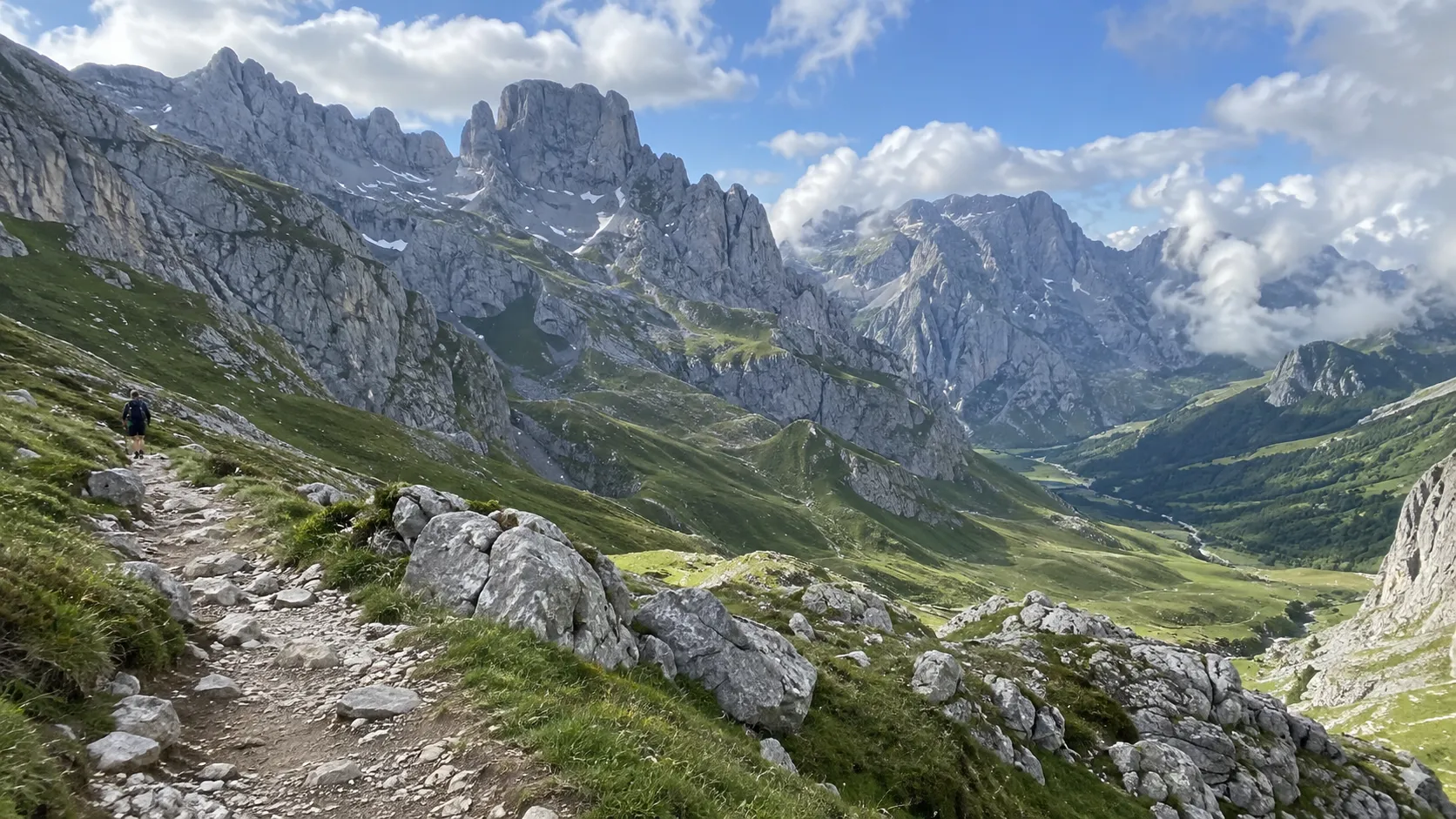
In clear, settled weather, take the authorized road or seasonal shuttle to Buferrera and walk the PR-PNPE 2 Covadonga lakes circuit. The park lists a 5-kilometer long loop taking 2.5 hours, or a 3-kilometer short option taking one hour, with roughly 50 meters of ascent and descent.
I would reserve half a day including transport, viewpoints, and a picnic, then return to Cangas rather than adding the Cares gorge. Allow 45 to 60 minutes for an unrestricted drive each way from town, or follow the actual shuttle schedule and include boarding waits on restricted dates.
For lower cloud or persistent rain, choose the Covadonga sanctuary and an easy Cangas afternoon instead of an obscured high route. The shorter lakes loop still needs suitable visibility, footwear, and the current trail status.
If Fuente Dé is your priority, change the two-night base to Potes and allow roughly 30 minutes each way to the cable car. Do not combine both gateways in one day: transferring between the Potes and Cangas sides typically costs around two hours on winding roads before sightseeing, and Fuente Dé depends on cable-car operations and mountain weather.
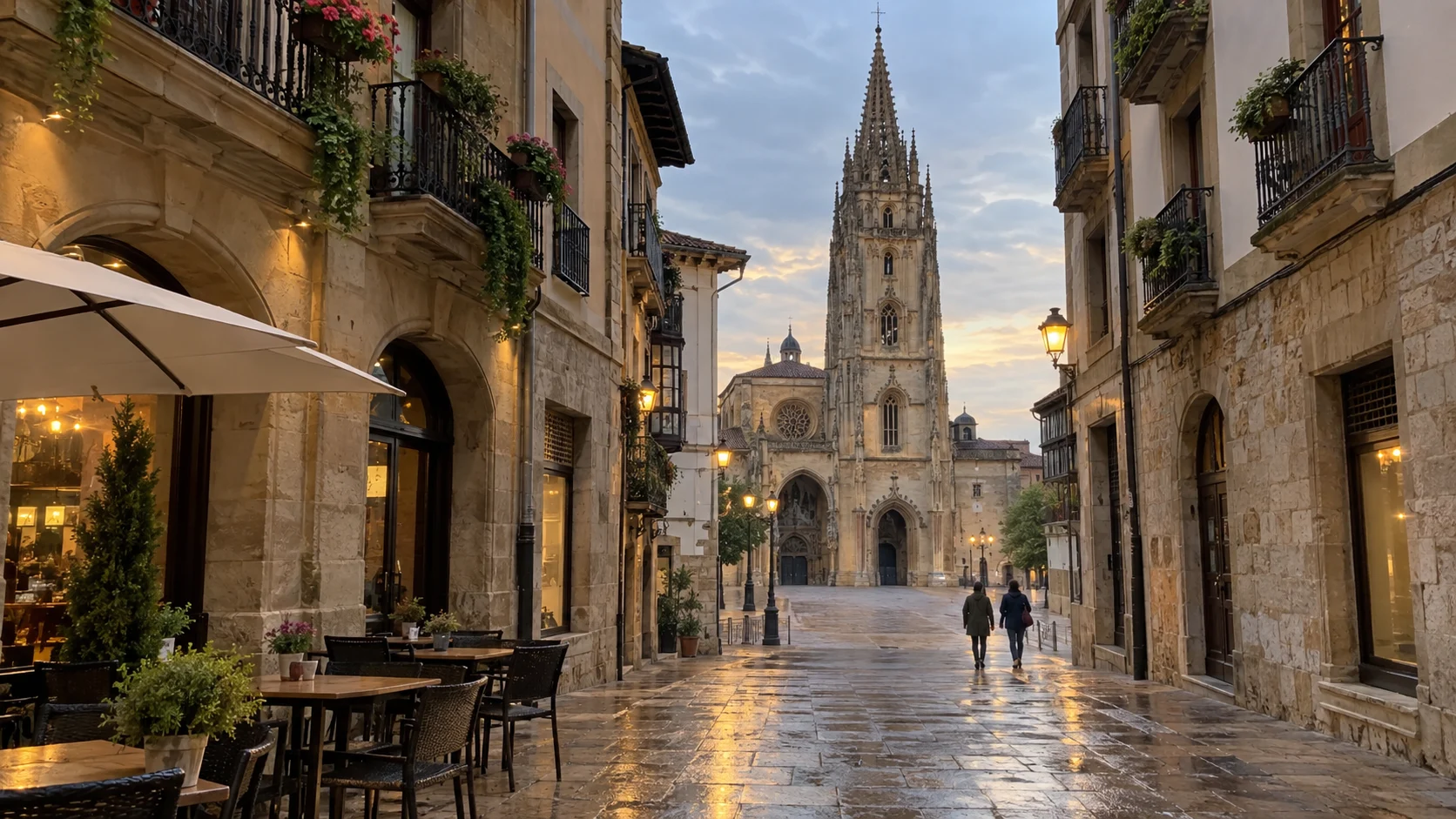
Day 8: Picos to Oviedo
Drive toward Oviedo, choosing either the coast around Llanes and Ribadesella or an inland route. The coastal choice adds beaches and fishing-town stops, while inland travel leaves more time for Oviedo’s old center and pre-Romanesque heritage.
Stay in Oviedo for elegant streets and cider culture, or Gijón for a seafront base. Spain’s official Asturias overview distinguishes the region’s three major cities and its mountain, cave, trail, and heritage options.
In a cider house, watch local pouring customs and ask staff how to order. If driving, choose alcohol-free drinks and do not try to calculate a personal safe limit.
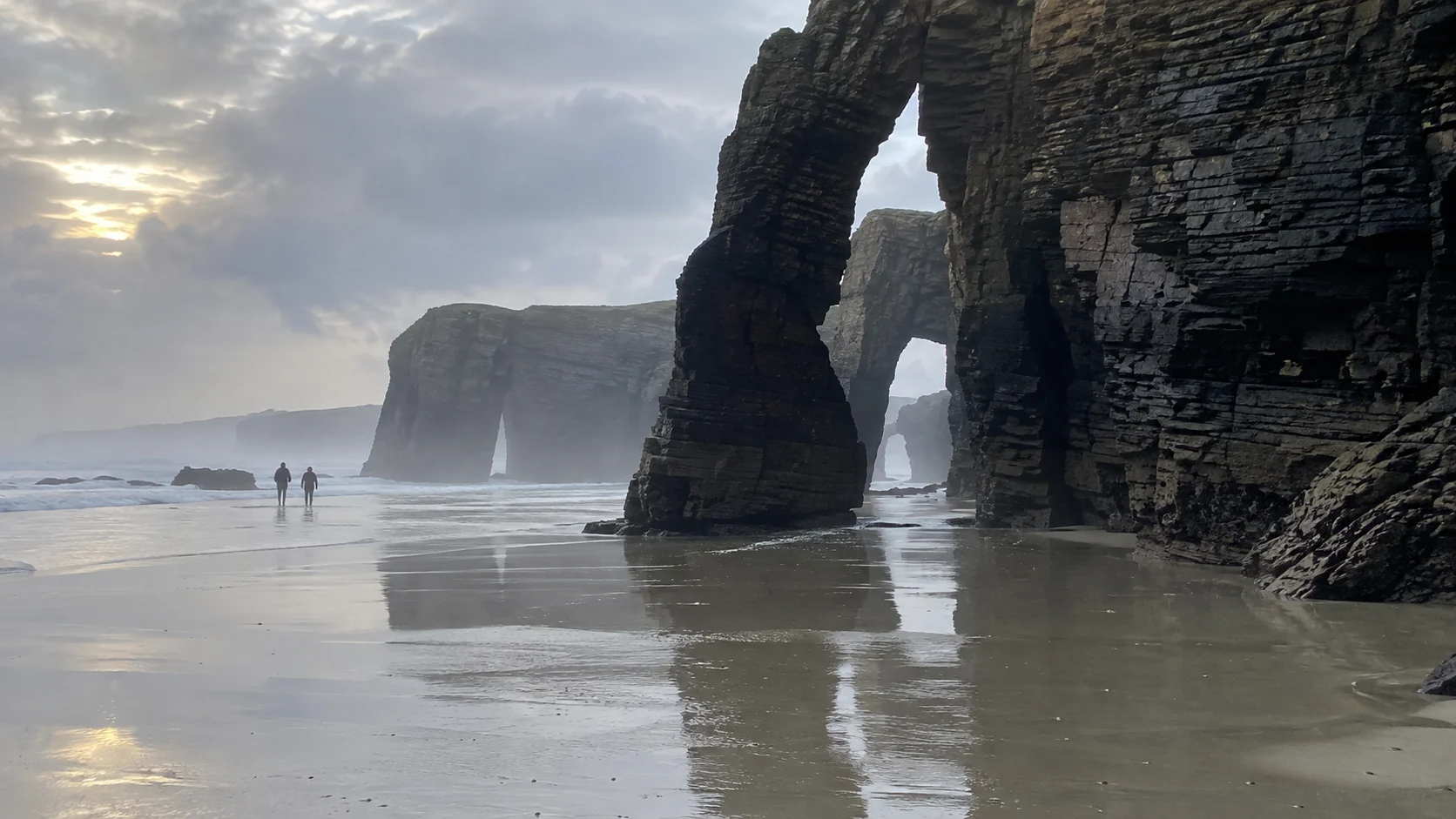
Day 9: Western Asturias to Ribadeo or Lugo
Follow the coast through western Asturias, selecting one harbor town and one viewpoint rather than stopping at every sign. Cudillero is photogenic but involves parking outside its tight center and walking on slopes.
Sleep near Ribadeo for the coast or in Lugo for Roman walls and a shorter next-day route. Playa de las Catedrales can require advance authorization during regulated periods, and access depends on tides as well as the clock.
Never enter sea caves or exposed sandbars on timing alone. Follow lifeguards, closures, posted tide information, and local safety instructions.
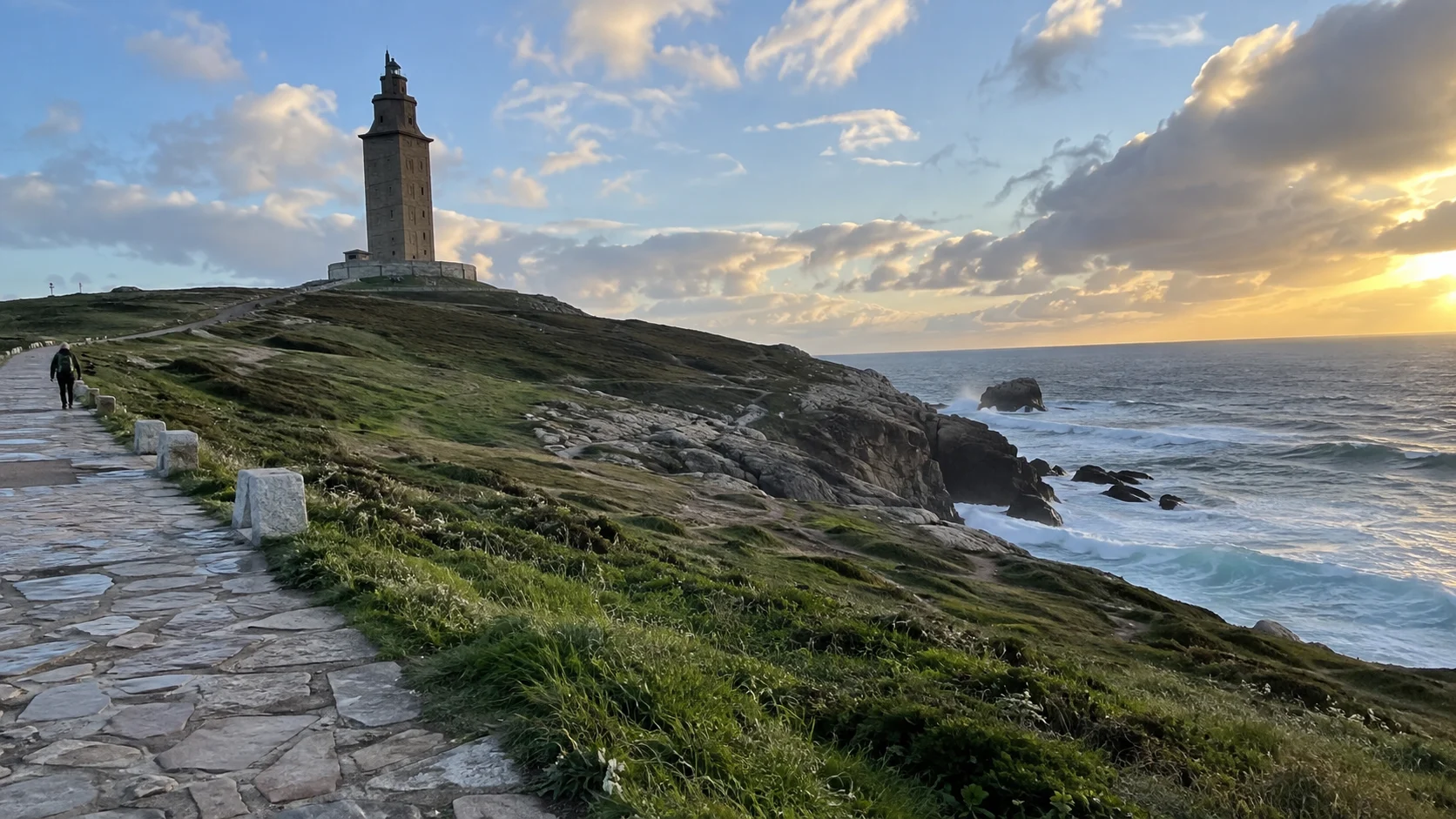
Day 10: Lugo or Ribadeo to A Coruña
If you stayed in Lugo, walk the historic walls before driving to A Coruña. If you stayed on the coast, continue west with one carefully chosen beach or fishing-town stop.
A Coruña earns time for the Tower of Hercules area, waterfront, galleries, and dinner. Spain’s official Galicia page highlights the region’s contrasting coasts, cities, inland landscapes, Romanesque heritage, and protected nature.
Galician weather can move quickly, so keep a museum or food-market alternative. The coast is still rewarding in mist, but exposed viewpoints are not always sensible in high wind.
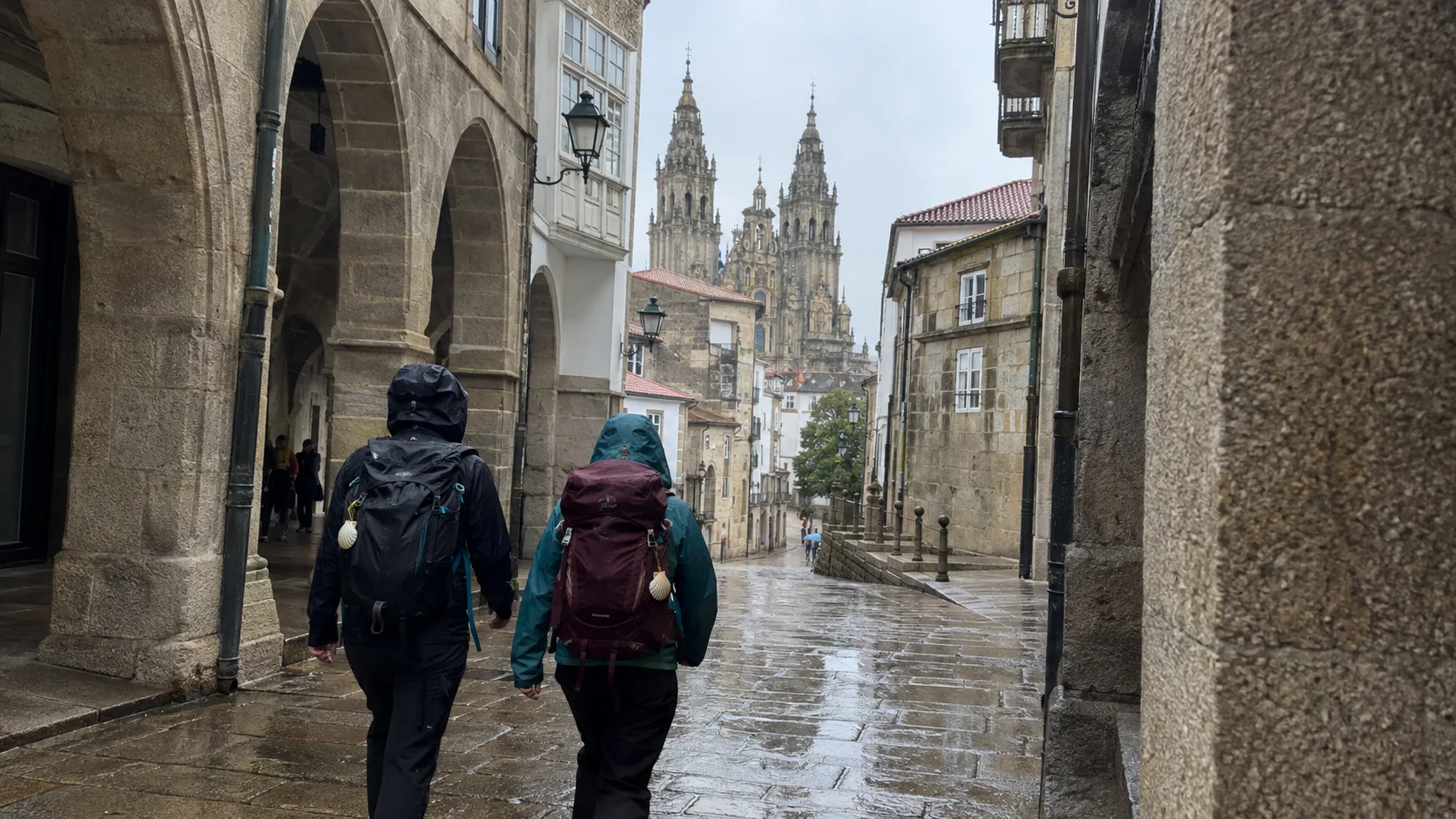
Day 11: A Coruña to Santiago de Compostela
Drive to Santiago, return the car, and check into a central hotel for one night. This removes parking stress and creates a full final day without an airport-style rental deadline.
Walk into the historic center gradually and remember that the cathedral is an active religious site and pilgrimage destination. Services, pilgrim activity, security, and visitor access can change throughout the day.
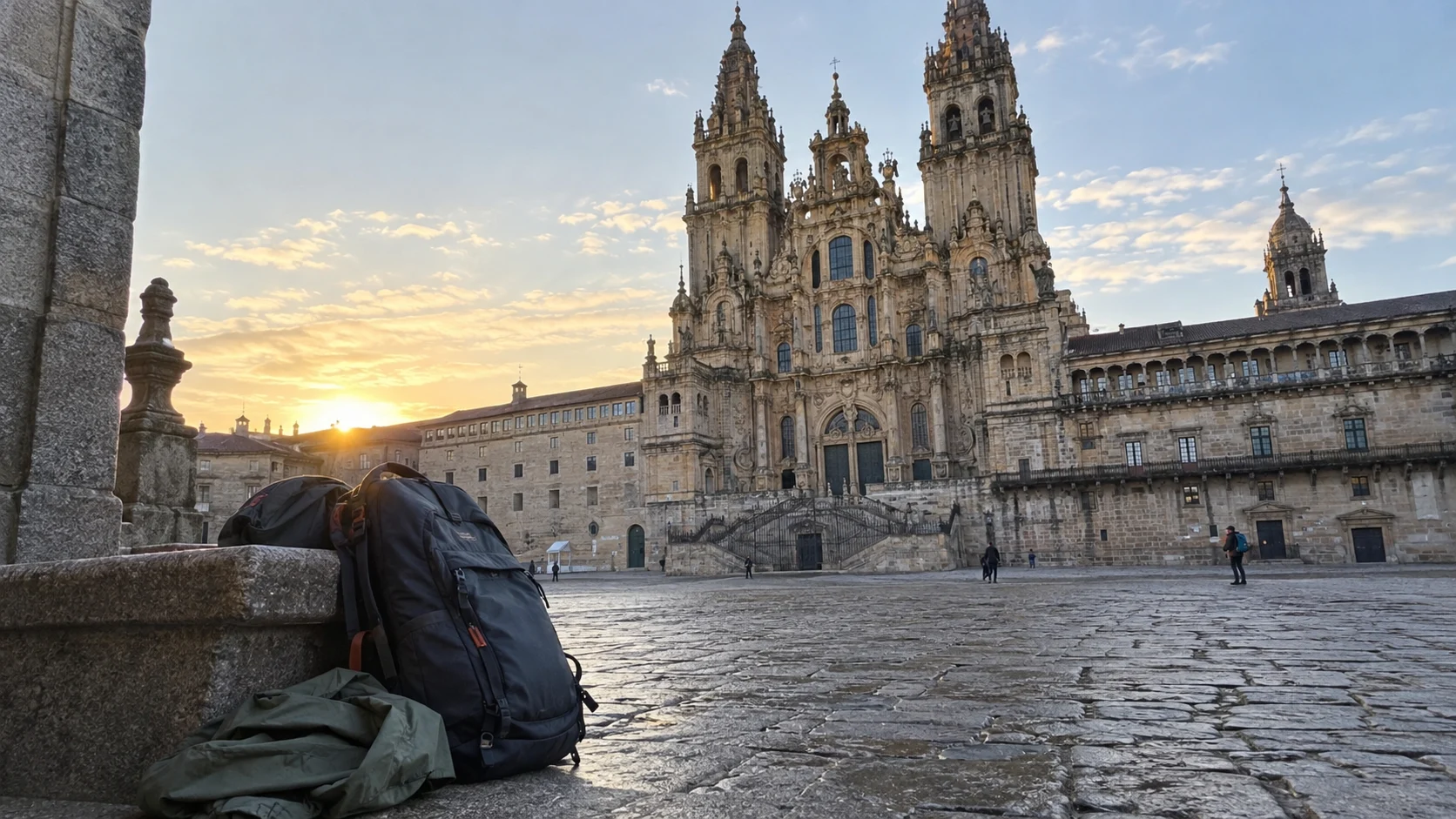
Day 12: Santiago and Departure Planning
The 12-day plan includes one Santiago night, on Day 11, followed by a full sightseeing day and a late Day 12 departure that leaves enough airport or station transfer time. If your flight leaves earlier, book a second Santiago night and depart on Day 13 so the promised sightseeing day stays intact.
Use the morning for the cathedral area, markets, museums, and streets you rushed past the night before. If your flight is early, add another night rather than compressing Santiago into a departure queue.
Open-jaw flights usually make this route better than returning to Bilbao. Compare airfare against fuel, tolls, one-way rental fees, parking, and a lost vacation day.
Keep northern Spain as its own regional trip instead of attaching a cross-country dash to the Mediterranean. If your next trip follows the French Riviera into Italy, my Ventimiglia itinerary is a more natural border route.
Driving in Northern Spain
Drive on the right, obey posted limits, and expect roundabouts, tunnels, narrow village streets, and mountain bends. Speed cameras and enforcement are common, and the rental company may add an administrative fee when forwarding a fine.
Spain has no national time-based road vignette, but certain motorways charge distance-based tolls. The official Spanish government toll page identifies charged corridors, including the AP-9 in Galicia and AP-68 near Bilbao.
Municipal low-emission zones and access rules vary, and navigation apps may not understand your rental car’s classification. Ask the rental desk whether the vehicle is properly labeled and check each city’s official restrictions before entering.
U.S. travelers should confirm whether an International Driving Permit is required alongside their state license. Rental-company rules can be stricter than national law, and an IDP never replaces the original license.
Rental-Car Questions
- Manual or automatic transmission
- Insurance excess and exclusions
- One-way return fee
- Second-driver charge
- Toll and traffic-fine administration
- Low-emission-zone classification
- Roadside assistance and tire coverage
Parking Strategy
Use hotel parking or public garages at the edge of historic centers, then walk. Do not follow a map app into medieval lanes simply because the hotel address sits inside them.
Blue, green, resident, loading, and restricted zones differ by municipality. Read the sign, keep payment proof if issued, and ask lodging staff where overnight parking is legal.
Never leave luggage visible at a beach, trailhead, or city garage. Move bags at the hotel rather than rearranging the trunk after parking.
Food Timing and Reservations
Lunch and dinner run later than many North Americans expect, and small-town kitchens may close between services. Carry a snack so hunger does not turn a scenic detour into a family negotiation.
Reserve famous restaurants and weekend dining in popular coastal towns, but keep room for markets and daily menus. Northern Spain’s food identity changes by region, from Basque pintxos and Cantabrian anchovies to Asturian cider dishes and Galician seafood.
Food allergies need a clear Spanish card listing ingredients and cross-contact concerns. In the Basque Country and Galicia, adding the local-language term can make communication even easier.
Weather and Packing
The green landscape comes with rain, and Atlantic conditions can change quickly. Pack a hooded waterproof shell, layers, broken-in shoes, sun protection, and a dry bag or pouch for electronics.
Mountain temperatures can be far cooler than the coast, while summer beaches still bring strong sun. Keep the hiking layer and water in the car even on a blue-sky morning.
If you are comparing this route with another cool, scenic European drive, my Norway guide shows how ferries and distances shift the logistics. The broader Europe travel tips cover current borders, rail tickets, cards, and phone planning.
Common Northern Spain Road-Trip Mistakes
- Trying to cover all four regions in seven days
- Keeping the car in San Sebastián, Bilbao, and Santiago centers
- Assuming every coastal road is fast
- Planning Picos access without checking seasonal controls
- Ignoring tide and permit rules at Playa de las Catedrales
- Entering a low-emission zone without checking the rental car
- Booking the cheapest flight instead of an open-jaw route
My Bottom Line
Twelve days is enough for a satisfying Green Spain drive when you use open-jaw flights, limit one-night stops, and protect one true mountain day. If you only have a week, choose the Basque Country plus Cantabria, or Asturias plus Galicia.
Northern Spain works best when the car connects places rather than dominating the trip. Park outside old centers, choose one coastal stop at a time, and let weather decide whether today belongs to a summit, a beach, or a very long lunch.