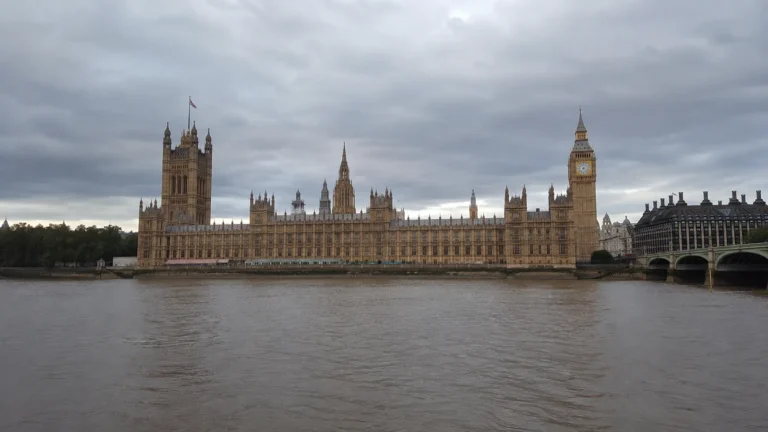
Scotland Travel Tips: What to Know Before You Go
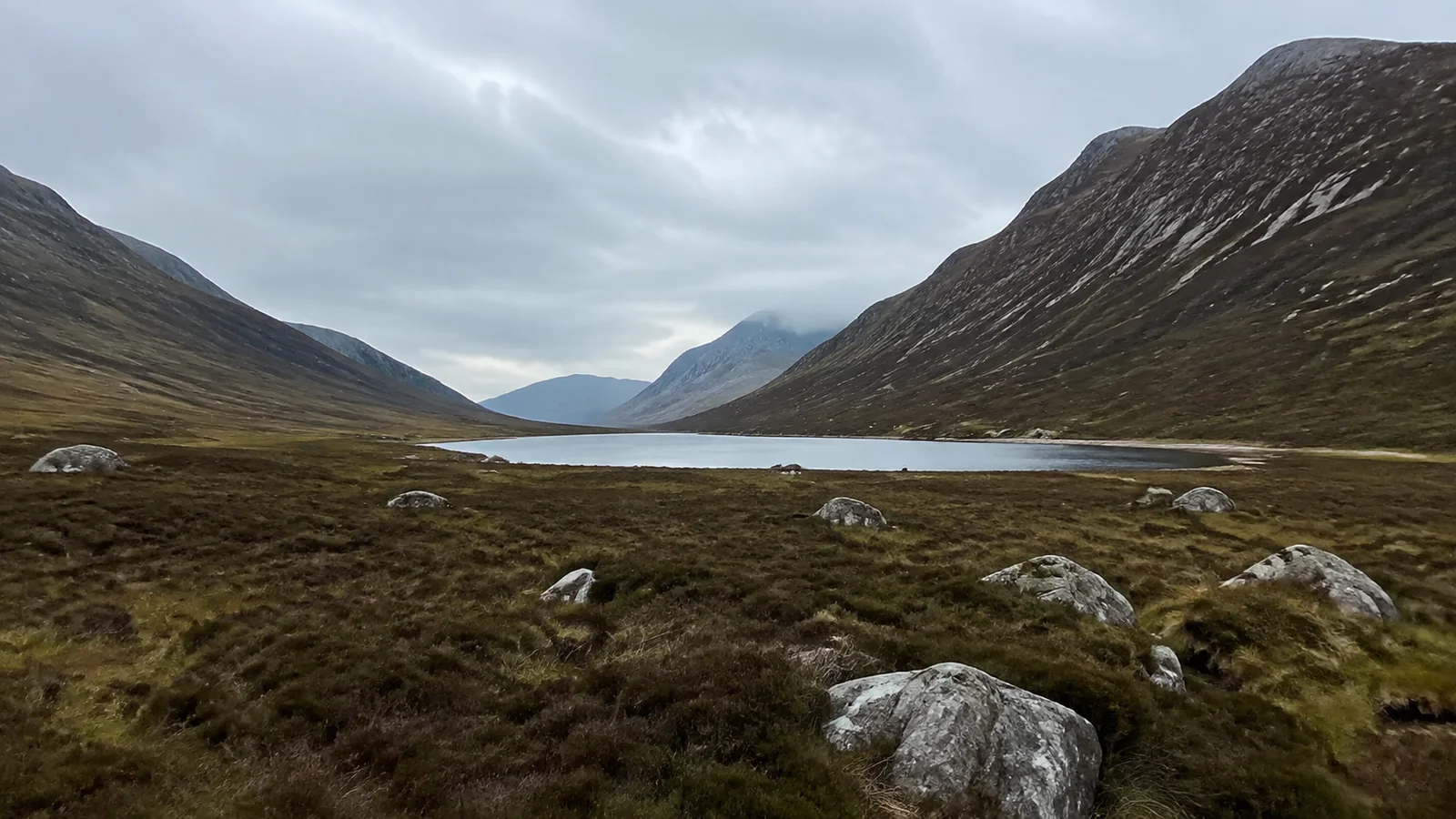
Scotland looks compact on a map, then mountains, ferries, single-track roads, and irresistible castle stops stretch every travel day. These Scotland travel tips will help you build a trip that feels generous rather than frantic, whether you want Edinburgh history, Highland scenery, island time, or a little of everything.
Scotland Travel Tips at a Glance
- Best first trip: Edinburgh, the Highlands, and one additional region
- Ideal length: 7 days for cities plus a Highland taste, 10 to 14 days for an island or deeper road trip
- Currency: Pound sterling
- Driving side: Left
- Weather strategy: Waterproof outer layer, flexible plans, and no faith in a single forecast icon
- Big planning mistake: Counting mileage instead of road type and stops
Check UK Entry Rules Before Booking
Scotland is part of the United Kingdom, so UK border rules apply. Most U.S. visitors traveling for tourism need a valid passport and, as of 2026, an Electronic Travel Authorisation before boarding.
Apply only through the official UK government ETA page or its linked app, and verify the current fee, eligibility, and passport connection there. An ETA permits travel to the UK but does not guarantee admission, and it is not the right document for every nationality or purpose.
Your authorization is linked to the passport used in the application, so a replacement passport can mean a new ETA. Check the rules again shortly before departure because entry systems and fees can change.
Choose the Right Season for Your Scotland
Spring
April and May can bring longer daylight, gardens, lambs, and lighter crowds than midsummer. Conditions still swing quickly, and some island services or seasonal attractions may run reduced schedules early in spring.
Summer
June through August offers the longest days and broadest tour schedules, but also the highest demand. Edinburgh becomes especially busy during August festivals, while Skye, Glencoe, and the North Coast 500 corridor need early lodging plans.
Fall and Winter
September and October can be beautiful and quieter, though daylight contracts and seasonal services taper. Winter suits city museums, cozy pubs, and dramatic scenery, but short days, ice, storms, and attraction closures make ambitious road loops a poor bet.
Scotland’s weather changes by coast, elevation, and hour, not just month. Plan one indoor alternative each day and treat waterproof shoes as more useful than a delicate umbrella.
Build a Route That Respects Geography
For one week, combine Edinburgh with Glasgow or Stirling, then add a two- or three-night Highland base such as Inverness, Fort William, or Pitlochry. For 10 days, add one island or coastal region rather than trying to circle the entire country.
Skye deserves at least two nights if it is a priority, and three feels kinder when weather interrupts views. Orkney, Shetland, the Outer Hebrides, Mull, Islay, and Arran each involve different ferry or flight logistics, so “the islands” are not one interchangeable add-on.
Edinburgh pairs naturally with rail trips to Stirling, Glasgow, North Berwick, or St Andrews via Leuchars and a bus. If your wider vacation starts south of the border, this London first-trip plan helps you decide whether the train north fits better than another flight.

Train Travel Is Excellent, but Not Everywhere
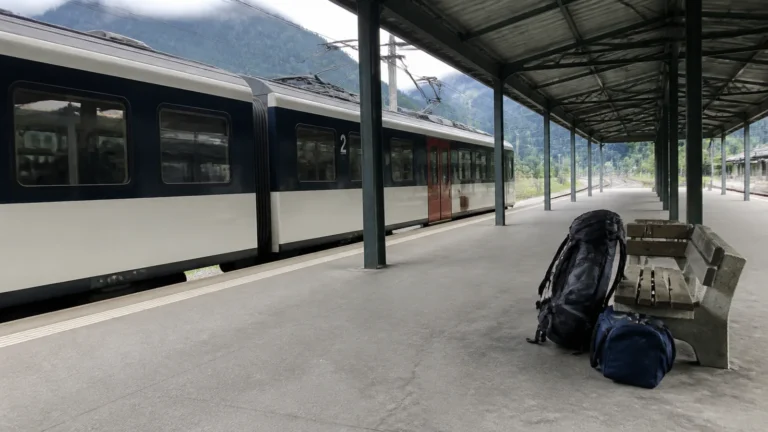
Rail is the comfortable choice between Edinburgh, Glasgow, Stirling, Perth, Dundee, Aberdeen, and Inverness. Scenic services also reach Oban, Fort William, Mallaig, and Kyle of Lochalsh, but rural frequency can be limited.
ScotRail abolished peak fares on its own services from September 2025, simplifying many journeys, while route-specific Advance tickets can still reward early commitment. Use the official ScotRail ticket page to compare flexible and train-specific fares instead of assuming a rail pass is cheapest.
Tickets involving other train companies can follow different restrictions, especially cross-border services. Check the operator, reservation rules, last train, engineering work, and whether a tight connection has a later backup.
Pack light enough to lift your own bag because older stations, small platforms, and busy trains are not luggage-friendly by magic. A carry-on-size case plus a daypack makes rail changes dramatically calmer.
Driving in Scotland Requires More Time Than You Think
A car unlocks glens, trailheads, small villages, and remote coasts, but it is unnecessary in central Edinburgh or Glasgow. Pick up the vehicle when you leave the city, not while you are paying to park it.
Drive on the left, keep left after turns, and learn roundabout lane discipline before arrival. An automatic can reduce mental load for North American drivers, though it usually costs more and should be reserved early.
Single-track roads use passing places, which are not parking spots. Pull in when the passing place is on your left, or wait opposite it when it is on your right, and let faster traffic pass when safe.
The Transport Scotland road-safety guidance specifically highlights tourist education for single-track roads. Add time for sheep, cyclists, weather, blind bends, photo stops, and vehicles approaching from the other direction.
Do not estimate a Highland day by U.S. highway averages. Two hundred scenic miles can be an exhausting full day, while 80 miles on Skye can include most of your sightseeing.
Rental-Car Details to Confirm
- Automatic or manual transmission
- Insurance excess and what the policy excludes
- Second-driver fee
- Fuel type and return level
- After-hours pickup or return process
- Ferry permission and roadside assistance coverage
- One-way fee, if returning in another city
A U.S. driver’s license may be sufficient for a short visit, but rental-company requirements can be stricter than the legal minimum. Verify license, age, payment-card, and international permit rules directly with the company.
Reserve Ferries Like They Matter
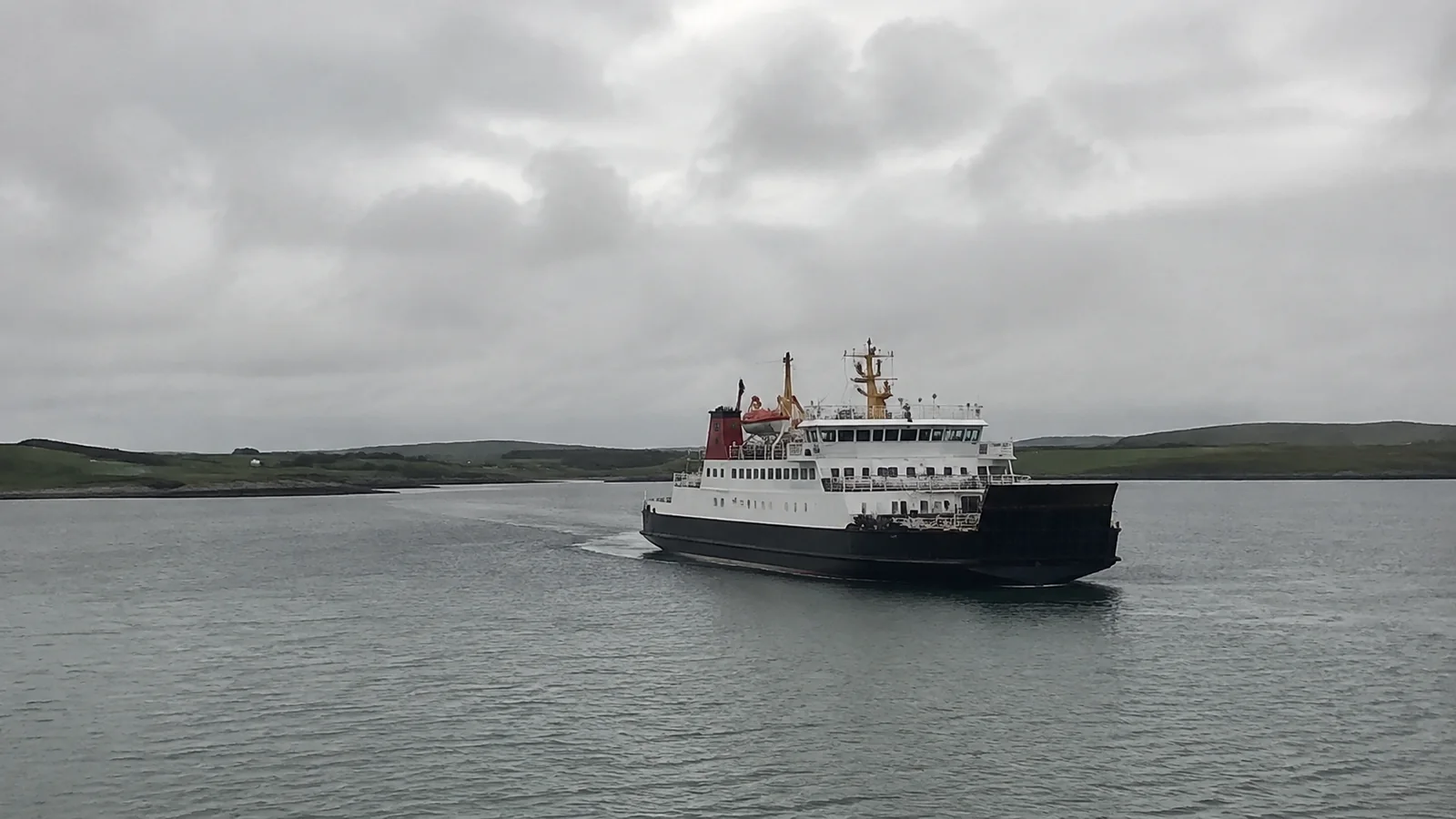
They do matter, especially with a vehicle in summer. Reserve key island crossings early, arrive by the operator’s check-in deadline, and never assume the next sailing has car space.
Weather and operational disruptions happen, so avoid putting a must-catch international flight immediately after an island ferry. VisitScotland’s official ferry overview routes travelers to the correct operators for western, northern, and local services.
Foot passengers have more flexibility than cars, and some islands work well with local buses, bikes, tours, or taxis. Others reward a vehicle, so investigate transport after arrival before booking a car-free bargain.
Book Popular Experiences Ahead
Edinburgh Castle, the Palace of Holyroodhouse, major whisky distilleries, the Jacobite steam train, and small-group Skye tours can sell out. Book timed attractions around travel days, but leave open space for weather-dependent walks and viewpoints.
Distillery tours are not all interchangeable: some emphasize production, others history, blending, warehouse tastings, or architecture. Drivers should choose a non-drinking ticket or confirm takeaway samples rather than trying to calculate a “safe” amount.
Castle opening hours, last admission, and closures vary, and working royal sites can close for official use. Check the attraction’s own website on the morning of your visit.
Pack for Wind, Rain, and Midges
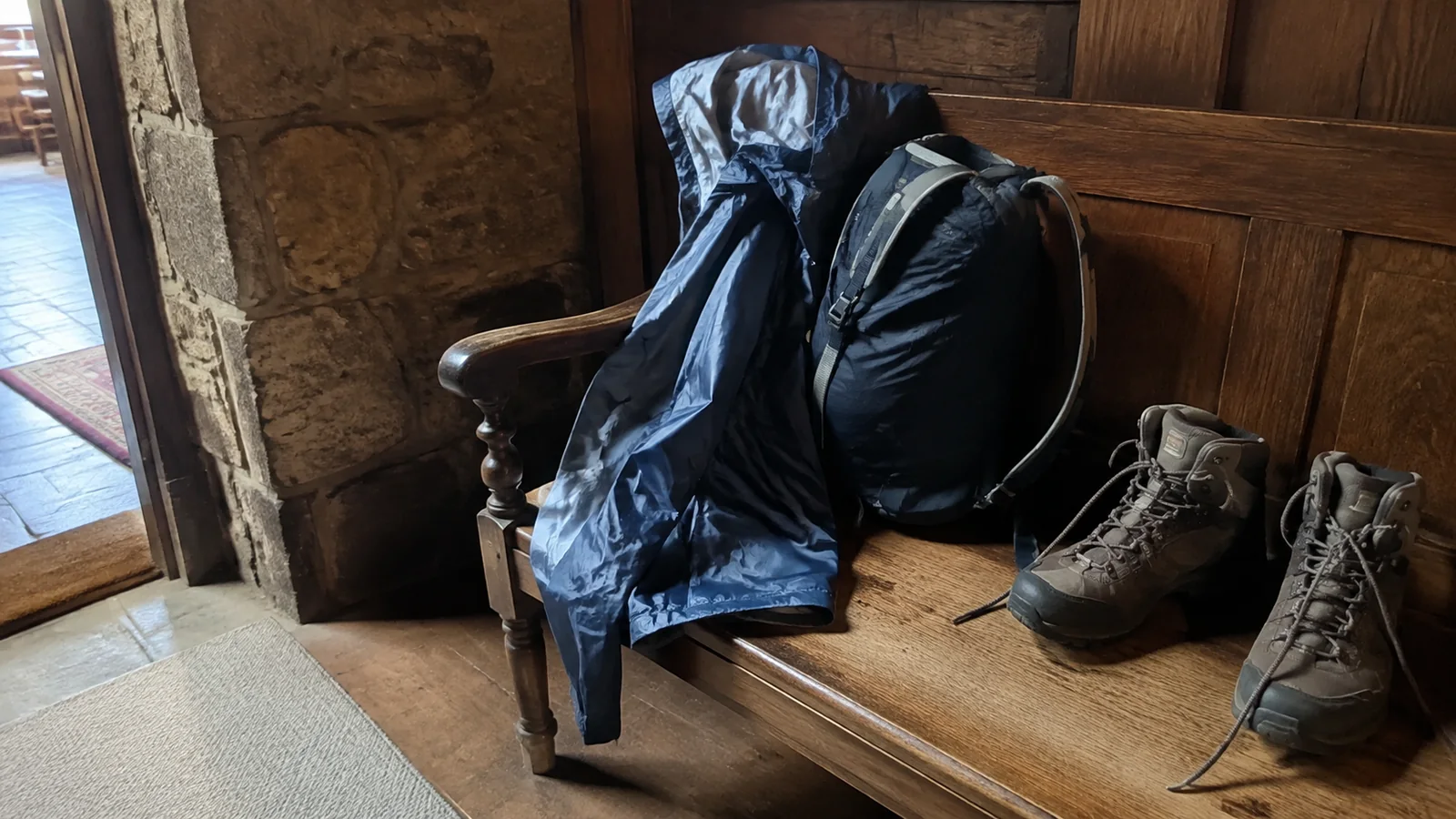
Bring a waterproof jacket with a hood, layers that dry quickly, supportive shoes, and a compact warm layer even in summer. Cotton-heavy outfits and fashion sneakers become miserable after one wet trail or sideways shower.
Midges are tiny biting insects most troublesome in still, damp conditions, particularly in western Scotland during warmer months. Pack repellent, consider a head net for camping or dawn walks, and remember that wind often gives you relief.
Also bring a UK Type G plug adapter, portable battery, refillable bottle, and any medication you cannot easily replace. My practical travel essentials list can help trim the extras without forgetting the small items that solve real problems.
Understand Money and Tipping
Cards and contactless payment are common, but keep a small amount of cash for rural honesty boxes, small vendors, or a broken card reader. Scottish banknotes are pound sterling and legal currency, though an unfamiliar note may occasionally require explanation elsewhere in the UK.
Check whether a restaurant has added a service charge before tipping again. In pubs, you normally order and pay at the bar unless staff tell you there is table service.
A no-foreign-transaction-fee card protects more of your budget than chasing the “perfect” exchange counter. When a terminal offers to charge in U.S. dollars, choose pounds and let your card network handle conversion.
Hiking Needs a Mountain Plan
A route that looks modest by mileage can cross bog, loose rock, exposed ridges, or pathless ground. Check the mountain forecast, daylight, route description, and your group’s slowest pace, then carry navigation that works without signal.
Ben Nevis, the Cuillin, and remote Munros are serious mountains, not casual sightseeing stops. Turn around when conditions deteriorate, tell someone your plan, and do not use social-media photos as evidence that today’s route is safe.
For gentler scenery, choose low-level glen walks, forest trails, coastal paths, or estate routes with clear turnaround points. You do not need a summit to have a spectacular Scotland day.
Stay Safe Without Becoming Anxious
Scotland is straightforward for most visitors, but normal city precautions still apply around phones, wallets, nightlife, and unattended luggage. Save 999 for emergencies and use 101 for non-emergency police matters.
Remote travel adds different risks: weak cell coverage, long distances to fuel, rapidly changing weather, and livestock on roads. Download maps, refuel before isolated stretches, carry water and warm layers, and share your driving route.
Check the current U.S. State Department UK advisory and enroll in STEP if that fits your travel style. Safety conditions can change, and official alerts are more useful than a decade-old anecdote.
Respect the Places You Came to See
Scotland’s outdoor-access rights come with responsibilities, not permission to camp anywhere without judgment. Follow the Scottish Outdoor Access Code, leave gates as found, keep dogs controlled around livestock, carry out waste, and avoid damaging soft ground.
Wild camping rules differ for motor vehicles, organized sites, and certain regulated zones. Campervans need legal parking and proper waste disposal, and roadside overnighting should never block passing places, gates, or emergency access.
Common First-Trip Mistakes
- Trying to see Edinburgh, Skye, Inverness, and the North Coast 500 in one week
- Booking island lodging before checking ferry availability
- Keeping a rental car in central Edinburgh
- Assuming summer means warm and dry
- Planning every hour with no weather alternatives
- Underestimating single-track driving fatigue
- Arriving at a famous distillery without a reservation

My Best Advice for a First Scotland Trip
Choose two anchors and one flexible region: perhaps Edinburgh, the West Highlands, and Mull, or Glasgow, Skye, and Inverness. The best Scotland itinerary is not the one that touches the most pins; it is the one with time to walk a harbor, wait out a shower, and take the slower road because the view is better.
If Norway is also tempting you, my Norway planning guide compares another scenic country where ferries, weather, and distance shape the route. For Scotland, leave one unscheduled half-day, reserve the truly scarce pieces, and let the rest breathe.