St. Maarten Cruise Port Guide: Beaches, Transport and Timing
The St. Maarten cruise port makes an island day look wonderfully easy, but the best plan depends on traffic and distance. You can stroll into Philipsburg, take a water taxi to Great Bay, chase airplanes at Maho, or cross to French Saint-Martin, as long as your return buffer matches the adventure.
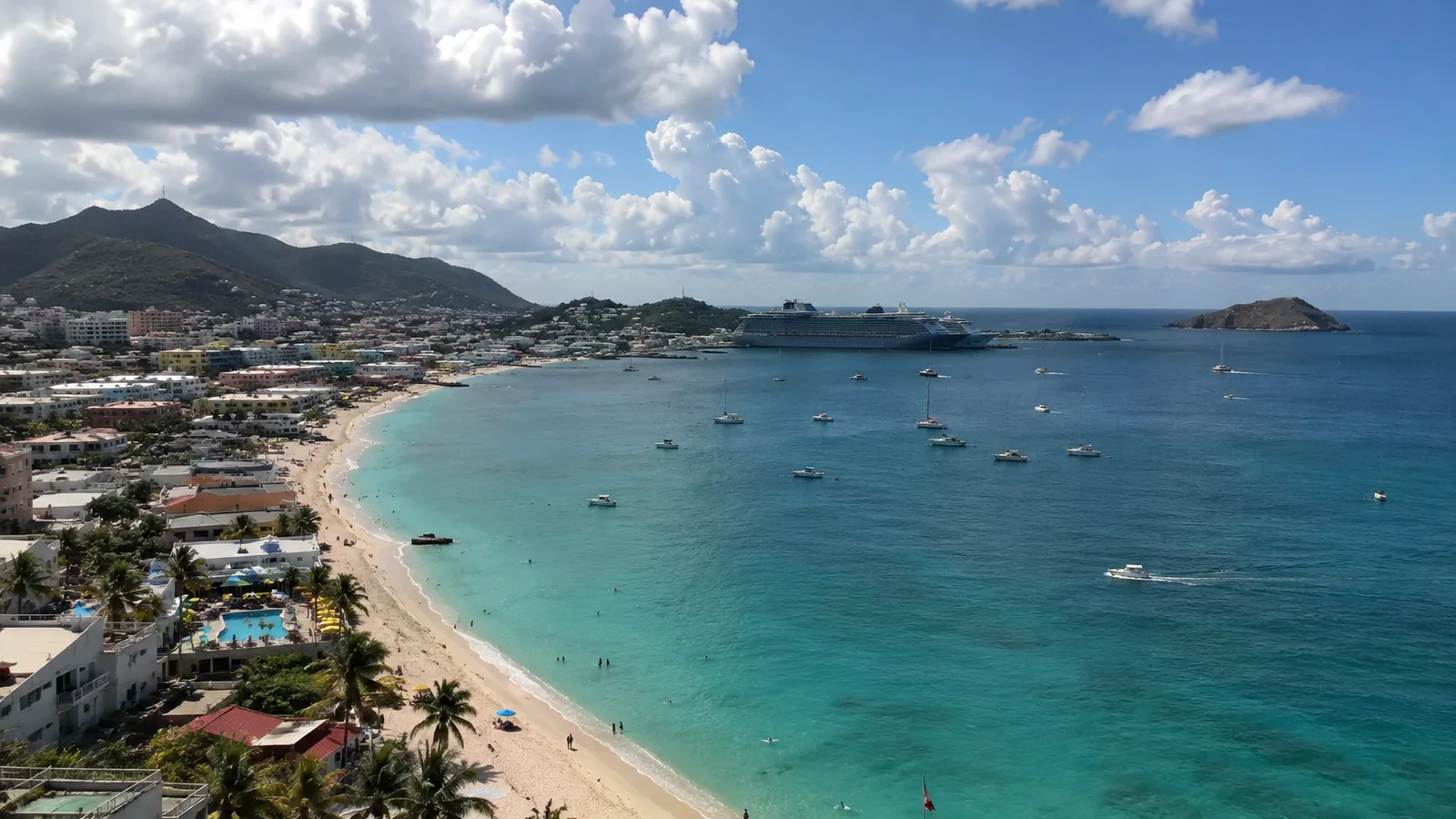
Where cruise ships dock in St. Maarten
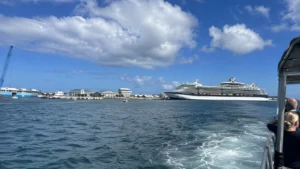
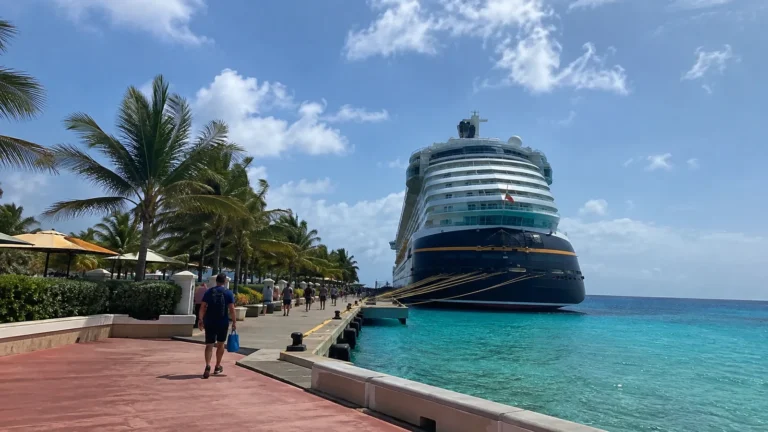
Most large ships use the Wathey Cruise and Cargo Facility at Pointe Blanche on the Dutch side of the island. The official Port St. Maarten site is the authority for the working port, while your cruise line controls the berth and arrival plan for your sailing.
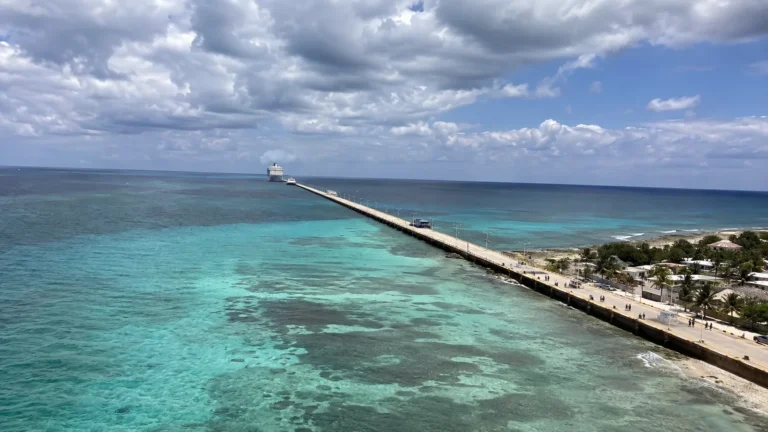
The facility is east of central Philipsburg on Great Bay. Long piers mean the walk from ship to the transportation area can add time before you even leave the port complex.
Docking is common, but weather, traffic, operations, and ship requirements can change an arrival. Read the daily program and onboard announcements rather than assuming every call uses the same pier or process.
Pointe Blanche, Philipsburg, and the two sides explained
The island is shared by two jurisdictions. Sint Maarten is the Dutch constituent country on the south side, while Saint-Martin is the French collectivity on the north side.
The cruise port and Philipsburg are on the Dutch side. Marigot, Grand Case, and Orient Bay are on the French side.
There is normally no passport checkpoint on the road between the two sides, but the laws, official currencies, emergency systems, and some transportation rules differ. Follow the ship’s instructions about which original identification to carry ashore.
The border may feel invisible, but the traffic is very real. A beach that looks close on a small island map can be a slow return when roads, construction, a crash, or a Simpson Bay bridge opening compress traffic.
Walking or taking the water taxi to Philipsburg
Philipsburg is the easiest independent plan because you remain close to the ship. The tourism authority’s official one-day cruise guide describes a roughly 10 to 15-minute walk from the terminal area to town, although your ship’s berth can add distance.
The walking route follows the road outside the port toward the eastern end of Philipsburg. Heat, sun, traffic, uneven surfaces, and limited shade may make a short map distance uncomfortable for some travelers.
The water taxi connects the cruise-port area with waterfront stops serving Philipsburg. The official tourism guide identifies Bobby’s Marina, Captain Hodge Pier, and Walter Plantz Square as landing points along the bay.
Fares, hours, stop patterns, payment methods, and accessibility can change, so confirm them at the staffed booth. Keep the return ticket or wristband exactly as instructed and ask when the final service leaves for the port.
What to do in Philipsburg
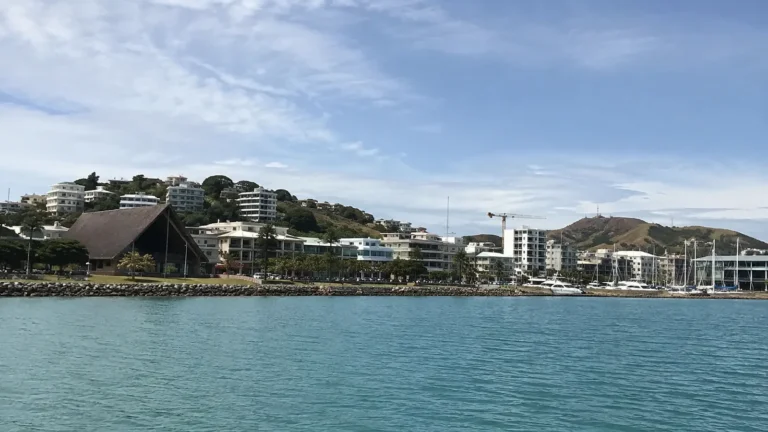
Philipsburg works well for a low-stress combination of beach, shopping, lunch, and a waterfront walk. Great Bay Beach runs beside the Boardwalk, while Front Street and Back Street sit just inland.
Great Bay is the simplest beach choice for travelers who value ship proximity over a remote-island feel. Beach conditions, chair rentals, shade packages, and water activity vary by day and vendor.
Front Street is known for jewelry, duty-free shopping, and historic landmarks. Compare prices, warranty terms, customs allowances, and return policies before treating a “cruise special” as automatic value.
The Boardwalk has restaurants and bars with the ship visible across the bay. That view is reassuring, but the vessel’s presence does not replace the all-aboard time on your cruise card.
Best for: First-time visitors, short port calls, independent travelers, and anyone who wants the lowest transportation risk.
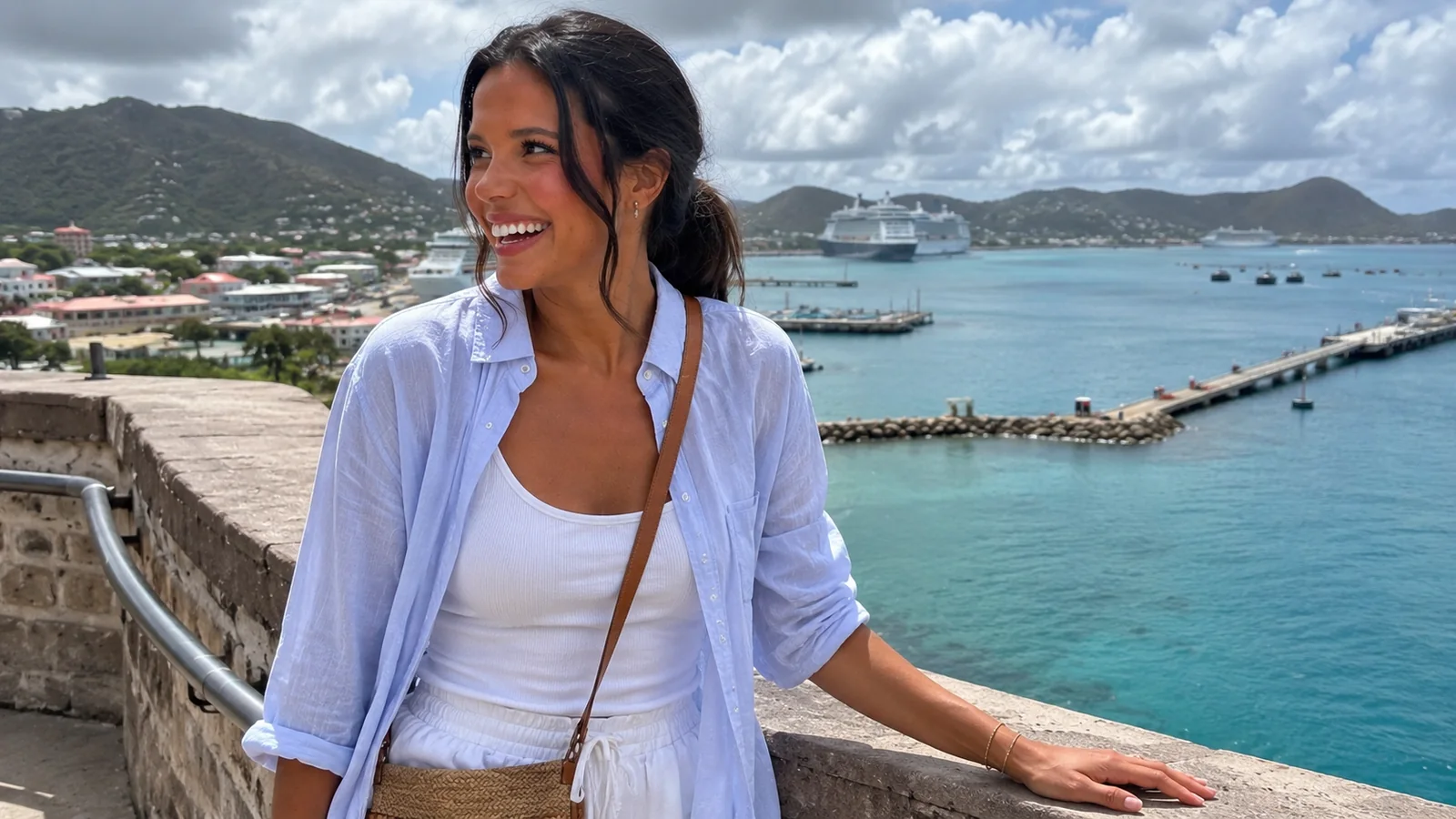
Maho Beach and airplane watching
Maho Beach sits beside Princess Juliana International Airport on the Dutch side. Arriving aircraft can pass low over the beach, but flight schedules, runway direction, aircraft size, weather, and delays make every visit different.
The safety issue is not cute or theoretical. The current U.S. State Department Sint Maarten advisory specifically warns visitors not to experience jet blast from arriving or departing aircraft because it can cause serious injury or death.
Do not hold the airport fence, stand behind a departing aircraft, ignore barriers, or encourage children to copy people doing so. Watch from a safer position and follow every posted instruction.
Maho is also one of the island’s trickier independent return trips because traffic through Simpson Bay and Cole Bay can build quickly. A taxi ride that looks short on a clear map is not a fixed-duration transfer.
Best for: Aviation fans who accept a busy beach, an uncertain flight lineup, and a large return buffer.
Mullet Bay for more beach time
Mullet Bay is near Maho but has a more conventional beach-day appeal. Sand width, surf, seaweed, vendors, chair supply, and swimming conditions change, so no guide should promise a perfect calm-water day.
The beach can work as a Maho combination, but adding stops creates more transportation risk. Agree on the order, pickup location, and return time with a licensed driver before leaving the port.
Best for: Travelers who want a west-side beach and may enjoy a shorter airplane-viewing stop rather than spending the whole day at Maho.
Little Bay for a closer resort-area beach
Little Bay lies between Philipsburg and the airport side of the island. It can offer a shorter road plan than Maho or the French-side beaches, although access, facilities, and any day-pass rules belong to the individual property or beach operator.
Fort Amsterdam is on the peninsula above the bay, but terrain and heat make the route less casual than a Boardwalk stroll. Confirm whether your transport drops near the beach, a resort entrance, or a trail access point.
Best for: Beach-focused travelers who want to leave central Philipsburg without committing to the island’s longest traffic loops.
Orient Bay on the French side
Orient Bay is one of the best-known beaches on French Saint-Martin. It has restaurants, water activities, chair rentals, and distinct beach sections, but businesses and conditions can change after storms or seasonal closures.
Ask where your driver will return, how to identify the vehicle, and whether the quoted fare is per person or for the group. Do not rely on finding an immediate taxi at the exact moment you decide to leave.
Some portions of the wider Orient Bay area have clothing-optional traditions. Choose your exact beach club or section with that context in mind, and treat other visitors respectfully.
Best for: Travelers seeking a fuller French-side beach day who are comfortable with a longer road trip and conservative timing.
Marigot and Grand Case
Marigot is the French-side capital, with a waterfront, market area, shops, restaurants, and views from Fort Louis. Grand Case is farther north and is known for dining and access to nearby water activities.
Either can be rewarding, but combining both with a beach on a standard port call can turn the day into a windshield tour. Choose one anchor destination and one flexible extra rather than collecting pins all over the island.
Restaurants may follow different opening patterns, especially outside peak hours or on holidays. Confirm the specific business if it is the entire reason for crossing the island.
Best for: Repeat visitors, food-focused travelers, and guests using a well-planned taxi tour or cruise-line excursion.
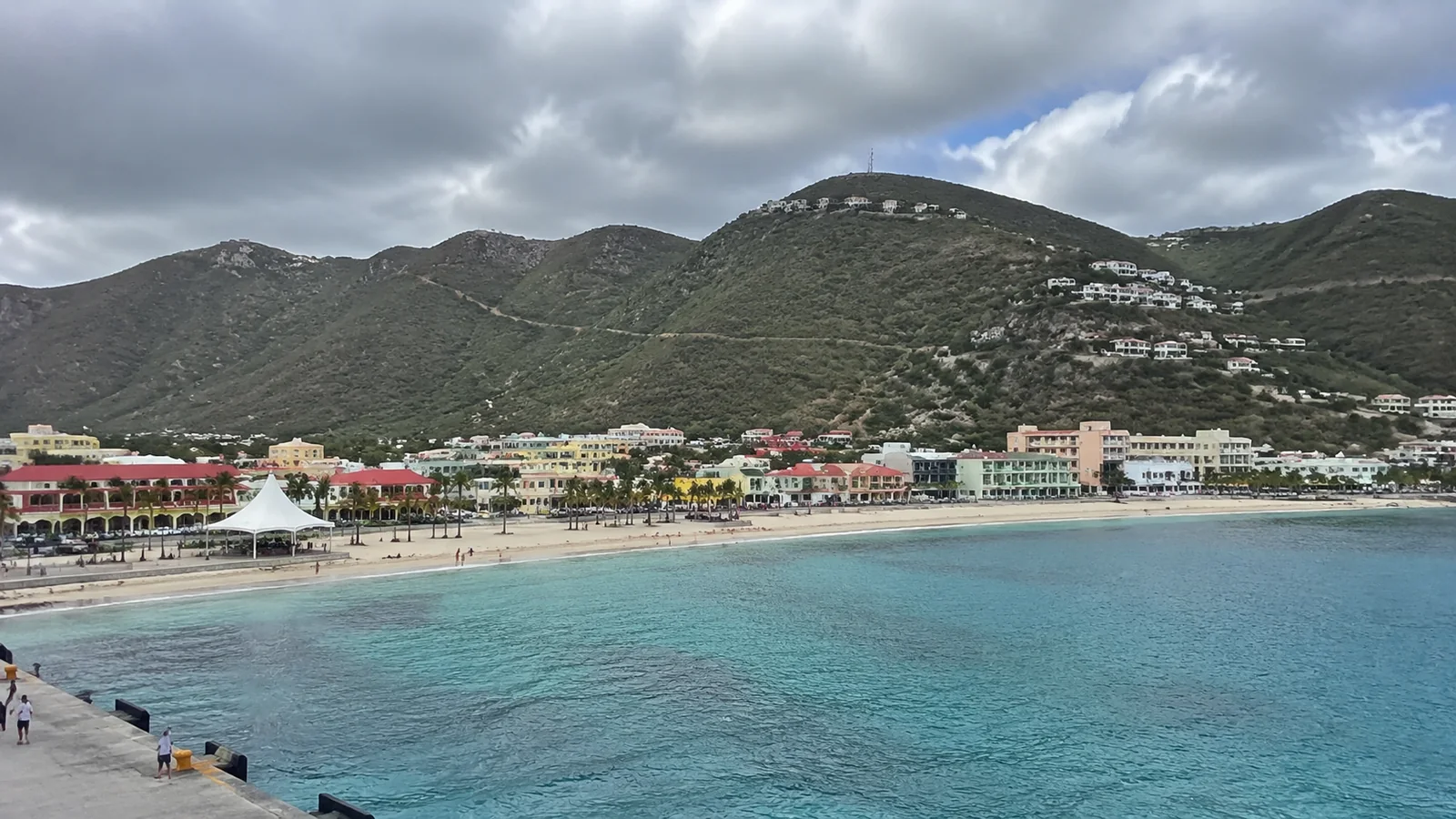
Taxi planning from Pointe Blanche
The cruise facility has a dispatch area for taxis and island tours. Confirm that the driver is operating through the authorized system, then agree on destination, group size, fare basis, waiting time, and return arrangements before departing.
Published taxi prices can become stale, and French-side fares may follow a different guide. Ask whether the quote is one way or round trip, per person or per vehicle, and whether a private stop changes the price.
A shared taxi can be cheaper but may wait to fill or make multiple stops. A private driver costs differently but provides more control, which can be valuable on a one-day call.
Write down the driver’s name and phone number, photograph the vehicle identification if appropriate, and choose a precise pickup landmark. Connectivity can fail, so a verbal “same place later” is not enough.
Local minibuses are useful but not cruise-proof
Privately operated minibuses run common routes between population centers, with route signs in the windshield. They are not a cruise shuttle and generally do not operate from the ship on a guaranteed timetable.
A bus can be a practical way to reach parts of the Dutch side for a flexible traveler. It is a poor return strategy when the last possible connection leaves little margin for traffic or waiting.
Ask the driver whether the route reaches your exact destination and where to catch the return. Bring small cash, but confirm accepted currency and fare when boarding.
Rental cars and driving the island
A rental car creates freedom but also adds paperwork, navigation, parking, fuel, and return time. Road congestion can be more important than mileage, and unfamiliar traffic circles or unsigned turns slow the day.
Inspect the vehicle, photograph existing damage, confirm insurance and fuel terms, and keep the emergency number. Build time to refuel and complete the return before walking back through the port.
Do not plan a full-island loop because an online map produced an optimistic driving time. One crash, bridge opening, downpour, or construction lane can erase the schedule.
Boat tours, snorkeling, and island hopping
Boat trips may visit snorkeling sites, beaches, or neighboring islands, but they introduce marine weather, docking, immigration, and transfer variables. A ferry to Anguilla or St. Barts is not the same low-risk outing as a local harbor tour.
For an independent boat, verify the operator, departure marina, check-in time, life jackets, shade, restroom setup, cancellation policy, and return-to-port plan. Never treat a scheduled arrival as a guarantee when the ship will not wait under ordinary independent-tour terms.
A cruise-line excursion usually provides better coordination with the ship, but read the actual terms rather than relying on a slogan. Weather can cancel even a well-run tour.
Our tender and small-boat guide explains accessibility questions and the difference between ship transportation and an independent marine tour.
Money on the Dutch and French sides
The Caribbean guilder became legal tender in Sint Maarten on March 31, 2025, according to the Central Bank of Curaçao and Sint Maarten. The U.S. dollar is widely used on the Dutch side, while the euro is the official currency on the French side.
Ask which currency a price uses, what exchange rate the merchant applies, and which currency your change will come in. A card terminal may offer convenience, but small cash helps with transport, tips, and a connectivity outage.
Decline dynamic currency conversion unless you understand the rate and fees. Notify your bank about travel if required and keep one payment method separate from your wallet.
Entry requirements and crossing the island
Large cruise ships normally submit passenger information as part of port clearance, but individual documentation still depends on nationality, itinerary, and cruise-line rules. The St. Maarten Tourist Bureau’s current passport and immigration guidance is useful background, not a substitute for the instructions in your booking.
Do not apply an air-arrival checklist to a cruise call without checking. Ask the cruise line whether any digital entry form, passport, visa, or original identification is required for your exact voyage.
The open internal border does not create a second routine road checkpoint, but French and Dutch authorities can still enforce their laws. Carry your ship card and the identification your line tells you to take ashore.
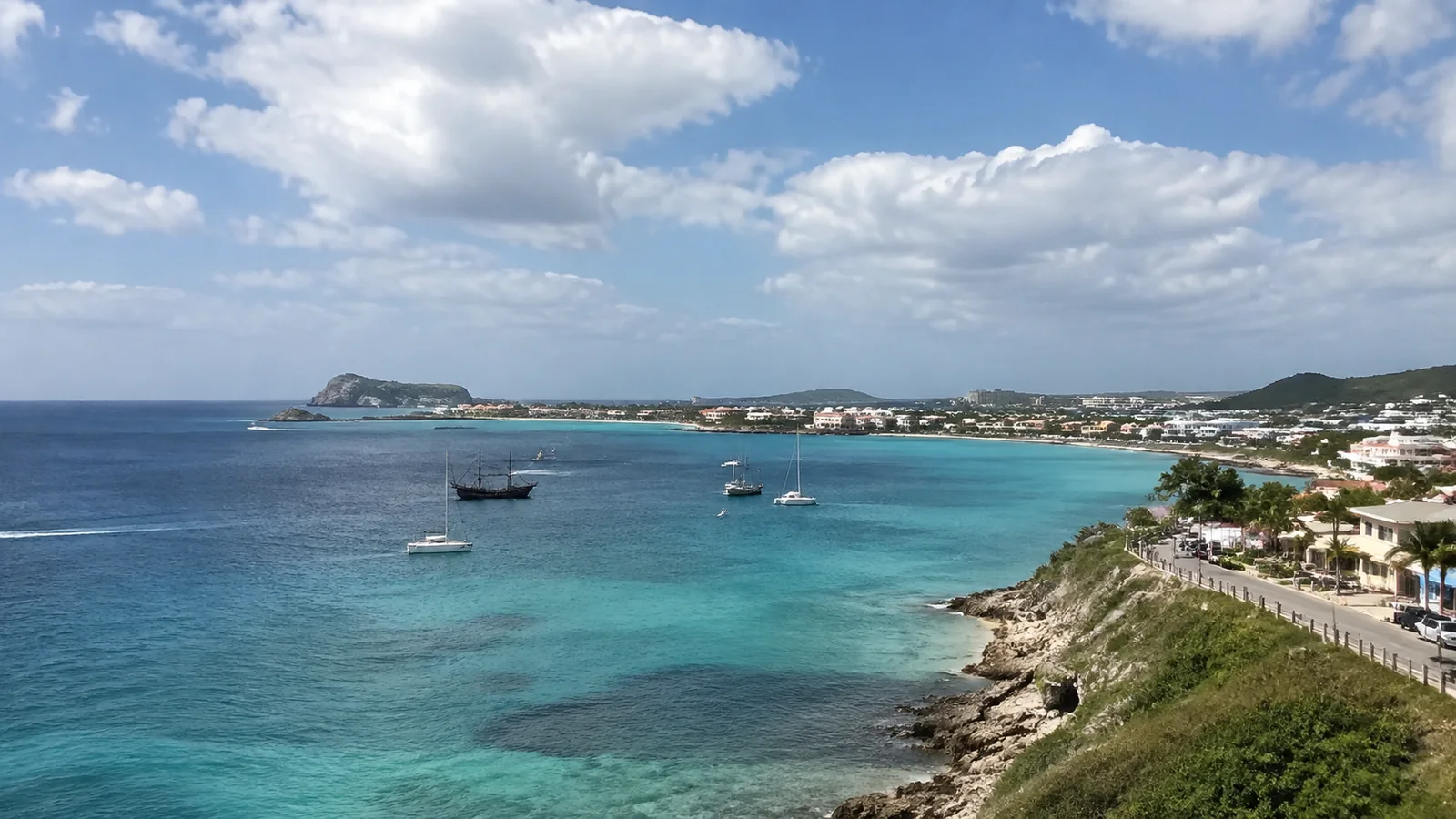
Weather and beach safety
Tropical showers can be brief or persistent, and swells can make a sunny beach unsuitable for swimming. Follow flags, lifeguards, local warnings, and tour-operator decisions rather than judging the water from one photo.
Atlantic tropical weather can disrupt Caribbean calls, especially during the hurricane season. The captain and port authorities may shorten, change, or cancel a visit for safety, so refundable plans are valuable.
Use reef-conscious sun protection, drink water, secure valuables, and avoid leaving phones unattended under a towel. At Maho, obey aircraft warnings even when other visitors ignore them.
A conservative return-to-ship plan
The all-aboard time is earlier than the published ship-departure time. Use ship time, which may differ from local time, and verify it before walking off the gangway.
For Philipsburg, I would aim to be back inside the port complex at least 60 minutes before all aboard. That leaves room for the water taxi, pier walk, security line, and one small mistake.
For Maho, Mullet Bay, Orient Bay, Marigot, Grand Case, or an independent marina, I would start the return two to three hours before all aboard when traffic is uncertain. Increase that margin on a multi-ship day, during bad weather, or when a bridge opening or road issue is reported.
Those are conservative personal planning rules, not official minimums or guarantees. If losing several hours of beach time feels unacceptable, book a coordinated excursion or choose a closer destination.
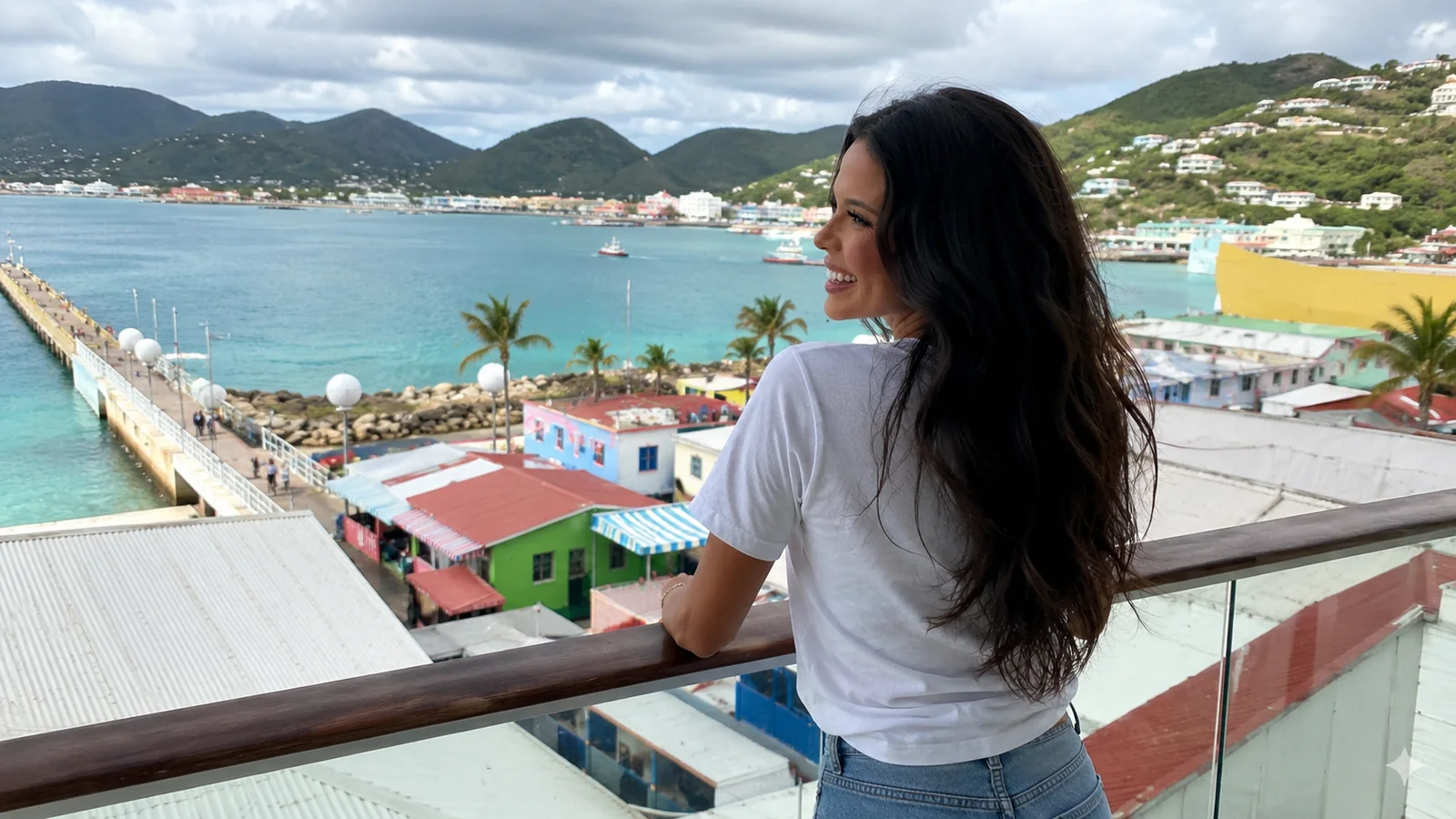
Easy one-day plans by traveler type
Low-stress first visit: Water taxi to Philipsburg, walk Front Street and the Boardwalk, enjoy Great Bay, then return early.
Beach-first day: Prearranged taxi to Little Bay, Mullet Bay, or a specific Orient Bay operator, with the return time agreed before arrival.
Aviation day: Taxi to Maho, watch from a safe position, add Mullet Bay only if traffic and time remain generous, then leave far earlier than feels necessary.
French-side day: Choose Marigot, Grand Case, or Orient Bay as the main destination rather than squeezing all three into one call.
Mobility-conscious day: Confirm the pier distance, accessible taxi, water-taxi boarding, beach surface, restroom, and return pickup before leaving the ship.
My simplest recommendation
First-time visitors with a normal port call should keep the plan simple: Philipsburg and Great Bay for minimum logistics, or one prearranged beach with a large return buffer. Maho and the French side are absolutely possible, but they deserve respect for traffic rather than a packed checklist.
Our Puerto Plata cruise-port guide offers another useful Caribbean comparison, while our Mykonos port guide shows why return planning changes again when docking and tenders can vary.
St. Maarten rewards travelers who choose one good day instead of five rushed stops. Leave space for a swim, a long lunch, or a Boardwalk wander, then give the road and the ship’s clock the final word.