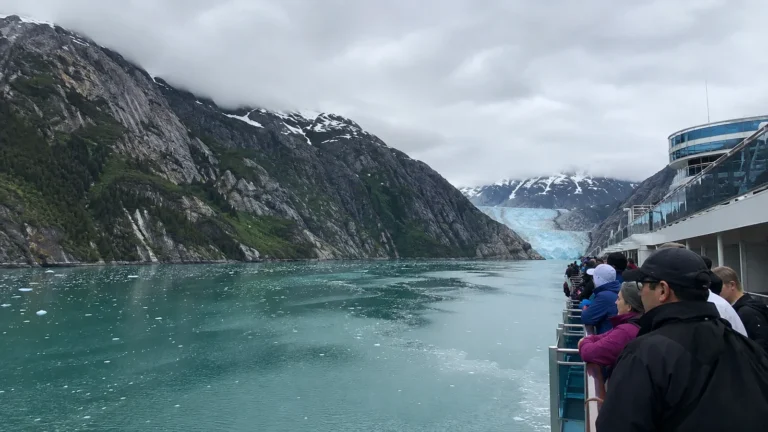
Alaska Cruises From Vancouver: Routes, Canada Place and Pre-Cruise Planning
An Alaska cruise from Vancouver can be a simple seven-night round trip or one half of a much bigger Alaska journey. Choose the route before the ship, because returning to Canada Place and finishing in Seward or Whittier create different flights, budgets, glacier possibilities, and opportunities to travel inland.
Why start an Alaska cruise in Vancouver?
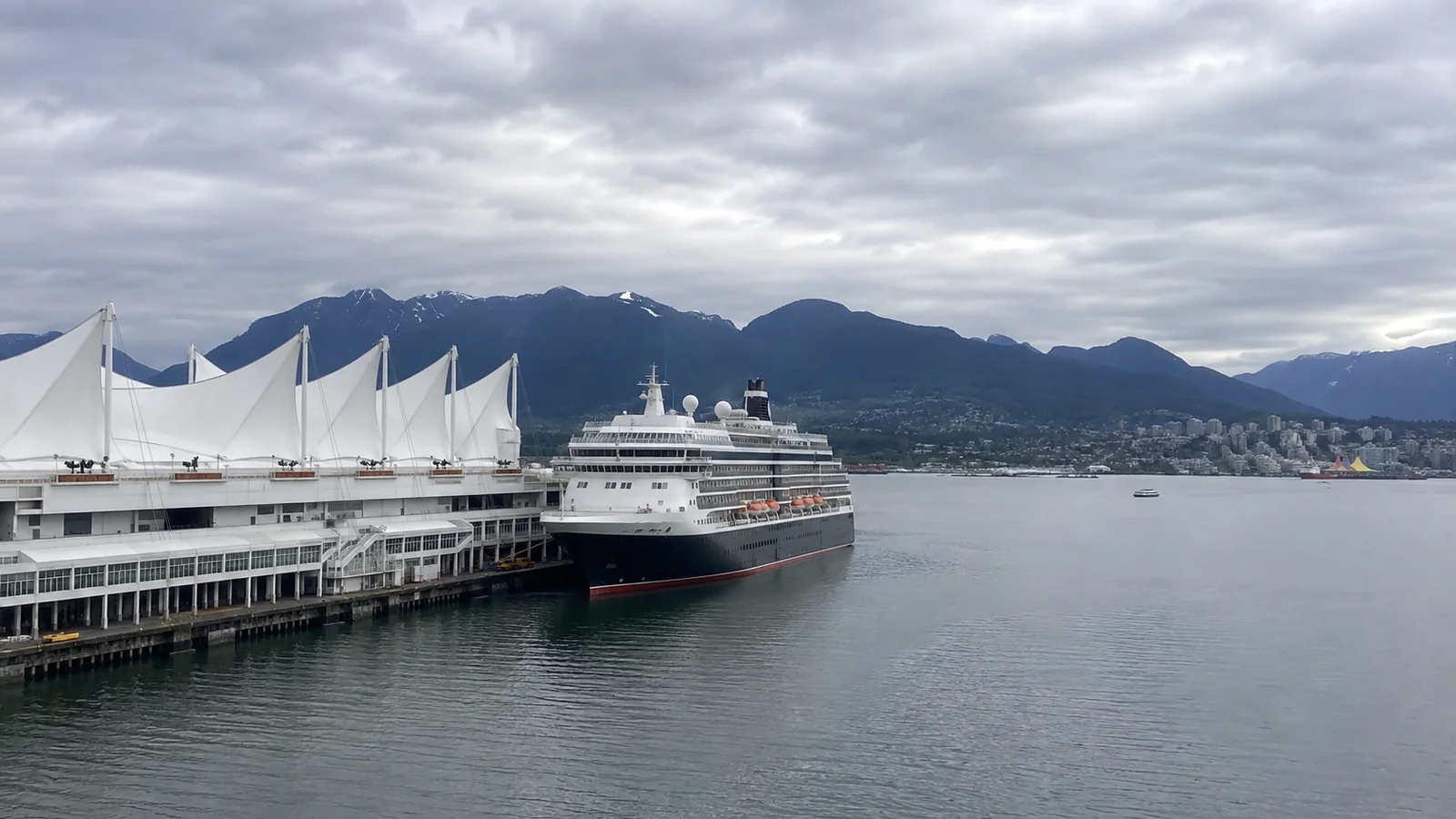
Vancouver combines a downtown cruise terminal with access to British Columbia’s protected coastal waterways. Many itineraries begin with Inside Passage sailing, but the exact route, daylight timing, and side of Vancouver Island are operational decisions rather than guarantees attached to the departure city.
The city is also worth at least one pre-cruise night, with the harbor, Stanley Park, Gastown, and North Shore scenery close to downtown. That extra night protects embarkation from flight trouble while making the trip feel longer for a much nicer reason.
First decision: round trip or one way?
This is the most important comparison because it determines where you wake up after the cruise and how much Alaska you can add on land. Princess currently advertises both round-trip Vancouver Inside Passage voyages and one-way sailings between Vancouver and Whittier, while Celebrity offers round trips and one-way Vancouver-Seward routes.
Round-trip Vancouver cruises
A typical round trip leaves Canada Place, visits several Southeast Alaska ports, includes one or more scenic cruising areas, and returns to Vancouver. Seven nights is common, though longer and occasional shorter itineraries exist.
This is the easiest choice for round-trip airfare, one hotel market, and travelers who do not want a long Alaska transfer after disembarkation. It usually focuses on Southeast Alaska rather than crossing the Gulf of Alaska to a southcentral port.
Current line examples may include Juneau, Ketchikan, Skagway, Icy Strait Point, Sitka, Endicott Arm, Hubbard Glacier, or Glacier Bay in different combinations. Compare the actual day-by-day schedule because no departure port automatically supplies a particular glacier, national park, or port trio.
One-way Vancouver to Whittier or Seward
A northbound voyage travels from Vancouver through Southeast Alaska and across the Gulf of Alaska to Whittier or Seward. This route creates the cleanest opportunity to continue toward Anchorage, Denali, the Kenai Peninsula, Talkeetna, or Fairbanks.
Whittier is not Anchorage, despite cruise search labels that sometimes pair the names. Princess notes that guests typically transfer between Anchorage and Whittier by rail or motorcoach through the Anton Anderson Memorial Tunnel.
Seward is also separate from Anchorage, with a road or rail transfer rather than an airport outside the terminal. Celebrity describes the road journey as roughly two and a half hours, but weather, construction, stops, and the chosen service can change the schedule.
Southbound Alaska to Vancouver
A southbound trip reverses the pattern, beginning in Seward or Whittier and ending at Canada Place. It works beautifully after an Alaska land tour because the complicated interior portion comes first and the cruise becomes the gentler second act.
The tradeoff is a more complex beginning, often involving a flight to Anchorage plus a same-day or previous-day transfer to the embarkation port. Build generous recovery time because missing a bus through a one-lane tunnel is not the opening scene anyone requested.
Who should choose each route?
- Choose round trip for simpler airfare, limited vacation time, a first Alaska cruise, or a trip centered on Southeast ports.
- Choose northbound when you want the cruise first and an independent or packaged land journey afterward.
- Choose southbound when you prefer active inland touring first and a more restful finish in Vancouver.
- Choose back-to-back only after checking repeated ports, glacier days, cabin availability, immigration steps, and the true fare for both directions.
A 14-night round trip created from two seven-night one-ways can reduce open-jaw flight complexity while adding the Gulf of Alaska. It can also repeat ports and scenic areas, so the second week should be intentionally different rather than a very expensive replay button.
Compare glacier days by name
“Glacier viewing” is too broad for a meaningful comparison. Write down the named scenic destination, scheduled hours, whether the ship enters a national park, and what happens if ice, weather, wildlife rules, or navigation prevents the planned approach.
Glacier Bay National Park
Glacier Bay entry is controlled and not included on every Alaska sailing. The National Park Service cruise guidance says ships typically spend nine to ten hours in the bay, do not dock, and usually pause near a major tidewater glacier.
If Glacier Bay is a priority, confirm it by name on the exact itinerary and sailing date. Do not infer it from a photo, a cruise-line Alaska page, or another ship’s schedule.
Hubbard Glacier and Endicott Arm
Hubbard Glacier and Endicott Arm with Dawes Glacier are different scenic experiences and do not require Glacier Bay entry. Ships may alter distance or routing because of ice, weather, wildlife, or safety, so no brochure can guarantee a face-to-face glacier moment.
A one-way Gulf route often has more geographic room for a major northward scenic day, but individual round trips can also carry strong glacier schedules. Compare the itinerary line by line rather than awarding the trophy based on direction alone.
Compare port hours, not port counts
Juneau, Ketchikan, Skagway, Sitka, and Icy Strait Point support very different excursions, and a short call can limit what fits. Note arrival, departure, tender status, distance from the dock, and the operator’s return plan for the one activity that matters most.
Three well-timed ports can be more useful than four rushed stops. The broader Alaska cruise planning framework helps compare ports, glaciers, and land extensions without pretending one route is best for everyone.
Do not assume every Vancouver sailing uses the same Inside Passage
The phrase “Inside Passage” can describe a broad coastal region rather than one identical navigational track. Vancouver departures may travel through protected waters east of Vancouver Island, but route, timing, tides, pilots, weather, and traffic remain under operational control.
If a narrow-channel segment is important, ask the cruise line about the exact itinerary and understand that it can still change. Choose a route for its overall pattern, not a promise about what will appear outside one cabin window at breakfast.
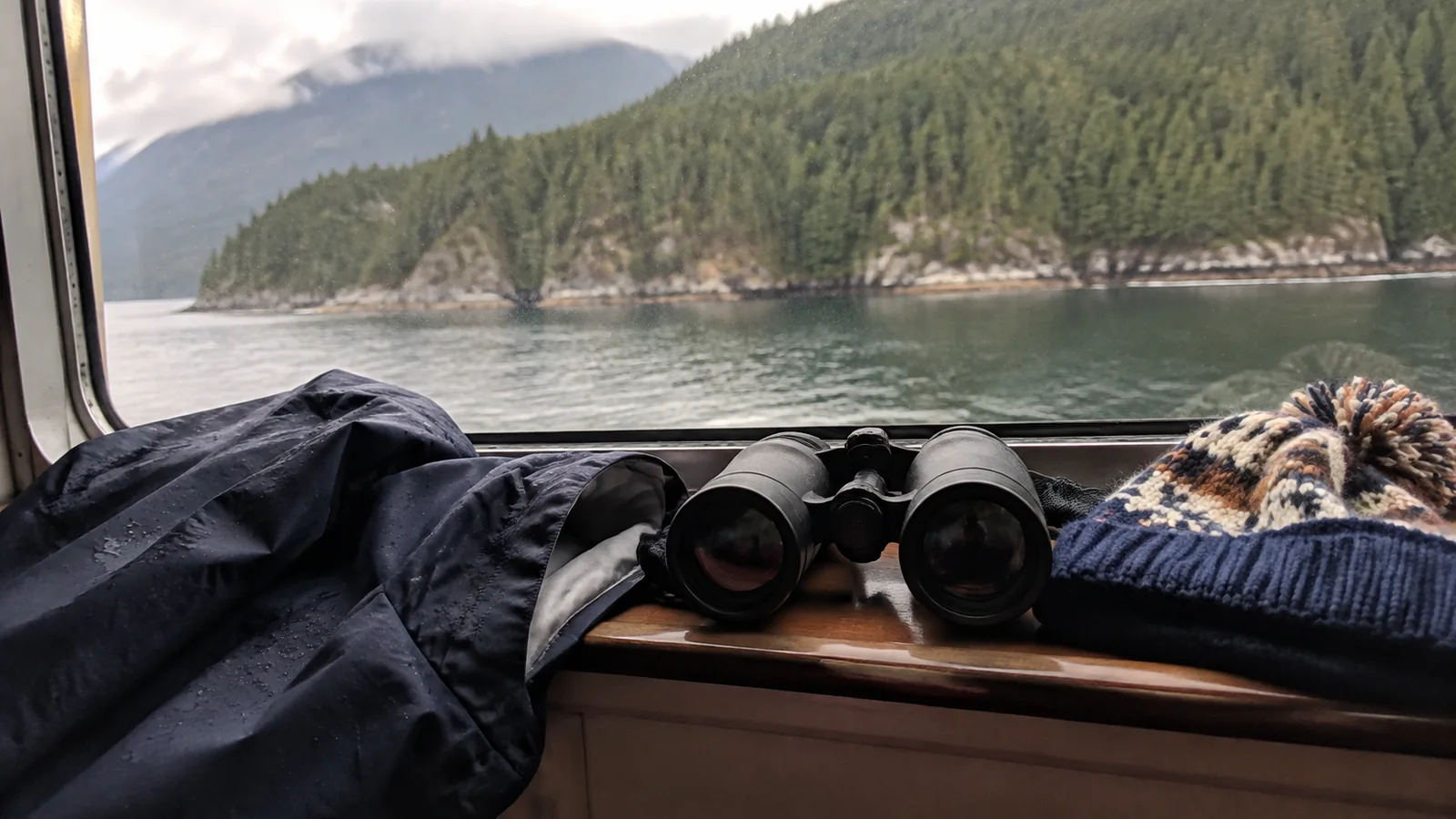
Canada Place cruise terminal
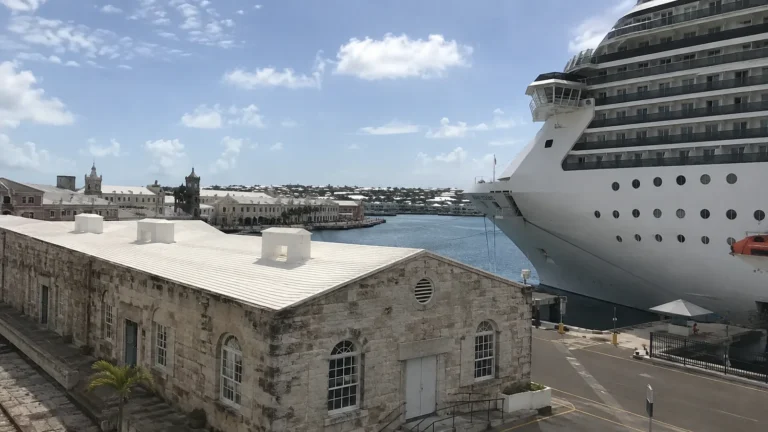
Vancouver cruise ships use Canada Place in the downtown harbor at 999 Canada Place. The terminal shares the complex with the Pan Pacific Hotel, Vancouver Convention Centre East, parking, and visitor attractions.
Destination Vancouver’s cruise hub confirms that the terminal is downtown and within walking distance of many hotels. It also points passengers to current terminal, luggage, accessibility, hotel, and airport information.
Canada Place can handle multiple ships, which means curb traffic, baggage areas, security, and border processing may become busy on peak days. Follow the cruise line’s assigned arrival time and current terminal instructions rather than arriving at dawn to begin a competitive sitting event.
Arriving by taxi or rideshare
A taxi or rideshare is easiest with heavy luggage, children, or mobility equipment. Confirm the designated cruise drop-off route with the driver because Canada Place vehicle access and downtown congestion can differ from a normal hotel curb.
Walking from a downtown hotel
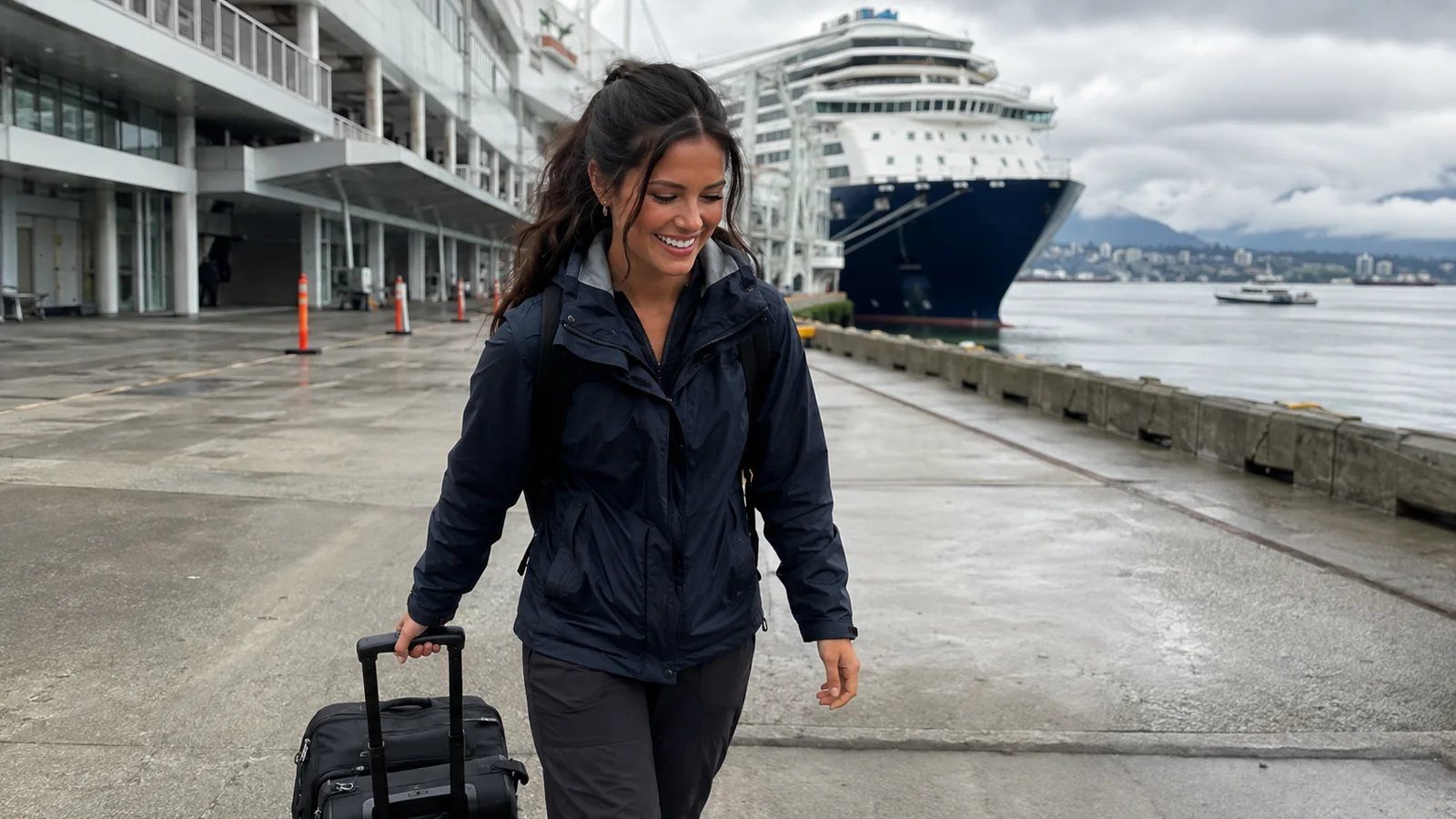
Many downtown hotels are walkable, but map the route with luggage and hills in mind. A six-block walk that feels charming after lunch can feel considerably more architectural with two large suitcases and rain.
YVR airport to Canada Place
TransLink’s Canada Line connects Vancouver International Airport with Waterfront Station in downtown Vancouver. Its visitor guidance gives an approximate 25-minute train trip, after which Canada Place is a short street-level walk.
Trains alternate south of Bridgeport, so confirm that an airport-bound train actually says YVR-Airport on the return journey. TransLink also applies an AddFare to most trips starting at YVR and leaving Sea Island, and fares or exemptions should be checked on the travel date.
The train works best with luggage you can control through station entrances, elevators, platforms, and sidewalks. A taxi or private transfer may be worth the cost for a larger group, substantial baggage, or a traveler who cannot comfortably manage that chain.
Arrive in Vancouver at least one day early
An international border, a flight, and a fixed ship departure should not all share one fragile morning. Arrive the day before at minimum, with extra buffer for long-haul connections, weather-prone routes, or separate tickets.
For a first sailing, the first-time cruise planning steps cover check-in, luggage, onboard accounts, port returns, and disembarkation. Vancouver’s convenient terminal helps, but it does not make a delayed aircraft more persuasive to the captain.
Where to stay
Waterfront and Coal Harbour hotels offer the simplest terminal access, while downtown, Gastown, and Vancouver City Centre locations can balance price with convenience. Verify the walking route, check-in time, luggage storage, and cancellation terms rather than filtering only by distance.
An airport hotel can work for a very late arrival, but it leaves the airport-to-port journey for embarkation morning. A downtown hotel moves that transportation risk to the day before and gives you a calmer start.
Documents for Canada and the United States
An Alaska cruise from Vancouver crosses an international border and visits the United States. Every passenger needs documents accepted by the cruise line and by Canadian and U.S. authorities for the exact citizenship, status, itinerary, and travel method.
Canada’s official entry-requirements tool explains that U.S. citizens are exempt from the eTA requirement and should carry proper identification such as a valid U.S. passport. Many other visa-exempt travelers need an eTA when flying to Canada, while sea-arrival rules differ.
U.S. lawful permanent residents need a valid passport from their country of nationality plus valid proof of U.S. permanent resident status for Canada. Other nationalities may need a Canadian visitor visa for sea travel even if they can obtain an eTA for air travel.
Also verify U.S. admission or visa requirements for Alaska, including any rules that apply even if you stay aboard in a port. Use the same passport tied to required authorizations and tell the cruise line about dual citizenship or status questions well before final payment.
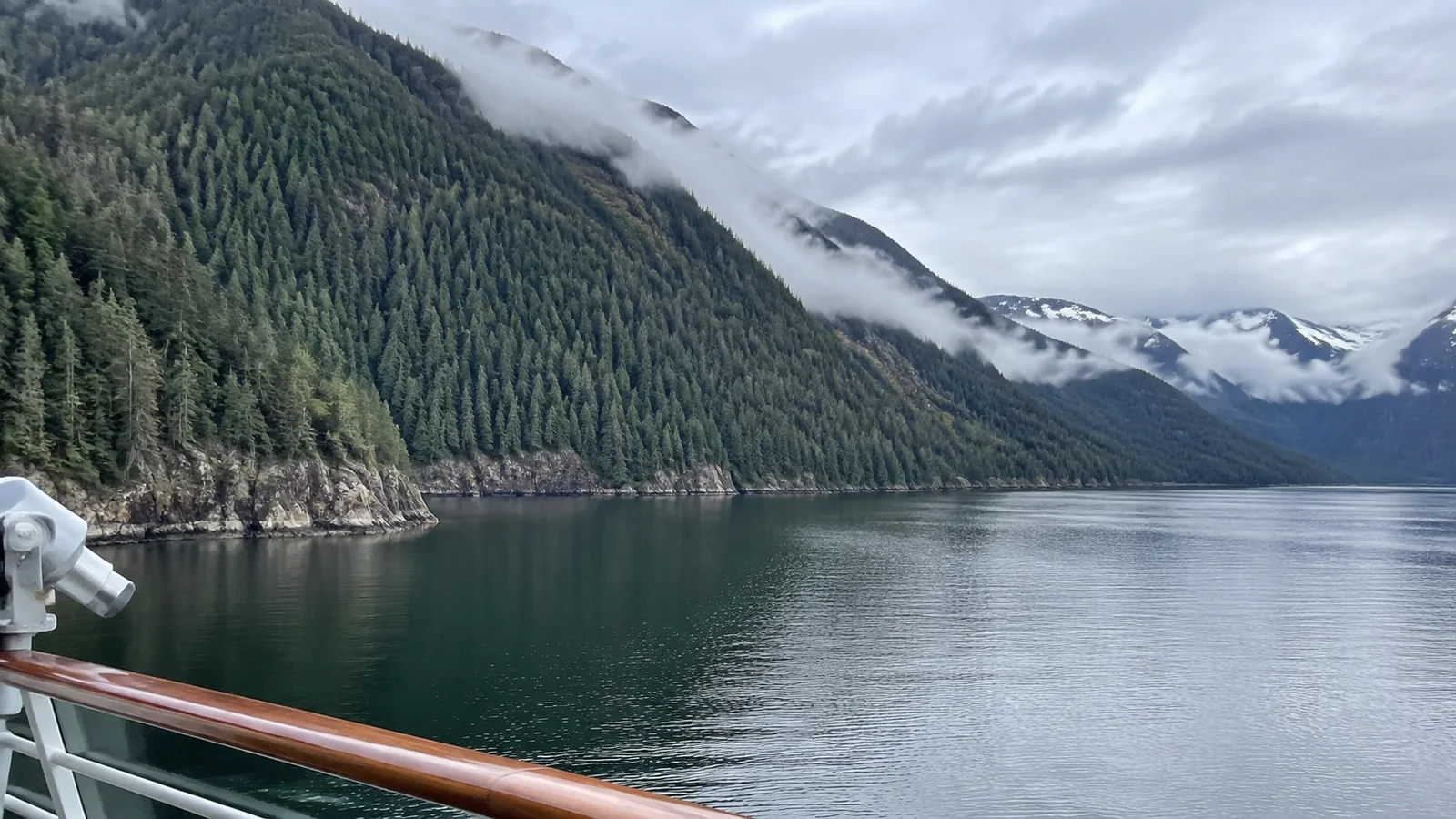
Build a pre-cruise Vancouver plan that survives luggage
With one evening, stay near the waterfront, walk Canada Place and Coal Harbour, and have dinner nearby. With a full day, choose one larger area such as Stanley Park, Granville Island, or the North Shore rather than attempting all three across bridges and water.
On embarkation morning, leave bags with the hotel until your assigned terminal window when available. Do not drag luggage through a major attraction simply because checkout and boarding are separated by three awkward hours.
Weather and packing from Vancouver to Alaska
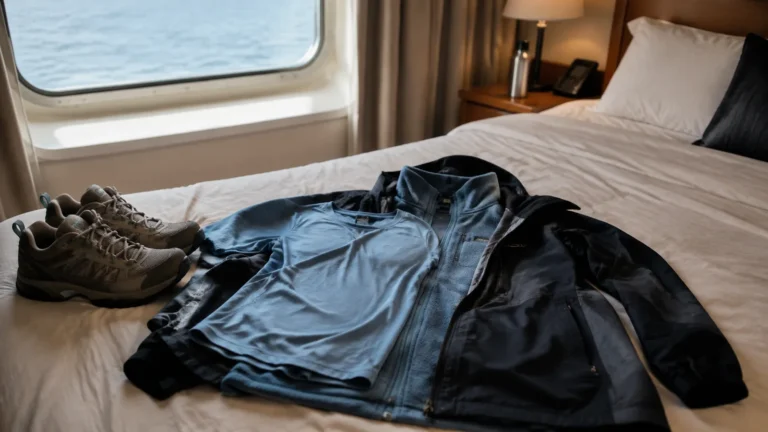
Vancouver’s embarkation forecast does not predict Ketchikan rain, Juneau cloud, Skagway wind, or the temperature on an open deck near ice. Pack adjustable layers, a waterproof outer shell, comfortable water-resistant shoes, sun protection, and a small day bag.
August travelers can use the Alaska August weather breakdown to compare coastal and land-tour conditions. The general cruise season runs through months with substantial shifts in daylight and seasonal services, so also compare the best Alaska cruise timing against your priorities.
Cabin side and location
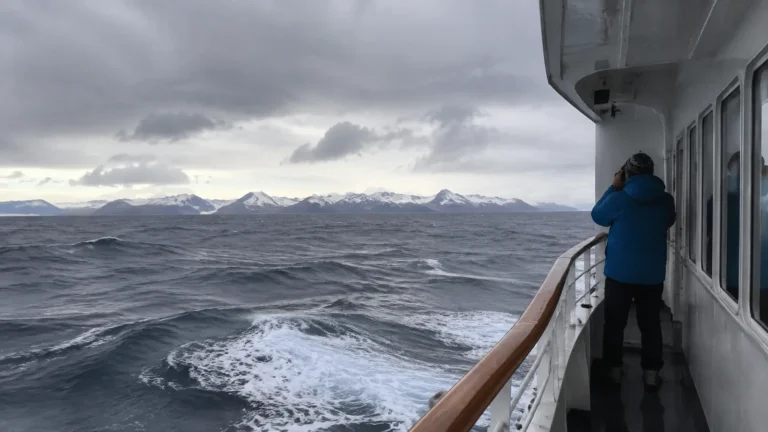
Northbound travelers often prefer starboard and southbound travelers often prefer port for broad mainland-facing possibilities, but a cruise route twists, scenic days use open water, and wildlife appears wherever it wishes. No side guarantees the best view.
A balcony adds private access, yet public forward, aft, and side decks may offer better changing angles during scenic cruising. Motion-sensitive guests should prioritize a lower midship location before choosing a side based on a map.
Budget differences between the routes
Round trips generally simplify airfare and transfers, while one-way cruises add an open-jaw flight and transportation between Anchorage and Seward or Whittier. A land tour adds lodging, meals, rail or motorcoach travel, activities, gratuities, and sometimes luggage rules distinct from the cruise.
Compare total trip cost and total vacation days, not the seven-night cruise fare alone. A cheaper northbound cabin can become the more expensive vacation after Alaska hotels and transportation, while that extra cost may be exactly what creates the trip you wanted.
A route-selection checklist
- Does the cruise return to Vancouver or finish in Seward or Whittier?
- Which named glacier or scenic area appears on the exact sailing?
- How many usable hours are scheduled in each priority port?
- Does the ship tender anywhere, and how does that affect an excursion?
- What flights, hotels, transfers, and border documents does the route require?
- Will you add inland Alaska, and is it independent or cruise-line packaged?
- Are cabins available in a location that fits motion, noise, and budget needs?
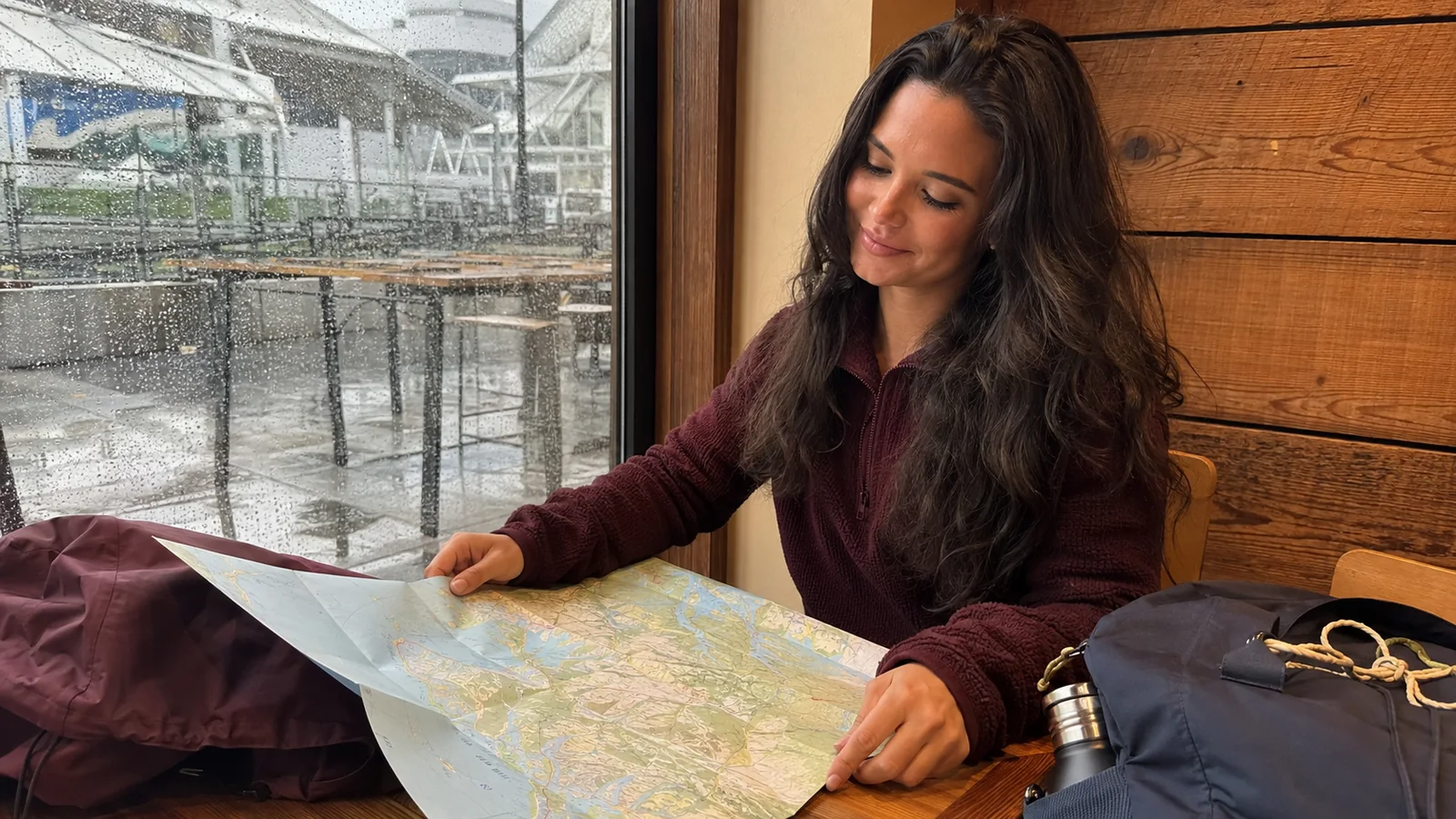
Final verdict
Choose a round-trip Vancouver cruise for the cleanest seven-night vacation and a one-way route for a deeper trip that can continue into southcentral or Interior Alaska. Neither direction is automatically more scenic because the named glacier days, port hours, weather, and ship viewing spaces decide more than the arrow on the map.
Book the itinerary first, arrive in Vancouver early, verify documents for both countries, and treat Canada Place as a downtown terminal with big-ship peak days. That combination gives the voyage room to begin calmly before Alaska starts showing off.