Yosemite Day Trip: A Realistic One-Day Valley Itinerary
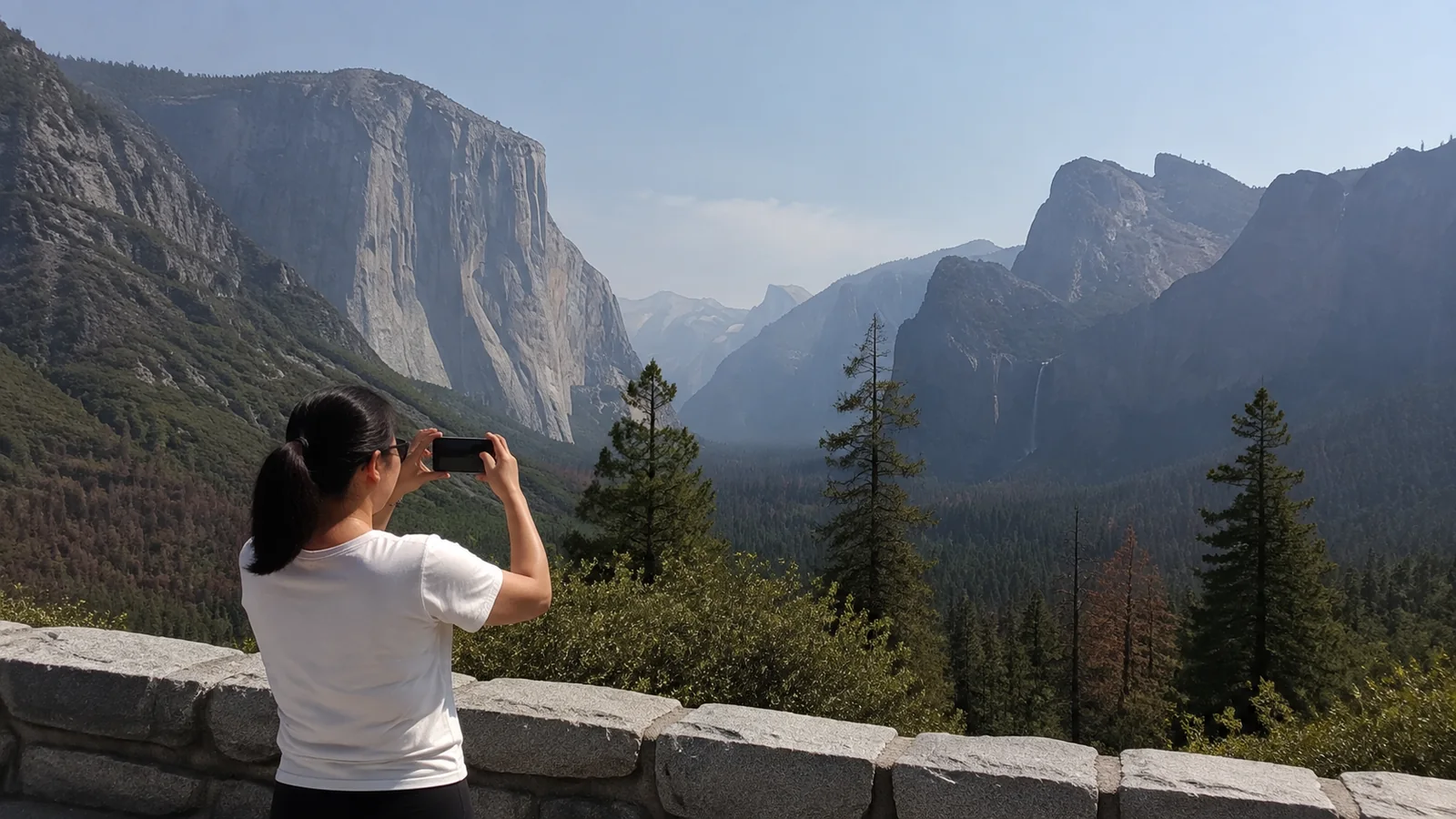
A successful Yosemite day trip stays in Yosemite Valley, arrives before the parking crush, and lets one flexible walk replace an impossible park-wide checklist. You can see El Capitan, Half Dome, meadows, and waterfalls in one day, but Glacier Point, giant sequoias, Tioga Road, and the Valley belong to separate itineraries.
Can You Visit Yosemite in One Day?
Yes, if the day begins close to the park or very early from a gateway town and the goal is Yosemite Valley. One day is enough for the classic views, a short trail, lunch, and a second easy walk, but not enough to understand a park covering nearly 1,200 square miles.
A same-day round trip from San Francisco is possible and exhausting. Once Bay Area traffic, fuel, entrance queues, mountain roads, parking, darkness, and rest stops are included, driving can consume more of the day than Yosemite.
I would sleep in Mariposa, El Portal, Groveland, Oakhurst, Fish Camp, or inside the park the night before. If the journey itself is part of the vacation, use the longer Yosemite road-trip itineraries instead of compressing several park regions into one transfer day.
The Entrance Rule
A reservation is not required to enter Yosemite in 2026, according to the park’s current permit and reservation page. An entrance fee still applies, and future years may use a different system, so check again shortly before travel.
No entrance reservation does not mean guaranteed parking, immediate access, or permission for every activity. Lodging, camping, wilderness travel, and Half Dome have separate requirements, while closures and traffic controls can change the route after arrival.
The standard private-vehicle entrance pass is $35 and valid for seven consecutive days. The official fee page also lists a substantial additional nonresident charge for certain visitors, so international travelers should check eligibility and pass choices directly rather than rely on an older budget.
Choose Yosemite Valley and Stick With It
Yosemite Valley is the strongest first-day choice because its compact floor holds El Capitan, Half Dome views, Yosemite Falls, Cook’s Meadow, the Merced River, visitor services, and the free shuttle. Most of the famous scenery can be experienced without driving to another region.
Glacier Point is about an hour by road from the Valley when its seasonal road is open. Mariposa Grove sits near the South Entrance, and Tuolumne Meadows lies far along seasonal Tioga Road, so adding any of them means sacrificing Valley time and accepting more parking risk.
If giant sequoias are your single priority, make Mariposa Grove the one-area day instead. Do not call it a Valley add-on, and verify the seasonal grove shuttle, trail conditions, and parking before leaving.
Arrive Before 8 A.M.
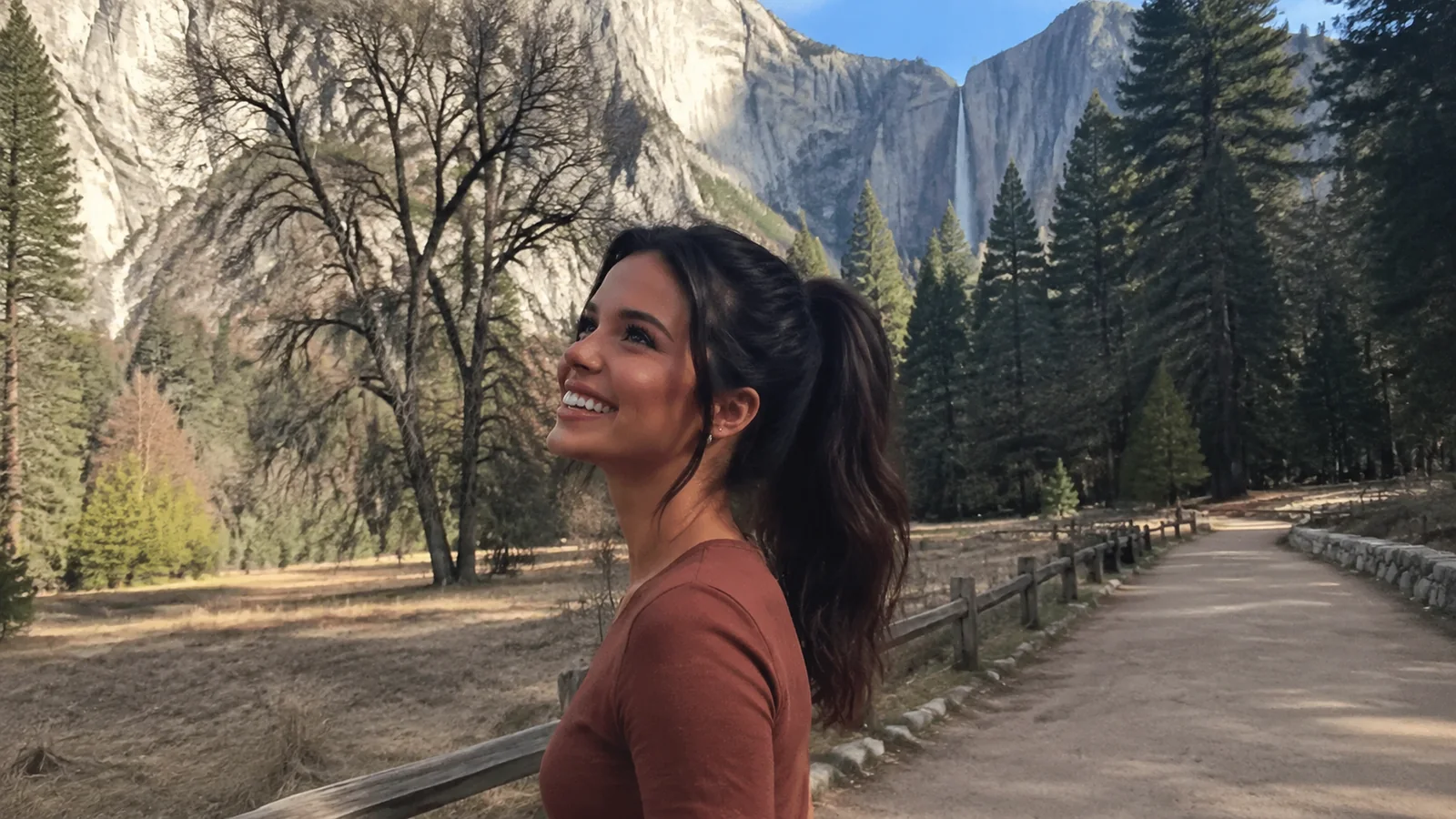
The National Park Service currently advises spring-through-fall day visitors to reach Yosemite Valley before 8 a.m., after which parking is usually full. On weekends and holidays, late arrivals may face multiple delays and can be prevented from continuing into eastern Valley roads.
Use the park’s current traffic guidance, leave your lodging earlier than feels necessary, and add time for the entrance station. A sunrise start is easier than spending the best hours circling with everyone else.
Once you secure a legitimate space near Yosemite Village, Curry Village, or Yosemite Falls, park once. Do not drive from sight to sight, because the next parking space may not exist.
Realistic Yosemite Day-Trip Itinerary
7:00 to 8:00 A.M.: Enter and Park
Your exact arrival depends on the gateway and entrance, but the goal is a Valley parking space before the rush. Use restrooms, pack water and lunch into the day bag, photograph the parking location, and leave unneeded food secured according to bear-storage rules.
If entering on Highway 41, Tunnel View is a logical brief stop before descending into the Valley when traffic and parking allow. From Highways 120 or 140, do not backtrack to it first; save that drive for departure only if daylight, energy, and conditions remain good.
8:00 to 10:00 A.M.: Lower Yosemite Fall and Cook’s Meadow
Walk the 1-mile Lower Yosemite Fall loop, then connect toward the 1-mile, mostly flat Cook’s Meadow Loop. Together they provide close waterfall access, broad views of Half Dome and surrounding walls, and an excellent introduction without burning all your energy.
The eastern section to the base of Lower Yosemite Fall is wheelchair accessible, while winter ice, wet boardwalks, construction, and temporary closures can still affect access. Waterfall volume is generally strongest in spring and early summer and can be very low by late summer.
10:00 A.M. to Noon: Yosemite Village
Use Yosemite Village for current information, exhibits or museum access when open, restrooms, and a calm reset. Do not spend half the day shopping, but do ask staff about weather, smoke, trail work, shuttle changes, and any hazard that should change the afternoon.
A packed lunch protects the schedule and budget, though food service can work if the line is reasonable. Eat only in an appropriate area and control every crumb and scented item in bear country.
Noon to 3:00 P.M.: Choose One Walk
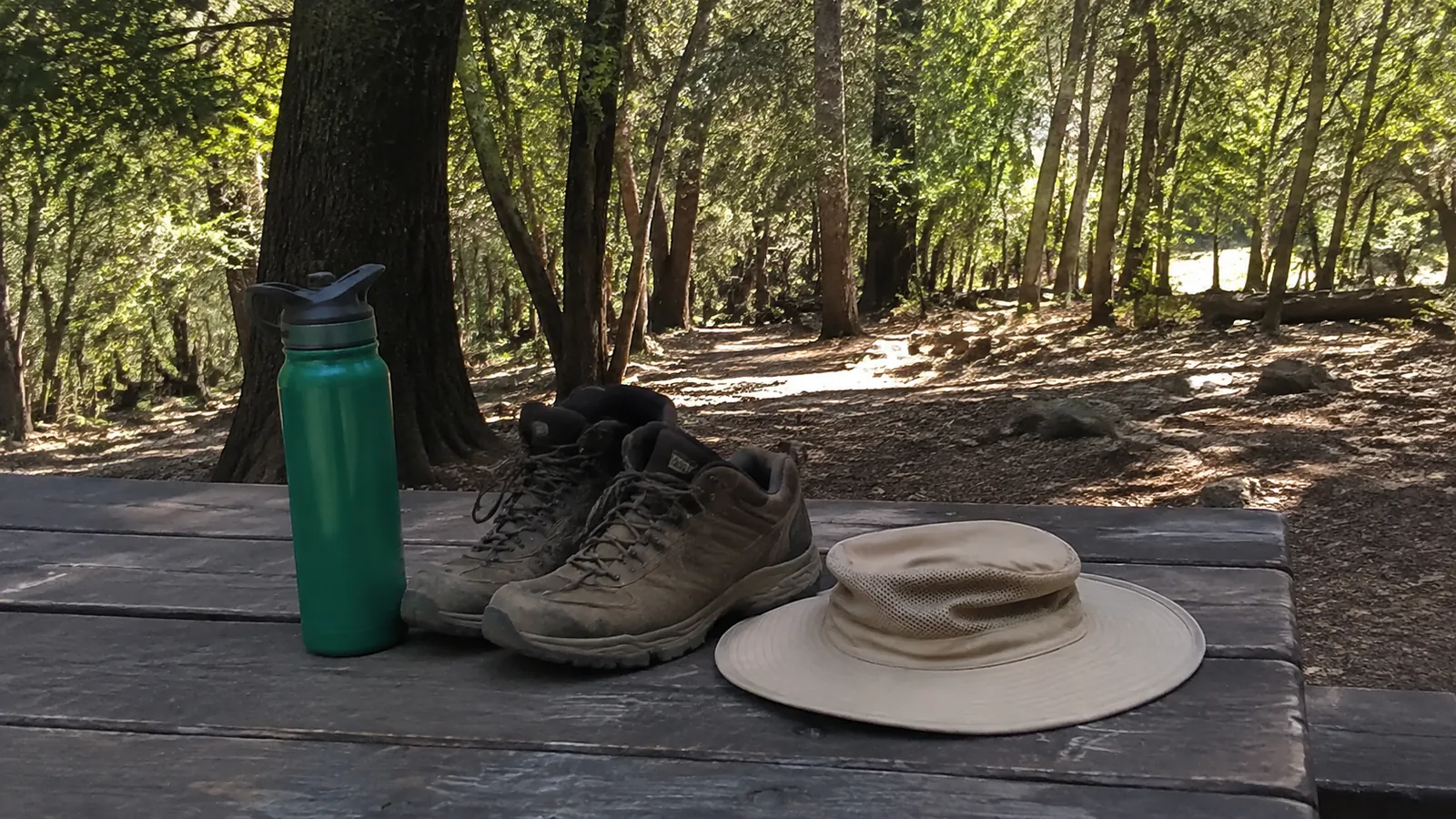
Easy choice: Take the shuttle toward Mirror Lake and walk the 2-mile round trip to the end of the paved route. Mirror Lake is a seasonal pool in Tenaya Creek and may have little water late in the year, but the canyon walls remain worthwhile.
Moderate choice: Walk a selected portion of the Valley Loop near the Merced River and El Capitan, then turn back. The full route takes most of a day, so a day-tripper should choose a segment, not chase the 11.5-mile circuit.
Steeper choice: Hike toward the Vernal Fall Footbridge only if the group has sturdy footwear, water, fitness, daylight, and confirmed trail access. The route continues far beyond the bridge into increasingly strenuous terrain, and wet stone, heat, crowds, and repair detours can slow progress.
Do not choose Half Dome. It is a long, strenuous objective requiring a permit when the cables are up, serious preparation, and an early dedicated start, none of which belongs inside a general sightseeing day.
3:00 to 5:00 P.M.: El Capitan and Valley View
Return to the vehicle only when you are ready to begin leaving the Valley. Use designated pullouts for El Capitan Meadow or Valley View if traffic controls, parking, and daylight allow, and skip any stop whose lot is full.
Never stop in a travel lane or walk into meadow habitat for a photograph. Binoculars can help you scan El Capitan from an appropriate viewpoint without approaching climber staging areas or blocking others.
After 5:00 P.M.: Leave With Margin
Expect slow outbound traffic, especially on summer weekends and holidays. Eat before the longest drive if the driver is tired, switch drivers where safe, and do not let a fixed dinner reservation encourage speeding on mountain roads.
A winter day should end earlier because ice, chain controls, and darkness raise the driving burden. The practical principles in these snow road-trip tips are a baseline, not a substitute for current Yosemite restrictions.
Use the Free Valley Shuttle Strategically
The Valley shuttle links major lodging, food, campground, village, and trailhead stops, but crowding and waits can erase the time saved. Walk short connections when everyone is able, then use the shuttle for the longer eastern Valley leg.
Check the current transportation page for routes and operating times rather than carrying an old stop map. Photograph the current sign near your first stop and confirm which loop returns to the parked car.
YARTS can bring visitors from certain gateway communities and remove the Valley parking problem. Service varies by corridor and season, so the exact outbound stop, last departure, luggage allowance, reservation method, and gateway connection must all be verified.
What Changes by Season?
Spring
Spring usually delivers the biggest waterfalls and cool mornings, while snow can keep high-country roads and some trails closed. Yosemite Valley is the correct focus, with rain gear and traction appropriate to the live forecast.
Summer
Summer brings the longest usable daylight and the harshest crowd pressure. Heat, thunderstorms, wildfire smoke, and low late-season waterfall flow remain possible, so start early and carry more water than a cool morning suggests.
Fall
Fall can offer pleasant Valley walking and thinner weekday crowds, but it does not guarantee solitude. Waterfalls may be modest, daylight shrinks, and the first snow can impose chain controls or affect roads.
Winter
The Valley remains open, but a one-day visit becomes a winter-driving decision. Chains may be required even for four-wheel-drive and rental vehicles, and the park can receive significant snow while lower California roads remain clear.
Check Conditions the Night Before
Open the official current-conditions page for roads, trails, facilities, weather, fires, smoke, and construction. In 2026, for example, scheduled Mist Trail work created weekday detours above the Vernal Fall Footbridge, a detail that an evergreen itinerary cannot safely predict.
Download the park map and key notices because cell service is limited. Screenshot the road report, weather, shuttle map, entrance information, and route back to lodging before departure.
What to Pack for One Day
- Refillable water and enough food for delays
- Layers, sun protection, and a rain shell
- Walking shoes with grip
- Offline map and charged power bank
- Small first-aid kit and personal medications
- Flashlight or headlamp for every hiker
- Tire chains when season or controls require them
Keep valuables with you and store food exactly as the park directs. A cooler left casually visible is not a substitute for proper wildlife-safe storage.
Day-Trip Mistakes to Avoid
- Leaving San Francisco after breakfast and expecting easy Valley parking
- Planning Yosemite Valley, Glacier Point, and Mariposa Grove together
- Following a map estimate that ignores entrance and parking delays
- Attempting a strenuous trail without turnaround time
- Driving between Valley sights after securing a space
- Expecting peak waterfall flow in every month
- Depending on cell service for directions or tickets
If the early start, long drive, and crowd strategy sound wrong for this vacation, that is useful information. Consider a less famous place from these underrated U.S. vacation options, or give Yosemite the overnight it deserves.
Accessibility and Family Planning
Much of the Valley’s developed sightseeing works for varied mobility, but shuttle lifts, accessible parking, path surfaces, restrooms, and temporary closures still need confirmation. Call the park before travel if a specific parking width, transfer, restroom, or route is essential.
Families should choose two short walks with meals and rest between them. The day becomes miserable when adults measure success by miles while children are hungry, hot, overstimulated, or frightened by steep water.
Yosemite belongs among the world’s most beautiful national parks, but beauty does not make every trail or season universally accessible. The right one-day plan is the one the whole group can finish safely.
My Yosemite Day-Trip Verdict
For a first visit, arrive before 8 a.m., park once in Yosemite Valley, walk Lower Yosemite Fall and Cook’s Meadow, then choose Mirror Lake, part of the Valley Loop, or the Vernal Fall Footbridge. End with El Capitan or Valley View only if traffic and energy cooperate.
One area is not a compromise. It is how a day trip becomes a day in Yosemite instead of a rushed driving tour of parking lots.