
Cruising With Toddlers: Childcare, Pool Rules, and Practical Planning
A toddler cruise can be genuinely relaxing when the ship, cabin, and daily plan match your child. Check minimum sailing ages, the exact childcare offered, diaper rules, and port-day logistics before booking, then build a flexible routine around naps and meals.
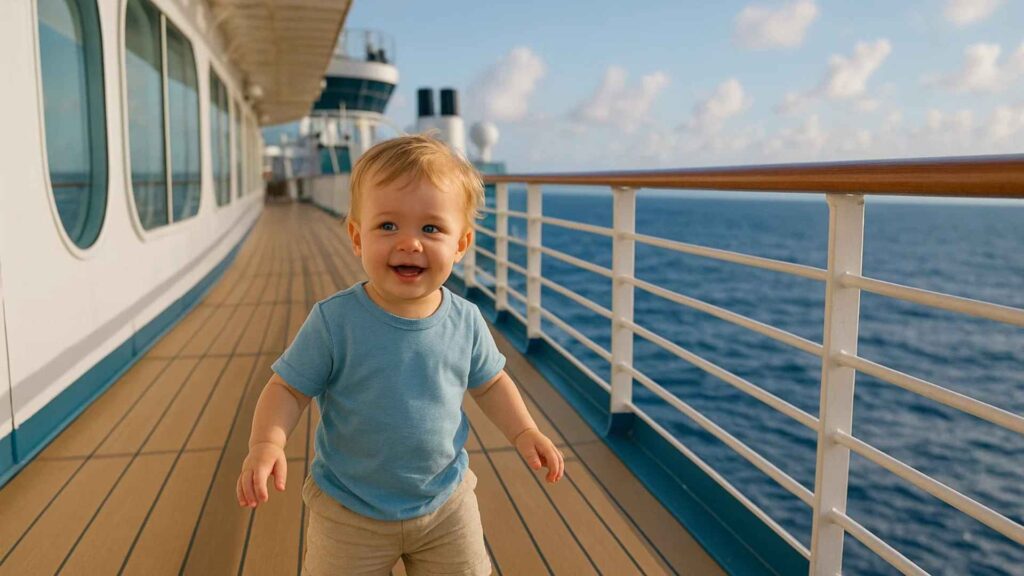

Start with five checks before choosing a cruise
The best toddler cruise is not necessarily the newest ship or the one with the largest waterslides. It is the sailing where your child is old enough to travel, has an appropriate place to play, can use at least some water facilities, and can sleep comfortably in the cabin.
First, verify the cruise line's minimum age for your exact itinerary. Many sailings accept infants from six months, while longer voyages and itineraries with several consecutive sea days may require a child to be at least one year old.
Second, look for the child's exact age in the current youth-program rules. A ship may advertise a kids club while offering only parent-accompanied play sessions, rather than drop-off care, for children under three.
Third, read the water-facility rules. The CDC Vessel Sanitation Program explains that children in diapers or who are not toilet trained cannot use cruise-ship pools, hot tubs, or spas, including when swim diapers are worn.
Fourth, examine the cabin layout, not just its occupancy number. A room that technically sleeps four may become difficult to move through when a crib is open and a stroller, luggage, and diaper supplies are inside.
Finally, check whether childcare operates during port calls, meals, or evenings if those periods matter to you. Hours, capacity, fees, and advance-reservation rules can change by ship and sailing.
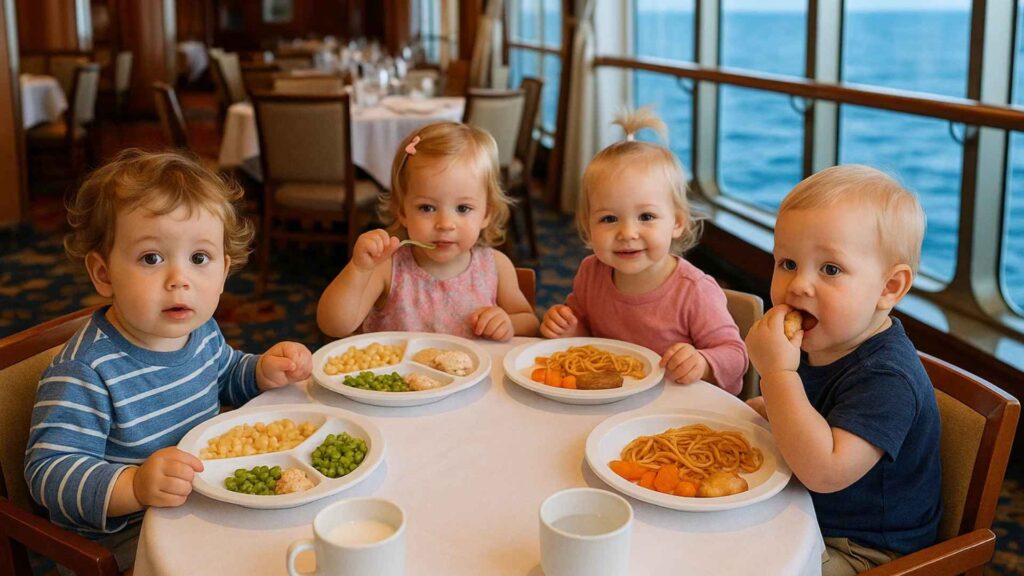
Understand what toddler childcare really means
Cruise lines use similar names for very different services. A nursery usually means staff care for a limited age group, while an open play session may require a parent or guardian to remain with the child.
Disney Cruise Line currently describes paid nursery care for children from six months through age three across its ships, subject to space and reservations. Its traveling with little ones guidance also notes that most sailings accept children from six months, but some longer itineraries have a one-year minimum.
Royal Caribbean separates its nursery from Adventure Ocean. The Royal Babies and Tots nursery generally serves children from six to 36 months on participating ships, while the standard Adventure Ocean program begins at age three.
That nursery is not available on every Royal Caribbean ship, so a fleetwide promise would be misleading. Confirm the current listing for the specific vessel and departure before paying a deposit.
Norwegian's Guppies offering is another important distinction. It is parent-accompanied programming for children from six months to three years, not a nursery or a drop-off program.
Norwegian's Splash Academy starts at age three and is offered while the ship is sailing, with schedules and capacity that can vary. A parent seeking care for a two-year-old should not assume a prominent family-program label solves the childcare question.
MSC lists Baby Time as a parent-child activity and Baby Care as a separate service for a narrower age range. Princess generally asks parents to supervise children younger than three in its youth spaces, while Carnival divides younger guests into age-based groups and also offers paid late-night care.
These examples are comparison points, not guarantees. Recheck the cruise line's page, the ship page, and the sailing information because staffing, hours, registration, and capacity can change.
Plan realistically around pool and splash-area rules
A swim diaper does not make a toddler eligible for a standard cruise pool. If water play is central to the trip, confirm that the exact ship has a designated area approved for children who are not toilet trained.
Some ships have compliant splash zones, but many do not. Marketing photos can show a large family water park without making clear which portion, if any, a diapered child may use.
Bring alternatives such as a small set of bath toys, reusable water-painting cards, and lightweight outdoor toys. Do not bring an inflatable pool without first checking the line's prohibited-items policy and cabin-use rules.
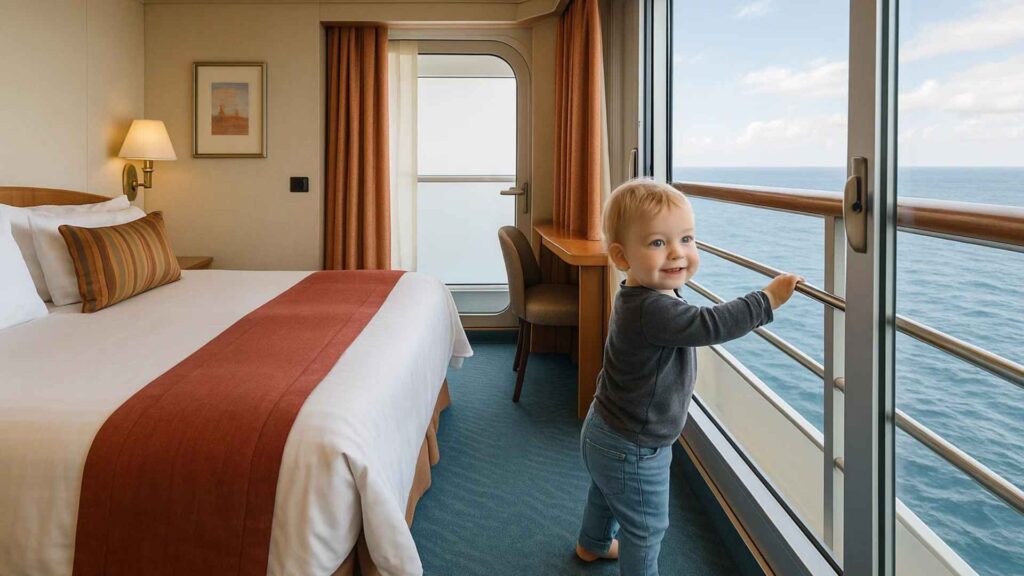
Choose a cabin that supports sleep
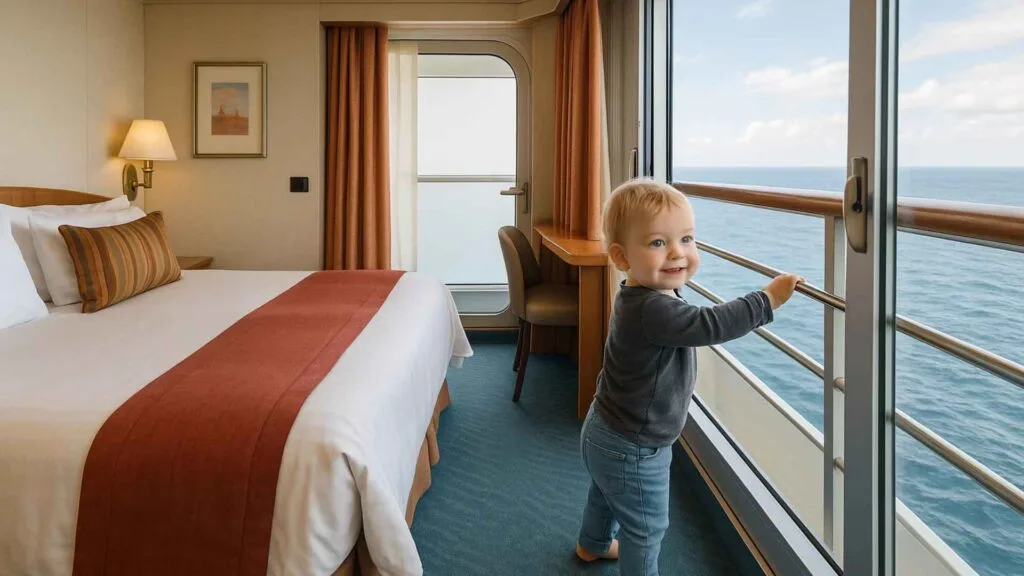
Ask where a crib or portable cot will be placed and whether it blocks the sofa, balcony door, or path to the bathroom. If the line cannot provide a diagram, search the exact cabin category and ship rather than relying on a generic fleet photo.
A balcony can give adults a separate place to sit during naps, but it requires strict door supervision. An ocean-view cabin removes that concern and still supplies natural light, while an inside room can become very dark for daytime sleep.
Cabin location also matters. A room under a pool deck, buffet, theater, or late-night venue may transmit noise, while a room far from elevators can turn every snack or diaper run into a long walk.
Pack a familiar sleep sack, pajamas, comfort item, and compact white-noise machine if your line permits it. Keep the bedtime routine recognizable even when the day's schedule changes.
Bathrooms can be another surprise because many standard cabins have showers rather than tubs. Practice showering with your toddler before travel, or ask whether your chosen cabin category has a tub.
Pack for delays, spills, and limited onboard stock
Bring enough diapers, wipes, preferred snacks, and any specialty feeding supplies for the voyage plus a delay margin. Ship shops have limited hours and inventory, and a familiar brand may not be available.
Divide essential supplies between checked and carry-on bags. Embarkation luggage may not reach the cabin until later, so the carry-on should cover several diaper changes, a full clothing change for child and adult, food, water cup, sun protection, and bedtime needs.
A compact stroller is often easier than a large travel system in narrow corridors and elevators. A soft carrier helps on stairs, tender transfers, cobbled streets, and crowded terminals, but confirm weight limits and practice using it before departure.
Add resealable bags, a wet bag, stain treatment, small laundry detergent sheets, and more clothing layers than a land itinerary might require. The broader cruise packing tips can help organize the rest of the family's luggage.
Build a flexible onboard rhythm
On embarkation day, locate the youth area, changing stations, quiet lounges, medical center, and an easy breakfast option. Register for childcare as soon as the line permits if space is limited.
A toddler does not need to attend every character event or family show. Choose one anchor activity in the morning and one later in the day, leaving enough unscheduled time for meals, movement, and recovery.
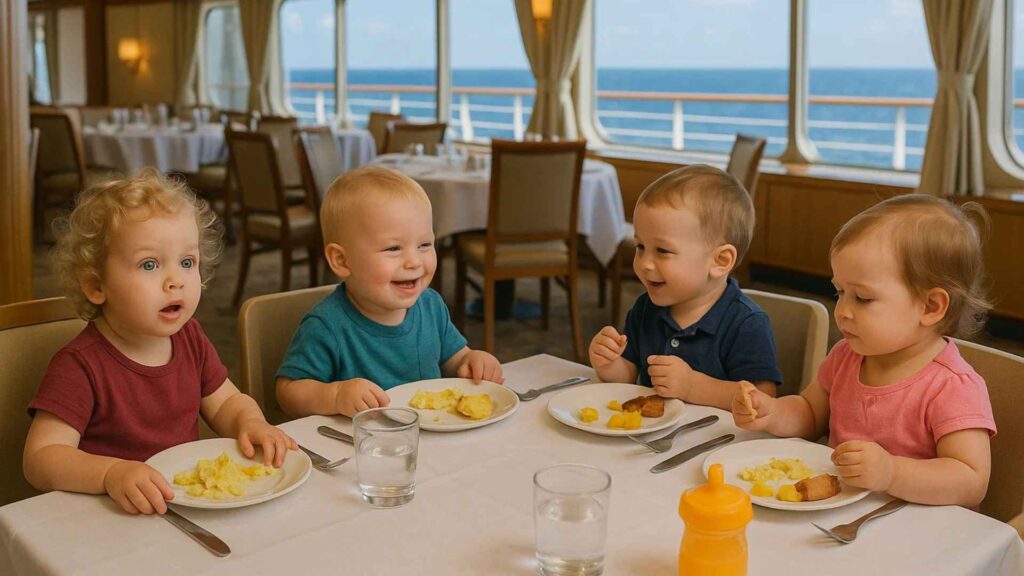
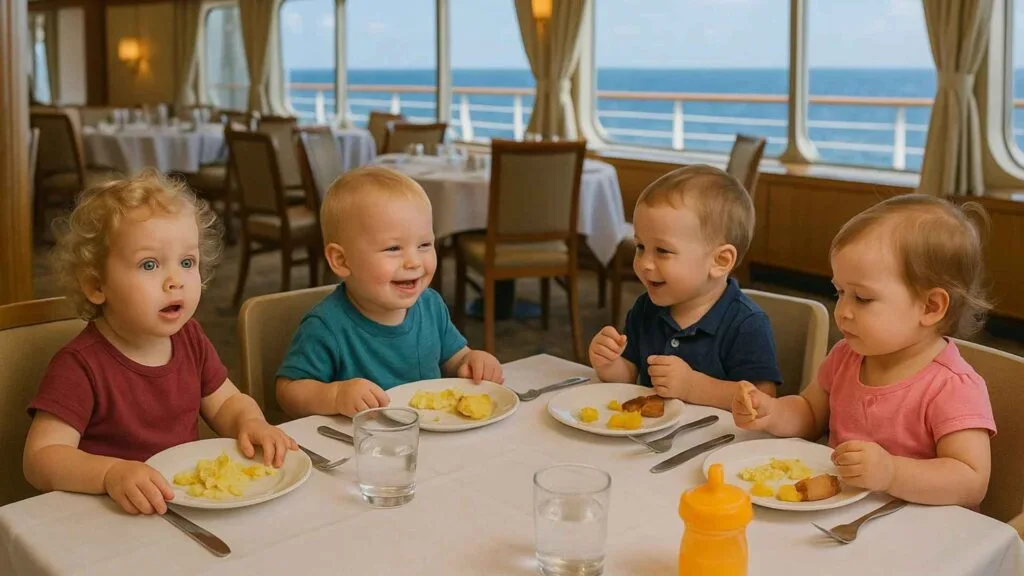
Early dining often works better for families with young children, but the ideal arrangement depends on the child's home routine. Flexible dining can reduce pressure if naps run late, though popular times may require reservations or a wait.
Use stairs when practical and avoid peak elevator periods immediately after shows or port arrival. A few minutes of timing can make moving a stroller much easier.
For more arrival, dining, and sea-day ideas, use these general cruise travel tips as a planning companion rather than a rigid schedule.
Treat port days as separate logistics projects
Read excursion minimum ages and transportation details before booking. A tour may accept toddlers but use a vehicle without an appropriate child restraint, involve a long boat ride, or include walking that is unsuitable for a stroller.
Ask the operator direct questions about drive time, seating, shade, bathrooms, meal timing, and the ability to return early. A private or self-guided outing can be easier than a long group excursion because it allows for a nap or sudden change of plans.
Do not assume the youth program will care for a toddler while adults go ashore. Even when port-day care exists, the age minimum, operating window, reservation policy, and requirement for a guardian to remain onboard can differ.
Carry more supplies than the published tour length suggests because transport and tender operations can be delayed. Keep passports or required documents, medications, diapers, water, food, and a change of clothes with you.
Prepare for illness without improvising
Before sailing, ask your pediatric clinician about the child's specific health needs and bring prescribed medication in original labeled packaging. Do not start or dose medication based on general internet advice.
The CDC Yellow Book cruise guidance explains that ship medical capabilities vary and serious cases may require evacuation. Travel insurance deserves careful review for medical care, trip interruption, and evacuation terms.
Know the medical center's location and contact method on embarkation day. If a child develops concerning symptoms, contact the ship's medical team rather than relying on childcare staff or waiting for the next port.
Handwashing remains important because young children touch railings, toys, and dining surfaces. Bring child-safe cleaning supplies only if permitted, and follow the ship's illness-reporting instructions.


Control costs before the sailing
Compare the full trip price, including nursery fees, gratuities, internet, specialty dining, transfers, and pre-cruise lodging. A lower fare can be poor value if the ship lacks the care or water option your toddler needs.
Reserve only the paid experiences that fit the child's likely rhythm and understand cancellation deadlines. The cruise money-saving guide offers more ways to compare the complete cost instead of focusing on the headline fare.
A final toddler-cruise checklist
Confirm the minimum sailing age for the exact itinerary, then verify the toddler program's age band, whether it is supervised or parent-accompanied, its cost, hours, reservation process, and ship availability. Save the current terms with your booking records.
Confirm pool and splash-zone eligibility, request the crib, inspect the cabin layout, and plan bathing. Then review excursion transportation, port-day care, medical coverage, insurance terms, and essential supplies.
The goal is not a perfectly scheduled, tantrum-free vacation. It is a trip with enough suitable options and enough flexibility that one missed nap or changed port does not unravel the entire day.


Frequently asked questions
Can a toddler go on a cruise?
Often yes, but the minimum age depends on the cruise line and itinerary. Longer or remote sailings may apply a higher age minimum, so verify the exact departure rather than relying on a general rule.
Can toddlers in swim diapers use cruise pools?
No, not in standard pools, hot tubs, or spas. Some ships provide a specifically approved splash area for children who are not toilet trained, but availability is ship-specific.
Do cruise ships provide drop-off care for two-year-olds?
Some ships have paid nurseries for that age, while others offer only parent-accompanied play. Check the exact ship, age band, hours, fees, and capacity before booking.
Is a stroller useful on a toddler cruise?
A compact stroller is useful in terminals and ports, while a carrier can be easier on stairs and tenders. Many families bring both if they pack small and expect varied terrain.
What is the most important booking decision?
Match the ship's exact toddler facilities to the way your family expects to spend the trip. A clear childcare and cabin plan usually matters more than the number of attractions advertised for older children.

Ellie is the founder of Ellie's Travel Tips, where she shares practical cruise tips, port guides, and step-by-step itineraries to help you plan smarter trips for less. Her checklists and packing guides turn travel daydreams into doable plans.